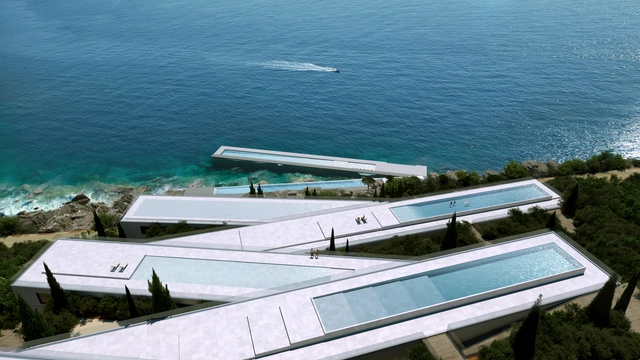
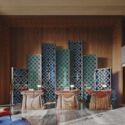
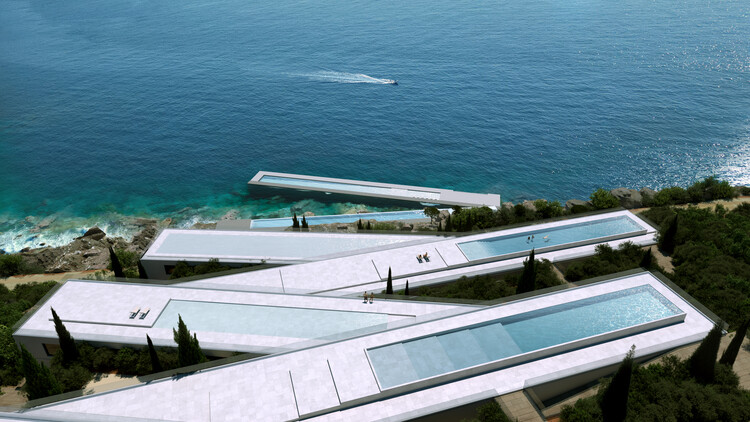
In contemporary architecture, hotel design is no longer defined solely by luxury and accommodation. Instead, it is becoming a platform to explore questions of identity, ecology, and cultural meaning. Beyond providing rooms and amenities, hotels today aim to create immersive experiences that connect travelers to local traditions, landscapes, and communities. In this curated selection of unbuilt hospitality projects, submitted by the ArchDaily community, speculative and competition-winning proposals offer a glimpse into the future of hospitality, where sustainability and storytelling are as central as comfort and style.
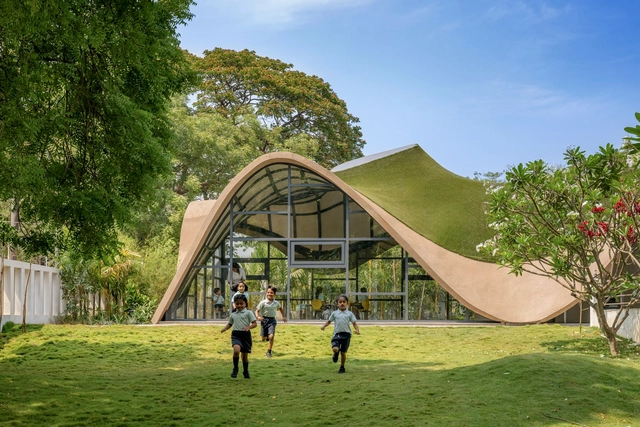
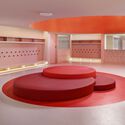
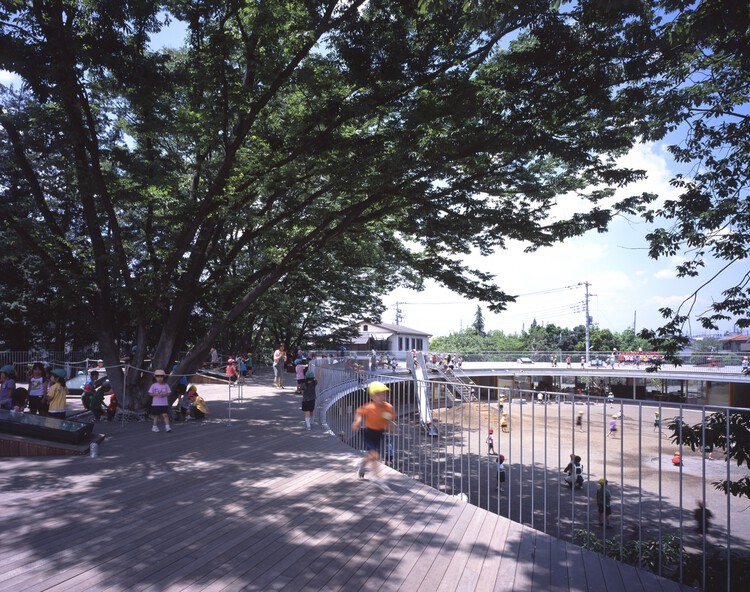
Kindergarten architecture has long stood apart as a realm where design and imagination converge. Unlike most building typologies, these spaces are conceived not only to shelter and function but to shape the earliest experiences of curiosity, play, and social interaction. Throughout history, the design of kindergartens has evolved alongside pedagogical shifts, moving from modest, utilitarian beginnings to highly intentional environments that stimulate both learning and wonder. In this context, architecture becomes more than a backdrop — it becomes a silent educator, capable of nurturing emotional, cognitive, and physical development.
Susanna Moreira's path into architecture was shaped early by her involvement in architectural theory and research during her undergraduate studies. Born in Salvador, Brazil, she has also lived and studied in Milan and São Paulo—experiences that have enriched her understanding of the dynamic intersections between art, architecture, and urban environments. These interdisciplinary interests continue to inform her curatorial approach and editorial work.
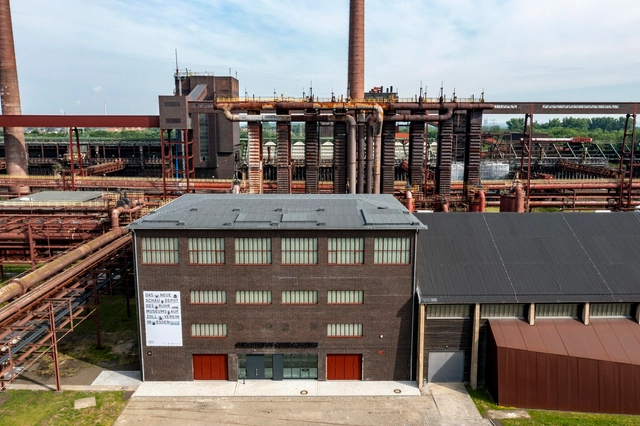
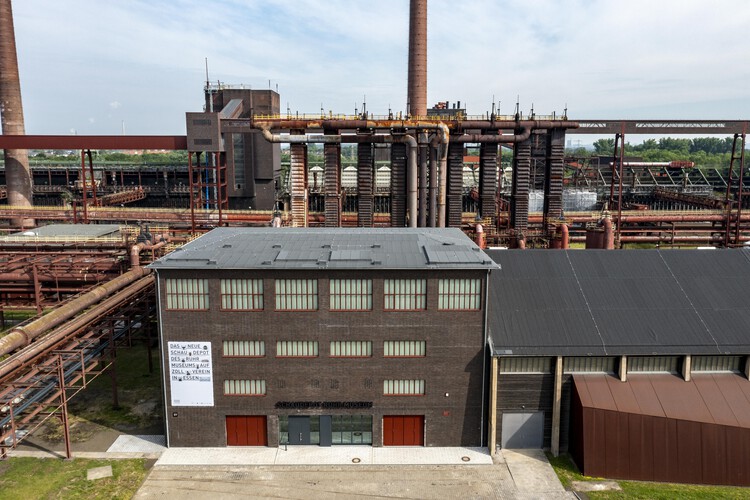
Once the largest coal mine in Europe, the Zollverein complex in Essen, Germany, has undergone a remarkable transformation over the past twenty-five years. What was once a landscape of abandoned industrial facilities is now a laboratory of contemporary architecture, featuring works by Rem Koolhaas, Norman Foster, and SANAA. Their interventions bridge the site’s industrial past with its imagined future. Spanning 100 hectares, the UNESCO World Heritage site has become a global model of adaptive reuse, redefining what it means to preserve industrial heritage. Within this context stands the Ruhr Museum and its enigmatic art repository, the Schaudepot. Located in the complex’s former salt factory, the museum impresses not only with its collection but also with its architecture, which transforms a 1960s industrial building into a vibrant cultural venue.
Because of its historical and architectural relevance, the project is featured in the 2025 edition of Open House Essen, under the theme “Future Heritage.” The initiative explores which spaces might shape our future architectural legacy and asks pressing questions: What should we preserve? What should we adapt? And how can we design a future that is both livable and fair?
The Design-Build model is an increasingly attractive project delivery method, offering benefits such as enhanced control, reduced risks, cost efficiencies, and quicker completion times. Central to this approach is teamwork and collaboration, contrasting sharply with the traditional method of separate design and fixed-price bidding by contractors. Design-Build naturally motivates all participants to seek ways to boost productivity and quality, ensuring fairness and transparency in costs.
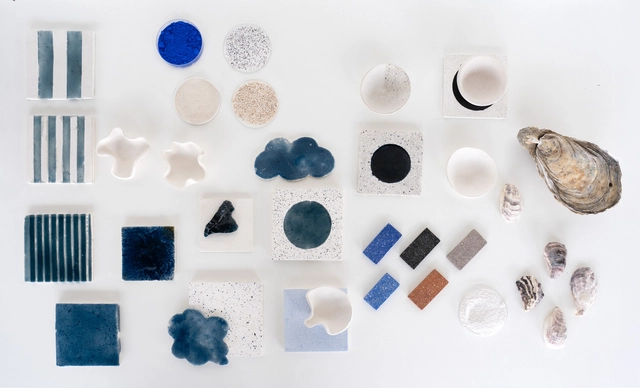
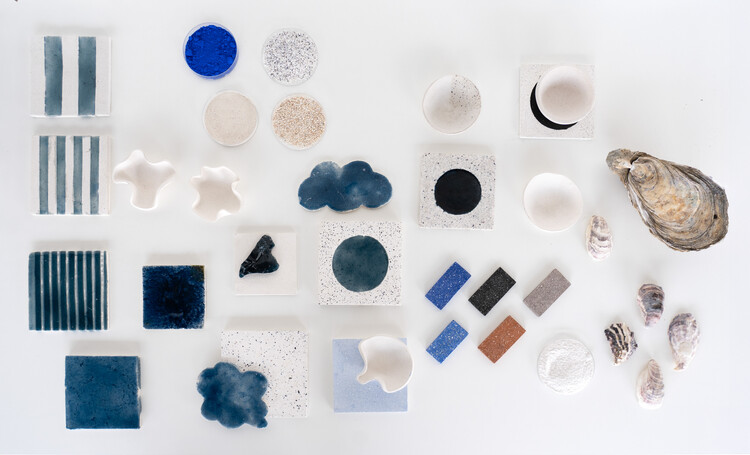
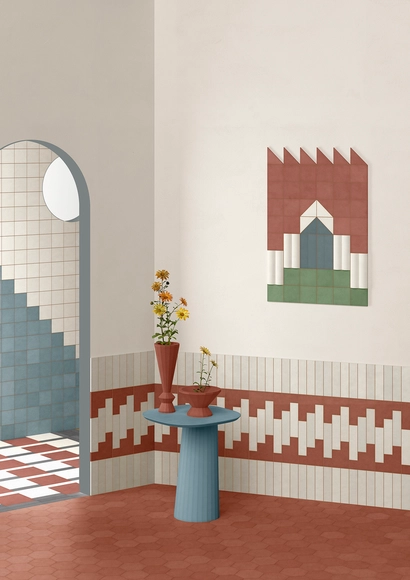
All materials come from somewhere, embedded in a chain of extraction, supply, production, and disposal that, depending on its scale, leaves more or less significant marks on the environment. In architecture, we usually approach this trajectory through the lens of materials' circularity, considering how they can re-enter production cycles rather than become waste. Yet, broadening our view to unexpected places reveals parallel systems where by-products from one industry become resources for another. This approach has found fertile ground in organic waste transformed into biomaterials, with one of the most recent examples being the work of Fahrenheit 180º. Through their installation, "From the Tagus to the Tile", they repurpose oyster shells initially discarded by food systems to create a reinterpretation of Lisbon's iconic tiles.
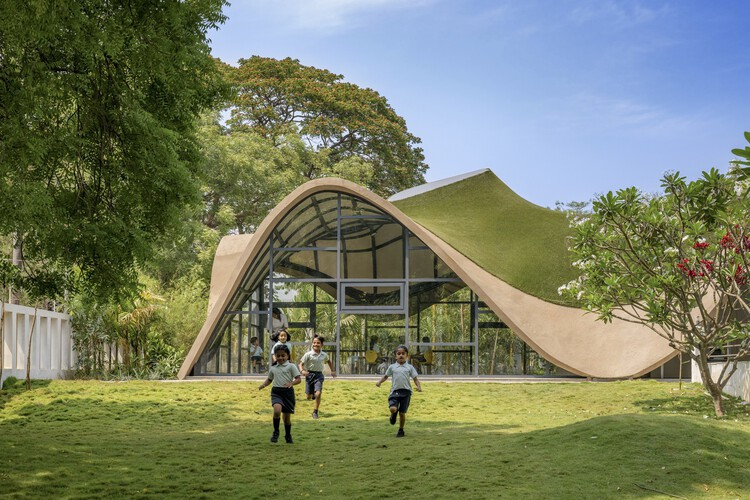
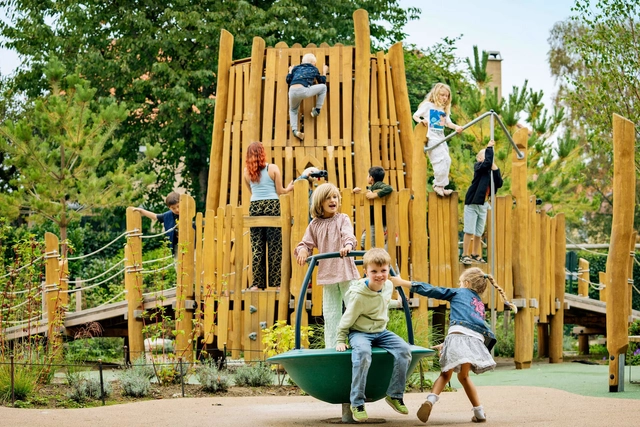
How do nature and landscape dialogue within spaces designed for children? How are architecture and urban design capable of shaping natural atmospheres that integrate practices of play, participation, and exploration? From participatory projects that involve children in the design process to built environments that incorporate furniture adapted to their needs, the conception of spaces for childhood entails the creation of places for encounter, learning, and coexistence. At times, these spaces are able to strengthen the relationships between interiors and exteriors, connecting their users with nature and the surrounding environment. Depending on their cultures, customs, and histories of attachment to place, several contemporary projects deploy tools and strategies that integrate architecture, nature, and pedagogy to form broad experiences of learning, play, and discovery.
As the AI fervor continues to reshape how people see the world, 2025 looms as yet another year in the march toward technological advancement. While some worry about the dominance of technology in society, architects are shifting their attention to the foundations of a digital future: data centers. The design of data centers challenges designers to reconcile the demands of technological functionality with the principles of architectural excellence. As the dependence on cloud computing, IoT ecosystems, and big data analytics deepens, data center architecture demands more attention. As data consumption skyrockets, data center consumption rates match the demand. These structures were once relegated to nondescript industrial zones, but are now becoming integral components of urban and suburban environments. While some community members are upset about the encroachment of data centers in their localities, others see them as indicators of economic development.
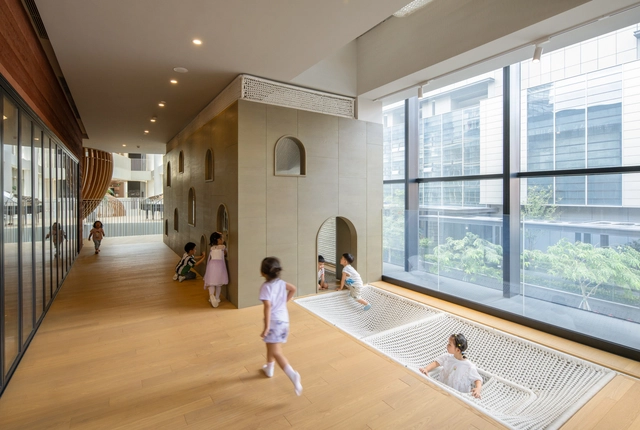
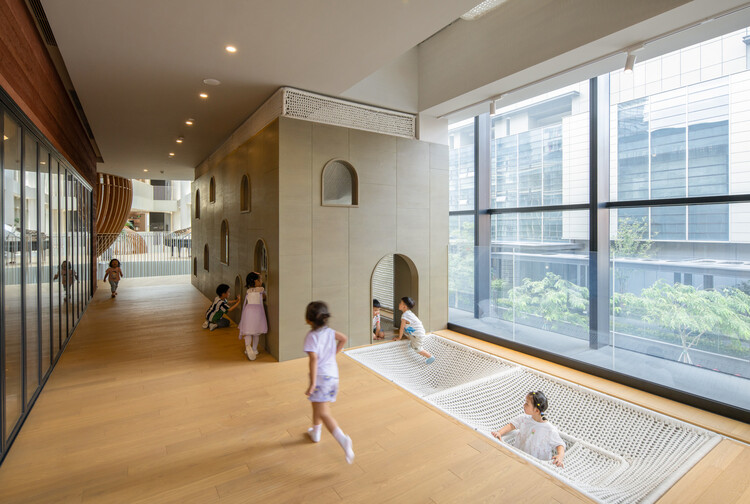
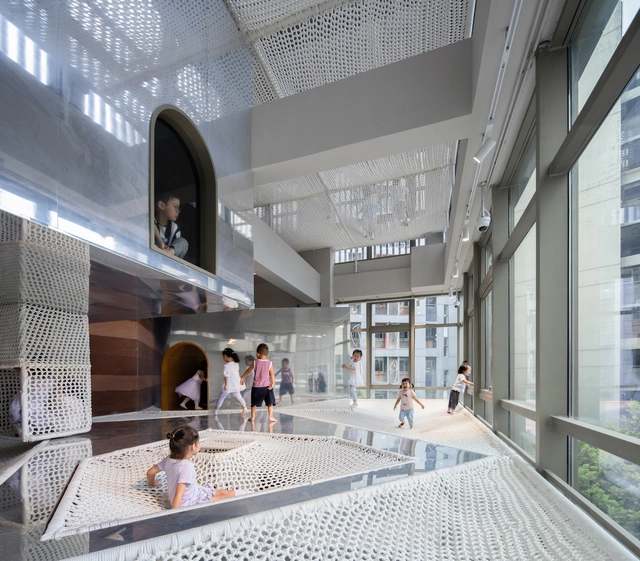
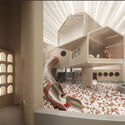
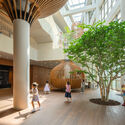
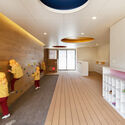
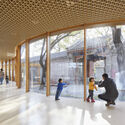
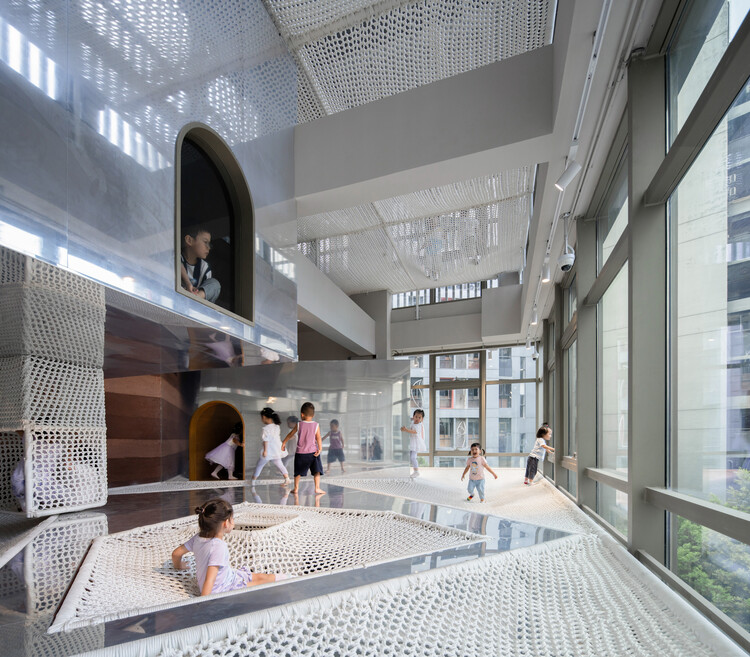
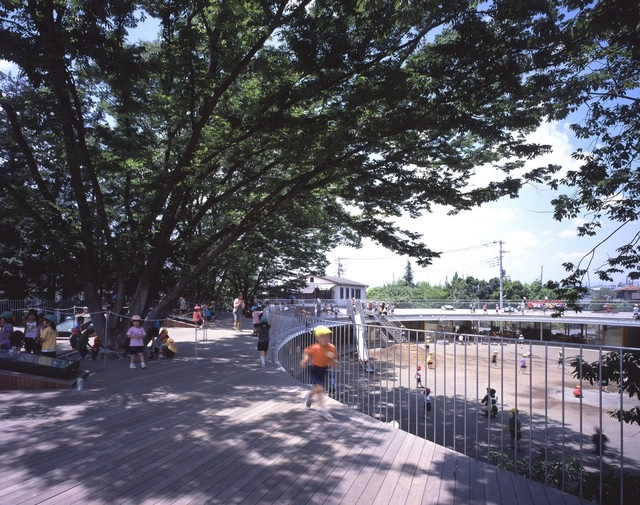
In contemporary Japanese and Chinese kindergarten design, architects are transforming the interior spaces from a simple container into an active, multi-sensory environment. This shift seems to follow Studies in developmental psychology that suggest that a child's experience of space begins with a sensorimotor engagement through touch and manipulation. Thus, they place a strong emphasis on the use of materials and the approach of learning through play. Architects seem to be moving beyond traditional classrooms, into environments that are tactile, stimulating, and rooted in their specific contexts. The buildings themselves become tools for education, encouraging children to learn and explore through direct physical engagement.
Architecture has historically produced many iconic buildings shaped by singular visions—often designed unilaterally for users, communities, and cities. While this top-down approach has enabled strong formal coherence and conceptual clarity, it has also prioritized authorship over engagement. The result: projects that may be celebrated as visionary, yet often feel disconnected from the everyday realities of those who inhabit them.
Designing for others is inherently complex. As architects, we are frequently tasked with creating environments for communities with whom we may have no personal or cultural familiarity. This distance, however, can offer valuable objectivity. It allows us to engage diverse perspectives with fresh eyes, critically analyzing the needs and constraints of multiple stakeholders. Through this process, the discipline of architecture has advanced—pushing boundaries in spatial thinking, material innovation, and structural experimentation.
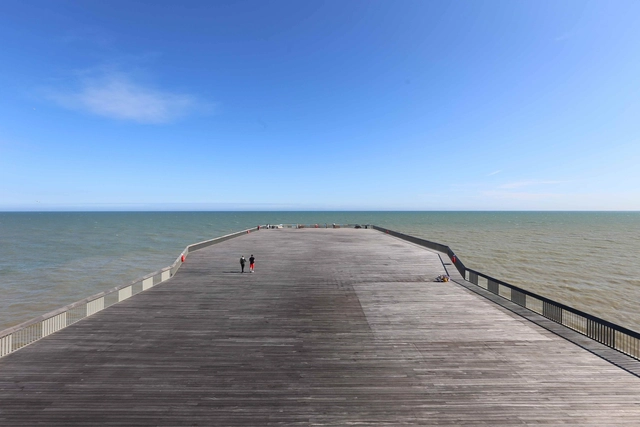
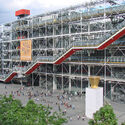
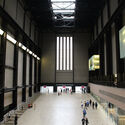
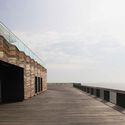
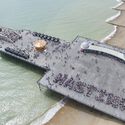
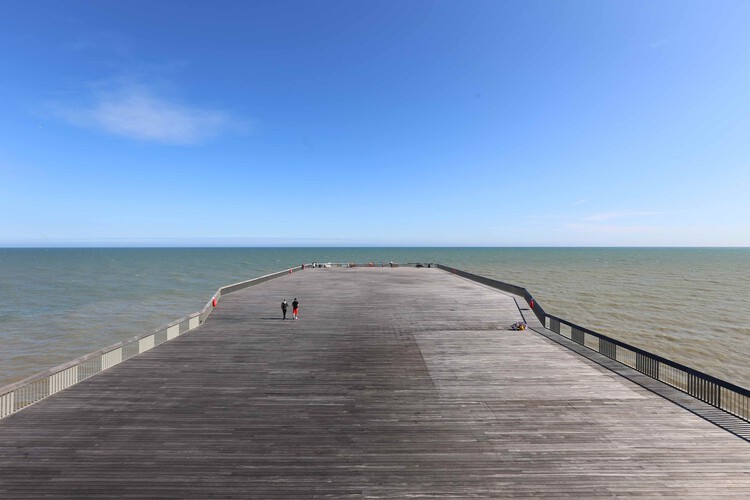
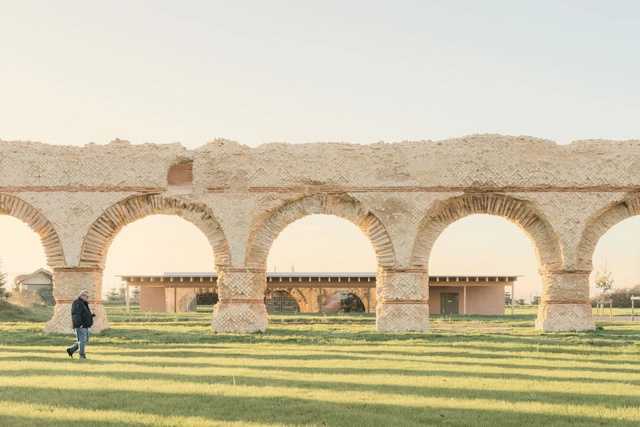
Whether for design competitions or architectural awards, buildings are often judged for what they offer–the programmed functions, the form, or the visual delight. In a minority of cases, it is the absence or the reduction of intervention that made a project successful. In 1971, a high-profile architectural competition in Paris was won by a proposal that only utilized half the available site, giving the rest as an urban space to the city. In London, a proposal to convert a disused power station with minimal additions, leaving large spaces untouched, won a design competition in 1994. The Stirling Prize, the UK's most prestigious architectural award, in 2017 was won by a proposal that was little more than an empty platform. These examples of cultural buildings from Northwestern Europe illustrate how the absence of intervention can provide more.
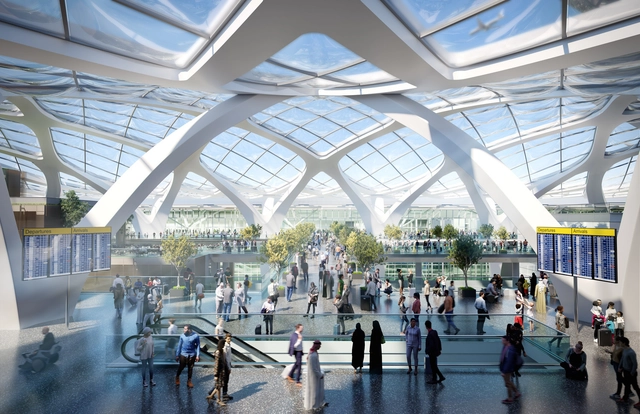
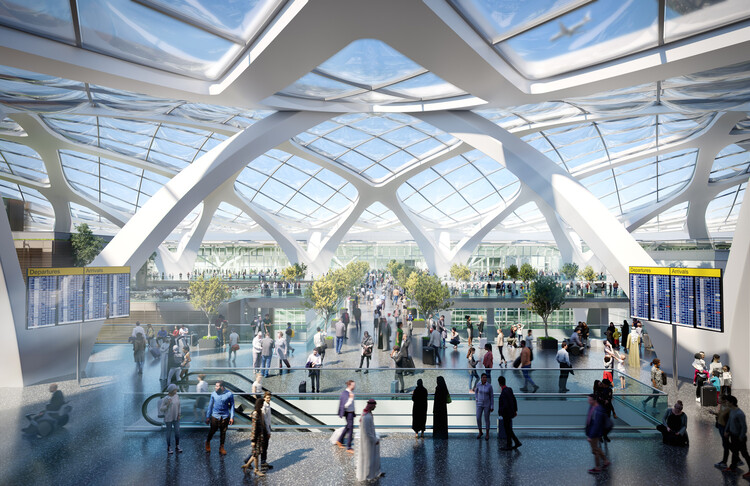
This edition of Architecture Now brings together projects that explore how architecture is reshaping global gateways, cultural destinations, and urban living. SOM's design for a new Arrivals and Departures Hall in Austin and Scott Brownrigg's Heathrow West proposal highlight the airport as a civic threshold, while Kerry Hill Architects' three-tower precinct in Brisbane emphasizes public space and subtropical landscapes in high-density housing. Zaha Hadid Architects' beachfront tower in Florida extends Miami's sculptural coastal tradition, and Pharrell Williams and NIGO's Japa Valley Tokyo introduces a temporary cultural district blending art, hospitality, and retail. Together, these initiatives reflect how infrastructure, lifestyle, and design intersect to define contemporary urban experience.
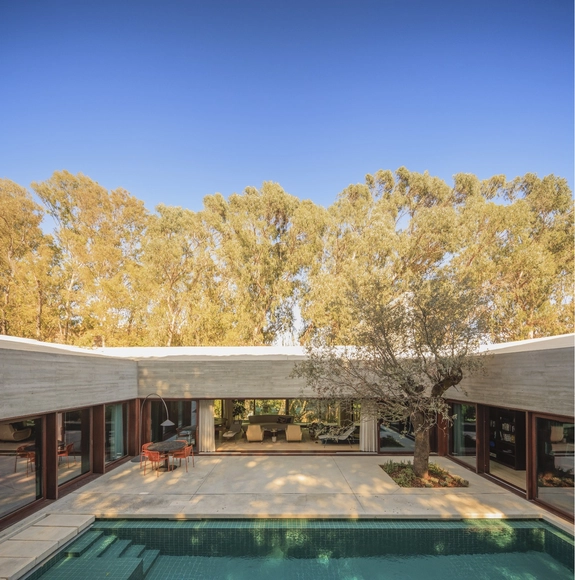
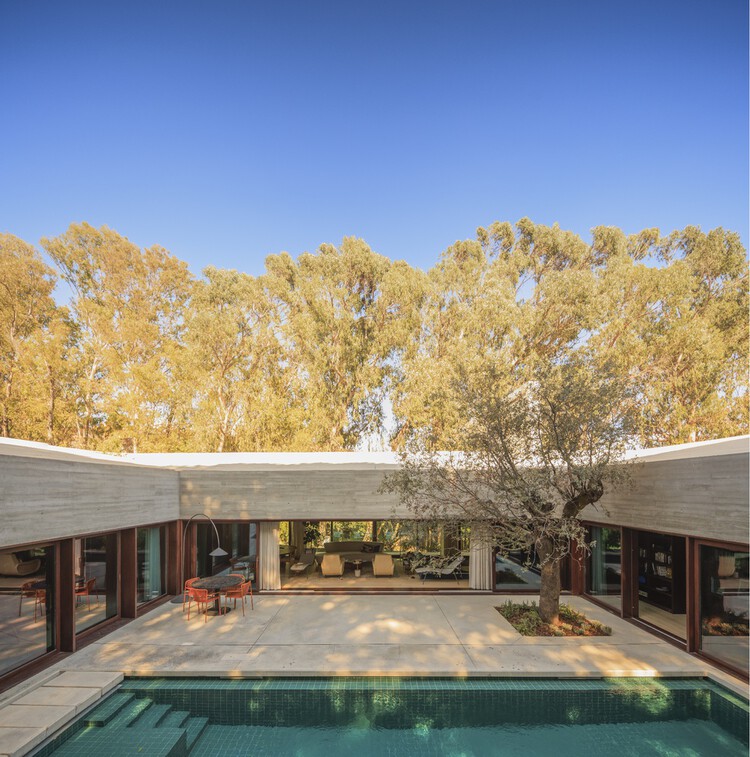
Patio houses embody one of the most enduring architectural typologies, encapsulating the duality of openness and seclusion while nurturing a profound connection with nature. While the term is also used in contemporary American real estate to describe low-maintenance, single-story dwellings on small lots, its classic architectural meaning refers to an introverted design organized around a private, central courtyard. It is this traditional form, the subject of this article, that traces its origins back thousands of years. Patio houses emerged independently in various regions, responding universally to fundamental human needs: privacy, climatic adaptability, and spatial coherence. Despite diverse geographic and cultural expressions, the core principles of introversion, controlled openness, and environmental sensitivity remain remarkably consistent throughout the evolution of this typology.
For nearly 65 years, the DETAIL brand has stood for meticulous research and comprehensive architectural documentation. The magazine articles and specialist books demonstrate how outstanding architecture is planned, designed, and executed. They provide in-depth knowledge of building construction, building typologies, and technical aspects of architecture.
DETAIL has become especially renowned for its construction drawings, which are carefully researched by editors and redrawn by an in-house CAD team in a standardized style.
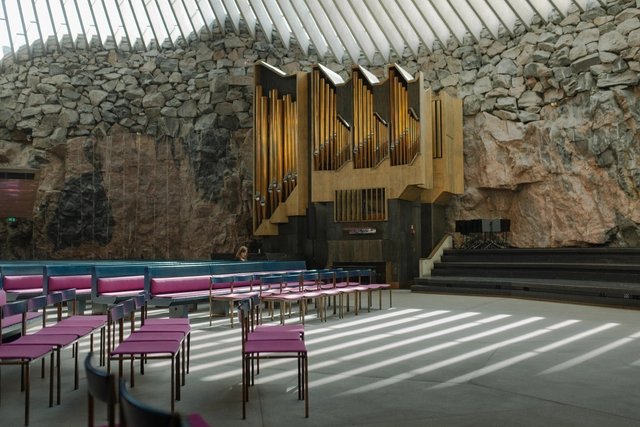
Near the center of Helsinki, Finland, in the Töölö neighborhood, one can find the Temppeliaukio Church, an unusual-looking Lutheran church nestled between granite rocks. Approaching the square from Fredrikinkatu street, the church appears subtly, a flat dome barely rising above its surrounding landscape. An unassuming entrance, flanked by concrete walls, leads visitors through a dark hallway, and into the light-filled sanctuary carved directly into the bedrock. The exposed rock walls earned it the alternative name “The Church of the Rock.” To contrast the heaviness of the materials, skylights surrounding the dome create a play of light and shadows and a feeling of airiness.
The church is the result of an architectural competition won by the architect brothers Timo and Tuomo Suomalainen in 1961. Their original solution was recognized not only for its creativity but also for the respect it showed to the competition’s goal: “to include the organization plan for the whole Temppeliaukio Square, taking into attention that as great part as possible of the rock outcrop of the square to be preserved.” The winning proposal achieves this by embedding the church inside the rock and placing parish facilities on the edges of the hillock. This article explores the story behind the Temppeliaukio Church both narratively and visually, through the lens of Aleksandra Kostadinovska, a professional photographer from Skopje.
In South AmericanIndigenous communities, a child’s place is wherever they choose to be. Babies crawl on the earthen floor, approach the fire, investigate anthills, and experience the world with their whole bodies. They learn by feeling: discovering limits, recognizing dangers, and gathering lessons no manual could ever teach. In urban contexts, by contrast, children are often confined to spaces designed for adults, filled with rules that—though well-intentioned—tend to distance them from essential experiences. Rather than judging which model is “better,” what matters is recognizing that when cultures observe one another, there is always room for learning.
From an architectural perspective, this childhood with little freedom of time and movement challenges us to rethink how we shape daily environments. Why restrict spontaneous exploration to controlled settings? Why create physical and symbolic barriers between children and the natural world? And, above all, how might contemporary architecture break away from this paradigm and, inspired by Indigenous childhoods, design environments that restore to children their wild, curious, and complete dimension?
Concrete is anything but a consensus. Some love it, others hate it. It can feel as tough as granite or soft as velvet — all depending on whose hands are doing the shaping. Treated with engineering precision or a touch of artistic flair, concrete stops being just a material and starts acting alive. It plays with light, surprises with texture, and somehow gives form to silence. Although dense and structural, concrete can take on an almost immaterial presence: light, ethereal, and contemplative. In certain spaces, it seems to disappear, dissolving into the shadows or vibrating with the surrounding light. More than just a construction element, it becomes a language, capable of evoking emotion, spirituality, and time.
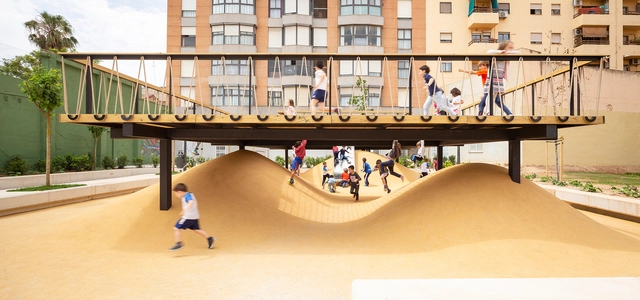
Play extends beyond its recreational dimension, unfolding as a social act that encourages children to learn, interact, be creative, and engage with their spatial context. As Johan Huizinga notes in Homo Ludens, it is a fundamental element of culture, where kids form bonds and explore ways of coexisting. When the architecture of play spaces excludes certain bodies or modes of participation, the collective experience becomes fragmented and loses part of its meaning. Designing with inclusion in mind, therefore, means recognizing that the actual value of play lies in its potential to be shared by everyone.
https://www.archdaily.com/1033205/inclusive-playgrounds-every-body-can-play-through-architectureEnrique Tovar
Architectural photography provides a window into the built world, making significant structures more accessible to people who may never have the chance to visit them. A good architectural photograph captures more than just the physical structure; it conveys the mood, scale, and context of a space. Each photograph is unique and shaped by the photographer's eye, which conveys their sensitivity and perception of the built environment through their lens.
Across Asia, bamboo scaffolding has symbolized an intersection of traditional knowledge and modern construction. Hong Kong's skyline is shaped by intricate bamboo scaffolding, yet this time-honored craft is steadily vanishing from the region. Moving east, Indian cities still utilize bamboo scaffolding on building sites throughout the subcontinent, revealing a different kind of paradox.
By Jeanette Fich Jespersen, MA, Head of the KOMPAN Play Institute, Head of the steering committee of the World Playground Research Institute, University of Southern Denmark, Vice-president of International Play Association, Denmark.