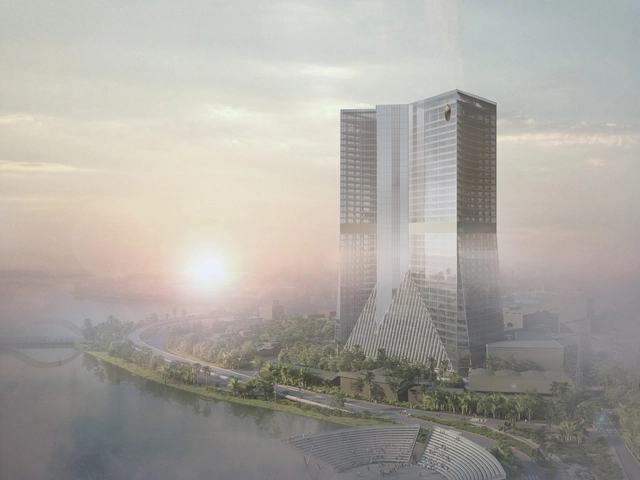
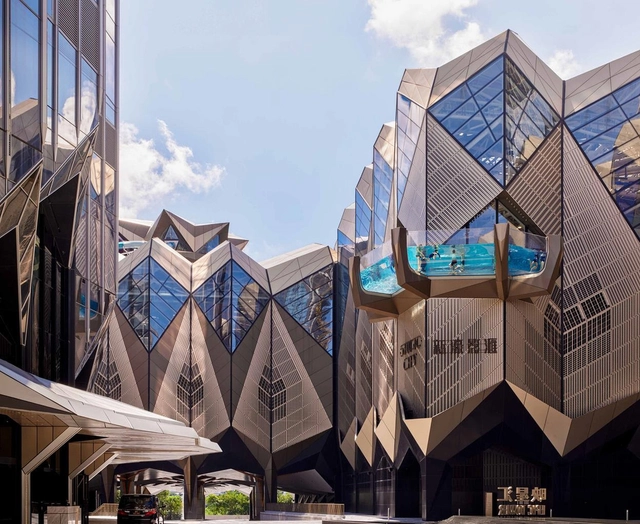
Construction on OMA’s first project in Bangladesh, the Dhaka Tower, has just started. Reaching a height of 150 meters and spanning 180,000 sqm in office space, the project is set to stand as one of the tallest buildings in the country. This scheme marks a significant milestone in the urban landscape of Bangladesh, designed by OMA in collaboration with local real-estate developer Shanta Holdings.
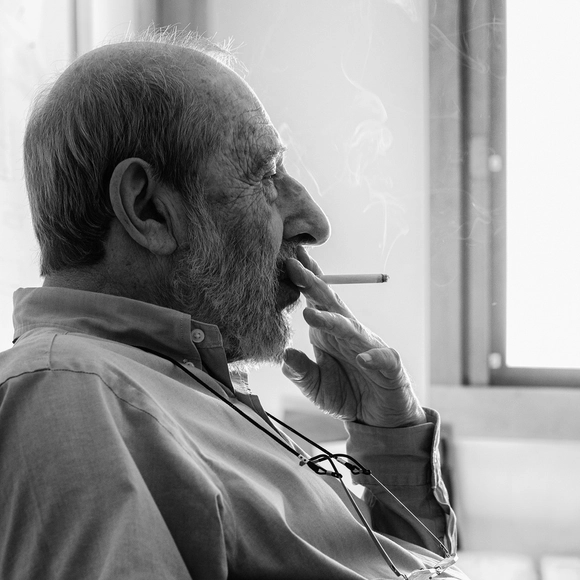
In Porto Alegre, the building of the Iberê Camargo Foundation; in the city of Porto, the office of Álvaro Siza, the architect and author of the celebrated project for the institution's headquarters, inaugurated in 2008. Throughout 70 minutes, the documentary "Paisagem Concreta" or Concrete Landscape navigates between these two ports.
https://www.archdaily.com/1007293/concrete-landscape-alvaro-sizas-documentary-is-available-for-streaming-nowArchDaily Team
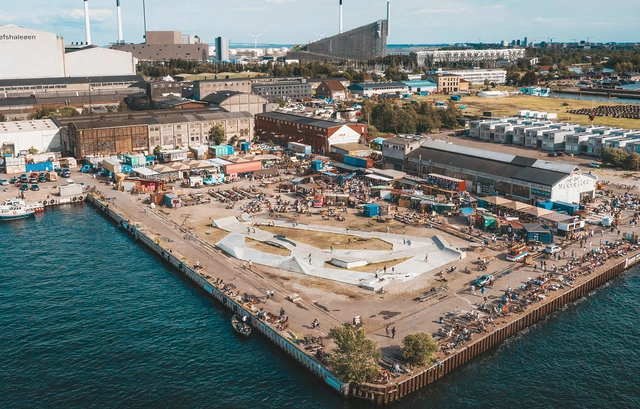
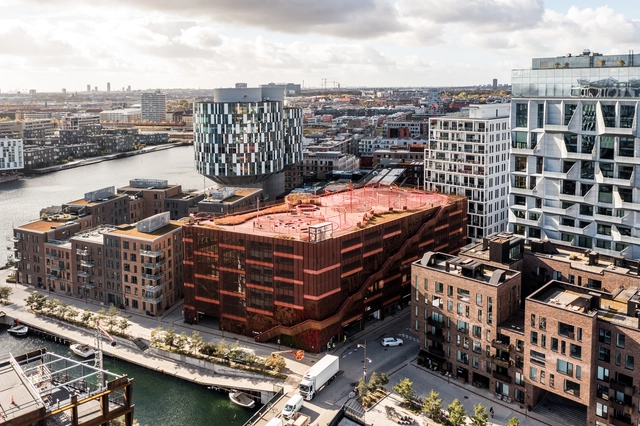
What will cities of the future look like? Or rather, what should cities of the future look like? The classic sci-fi, Star Trek-inspired movies many of us grew up watching painted a picture of flying cars, grotesque steel skyscrapers and urban fabrics far too vast and dense for the human scale. It’s safe to say, however, that the ideal for today’s and tomorrow’s cities has taken a 180-degree turn. New, modern urbanism promotes diverse, mixed-use cities with walkable blocks, sustainable transport and accessible public spaces. Copenhagen, with its pedestrian- and bicycle-friendly streets, idyllic water canals, iconic buildings and overall happy residents, ticks many of those boxes. No wonder the Danish capital has been designated as UNESCO’s World Capital of Architecture for 2023; another testament to the city’s position as a laboratory for innovative contemporary architecture and human-centered urban planning.
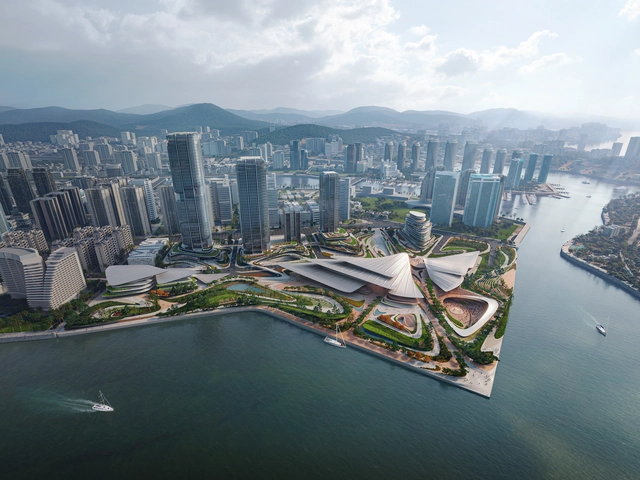
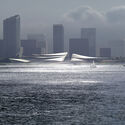
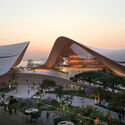
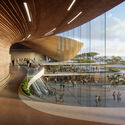
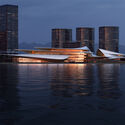
The city of Sanya in Hainan, China, has selected Zaha Hadid Architects as the winner of the competition for the design of the city’s new harborside cultural district. The new development, measuring a total of 409,000 square meters of built area, aims to become a central location for Sanya’s cultural life, providing diverse programming for performing arts, theater, exhibition galleries, conferences, and commercial trade fairs. The fluid shape of the buildings creates a transition from the tropical waters of Sanya Bay to the urban fabric of the city, with a central axis dividing the layered roofs that feather outwards and dematerialize the architectural volume.
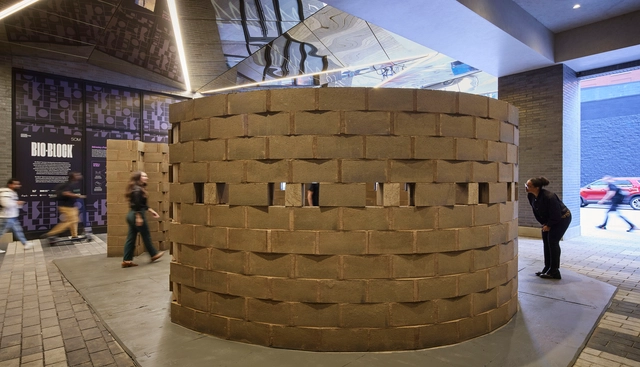
For the opening of CAB 5, the 5th edition of the Chicago Architecture Biennial,Skidmore, Owings & Merrill (SOM) presented an eco-friendly alternative to traditional concrete. Named the “Bio-Block Spiral,” the installation is at The Mews in Fulton Market in Chicago. The creation was developed with Prometheus Material, a materials company that provides sustainable building materials for a carbon-negative future.
By the time I was 17 years old, I had moved 11 times. Because of my own experience relocating from one place to another, I’ve spent the better part of the last several decades focused on making sure that everyone has a place to call home, that everyone enjoys the human right to housing. But it was not until my time at Enterprise Community Partners, a nonprofit focused on community development and affordable housing, that I realized the methods and materials we employ to realize that human right matter.
The Media Architecture Biennale Awards recognize the world’s best projects at the intersection of architecture, urban design and planning, media and interaction design, and urban media art.
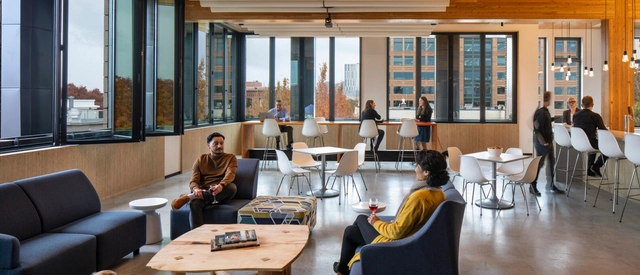
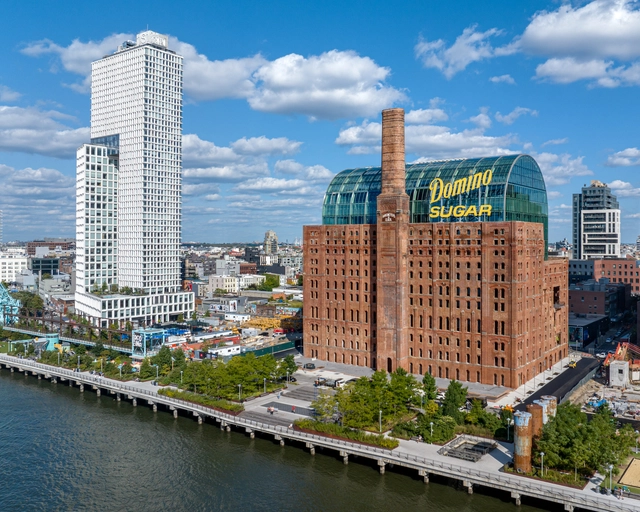
Two Trees Management announced the official reopening of The Refinery at Domino Sugar, one of Brooklyn’s most iconic buildings transformed into a modern workspace. The design of the adaptive reuse project, led by Practice for Architecture and Urbanism (PAU) began in 2017 with the purpose of reimagining the monument to become a point of connection between the existing neighborhood and the recaptured waterfront. The building now features 15 stories of office space, approximately 460,000 square feet, complete with retail spaces, communal workspaces, a private club, and event spaces.
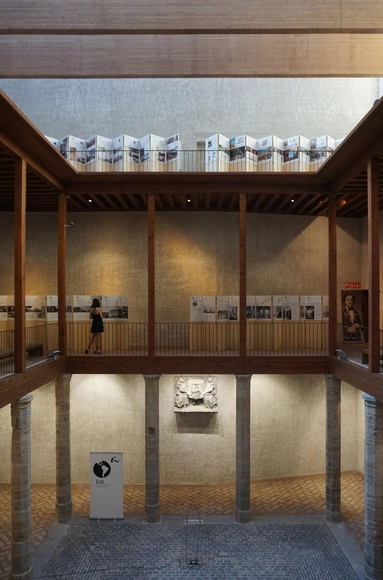
A new edition of the Latin American Architecture Biennial was inaugurated today, on September 26, in the city of Pamplona, Spain. The main program of the Biennial, featuring Ecuador as the guest country, will run until September 29 at The Condestable's House and the School of Architecture of the University of Navarra. Additionally, it will be complemented by extensions in Seville, Granada, Barcelona, and Madrid from October 2 to 5.
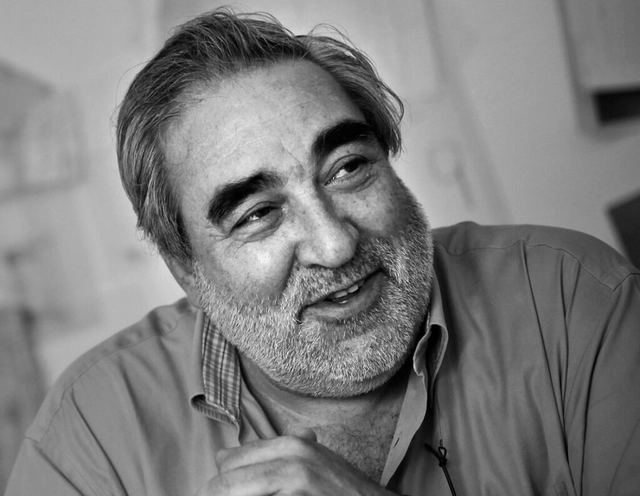
Eduardo Souto de Moura. Image via CAU/BR, divulgação
The Portuguese architect Eduardo Souto de Moura will receive yet another international recognition for his career. On October 20th, the Circle of Fine Arts of Madrid or Círculo de Bellas Artes de Madrid (CBA) will award the architect the Gold Medal, its highest distinction. This tribute not only adds to Souto de Moura's extensive list of accolades, which includes the 2011 Pritzker Prize and the 2013 Wolf Prize, among others but also represents an expression of appreciation from the world of culture and the arts for a career and body of work that transcend architecture and "reach the dimension of poetry through the acceptance of the technical demands of buildings
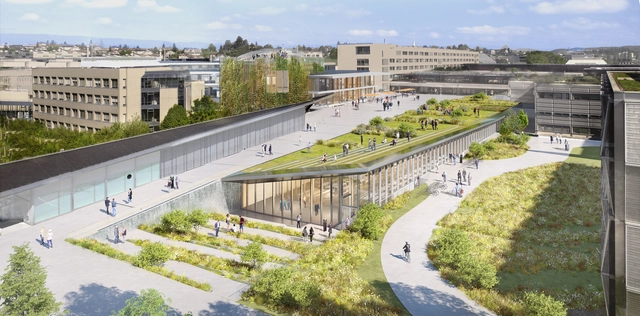
Following an international competition, the team led by Dominique Perrault Architecture has been commissioned to reimagine and rehabilitate the Esplanade-Coupole area in École Polytechnique Fédérale de Lausanne (EPFL)’s Campus in Switzerland. The winning project includes the addition of a new building and the renovation of the Coupole to increase its capacity, as well as improvements to the public spaces. The intervention reuses the former Esplanade underground car park, taking advantage of its central location within the campus and creating a new topography to seamlessly integrate the new additions into the dense fabric of the complex. The project, including the new additions and the renovation of existing structures, is set to be built between 2025 and 2028.
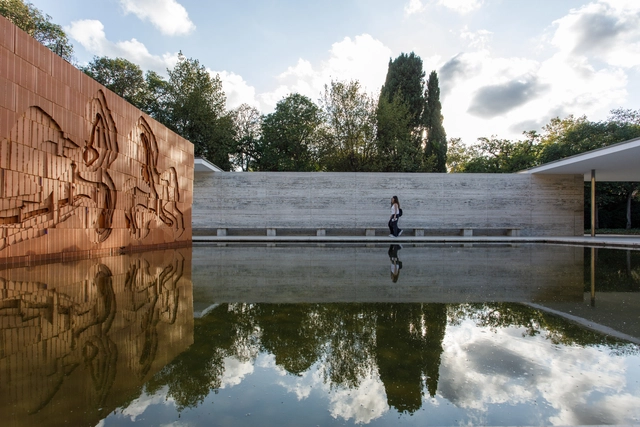
From September 14th to October 8th, 2023, "Psicoarquitectura" will be showcased at the German Pavilion, designed by Mies Van der Rohe and Lilly Reich, located in the city of Barcelona. The Mies van der Rohe Foundation, in collaboration with LAB 36 and Senda Gallery, is hosting this temporary artistic intervention by the artist and architect Oscar Abraham Pabón. This intervention explores the materiality of this iconic work of the Modern Movement, delving into its interpretative and psychological dimensions.
Polish-Israeli architect Zvi Hecker, internationally recognized as an influential figure of Modernism in Israel, as well as a painter, illustration artist, and furniture designer, has passed away at the age of 92, as reported by Moderne Regional. Throughout his career, Hecker combined geometry and modularity with asymmetry and spiraling complex compositions inspired by the pattern of sunflower seeds, a recurring inspiration for his work. His complex geometric explorations are exemplified in a variety of projects on various scales and programs, including the Spiral Apartment House in Ramat Gan, Israel (1981–1989), the Heinz-Galinski-Schule in Berlin, Germany (1992–1995), and the crystal-like Synagogue in the Negev Desert, Military Academy, Israel, (1969).
For the fourth consecutive year ArchDaily is running a global survey to detect and showcase those who are taking architecture in a new direction: the ArchDaily New Practices 2024 ranking. Our team is already surveying and curating through hundreds of practices from around the world, of all types and sizes: architects, architecture offices, designers, build-tech startups, curators, exhibition designers, collectives, interior designers, software developers, material scientists, new media platforms, think tanks, entrepreneurs, critical writers, activists, performers, media designers, landscape architects, and anyone whose work is in an early or developed stage, on a clear decisive path to reshape architecture. For this call, new doesn’t necessarily mean just young, but innovative, fresh and forward-thinking.
We invite you to help us widen our global perspective by nominating practices that have the potential to be part of the ArchDaily New Practices 2024 ranking, using the form below. To have a better idea on what we are looking for, you can see the winners of 2020, 2021, 2023.
Copenhagen was founded in the 12th century and has undergone numerous transformations to establish itself as an urban benchmark of the 21st century. Its dynamic urban environment stands as an exemplar of architecture's importance and crucial role in shaping a sustainable future for cities. Confronting global challenges like mobility, urban development, and eco-friendly construction, the city is an inspiring model. This is why in 2023, the Danish city was named the World Architecture Capital by UNESCO-IUA, positioning Copenhagen as a platform for discussions on climate, sustainable solutions, and livability.
In this context, Danish architects such as Anders Lendager have been asked about their perception and interaction with their favorite places in the city, providing valuable insight into what makes Copenhagen unique. Lendager, the CEO and founder of Lendager Group, has been the designer behind eco-village projects, the Danish Pavilion in Milan, and a skyscraper built from recycled materials. Collectively, these projects showcase the capacity to translate the core principles of sustainable cities into tangible components, prioritizing human well-being and fostering circular economy models.
https://www.archdaily.com/1006184/an-architects-guide-to-copenhagen-anders-lendager-and-the-essence-of-the-sustainable-cityEnrique Tovar
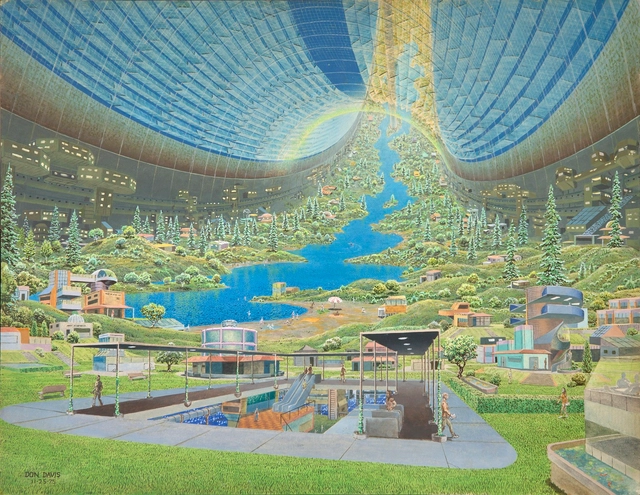
Don Davis (American, born 1952). Stanford torus interior view. 1975. Acrylic on board, 17 × 22″ (43.1 × 55.9 cm). Commissioned by NASA for Richard D. Johnson and Charles Holbrow, eds., Space Settlements: A Design Study (Washington, DC: NASA Scientific and Technical Information Office, 1977). Illustration never used. Collection Don Davis. Image Courtesy of The Museum of Modern Art
The Museum of Modern Art New York has announced the opening of an exhibition focused on the first realized and unrealized projects that address ecological and environmental concerns. Featuring works by architects who practiced mainly in the United States from the 1930s through the 1990s, the exhibition titled “Emerging Ecologies: Architecture and the Rise of Environmentalism” is on view from September 17, 2023, through January 20, 2024. The over 150 works showcased reveal the rise of the environmental movement through the lens of architectural practice and thought.
Mario Cucinella Architects has just revealed the design of the Italian Pavilion for Expo Osaka 2025. Envisioned as a dynamic entity, the pavilion aims to foster knowledge and innovation through the interplay of different generations and cultures. It will serve as a collaborative repository of Italian expertise, encompassing artistic, scientific, entrepreneurial, and social experiments. The display is designed around Italy's cultural treasures and aims to highlight, deconstruct, and then reinterpret them in a contemporary manner.
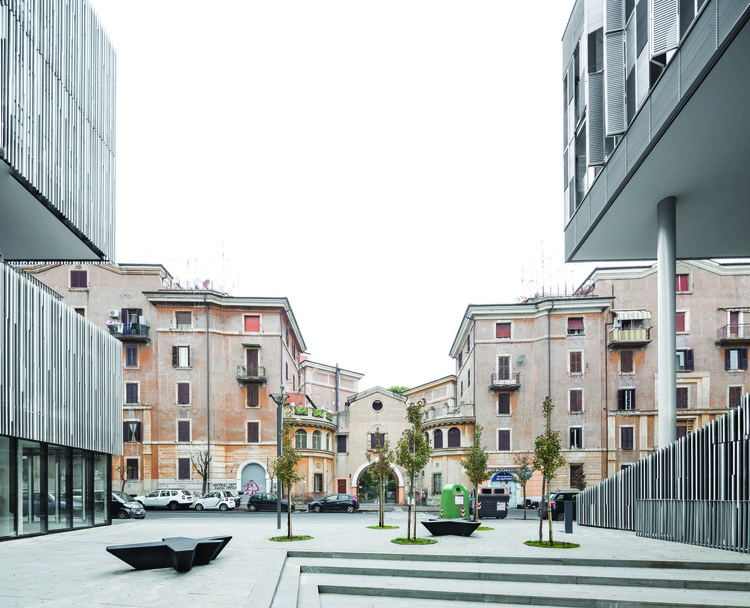
Spanning over 3 millennia with one of the highest concentrations of architecture in the world, Rome is a transcendental influence on the world's culture. Often called “The Eternal City,” it developed as the capital and seat of power of the Roman Empire, regarded by many as the first Imperial city and among the first ancient metropolises. As a city continuously occupied for over 28 centuries, Rome has maintained its countless layers of history to become a perfect depiction of old meets new. Rich in history, academia, and art, the Italian capital is now one of the most visited cities in the world.
Rome's historic center, which stretches from Piazza del Popolo to Piazza Venezia and from the east bank of the Tiber up to Piazza di Spagna, is listed as a UNESCO World Heritage Site. Along with its historical significance, the presence of renowned contemporary architects and designers in the city has made Rome an influential design destination. In 2019, it was the 14th most visited city in the world, welcoming over 8.6 million tourists seeking to discover the ways in which the history of the Ancient Romans blends with contemporary life, making it the third most visited city in Europe and the most popular tourist destination in Italy.
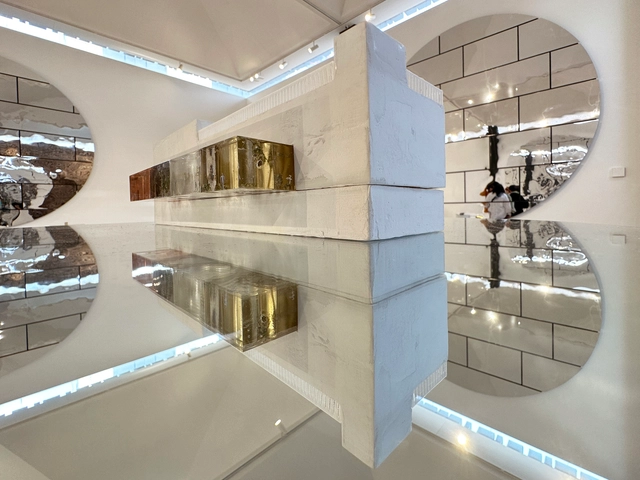
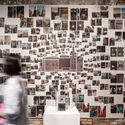
In 2020, Ahmadreza Schricker (ASA North) completed the Argo Contemporary Art Museum & Cultural Center design. Previously a 1920s beer distillery in the heart of Tehran, it has now been converted into a contemporary art center and is now the new home of the Pejman Foundation.ASA North is a studio based in Tehran that was chosen by ArchDaily as part of the 2023 New Practices. ArchDaily selects those practicing within the broadest definition of architecture and its exercise to share their innovative, fresh, and forward-thinking mission with the community. In the summer of 2023, the foundation hosted an exhibition featuring selected works from ASA North while documenting the transformation of the Argo Factory. The exhibition explored the studio’s practice, developing a commentary on their projects and their self-awareness.