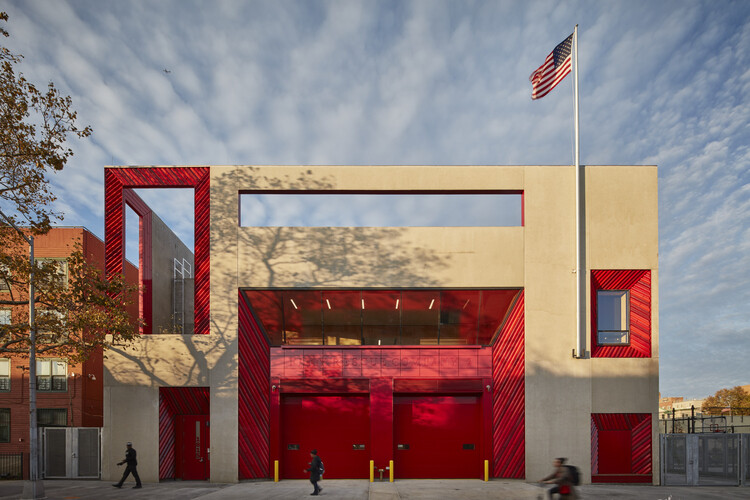
What should be taken into account when designing a fire station? The answer may seem obvious: functionality and efficiency. After all, every second counts in an emergency. But can a building designed for urgent operations also be aesthetically compelling, welcoming, and connected to its community? In recent decades, architects such as Zaha Hadid and Álvaro Siza have demonstrated that it can. By rethinking this building type, they have created spaces that go beyond emergency response—spaces that strengthen social ties, support the well-being of firefighters, and become urban landmarks.
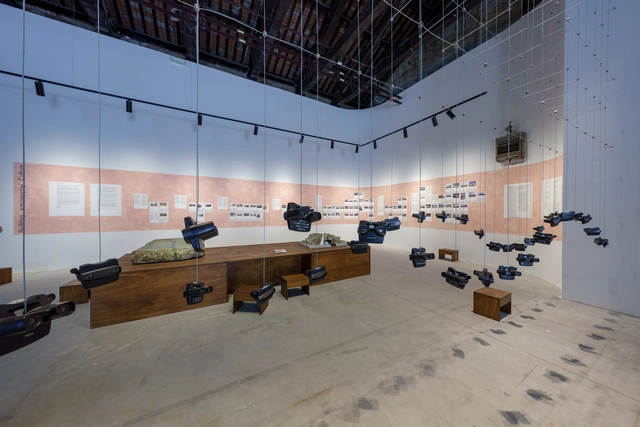
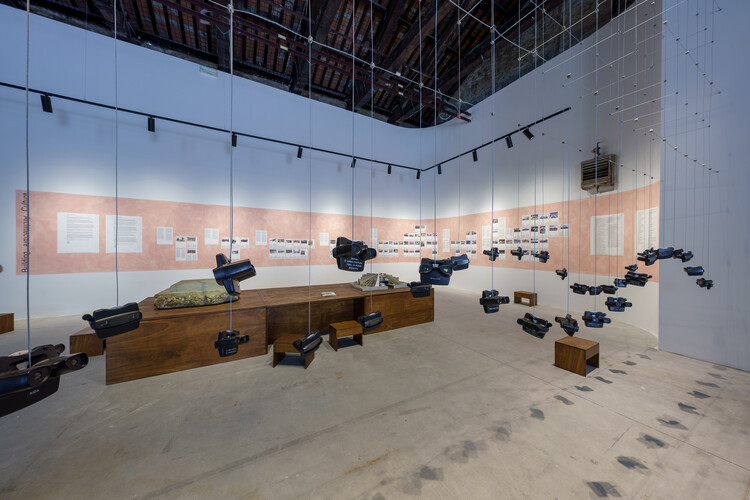
Curated by Anneke Abhelakh, the Albania Pavilion at the 2025 Venice Architecture Biennale, titled "Building Architecture Culture", explores how the country's architecture embodies its political, cultural, and social transformations. Albania's built environment reflects a layered history, from Ottoman and Italian rule to communist isolation and post-socialist transformation, each leaving visible marks on its cities and public spaces. The pavilion examines how architecture both responds to and shapes collective memory, public space, and civic engagement, framing these questions through past, present, and future perspectives.
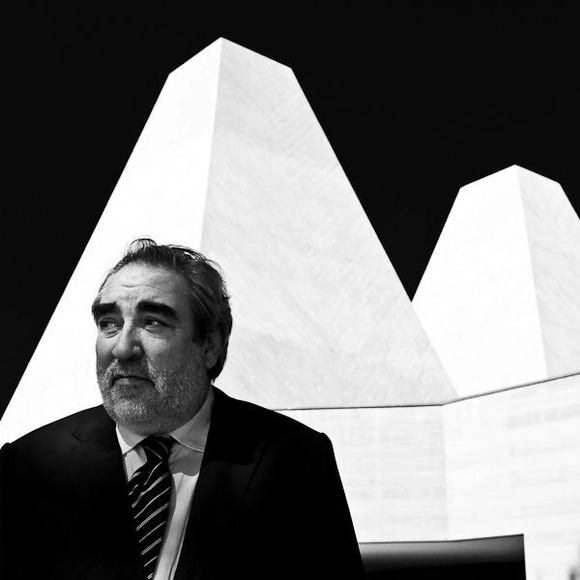
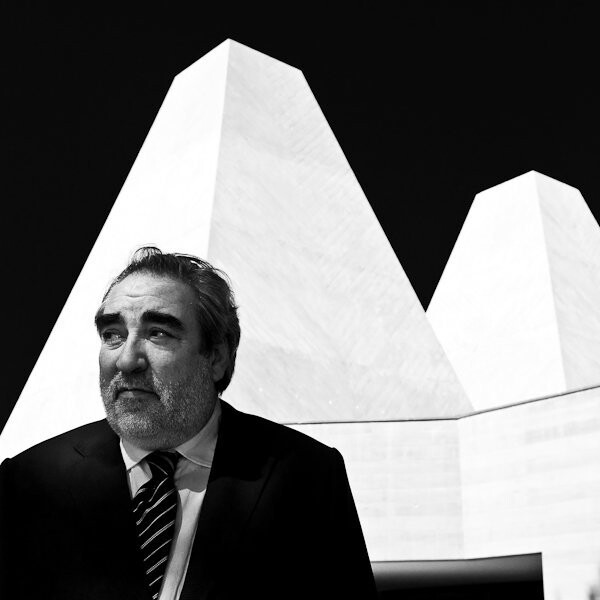
The Japan Art Association has named Portuguese architect Eduardo Souto de Moura as the 2025 Praemium Imperiale Laureate for Architecture. Now in its 36th edition, the award honors artists for their lifetime achievements in the fields of Painting, Sculpture, Architecture, Music, and Theater/Film. The Praemium Imperiale was established in 1988 to recognize individuals whose work has contributed significantly to the enrichment of the global cultural landscape. Souto de Moura was recognized for producing architecture that thoughtfully engages with the present moment while maintaining a timeless quality.
A good conversation can make time feel like it's passing more quickly. But is this effect solely due to the verbal exchange, or could our perception of time be shaped by the spatial conditions surrounding us? There are environments that, due to their scale, distribution, and atmosphere, are conducive to meeting, listening, or pausing, thereby influencing the human experience. Perhaps it's not the words we share, but the space in which we speak that truly shapes our understanding of time. Some sociological theories about our society and the built environment go beyond considering it as a mere physical container and suggest that architecture, in its very duality, can act as both an inhibitor and a catalyst for our temporal experiences, impacting our wellbeing.

https://www.archdaily.com/1029304/wellbeing-and-slow-spaces-can-architecture-distort-the-way-we-experience-timeEnrique Tovar
Porto's architectural legacy has long been shaped by the weight of history and the clarity of form. From the work of Álvaro Siza to the dense network of studios emerging from the city's schools, Porto offers a unique blend of continuity and reinvention. Here, architecture is not only a matter of design but often one of endurance — of working within constraints, of drawing with precision, and of navigating a built environment marked by permanence and resistance to spectacle.
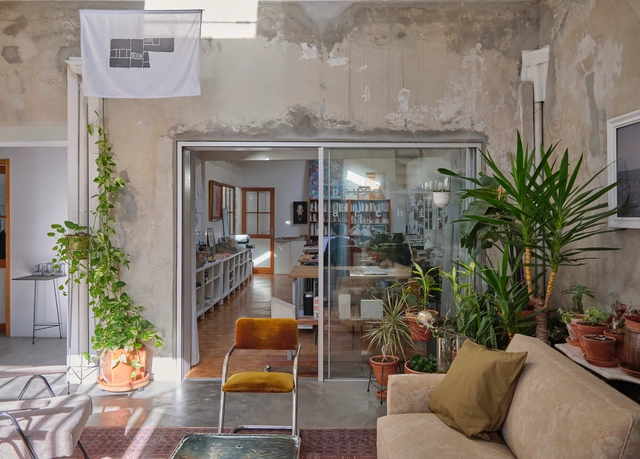
Yet within this persistent context, a new generation of architects has been reshaping the field with quiet determination. Often formed in shared spaces, these practices balance autonomy with collaboration and meticulous detailing with broader urban concerns. Their studios tend to reflect this ethos: modest in scale, defined by adaptive reuse, and rooted in the material reality of the city. In these workspaces, architecture unfolds as a process — sometimes speculative, sometimes grounded — but always reflective of a practice that is deeply local and increasingly global.
The Pritzker Prize is the most important award in the field of architecture, awarded to a living architect whose built work "has produced consistent and significant contributions to humanity through the art of architecture." The Prize rewards individuals, not entire offices, as took place in 2000 (when the jury selected Rem Koolhaas instead of his firm OMA) or in 2016 (with Alejandro Aravena selected instead of Elemental); however, the prize can also be awarded to multiple individuals working together, as took place in 2001 (Herzog & de Meuron), 2010 (Kazuyo Sejima and Ryue Nishizawa of SANAA), and 2017 (Rafael Aranda, Carme Pigem, and Ramon Vilalta of RCR Arquitectes).
If there is one book every architecture student must have on their shelf, it must be an architectural history. There is no more comprehensive yet compact alternative than Kenneth Frampton's Modern Architecture: A Critical History, originally published in 1980 by Thames & Hudson. Its much-expanded latest fifth 734-page, 813-illustration edition came out in 2020. In 2023, I discussed the book at length with the author in a video interview, now available on YouTube.
Regarding one compact yet fundamental survey of the evolution of the Modern movement, Modern Architecture: A Critical History is unquestionably the most authoritative, complete, and in-depth chronicle. The most valuable addition to the new book is the introduction of new chapters focusing on regions such as Canada, Mexico, Colombia, Australia, China, India, and Sri Lanka, among others. These chapters shed light on many before-overlooked practices that operated outside of traditional centers of power, namely Western Europe, the United States, and Japan.
Throughout the year, ArchDaily's team of curators works on expanding and populating our project library. Located all around the world, each curator carefully considers the best works emanating from their respective regions in an effort to have a diverse representation of the most inspiring and innovative built works. The team looks to new rising practices, new technologies, and the vernacular revival of traditional construction techniques. Seeking socially driven initiatives, as well as major works by renowned architects, the overall offers a holistic view of the built world today and is relayed through the yearly project review.
Deutsches Architekturmuseum (DAM) has announced the International High-Rise Award 2024/25. Selected from more than 1,000 new high-rises worldwide dating from the past two years, the nominated projects are located in 13 counties from 5 continents. In autumn, the five finalists will be announced, followed by the winner announcement scheduled for November 12, 2024. The main objective of the award is to highlight good practices in the ongoing trend of mixed-use high-rises.
With the increase in the construction of high-rises, special features such as the introduction of greenery in the design, unusual shapes, or the construction of clusters of towers, have become the new normal. DAM’s research this year also shows a growing eco-awareness, as the focus in high-rise construction is increasingly on the use of existing buildings. While the majority of tall buildings continue to be erected in China, followed by the USA, Australia, and Singapore have emerged as new hubs of high-rise architecture.
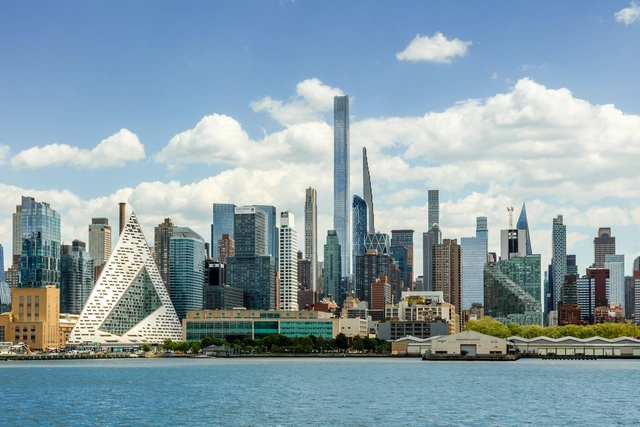
Skyscrapers are iconic symbols of modern urbanization and technological advancements all over North America. These structures are a sign of economic prosperity, urban density, and the capabilities of humanity’s ambition. In major cities across the continent, they shape the skyline and give identity to these metropolises. Cities like New York City, Toronto, and Florida utilize these cutting-edge designs to showcase power beyond their physical stature.
In general, skyscrapers are characterized by their remarkable height and pioneering engineering capabilities. They use advanced materials such as steel, glass, and concrete and serve as multifunctional spaces, ranging from housing to hotels and offices. Architects all around the world continually push the boundaries of architectural creativity, design, sustainability, and functionality while crafting these buildings. The structures allow architects to maximize land use in new ways, tackling densely populated urban areas.
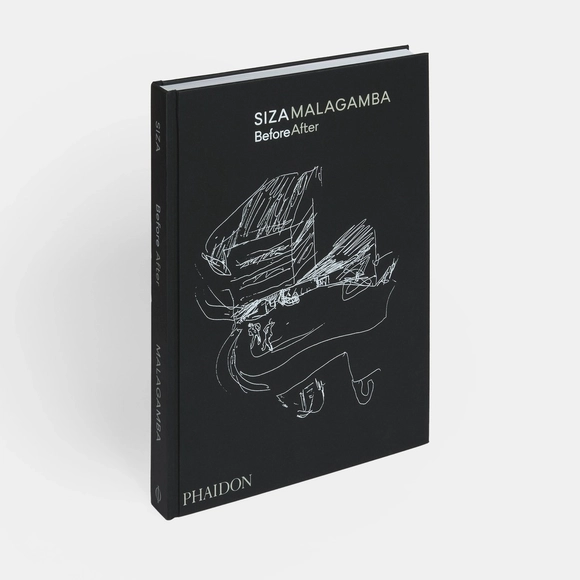
When it comes to contemporary Portuguese architecture, the initial association often leans towards tradition. The historical significance of the program, the importance of typologies for the locals, and the construction methods all play a role. These associations are not unfounded, but they are not limiting either. In this context, Portugal boasts a prominent figure who exemplifies this balance: Álvaro Siza Vieira.
Siza is the foremost representative of Portuguese architecture. There are many reasons for this distinction. It is not only because he was the first Portuguese architect to receive a Pritzker Prize in 1992 or for the Golden Lion at the Venice Biennale in 2012. It is not solely due to his extensive and prolific career. Above all, his unique and simultaneously universal approach to architecture sets him apart. His involvement on national and international fronts highlights a characteristic likely intrinsic to his nature: the ability to embody many facets within a singular entity, just like his compatriot Fernando Pessoa.
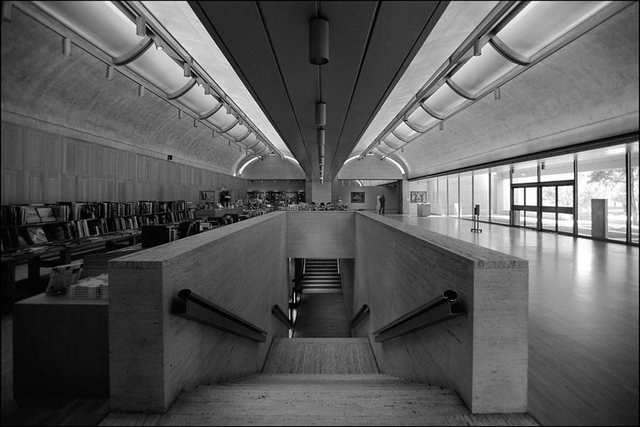
Kimbell Art Museum / Louis Kahn. Image Courtesy of Xavier de Jauréguiberry
AD Classics presents you with some of the greatest buildings of the past that have influenced and shaped architecture today. Throughout ArchDaily's 13 years, more than 200 classics were published, and for this edition, we have rounded up the top 20 most visited Architecture Classics to date.
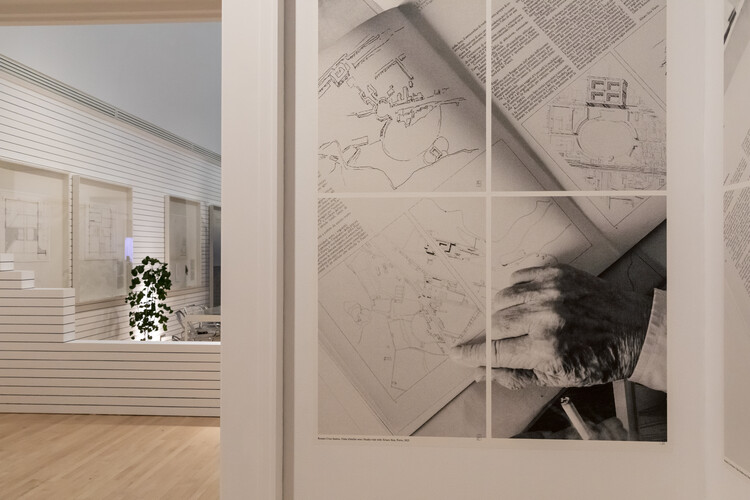
In Porto Alegre, the building of the Iberê Camargo Foundation; in the city of Porto, the office of Álvaro Siza, the architect and author of the celebrated project for the institution's headquarters, inaugurated in 2008. Throughout 70 minutes, the documentary "Paisagem Concreta" or Concrete Landscape navigates between these two ports.
https://www.archdaily.com/1007293/concrete-landscape-alvaro-sizas-documentary-is-available-for-streaming-nowArchDaily Team
The history of architecture is marked by a rich array of styles and expressions, each of which reflects the specific environment it was created in. Numerous unique narratives have emerged, giving rise to various architectural traditions. The notion of a single, universal tradition is quickly debunked when one explores the pages of any architectural history book.
While contemporary architectural movements may share common principles, it's important to note that this doesn't necessarily result in a uniform appearance. However, when we consider the diversity of historical architectural styles and traditions, it becomes evident that specific regions have distinct architectural identities. Portugal has a well-defined architecture, and Carlos Castanheira is one of its notable representatives.
"The taste of the apple lies in the contact of the fruit with the palate, not in the fruit itself," Jorge Luis Borges once said. The taste is not something inherent in itself; its experience is the result of an encounter. Similarly, emotions are not contained within architecture, but are only felt through the encounter of the body with the space, when it becomes a place. How does the environment affect how we feel? This is the question that drives the duo of artists and filmmakers Ila Bêka and Louise Lemoine in their latest endeavor, the book "The Emotional Power of Space," which will be released on May 17th in an event preceding the opening of the Venice Architecture Biennale 2023.
While the city of Berlin has a long history, dating back to the 13th century, its architecture and urban fabric has undergone the most significant changes during the last century, reflecting the impact of major historical events that took place in the German capital. During the early 20th century, Berlin transformed into a modern metropolis, marked through the construction of grand buildings and imposing structures to demonstrate the city’s growing economic and political power. The 1920s and 1930s saw the emergence of the Modernist movement, which, together with the Bauhaus school of architecture founded in 1919, influenced the image and urban fabric of Berlin.
During the Second World War the city was heavily bombed, resulting in the destruction of many historical buildings. During the post-war period, reconstruction efforts focused on rebuilding infrastructure and housing, while the city remained divided until 1989, with the fall of the Berlin wall. After this period, Berlin witnessed a renewed interest in architecture and urban design. Interventions such as David Chipperfield’s Neues Museum aimed to rebuild historical monuments without erasing the markings of their difficult past. Other projects such as the renovation of the Reichstag had a different purpose. Norman Foster’s intervention intended to keep the image of this building but change its symbolism from a structure representative for the Nazi regime to one embracing the ideals of democracy and equality.
Portuguese architect Álvaro Siza Vieira was chosen by the Holy See to create the installation that will represent it at the Venice Architecture Biennale, which will take place between May 20 and November 26, 2023. In collaboration with Studio Albori from Italy, the pavilion of the Vatican, curated by Roberto Cremascoli, will be dedicated to the theme of social friendship. This is in commemoration of the tenth anniversary of the pontificate of Pope Francis.