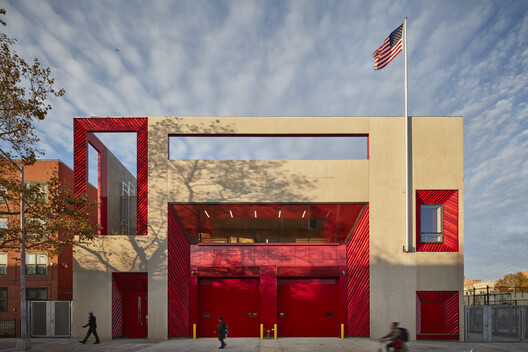
What should be taken into account when designing a fire station? The answer may seem obvious: functionality and efficiency. After all, every second counts in an emergency. But can a building designed for urgent operations also be aesthetically compelling, welcoming, and connected to its community? In recent decades, architects such as Zaha Hadid and Álvaro Siza have demonstrated that it can. By rethinking this building type, they have created spaces that go beyond emergency response—spaces that strengthen social ties, support the well-being of firefighters, and become urban landmarks.


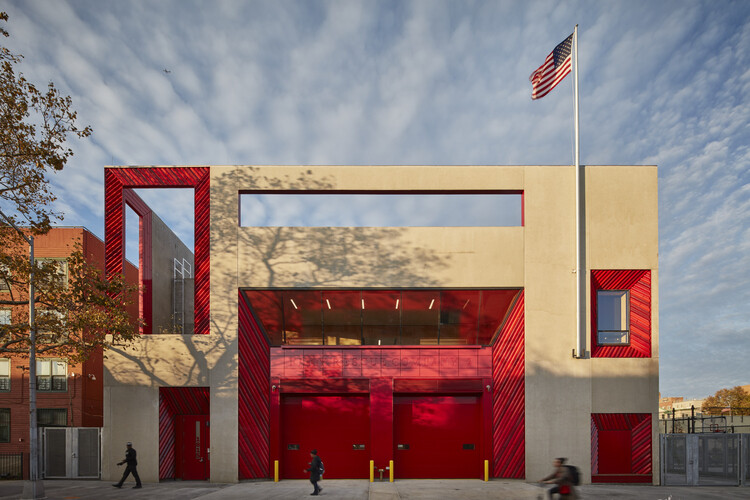
The architecture of fire stations has evolved along with society. Early stations resembled military fortifications, built for protection and control, with an emphasis on durability against external threats. Over time, their role shifted: the main dangers were no longer invading armies but fires, natural disasters, and everyday emergencies. Fire stations gradually became civic buildings, incorporating areas for rest, training, and planning, as well as shared spaces that symbolize public safety. This transformation led to new typologies and construction methods, reflecting local culture and urban context.


