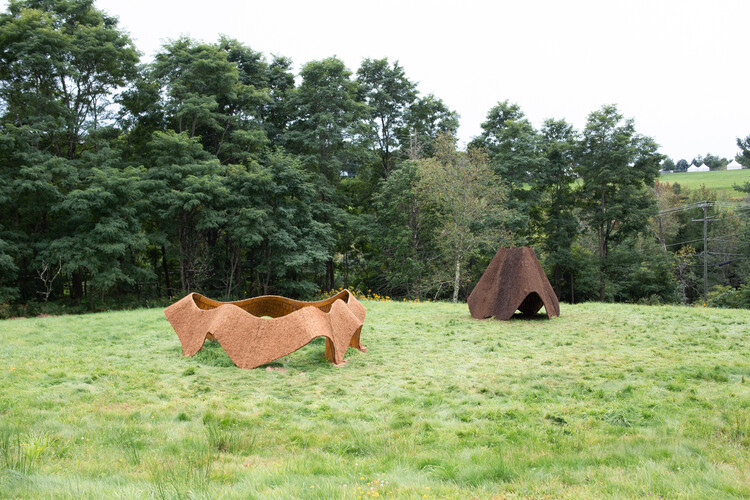
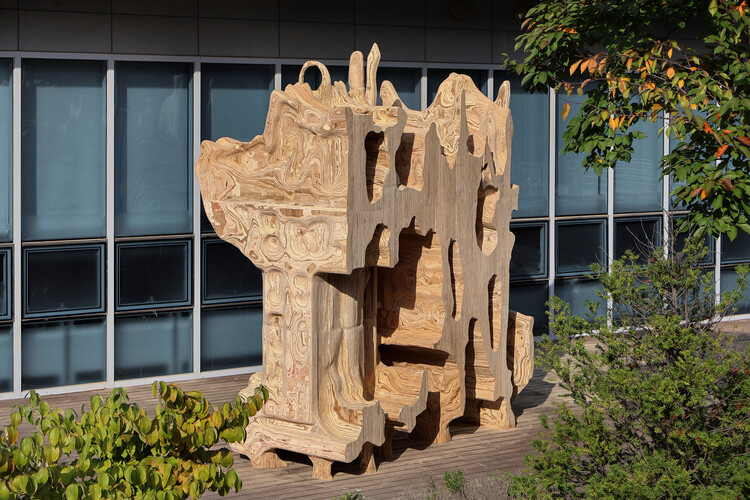
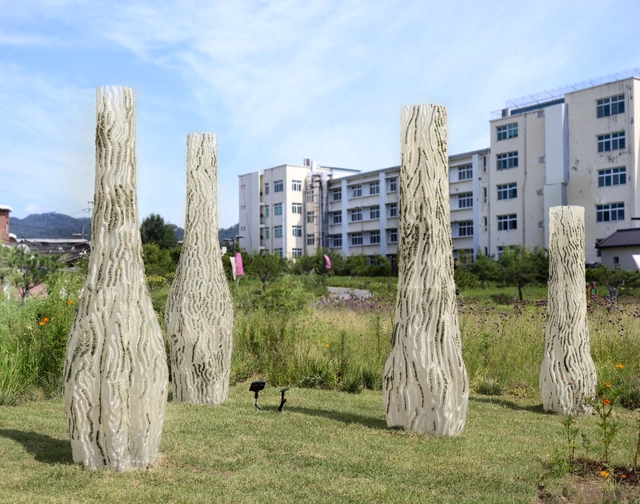
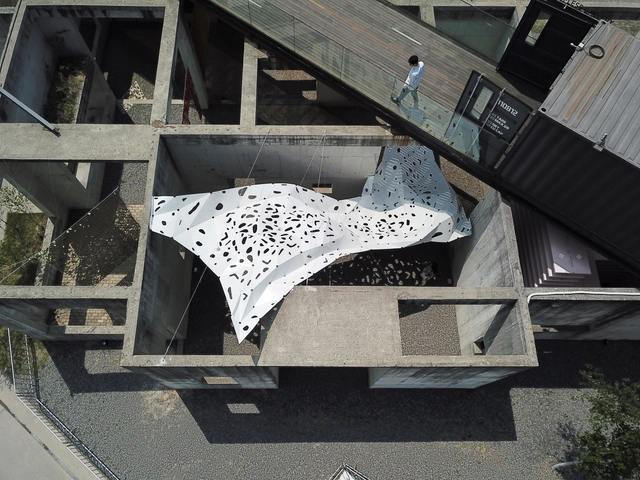
At a time of ecological emergency, architecture cannot be separated from the extractive systems on which it depends. As the technosphere expands, linking material flows, energy consumption, and digital infrastructures, design becomes increasingly entangled in these processes. How can design practice intervene in anthropocentric systems and transform the architectural process and aesthetics through an investigation of material intelligence? More broadly, how does architecture engage with the agency and intelligence of non-human entities to rebalance the environmental burden?
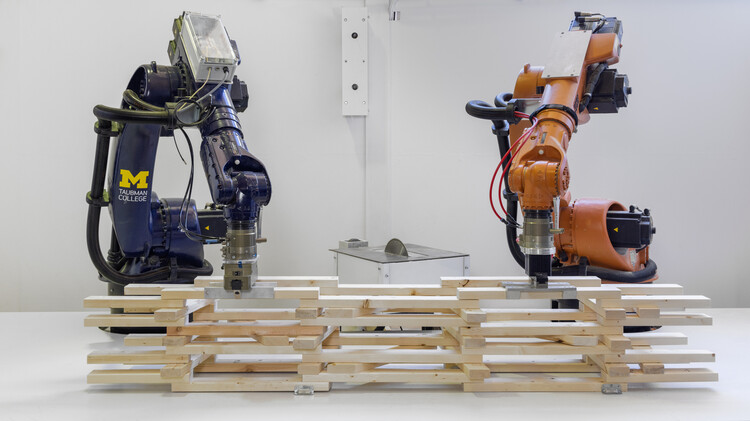
By exploring the art of robotics in construction, advances in architectural technologies are increasingly shaping multiple aspects of human life. From robotic arms and drones to robots that move across large surfaces and even 3D printing robots, their use in construction is accelerating research and the development of new working methods, as well as structural and material experimentation. In collaboration with multiple disciplines and spanning various facets of architecture, the role of robots in the contemporary landscape demonstrates a potential that extends beyond merely automating processes or reducing construction times and costs. This raises the question: Are we building architecture to serve technology, or technology to serve architecture?
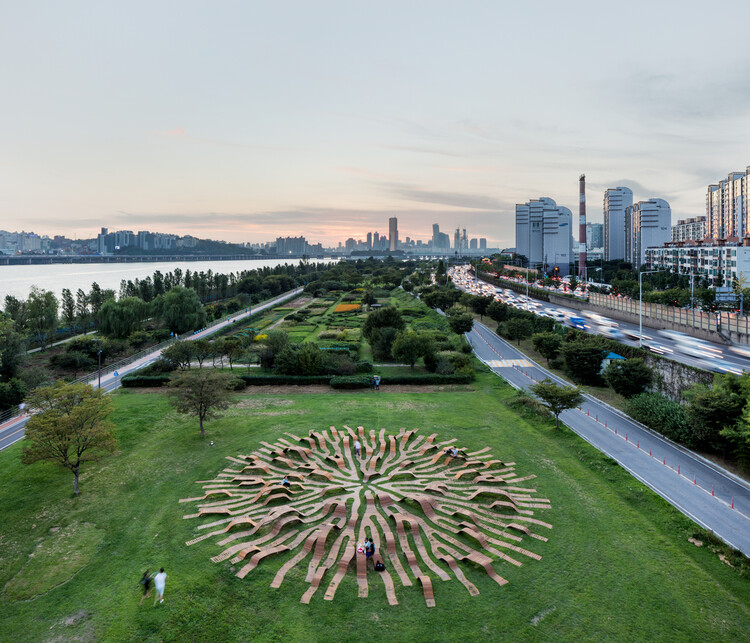
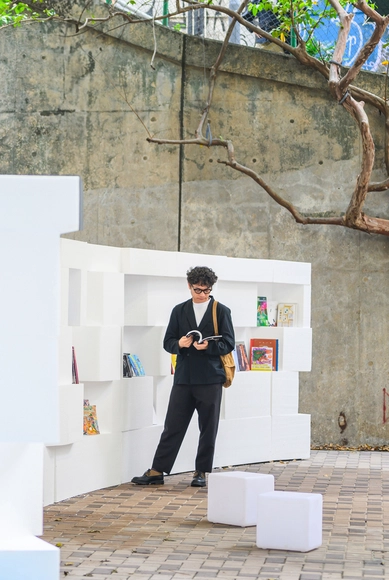
Ladder Street Cultural Space. Image Courtesy of Francesco Rossini
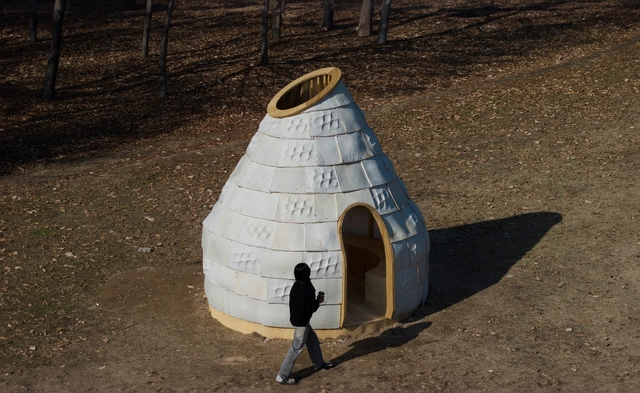
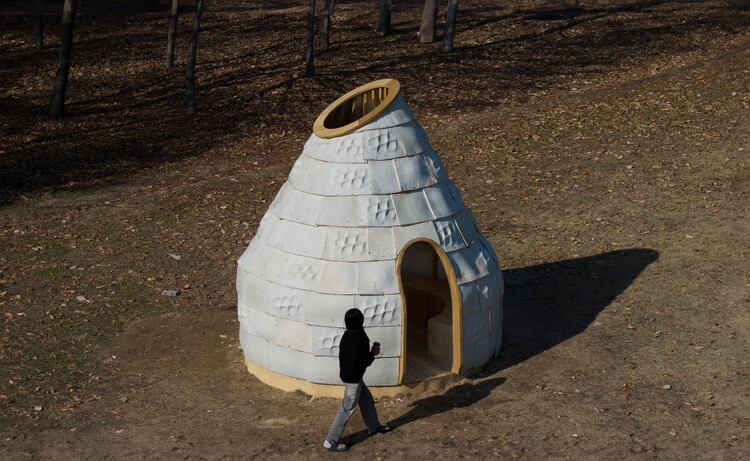
As we near its 100th anniversary, expanded polystyrene (EPS) has become widely used in various industries and applications, especially in construction. Since 1970, EPS has been used in building construction due to its thermal insulation properties, lightweight closed-cell structure, durable strength, and long-term integrity. However, while these qualities make it highly useful and easy to recycle, they have also sparked debate due to recurring discussions about its degradation processes and environmental impact from various perspectives.
While the debate rages on, many improvements and alternative approaches have emerged around this material, highlighting that achieving sustainable construction involves using the right material for the right job from the outset. Thus, over time, innovations have brought new options for the recycling and use of EPS beyond traditional building applications such as infill blocks or partition panels. This demonstrates that rather than stigmatizing it as a problematic or “simple” material, it is essential to consider its qualities through design, technology, and developing methods for responsible and sustainable management.
https://www.archdaily.com/1018325/how-are-innovations-changing-expanded-polystyrene-epsEnrique Tovar
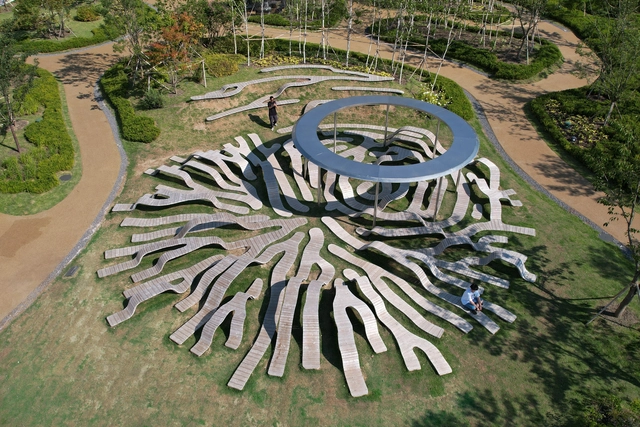
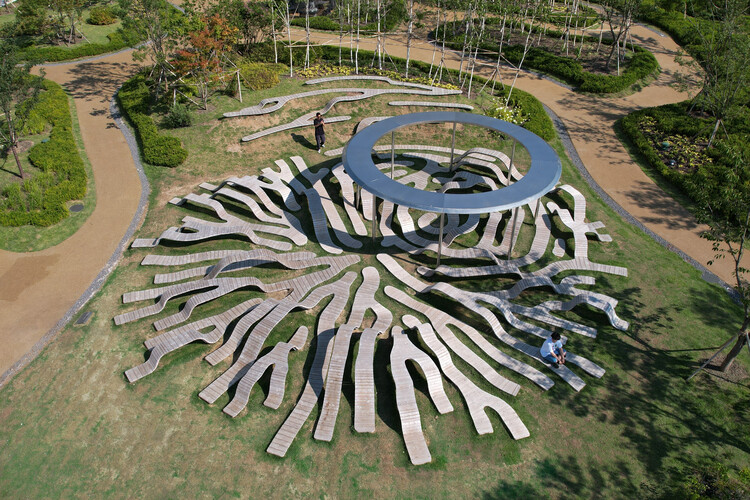
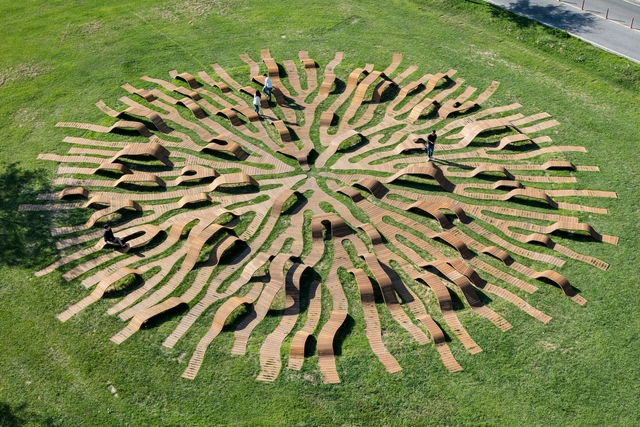
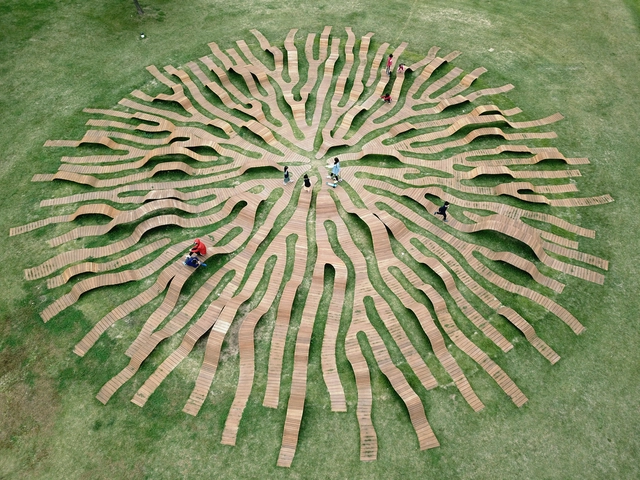
Wooden floors are know for their warm appearance, rich texture, and natural tones that vary according to the origin of the planks, changing with the weather and the passage of time. Outdoors, wooden surfaces are widely used for terraces and living areas, taking advantage of these inviting qualities to bring people together on warm and welcoming floors. Built with modular pieces, wooden decks can easily form artificial topographies, shaping creative and effective public spaces for rest, sports, games, and collective gathering.