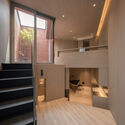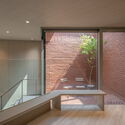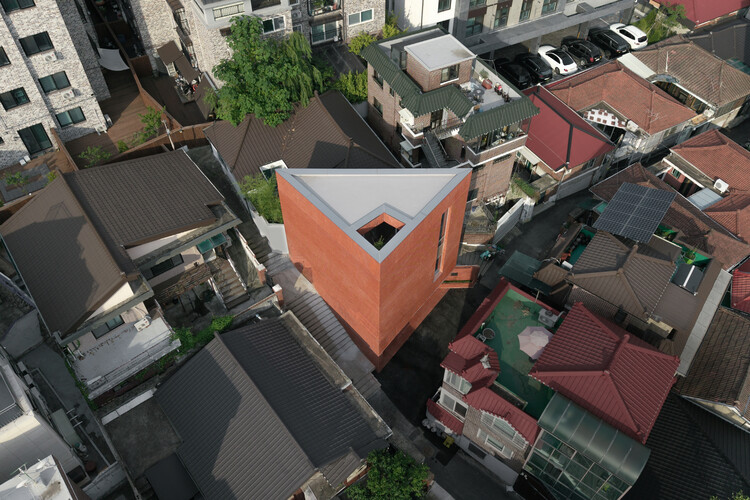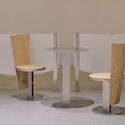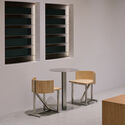


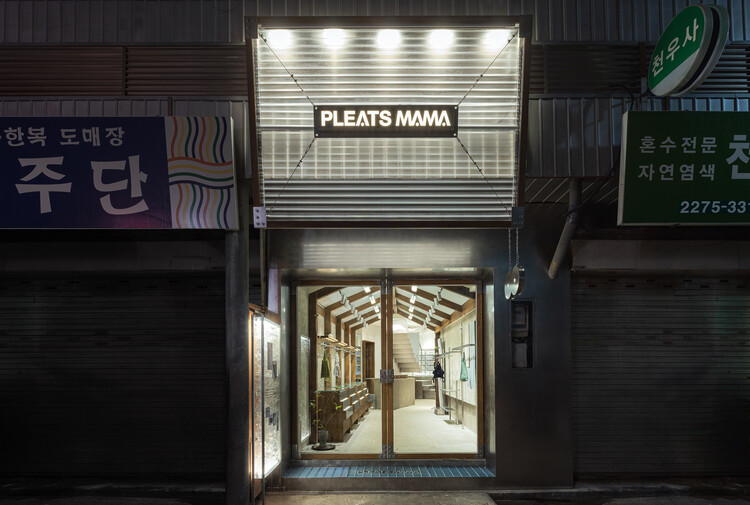
-
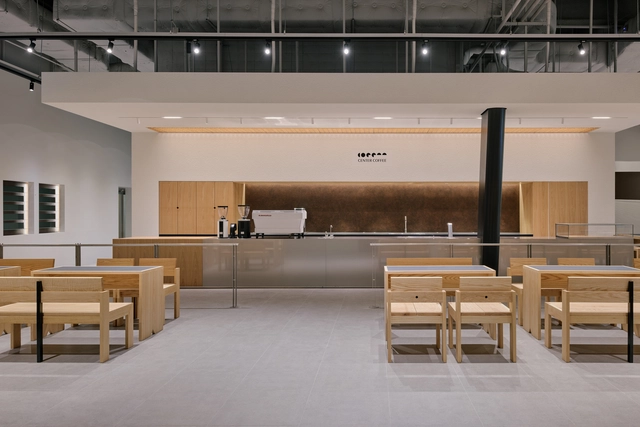
Architects: COV Studio
- Area: 88 m²
- Year: 2024



The Seoul Metropolitan Government is hosting the 'Show Garden Competition for Seoul International Garden Show 2026' to discover creative garden designs as a way to promote urban garden culture as everyday art. We look forward to receiving submissions by garden designers of great caliber.
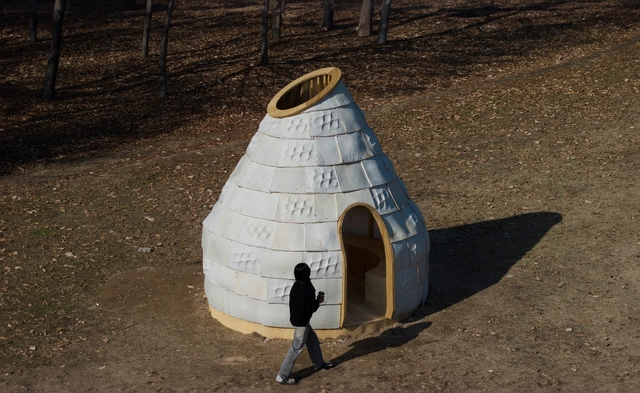
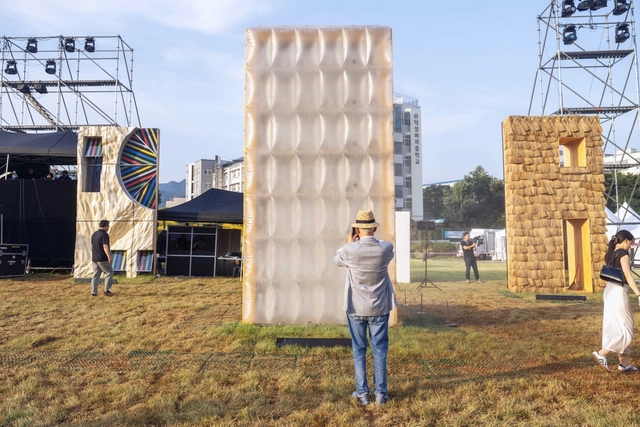
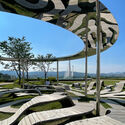
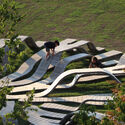
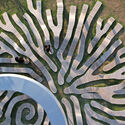
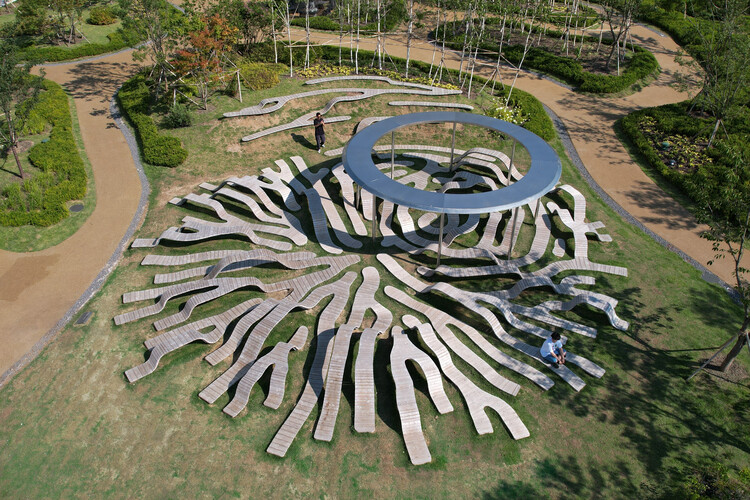
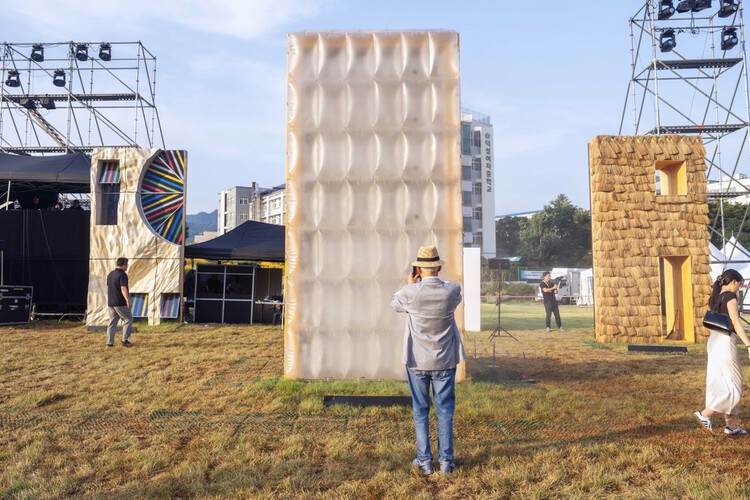
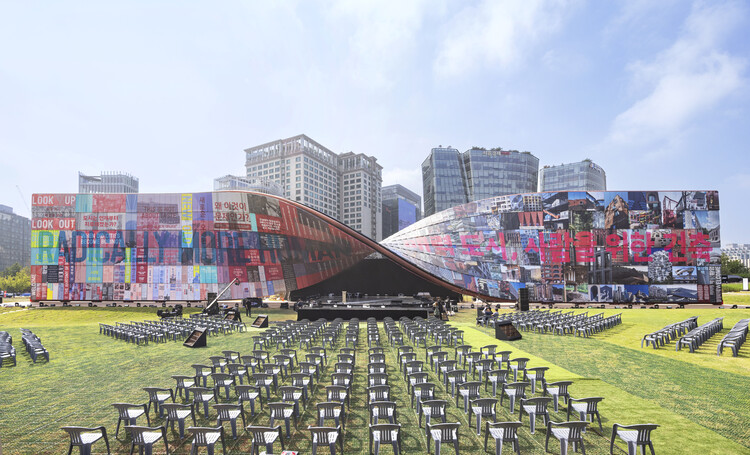
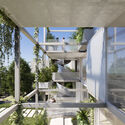
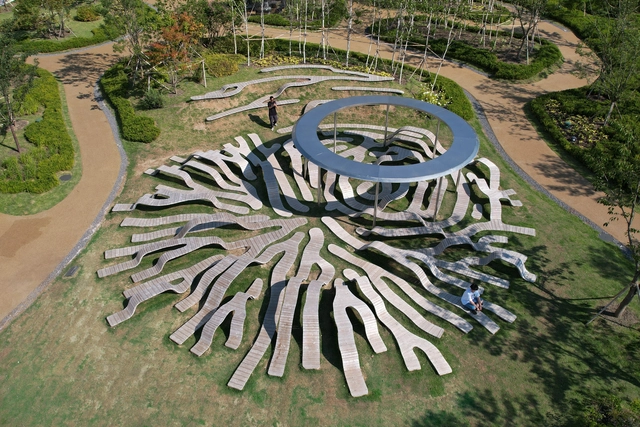
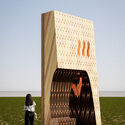
"Breathing Cells," an installation by MAD Architects, is currently on view at Songhyeon Green Plaza in Seoul as part of the 5th Seoul Biennale of Architecture and Urbanism. Invited by Biennale Director Thomas Heatherwick, the installation opened on September 26, 2025, and will remain on display until November 18. Responding to the curatorial theme "Radically More Human," the work presents an alternative vision for future urban environments, one where architecture behaves more like a living organism than a static object.
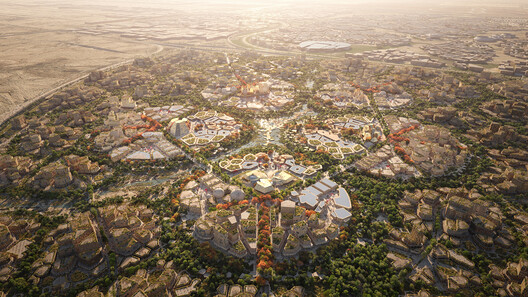
September marks a shift in seasonality worldwide, bringing with it a renewed focus on cultural and architectural events that encourage reflection on contemporary global challenges. This week's major news highlighted international exhibitions and design initiatives addressing questions of resilience, urban transformation, and collective futures, alongside new projects dedicated to preserving both cultural and natural heritage. Across continents, biennales, urban developments, and restoration efforts are shaping a broader conversation on how architecture and design can foster adaptation, memory, and coexistence in rapidly changing environments.

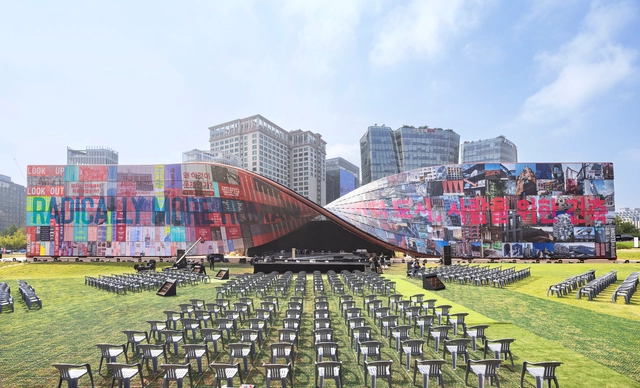
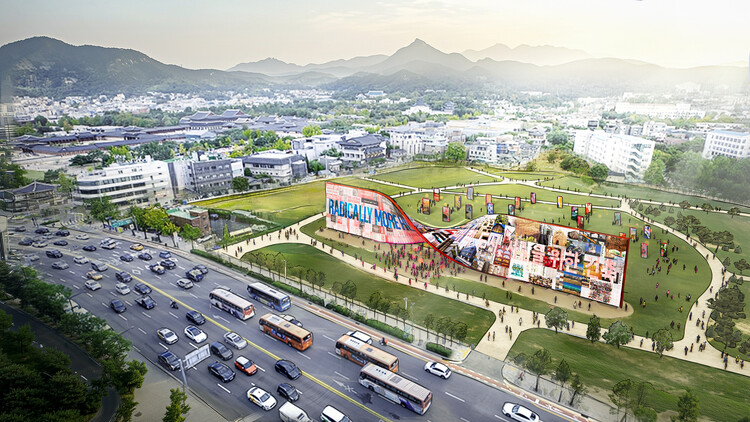
The 5th Seoul Biennale of Architecture and Urbanism opened on September 26 at Songhyeon Green Plaza in central Seoul. Recognized as the largest public architecture festival in Asia, this year's edition is directed by Thomas Heatherwick under the curatorial theme of how cities can become "radically more human." Running through November 18, the Biennale brings together exhibitions, global forums, and citizen-led projects to examine the role of architecture in shaping more inclusive and enduring urban environments.

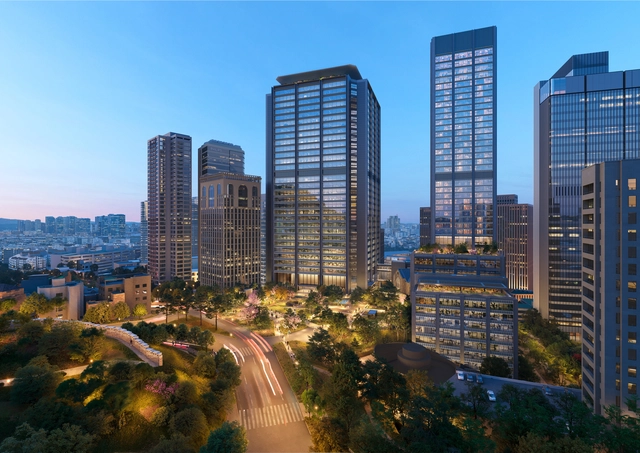
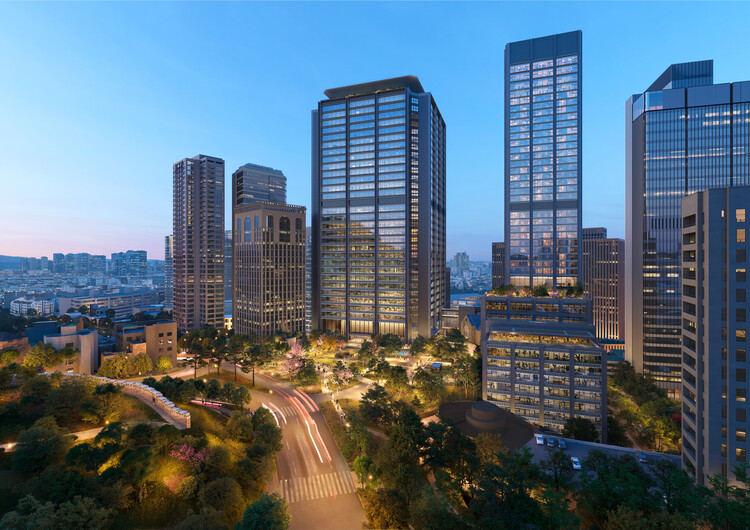
Foster + Partners has released images of the proposed design for IOTA Seoul I, a mixed-use development in Seoul, South Korea. The project would be located between Seoul Station and Namsan, a 270-meter-high peak in the Jung-gu district in the south-central part of the city. The site has been described by the architects as a landmark location due to its historical significance as one of Seoul's gateways for travelers arriving by train.
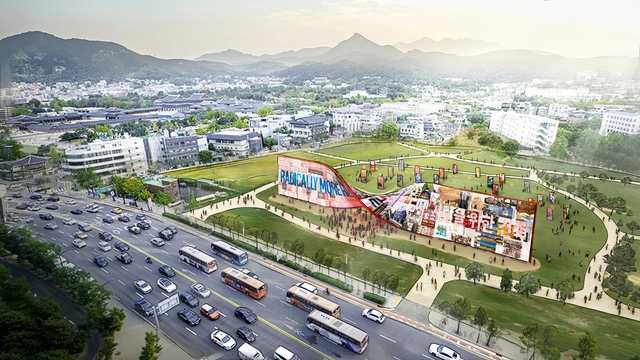
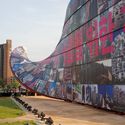
The 2025 edition of the Seoul Biennale of Architecture and Urbanism has announced the 24 designers commissioned to create the Walls of Public Life, a collective installation that explores how the exteriors of buildings can become more expressive, engaging, and emotionally resonant. Each contributor will produce a 2.4 by 4.8-meter building fragment, offering a reimagining of the architectural wall not as a backdrop, but as an active participant in public life. Installed along the north side of Songhyeon Green Plaza in central Seoul, the walls will form part of a larger urban intervention that includes the Humanise Wall, a four-storey, 90-meter-long installation to the south of the park.
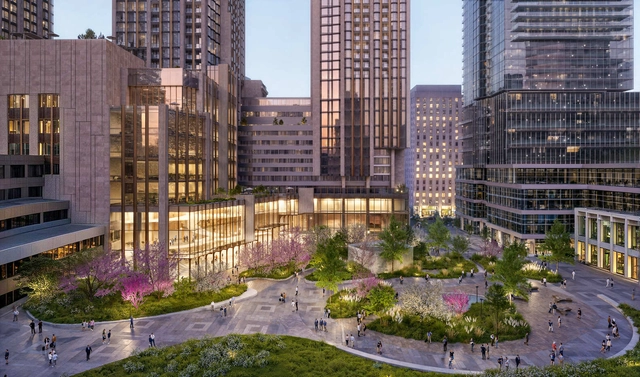
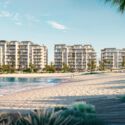
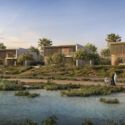
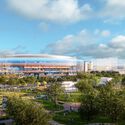
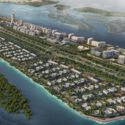
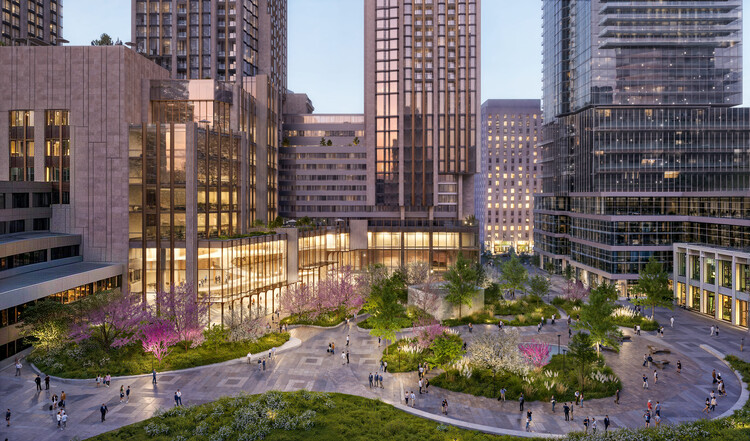
As cities around the world respond to shifting environmental, cultural, and social dynamics, new architectural proposals are reshaping how we think about public life, community engagement, and the built environment. From Aldar's coastal wellness destination on Fahid Island in Abu Dhabi, to a flexible scaffolding-based office concept in Athens by Georges Batzios Architects, this edition of Architecture Now features diverse projects that reinterpret architecture as both infrastructure and interface. In Seoul, Heatherwick Studio is leading a resident-initiated redevelopment model for a housing complex near the Han River, while Toronto's College Park is set for a major transformation balancing heritage restoration with vertical intensification. In Oklahoma City, MANICA and TVS are designing a new sports arena that anchors an emerging entertainment district through material, landscape, and civic gestures. Together, these diverse yet interconnected efforts signal a broader shift toward integrated, future-oriented urban design.
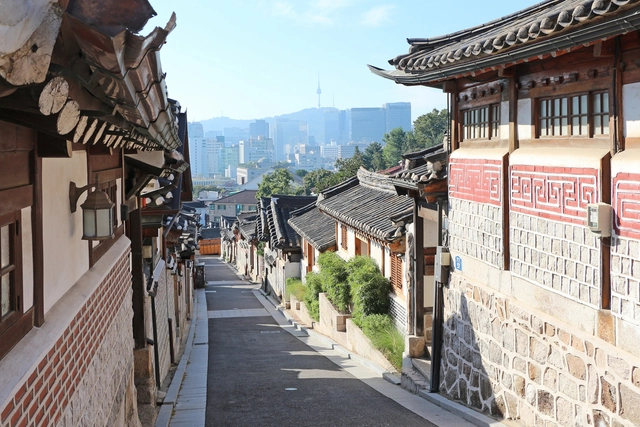
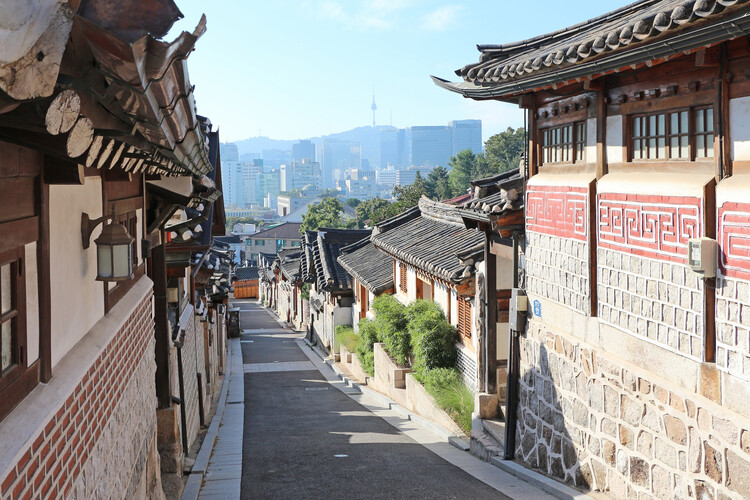
Vernacular architecture often utilizes locally sourced materials and construction practices honed over centuries. This approach raises questions about its potential relevance for contemporary design challenges. The prevalence of high-rise developments globally, often relying on sealed envelopes and mechanical climate control, contrasts with historical architectural practices. Traditionally, regional architectures emerged from local communities, fostering distinct cultural identities and integrating passive systems for ventilation, cooling, and heating, often utilizing natural elements. The Hanok, traditional Korean houses, serve as a case study. Beyond their current role in tourism, they are also an example of how vernacular knowledge can provide passive climate-response strategies that align with the current principles of creating environmentally friendly buildings.