New York’s iconic Central Park was designed in 1858 by F.L Olmsted and C. Vaux, having been chosen in a competition against 32 other entries. The competition called for the design of a park including a parade ground, fountain, watchtower, skating arena, four cross streets, and room for an exhibition hall.
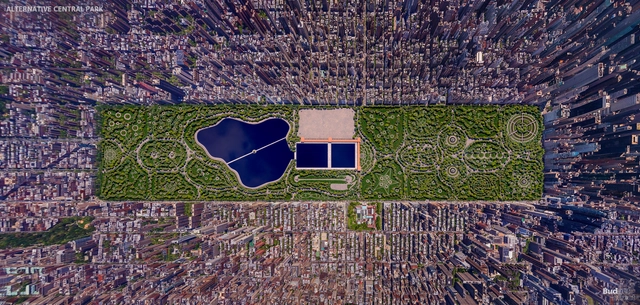
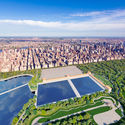
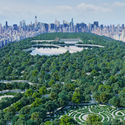
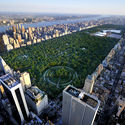
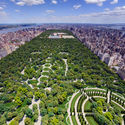
Of the 32 alternative entries, only one survives to this day. The sole survivor was drawn up park engineer John J. Rink. To give an indication as to how Rink’s plan would have aged in the Big Apple, NeoMam Studios and Budget Direct have published a set of visualizations derived from the design. Find out below what one of the world’s most iconic green spaces could have looked like if a 160-year-old decision had been different.
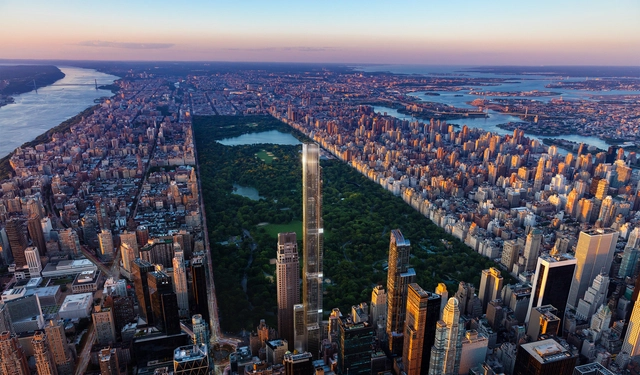
Central Park Tower. Image Courtesy of ASGG & Wordsearch
The design for the tallest residential building in the world has been unveiled, situated in New York City. “Central Park Tower” by Adrian Smith + Gordon Gill architecture will stand at 1,550 feet (472 meters). The firm’s Jeddah tower in Saudi Arabia is also currently under construction, on track to be the world’s tallest tower.
https://www.archdaily.com/904133/the-tallest-residential-building-in-the-world-is-coming-to-new-york-cityNiall Patrick Walsh
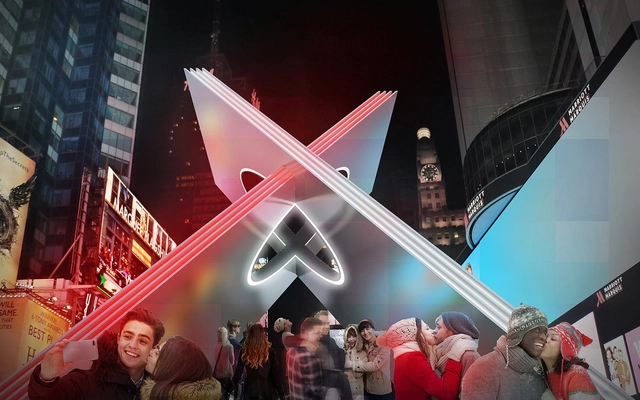
The winning team explored the tectonic possibilities of intersecting shapes, investigating what happens with two different planes intersect. The resulting sculpture created two converging planes merging together to create an iconic ‘X’ which, when intersected by a cylindrical volume, creates a heart-shaped space.
https://www.archdaily.com/904130/reddymade-wins-the-times-square-valentine-heart-design-competition-of-2019Niall Patrick Walsh
This article was originally published on July 22, 2016. To read the stories behind other celebrated architecture projects, visit our AD Classics section.
The New Museum is the product of a daring vision to establish a radical, politicized center for contemporary art in New York City. With the aim of distinguishing itself from the city’s existing art institutions through a focus on emerging artists, the museum’s name embodies its pioneering spirit. Over the two decades following its foundation in 1977, it gained a strong reputation for its bold artistic program, and eventually outgrew its inconspicuous home in a SoHo loft. Keen to establish a visual presence and to reach a wider audience, in 2003 the Japanese architectural firm SANAA was commissioned to design a dedicated home for the museum. The resulting structure, a stack of rectilinear boxes which tower over the Bowery, would be the first and, thus far, the only purpose-built contemporary art museum in New York City.[1]
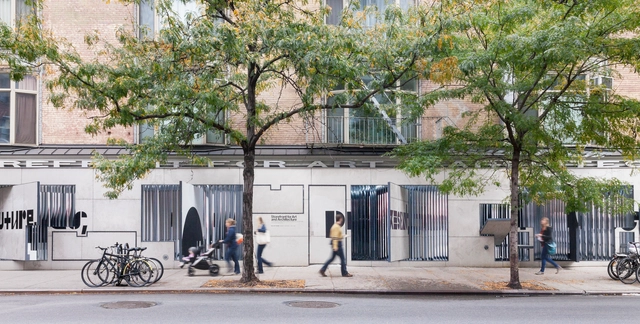
José Esparza Chong Cuy has been appointed as the new Executive Director and Chief Curator at Storefront for Art and Architecture. Following the departure of former director Eva Franch i Gilabert to London as the new Director of the Architectural Association, the extensive international search to fill her shoes began. An architect, curator, and writer, originally from Mexico, Esparza Chong Cuy was named and will assume the position starting November 1st.
Storefront, a non-profit organization based in New York City, engages in the advancement of design and architecture with interdisciplinary dialogue through exhibitions and projects that aim to transcend geographic and ideological boundaries. Charles Renfro, President of Storefront's Board of Directors, remarks, "We are thrilled to welcome José to the helm of Storefront, the very institution where he began his curatorial career over a decade ago."
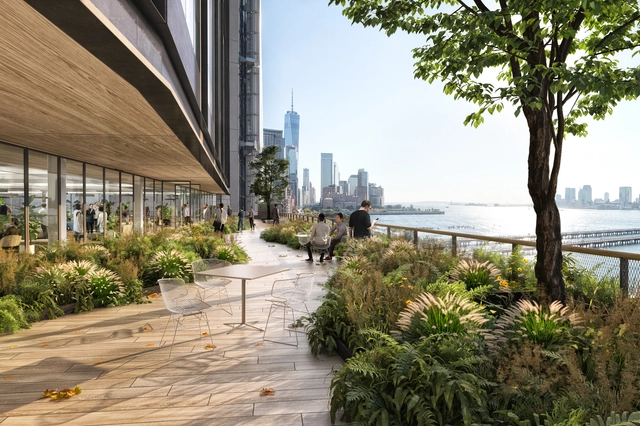
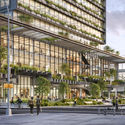
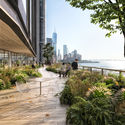
St. John’s Terminal. Image Courtesy of COOKFOX Architects
COOKFOX Architects and Oxford Properties have reimagined New York's St. John’s Terminal as a workplace of the future. The 1.3 million square foot proposal aims to connect the Hudson Square neighborhood to the waterfront at the end of The High Line. Combining outdoor space and greenery with 100,000 square-foot floor plates, the project reinterprets the industrial past of the former freight terminal. The project was created to shape how businesses innovate and create between Lower Manhattan and the waterfront.
Twin brothers Chris and Bill Sharples are two of the founding partners of SHoP Architects, a New York-based firm established 20 years ago to bring together diverse expertise in designing buildings and environments that improve the quality of public life.
The firm’s style is difficult to define, but a connective thread throughout SHoP’s portfolio is a design philosophy rooted in constraints. From digital models to next-generation fabrication and delivery techniques, technology is at the center of the firm’s movement toward an iterative approach that, as Chris Sharples says, “is beginning to blur the line between architecture and manufacturing.”
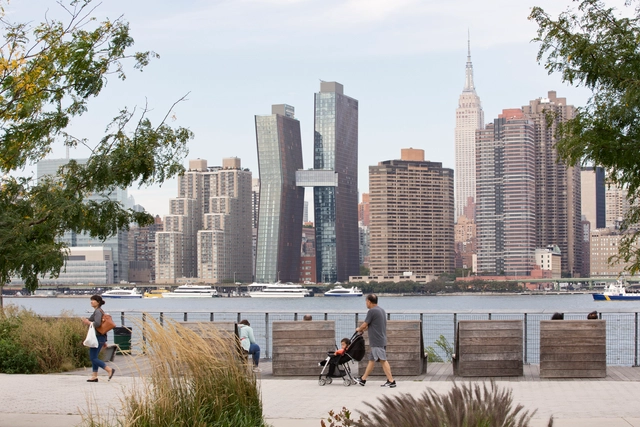
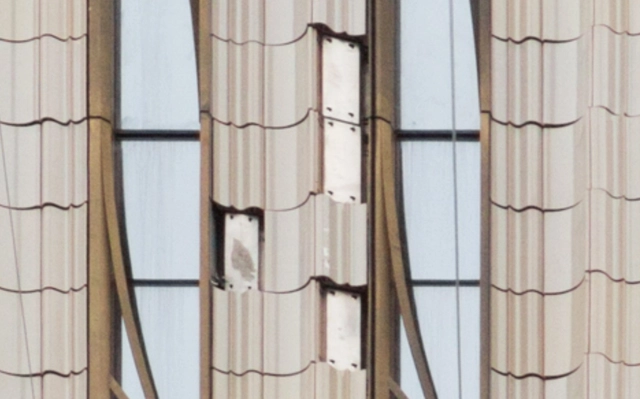
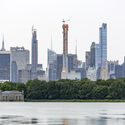
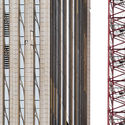
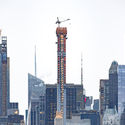
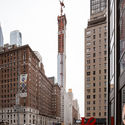
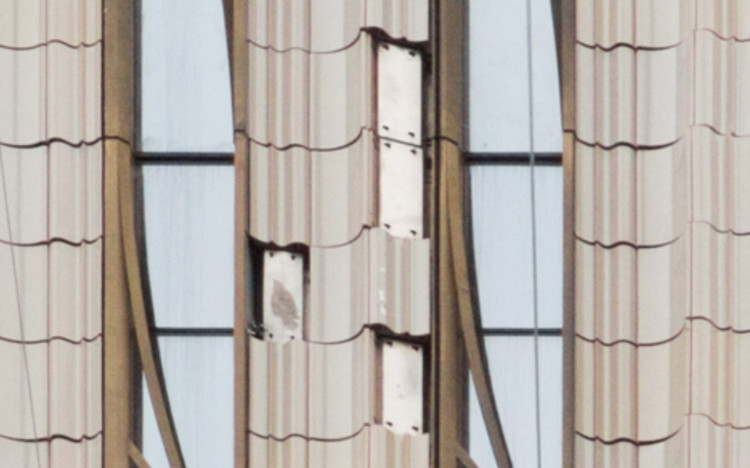
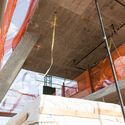
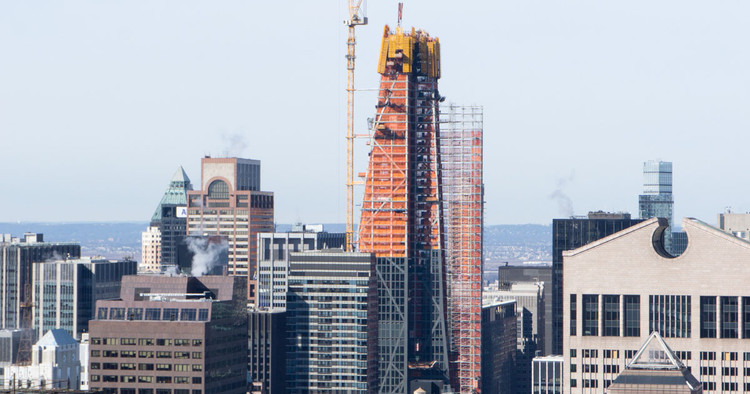
SHoP Architects' super-slender tower at 111 West 57th Street has reached supertall height, but the tower has begun missing pieces of its façade. As New York YIMBY revealed, sales have already started for the Manhattan skyscraper as new photographs show missing fragments of the terracotta façade. Located in Billionaire's Row just south of Central Park, the supertall is being created by JDS Development and Property Markets Group. The project aims to become an iconic terracotta skyscraper in Midtown as it passes its third setback.
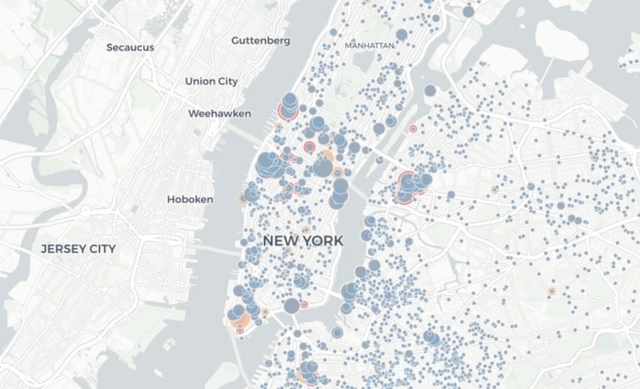
While most city planning portals are already freely accessible to the public, the new interface of the “NYC Active Major Construction” map presents detailed information in a clean, fast, user-friendly manner, giving architects and residents-alike a deeper insight into construction trends in what Bjarke Ingels refers to as “a capital of the world.”
https://www.archdaily.com/900753/explore-every-construction-project-in-new-york-city-with-this-new-interactive-mapNiall Patrick Walsh
In a new interview with Louisiana Channel, Ingels steps back from the pragmatism of individual projects, and instead reflects on his view of New York, from multiculturalism and inequality to regeneration and skyscrapers.
https://www.archdaily.com/899511/controversial-snohetta-renovation-of-philip-johnsons-at-and-t-headquarters-halted-by-individual-landmark-designationNiall Patrick Walsh
Last month, we reported on the topping out of 53 West 53rd, a skyscraper designed by Pritzker Prize-winning architect Jean Nouvel. The impressive 1,050-foot tall building will serve as a luxury residential condominium and offer its residents views across Central Park and downtown Manhattan. The Real Deal recently sat down with the architect to talk about his new project, and how he predicts it will transform the city’s iconic skyline.
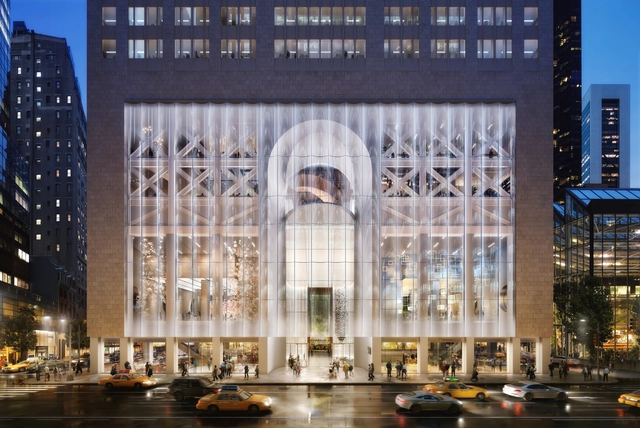
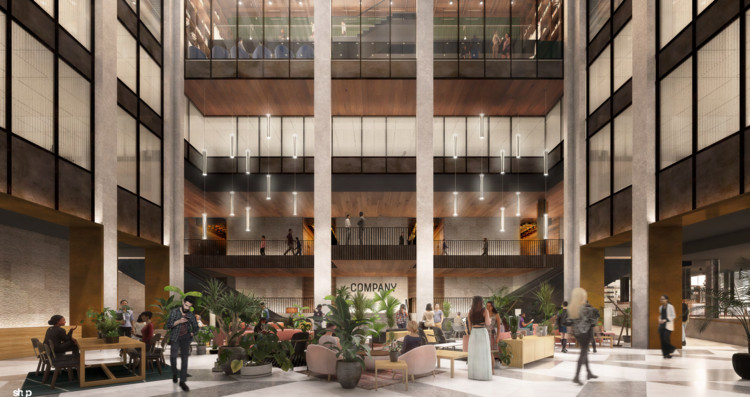
Neighboring Grand Central Station, Company’s office building at 335 Madison Avenue has one of the most coveted locations in midtown Manhattan. Charged with completely renovating the building’s atrium and office floors, the local New York firm SHoP Architects has unveiled a set of interior renders that show their plans for the commuter-friendly office space.
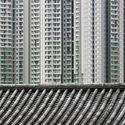
In his ongoing study, Nikola Olic - a Serbian photographer based in Dallas, Texas - focuses on “architectural photography and abstract structural quotes that reimagine their subjects in playful, dimensionless and disorienting ways.” Often isolating elements of a facade, which obscures the viewer's sense of scale and perspective, Olic provides short descriptions of each image, acting as a “demystifying tool” and reminding us of the everyday nature of his subject matter. In the third collection shared with ArchDaily, the photographs are taken in Dallas, Fort Worth, Las Vegas, New York, Los Angeles, Long Beach, and Hong Kong.
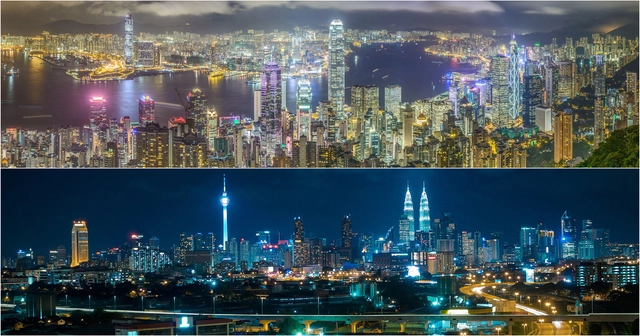
The downtown skyline of a city is perhaps its most symbolic feature. The iconic cityscapes that we know and love are typically formed by skyscrapers, but much of the surrounding context is made up of other high-rise buildings. Yes, there is a difference between a skyscraper and a high-rise. Research company Emporis defines a high-rise as a building at least 35 meters (115 feet) or 12 stories tall. These high-rise buildings play a major role in the more sprawled urban context of larger cities today.
Read on for Emporis' list of the 20 cities in the world with the most high-rises. You might be surprised by which cities made the cut.
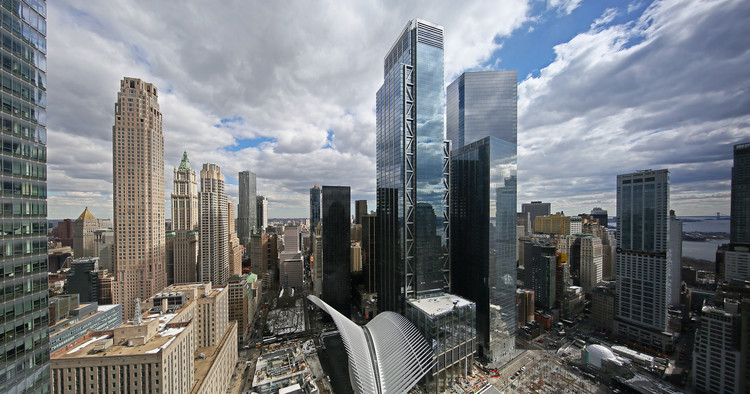
3 World Trade Center, designed by Rogers Stirk Harbour + Partners, has opened for business in Lower Manhattan, New York City. At 1079 feet tall, and 80 floors, the scheme is the fifth-highest in New York, and the penultimate tower to be opened on the World Trade Center site. Construction of the tower saw over 4,000 union workers apply millions of hours.
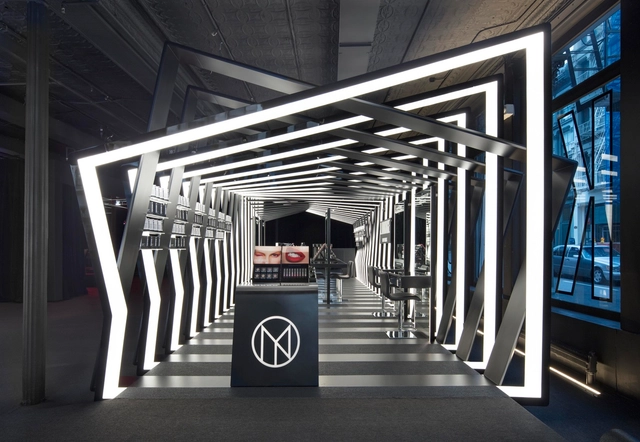
The pavilion coincides with the launching of Il Makiage’s new 800-piece makeup collection, and was designed to convey the label’s “characteristically bold graphic identity.”



.jpg?1463595741&format=webp&width=640&height=580)
.jpg?1463596013 "© Laurian Ghinitoiu")
.jpg?1463595919 "© Laurian Ghinitoiu")
.jpg?1463596094 "© Laurian Ghinitoiu")
.jpg?1463595878 "© Laurian Ghinitoiu")
.jpg?1463595741)





.jpg?1538563752 "Courtesy of SHoP Architects")




















_(003).jpg?1528735177 "© Joe Woolhead")