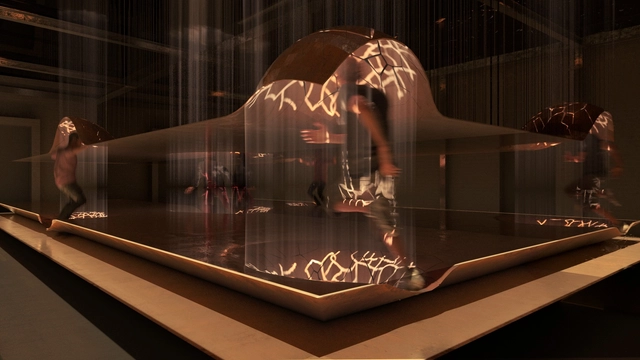
Studio INI is set to unveil Urban Imprint, an immersive installation at A/D/O by MINI in Brooklyn that reconstructs the fabric of our urban environment and imagines the city as a megaphone to the self. The outdoor installation will open to the public tomorrow, May 17th, during NYCxDesign, New York City’s annual celebration of Design which takes place throughout May.
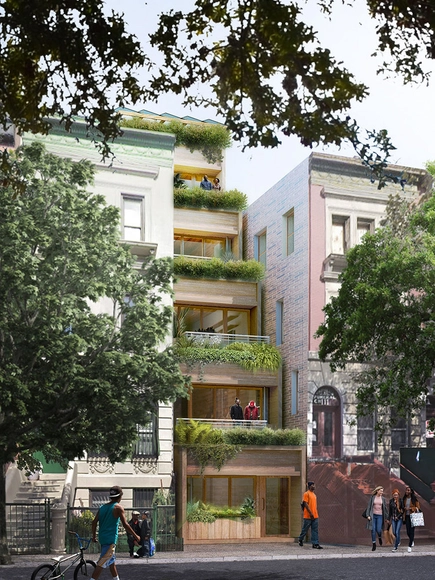
The New York City Department of Housing Preservation and Development (HPD) and the American Institute of Architects New York Chapter (AIANY) have selected five New York City-based firms that will advance to the final stage of the Big Ideas for Small Lots NYC design competition. Launched in February 2019, the competition invited architects and designers to submit proposals that developed high-quality affordable housing on small, irregular lots across the city.
https://www.archdaily.com/917122/5-winning-ideas-to-fill-new-york-citys-most-challenging-sitesNiall Patrick Walsh
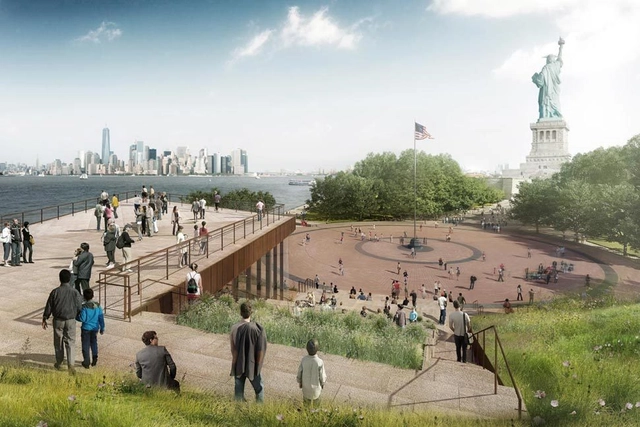
The Statue of Liberty Museum is set to open on Liberty Island, New York. Designed by New York-based firm FXCollaborative led by Nicholas Garrison, the 26,000-square-foot scheme seeks to create the illusion of a structure lifted from the earth. To achieve this, the project incorporates angular design techniques and native materials to the island and statue, such as Stone Creek granite, copper, plaster, and native vegetation.
https://www.archdaily.com/916122/the-statue-of-liberty-museum-is-set-to-open-in-new-yorkNiall Patrick Walsh
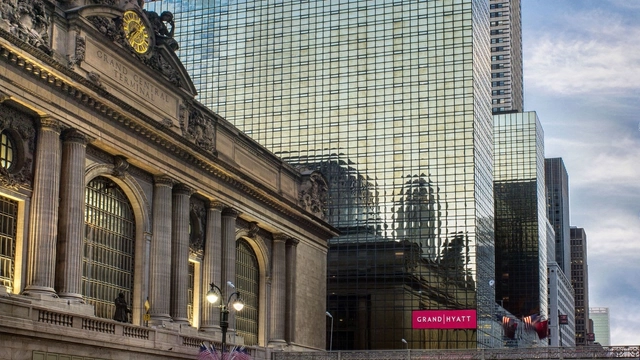
New York City Mayor Bill de Blasio has announced plans to introduce a bill banning the construction of glass skyscrapers, forming part of efforts to reduce citywide greenhouse emissions by 30 percent. Unveiling the plans, he described all-glass façade skyscrapers as “incredibly inefficient” because of heat loss, according to NBC New York.
https://www.archdaily.com/915656/new-york-citys-mayor-is-planning-to-ban-new-glass-skyscrapersNiall Patrick Walsh
As the world recognizes Earth Day 2019, the public discourse is increasingly dominated by citizen action across the world manifesting a widespread fear and frustration at a perceived lack of action by governments and officials to confront the issue forthrightly. From the Extinction Rebellion protests that have gripped London, to school student strikes across 125 countries, global cities are increasingly finding themselves on the front line of a battle to limit the effects of global warming.
https://www.archdaily.com/915510/how-three-major-us-cities-are-preparing-for-climate-changeNiall Patrick Walsh
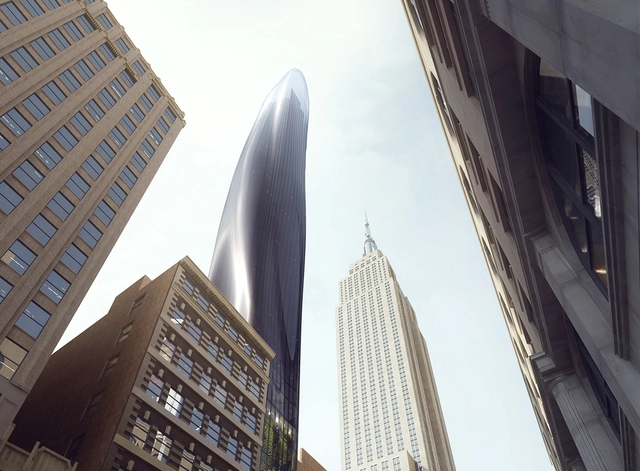
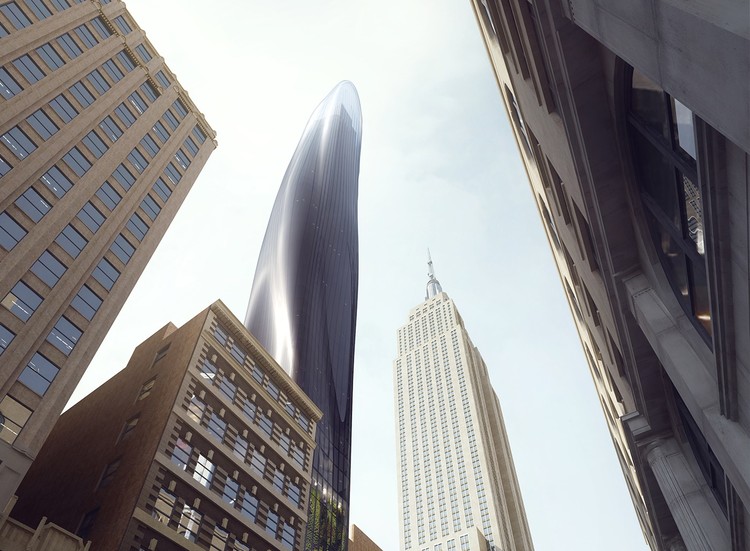
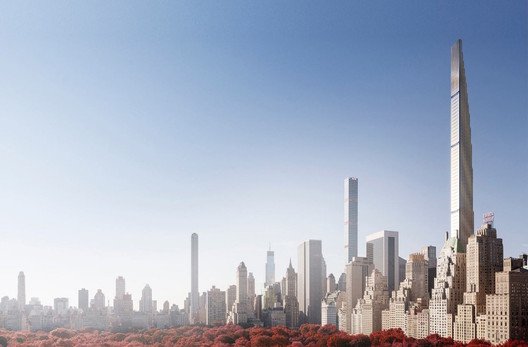
MAD Architects have revealed a new vision for New York City skyscrapers with a sinuous slender tower near the Empire State Building. Dubbed ‘East 34th’, the project was designed with a dark-colored glass facade that was made to fade into the atmosphere. Located adjacent to one of New York's most iconic structures, the project rethinks the city's rectilinear towers and sharp edges to create a new form for the Manhattan high-rise.
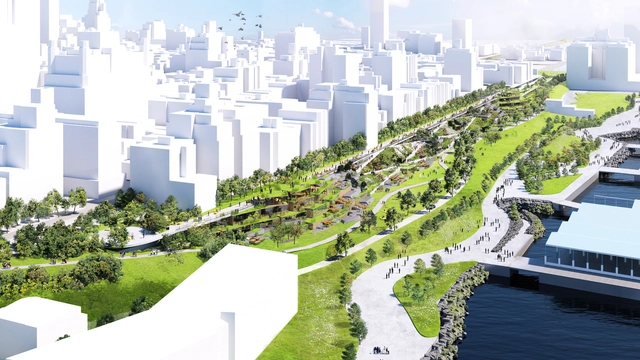
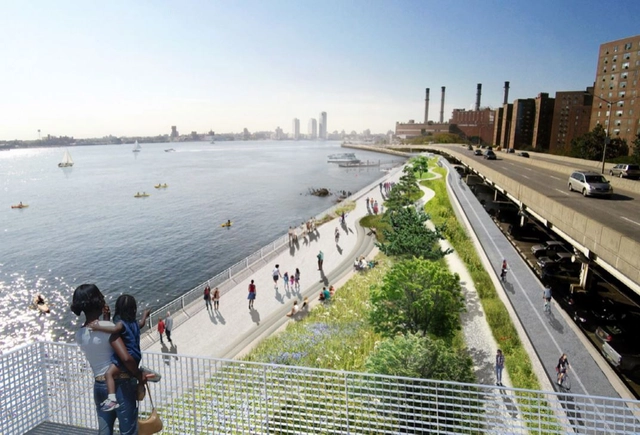
Bjarke Ingels Group has released details of their proposed landscape urbanism project in Brooklyn, New York, transforming a six-lane highway into a connected realm between the city and waterfront. The scheme centers on the Robert Moses-designed Brooklyn Queens Expressway, dating back to the 1960s.
https://www.archdaily.com/914488/big-covers-brooklyn-highway-in-landscaped-waterfront-parkNiall Patrick Walsh
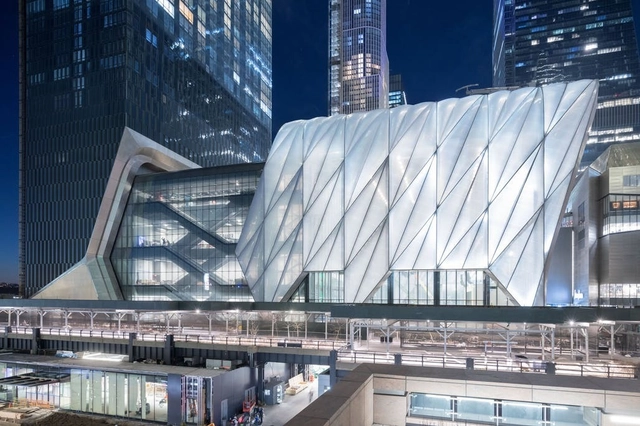
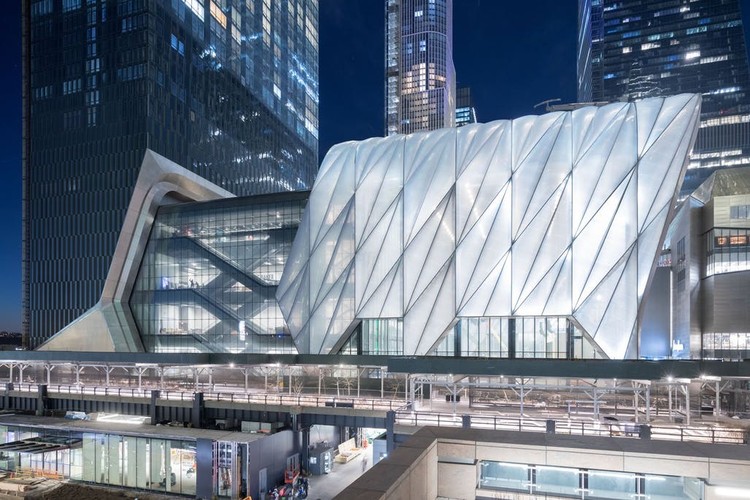
Diller Scofidio + Renfro and Rockwell Group's iconic Shed has opened after more than a decade in the making in New York City. The building features a 120-foot telescopic shell in Hudson Yards that can extend out from the base building when needed for larger performances. Clad in ethylene tetrafluoroethylene (ETFE) “pillows,” the project is connected to the High Line on 30th Street to bring performances and art to the city's newest neighborhood,
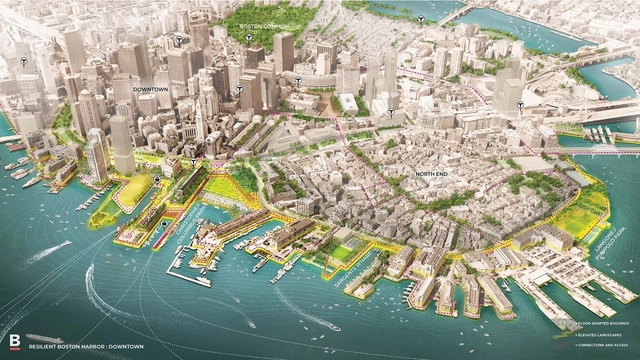
New York City Mayor Bill de Blasio has announced plans for a $10 billion coastal resilience project, designed to protect Lower Manhattan from flooding. In an editorial piece in New York Magazine, Mayor de Blasio outlined the ambitious plans to alter the waterfront of the Financial District, constructing a major infrastructural element up to 500 feet into the East River.
Part of the Lower Manhattan Climate Resilience Study, and designed in collaboration with climate scientists and local offices, the Mayor describes the scheme as “one of the most complex environmental and engineering challenges [New York] has ever undertaken and will, literally, alter the shape of the island of Manhattan.” The multi-billion dollar project is designed to protect Manhattan through the year 2100.
https://www.archdaily.com/913743/new-york-city-to-combat-rising-sea-levels-by-extending-the-manhattan-coastlineNiall Patrick Walsh
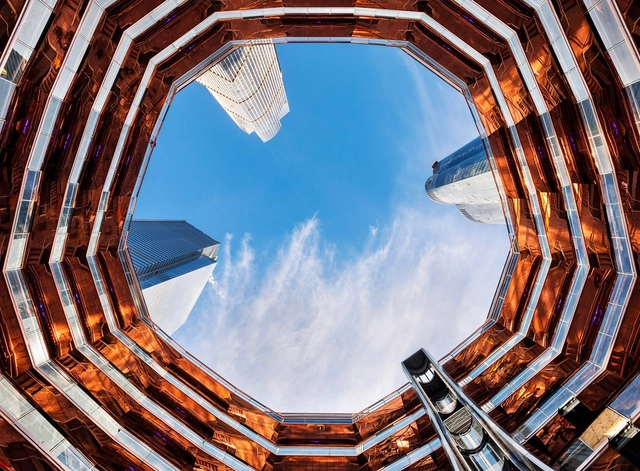
New York City’s Hudson Yards has opened its doors to the public, and the reviews are flooding in. Built on Midtown Manhattan’s West Side, the project is New York’s largest development to date and the largest private real estate venture in American history, covering almost 14 acres of land with residential towers, offices, plazas, shopping centers, and restaurants. A host of architecture firms have shaped the development, including BIG, SOM, Diller Scofidio + Renfro, Rockwell Group, and many others.
Read on to find out how critics have responded to Hudson Yards so far.
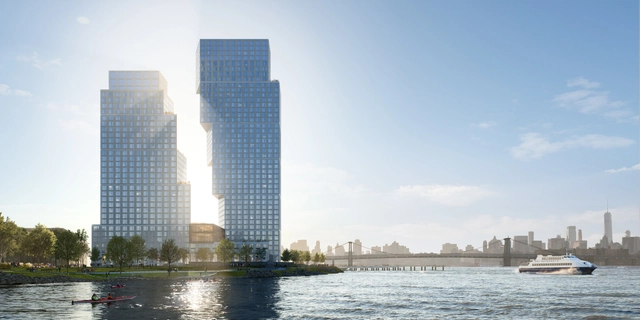
OMA, led by the firm’s partner Jason Long, has designed two towers at Greenpoint Landing in Brooklyn, New York. The towers, in conjunction with a lower seven-story building, will offer 745 housing units (30% of which are affordable) and over an acre of new public space for the neighborhood. As OMA New York’s first ground-up building in Brooklyn, the scheme will serve as “a catalyst in the transformation of the waterfront from a post-industrial edge to an accessible and dynamic part of the neighborhood.
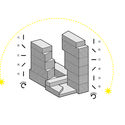
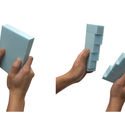
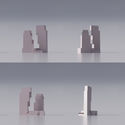
The two towers, extending Eagle Street and Dupont Street, expand the existing waterfront esplanade, incorporating 2.5 acres of public open space along the shoreline, and 8,600 square feet of ground-floor retail. Manifesting as two dancers, the towers simultaneously lean into and away from each other. While the taller tower widens towards the east as it rises, its partner steps back from the waterfront to create a series of large terraces.
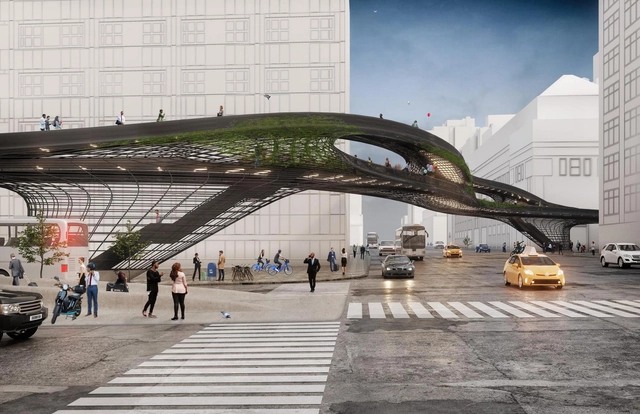
Architecture and design firm DXA studio was awarded Grand Prize for their design for an urban pathway in New York City. Submitted for Construction Magazine’s 2019 Design Challenge, the project would span 9th Avenue to connect the new Moynihan Train Hall to the High Line and Hudson Yards. The design was created to push the boundaries of contemporary steel construction and create a signature public pathway for New York.
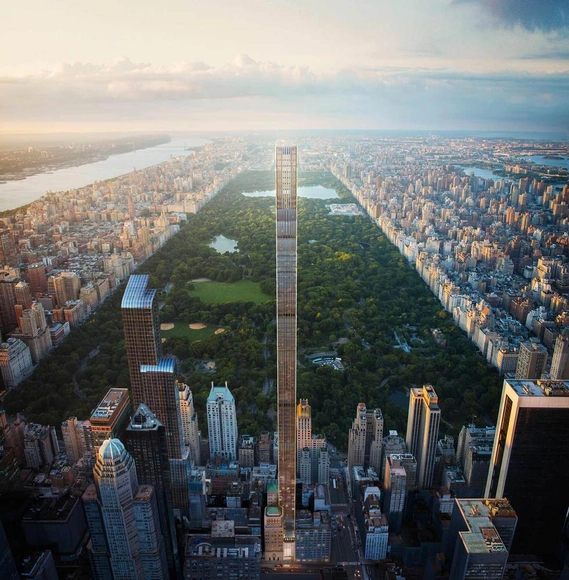
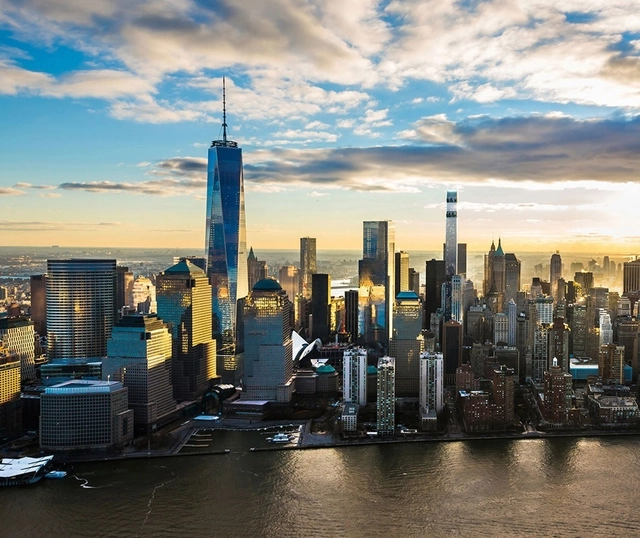
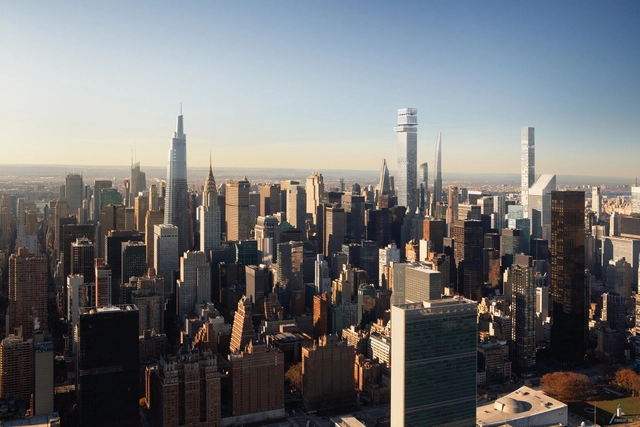
New York City has gained a reputation for its soaring towers thanks to unprecedented engineering technologies and New York’s air-rights policy, which permits developers to acquire neighboring unused airspace and construct large structures without any type of previous public review. But how are these super tall skyscrapers being accommodated? By replacing older existing structures. This out-with-the-old-in-with-the-new pattern comes as no surprise, as the “concrete jungle” is gradually being axed to make room for an even larger jungle.
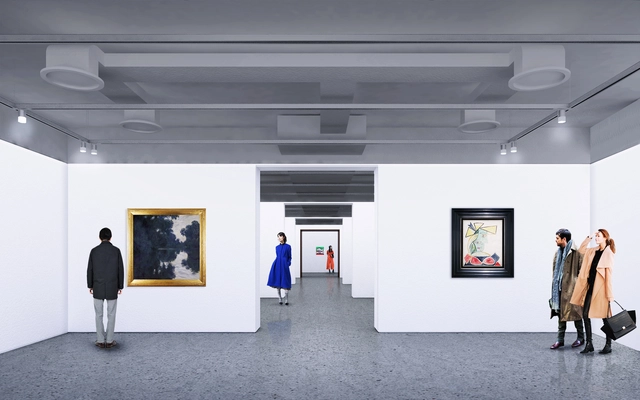
Renowned auction house Sotheby’s has unveiled a dramatic OMA/Shohei Shigematsu-designed expansion and re-imagination of their New York City headquarters. Together with OMA Associate Christy Cheng, Shigematsu has redesigned the headquarters to include vast new exhibition galleries for fine art, precious objects, luxury goods, and more. Comprising 40 galleries of varying size across four floors, the new space will increase Sotheby’s exhibition space from 67,000 square feet to 90,000 square feet.
In the proposal, nine galleries will facilitate discreet private sales for dedicated small objects such as watches and jewelry. Three two-story spaces will be set aside for exhibitions, along with a 150-foot-long space for full collections, according to The New York Times. The new space will include “dynamic repertoire” of "spatial conditions", including a white cube, double height, enfilade, corridor cascade, octagonal, and an L-shaped space.
The hyperreal renderings predicting New York City’s skyline in 2018 are coming to life as the city’s wealth physically manifests into the next generation of skyscrapers. Just like millennials and their ability to kill whole industries singlehandedly, we are still fixated on the supertalls: how tall, how expensive, how record-breaking? Obsession with this typology centers around their excessive, bourgeois nature, but – at least among architects – rarely has much regard for the processes which enable the phenomenon.
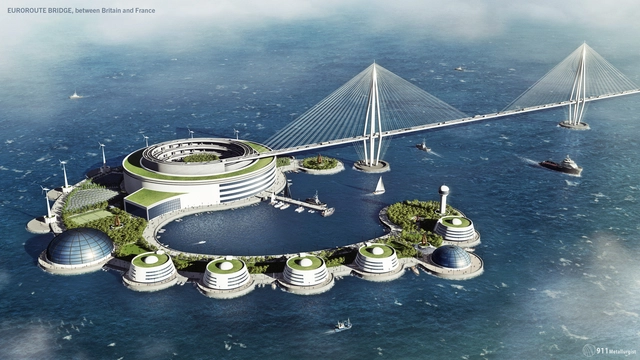
Whether stopped in their tracks by finance, planning, or engineering difficulties, the four bridge designs listed below embody a marriage of art and engineering too advanced for their time. From a proposal for a EuroRoute Bridge between Britain and France, to a 12-rail, 24-lane bridge across the Huston River in New York, all four designs share a common, ambitious, yet doomed vision of crossing the great divide from pen and paper to bricks and mortar.
https://www.archdaily.com/910227/4-mega-bridges-that-were-never-builtNiall Patrick Walsh
Gensler has released details of their proposed Tower Fifth in New York City. If realized, the 1556-foot-tall scheme would be the second-tallest building not just in New York, but in the Western Hemisphere. Located east of Fifth Avenue between 51st and 52nd Street, the tower will sit adjacent to St. Patrick’s Cathedral.
According to Gensler, who designed the scheme in collaboration with developer Harry Macklowe, the tower “creates a new paradigm for how a supertall structure meets the street and interacts with its neighbors.”
https://www.archdaily.com/910068/genslers-tower-fifth-in-new-york-city-will-be-the-second-tallest-building-in-the-western-hemisphereNiall Patrick Walsh