1. ArchDaily
  2. Chrysler Building

Chrysler Building: The Latest Architecture and News

New York City Architecture Guide: Discover 10 Must-See Landmarks and 20 Contemporary Attractions

Subscriber Access | 

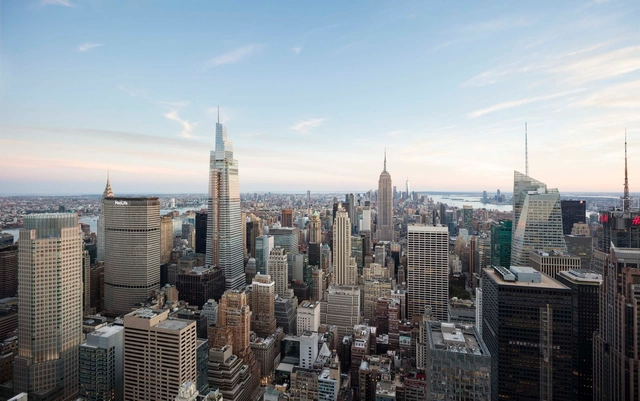
As the largest city in the United States, New York City is one of the most diverse and vibrant cities in the world, recognized by many as the center for global media, culture, fashion art, and finance. The city was founded in 1624 by settlers from the Dutch Republic and has since grown into “the city that never sleeps”.

While almost every style of architecture exists in New York City, the metropolis is most well known for its skyscrapers, both in historical styles such as Neoclassical and Art Deco and in their varied contemporary expressions. The first building to bring the world's tallest title to New York was the New York World Building, in 1890. Later, New York City was home to the world's tallest building for 75 continuous years, starting with the Park Row Building in 1899.

New York City Architecture Guide: Discover 10 Must-See Landmarks and 20 Contemporary Attractions - Image 1 of 4New York City Architecture Guide: Discover 10 Must-See Landmarks and 20 Contemporary Attractions - Image 2 of 4New York City Architecture Guide: Discover 10 Must-See Landmarks and 20 Contemporary Attractions - Image 3 of 4New York City Architecture Guide: Discover 10 Must-See Landmarks and 20 Contemporary Attractions - Image 4 of 4New York City Architecture Guide: Discover 10 Must-See Landmarks and 20 Contemporary Attractions - More Images+ 26

Art Deco: How Discovery, Invention and Fashion Created a Movement

Subscriber Access | 

Art Deco or Arts Décoratifs originated in the 1920's, following the Exposition Internationale des Arts Décoratifs et Industriels Modernes held in Paris (1925). However, it wasn’t until the 1930’s that the movement gained momentum across both Europe and the US, broadening Art Deco to cover all elements of decorative art including furniture, interior design, jewelry and architecture. Its popularity stems from its unique origins. Rather than a design movement driven by political or philosophical forces, it was created for the desire of glamorous and alluring change, a reflection of the golden age in Hollywood and a widespread economic boom.

Characterized by its decadence, rich application of color, and geometrical shapes, the movement is dramatically influenced by the discovery of the artifacts of ancient civilizations, and the introduction and admiration of the automobile. A movement heavily influenced by aspects in vogue it sought to create a form of luxury modernism, a step away from a more traditional architecture. It put an emphasis on handcrafted and individually designed elements, rarely to be mass produced.

Art Deco: How Discovery, Invention and Fashion Created a Movement - Image 1 of 4Art Deco: How Discovery, Invention and Fashion Created a Movement - Image 2 of 4Art Deco: How Discovery, Invention and Fashion Created a Movement - Image 3 of 4Art Deco: How Discovery, Invention and Fashion Created a Movement - Image 6 of 4Art Deco: How Discovery, Invention and Fashion Created a Movement - More Images+ 7

New York City's Chrysler Building is Up for Sale

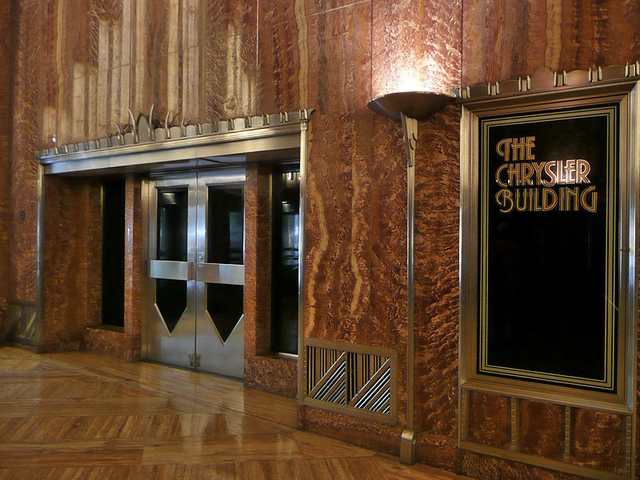
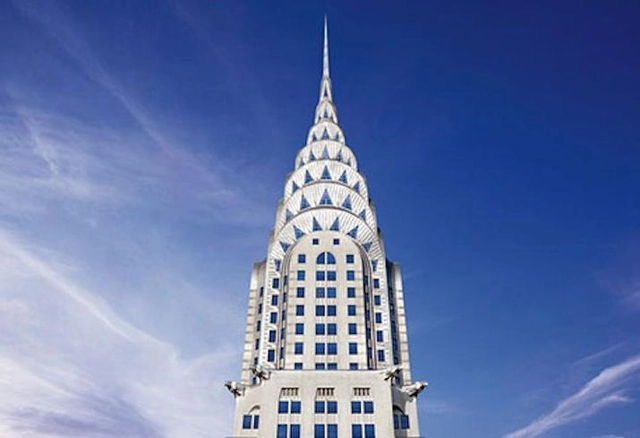
New York City's famed Chrysler Building is up for sale for the first time in over 20 years. According to the Wall Street Journal, the art deco office tower’s current owners officially placed it on the market, though the building's value has yet to be released. Designed by William Van Alen, the building was bought by Tishman Speyer in 1997. As an iconic part of the New York skyline, the building is admired for its distinctive ornamentation based on Chrysler automobiles.

"New(er) York" Imagines What New York's Historic Structures Would Look Like if Built Today

Subscriber Access | 

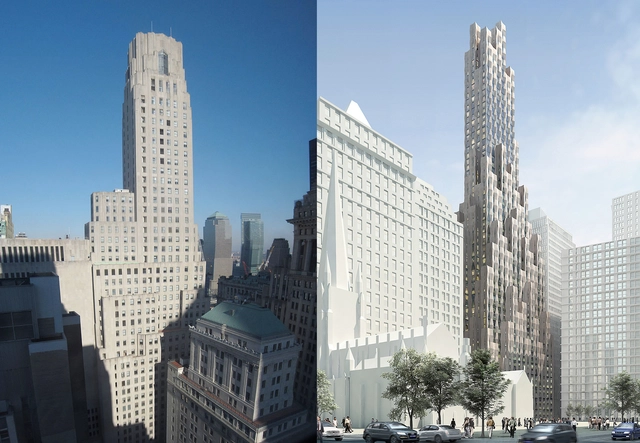
The New York Times recently reported that over 40% of the buildings on the island of Manhattan wouldn’t be granted construction permits in 2017. Most of the culprits date back to the early 20th century when attitudes towards density, ceiling heights, column placement, and general living standards were different. This begs the question: what would modern iterations of New York’s signature structures look like today? Billed by the practice as “an obsessive-compulsive study of the city we love” HWKN’s New(er) York is a peculiar experiment that tackles this hypothetical.

"New(er) York" Imagines What New York's Historic Structures Would Look Like if Built Today - Image 1 of 4"New(er) York" Imagines What New York's Historic Structures Would Look Like if Built Today - Image 2 of 4"New(er) York" Imagines What New York's Historic Structures Would Look Like if Built Today - Image 3 of 4"New(er) York" Imagines What New York's Historic Structures Would Look Like if Built Today - Image 4 of 4New(er) York Imagines What New York's Historic Structures Would Look Like if Built Today - More Images+ 11

The Unexpected Stories Behind 10 Skyscrapers That Were Actually Built

As long as there have been buildings mankind has sought to construct its way to the heavens. From stone pyramids to steel skyscrapers, successive generations of designers have devised ever more innovative ways to push the vertical boundaries of architecture. Whether stone or steel, however, each attempt to reach unprecedented heights has represented a vast undertaking in terms of both materials and labor – and the more complex the project, the greater the chance for things to go awry.

The Unexpected Stories Behind 10 Skyscrapers That Were Actually Built - Image 1 of 4The Unexpected Stories Behind 10 Skyscrapers That Were Actually Built - Image 2 of 4The Unexpected Stories Behind 10 Skyscrapers That Were Actually Built - Image 3 of 4The Unexpected Stories Behind 10 Skyscrapers That Were Actually Built - Image 4 of 4The Unexpected Stories Behind 10 Skyscrapers That Were Actually Built - More Images+ 16