This week in architecture, global recognitions and new unveilings underscored the field's growing commitment to climate awareness, cultural continuity, and adaptive reuse. From Expo 2025 Osaka's closing ceremonies to international award announcements, the focus turned to architects and designers redefining the relationship between place, material, and community. Alongside these recognitions, major new projects, from Dubai to California, illustrated how design continues to evolve across scales: shaping cities, preserving heritage, and addressing urgent global challenges through context-driven architecture.
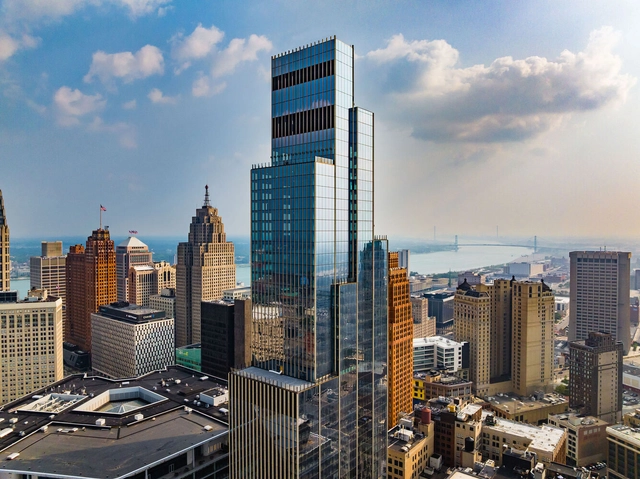
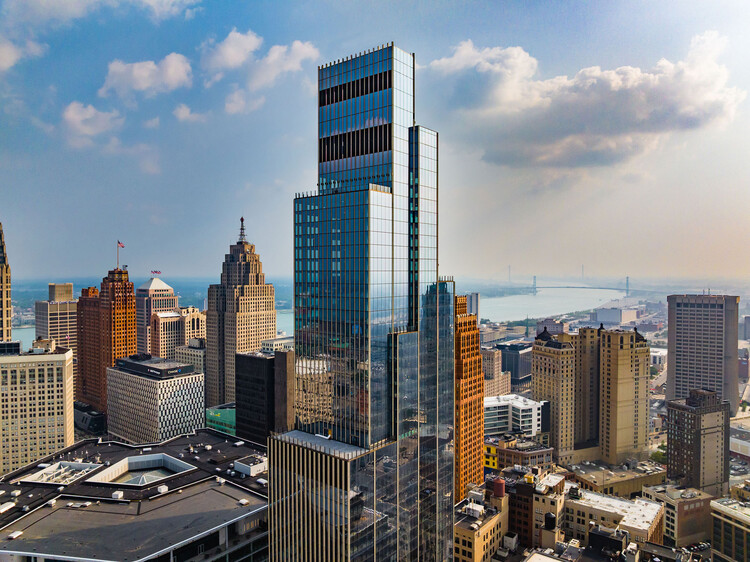
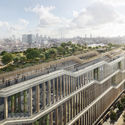
Hudson's Detroit mixed-used development. Aerial view. Image Courtesy of Bedrock
Detroit-based Bedrock development group has announced the completion of the first phase of its Hudson's Detroit mixed-use project in the city center. The project was first unveiled in 2017, when the company presented plans for a 1.2-million-square-foot development designed by SHoP Architects to be built on one of downtown Detroit's long-abandoned sites, formerly occupied by the J.L. Hudson's Department Store. Once the tallest department store in the world and a central gathering place for the city throughout much of the 20th century, the site has now been reimagined as a contemporary urban destination. After nearly a decade of planning and construction, Hudson's Detroit aims to bring new activity and public space to a location emblematic of the city's commercial and cultural past.
In the complex ecosystem of architectural development, where innovative concepts meet market realities, a distinct role exists to bridge diverse professional interests and realize impactful spaces. Elisa Orlanski Ours exemplifies this function. This is the domain of Elisa Orlanski Ours, a designer, educator, and industry leader. As Chief Planning & Design Officer at Corcoran Sunshine Marketing Group, Elisa founded her department two decades ago. Now, her extensive portfolio spans condominium skyscraper master plans and individual branded villas across continents, including significant New York City developments like Hudson Yards and 220 Central Park South, as well as international developments in collaboration with prominent architectural firms like SHoP Architects, BIG, Herzog & de Meuron, Adjaye Associates, and SO-IL. Her strategic perspective on bringing projects from schematic phase to final sale provides valuable insights into the industry's intricate workings. ArchDaily's Managing Editor, Maria-Cristina Florian, had the opportunity to discuss these critical topics with Elisa in the following interview.
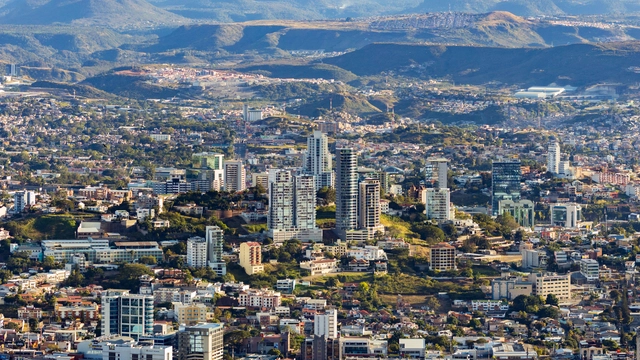
Located in the Central Mountains of Honduras, Tegucigalpa stands as the country's largest city. Being home to approximately 1.5 million residents, it is also one of the biggest urban centers in Central America, with origins that date back to 1578 when it was founded by Spanish colonizers. It was declared the capital in 1880 and has since developed into the political, cultural, and economic heart of Honduras. This history has endowed the city with a diverse architectural heritage, showcasing styles from various periods and influences.
Styles that range from colonial Baroque, Neoclassical, and Art Deco to Modernism and Post-Modernism, reflect its dynamic history. It is also home to several museums that celebrate both traditional and contemporary Honduran arts, such as the Museum of National Identity (MIN) and the National Gallery of Art. Beyond its urban attractions, the city's surrounding mountains are home to the hiking trails of La Tigra National Park and several colonial silver mining towns, which make it a great city to visit while traveling through Central America.
Beyond hyper-realistic renders and accurate depictions of what projects look like once completed, visualizations have become tools to communicate atmospheres and emotions portrayed by architects. The use of mixed media, combined with architectural compositions, art, lighting, and oftentimes music, have generated a new genre of architectural storytelling, one that combines reality with imagination. And as the world immerses in NFT's and experimenting with cutting-edge technologies to create digital environments, visualizations might soon become "the new reality".
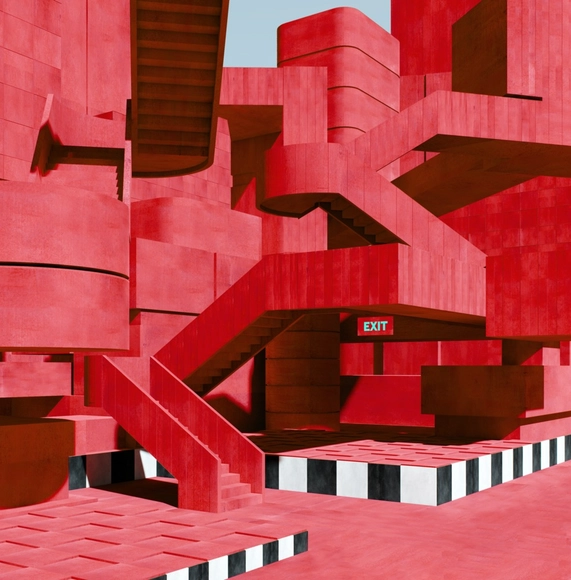
ArchDaily had the opportunity to talk to Visual Artist Ceren Arslan about branching out from the architecture practice, how she describes her creative process, her latest project EXIT, and what the future holds for architectural visualizations.
Under the latest round of NYC's Department of Design and Construction (DDC) Project Excellence Program, Commissioner Thomas Foley has announced that the agency has selected 20 firms to provide architectural design services for New York City’s future public buildings project. 10 of the selected firms are certified Minority- and Women-Owned Business Enterprises (M/WBEs), meeting the city’s ambitious goals of supporting M/WBEs and increasing its ability to generate culturally competent designs.
The early stages of practicing architecture are often met with what many explain as "the slippery slope of being an architect", where expectations do not at all meet reality of the profession and gets worse as the experience progresses. With constant burnouts as a result of working overtime and on weekends on the account of “gaining experience”, extraordinary expectations, low wages, and physical and mental strains, the prestige of being an architect has evidently vanished with modern-day work conditions. So how can architects fight for their labor rights after years of exploitation and what is currently being done to ensure them?
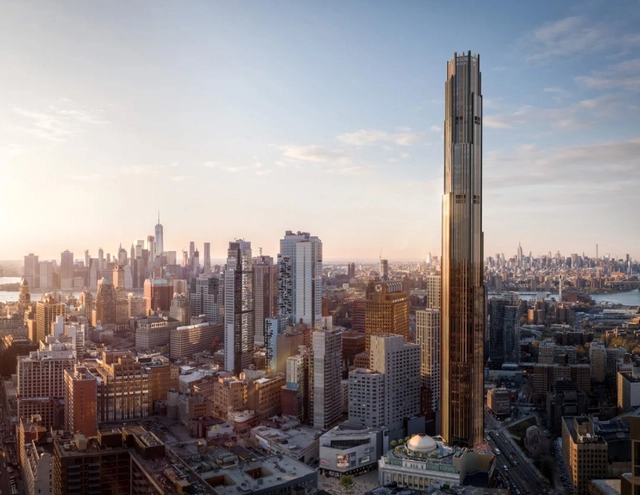
SHoP Architects and JDS Development Group's The Brooklyn Tower at 9 DeKalb Avenue has reached its final height. The monumental tower stands at 1,066 ft. formed by interlocking hexagons that create a dramatic facade of reflective bronze and black panels, providing residents with panoramic views of the city, river, and harbor. The tower is expected to launch residence sales in early 2022, and open for occupancy late 2022.
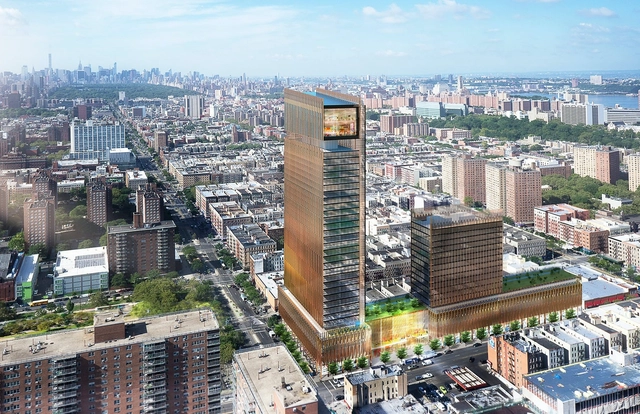
SHoP Architects has designed a new mixed-used development and tower that will also house the Museum of Civil Rights in West Harlem. Combined, the project could total nearly one million square feet of office, residential, and retail space with the cultural program. SHoP submitted a draft scope of work for the project, dubbed One45, that was made in collaboration with Judge Jonathan Lippman and Reverend Al Sharpton.
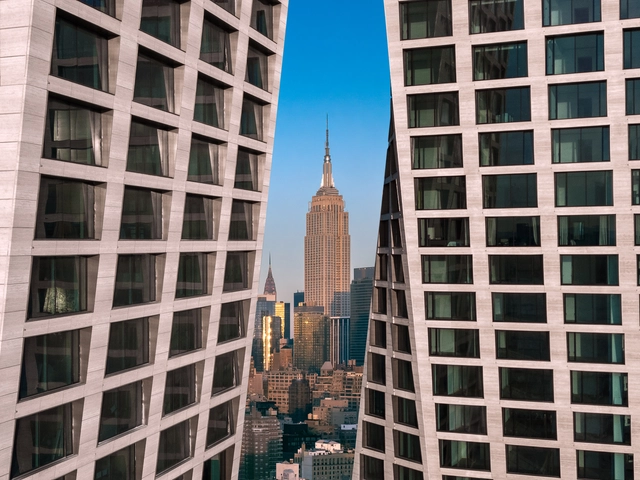
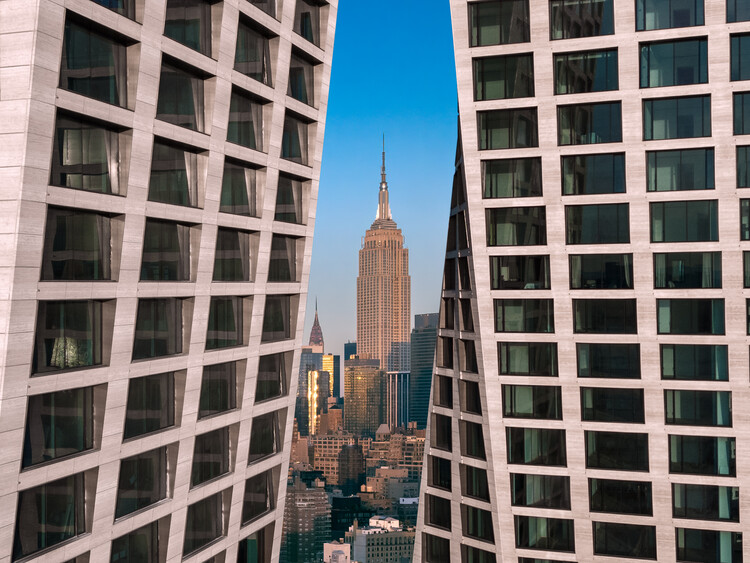
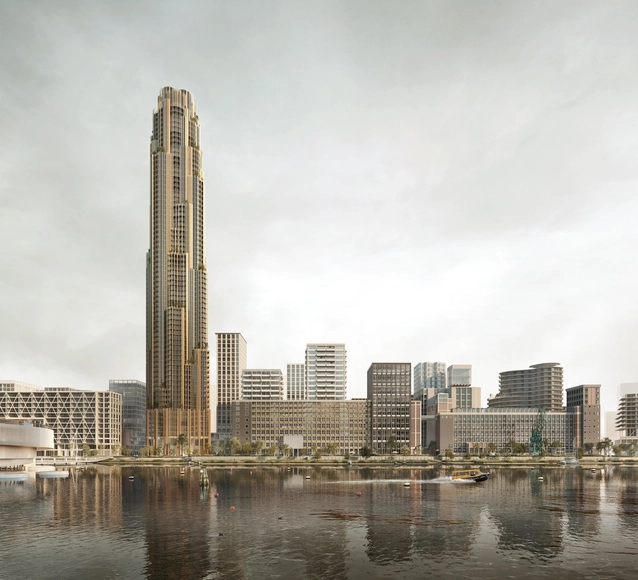
Paul Clemence has released a new series of images, showcasing the on-going construction works on 111 West 57th, designed by SHoP. Located in New York, the residential tower is set to become the second-tallest building in the city by roof height, and the most slender tall building in the world, once completed.
A new masterplan and building scheme has been designed for the Codrico Factory and Rijnhaven in Rotterdam. With the overall plan created by Powerhouse Company in collaboration with developer RED Company, the proposal includes a series of buildings by Mecanoo, SHoP Architects, Office Winhov and Crimson Architectural Historians. Called the "Codrico Terrain", the project aims to celebrate local industrial heritage and embrace change for the future.
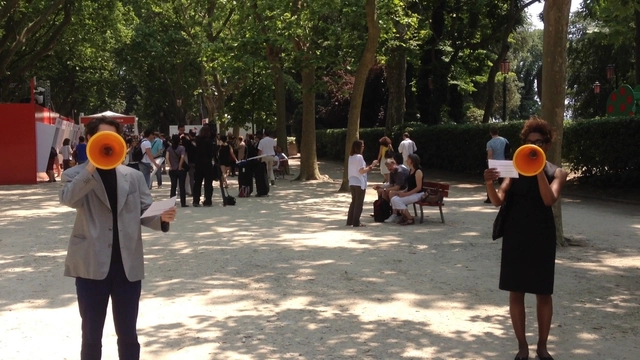
The inertia of politics and governance in a time when major societal changes occur at an increasingly faster pace and the dissatisfaction with the decision process makes room for bottom-up actions, activism and bold endeavours. In the light of so many examples of social activism, do architects have the tools to make their own stand? Does architecture have the power to disrupt the status quo?
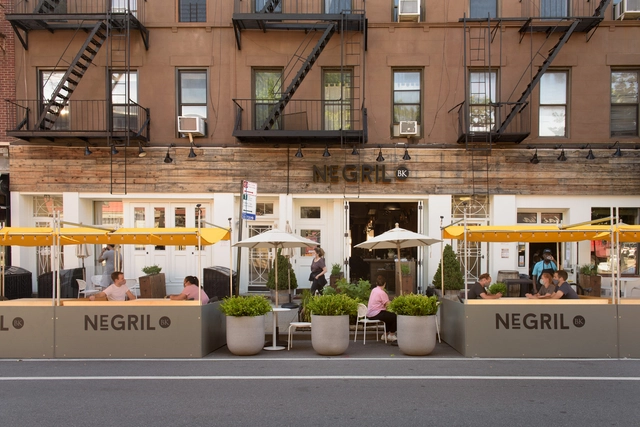
Outdoor dining has proven to be something of a lifeline for restaurants not only in New York but around the country, as indoor dining remains far out of reach at this point in the novel coronavirus crisis. Faced with restrictive mandates, however, architects, planners, and restaurateurs across the U.S. have been forced to come up with creative ways to keep patrons uninfected while assembling aesthetically pleasing outdoor dining areas.
When Jane Jacobs famously said, “Cities have the capability of providing something for everybody, only because, and only when, they are created by everybody,” she might as well have been foreshadowing the successful partnership formed between SHoP Architects, James Corner Field Operations, and Two Trees Management. The team, who collaborated on the 11-acre Domino Park master plan in Williamsburg, Brooklyn, has been hailed for creating a benchmark standard in perfecting the process for designing and understanding what it means to maintain a park that actively participates in a two-way dialogue with the community.
The Atlassian Sydney Headquarters, the soon to be “world’s tallest hybrid timber building” is being built in Sydney, Australia. Designed by SHoP in partnership with BVN, the 40-story high tower will provide, once completed in 2025, a new and innovative space for technology giant Atlassian.
As architecture is increasingly reliant on renderings to convey its message and depict the unbuilt, many practices turn to seasoned 3D artists to help them portray their designs in the most favourable light; thus they externalize visualizations to a handful of firms.
The Midnight Charette is an explicit podcast about design, architecture, and the everyday. Hosted by architectural designers David Lee and Marina Bourderonnet, it features a variety of creative professionals in unscripted conversations that allow for thoughtful takes and personal discussions. A wide array of subjects are covered with honesty and humor: some episodes provide useful tips for designers, while others are project reviews, interviews, or explorations of everyday life and design. The Midnight Charette is also available on iTunes, Spotify, and YouTube.
This week David and Marina are joined by Gregg Pasquarelli, Architect and Founding Principal of SHoP to discuss designing the world's slimmest skyscraper, modernism and provincialism in New York City, the most important part of creating architecture, 30-minute elevator pitches, city development, favorite restaurants and more!
https://www.archdaily.com/933828/gregg-pasquarelli-of-shop-on-the-worlds-slimmest-skyscraper-and-city-developmentThe Second Studio Podcast