Videos
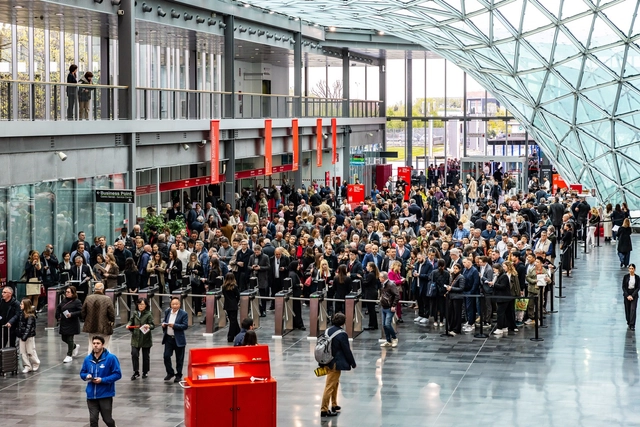
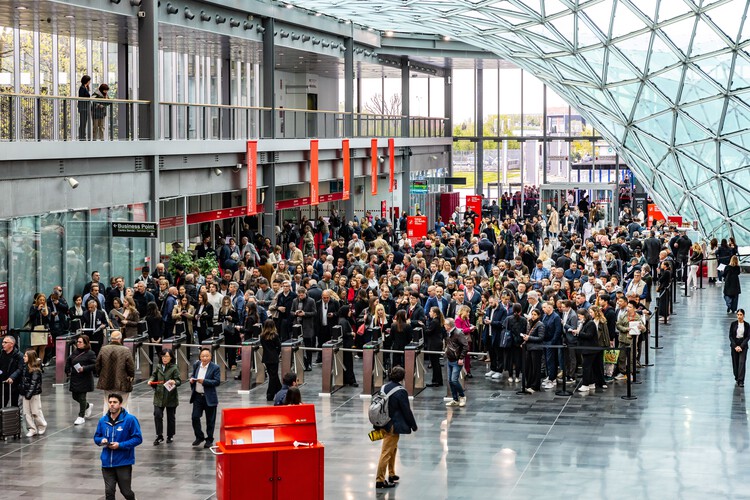
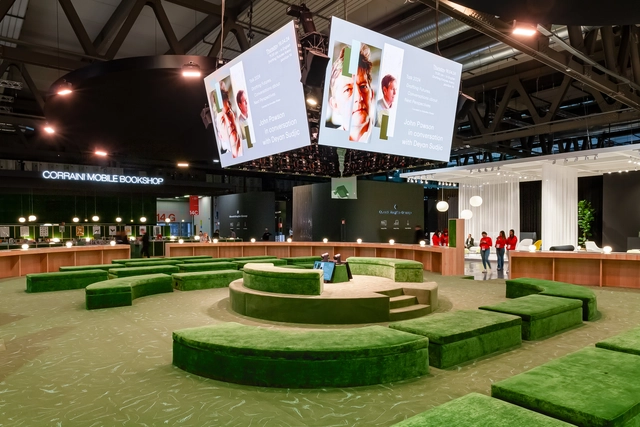
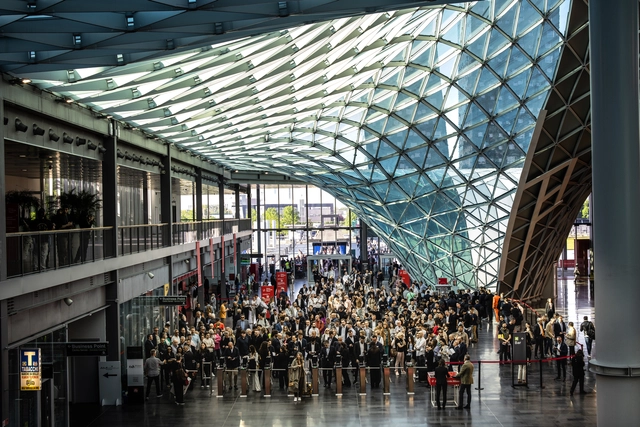
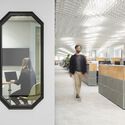
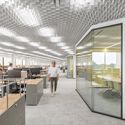
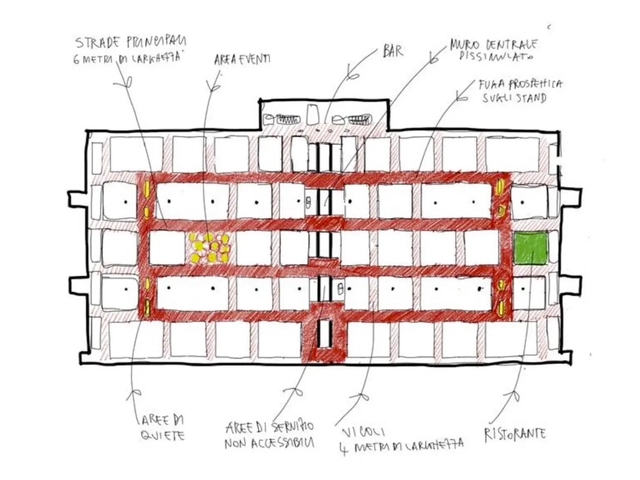
Concept redesign routes Salone del Mobile.Milano - Ph. Cristian Catania, Lombardini22. Image Courtesy of Salone del Mobile.Milano
The 62nd edition of the Salone del Mobile at Rho Fiera brought together designers, architects, producers, and prominent figures from the design realm. With more than 1950 exhibitors, the six-day event, running from April 16 to 21, 2024, emphasized conviviality, well-being, and sustainability. Designed with a human-centric approach, incorporating neuroscience principles to enrich visitor interaction, Salone del Mobile is revolutionizing the future of fairs.
On-site during the event, ArchDaily had the opportunity to speak with Cristian Catania, Senior Architect and Project Director for Reinventing Fairs at Lombardini22, responsible for revamping Salone, about the primary changes in the fair’s layout and the implementation of neuroscience approaches in conceptualizing the exhibition spaces.
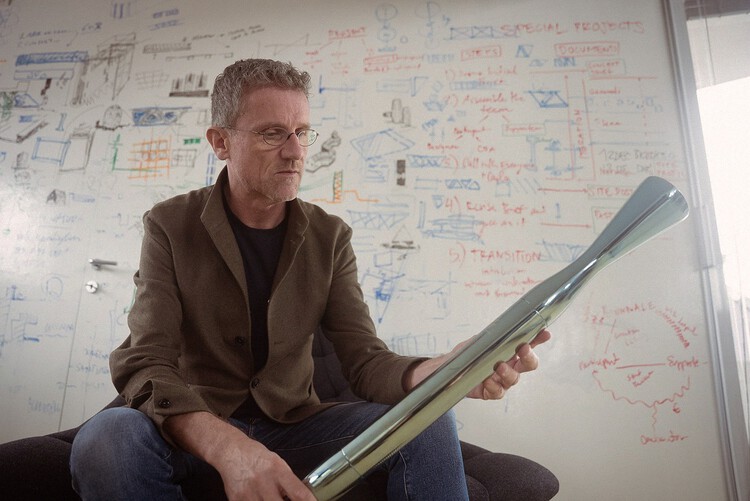
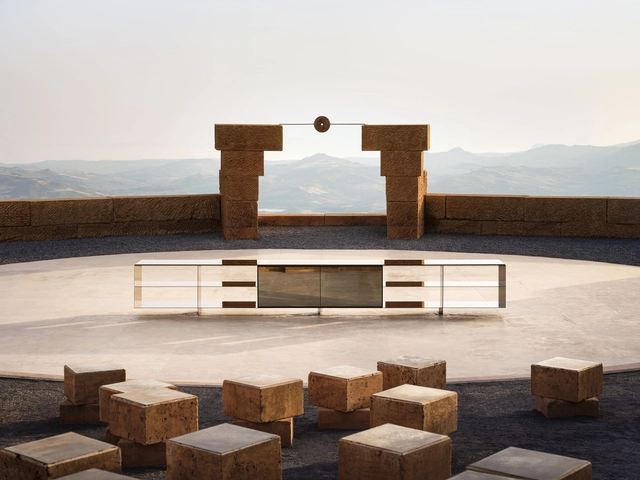
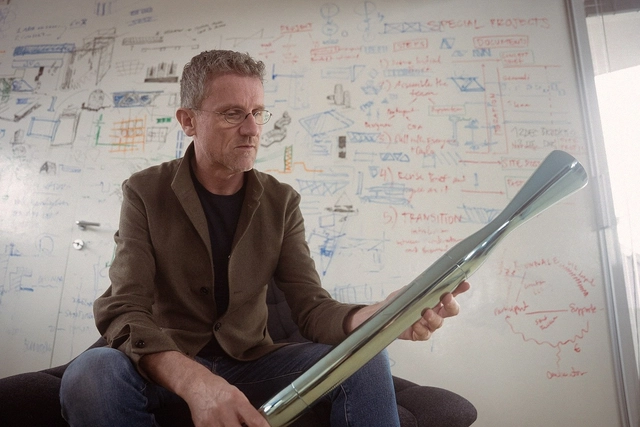
Simone Farresin from the Italian studio Formafantasma talks about his practice, together with his partner Andrea Trimarchi, their work, and the different approaches to projects. He also tackles their participation in the MilanDesign Week, and the political role of creatives in the world.
https://www.archdaily.com/1015806/simone-farresin-from-formafantasma-talks-on-milan-design-week-and-the-responsibility-of-the-designersArchDaily Team
Milan stands as a beacon of mainstream fashion and economic vitality, drawing visitors from around the globe. As Italy’s second most populous city, it serves as the stage for some of the world’s premier fashion and design events. To kick off the 62nd edition of Milan Design Week, we partnered with Felt to create an interactive map highlighting some of the city’s most iconic tourist attractions, as well as contemporary landmarks designed by renowned local and international architects such as Aldo Rossi,Gio Ponti,Stefano Boeri, Mario Cucinella, Zaha Hadid, Grafton Architects, Herzog & de Meuron, and Foster and Partners, amongst others.
https://www.archdaily.com/1015736/discover-milans-architectural-gems-with-this-interactive-city-guideArchDaily Team
Piazza Gae Aulenti - Milano. Image Courtesy of Salone del Mobile.Milano
As Milan Design Week begins, the Italian city is transformed into the grounds of one of the most expansive celebrations of global design, with its streets and venues brimming with cultural events, exhibitions, large-scale installations, talks and conferences. At Rho Fiera, the 62nd edition of the Salone del Mobile.Milano brings together designers, architects, producers and leading figures of the design world, featuring over 1950 exhibitors which will remain open for the next 6 days. Additionally, across the city Fuorisalone opens up locations across the city with an engaging and varied cultural program.
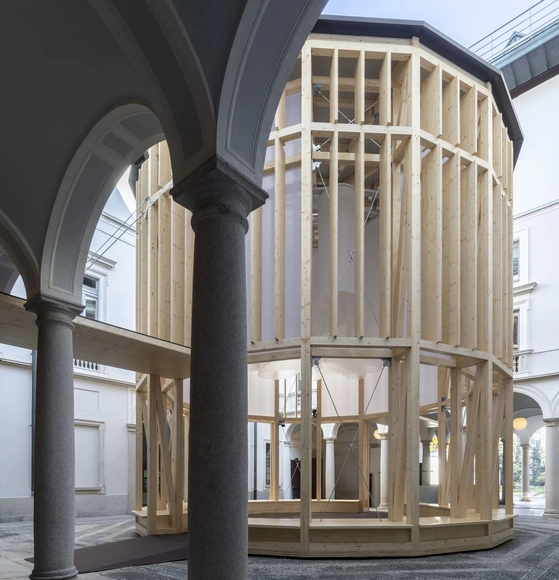
Milan Design Week stands as one of the most important events in the global design calendar, serving not only as a showcase of innovation but also as a catalyst for critical discourse and creative exchange. This year, the event unfolds with a multitude of exhibitions, installations, and talks happening throughout Milano during the week of April 15-21, 2024. By bringing together diverse voices, perspectives, and talents, Milan Design Week becomes relevant for architects and serves as a nexus for interdisciplinary dialogue. To help you better navigate the plethora of events, conferences, and installations, this article highlights the main venues hosting activities revenant for architects and designers, from the expansive trade fair Salone del Mobile in Rho Fiera to design districts across the city and unexpected locations hidden in Palazzo courtyards or reimagined industrial heritage sites.
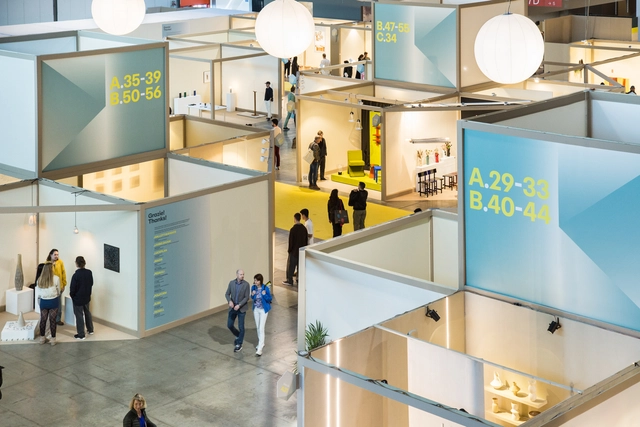
Make the most of Milano with our curated fair and city guides – put together by our expert team of architects and designers to make sure you know exactly what to see and where to go. As Designboom, Architonic, and ArchDaily, our core vision is to inspire, connect and empower. And while we can’t physically steer you in the right direction on the city streets or Salone del Mobile’s redesigned 2024 floor plans, we can make sure you have the optimal tools to locate the biggest discoveries, best new contacts, and most exciting stories: our two curated Milan guides, one to the fair and one to the city.
Courtesy of 180 Degrees Design Studio | The Fabric
As the landscape of architecture and urban development adapts to the modern climate, the traditional notion of construction has been significantly modified and adjusted. Specifically, principles of reuse, recycling, adaptive reuse, and the power of transforming existing structures into something more meaningful and sustainable have gained much traction. Looking at these curated collections of unbuilt projects, one can begin exploring a different way of looking at buildings and heritage, which is significantly more sensitive to the built environment.
From the austere office buildings of the United Kingdom to the proposal to re-activate a skyscraper in Ostrava, these diverse contexts tell stories of resilience, innovation, and a profound commitment to the existing built environment. Offering a new way of looking at things, the projects champion adaptive reuse and activation concepts.
In 2018, OMA opened the Fondazione Prada in Milan, Italy, housed within a former gin distillery established in 1910. The project which includes a statement facade cladded in 24-carat gold leaf and camouflaged mirrors, comprises the renovation of seven buildings in the Largo Isarco industrial complex on Milan’s southern outskirts, making the foundation neither a preservation project nor a new architecture. Recently, photographer Bahaa Ghoussainy captured the infamous structure in his new architectural photo series.
In the aftermath of the Second World War, a drastic housing shortage spread across Europe, and Milan was no exception. Various plans and solutions were conceived to address this crisis, outlining satellite communities for the city to accommodate between 50,000 and 130,000 residents each. The first of these communities began construction in 1946, just one year after the war's end: the Gallaratese project.
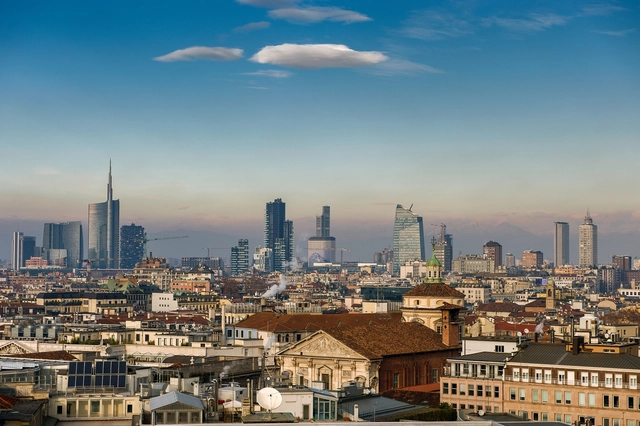
Milan’s urban fabric has long been defined by change. In a city known for its historic monuments, from the Piazza Duomo and Milan Cathedral to works like Velasca Tower, contemporary architecture must balance many existing contexts. Emerging as a global center for design and culture, Milan has become home to new buildings and structures addressing this condition as iconic landmarks and expressive forms. Actively building upon its legacy, Milan has turned its attention to the sky.