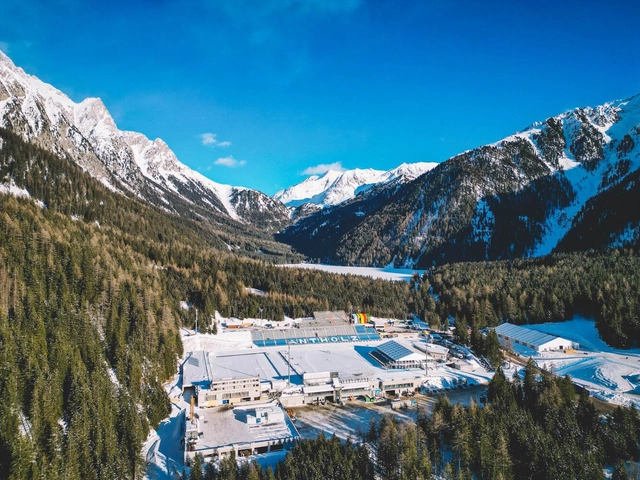
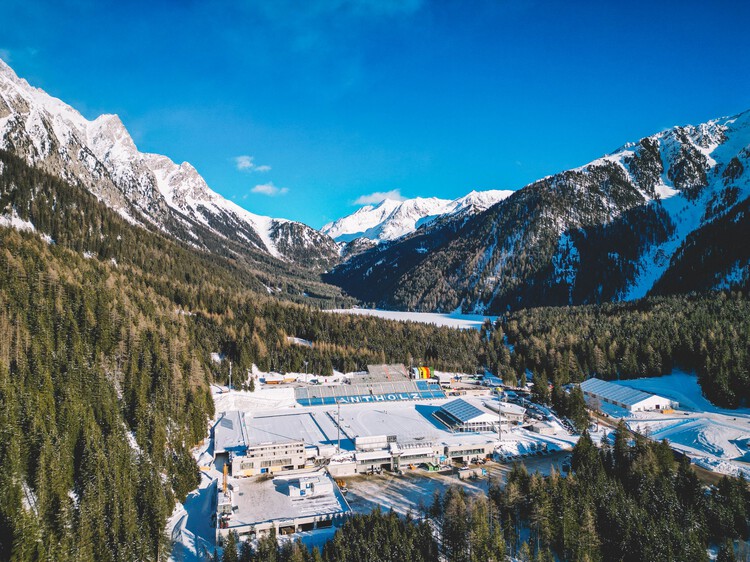
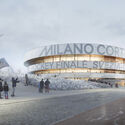
As preparations advance for the Milano Cortina 2026Olympic Winter Games, set to take place from February 6 to 22, 2026, this edition introduces one of the most geographically wide-ranging configurations ever implemented for the Winter Olympics. Extending across two cities, two regions, and two autonomous provinces, the competitions will be staged over more than 22,000 square kilometres of Northern Italy. Metropolitan venues in Milan are paired with longstanding Alpine centres in Cortina d'Ampezzo, Livigno, Bormio, Anterselva, and Val di Fiemme, creating a framework that bridges urban and mountain contexts. More than 90 per cent of the venues are existing or temporary facilities, reflecting a strategy centred on adaptive reuse, selective upgrades, and long-term integration into regional sport and cultural infrastructures. Nearly 2,900 athletes will compete in 116 events, including the debut of ski mountaineering and several new mixed-gender formats that signal evolving approaches to winter sports programming.
September marks a shift in seasonality worldwide, bringing with it a renewed focus on cultural and architectural events that encourage reflection on contemporary global challenges. This week's major news highlighted international exhibitions and design initiatives addressing questions of resilience, urban transformation, and collective futures, alongside new projects dedicated to preserving both cultural and natural heritage. Across continents, biennales, urban developments, and restoration efforts are shaping a broader conversation on how architecture and design can foster adaptation, memory, and coexistence in rapidly changing environments.
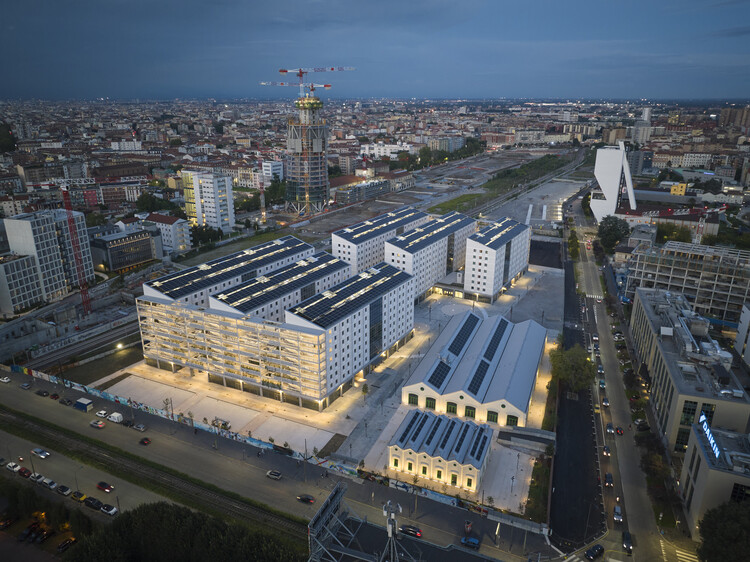
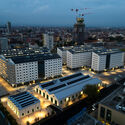
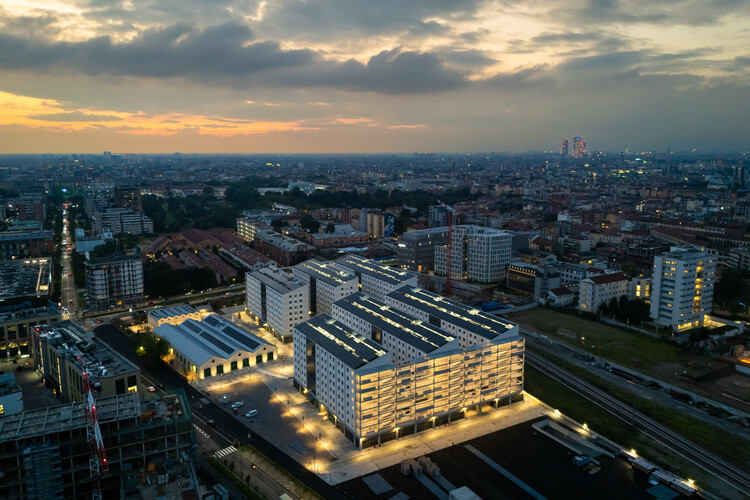
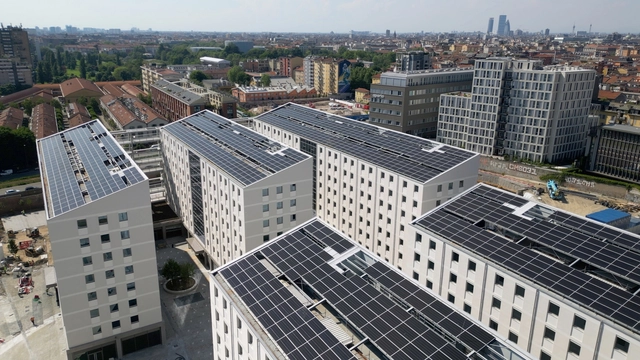
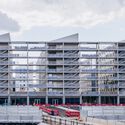
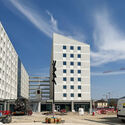
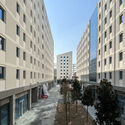
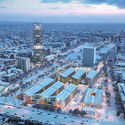
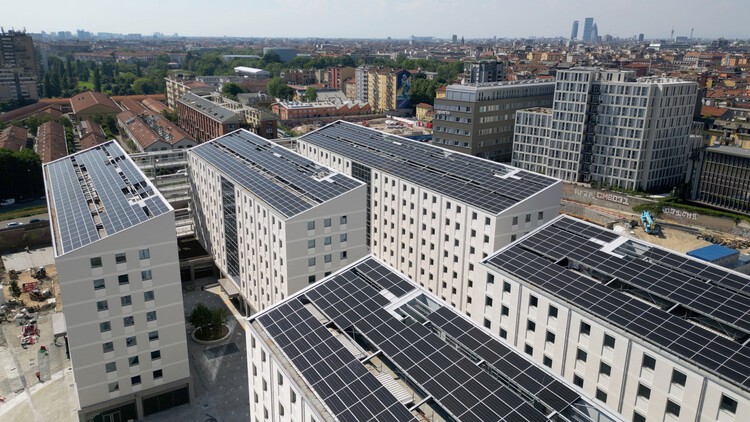
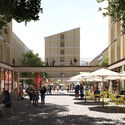
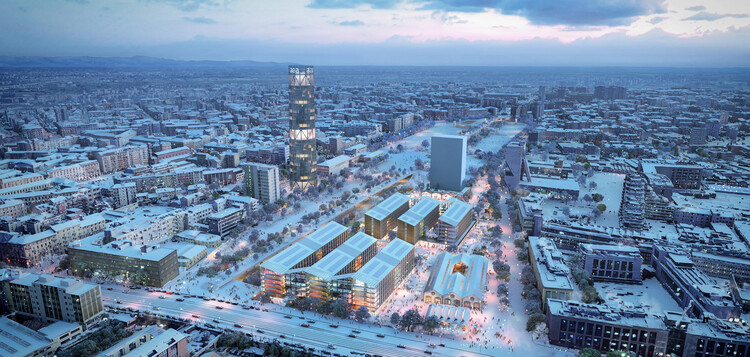
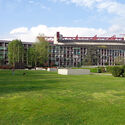
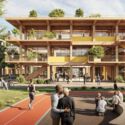
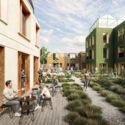
The first images have been released of the completed Athletes' Village for the 2026 Winter Olympics in Milan, following its official handover to the Milano Cortina Foundation ahead of the Games in February. Developed by COIMA and designed by Skidmore, Owings & Merrill (SOM), the project has been envisioned as both a temporaryresidence for athletes and a long-term urban asset for the city. Delivered in 30 months and ahead of schedule, the Village is located within the Porta Romana railway yard, and comprises six new residential buildings and the restoration of two historic structures: the former Squadra Rialzo locomotive workshop and the Basilico building. Together, they provide housing for athletes during the Games, along with 40,000 square meters of community spaces, landscaped courtyards, and three sports courts.
On June 24, 2019, the International Olympic Committee (IOC) announced that Milan and Cortina d'Ampezzo would host the 2026 Winter Olympic Games. The last Winter Games to take place in Italy were held in Turin in 2006, and since then, climate change in the European continent has impacted traditional skiing venues. In this context, Italy has the advantage of a portion of the Alps, a strip of about 1,200 km along the borders with France, Switzerland, Austria, and Slovenia. The Italian Alpine region hosts most of the facilities that have been prepared over the past five years for the Winter Olympics, which will take place from February 6 to 22, 2026, followed by the Paralympic Games from March 6 to 15. Set to be the most geographically widespread Olympic Winter Games in history, this edition continues the sustainable model established by the Paris 2024 Olympic Games by relying almost entirely on existing and reconditioned sports infrastructure.
Italy is preparing to host its third Olympic Winter Games as Milan and Cortina d'Ampezzo welcome Milano Cortina 2026, seventy years after Cortina staged the 1956 edition and two decades after Torino 2006. The Games will take place from February 6 to 22, 2026, marking the first time the Winter Olympics are organized across two cities, two regions, Lombardy and Veneto, and two autonomous provinces, Trento and Bolzano. Covering a territory of 22,000 square kilometers, Milano Cortina 2026 will become the most geographically extensive Winter Games to date, with over 90% of venues already existing or designed as temporary facilities.
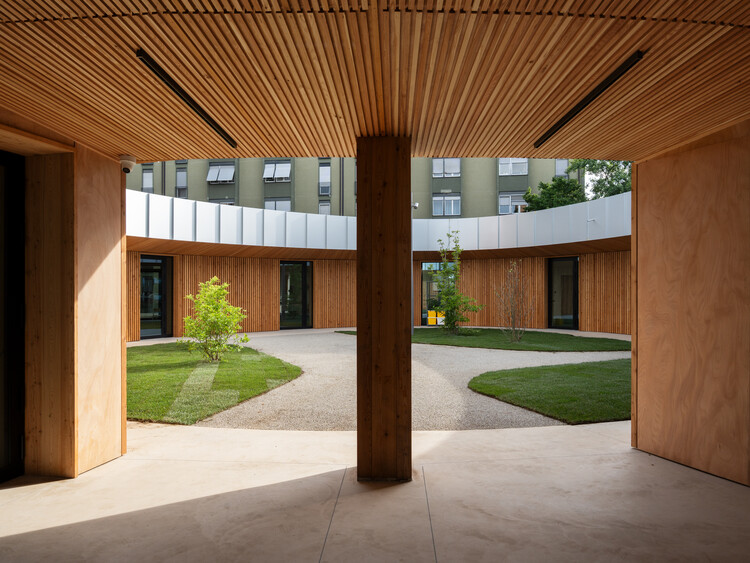
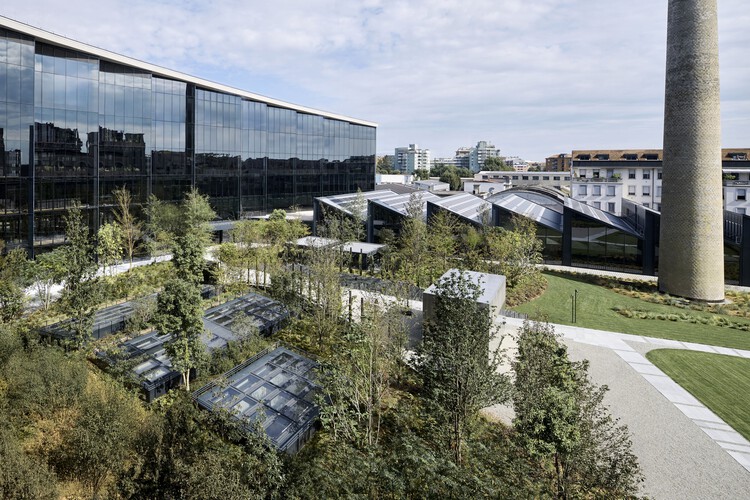
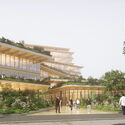
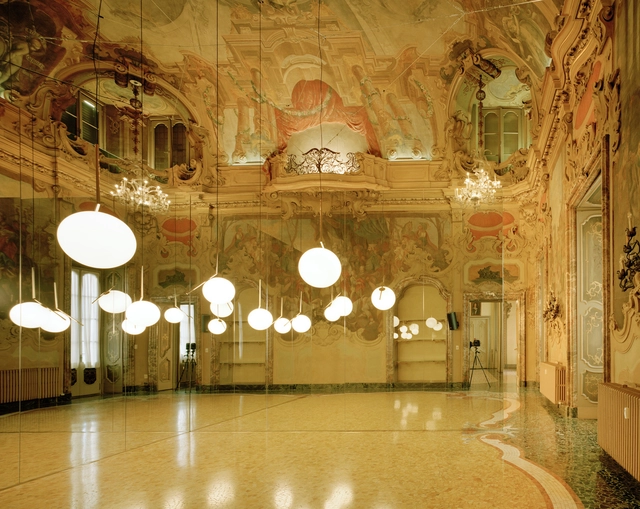
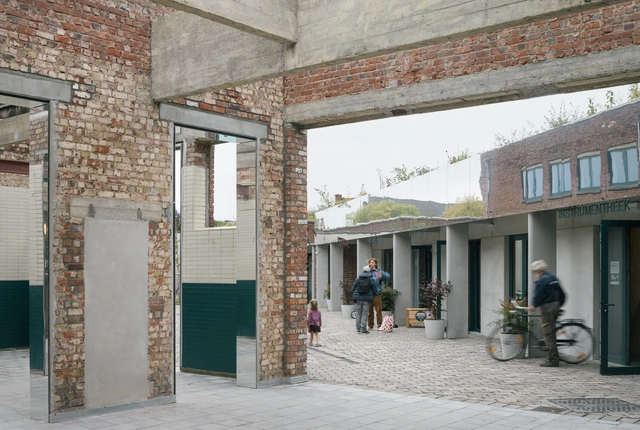
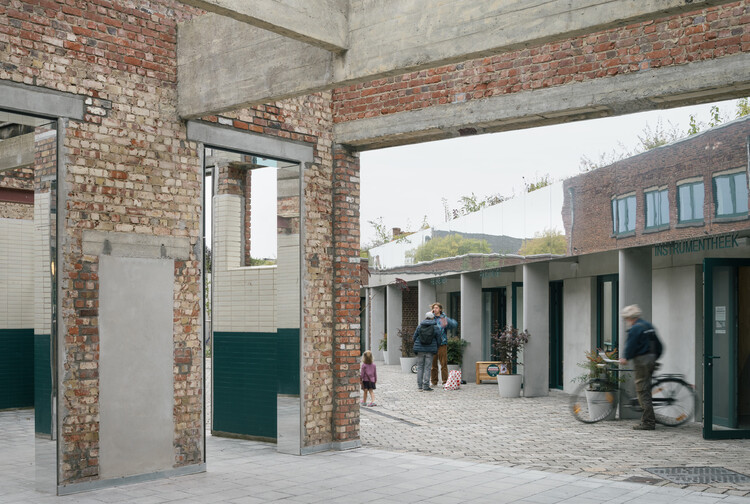
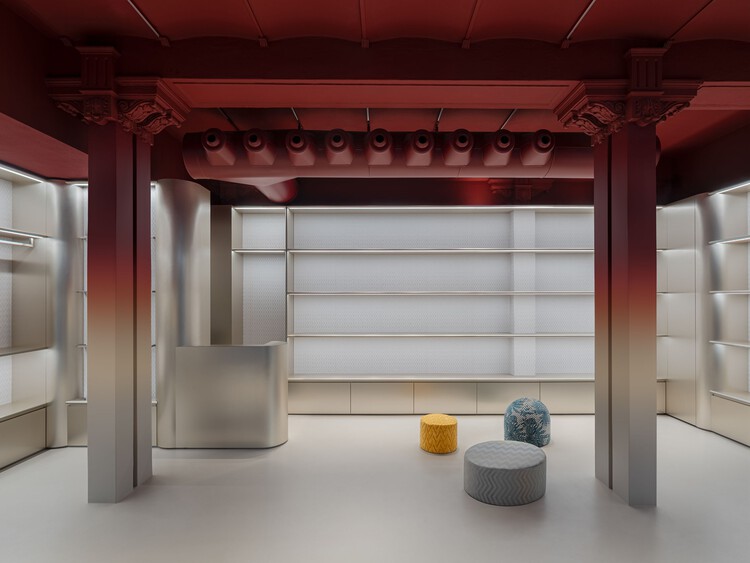
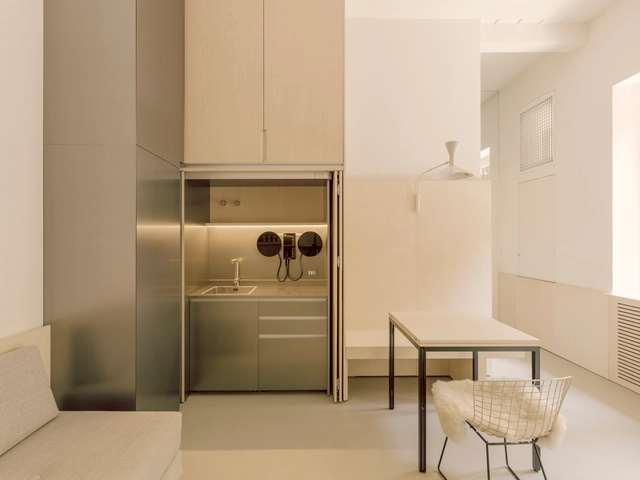
The European AHI Award recognizes architectural heritage interventions across Europe, highlighting their role as a forward-looking model for 21st-century architecture with tangible social, environmental, and economic benefits. In its seventh edition, the award honored six projects, four first prizes and two special mentions, during a ceremony held in early June at the Paranimf Ceremonial Hall of the Escola Industrial in Barcelona. A total of 238 projects from architecture studios in 24 European countries were submitted. The selected winners are located in Antwerp, Kortrijk, Olot, Ancient Corinth, and Milan.
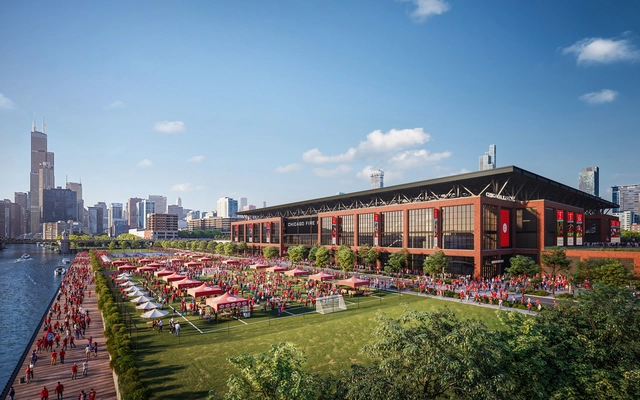
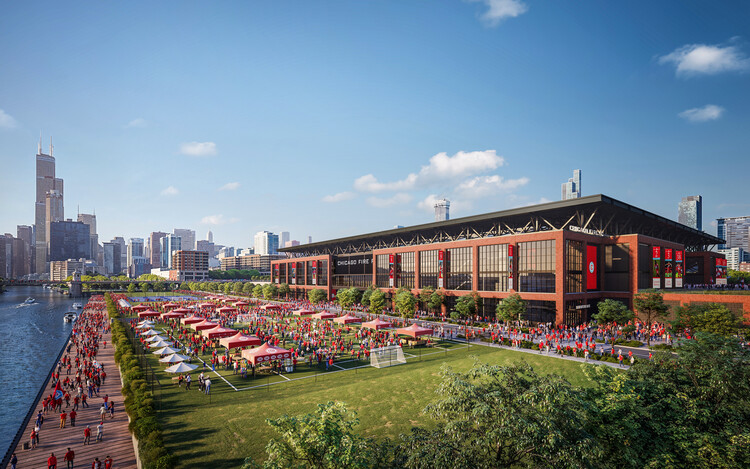
Chicago Fire FC soccer stadium. Image Courtesy of Gensler
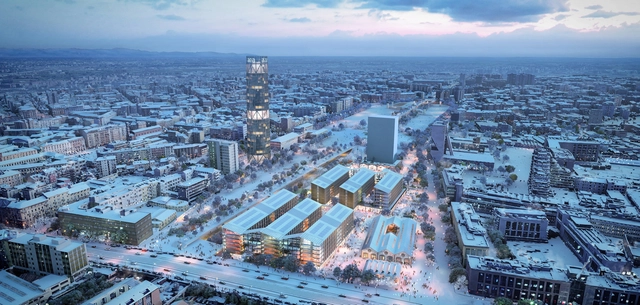
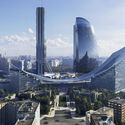
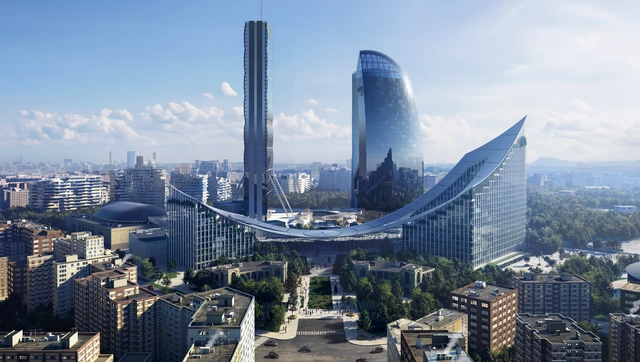
From Milan's Scalo Farini to downtown Chicago, and from the Tuscan countryside to the UK's retrofit initiatives, recent announcements demonstrate how architecture is evolving in response to climate goals, cultural identity, and urban transformation. Herzog & de Meuron's new headquarters for UniCredit will anchor one of Europe's largest redevelopment sites with a focus on sustainability and workplace innovation, while Gensler's stadium design for Chicago Fire FC aims to redefine the U.S. matchday experience as part of a major waterfront development. In Tuscany, Alvisi Kirimoto's Sapaio Pavilion merges agricultural production with architectural sensitivity, and in the UK, RIBA and The King's Foundation are advancing retrofit as a national agenda. Meanwhile, finalists including MVRDV, Heatherwick Studio, and Mecanoo are advancing in an international competition to create a climate landmark intended to inspire large-scale behavioral change. This edition of Architecture Now brings together diverse yet interconnected efforts to shape how architecture can support long-term ecological, cultural, and civic impact.
Following two International Exhibitions — Broken Nature: Design Takes on Human Survival (2019), which explored the human relationship with natural phenomena, and Unknown Unknowns (2022), which examined the limits of scientific understanding — Triennale Milano now calls on the global cultural, scientific, and artistic communities to confront the pressing issue of inequality.
In an epoch when the risk of species extinction, war and ever-growing geopoliticaI imbalance loom over our future, lnequalities proposes to look again at the sphere of human relations and the increasing inequalities running through it.
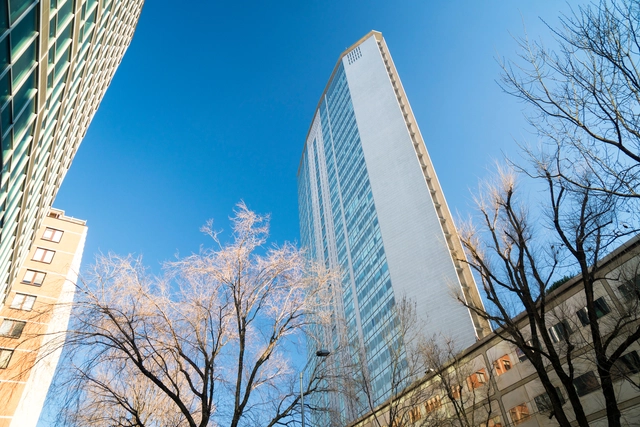
Architecture is quintessentially a place-based practice. The amount of local knowledge required to design a building has meant that architects, even many of those with widely spread works, have had concentrations of built projects in individual cities. Giovanni "Gio" Ponti, born and raised in the Italian city of Milan, is one such architect. His projects outside Milan include the Denver Art Museum in the USA and the Villa Planchart in Caracas, Venezuela, as well as university buildings in Padua and Rome, and Taranto Cathedral. However, his works in his native city, such as the Pirelli Tower, best track the development of his architecture and his contribution to product design and publishing.
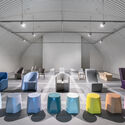
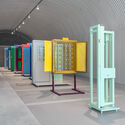
DROPCITY is an ambitious and open platform for architecture and design, located in Milan's formerly abandoned Magazzini Raccordati tunnels behind Central Station. Initiated by Andrea Caputo in 2018 and open permanently since 2024, the project reimagines 40,000 square meters into public galleries, production workshops, prototyping labs, and research spaces. The founder of the platform is Andrea Caputo, an Italian architect and researcher. During Milan Design Week 2025, ArchDaily's managing editor, Maria-Cristina Florian, had the chance to sit down with Andrea Caputo to explore his vision and plans for DROPCITY, the platform's connection to the city of Milan and its active architecture scene.
In recent weeks, a number of architecture firms have unveiled new projects that reflect an ongoing shift toward integrated, environmentally responsive urban planning. From Europe to the Middle East and North America, these proposals balance spatial innovation with long-term sustainability, whether through car-free living, passive performance strategies, or adaptive modular construction. While some projects reimagine infrastructure and public institutions, others explore how urban density can coexist with natural ecosystems. This edition of Architecture Now highlights a selection of recently announced masterplans, cultural buildings, and residential communities that offer new models for ecological and social resilience in the built environment.