Extreme heat is one of climate change's most urgent and rapidly growing consequences, especially in cities. Urban areas are particularly vulnerable because they trap heat in building materials and urban streets, creating dangerous conditions for residents. As temperatures continue to rise and heat waves lengthen, cities are grappling with how to remain livable in the face of this intensifying threat.
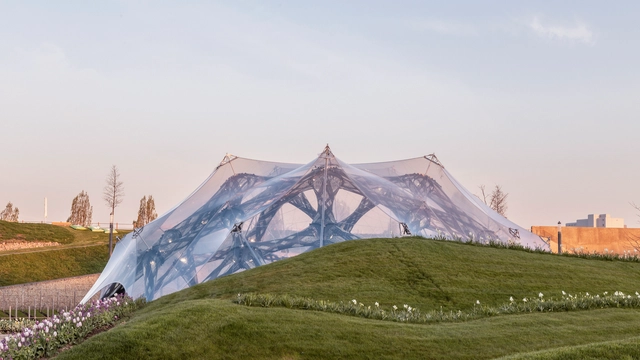
In recent years, architecture has increasingly embraced adaptability, flexibility, and responsiveness as core design principles. This evolution reflects a shift from traditional notions of static, permanent structures to dynamic environments that can adjust to changing needs and conditions. Central to this transformation is the concept of "soft architecture", which leverages pliable materials and innovative systems to create spaces that are functional, sustainable, and user-centric. Soft architecture takes shape through membranes that breathe, façades that move, structures that inflate or fold, and surfaces that bend rather than break. It involves designing for transformation — not only in how a building performs environmentally, but also in how it can accommodate shifting functions, user interactions, or temporary occupations. This approach to building challenges traditional notions of durability and control, proposing instead a more responsive and open-ended architecture. It reflects a growing awareness that buildings, like the societies they serve, must be able to evolve.
In recent weeks, cities around the world have introduced new policies, recovery efforts, and infrastructure projects that reflect growing pressure to adapt to climate realities. From Southern Europe to South America and the United States, these urban updates address both immediate challenges and long-term shifts in how the built environment is governed, designed, and inhabited. Some initiatives focus on regulation, tightening building codes in fire-prone areas or reforming aging safety systems, while others spotlight large-scale investments tied to global events such as COP30 and the Venice Architecture Biennale. This edition of Architecture Now gathers a selection of city-led actions and collaborative efforts that point toward a more resilient, responsive future for architecture and urban life.
In recent weeks, a series of notable architectural projects have been announced, reflecting a broad spectrum of design approaches aimed at enhancing urban life, infrastructure, and environmental sustainability. From cultural venues to large-scale masterplans and infrastructural advancements, these developments highlight how architecture continues to shape cities and communities. Among them, Knight Architects' Kruunusillat Bridge in Helsinki marks a milestone as Finland's tallest and longest bridge, designed to support sustainable mobility. Meanwhile, Unibail-Rodamco-Westfield's masterplan for Croydon sets out a vision for a vibrant mixed-use district, integrating historic preservation with contemporary urban renewal. At Kew Gardens, Mizzi Studio's Carbon Garden introduces a new permanent installation that explores carbon cycles through landscape design. This collection of recent announcements underscores the evolving priorities in architecture, from connectivity and urban regeneration to climate-conscious interventions.


Humid environments present some of the most complex challenges in architectural design. From the tropical monsoon season of Southeast Asia to the equatorial heat of Central Africa, these environments demand solutions that account for intense moisture, high temperatures, and the constant battle against mold, decay, and stagnation. Yet, for centuries, communities in these regions have developed architectural techniques that do not fight against humidity but instead work with it, leveraging local materials, climate-responsive design, and passive cooling techniques to create sustainable and livable spaces. By considering atmosphere as a sensory and climatic phenomenon, architects will craft spaces that are not only evocative but also responsive, adaptive, and sustainable.
The United States is a country with an extensive history, its buildings holding onto legacies from later times. For their cultural significance, these structures are greatly celebrated and protected, however, they are also exempt from certain energy efficiency mandates. As cities push toward reaching climate goals, these mandates are under scrutiny. Preservationists argue that historic buildings deserve protection from potentially damaging retrofits. On the other hand, sustainability advocates bring up the need for energy efficiency improvements across all sectors of the built environment. The challenge lies in achieving a balance between the competing priorities - ensuring the maintenance of heritage and environmental responsibility.
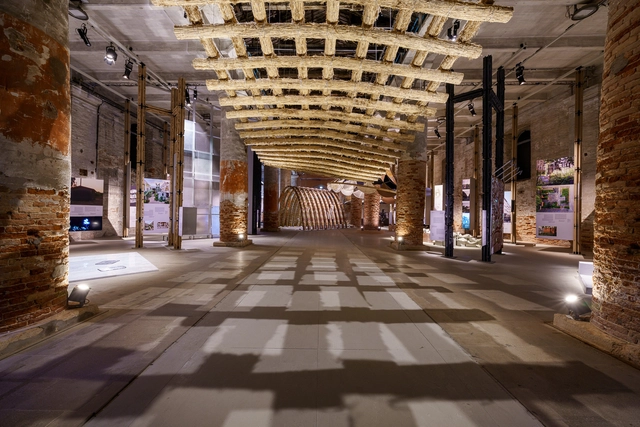
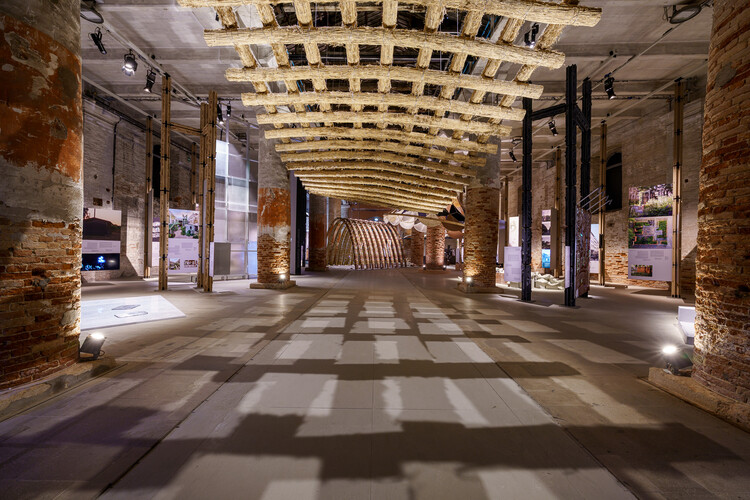
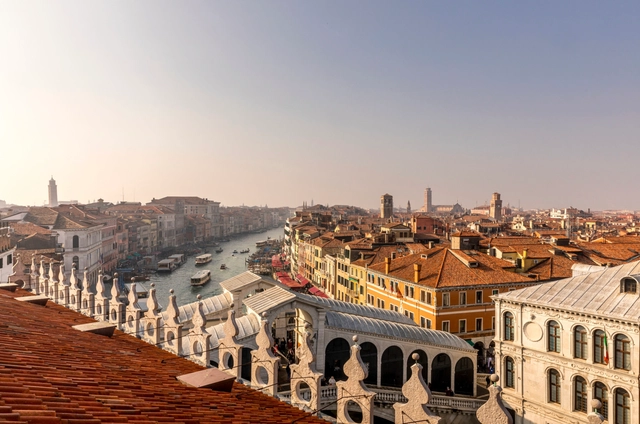
During a live presentation for the 19th International Architecture Exhibition, curator Carlo Ratti offered a glimpse into the programming of this year's edition. The 2025 Venice Architecture Biennale will include 66 National Pavilions, with 4 countries represented for the first time: the Republic of Azerbaijan, Sultanate of Oman, Qatar, and Togo. The exhibition, divided between the Giardini (26), at the Arsenale (22) and in the city center of Venice (15), explores the theme of "Intelligens. Natural. Artificial. Collective", gathering over 750 participants, including individuals and organizations forming interdisciplinary and multigenerational teams. According to the numbers released, this year's edition is shaping up to become the largest Architecture Biennale held in Venice.
Modernism emerged in the early 20th century as a revolutionary movement that rejected historical styles, prioritizing functionality, innovation, and rationality. Grounded in the promise of industrial progress, architects like Walter Gropius, Le Corbusier, and Ludwig Mies van der Rohe championed using new materials and construction methods, striving for a universal architectural language. Their work introduced radical ideas: open floor plans, expansive glazing for natural light, and pilotis that elevated structures, symbolizing a new architectural era. However, alongside its groundbreaking ideas, modernism's relationship with sustainability has sparked ongoing debates.
While modernist architects sought to address social and economic challenges through affordable housing and efficient design, their reliance on energy-intensive materials like concrete and steel created unintended environmental consequences. The large-scale industrialization celebrated by modernists often disregarded local climates and ecological systems, leading to inefficiencies. Yet, the principles of functionality and adaptability embedded in modernist architecture laid the groundwork for what we now recognize as sustainable practices. From Le Corbusier's rooftop gardens to Frank Lloyd Wright's integration of nature, the seeds of environmentally conscious design were undeniably present, albeit limited in their execution.
Devastating wildfires across Los Angelesa have resulted in widespread destruction, displacing thousands of residents, and necessitating a rapid and efficient rebuilding process. Two executive orders have been issued to expedite the rebuilding process, one by Los Angeles Mayor Karen Bass and another by California Governor Newsom, both intending to remove significant regulatory hurdles and expedite project approvals.
The Danish Architecture Center (DAC) will open its new exhibition, "Water is Coming" in October 2024, remaining open until March 12, 2025. The exhibition addresses the escalating global water crisis, prompted by melting polar ice, rising groundwater levels, and increasingly frequent and intense flooding. It acknowledges the reality of rising sea levels and extreme weather events, shifting the focus from mitigation to adaptation. The exhibition aims to foster a deeper understanding of our complex relationship with water, exploring its vital role as both a life-giving resource and a potential threat to human settlements.
Mountainous and high-altitude regions are considered to be among the most fragile ecosystems on Earth. From melting glaciers to land erosion, these environments face mounting threats from climate change, making it imperative to reimagine how architecture and its supporting infrastructure are designed for such places.
The world has lost 60 percent of animal populations since 1970. This staggering decline reflects the growing pressures on ecosystems, from habitat destruction to climate change. And 1 million species now face threats of extinction. As these problems continue to escalate, the importance of preserving biodiversity and restoring ecosystems becomes clearer.
Buildings are deeply interconnected with their surroundings—the climate, culture, landscape, and the lives of their occupants. For Dorte Mandrup, a renowned Danish architect, context is more than a mere consideration; it is the driving force behind her designs. Her work demonstrates a profound curiosity about the people who will inhabit her buildings and the unique stories embedded within each site. Her buildings aren't just structures; they're thoughtful responses to their surroundings, without aiming to disappear within them.
Dorte Mandrup is featured, alongside Tosin Oshinowo, in the second installment of the documentary Women in Architecture, released November 12, 2024. Produced by Sky-Frame in collaboration with ArchDaily and directed by Boris Noir, the film builds upon the first episode, which highlighted Toshiko Mori, Gabriela Carrillo, and Johanna Meyer-Grohbrügge, offering a continued exploration of diverse perspectives within architecture.
The 29th Conference of the Parties to the UN Framework Convention on Climate Change (COP29) takes place between the 11th and 22nd of November in Baku, Azerbaijan. The event proposes a global gathering of business leaders, governments, and civil society with the aim of taking effective measures to limit global warming to 1.5°C above pre-industrial levels. As the construction industry is responsible for approximately 37% of global emissions, the conference is of particular interest to architects, urban planners, and researchers in this field.
Superstorm Sandy inundated Lower Manhattan, causing billions in property and infrastructure damage. To protect against future flooding, storm surges, and sea level rise, landscape architects are developing an innovative mix of green and grey solutions along the southern coast of Manhattan.
These are not nature-based solutions but forms of armor. And designers are showing how this armature can be woven into the public realm, creating new kinds of infrastructure. Smart design is resulting in retractable gates and walls, landscaped berms, and raised platforms. No concrete walls separating communities from each other or the waterfront here.
In this roundup, ArchDaily consolidates this year's transformative updates in cities worldwide, organized into thematic clusters that capture the evolving nature of urban design and policy in 2024. Projects like the extensive renovations of Barcelona's La Rambla and the preservation efforts around Chicago's historic skyscrapers highlight preservation of urban heritage, while initiatives in Venice and Los Angeles respond to overtourism and housing pressures, balancing livability with growth. Meanwhile, ambitious master plans have been announced, including the revitalization of industrial sites in Tallinn and Connecticut, reflect how cities are reimagining their urban fabric. Finally, post-disaster rebuilding in Kharkiv and Türkiye underscores the urgency of resilience-driven design, ensuring that cities can endure and evolve even in challenging times. Together, these updates offer a glimpse into the global forces reshaping urban landscapes