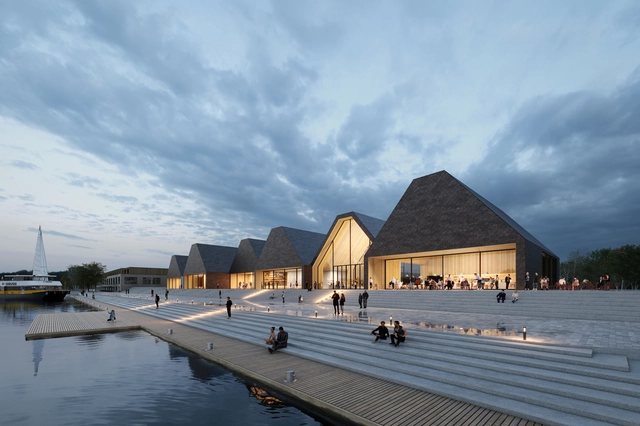
Squama Museum building from the Aura river. Image Courtesy of Sigge Architects
Finnish office Sigge Architects has been announced as the winner of the international competition for the design of the Museum of History and the Future in Finland's oldest city, Turku. The proposal, selected out of over 400 entries, creates a permeable structure along the waterfront, acting as a catalyst for the regeneration of the area. The museum aims to showcase the most innovative scientific research through a wide variety of exhibitions, audio-visual installations, and educational spaces. Construction is expected to start in 2027 and be completed by 2029, with a public opening scheduled for 2030.
The 7th Tallinn Architecture Biennale (TAB 2024) will commence on October 9th, 2024, at various venues around the city. Organized by the Estonian Centre for Architecture, this edition of the global architecture exhibition explores “Resources For a Future,” hoping to encourage dialogue, interdisciplinary work, and innovation within architecture. The event targets both architects and the general public and includes a comprehensive program featuring workshops, panels, seminars, and Open House Tallinn.
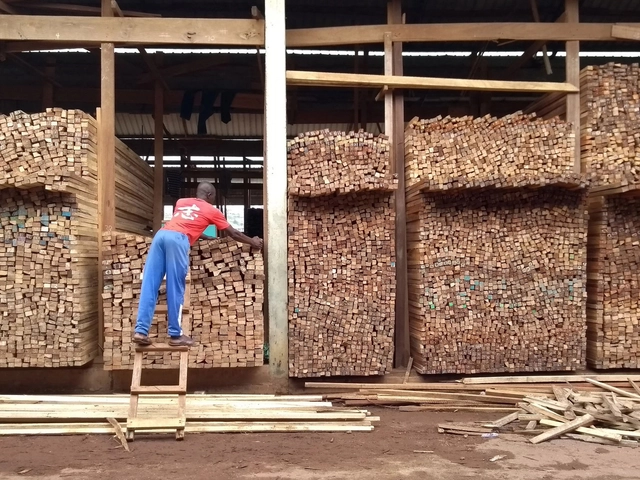
“Embodied carbon accounts for 75 to 95 percent of the greenhouse gas emissions from landscape architecture projects,” said Chris Hardy, ASLA, PLA, senior associate at Sasaki, during the third in a series of webinars organized by the ASLA Biodiversity and Climate Action Committee. But by selecting locally made low-carbon materials, landscape architects can significantly reduce the climate impacts of their work.
Embodied carbon emissions are generated from the extraction, manufacturing, transportation, and construction of landscape materials. The other share of project emissions come from operating and maintaining a landscape.
https://www.archdaily.com/1017789/climate-action-is-about-choosing-local-low-carbon-materialsJared Green
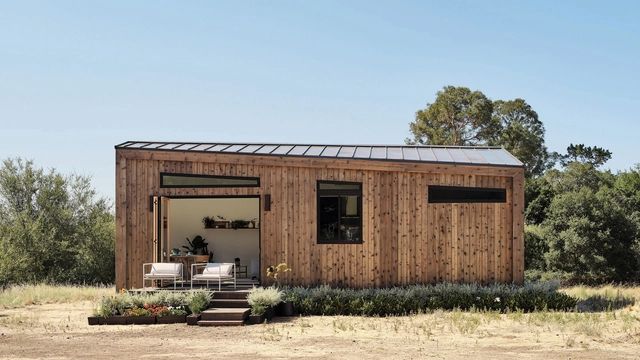
Cities in the US are embracing Accessory Dwelling Units (ADUs) to address the nationwide housing crisis. Often built on existing single-family home lots, ADUs offer an affordable option for increasing housing availability in established neighborhoods. However, like any new housing development, effective regulations are critical for widespread adoption. Los Angeles has emerged as a testing ground in using ADUs to address its housing shortage, providing valuable insights for other cities. The city's experience underlines the challenges of establishing regulations, while also promoting the benefits of ADUs as an affordable housing solution.
Courtesy of SITELAB urban studio and Field Operations
SITELAB urban studio and Field Operations have revealed a design proposal to reimagine San Francisco’s iconic Powell Street. The street used to be one of the busiest pedestrian corridors in its district and a popular tourist attraction, with cable cars running up and down the street and connecting Union Square and Hallidie Plaza. Across the most popular three-block stretch, the storefronts have become mostly vacant. According to the San Francisco Chronicle, one of the reasons was the Covid pandemic, which led to a further decrease in tourism and in commercial activities. Now a new project led by designers SITELAB urban studio and Field Operations aims to revive the now underutilized transit corridor and to catalyze a renewed interest in the area.
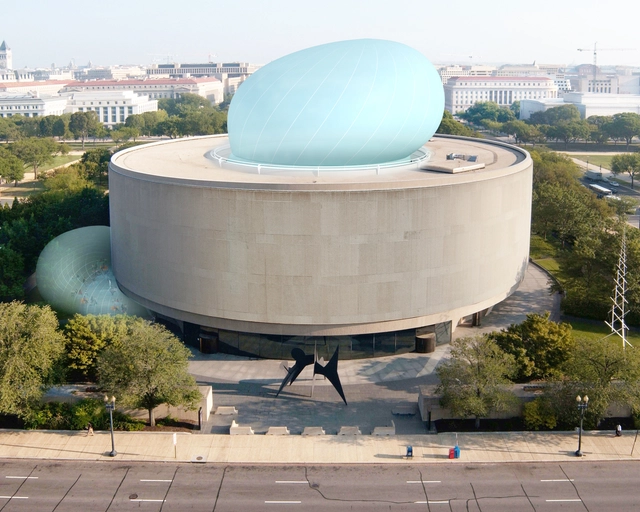
Brutalist buildings are a significant component of Washington, D.C.’s architectural identity. In the National Building Museum’s new exhibition, Capital Brutalism, this identity is explored further. Co-organized with the Southern Utah Museum of Art (SUMA), Capital Brutalism is a comprehensive exhibition of Brutalist architecture in Washington, D.C., to date, running until February 17th, 2025.
The history of the use of lime in the construction industry dates back thousands of years, spanning cultures and communities worldwide. In fact, around 4000 B.C., the ancient Egyptians used quicklime mixed with water as a building material for their pyramids. Although lime has multiple applications in the food and agricultural industries, as well as in chemical, mining, and steel industries, in architecture it is one of the main construction materials due to its versatility, adhesion, waterproofing, workability, performance, setting, and durability, which allow for the creation of masonry mortars, interior or exterior plasters, among other functions.
The Second Studio (formerly The Midnight Charette) is an explicit podcast about design, architecture, and the everyday. Hosted by Architects David Lee and Marina Bourderonnet, it features different creative professionals in unscripted conversations that allow for thoughtful takes and personal discussions.
A variety of subjects are covered with honesty and humor: some episodes are interviews, while others are tips for fellow designers, reviews of buildings and other projects, or casual explorations of everyday life and design. The Second Studio is also available on iTunes, Spotify, and YouTube.
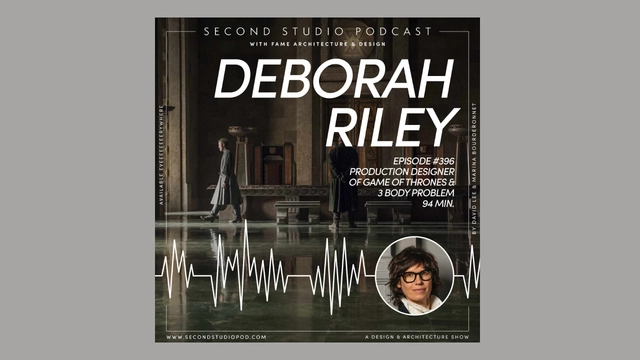
This week David and Marina of FAME Architecture & Design are joined by Deborah Riley, Production Designer of Game of Thrones and Three Body Problem to discuss her background; why she studied architecture; career transition into set design; progressing from set designer to production designer; becoming a production designer on Game of Thrones; her responsibilities as a production designer; navigating physical sets versus digital or CGI sets; the challenge of working on different projects; and more.
https://www.archdaily.com/1017740/the-second-studio-podcast-deborah-riley-production-designer-of-game-of-thrones-and-3-body-problemThe Second Studio Podcast
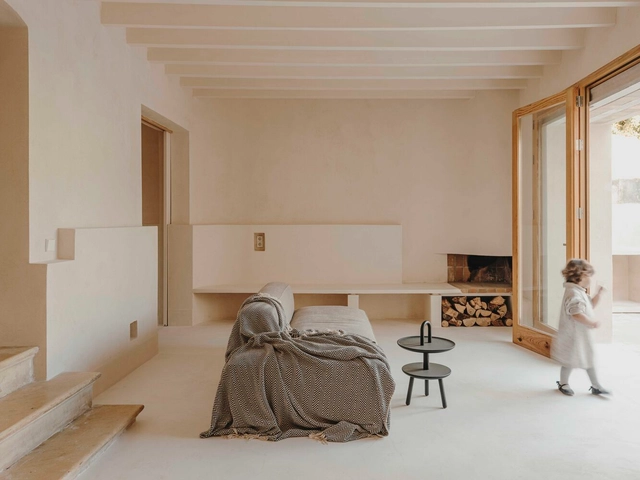
Thermal mass is the ability of a material to absorb, store, and release heat. Used to moderate building temperatures by reducing fluctuations, the concept is crucial in improving energy efficiency. Materials with relatively high thermal mass, such as stone, concrete, rammed earth, and brick, can absorb significant heat during the day and release it slowly when temperatures drop at night, reducing the need for heating and cooling systems. Properties like heat capacity, thermal conductivity, and density are all considered when assessing the thermal mass property of a material.
A holistic approach to design and architecture becomes apparent when we delve into the work of NO ARCHITECTURE, an architectural practice based in New York, founded by Andrew Heid in 2014. The firm's portfolio and research showcase an integrative way of building, with projects demonstrating a close connection between the built environment and their immediate surroundings, whether in natural landscapes or urban contexts. Their programs emphasize flexibility, possibilities, and inclusion, prioritizing human well-being above all.
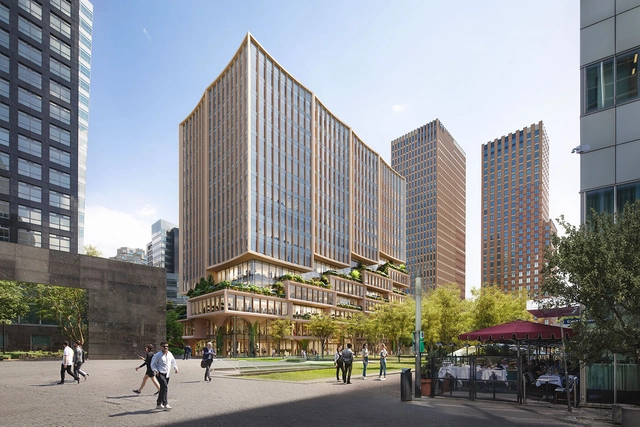
3XN GXN has revealed its design for Mahler 1, a 15-storey mixed-use office building. The structure, developed in collaboration with Victory Group, Icon Real Estate, and Erik Dhont Landscape Architects, features a hybrid-timber construction system that creates a stepped volume, breaking down the building’s mass. At the street level, the development offers a wide variety of public amenities, striving to become an active hub for both residents and office workers. The project is expected to begin construction in the first half of 2025 and conclude in late 2027.
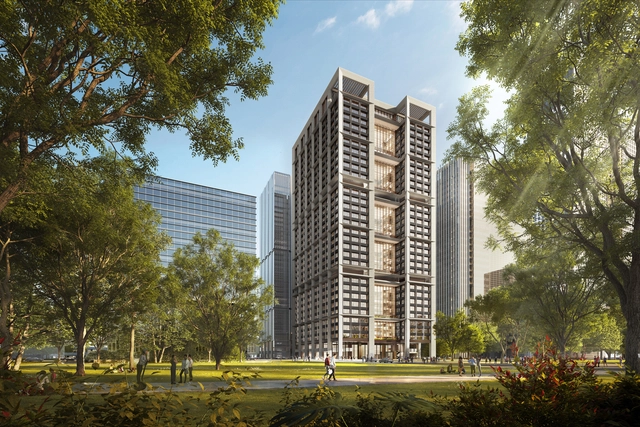
Located in the heart of Beijing’s Central Business District, the Z6 tower, designed by Foster + Partners, has become China's first high-rise office building to achieve “Net Zero Carbon Outstanding” certification. The project received this recognition by passing the “Net Zero Carbon Building Evaluation System,” which was developed by the British Research Establishment (BRE) and TÜV Rheinland Greater China, based on BREEAM standards.
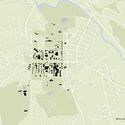
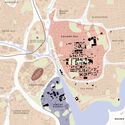
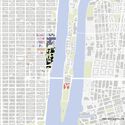
In London, where I live, there are 23 universities. Those universities make up an institutional population of nearly half a million people. In a city with almost 10 million residents, 5% may seem a small number, but it’s a significant one, roughly the population of Atlanta. Shrink the city, and the proportion can increase dramatically. In our neighbouring cities of Oxford (population 150,000), 40% of the population is institutional; in Cambridge (population 125,000), it’s 33%. Campus and city are so intertwined in those places that a plan for one is almost necessarily a plan for the other.
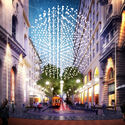
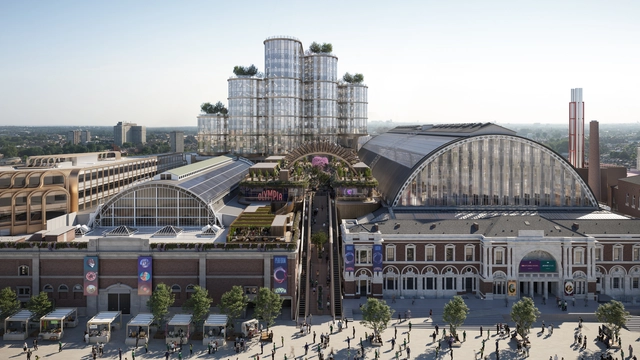
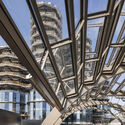
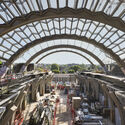
Heatherwick Studio has unveiled the design of a new large-scale glass canopy to become one of the main attractions of Olympia, an ambitious regeneration project aimed at transforming the 138-year-old exhibition halls in London into a global culture and entertainment destination. Originally designed by Sir Henry Edward Coe, Olympia is set to offer visitors a wide range of venues and activities, including two hotels, over 30 restaurants, bars and eateries, a 4,400-capacity live music hall, a theater, and spaces for the Wetherby Performing Arts School, in addition to over 2.5 acres of accessible public spaces. The revival project is co-designed by Heatherwick Studio and SPPARC.
via Flickr user jeanbaptisteparis licensed under CC BY-SA 2.0 | Fumihiko Maki at MIT Media Lab, 2010.
Esteemed Japanese architect and Pritzker Prize laureateFumihiko Maki passed away at his Tokyo home last Thursday at the age of 95. Celebrated for his modernist approach, Maki was responsible for significant works, including the 4 World Trade Center, a skyscraper at the site of the former World Trade Center in New York. Maki was recognized in the architecture industry various times, including receiving the Pritzker Prize and becoming the 67th AIA Gold Medalist. His influence in inventing a unique modernist style of Japanese origin cannot be underscored.
Beyond serving as mere backdrops for fashion shows, architecture often influences fashion collections, contributing spatially to their storytelling, offering material inspiration, and showcasing the connection between structure and shape. As both disciplines revolve around form, structure, and the human experience, architecture, and fashion share a strong connection, one often explored by creators in both fields. From meticulous tailoring and structural designs that mimic architectural lines, contours, and volumes, to architecture taking cues from how fashion works with the human shape, this interplay can create multidimensional experiences for the enthusiasts of both high fashion and architecture.
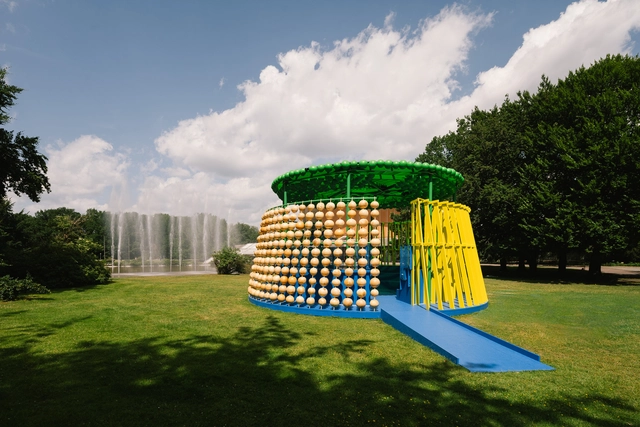
British-Nigerian multi-disciplinary artist and designer Yinka Ilori MBE has designed a pavilion as part of Haus der Kulturen der Welt’s (HKW) festival in Berlin. The festival, titled Ballet of the Masses - On Football and Catharsis, initiated an annual pavilion in 2023, and this year’s pavilion dresses intricate questions of coexistence through its materiality and form. Part of the Shaped to the Measure of the People’s Songs architectural series, Yinka Illori’s pavilion crafts a spatial proposition that explores complex themes of racism in sports and personal accountability.