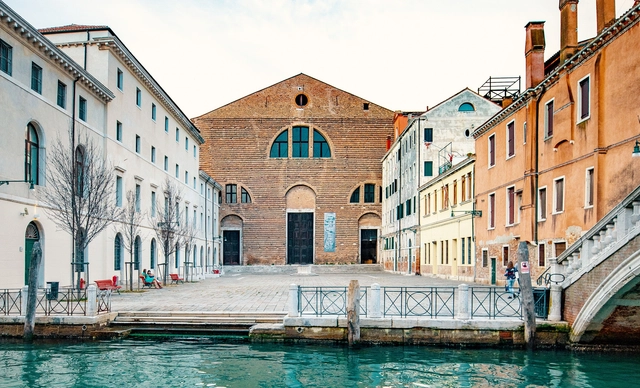
The exhibition is based on the observation that France is expected to experience a temperature rise of +4°C by the year 2100. Its current temperate climate is projected to shift toward a subtropical one. In response, the exhibition turns to warmer latitudes for architectural models that can inform how to build today in France—and in other regions currently considered temperate—an architecture capable of withstanding this increase in heat.
https://www.archdaily.com/1028990/sana-frini-and-philippe-rahm-announce-participants-for-the-2025-versailles-biennale-of-architecture-and-landscapeArchDaily Team
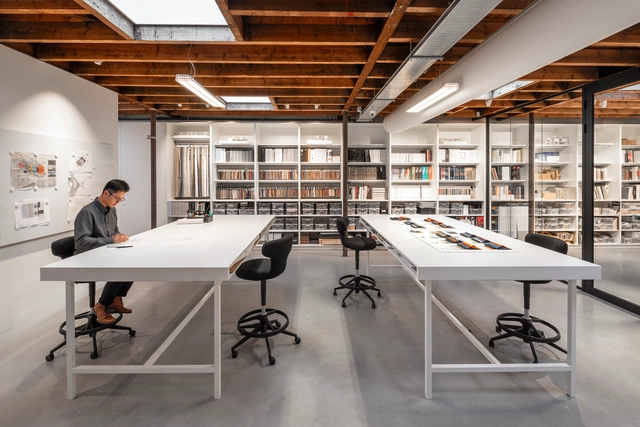
Beyond aesthetics, the design of our workplaces directly impacts our health. Studies reveal a clear link between poor light quality and limited access to natural views with increased sick leave. Smoke-free policies have been demonstrably effective, reducing smoking prevalence by 3.8% and lowering tobacco consumption by a significant 3.1 cigarettes per day for continuing smokers. Workplaces can either support wellbeing or be a detriment to it. Conscious office design can blend aspects of health in spaces to cultivate physical, mental, and social well-being.
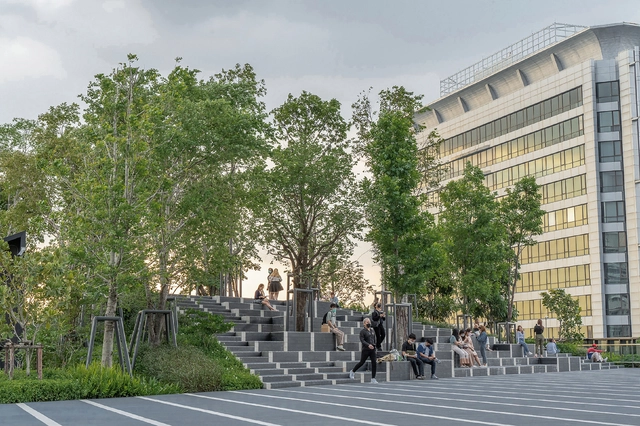
In contemporary urban development, the concept of Privately Owned Public Space (POPS) has gained increasing prominence. These are spaces that, while built, owned, and maintained by private developers, are legally required to remain publicly accessible. Often the result of negotiated planning incentives—such as zoning bonuses or increased floor area—POPS have become especially prevalent in dense urban environments where land is limited and demand for public amenities is high.
Integrating natural elements into architectural design has long been a fundamental pursuit in creating comfortable, sustainable environments that enhance both individual well-being and the relationship between buildings and their surrounding context. In areas with vast landscapes, incorporating natural elements is essential for seamlessly connecting architecture with its site. Conversely, in dense urban environments dominated by built structures, introducing greenery becomes also increasingly vital, reintroducing nature into the so-called "concrete jungle."
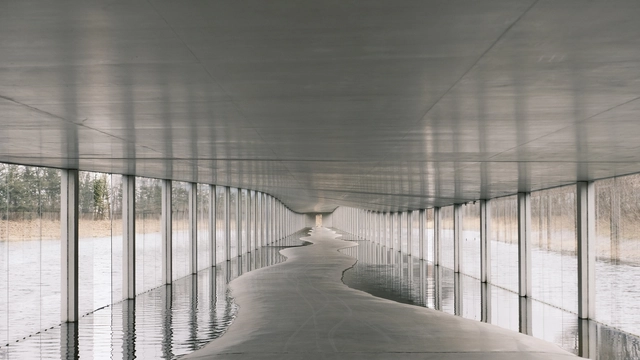
However, beyond conventional landscape features—such as water fountains, green walls, gardens, or courtyards—architects are redefining what it means to build with nature. The focus has shifted toward deeply integrating architecture with its natural surroundings, creating immersive spatial experiences that blur the boundaries between the built and the organic - in a way, "taming" nature. When successfully executed, these designs go beyond fostering well-being or promoting a healthy lifestyle; they evoke a profound sense of tranquility, power, and harmony, transforming the way we perceive and inhabit space.
The city of Buenos Aires is vast in its area and has a heterogeneous and variable urban fabric in terms of scale. Much of the residential neighborhoods are made up of a mixed-use fabric, where the predominant constructions from several decades ago are the so-called "casa chorizo" and horizontally owned houses, commonly known as PH (Propiedad Horizontal). It is interesting to review how, over the years, these constructions have been modified due to changes in building regulations, which allowed the creation of new typologies, mainly responding to new ways of living within the city. The renovation of these constructions, many of which are used for residential purposes, has also been a conscious response to avoid overbuilding in an already densely populated city. While these projects have been a recurring practice in Buenos Aires for several years now, many young architects of new generations are taking on these challenges, thus generating a trend that seems to have no end and where we find new solutions in each renovation.
A moderated discussion hosted by the Aga Khan Award for Architecture, the Holcim Foundation Awards, the EUmies Awards, the Mies Crown Hall Americas Prize, the OBEL Award, and the Ammodo Architecture Award will take place in Venice during the opening week of the 19th Architecture Biennale. This consortium of six architecture awards, alongside international architects associated with the prizes, will gather on Friday, May 9, 2025, at TBA21–Academy's Ocean Space to discuss the overarching impact of architecture awards and their potential to promote meaningful change. Titled "Beyond the Prize," the event aims to critically reflect on these awards' purpose, trajectory, and potential in the face of contemporary social and environmental challenges.
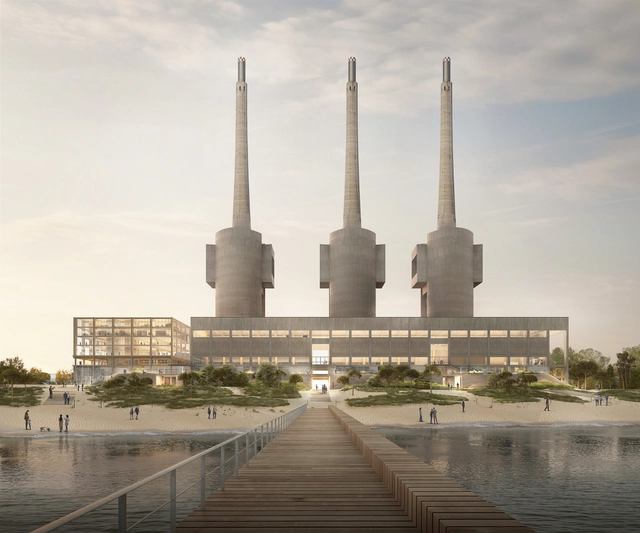
Garcés de Seta Bonet and MARVEL Architects' proposal won the competition to adapt and expand the Tres Xemeneies/Three Chimneys, a former power plant set to become the Catalunya Media City hub in Barcelona, Spain. With their winning design, the two studios sought to preserve the site's historical legacy while creating a space that can evolve and shape future possibilities. Scheduled to begin in the summer of 2025 and expected to be completed by 2027/2028, the project is planning to offer a range of features and services designed to foster innovation, creativity, technology, training, and digital culture exhibitions.
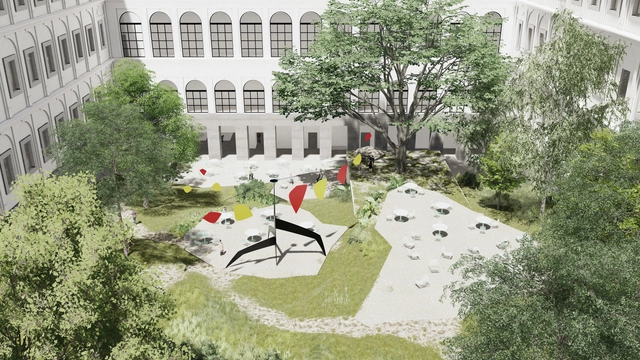
This month's architecture news spotlights a global wave of adaptive reuse, large-scale infrastructure, and public realm transformation. From airport expansions to museum reconfigurations, architects worldwide are rethinking how civic spaces serve communities in the 21st century. Notable developments include Sasaki, SLA, and MVVA being shortlisted to reimagine Toronto's Downsview Airport into a pedestrian-oriented public corridor, and HOK's 2.8 million-square-foot expansion of Dulles International Airport to accommodate future growth while honoring Saarinen's original vision. In Melbourne, Fraser & Partners received planning approval for a heritage-led redevelopment of the Boiler House precinct, while COLL-BARREU ARQUITECTOS completed a subtle reconfiguration of public access at Madrid's Reina Sofía Museum. Finally, in Canada, Knight Architects revealed the "Motion" design for the Alexandra Bridge replacement, an arching structure shaped by ecological references and inclusive public space. Read on for the latest updates shaping architecture today.
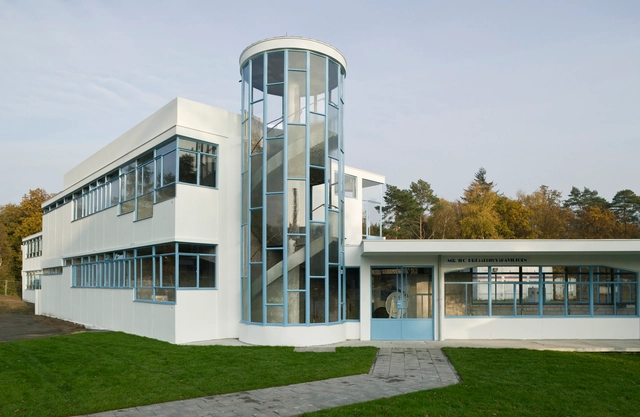
The intersection of architecture and medicine profoundly shaped modernist design, where transparency, light, and air became essential tools in the pursuit of health. Emerging from the tuberculosis crisis of the late 19th and early 20th centuries, the sanatorium evolved beyond a medical facility into a testing ground for architectural innovation. The necessity of fresh air, sunlight, and sterility transformed these spaces into prototypes for modernist principles, influencing spatial organization, material choices, and design philosophies that extended far beyond healthcare.
More than sites of treatment, sanatoriums embodied contemporary medical theories in built form. At a time when tuberculosis — often called the white plague — devastated populations worldwide, medical professionals prescribed environmental exposure as the primary therapy. Architecture adapted accordingly, producing buildings with expansive terraces, large windows, and streamlined interiors designed to optimize ventilation and maximize natural light.
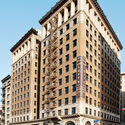
The Los Angeles City Council has approved the revised Citywide Adaptive Reuse Ordinance (Citywide ARO), which is planned to take effect in 2025. Building on the success of the 1999 ordinance, which facilitated the creation of over 12,000 housing units in Downtown LA, the updated policy aims to address the city's ongoing housing crisis and repurpose underutilized buildings.
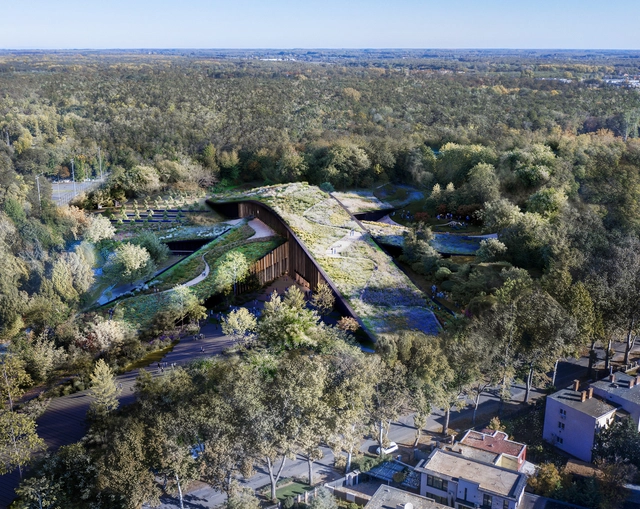
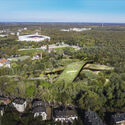
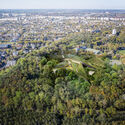
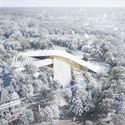
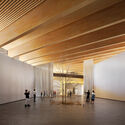
BIG, Bjarke Ingels Group, has been selected to design the new Hungarian Natural History Museum in Debrecen. Located on a former sports ground at the northern edge of the city's Great Forest, Nagyerdő, the 23,000 m² museum is being developed in collaboration with Vikár és Lukács Építés Stúdió, Museum Studio, and TYPSA. The new institution will replace the existing museum in Budapest, supporting the government's vision to establish Debrecen as a regional hub for education and culture by 2030. Commissioned by the Museum and the Ministry of Culture and Innovation, the new building will house permanent and temporary exhibition halls, educational and research facilities, public amenities, and back-of-house spaces.
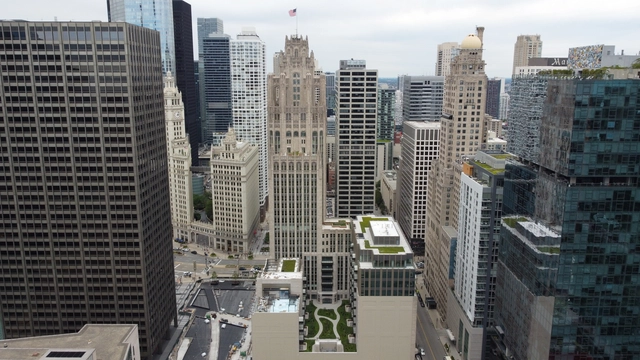
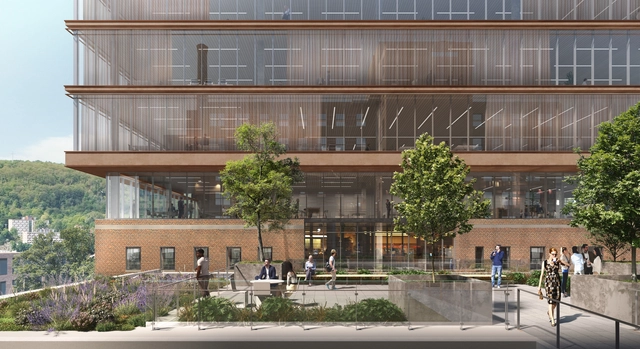
Terrace Garden between both phases. Image Courtesy of NEUF architect(e)s
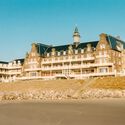
With modern medicine, it may be difficult for many people today to imagine the devastation caused by Tuberculosis (TB) just about 100 years ago. Initially associated with insalubrious, overcrowded conditions, just in Canada it caused the death of approximately 8000 people annually in the late 19th century. During this time, before more advanced treatments were discovered, prescriptions from doctors involved sunlight, fresh air, and rest. As a response, sanatoria were established. These were places where patients could be separated from the community to manage their disease. One testament to that legacy stands in the heart of Montreal: the former Royal Edward Laurentian Institute, later known as the Montreal Chest Institute. Born from crisis, it has since become a symbol of resilience, transformation, and innovation, shifting from a space of isolation to a thriving hub for research and entrepreneurship in the life sciences.
Between silence and chaos, we shape our world. Every space we inhabit tells a story, evokes emotions, and influences our thoughts. Minimalism, with its lightness and purpose, invites serenity. Maximalism, exuberant and vibrant, celebrates personality in every detail. But how do these philosophies affect our minds? Understanding their psychological impact can be key to creating environments that enhance well-being and bring harmony to life.
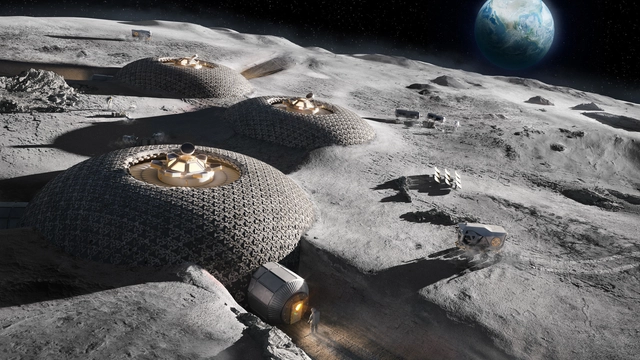
For three weeks, from March 28 to April 20, 2025, the John F. Kennedy Center for the Performing Arts in Washington, D.C. will host the art festival "EARTH to SPACE: Arts Breaking the Sky." Curated by Alicia Adams, Vice President of International Programming, and Gilda Almeida, Director of International Programming, the festival includes a full agenda of performances, film screenings, talks, panels, and exhibitions. As part of the festival, Foster + Partners has designed an exhibition titled "From Earth to Space and Back," inviting visitors to imagine a future where humans have experienced life on Mars, where exploring new worlds is within reach, and where technological advancements in space revolutionize life on Earth. The festival is based on the idea that imagining life in space can inspire solutions for living on Earth, a perspective reflected in the projects presented by Foster + Partners.
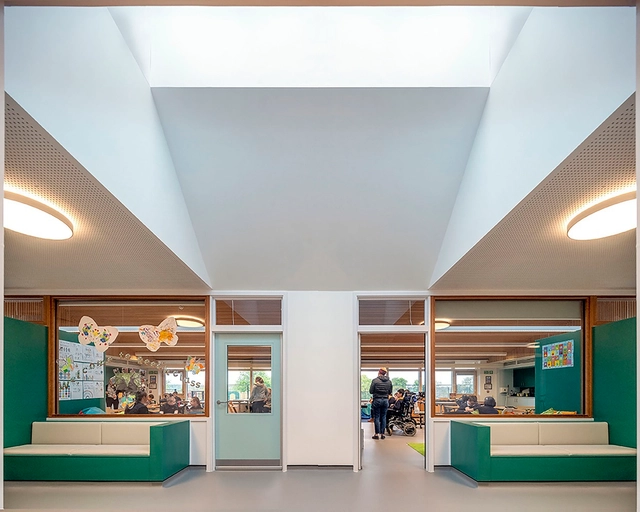
Gallaudet University was established in 1864, becoming the first American educational institution for the deaf and hard of hearing. The university is officially bilingual, with American Sign Language (ASL) and written English used throughout the educational programs. Over the years, the university has grown, adapting both its teaching methods and its spaces to the needs of its students, in turn learning from them how to counter the challenges they face and create a safer and more comfortable environment. These lessons turned into design guidelines, created to educate the architectural community about the strategies they can employ to create more accessible spaces for all.
Following two exciting weeks of nominations, ArchDaily's readers have evaluated over 500 projects and selected 15 finalists for the Building of the Year Award China. Architects and enthusiasts participated in the nomination process, choosing projects that exemplify what it means to push architecture forward. These finalists are the buildings that have inspired ArchDaily readers the most, which also reveal the growing trend of Chinese architecture.
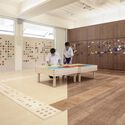
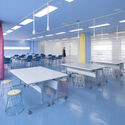
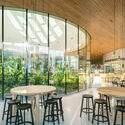
Among the 15 finalists of the 2025 China Building of the Year Award, we can see a gradual shift in focus from large-scale public buildings to rural revitalization, community public spaces, exploration of new typology of school and small-scale interior spaces. People are paying more attention to their personal needs and living experiences as well as the surrounding spaces. We can also observe how different firms are responding to the needs of cities and users during the period of transformation in the real estate.
Before we get to shortlisted nominees, we want to highlight the values of this awards process — as the world's largest platform for architecture we are acutely aware of our responsibility to the profession, and to the advancement of architecture as a discipline. Since our mission is directly related to the architecture of the future—inspiring and educating the people who will design the urban fabric of the future—the trust placed in us by our readers to reflect architectural trends from regions around the whole world creates challenges that we are eager to rise to. The democratically-voted, user-centered Building of the YearAwards is one of the key pillars of our response to these challenges, aiming to tear down established hierarchies and geographical barriers. Here are the 15 finalists of the 2025 China Building of the Year Award, and the voting period will run from April 2nd to April 9th, 11:59 PM (Beijing Time), 2025. The final winners will be announced onApril 10th, 2025. Click here to see the details and how to vote.
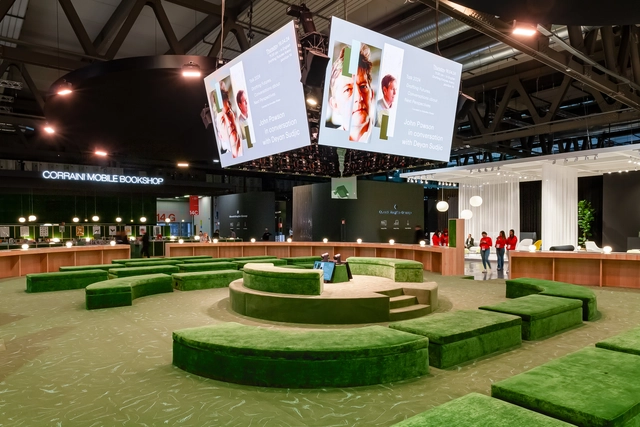
The 63rd edition of the Salone del Mobile will take place in Milan from April 8 to 13, 2025. Dating back to 1961, Salone del Mobile is a trade fair that covers a wide range of interior design products. The theme of this edition focuses on exploring the deep connections between humanity and design, aiming to establish the event as a creative platform beyond its commercial functions. The fair also serves as a laboratory for experimentation and the exchange of ideas, where new prototypes for furniture and domestic spaces are presented in settings that bring different narratives about ways of living to life. In addition to the furniture exhibition, the event will feature installations, conferences, and workshops, all taking place over the five days at Milan's Rho Fiera fairgrounds.