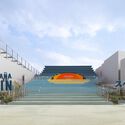
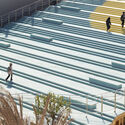
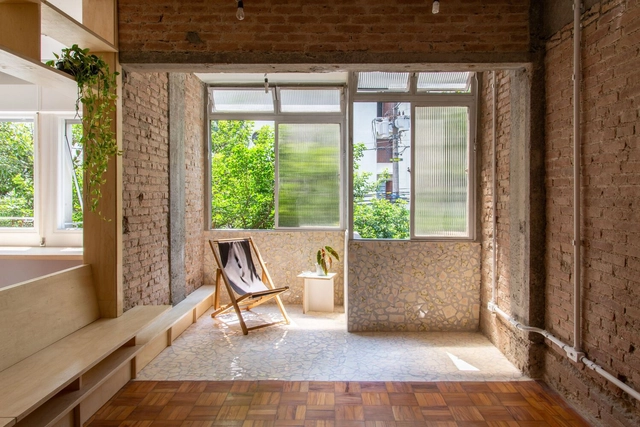
A project can be drawn in broad strokes, but it's built in details. Simple as it may seem, a staircase involves a significant degree of engineering. Some are noticeably more tiring, or more difficult to climb and descend. To address this, in the 17th century, architect François Blondel proposed a formula to ensure the ideal proportion between riser and tread, an equation that, when respected, offers a comfortable path. But there's another equally decisive factor: all steps must be identical. This may sound trivial and logical, yet executing anything with precision is always a construction challenge. Our bodies quickly adapt to the dimensions of the steps, and any variation (even minimal) can lead to repeated stumbles or missteps. A seemingly insignificant detail, when poorly resolved, can compromise the well-being and safety of an entire building.
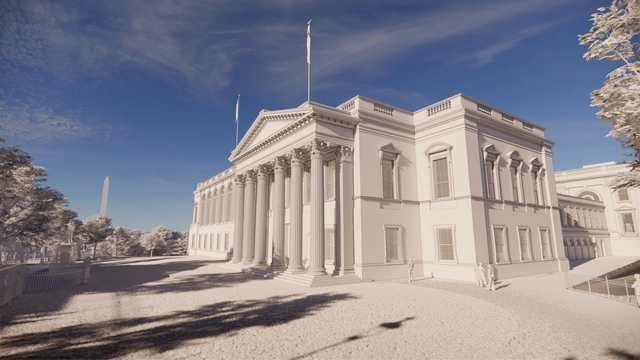
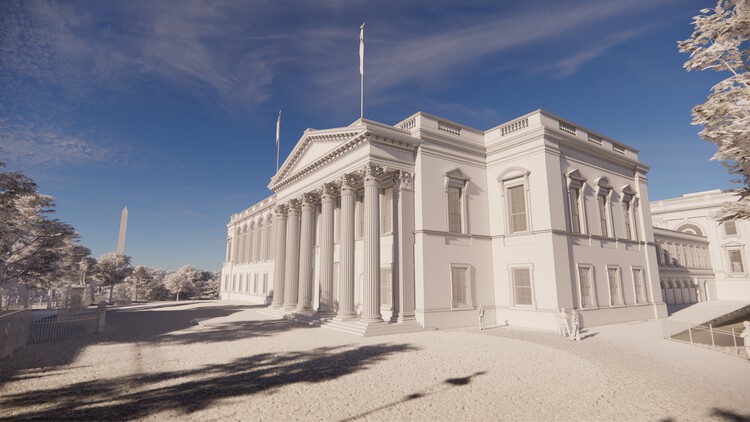
The White House has unveiled plans for a new permanent event space on its historic grounds. Intended to address long-standing spatial limitations for large-scale ceremonial functions, the proposed White House State Ballroom will provide a venue with an expanded capacity. McCrery Architects, a Washington-based firm recognized for its work in classical architecture, has been appointed as lead architect. Clark Construction will oversee the build, with engineering support provided by AECOM. The construction is scheduled to begin in September 2025, with completion planned within the current administration.
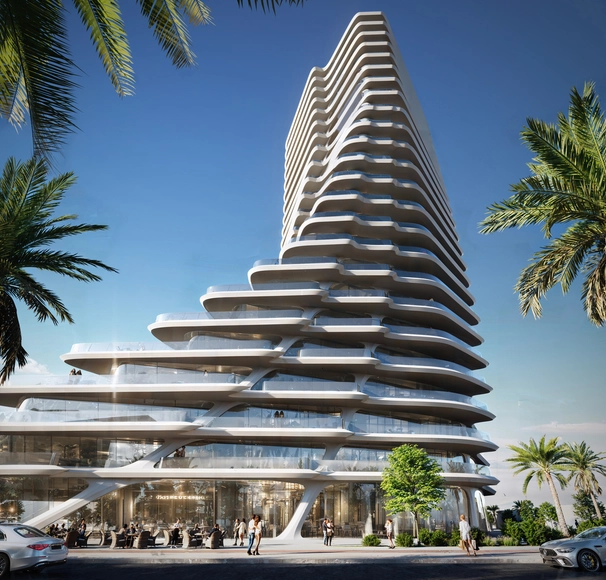
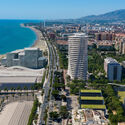
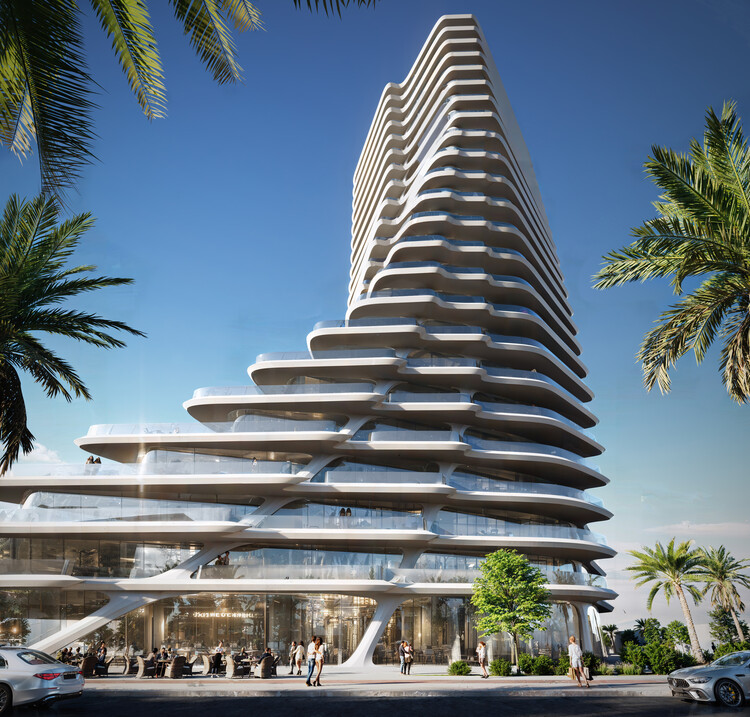
Sierra Blanca Estates, a real estate development firm, has officially announced plans to build a new residential neighborhood in the coastal city of Málaga, Spain. According to the developers, the proposal is intended to address the city's growing demand for housing in the capital of the Andalucía autonomous community, located along the Mediterranean Sea in the southern Iberian Peninsula. The new neighborhood is planned for the El Bulto area and would include a 21-storey building designed by Zaha Hadid Architects.
The 19th International Architecture Exhibition of La Biennale di Venezia features a notable presence from the SCI-Arc community, including students, alumni, and faculty. Their work appears across a range of contexts—from national pavilions to independent installations and research projects—engaging critically with this year's theme, Intelligens. The exhibition offers a compelling platform for exploring questions central to SCI-Arc's pedagogy: the future of design, the role of technology, and the possibilities of architectural experimentation.
Germany's contribution to the 19th Venice Architecture Biennale 2025 exposes visitors physically and psychologically to the future urban climate: a STRESSTEST that makes the need for immediate action palpable. The exhibition takes a clear stance: climate change is an unstoppable reality, and the measures taken so far are inadequate. It presents a scenario in which climate change manifests globally through rising temperatures, extreme weather, and sea level rise, with its effects directly felt at a local level: urban spaces suffering from heat stress. Curators Nicola Borgmann, Elisabeth Endres, Gabriele G. Kiefer, and Daniele Santucci have designed an exhibition to highlight the impacts of global warming on urban life in an urgent call to action, emphasizing that this reality threatens urban social life, productivity, and the health and survival of citizens.
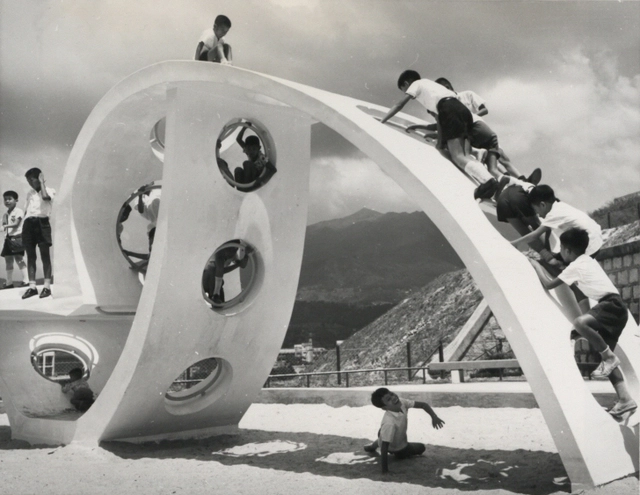
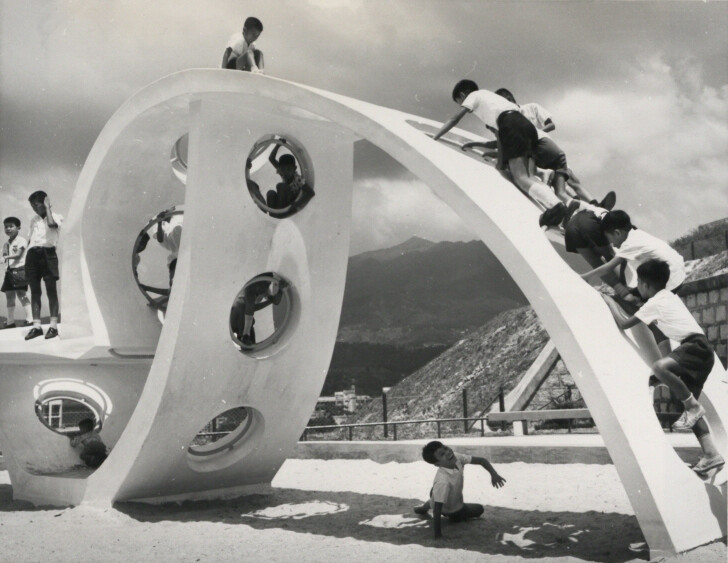
When we think about cities and urban life, we often focus on infrastructure, culture, commerce, nightlife, and density. In metropolises where there seems to be an endless array of activities—especially for adults—play rarely enters the conversation. Yet, the act of playing should be considered a vital part of urban life. Play directly influences how we shape our future cities—starting with how children engage with their environments. The experience of play, and more specifically, the design and presence of playgrounds, leaves lasting impressions on how young people grow up in cities. These spaces form a child's first, physical connection to the urban landscape. In this way, play deserves far more attention in conversations around urban wellness, livability, and the design of public space.
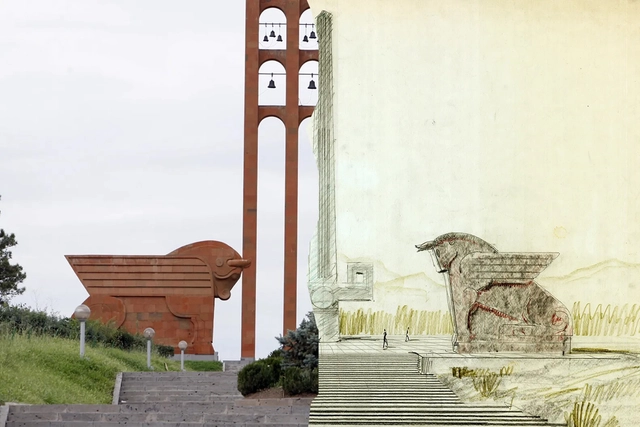
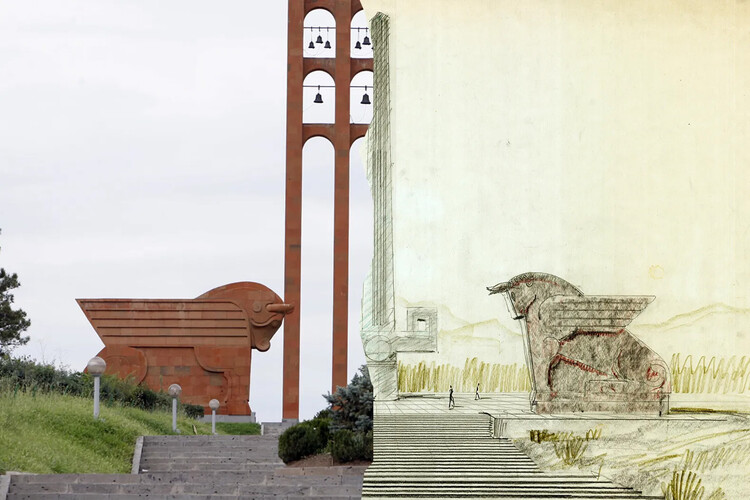
The Sardarapat Memorial and the architect's original sketch. Image via risraelyan.com/en/, courtesy of Aram Ghanalanyan
In a time when much global architecture can feel disconnected from local identity, the work of Rafayel Israelyan stands out for being rooted in place, culture, and memory. Working in mid-20th-century Armenia, Israelyan created architecture that is more than functional or monumental; it is culturally resilient. His use of traditional Armenian motifs, materials, and symbolic forms gave his designs a second life after the fall of the Soviet Union, when many buildings across post-Soviet states were abandoned or demolished. Armenia, by contrast, preserved many of his works, likely because their design approach not only served a specific moment in time, but also told a larger story. Long before concepts like sustainability or critical regionalism became popular, Israelyan understood that buildings gain meaning and endurance when they reflect the specific identity and characteristics of their place.
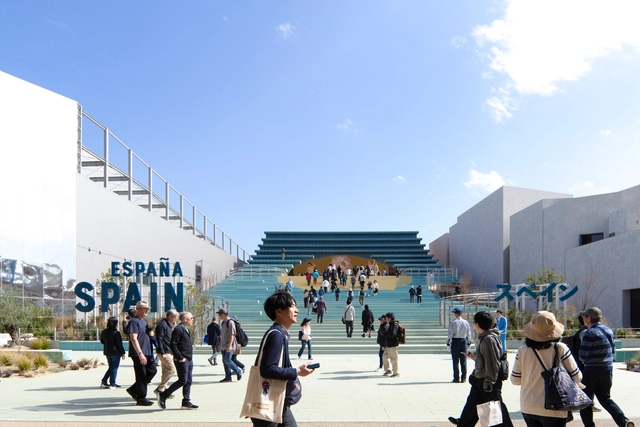
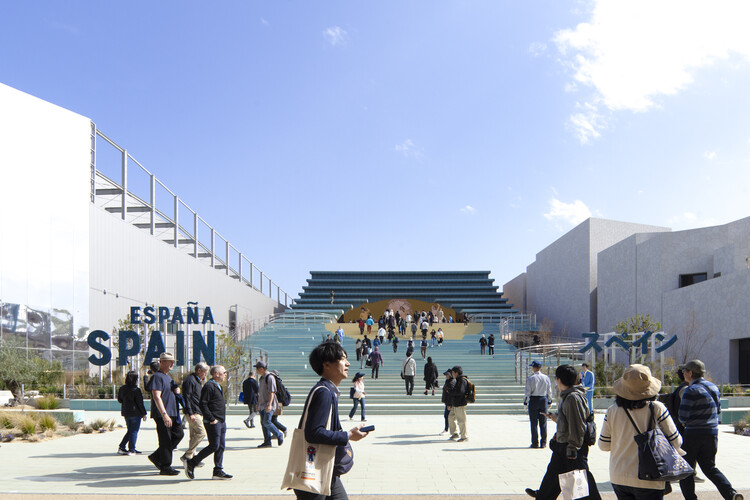
Since its opening in April, Expo Osaka has welcomed millions of visitors from around the world, standing as a true showcase of innovation, architecture, and design. Among its highlights is the Grand Ring, designed by Japanese architect Sou Fujimoto, considered the largest timber architectural structure in the world. Under the theme of Expo 2025 — “Designing Future Society for Our Lives”, along with Saving Lives, Empowering Lives, and Connecting Lives — more than 150 countries have used their pavilions to address key topics in contemporary architecture, such as circular construction, cultural memory, and innovation and technology aimed at shaping a sustainable built environment for the future.
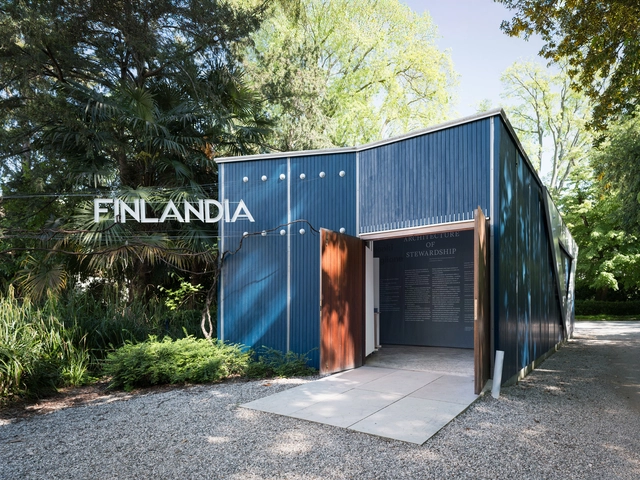
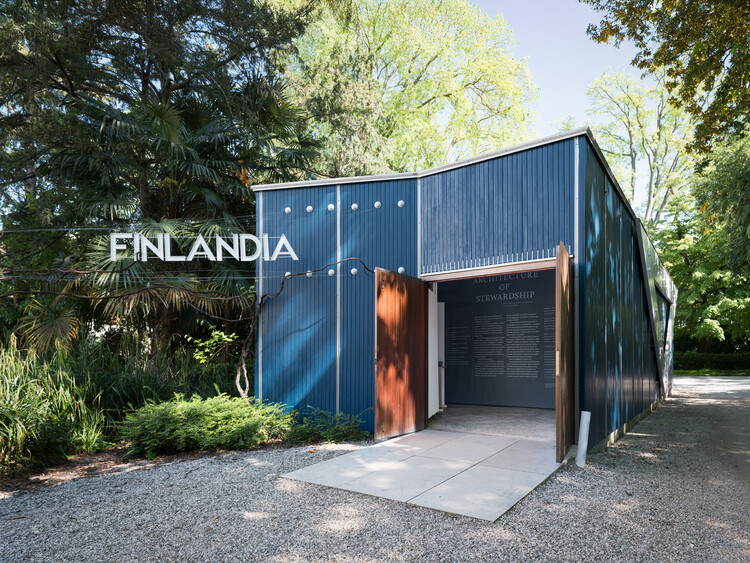
Archinfo, the Information Centre for Finnish Architecture, has announced the theme, curator, and exhibition team for the Pavilion of Finland at the 19th International Architecture Exhibition of La Biennale di Venezia. The exhibition, titled "The Pavilion – Architecture of Stewardship", will focus on the diverse labor involved in constructing and maintaining architecture, from design contributions by architectural workers and engineers to the efforts of construction workers, restoration architects, maintenance staff, and cleaners, all of whom play vital roles in the creation and upkeep of the built environment. Curated by Ella Kaira and Matti Jänkälä from the Helsinki-based architecture practice Vokal, it will use Alvar and Elissa Aalto's Pavilion of Finland to explore architecture as a collaborative endeavor.
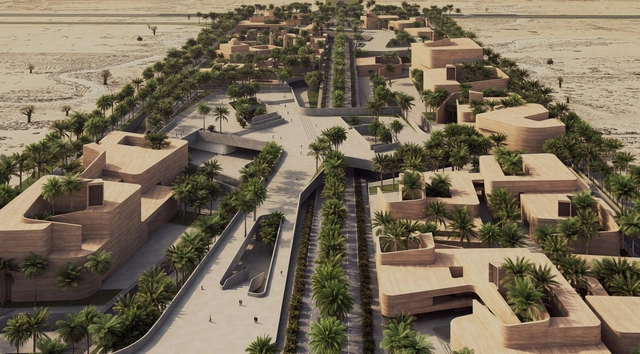
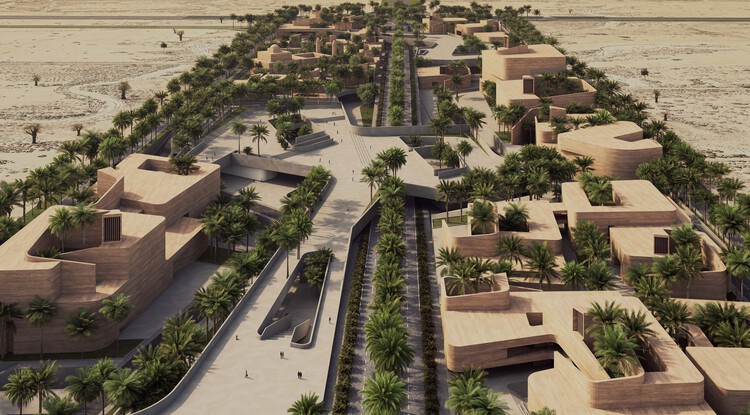
In today's architectural discourse, masterplanning is increasingly recognized as a means to reconcile growth with long-term social, cultural, and environmental priorities. Beyond organizing buildings and infrastructure, these large-scale proposals aim to regenerate urban fabrics, adapt historic or underutilized sites, and establish frameworks for inclusive and resilient communities. Submitted by the ArchDaily community, the projects featured in this edition of Unbuilt Architecture highlight how masterplans can respond to contemporary challenges while preparing cities for an uncertain future.
Spanning diverse geographies, from Europe to the Middle East and the Americas, the selected projects reinterpret industrial complexes, cultural sites, and residential neighborhoods through strategies that prioritize sustainability, mobility, and collective identity. Many share a focus on regenerative design: reopening historic canals, creating climate-adapted public spaces, and introducing green corridors and community hubs to reconnect people with their environments. Together, they showcase how masterplanning is evolving into a critical tool for rethinking how cities grow, adapt, and sustain civic life.
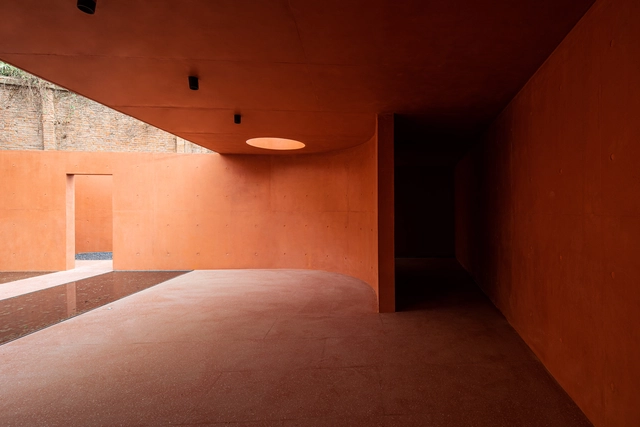
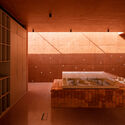
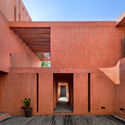
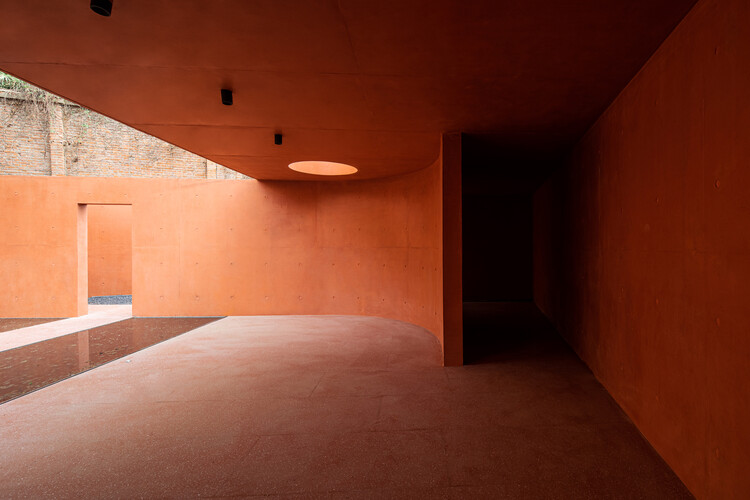
Concrete is often seen as the material of modernity, defined by its structural strength, raw finish, and unmistakable gray tone. It became the default palette of 20th-century architecture, a symbol of functionality and permanence. Yet, concrete is not bound to this chromatic identity. Its color is a byproduct of the cement, aggregates, and chemical composition used in its mix, and it can be intentionally altered through pigmentation. Among the many hues explored, red stands out — not only for its visual intensity, but for its ability to root buildings in place, evoke cultural references, and imbue architecture with a material presence that feels both elemental and expressive.
Pigmenting concrete involves the addition of mineral-based colorants — usually iron oxides — during the mixing process. Unlike paints or coatings applied to the surface, these pigments are integrated directly into the concrete mass, ensuring the color permeates the material and remains stable over time. Red pigments in particular are often derived from iron oxide (Fe₂O₃), a naturally occurring compound found in clay, hematite, and other iron-rich minerals. Their deep, earthy hue connects contemporary construction with ancient techniques — from Roman pozzolana mortars to the red earth buildings of West Africa and South America.
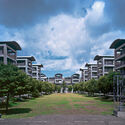
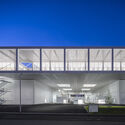
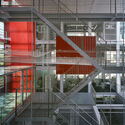
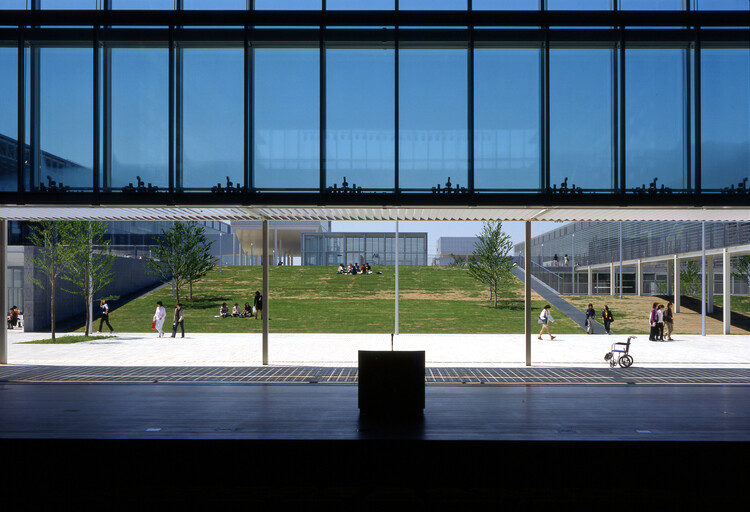
Riken Yamamoto, born in Beijing in 1945 and raised in Yokohama shortly after World War II, is a Japanese architect celebrated for fostering community through architecture. After founding his practice, Riken Yamamoto & Field Shop, in 1973, he became renowned for works ranging from social housing, such as Hotakubo Housing and Pangyo Housing, to civic projects like the Hiroshima Nishi Fire Station and Saitama Prefectural University, all unified by modular simplicity. Honored in March 2024 as the Pritzker Architecture Prize Laureate, he was praised by jury chair Alejandro Aravena for "blurring boundaries between public and private," fostering spontaneous social interaction, and "bringing dignity to everyday life" by enabling community to flourish through thoughtful design. In this interview with Louisiana Channel, the architect reflects on the social role of architecture, emphasizing the inseparable bond between housing and context, and the need to create spaces that foster visible, meaningful relationships.
The International Union of Architects (UIA), in collaboration with UN-Habitat, has announced the launch of the third cycle of the UIA 2030 Award. Introduced in 2021, the biennial international prize highlights the role of architecture in advancing the UN 2030 Agenda for Sustainable Development, with a particular emphasis on SDG11: Sustainable Cities and Communities and the New Urban Agenda. Organized by the UIA's UN 17 SDGs Commission, the award recognizes built projects that combine architecture with measurable contributions to the Sustainable Development Goals (SDGs). Structured to coincide with the schedule of the World Urban Forum (WUF), the award will run through five cycles.
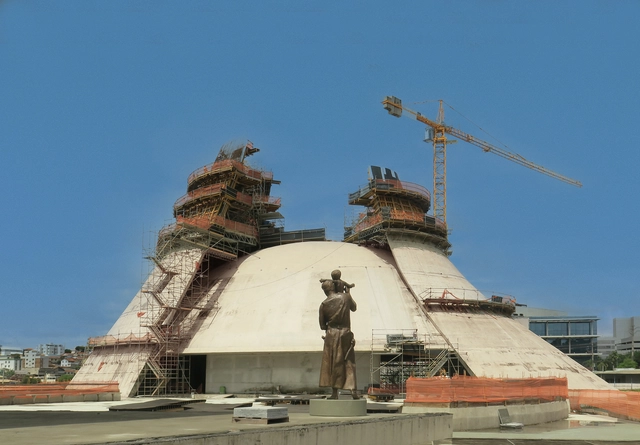
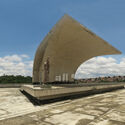
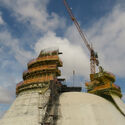
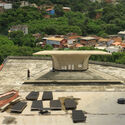
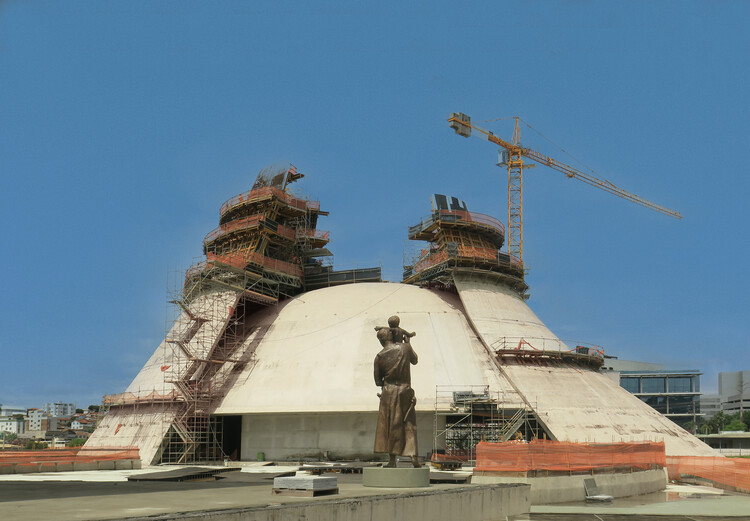
The Cristo Rei Cathedral is Oscar Niemeyer's design for the cathedral of Belo Horizonte, the capital of the state of Minas Gerais in southeastern Brazil. Conceived between 2005 and 2006, it is one of the late architect's final projects in the country. The design features a domed structure approximately 60 meters in diameter, suspended by two towering elements rising 100 meters high. Niemeyer referred to the project as a "square," consisting of a cathedral with a capacity for 3,000 people and an external altar designed to accommodate up to 20,000 worshippers for mass and public events. Construction began in 2013 and is still ongoing. Earlier this year, photographer Paul Clemence visited the site, documenting the building process and capturing the emergence of Niemeyer's signature curves.
From the field of architecture and construction, the concept of material reuse is closely tied to circular economy and the reduction of carbon footprints, paving the way toward a more sustainable and responsible future. By incorporating recycling practices, recovery, restoration, and/or the reuse of demolition materials, resource efficiency along with the reduction of energy consumption makes it feasible to experiment with techniques, applications, and new materials that honor the memory of spaces while also bringing new life to both interiors and exteriors.
What does it mean to build with care, using what others leave behind? This question shapes the work of the Matter Matters Lab, an initiative founded by architect and researcher Catherine Söderberg Esper during the isolation of the pandemic. Drawing from experiences across cultures and motivated by a personal transformation during motherhood, Catherine began to investigate everyday waste as raw material for regenerative construction systems. Her first experiment involved gluing her own cut hair using white glue, initiating a radically intimate and handmade approach. Since then, the lab has focused on transforming organic waste into low-impact architectural materials, inspired by Indigenous knowledge systems and aiming to break from extractive models in construction. Projects like the Avocado Bricks, made from discarded avocado seeds, exemplify this approach of local, circular, and rooted in the idea of reciprocity between matter, place, and care, offering a new way of building with waste.
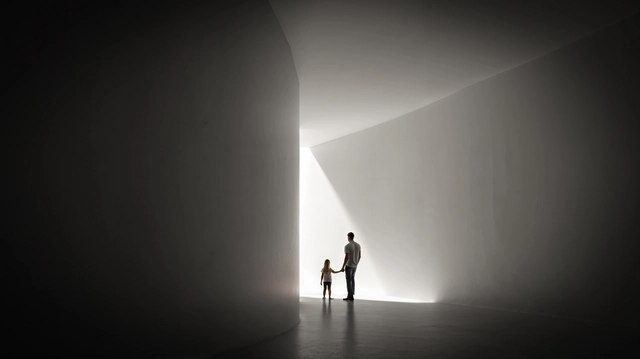
The Museum of Emotions is an annual international design competition that tasks participants with exploring the extent to which architecture can be used as a tool to evoke emotion. The brief calls for the design of a conceptual museum with two exhibition halls: one designed to induce negative emotions; the other designed to induce positive emotions. Participants are free to choose any site of their liking, real or imaginary, as well as choose the scale of the project. The meaning of 'positive' and 'negative' is up for interpretation: What two emotions might a designer consider contrasting? How might an architect conceive spaces which elicit fear, anger, anxiety, love or happiness?
The Museum of Emotions is a 'silent' competition: that is, participants must communicate ideas without text, and must use imagery alone. No form of text, whether design descriptions, annotations or even diagrammatic labels, is permitted.