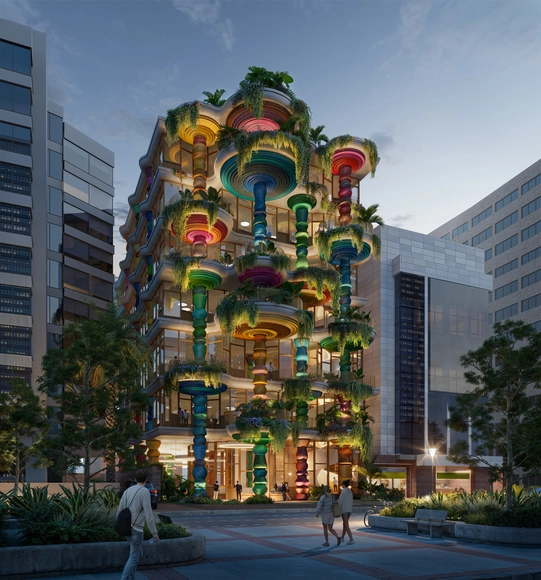
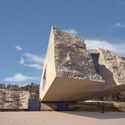
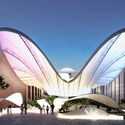
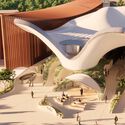
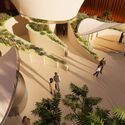
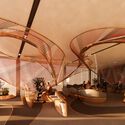
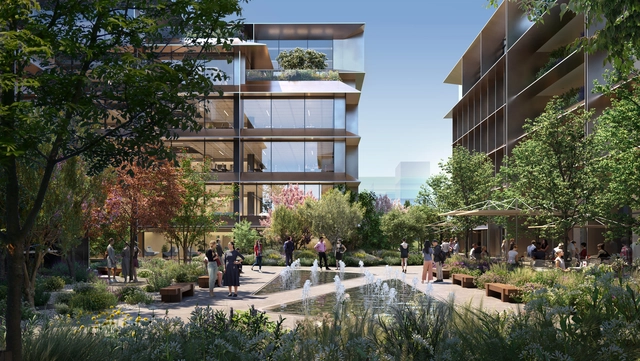
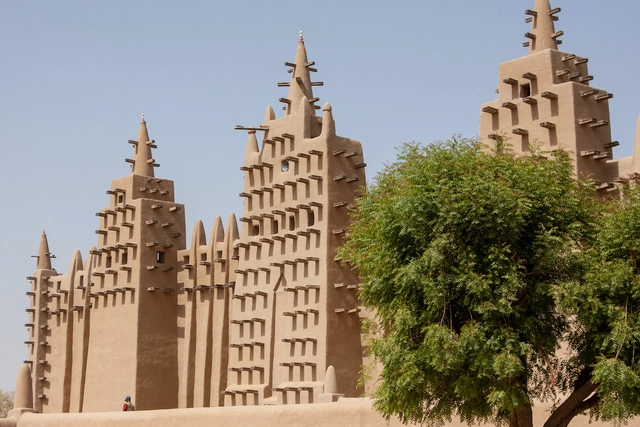
Heatherwick Studio has just been selected to design a new educational facility for a university in Bogotá, Colombia. Marking Heatherwick’s Studio’s debut in South America, the construction is set to begin in 2025. Located on the existing campus in central Bogotá, the new design school and makers’ space for Universidad EAN will become a home for the university’s school of sustainable design. The seven-story structure features a striking façade adorned with colorful artistic columns and open terraces.
The rise of generative AI has given every design educator sufficient reason to reconsider both what to teach and how to teach it. Training an architect is a long process, and mapping it onto an uncertain future is a daunting task. Researchers at OpenAI, DeepMind, Meta, and similar companies seem constantly surprised by the rapid development and sometimes unforeseen capabilities of their AI creations. If even the creators don’t know how fast the future will arrive, it would be hubristic for any of us to claim that AI will do X or AI won’t be able to do Y in the next decade, which is about how long it takes to really train an architect.
https://www.archdaily.com/1014830/how-ai-can-help-us-end-design-education-anachronismsEric J. Cesal
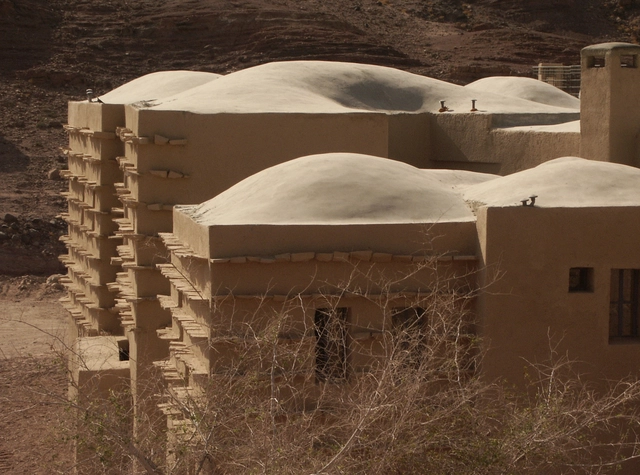
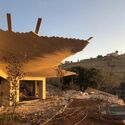
The Feynan Ecolodge project. Image Courtesy of Dongola DAS 01 | Notes on Formation and Ammar Khammash
Ammar Khammash is a Jordanian architect, designer, and artist best known for his approach that focuses on the preservation of cultural and natural heritage while crafting an architecture that engages with its surroundings. With deep admiration for nature and its ecosystems, Khammash trusts that "the site is the architect”, a statement for which he is renowned that underscores the profound influence of context on his architectural design. With over three decades of experience spanning various disciplines and across several Middle Eastern countries such as Jordan, Oman, Palestine, Egypt, Syria, and the UAE, Ammar Khammash has consistently attempted to preserve and enhance the symbiosis between human constructions and the natural environment. His contributions include the Royal Academy for Nature Conservation, the Wild Jordan Center, and the restoration of the Church of Apostles.
In 2022, he was featured in the first edition of the Dongola Architecture Series, a biannual publication that offers unique perspectives into Arab culture by highlighting prominent contemporary architects. The issue, titled “Notes on Formation: Ammar Khammash,” written by Raafat Majzoub, explores "architecture as a transdisciplinary tool of expression, and as a method of imagining and reimagining the future," encapsulating the ethos of the publication. ArchDaily had the opportunity to talk to Ammar Khammash and Sarah Chalabi, founder of Dongola Limited Editions, to delve into the architect’s perspectives on site, materiality, and culture, along with his philosophy, notions on academia, and insights into the future of the profession.
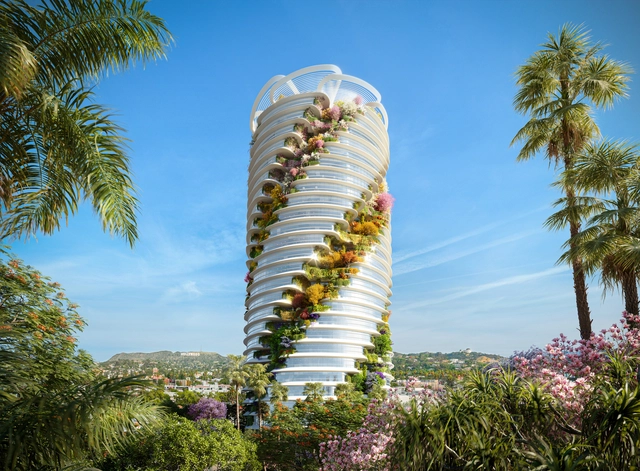
Foster + Partners, led by Norman Foster, has revealed designs for a new “vertical creative office” campus on Sunset Boulevard in Los Angeles, overlooking Hollywood. Developed by real estate firm The Star LLC, the tower is wrapped in spiraling gardens, giving the project its distinctive image and introducing generous outdoor areas throughout. Dubbed “The Star,” the project strives to use active and passive design strategies to bring a welcoming and comfortable space for all future users.
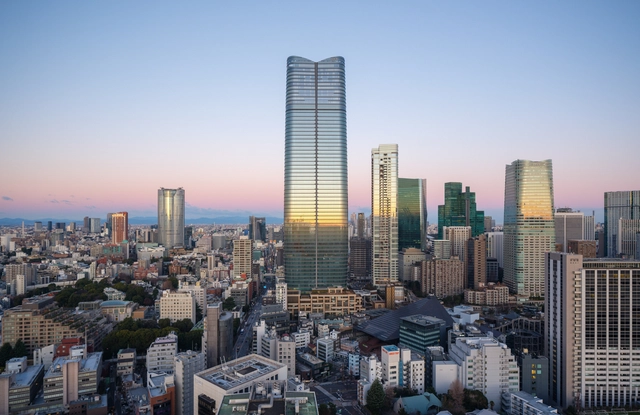
Pelli Clarke & Partners has just completed the Mori JP Tower, now standing as Japan’s tallest building. Situated in the recently revitalized Azabudai Hills district, the tower emerges at the center of this development. Establishing a new focal point for Tokyo’s skyline, the building soars 330 meters at the heart of this dynamic new mixed-use district in the city center.
Just as fashion designers use pins, needles and textiles to bring their creations to life, architects rely on materials to shape our built environment. From steel and glass to wood and concrete, these form the artistic palette that transforms blueprints into tangible structures, bridging the gap between imagination and reality. It's as simple, yet as complex as that. But with so many materials –and countless shapes, finishes, textures and colors– available in this day and age, making the correct choices for a particular project can be quite challenging. Several questions naturally arise: How do architects navigate the endless possibilities to handpick the elements that will breathe life into their designs? What does the material specification process entail? Where does one begin?
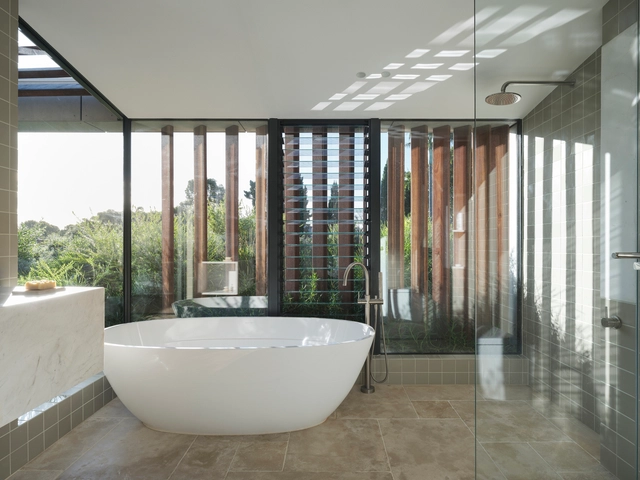
As one of the smallest spaces in the home, shower rooms often find it difficult to get enough light. While bedrooms are given priority to choose the most favored spots alongside exterior walls – giving them access to the fresh air, natural light, and better views provided by windows – sanitary spaces are often left to feed from the scraps in the aftermath, afforded only a sliver of external wall, if any.
Due to issues with privacy and water damage, meanwhile, when a shower room does have the opportunity to add a window, it’s rarely positioned in the shower itself. But with many using an energizing shower to gently wake themselves up in the morning, and with steam making the shower an environment with extra high humidity levels, a window in the shower can make a big difference, adding natural light to the space itself, while keeping the entire room well-ventilated.
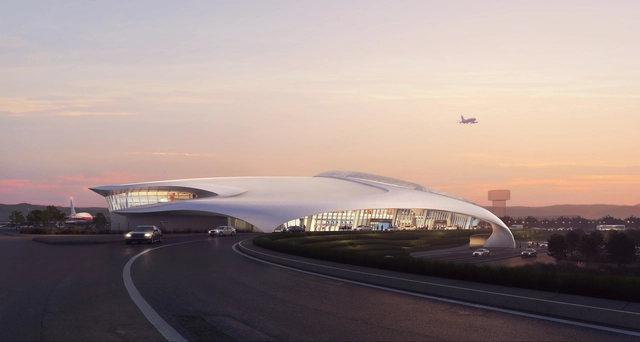
MAD Architects has just unveiled the design for LishuiAirport in China. Dubbed the "forest city,” Lishui is known for its green landscapes and valleys in the Southwest Zhejiang Province. Situated amidst hilly terrain, approximately 15 kilometers southwest of the city, the airport is envisioned as a domestic, regional transportation hub seeking to harmonize with the natural surroundings.
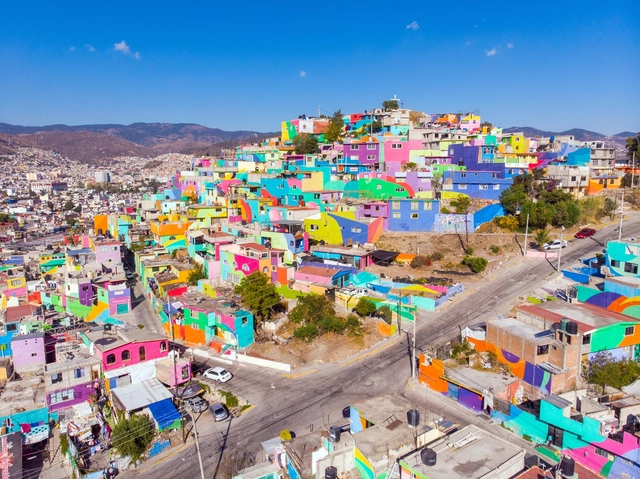
In the perception of many, the favela embodies contradictory and opposed representations. For those outside its boundaries, the favela is frequently associated with crime, poverty, or illness. Yet, it is also regarded as the aesthetic embodiment of a nation, serving as the birthplace of culturally renowned elements worldwide, such as samba in the case of Brazil.
CityMakers, The Global Community of Architects Who Learn from Exemplary Cities and Their Makers, is working with Archdaily to publish a series of articles about Barcelona, Medellin, and Rotterdam. The authors are the architects, urban planners, and/or strategists behind the projects that have transformed these three cities and are studied in the "Schools of Cities" and "Documentary Courses" made by CityMakers. On this occasion, Jaume Barnada, coordinator of the award-winning Climate Shelters project in Barcelona schools and speaker at the "Schools of Cities", presents his article "Barcelona, the public place as a synonym for the adaptation of the built city."
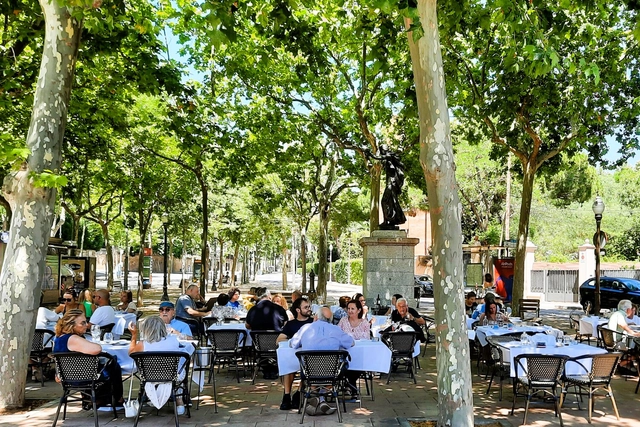
Cities are dense, built spaces in which pavements have been efficiently imposed on the natural soil. Cities like Barcelona have almost 75% of the land paved and waterproof. Without a doubt, it is an excess to reverse at a time of climate emergency, where we must reconnect with nature. Oriol Bohigas [1] told us that good urbanization had paved the squares of Mediterranean cities and that no one wanted to live in a mudhole. I'm sure he was right. Also, he taught us that the green and, consequently, the natural soil had to have dimension and especially an urban position. Squares are squares and parks are parks, and each space has a type of project. Today, concepts are too frequently confused when urbanizing public places and consequently, we find projects that blur the model.
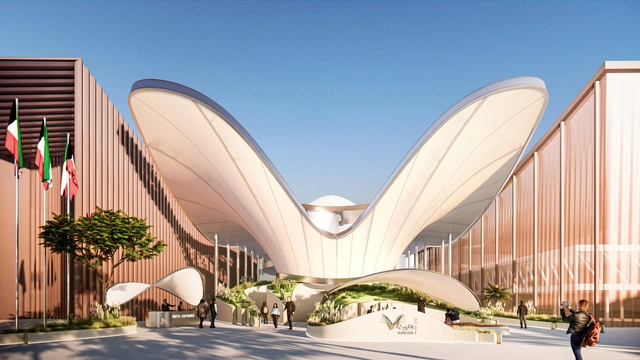
The State of Kuwait has revealed the design of the upcoming Kuwait Pavilion to take shape at World Expo 2025 in Osaka. Designed by architectural firm LAVA (Laboratory for Visionary Architecture), the temporary structure is envisioned as a “Visionary Lighthouse” representing Kuwait’s embrace of Arab cultures, arts, and social works. The pavilion, developed with main partner and contractor NUSSLI, also offers a response to the exhibition’s overarching theme, "Designing Future Society for our Lives", striving to strengthen the relationship between Kuwait and Japan and foster conversations about visions of a sustainable future.
Construction is currently in progress on “The Grid,” a new office complex by Foster + Partners. Located in Marousi, an established business hub that boasts connectivity to central Athens, the project spans an entire city block. The project features modern, adaptable workspaces, along with landscaped green areas that integrate with a public park. The scheme hopes to revitalize Marousi and attract new business to the existing area.
Rehabilitation involves repairing, renovating, altering, or reconstructing any building or structure. It addresses the need to significantly improve a building's failing features, primarily through strengthening or replacing elements to restore the structure's optimal performance. The impact of building rehabilitation on the physical environment is significant. It is a sustainable strategy for preserving the built environment and mitigating the construction industry's impact on climate change.
However, its social impact is also considerable when viewed as a fundamental framework for sustainable outcomes. Rehabilitation can serve as a model that brings community members together for inclusive repair and restoration of structures. This positively affects communal life quality, social integration, environmental sustainability, and community perception of local architecture.
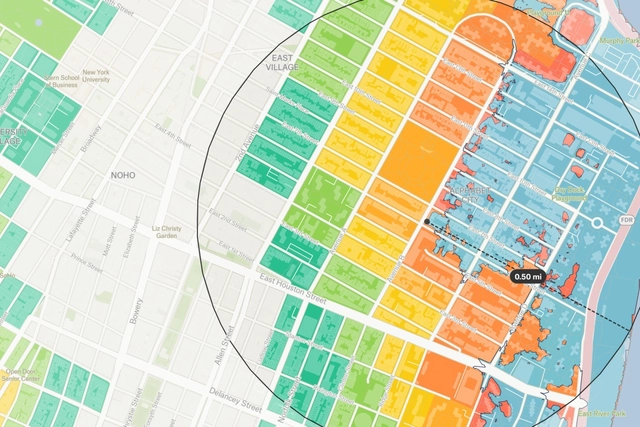
Map of Hurricane Sandy Impact Analysis. Courtesy of Felt
Sightseeing is an activity closely intertwined with architecture and cities. So much is that Guiliana Bruno adapts the term to site-seeing in her comprehensive book Atlas of Emotions: Journeys in Art, Architecture and Film, emphasizing the link between tourism and the urban landscape. Traveling and exploring new places is not something only architects like, it's among the most enjoyable activities for anyone. It's no coincidence that city guides are consistently among the most visited articles on ArchDaily, offering curated collections of iconic buildings for people to explore.
Now, some of our most popular city guides will not only provide a list of buildings, but also feature interactive maps that position each of the architectural masterpieces within the territory. Powered by Felt, these maps cater to the needs of the architects and curious travelers alike.
https://www.archdaily.com/1014699/felt-a-tool-that-will-revolutionize-mapping-for-architects-and-urban-practitionersArchDaily Team
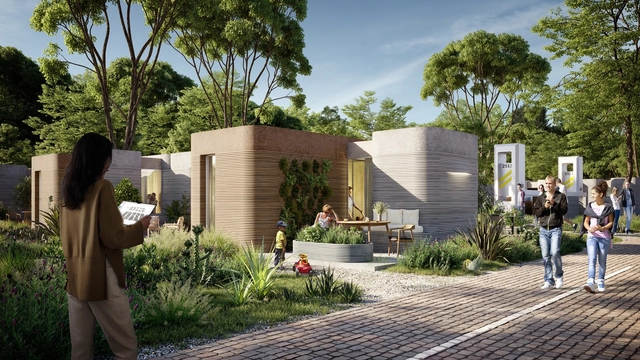
German-based architecture and design studio Beta Realities has developed the “Collective Parts” initiative, a design and technology platform for enabling the construction of affordable 3D printed housing. The project has been recognized as one of the winners of Inititative99by ICON, a global architecture competition aimed at reimagining affordable housing that can be built for under $99,000. The other winners of the open category are MTspace Studio from New Zealand and For Everyday Life from the United Kingdom. The competition also highlights contributions from students as a separate category, featuring Casa Fami by IAAC from Spain, Juan Felipe Molano from Colombia, and Victoria Roznowski from Germany.
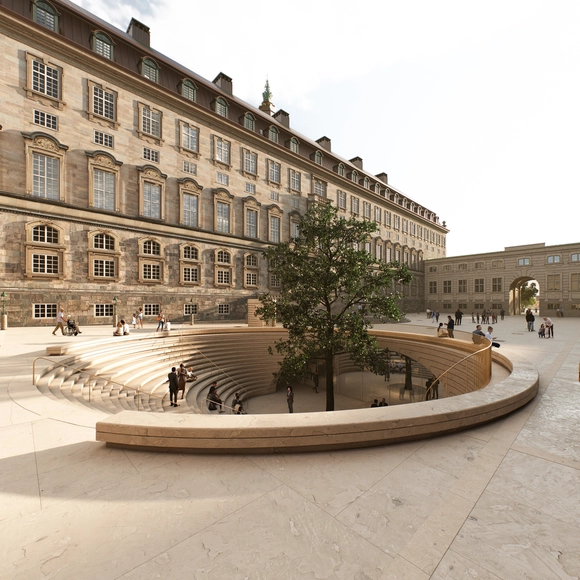
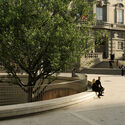
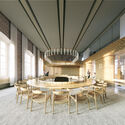
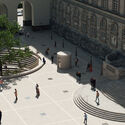
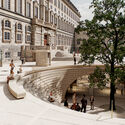
Cobe Architects has just unveiled its winning design for the future Danish Parliament in Copenhagen. Aiming to revitalize Denmark’s historic administrative center, the studio envisioned an inviting, accessible space, “where everyone can experience democracy up close.” The design features an underground visitor center, leading to facilities within the Parliament Courtyard, and an interconnected pathway uniting historic buildings formerly used by the Danish National Archive.
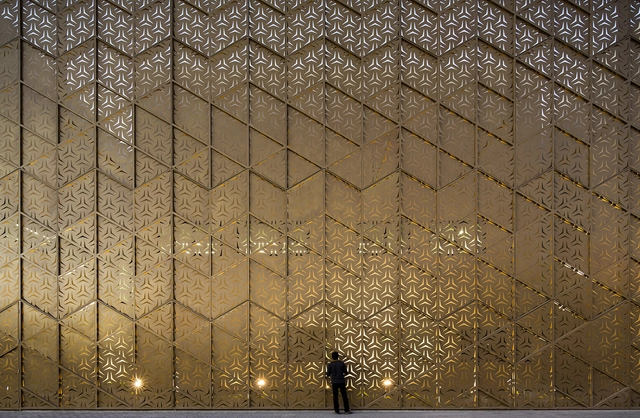
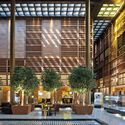
For centuries, arid environments have solved the problem of light, privacy, and heat through a statement architectural feature of Islamic and Arab architecture, the mashrabiya. Crafted from geometric patterns traditionally made from short lengths of turned wood, the mashrabiya features lattice-like patterns that form large areas. Traditionally, it was used to catch wind and offer passive cooling in the dry Middle Eastern desert heat. Frequently used on the side street of a built structure, water jars, and basins were placed inside it to activate evaporative cooling. The cool air from the street would pass through the wooden screen, providing air movement for the occupants.
Similar to the Indian jali, the vernacular language also offers a playful experience with daylight while still maintaining a certain degree of privacy. Traced back to Ottoman origins, the perforated screens protected occupants’ from the sun while simultaneously letting daylight through in calculated doses. Although the mashrabiya was a statement in arab and Islamic architecture languages, it wasn’t until 1987 that the archetypal element began appearing with a revised contemporary application.
Credits: SpaceClip, Photographer: Mr. Daijiro Okada
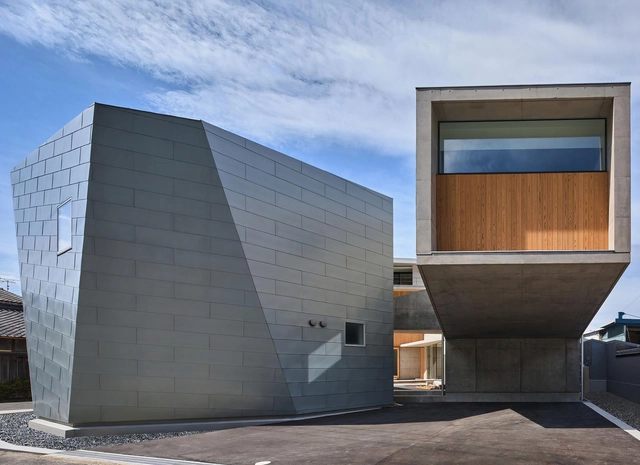
In nature, zinc is mainly found as zinc sulphide ore or zinc carbonate, which is mined to obtain the metal. Once refined, it is used in a variety of applications, including metal alloys, battery manufacturing, medicines and supplements, as well as in the fabrication of pigments, chemical compounds and coatings. In the latter, which is used in architectural applications, zinc is well known for its weather resistance and self-healing properties and is highly durable, with a lifespan of up to 100 years, requiring minimal maintenance. In addition, because it is 100% recyclable and has a low environmental impact during its production, zinc is a sustainable choice for construction projects.