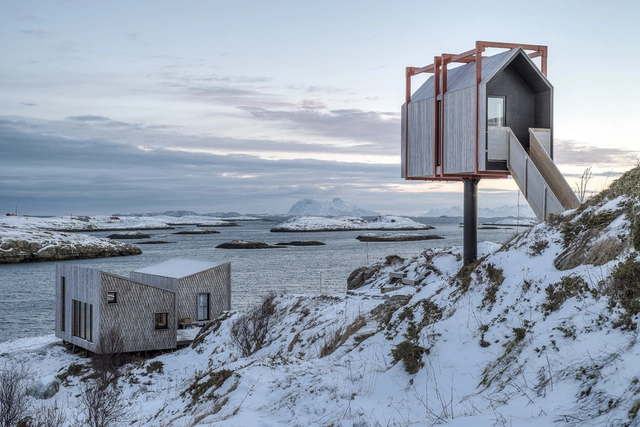
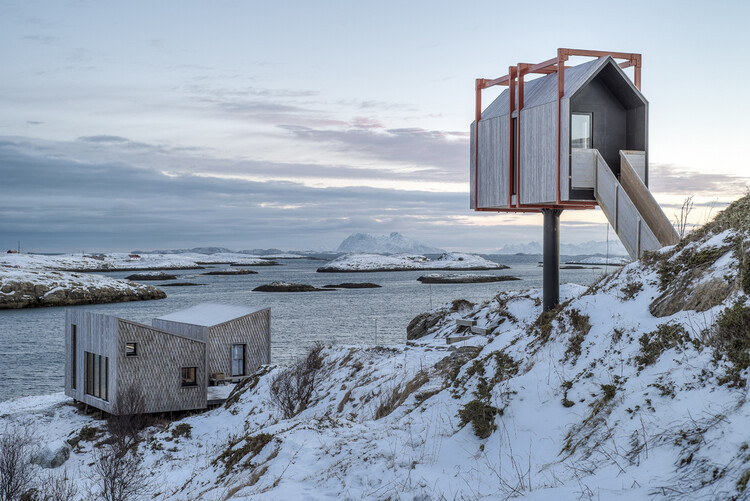
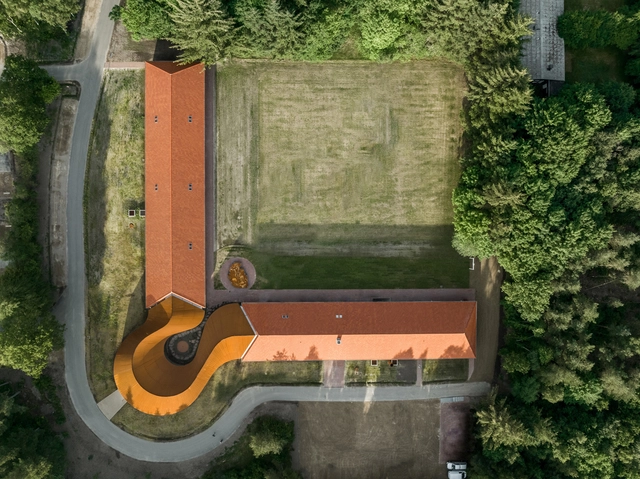
The decision to lift a building off the ground is a technical maneuver that requires substantial planning, expertise, and careful consideration. It is a deliberate architectural response to the site's forces and fragilities. Floodplains, wetlands, and thawing tundra share a common thread: Architects reconcile risk and vulnerability through elevated structures. In this sense, it is a spatial response and a structural necessity.
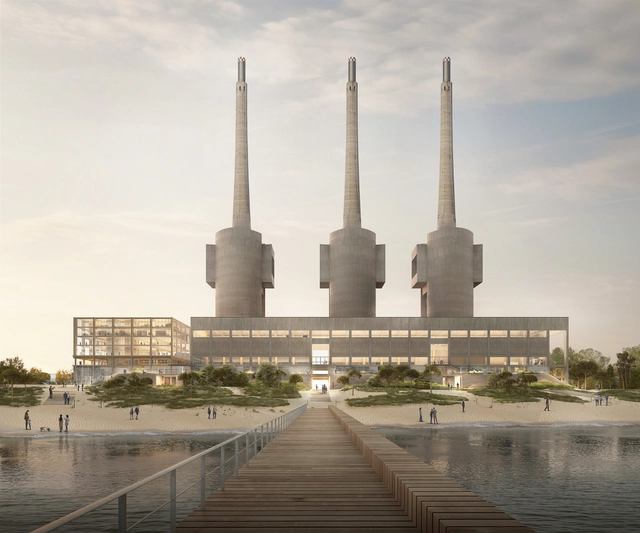
Garcés de Seta Bonet and MARVEL Architects' proposal won the competition to adapt and expand the Tres Xemeneies/Three Chimneys, a former power plant set to become the Catalunya Media City hub in Barcelona, Spain. With their winning design, the two studios sought to preserve the site's historical legacy while creating a space that can evolve and shape future possibilities. Scheduled to begin in the summer of 2025 and expected to be completed by 2027/2028, the project is planning to offer a range of features and services designed to foster innovation, creativity, technology, training, and digital culture exhibitions.
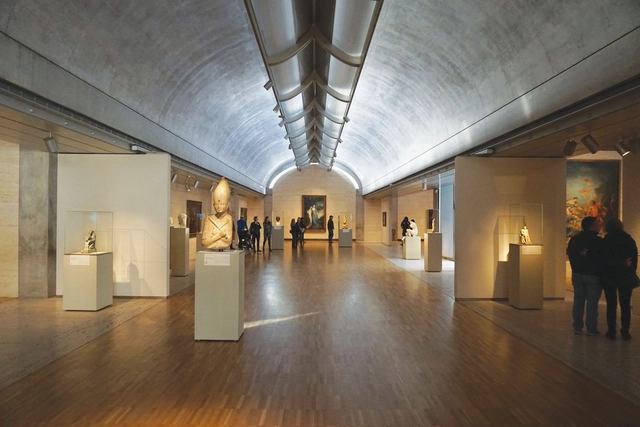
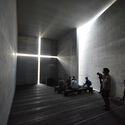
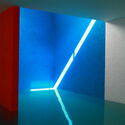
Architecture is often defined by its physical form, materials, and structural elements, but light and shadow truly shape the experience of space. These elements influence perception, guide movement, and evoke emotional responses, transforming static structures into dynamic environments. Throughout history, architects have harnessed the interplay of light and shadow, using it as a fundamental design tool to create atmosphere and meaning.
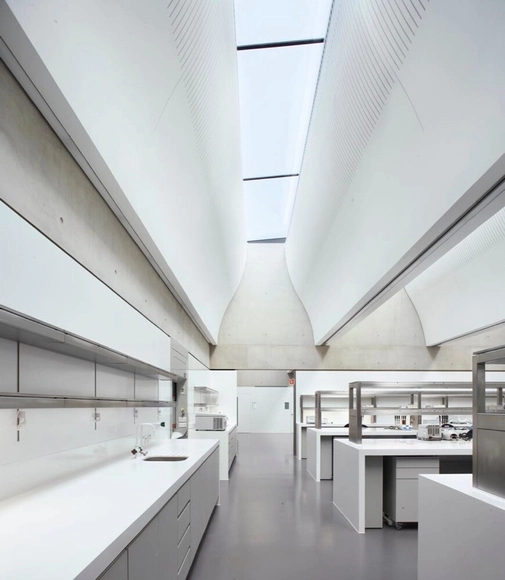
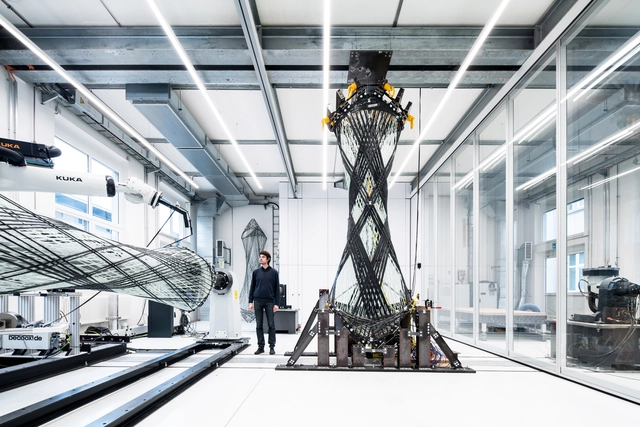
The synergetic relationship between architectural design and scientific discovery tends to be rarely addressed, yet a lucrative proposition. The built environment holds immense potential in supporting research breakthroughs and innovation and the scientific community. The influence extends beyond physical spaces to include both internal dynamics and external engagement through strategic design interventions that connect various caches of impact, from individual researchers to the broader community.
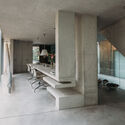
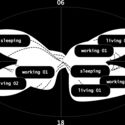
In 1993 a young professional couple with two toddlers and a large suburban lot in Naarden, a town less than half an hour's drive southeast of Amsterdam, approached Ben van Berkel to design an unusual house. They envisioned it as progressive and innovative in every way possible. More than that, they wanted a kind of building that "would be recognized as a reference in terms of renewal of the architectural language." Before settling on the architect, they spoke to several candidates, including Rem Koolhaas. They chose van Berkel who five years earlier, together with his then-wife Caroline Bos co-founded their eponymous practice, because as he told me, "I went to the site and studied it carefully and already had ideas about what I called the four quadrants of the landscape. I knew what kind of house it would be. I could see clearly where different rooms would go, how they would be shaped, and how they would relate to each other." The couple couldn't resist. Yet, there would be no rush on the project which took five years to complete, most time was invested in its design, going through many iterations and refinements, all based on the Möbius loop.
The clock is ticking for architects, urban planners, and engineers to submit their groundbreaking projects to the Holcim Foundation Awards. With the entry deadline of February 11, 2025, at 14:00 hrs UTC, this is the final opportunity to gain global recognition and compete for a share of the USD 1 million prize pool. The awards ceremony will take place at the Venice Forum on November 20, 2025 and winners are invited to attend.
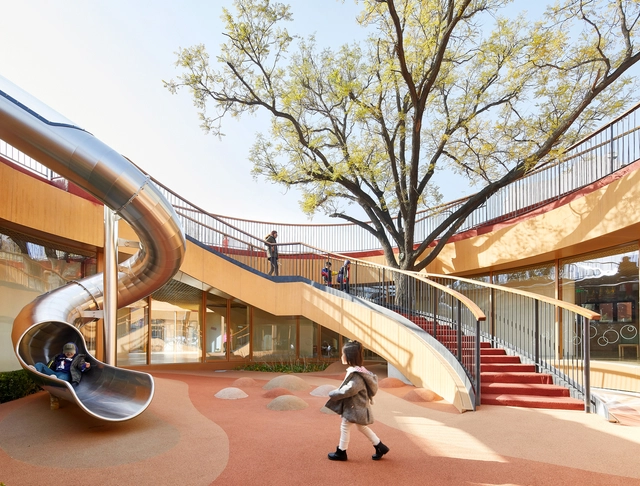
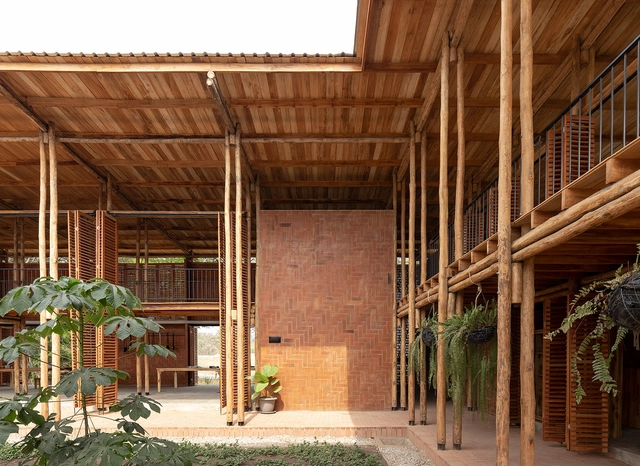
Today, the International Day of Education serves as a reminder of the significant impact that architectural design has on learning environments. From flexible classrooms that adapt to diverse teaching methods to outdoor learning areas that integrate natural elements, the architecture of learning spaces embodies the principles of pedagogy, offering opportunities for exploration, collaboration and creativity, all while maintaining a focus on the safety and comfort of all users. This selection of articles explores the potential of design to enhance learning outcomes through spatial exploration, be it inside the classroom, in outdoor spaces or by encouraging larger communities to part-take in the learning process.
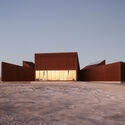
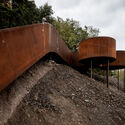
In architectural design, materials convey narratives, shaping how spaces are perceived and experienced. Weathering steel, often known by its genericized trademark name, Corten steel, stands out for its ability to evolve, transforming into a medium that tells its own story. It represents a group of steel alloys that form a stable external layer of rust that replaces the need for paint to protect the steel while allowing it to develop in time. Its weathered patina serves as more than a functional shield; it becomes an aesthetic language, a testament to the interplay between architecture and nature. This ever-changing surface bridges the ephemeral and the enduring, offering architects a material that grows richer with age.
In today's world of architecture and design, it's no longer enough to present clients with blueprints or plans — they want to visualize the final product before construction begins. This is where 3D visualization studios come into play. By offering photo-realistic renderings, virtual tours, and interactive configurators, these studios make it easier for architects to communicate their ideas and leave a lasting impression on their clients. With the help of these cutting-edge tools, architects can create stunning presentations that truly deliver the "wow" effect at every stage of the project. Here's how DEGO render studio deliver with their unique solutions.
Videos
The Cage – Scottsdale, Arizona, United States
The results are in, and FritsJurgens are excited to announce the winners of the Best Pivot Door Contest 2024. This year brought forth an exceptional selection of pivot doors, each representing cutting-edge innovation, sophisticated design, and meticulous craftsmanship from across the globe.
FritsJurgens' esteemed jury, composed of last year's winners, conducted a thorough evaluation to determine the best entries in each of the three categories: Best Exterior Pivot Door, Best Interior Pivot Door, and Best Specialty Application.
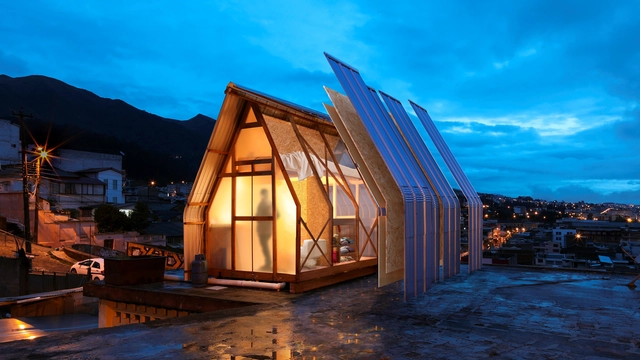
Tree House. Image: Courtesy of Fletcher Crane Architects
The first light switch has come a long way since its invention in 1884 by John Henry Holmes in Newcastle, England. Holmes' ingenious 'quick-break technology' transformed the way electricity was managed, ensuring safer and more efficient lighting control. Since then, switches evolved in both form and function, embracing diverse designs—from toggles and rockers to the LED-illuminated models and sleek touch sensors. The function of the switch has also broadened, allowing us to operate more than just light at our fingertips, revolutionizing the convenience of shaping our interior environments.
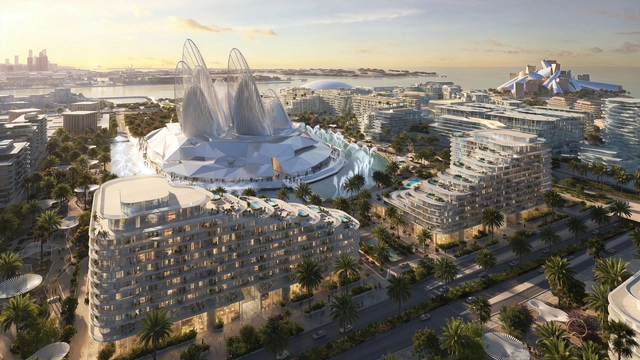
Mandarin Oriental Residences in Abu Dhabi's Saadiyat Cultural District / BIG. Image Courtesy of BIG
Recent architectural announcements showcase a global range of projects. This month, some of the most recognized architectural offices in the world have announced ambitious projects, some engaging with local communities, rediscovering and revitalizing existing structures, or contributing to complex architectural landscapes. Among them, BIG revealed their proposal for Saadiyat Island, a cultural district that gathers some of the world's most famous designers. Additionally, Populous revealed a new performance center, KCAP is developing a framework for an eco-industrial park, and Henley Halebrown is working to revitalize an overlooked structure in Belgium, reopening it to the local community. Read on to discover a collection of recent announcements from the architectural world, peeking into established architects' processes and recent announcements.
The winners of the "Europe 40under40®" program for 2023-2024 have been announced, celebrating promising talents in architecture and design. This recognition highlights projects from emerging professionals under the age of 40, including architects, landscape architects, urban planners, and industrial designers. The program, initiated by The European Centre, aims to showcase a new generation of designers who are poised to impact the future of living and working environments, cities, and rural areas.
All winning projects will be displayed in the exhibition titled "40 Young European Architects with New Visions," scheduled for December 2024 at The European Centre, located in Athens, Greece. The exhibition will coincide with an awards ceremony. Moreover, a special edition publication by Metropolitan Arts Press will feature this year's cohort of talented architects and designers, aiming to reach an international audience of architecture enthusiasts.
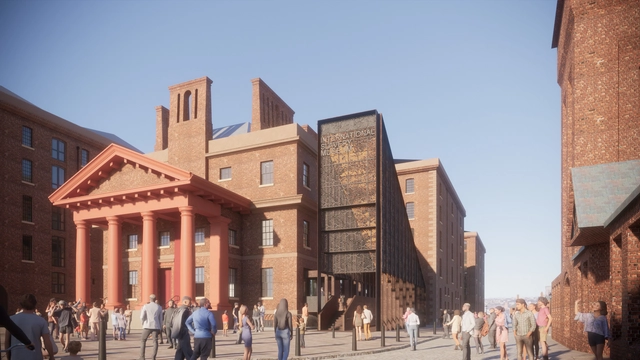
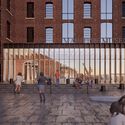
The redevelopment of the International Slavery Museum and Maritime Museum in Liverpool, UK, has been officially approved. Led by Feilden Clegg Bradley Studios, the project titled "Two Museums, One Vision" aims to transform the two venues on Liverpool's waterfront into engaging and welcoming spaces that properly address contemporary issues and reveal untold histories. aims to comprehensively narrate Britain's maritime history alongside its involvement in the transatlantic slave trade. Both venues are set to close early in 2025 for the redevelopment works to begin, according to the National Museums Liverpool. The completion date is scheduled for 2028.
Skidmore, Owings & Merrill (SOM) have announced plans to redevelop the 95th and 96th floors of the iconic 875 N. Michigan Avenue, formally named the John Hancock Center. The building, originally designed by SOM in 1967 and completed in 1970, is recognized as the world's first mixed-use skyscraper, having become a recognizable feature of Chicago's skyline. The redesign endeavor aims to reimagine the two floors, measuring 30,000 square feet, into an observation deck and an attractive destination in the city.
For centuries, models have been central to architectural design, providing architects with a tangible way to explore ideas, test concepts, and communicate their vision. From the Renaissance to Modernism, models have been instrumental in the construction and reflection processes, offering insights into form, proportion, and spatial relationships. However, in today's digital age, where 3D modelsand Virtual Reality(VR) have become powerful and efficient tools, the question arises: Are physical models still relevant in contemporary architecture?
The Mies Crown Hall Americas Prize (MCHAP) has announced the winner of the fifth MCHAP.emerge award: the Community Production Center Las Tejedoras in Guayas, Ecuador, designed by Natura Futura architect José Fernando Gómez and architect Juan Carlos Bamba. The project offers a hub for local women artisans, providing them with spaces to learn, create, and showcase their textile creations. The winner announcement was made at the Conference on Critical Practice held at Mies van der Rohe's S. R. Crown Hall, an inaugural event that brought together the four MCHAP.emerge finalists to open up conversations about the future of the architecture profession across the Americas.
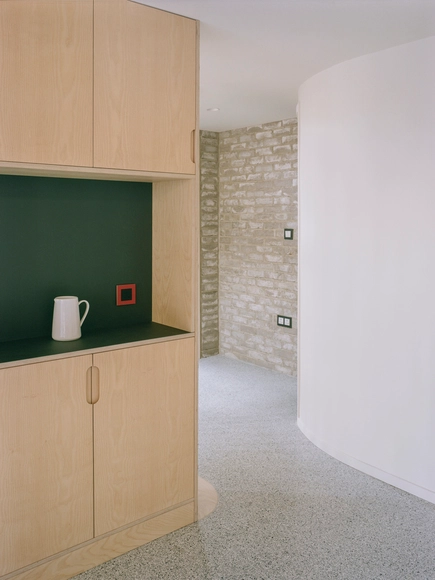
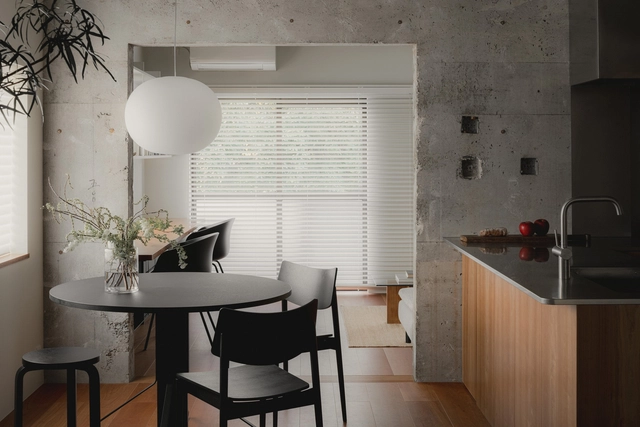
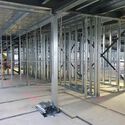
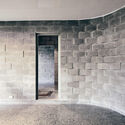
Two primary building approaches are commonly identified in architecture and design: solid versus hollow construction. These methods vary significantly across different cultures and regions, specifically for interior partitioning systems, when they appear interchangeable. Each has its own established practices influenced by local materials, labor preferences, climatic conditions, and cultural traditions. When architects and designers focus on their local context, it is easy to overlook the broader construction assumptions, limiting design flexibility and methodology. This raises an important question: How do these two building approaches differ?
Focusing mainly on interior systems, the distinctions between solid and hollow construction largely stem from the availability of materials and workforce preferences. For example, in the United States and Japan, stud walls, both wood and metal, are frequently used for partitioning. Conversely, brick remains the predominant material for partition walls in regions such as Hong Kong and southern China. Why do we build differently, and what are the benefits and challenges of each building methodology?