Where cities were once shaped by simple structures that could adapt to new uses, they are now packed with rigid dwellings—often designed with a single use in mind and fixed in both layout and lifespan. As climate deadlines tighten, communities demand more resilient, resource-conscious spaces, and work and living patterns continue to shift, this rigidity is becoming a liability. When buildings refuse to bend, they are often treated as disposable, triggering cycles of demolition, downtime, and loss. Adaptability, once considered an added convenience, is becoming an imperative—something the inaugural Adaptable Building Conference (ABC) in Rotterdam aims to put front and center.
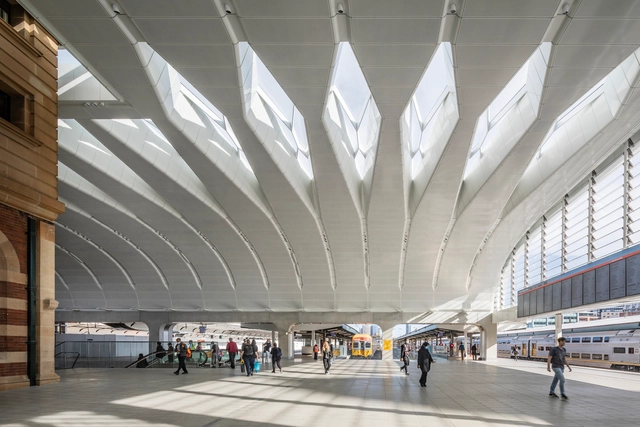
How does the construction sector shape the future of cities? What challenges does it face? At the crossroads of demographic, social, energy, and climate pressures, the construction sector is changing fast. Professionals, institutions, and citizens are working together to build environments that improve health and well-being, encourages durable and place-responsive solutions, cut carbon emissions, withstand climate risks, and provide affordable, high-quality housing.
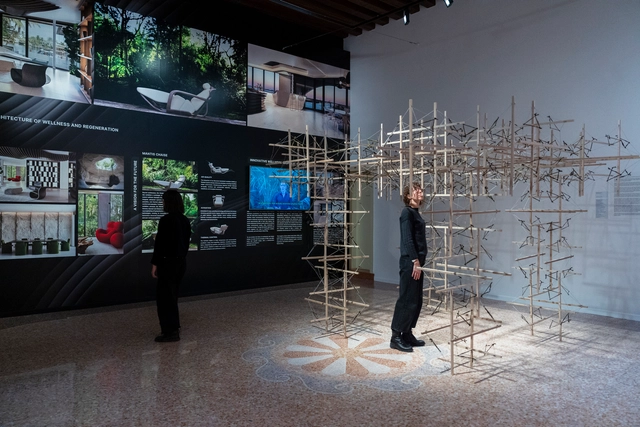
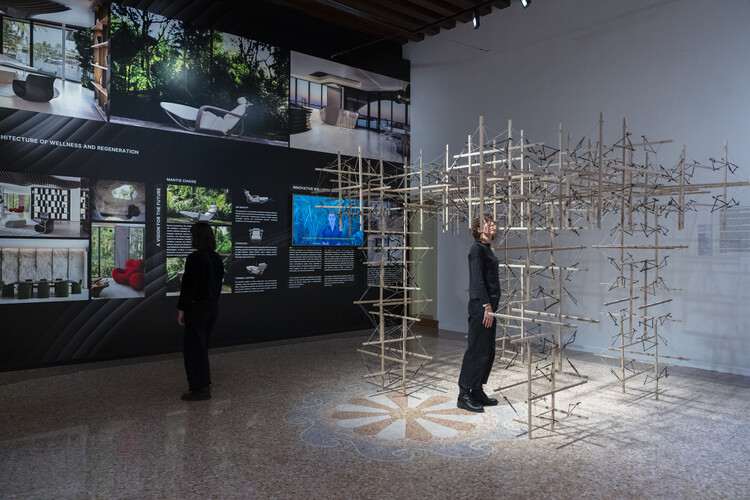
The European Cultural Centre (ECC) has announced the winners of the ECCAwards 2025, selected from participants of the seventh edition of Time Space Existence and unveiled during the exhibition's Closing Day on 23 November 2025 in Venice. Bringing together 207 practices from more than 52 countries, this year's edition highlighted a broad spectrum of architectural and design approaches responding to the themes of Repair, Regenerate, and Reuse. The awards recognise four projects that stood out for their originality, execution, narrative clarity, and forward-looking engagement with questions of sustainability, community, and the future of the built environment.
The ultimate accolades of World Building of the Year supported by GROHE, World Interior of the Year, Future Project of the Year and Landscape of the Year were announced today as hundreds of architects from across the world convened at a grand finale Gala Dinner at Miami Beach Convention Center in Florida. A host of Special Prizes, including the American Beauty Prize supported by the Royal Fine Art Commission Trust, were also announced at the closing event to celebrate the eighteenth edition of the festival. The announcement follows the final day of WAF, in which prize winners across all 43 categories have been competing for the winning titles.
https://www.archdaily.com/1036083/world-building-of-the-year-and-interior-of-the-year-revealed-at-world-architecture-festival-2025Enrique Tovar
In total, the three-day festival will see over 460 live pitches from the 2025 finalists, presented to more than 160 international judges. Today has seen shortlisted projects from around the world compete for 21 award categories within Completed Buildings, Future Projects, and Interiors. Award winners include OMA, Sordo Madaleno, Studio Arthur Casas, and NIKKEN SEKKEI.
https://www.archdaily.com/1036039/world-architecture-festival-2025-day-two-winners-announcedEnrique Tovar
In total, the three-day festival will see over 460 live pitches from the 2025 finalists in front of over 160 international judges. Today has seen shortlisted projects from around the world compete for 22 award categories within Completed Buildings, Future Projects, and Interiors. Award winners include WOW Architects, BIG-Bjarke Ingels Group, Batlleiroig, and Perkins&Will.
https://www.archdaily.com/1035985/world-architecture-festival-2025-day-one-winners-announcedEnrique Tovar
Dedicated to high-end lighting specification, the UK's trade show LiGHT 25 will return to the Business Design Center in Islington, London, on November 19–20, 2025. Following LiGHT 24, which attracted more than 5,500 visitors, this year's edition will feature an expanded program of innovation, education, and networking opportunities. Key highlights for 2025 include the introduction of the Technical Zone, the return of the Associations Lounge, and a new large-scale immersive light art installation.
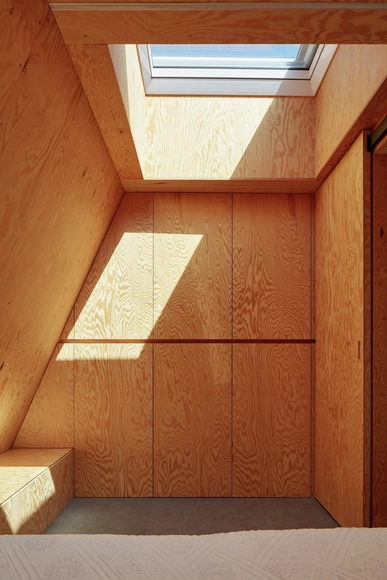
Architecture goes beyond its fundamental function of defining spaces and providing protection; it shapes the user experience, influencing sensations of comfort, spaciousness, and well-being. Among the many elements that make up a building, openings play a crucial role in connecting the interior and exterior, balancing privacy with transparency, and allowing the entry of natural light and ventilation. In particular, natural light transforms environments, defines atmospheres, and enhances architectural details, making spaces more dynamic and inviting.
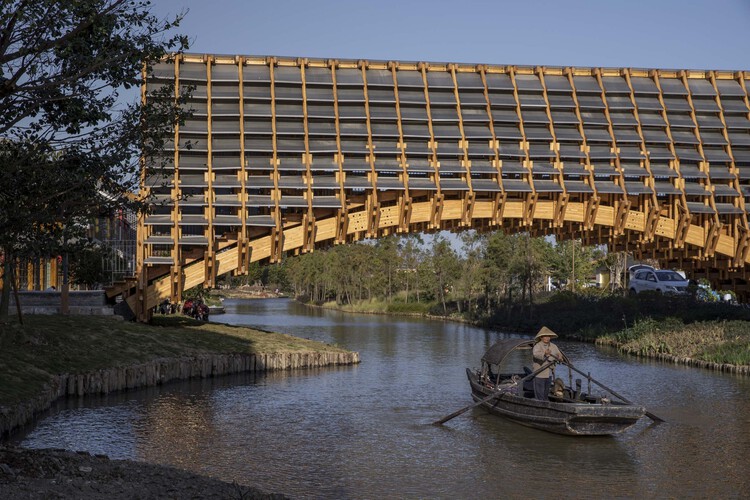
Transcending their role as mere infrastructure, bridges have long served as powerful architectural statements. This expressive potential is now being explored with renewed vigor across South-East Asia, where a growing number of architects are re-evaluating traditional materials. By championing wood and bamboo, these designers are creating distinctive structures that integrate local craftsmanship with contemporary needs, resulting in landmarks that are both functional and deeply rooted in their landscape.
The selection was made by a jury composed of Melike Altınışık, Hans-Petter Bjørnådal, Eleni-Stefania Kalapoda, and Adrian Yap, who evaluated submissions from a range of scales and typologies. The winning projects will be presented in the exhibition "40 Young European Architects with New Visions," opening on December 5th, 2025, at The European Centre, Contemporary Space Athens. A special yearbook publication by Metropolitan Arts Press will also document the selected works, making them accessible to international audiences. Submissions are now open for the 2025–2026 edition, with a deadline of December 15, 2025.
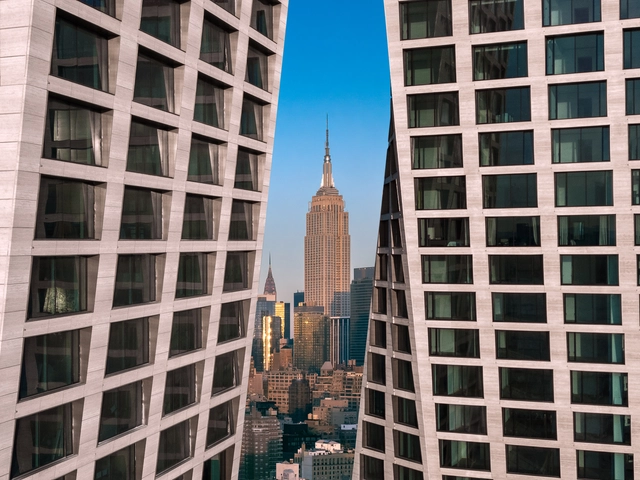
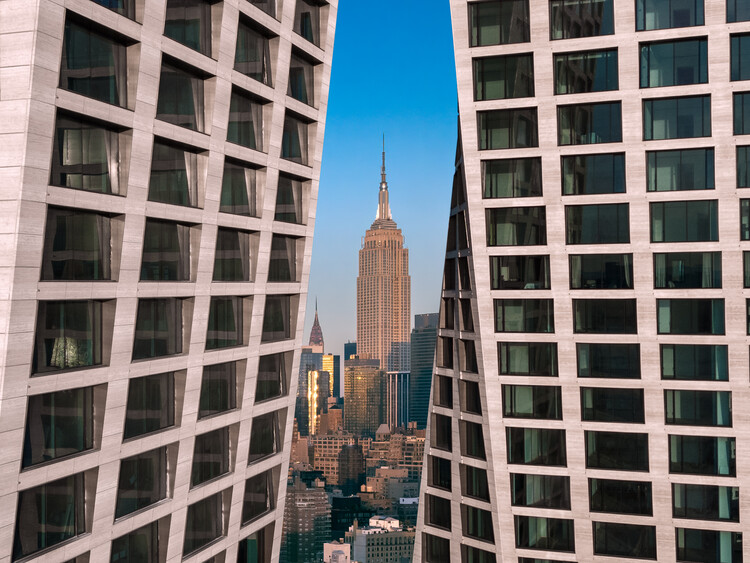
In the complex ecosystem of architectural development, where innovative concepts meet market realities, a distinct role exists to bridge diverse professional interests and realize impactful spaces. Elisa Orlanski Ours exemplifies this function. This is the domain of Elisa Orlanski Ours, a designer, educator, and industry leader. As Chief Planning & Design Officer at Corcoran Sunshine Marketing Group, Elisa founded her department two decades ago. Now, her extensive portfolio spans condominium skyscraper master plans and individual branded villas across continents, including significant New York City developments like Hudson Yards and 220 Central Park South, as well as international developments in collaboration with prominent architectural firms like SHoP Architects, BIG, Herzog & de Meuron, Adjaye Associates, and SO-IL. Her strategic perspective on bringing projects from schematic phase to final sale provides valuable insights into the industry's intricate workings. ArchDaily's Managing Editor, Maria-Cristina Florian, had the opportunity to discuss these critical topics with Elisa in the following interview.
The World Architecture Festival (WAF) has announced the shortlist for its 2025 edition, highlighting notable examples of completed buildings, future projects, interiors, and urban landscaping from around the world. The announcement comes ahead of WAF's first event in the United States, which will take place at the Miami Beach Convention Center from November 12 to 14, 2025. Finalists will present their projects within their categories during the first two days of the festival. Selected from more than 780 entries, this year's shortlist features over 460 projects that span a broad range of categories, including Creative Re-Use, Housing, Education, Hotel, Sports, and Culture.
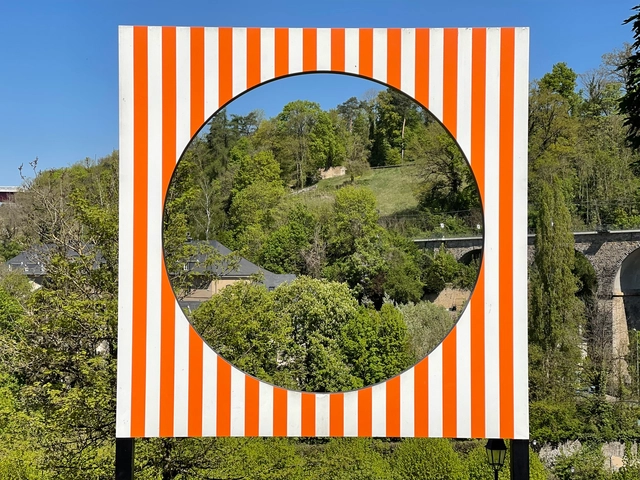
Public space has long been central to architectural thought, often framed in terms of planning, infrastructure, and regulation. From Haussmann's Paris to contemporary masterplans, architects have worked to define and formalise collective life through spatial tools. Yet, outside of these frameworks, artists have continuously offered alternative ways of understanding and inhabiting public space—ways that rely not on construction or permanence, but on presence, perception, and participation. Through actions, objects, or atmospheres, artists engage the city as a site of friction and imagination. These gestures challenge architectural conventions and invite artists to reconsider public space not as a solved form, but as a contingent and open process.
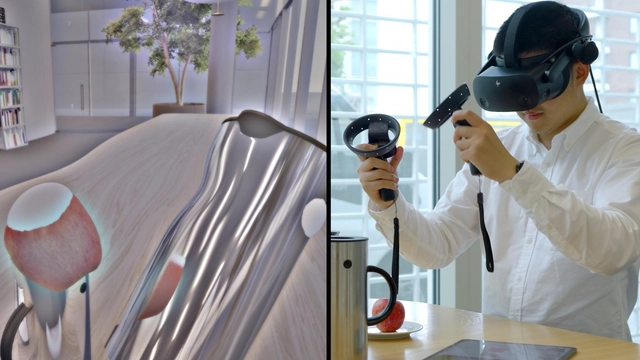
VARID A VR-AR Toolkit for Inclusive Design.. Image Courtesy of Foster + Partners
Over the last decade, architectural design has relied on 2D methods of representation, such as elevations, sections, and floor plans, paired with digital renderings of 3D models. While these tools are essential to convey geometry and intent, they remain limited by their two-dimensional format. Even the most realistic renderings, created through programs like SketchUp, Revit, or AutoCAD, still flatten space and distance the viewer from the lived experience of a project. Recently, architects have begun to explore immersive technologies as a way to bridge this gap between drawing and experience, offering new ways to inhabit and assess spatial proposals.
Buildner is pleased to announce the results of its third annual Architect's Chair Competition, which received excellent ideas from around the globe. Buildner has published two books on the topic, highlighting key ideas and outstanding projects from its past editions. With registration now open, we invite you to share your vision of the ideal chair by September 18th—submit your entry here.
Chair design exemplifies the interdisciplinary nature of architecture, showcasing architects' ability to adapt skills and sensibilities across scales and contexts, blurring the lines between architecture, design, and art. This versatility empowers architects to explore new ideas and challenge conventional notions of chair aesthetics, materials, and technology.
The 19th International Architecture Exhibition of La Biennale di Venezia opens in less than two weeks, on May 10, 2025, and will remain open to the public until November 23. On the day of the opening, the official Awards Ceremony will take place, during which a selected international jury will confer several official prizes, including the Golden Lion for Best National Participation. The recently announced jury includes South African architect, lecturer, and curator Mpho Matsipa; Italian curator Paola Antonelli, Senior Curator and Director of the Department of Architecture and Design at the Museum of Modern Art (MoMA) in New York; and Swiss curator, critic, and art historian Hans Ulrich Obrist, Artistic Director of the Serpentine in London, who will serve as President of the Jury.
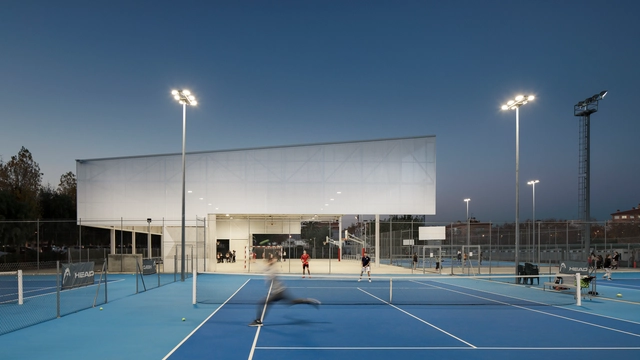
Community benefit is among the first terms mentioned when announcing a new public project. This is especially true in the case of sports halls, promising improvements in well-being and social cohesion. At a closer look, two typologies of sports halls emerge, with varying degrees of involvement with community life: on the one hand, there are large-scale venues dedicated to hosting international competitions, often boosting the capacities of thousands of people, taking on the role of modern landmarks alongside stadiums. On the other hand, there are small-scale multi-purpose sports halls, commonly annexed to schools, dispersed throughout neighborhoods, or present in rural areas with limited access to other public amenities. Despite the often-understated presence, these venues embrace and expand their multi-purpose role by offering opportunities to play, connect, organize events, and support diverse community activities.
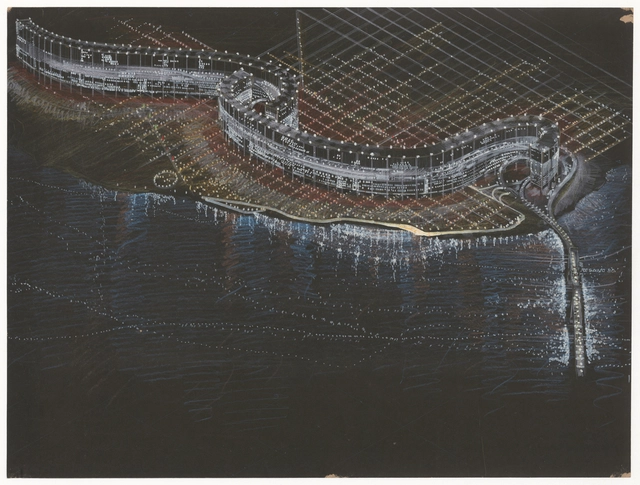
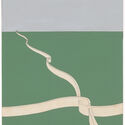
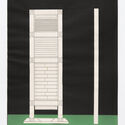
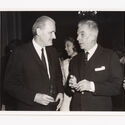
Through his unbuilt projects, built works, and research, Amancio Williams's ideas emerge as the result of a deep understanding of the most advanced trends of his time reflecting on architectural design, urbanism and city planning. By exploring various themes, concepts, and even materials, he aims to create a personal universe that interprets the present as something future-oriented, both international and distinctly Argentine. His proposal "La ciudad que necesita la humanidad" presents linear and layered buildings raised 30 meters above ground, incorporating everything from office spaces to roads and magnetic trains on different levels of a single structure. The Amancio Williams archive at the Canadian Centre for Architecture in Montreal documents Williams' career as an architect and designer from the 1940s to the late 1980s. The fonds documents his work for over 80 architectural, urban planning and design projects, as well as the administration of his architecture practice and his professional activities. Including drawings and sketches, presentation models, photographic materials, such as photographs of models, finished project (when realized), reference images, photographic reproduction of plans, and site photographs, the archive is available to consult offering more details.