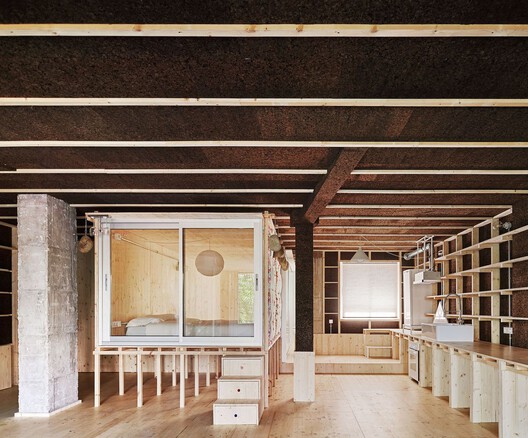
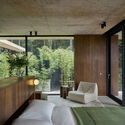
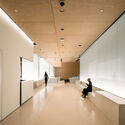
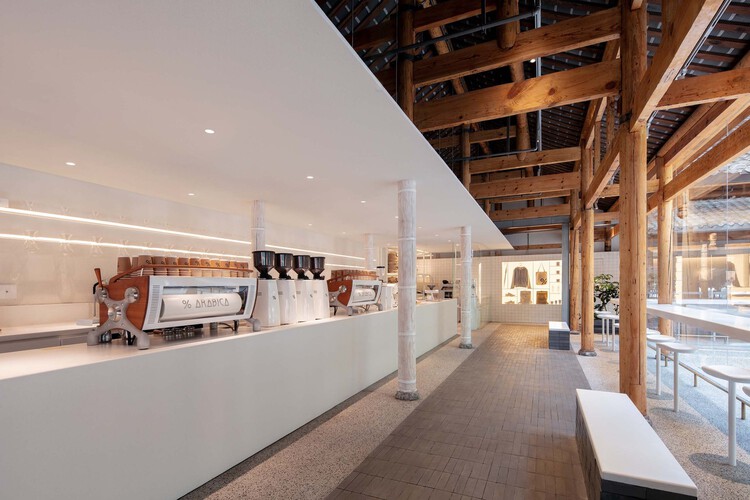
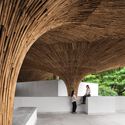
How can we transport ourselves to natural environments when we find ourselves in entirely urban contexts? The materiality of spaces is one of the factors that determines the atmosphere we inhabit. In this regard, the incorporation of natural materials in interior architecture can help introduce textures, colors, and qualities inherent to nature into our daily spaces. In this article, we explore the specific use of cork as a resource in interior design and the different ways it can transform the experience of a space. Cork is the bark of the cork oak, a tree species that, when harvested without harming the tree, can be transformed into a material suitable for multiple applications in architecture and design.
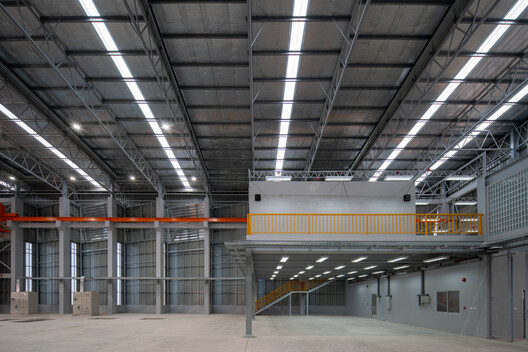
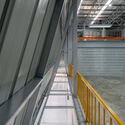
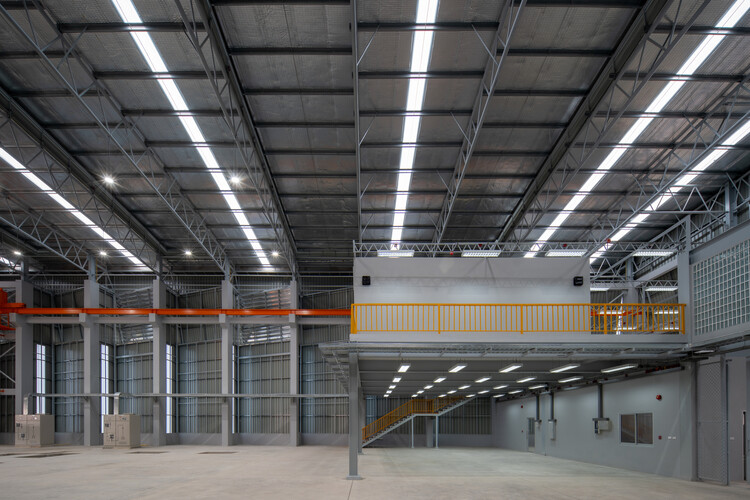
The Industrial Foundry for Marine Vessels. Image Courtesy of Naksit Wisetmora
Industrial buildings are often expected to prioritize efficiency, production, and technical performance above all else. As a result, architectural quality is frequently treated as secondary to functional requirements. Advances in material systems, however, allow industrial facilities to balance both, creating buildings that respond to climate, improve working conditions, and establish a distinctive architectural identity.
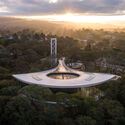
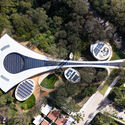
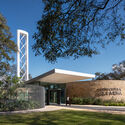
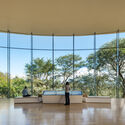
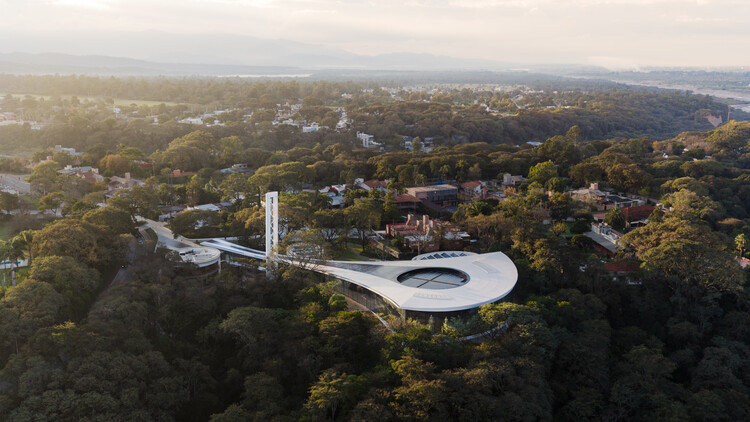
Pelli Clarke & Partners has completed the Lola Mora Cultural Center in San Salvador de Jujuy, Argentina, a new cultural institution dedicated to the life and work of Argentine sculptor Lola Mora (1866-1936). Located in the country's northwestern region, the project is the firm's first cultural building in South America and the final project led by its founder, the late César Pelli. Designed as a net-zero facility, the center brings together six of Mora's monumental marble sculptures for the first time in more than a century, providing a permanent home for works that were previously displayed outdoors in Jujuy.
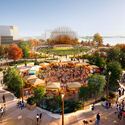
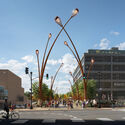
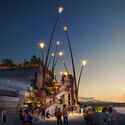
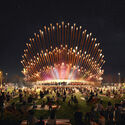
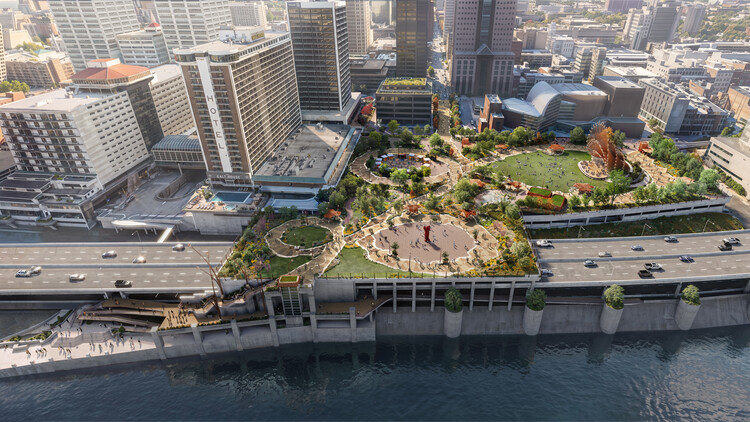
Louisville's Belvedere in Kentucky is a 53-year-old gathering place for concerts, festivals, and community events. The elevated concrete plaza was built on top of the city's largest parking structure and stands over a major highway overpass. Since 1973, it has functioned as a riverfront civic space for events and large gatherings, but its use as a casual public space is in evident decline. In its current state, the space lacks shade, greenery, and amenities, while the concrete deck has worn over the years. In February 2025, Heatherwick Studio unveiled the first images of its vision to transform the Belvedere, a project commissioned by the city's mayor and the Louisville Metro Government. This week, the firm released new images of the redesign as an open, green, and flexible space connected to downtown Louisville.
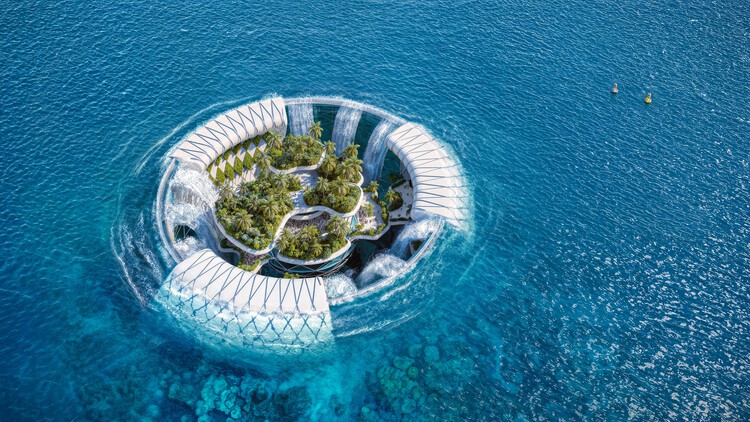
Getting away is a long-held fantasy and desire. In literature, film, and music, people have created imaginary journeys, possible worlds, and settings for enjoyment. It is that fantasy that fuels a specific architectural typology: the hotel. Against a backdrop of scrutiny of tourism, the climate costs of travel, and the competition and externalities associated with short-term rentals, that fantasy takes on even more striking forms. A hotel is no longer just a place to stay, but a space for enjoyment that can encompass a wide range of activities, such as entertainment, relaxation, sharing a meal, and even working. This diverse range of concepts takes on organic and impressive forms in the seven unbuilt projects compiled in this article, which range from urban hotels to beach resorts.
Craft in contemporary interiors is increasingly valuable in the way materials are joined and brought into relation with one another. As the appetite for fast, inexpensive, and profitable retrofitting grows, there is also a parallel desire for interiors that feel thoughtfully resolved: spaces where details are integrated, material assemblies are considered, textures transition with intention, and hardware is treated as part of the architectural language rather than an afterthought. In many contemporary Chinese interiors, craft operates quietly through the treatment of surfaces and structures: timber that retains its irregularity, terrazzo that records aggregate and handwork, or finishes that reveal the care of their making.
This is especially important in an era when digital images increasingly reward smoothness. Rendered interiors often appear seamless, frictionless, and complete before construction has even begun. Craft complicates this image. It introduces tolerance, texture, material resistance, and the sense that a surface has passed through human hands before becoming architecture. Imperfection is not necessarily a failure of precision. To the eye that knows how to read it, it can become evidence of process.
Between the eighteenth and nineteenth centuries, traveling through Rome, Paris, Venice, Florence, and other European cities was considered an essential part of a newly graduated architect's education. At a time when access to photographs and publications was extremely limited, these trips were the primary way to experience architecture up close. In the early twentieth century, Le Corbusier reinterpreted this tradition in his own way: at 23, he embarked on the Voyage d'Orient, passing through the Balkans, Istanbul, and Athens, producing travel notebooks he would return to throughout his life.
sauerbruch hutton and Studio Gang have been selected to renovate the German House in New York following an international competition organized by the Federal Republic of Germany. Located on United Nations Plaza in Manhattan, the building houses the Consulate General of Germany, the Permanent Mission of Germany to the United Nations, and several affiliated cultural institutions. The project marks the first collaboration between the two practices. Berlin-based sauerbruch hutton will serve as Lead Designer, while Studio Gang will act as General Planner and Architect of Record, overseeing project delivery and implementation. The proposal focuses on adapting the existing building, with the stated goal of extending its lifespan while improving its operational and environmental performance.
Hungary's architectural landscape spent the socialist decades being redrawn from above, its cooperative farms consolidated out of family plots and its standardized housing blocks distributed across the territory in a form that would have been identical anywhere else. The sociologist Virág Molnár, whose Building the State traces the political uses of architecture in postwar Hungary and East Germany, has made the case that this reshaping of the built environment was one of the political project's primary instruments and not a byproduct of it, a mobilization that carried through socialist modernization and into the transition that followed. The British critic Owen Hatherley, whose Landscapes of Communism explores the housing estates of Budapest alongside those of Warsaw and Kyiv, describes the far end of that same inheritance, where buildings have outlasted the ideology that commissioned them and remain occupied by people with little stake in defending the reasoning behind them.
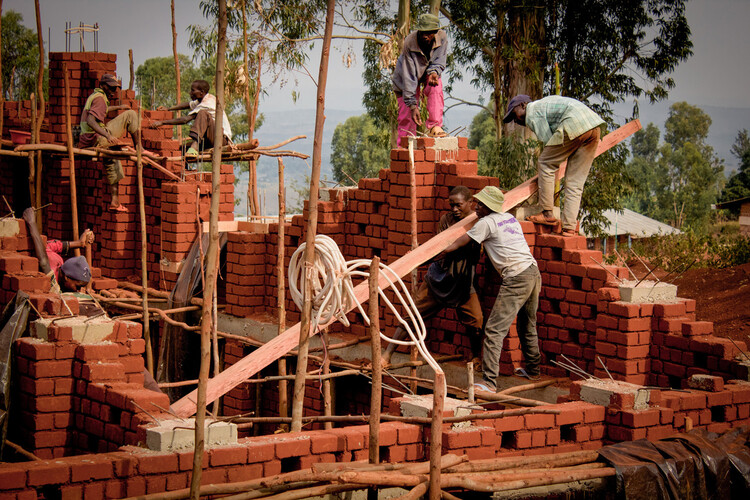
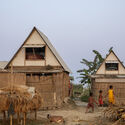
There has never been a more celebrated moment for craftsmanship in architecture. Across magazines, awards, and international exhibitions, handmade brick, lime plaster, carved stone, woven bamboo, and rammed earth have re-emerged as symbols of environmental responsibility, cultural continuity, and architectural authenticity. Beyond these carefully documented projects lies another reality. The overwhelming majority of buildings constructed today, from apartment blocks and office towers to public housing and commercial developments, continue to rely on industrialized systems that leave little room for skilled artisans. Craft has become increasingly visible at the very moment it has become increasingly uncommon. In countries such as India, the contrast is difficult to ignore. Centuries-old building traditions continue alongside one of the world's fastest-growing construction industries. To reframe the question of why craftsmanship is returning, perhaps the intrigue is why it now appears primarily where construction budgets, timelines, and clients can afford it.
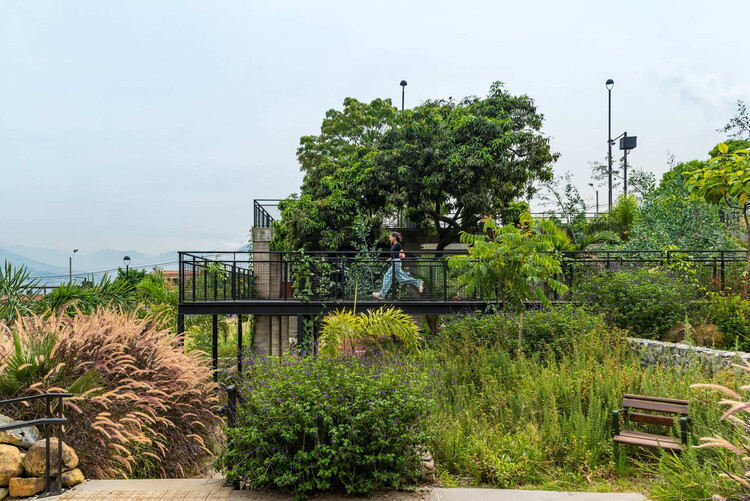
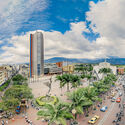
Parque Prado, Colombia, by Connatural Arquitectura en el Paisaje. Image Courtesy of International Union of Architects (UIA)
International Youth Day, observed annually on August 12, is marked in 2026 under the theme "Different Contexts, Common Aspirations," highlighting the shared aspirations of young people across diverse social, economic, and geographic realities. Despite differences in where and how they live, young people around the world continue to seek dignity, opportunity, meaningful participation, decent work, quality education, and a sustainable future. The day provides an opportunity to recognize their contributions while drawing attention to the conditions and opportunities that shape their lives.
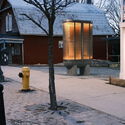
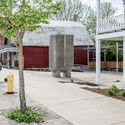
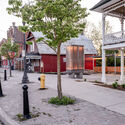
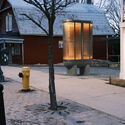
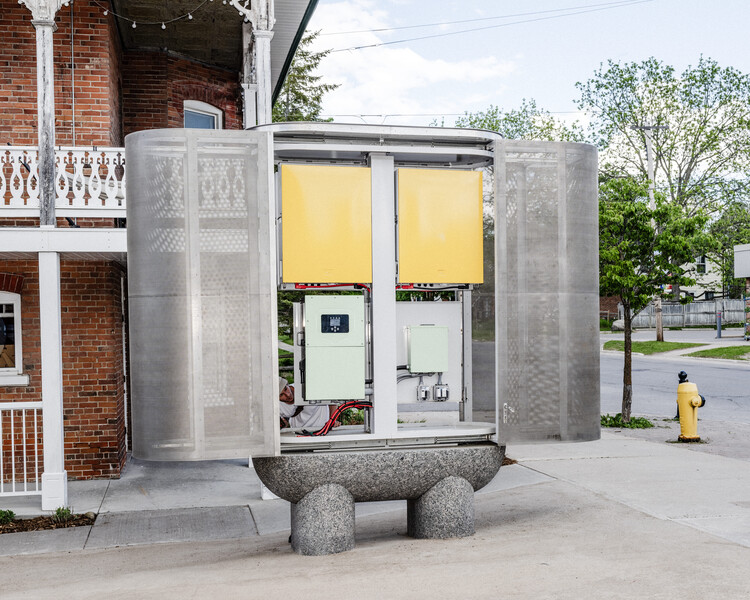
Against a backdrop of climate change, inflation, and armed conflict, the global energy system is undergoing change and facing scrutiny. As stated by the United Nations, buildings must be heated, lit, and electrified through clean, accessible, affordable, sustainable, and reliable power sources. Architecture and urban planning can contribute both to expanding energy access and to exploring different forms of storage. The Toronto-based startup Civic Grid designs and builds energy storage systems with the aim of changing the relationship communities have with the electrical power behind everyday life. Their first architectural battery was designed as public architecture by architects Jack Self and Josh Harskamp with industrial designer Max Fine. The prototype is the evolution of a deployable energy system developed with Lisbon Civil Defence for the Lisbon Architecture Triennale 2025, still in operation, and is paired with a scale model.
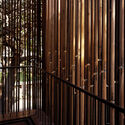
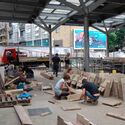
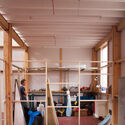
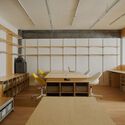
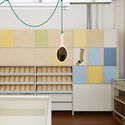
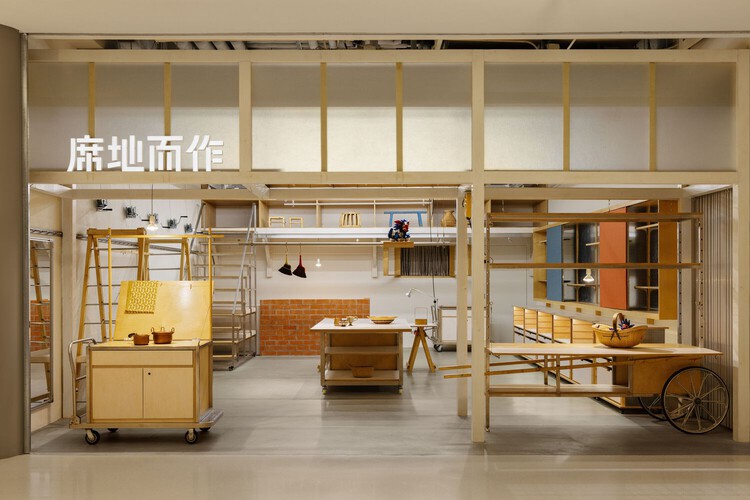
Craftsmanship carries the traces of those who shaped it, revealing how materials respond to different techniques and even offering clues about the tools used to create them. Within the architectural experience, however, craftsmanship can be expressed not only through materials and structures but also through space itself. Seeking to deepen and learn from the connections between design and execution, amass studio has explored the translation of informal, everyday construction methods into spatial systems across several of its projects. By integrating mechanisms, materials, structures, and furniture, the studio creates new spatial narratives in which the dialogue between the handcrafted and the industrial becomes mutually reinforcing. Beyond craftsmanship itself, then, why not make visible the processes that bring it into being?
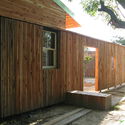
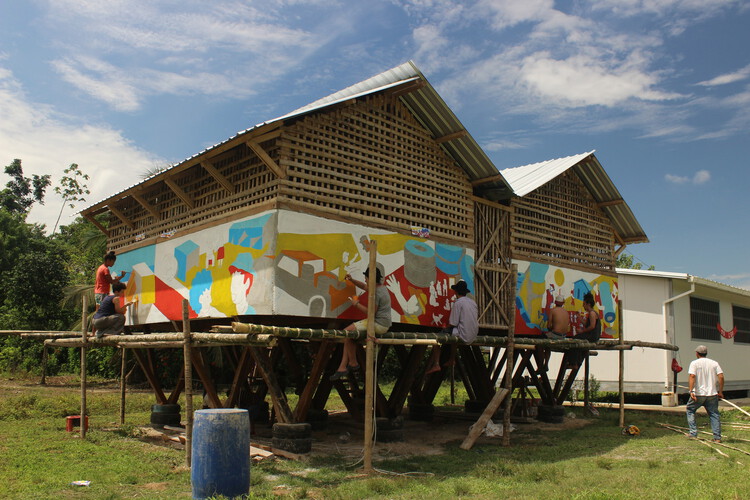
Founded in Quito in 2017 by Martín Real and Florencia Sobrero, Taller General works across housing, rehabilitation, exhibitions, and community projects. What ties them together is less a type of building than a way of building: architects, builders, craftspeople, students, organizations, and communities move in and out of the process, and each project takes shape from whatever is already there.
This approach grew from direct experience with construction. Before Taller General was formally established, Real and Sobrero became involved with Actuemos Ecuador, one of the civil society initiatives formed in response to the earthquake that affected Ecuador's coast in 2016. Working within the realities of building connected architectural decisions to materials, budgets, available labor, and local knowledge, this established a relationship with construction that has remained central to the practice.
For years, advances in architectural visualization have been measured by image quality. Physically accurate lighting, sophisticated material systems, and real-time rendering have made photorealistic imagery an industry expectation. Yet architectural practice has evolved in a different direction.
Today, clients, consultants, engineers, and design teams contribute earlier and more frequently throughout the design process. Design reviews no longer simply present decisions. They increasingly become part of how those decisions are made.
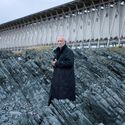
German filmmaker Wim Wenders is set to present "From Inside Out – The Architecture of Peter Zumthor," a new documentary examining the work and architectural approach of Pritzker Prize-winning architectPeter Zumthor. Running for 114 minutes, the film uses 3D cinematography to document Zumthor's buildings through the perspectives of visitors, users, inhabitants, and craftspeople. The documentary will have its world premiere in September 2026 as part of the Venice International Film Festival's Venice Open – Out of Competition program.
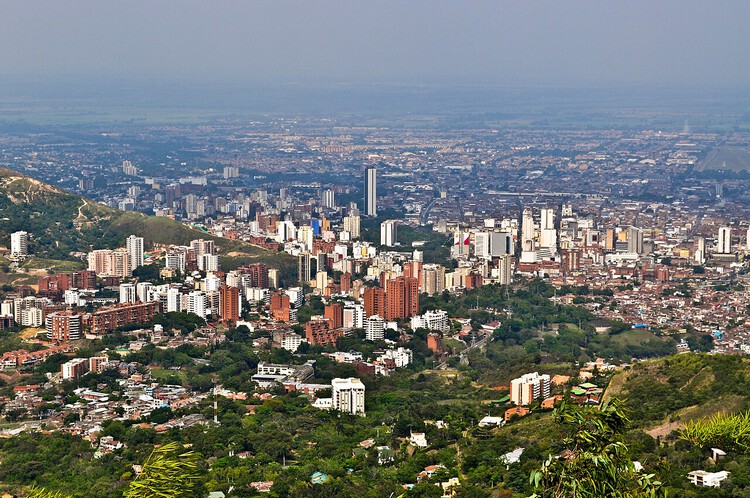
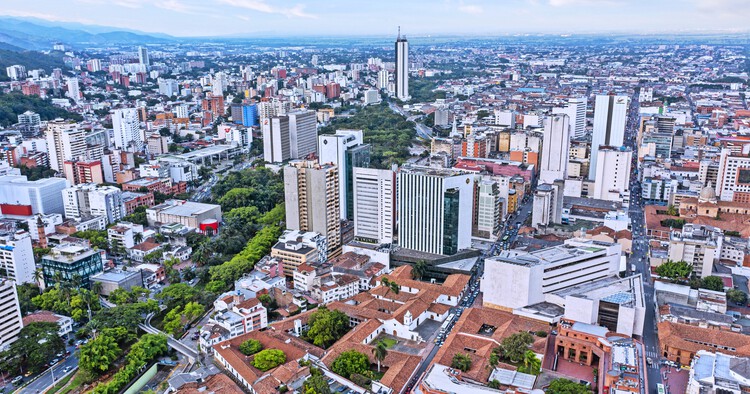
On Monday, 10 August 2026, a magnitude 7.4 earthquake struck Colombia's Pacific and Caribbean coasts. While the seismic event lightly affected the southern border of Panama and the northern border of Ecuador, Colombia has declared a national state of emergency. The earthquake has caused 111 deaths according to official reports, with the toll expected to rise as search and rescue efforts continue. According to the Servicio Geológico Colombiano (SGC), the epicentre was located 96 kilometres beneath the surface near San José del Palmar, a rural area in the northwest of the Chocó province. Infrastructure damage extends to densely populated cities including Cali, Pereira, Manizales, and Armenia, affecting an area with a population of about 3.5 million people. This seismic event follows four others that occurred less than two months ago in Japan, the United States, and Venezuela, adding to reconstruction efforts already underway worldwide.
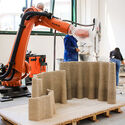
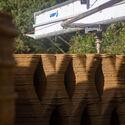
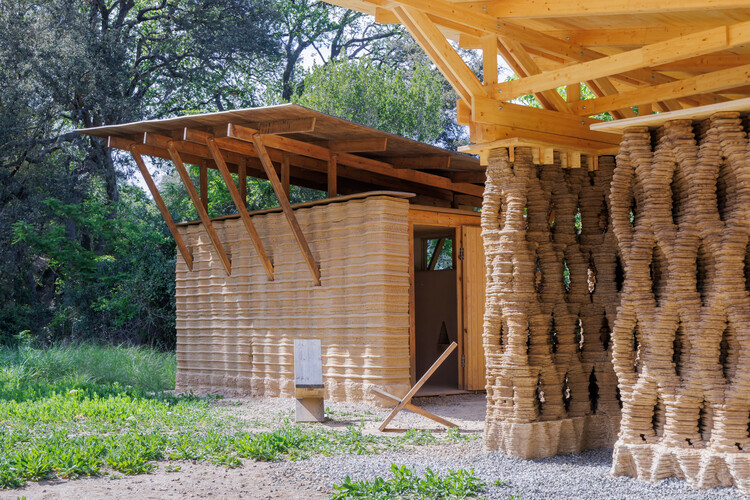
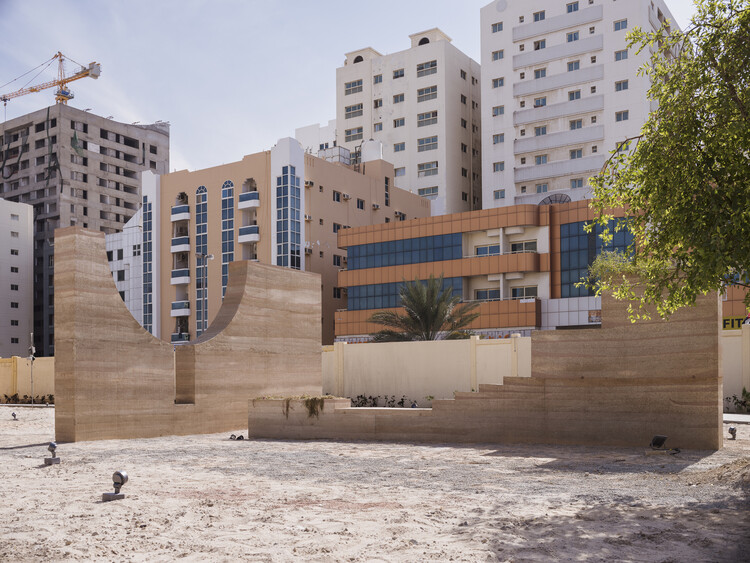
In 2021, a collaboration between the Italian architecture studio Mario Cucinella Architects and WASP, an Italian 3D-printing company, led to the development of TECLA: a house 3D-printed entirely from raw earth. Five years later, the technology behind it has grown, quietly spreading across several continents and design practices. By controlling the speed, angle, and path of the extruder nozzle, architects are able to create more than just walls. Throughout the years, they have been experimenting with how to shape the 3D-printed material into detailed surface motifs, reintroducing relief, texture, and intricate patterns directly into the structure. In this way, they are attempting to bridge earth-building traditions with digital computation, in an era where code is starting to influence form and material expression in architecture.
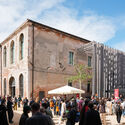
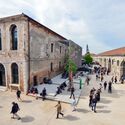
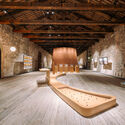
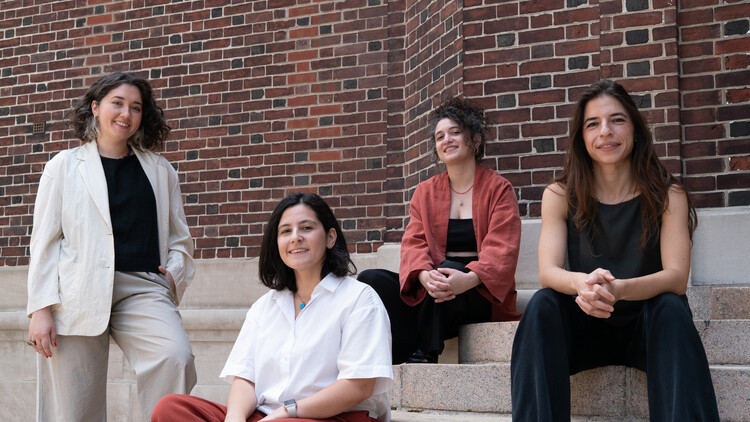
The TürkiyePavilion has announced "Spolia Futures" as its official exhibition for the 20th International Architecture Exhibition of La Biennale di Venezia, which will take place from May 8 to November 21, 2027. Commissioned by the Istanbul Foundation for Culture and Arts (İKSV), the exhibition will be curated by ba-be commons, a research collective composed of Başak Eren, Asya Ece Uzmay, Beril Sarısakal Erkent, and Ece Yetim. The proposal was selected through an open call and two-stage evaluation process to represent Türkiye at the 2027 edition of the Venice Architecture Biennale. The proposal examines spolia, traditionally understood as the reuse of architectural elements, as an evolving architectural method rather than solely a historical practice.
Every year on August 9, and since 1994, UNESCO has commemorated the International Day of the World's Indigenous Peoples. The United Nations has not yet adopted an official definition for the term 'Indigenous peoples,' but considers, for social recognition, self-identified non-dominant groups of society, with distinct language, culture, and beliefs, organized in separate social, economic, and political systems. From a territorial perspective, the UN understands the term through historical continuity with pre-colonial or pre-settler societies, and the group's strong links to territories and surrounding natural resources. The persistence in maintaining and reproducing ancestral environments and systems is also recognized as an element of identity, encompassing other designations such as first peoples/nations, aboriginals, or ethnic groups. Following the occasion's aim to raise awareness, in this article we present contemporary reflections, regional cases, and interviews about ancestral constructive knowledge and how it can build the future.
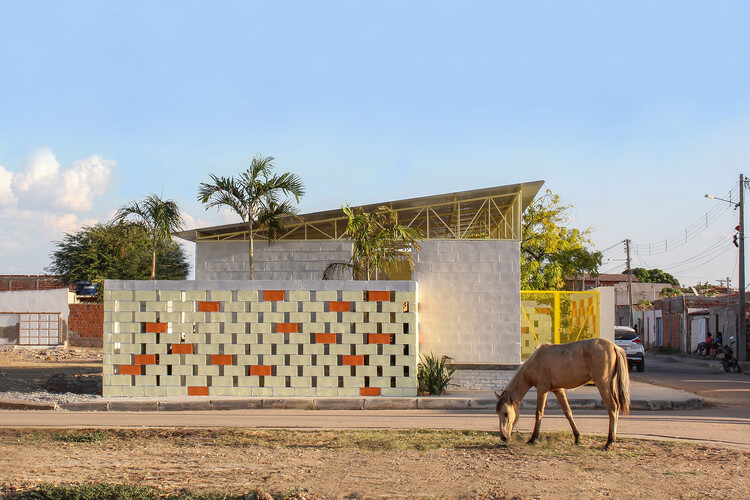
In 2021, the IBGE (Brazilian Institute of Geography and Statistics) released a survey regarding the number of cultural and social facilities in Brazil's cities. The findings were alarming: only 29.6% of Brazilian municipalities had cultural and social facilities such as museums, while theaters and concert halls were present in only 23.3% of cities. This overview speaks volumes about the scarcity of such spaces in Brazilian cities. In this context, when a women's cooperative in Maranhão or a volunteer group in Bahia decides to build their own cultural and community facility, the gesture not only fills a material gap but reclaims, on their own initiative, a right that should be guaranteed by public policy.
Architecture has long been understood as a discipline created by humans and for humans. But in We the Bacteria: Notes Toward Biotic Architecture, Beatriz Colomina and Mark Wigley challenge that assumption, arguing that "microbes invented architecture." From this premise unfolds an alternative history of architecture that shifts the focus away from human exceptionalism and toward the microorganisms that have shaped life, environments, and the built world for billions of years.
The book explores the idea that architecture cannot be understood separately from the microbial worlds that shape it, suggesting that "architecture inhabits humans just as much as humans inhabit architecture." Rather than inert objects, buildings emerge as dynamic ecosystems that Colomina and Wigley go as far as describing as "an expanded gut shared with others," where microbes, materials, people, and countless other forms of life continuously coexist, exchange, and evolve.