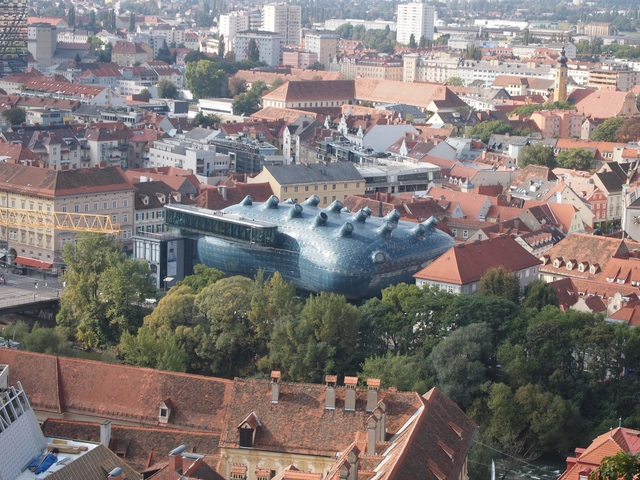
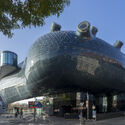
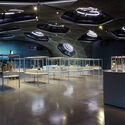
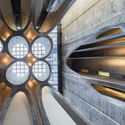
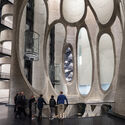
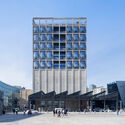
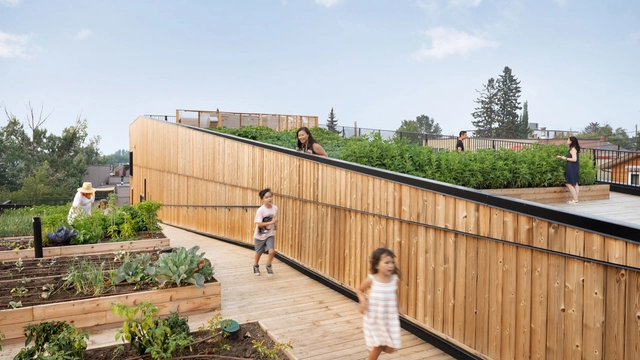
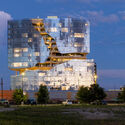
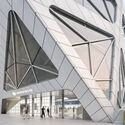
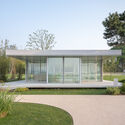
Situated along the River Mur in the Lend district, the Kunsthaus challenges traditional architectural norms with its organic, free-flowing design. Rejecting orthogonal geometry, the museum seamlessly merges art, architecture, and public interaction, redefining the concept of a cultural institution. Its impact extends beyond aesthetics, sparking urban revitalization in a once-overlooked neighborhood, and bringing cultural vibrancy and economic activity.
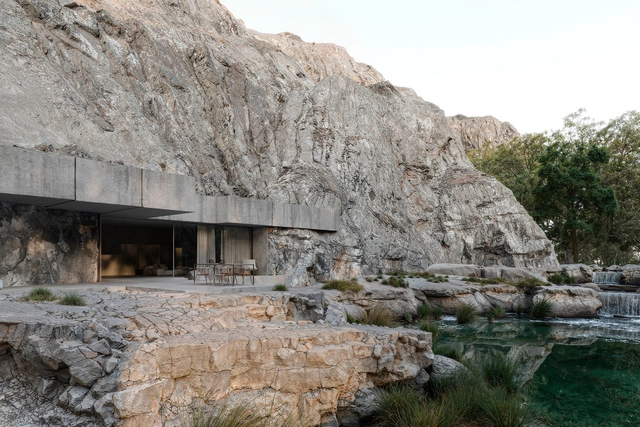
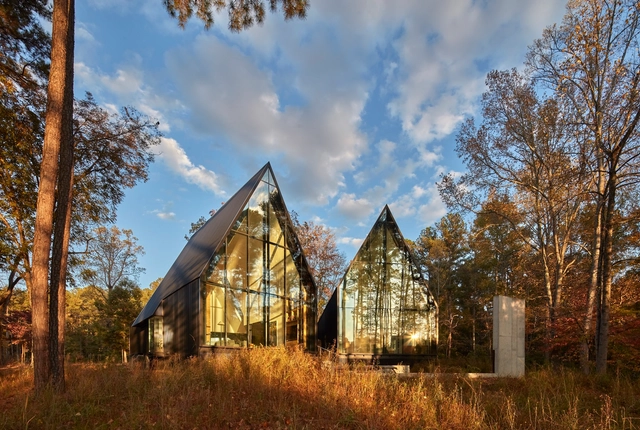
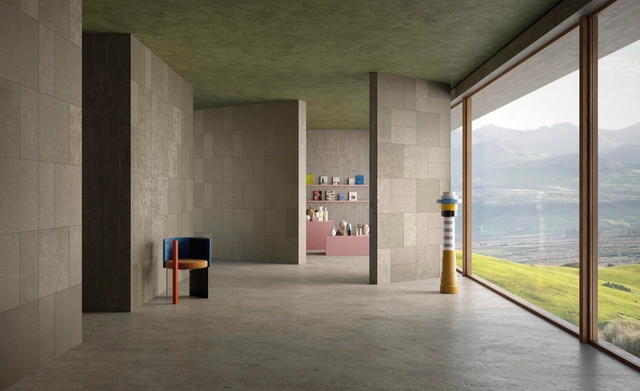
Residential architecture within natural settings presents a distinct departure from urban design. Unlike the densely populated, man-made environments of cities, the context shifts to a pre-existing, often subdued, natural landscape. This necessitates a more responsive and integrated approach, prioritizing harmony with the environment rather than dominance over it. Exploration of conceptual projects in this realm can help foster a deeper understanding of sustainable building practices, material selection appropriate to the ecological context, and the sensitive integration of human habitation into pre-existing ecosystems.
Each month, ArchDaily's editors select a collection of conceptual projects centered around a theme or program, submitted to ArchDaily. These projects are developed by small and large-scale architecture offices from around the world and submitted openly to the ArchDaily platform, thus forming a worldwide community of practitioners sharing their work, be it purely conceptual, a competition entry, or an early-stage design phase. Submissions are open to everybody. If you wish to contribute, send in your work by following the instructions here.
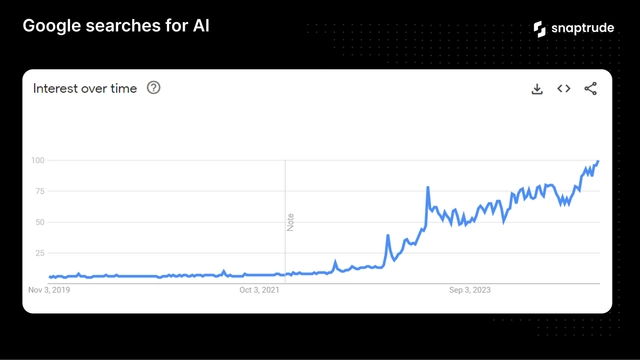
Just two years ago, AI was more science fiction than reality—something to joke about after making dystopian references to movies like I, Robot. But with OpenAI's release of ChatGPT in 2022, interest in AI is at an all-time high as the technology rapidly reshapes industries from tech and law to healthcare and, yes, AEC (Architecture, Engineering, and Construction).
There's an old saying: "When all you have is a hammer, everything looks like a nail" and with AI-driven design tools like Snaptrude, generative automation software like TestFit, and sustainability tools like Cove.tool, it's clear that AI is profoundly impacting the AEC industry in more ways than just one.
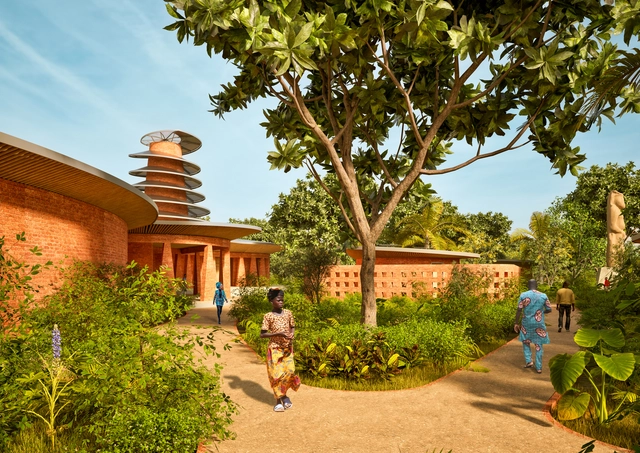
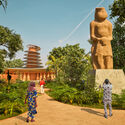
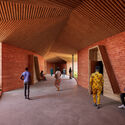
Kéré Architecture has revealed the design of a masterplan and series of buildings dedicated to the cultural and spiritual heritage of the Ewé people in the town of Notsé, in Togo. Commissioned by the Kothor Foundation, the center incorporates a sanctuary, several temples, a large-scale open-air amphitheater, as well as cultural functions such as exhibition halls, an auditorium, restaurants, and a reconstruction of the ancient royal palace of the Ewé Kingdom. The project, Francis Kéré's first in Togo, started construction in October 2024 and is scheduled for completion in February 2026.
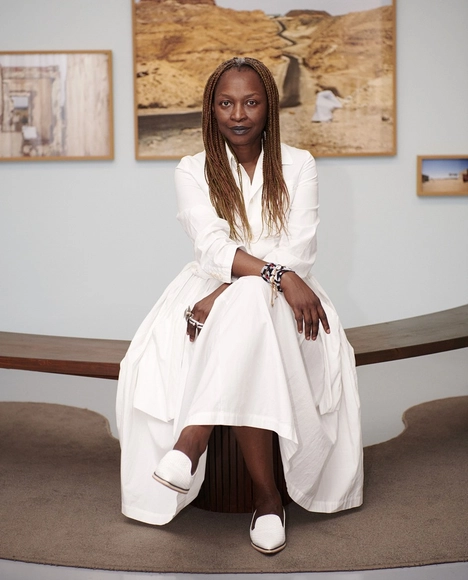
The Board of La Biennale di Venezia has just announced the appointment of Koyo Kouoh as the Director of the Visual Arts Department. Kouoh will lead the curation of the 61st International Art Exhibition, scheduled for 2026. This announcement follows a recommendation by Pietrangelo Buttafuoco, President of La Biennale, who emphasized Kouoh's extensive experience in the global art world and her ability to engage with contemporary artistic and cultural discourse. Born in Cameroon, Koyo Kouoh will become the first African woman to curate the Venice Art Biennale.
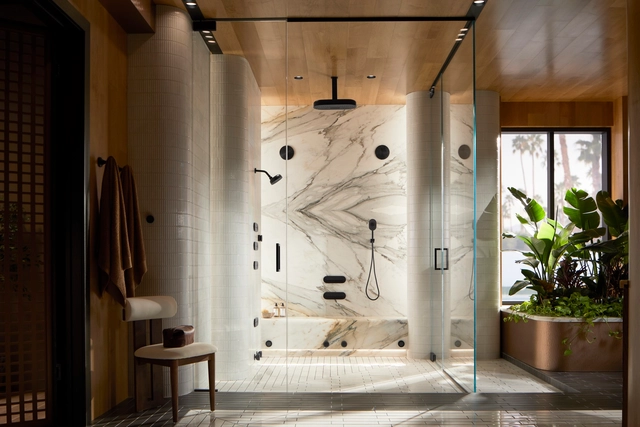
Anthem+™ - Shower environment. Image Courtesy of Kohler
Incorporating technology into architecture has transformed the way we design and experience environments across various scales, spanning from urban development to interior settings. Today, the concept of "smart spaces" embodies the fusion of innovation and design to enhance well-being and quality of life in our daily activities. This is achieved through seamless technological integration, encompassing a range of functions and systems via software, digital tools, and everyday devices like smartphones. As a result, activities like showering are experiencing significant advancements, evolving into a digital multi-sensory experience that offer personalized control over environmental factors, enhancing relaxation and well-being. These innovations enhance the interaction between technology, design, and users, fostering new ways to engage with spaces and subtly enriching our routine activities.
https://www.archdaily.com/1023948/creating-a-multi-sensory-digital-shower-experience-for-well-being-relaxation-and-controlEnrique Tovar
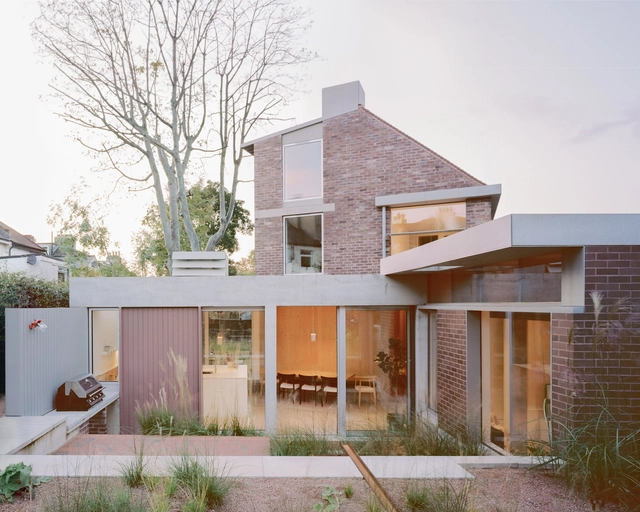
Six Columns, designed by 31/44 Architects has been announced as the winner of the RIBA House of the Year 2024 award. Designed by Will Burges, Director of 31/44 Architects, for his own family, this four-bedroom residence occupies a compact urban plot in Crystal Palace, South London. The home's design, inspired by the six prominent columns that define its structure, integrates with the surrounding terraced houses while retaining a distinctive and compelling architectural identity.
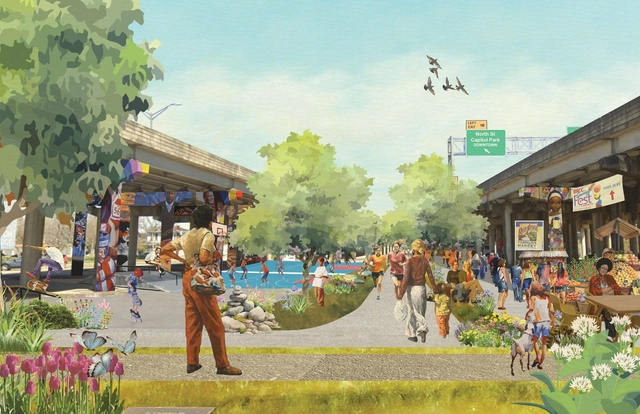
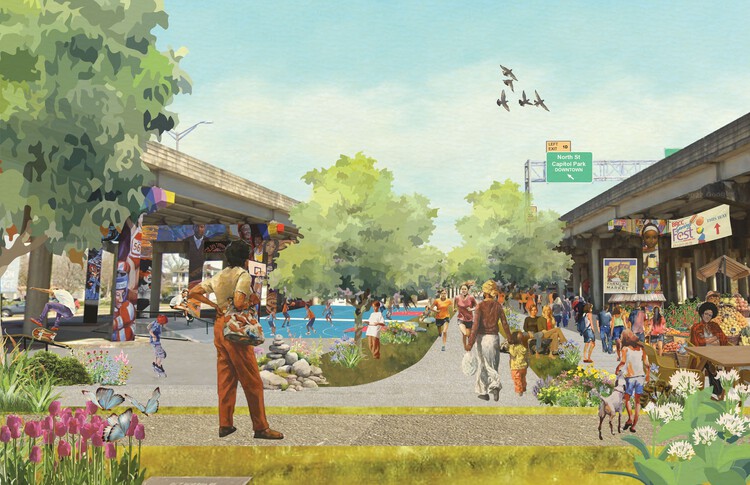
Global design firm Perkins&Will has just announced final plans have been approved for the Florida Corridor Plan in Baton Rouge, Louisiana, on which the firm is the leading planner and urban designer. This initiative, recently approved by the East Baton Rouge Metropolitan Council, aims to transform and rejuvenate a 12-mile stretch connecting downtown Baton Rouge to the Livingston Parish line.
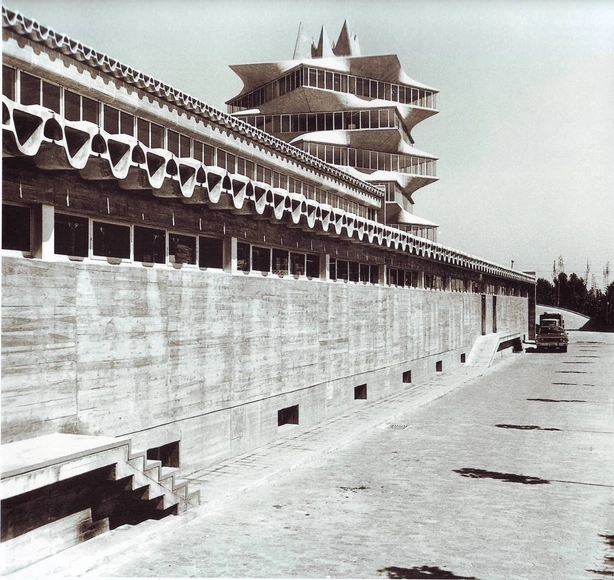
Architectural Classics featured on ArchDaily serve as a record of significant works that have influenced the evolution of architecture and design. These projects represent a range of styles, purposes, and contexts, offering insight into how architecture responds to cultural, social, and environmental factors. By revisiting these influential works, one can better understand the principles and ideas that have shaped the built environment globally over time. These classics highlight moments of design innovation while also providing a broader perspective on architecture's role in reflecting and shaping the world around us.
Today, our use of space—and by extension, our built environment—embraces a variety of functions, dimensions, and configurations. However, one key trait stands out: flexibility and multi-purpose design. This marks a shift from the traditional model, where spaces were rigidly defined by function, with distinct areas for working, resting, or socializing, each separated by fixed, solid walls. A key example of this shift is Skyfold's vertically folding retractable walls. With over 10,000 installations, Skyfold's operable walls redefine spatial boundaries and enhances versatility, enabling dynamic adjustments that quickly respond to evolving needs. Their widespread adoption underscores their effectiveness in addressing the challenges of modern interiors and architectural design.
https://www.archdaily.com/1023429/achieving-precision-in-flexible-design-the-path-to-10000-vertically-folding-skyfold-wallsEnrique Tovar
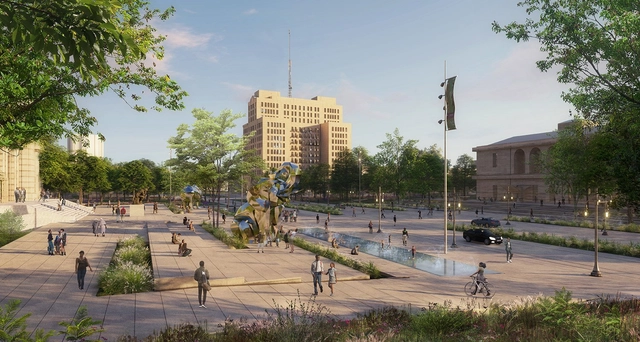
Woodward Avenue, between the Detroit Institute of Arts and the Detroit Public Library, serves as a public mediating ground on the nation's first paved road.. Image Courtesy of Agence Ter - Akoaki
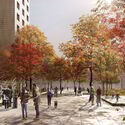
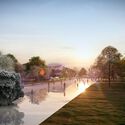
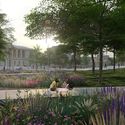
The Detroit Cultural District has announced an ambitious initiative to reshape its urban landscape. This multi-phased project led by the Detroit Cultural Center Association (DCCA) in partnership with Design Leads Akoaki and Agence Ter, will transform the district's character, creating a more vibrant and accessible environment for residents and visitors alike. The project builds upon a comprehensive master plan, outlining a 15-year vision for the 80-acre campus in Detroit, Michigan. The plan's guiding principles focus on unifying the district's twelve institutions, improving pedestrian flow, and fostering a stronger sense of community.
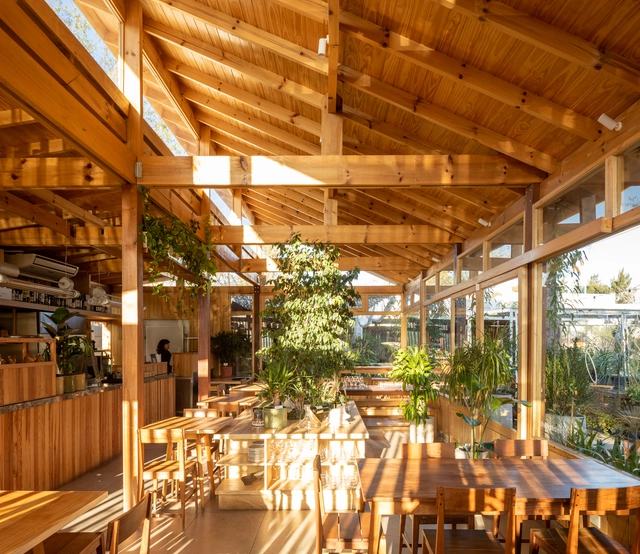
The farm-to-table movement represents a profound shift in how food is grown, distributed, and consumed. Rooted in sustainability and the support of local economies, it prioritizes fresh, locally sourced ingredients and fosters direct relationships between producers and consumers. While the concept focuses on food, the spaces where these connections occur are equally important in shaping the experience, highlighting the critical role of architecture.
In architecture, the way we communicate our ideas is just as important as the spaces we design. But how can we convey these thoughts most effectively? While words hold influence, visuals are indispensable. Much like a musical score shapes a melody, drawings transform abstract concepts into tangible forms, acting as a shared language for architects and designers. They facilitate understanding and refinement of design concepts, especially in a digital era where precise graphic communication is essential to translate the experience of space. From this perspective, Architecture Candy explores architectural graphics to streamline and enhance visual communication within the fast-paced realm of architecture, which increasingly depends on advanced digital tools and workflows. The studio aims to be a go-to resource for elevating ideas with clarity, harnessing design and storytelling to narrate complex concepts through a minimalist style.
https://www.archdaily.com/1023896/concept-storytelling-and-visualization-the-power-of-graphic-communication-in-architectureEnrique Tovar
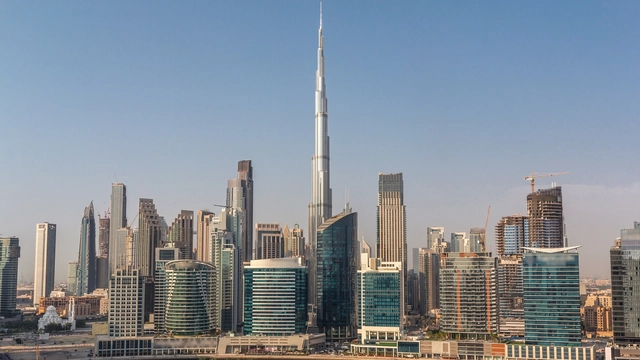
Humanity has become obsessed with breaking its limits, creating new records only to break them again and again. In fact, our cities’ skylines have always been defined by those in power during every period in history. At one point churches left their mark, followed by public institutions and in the last few decades, it's commercial skyscrapers that continue to stretch taller and taller.
The Council on Tall Buildings and Urban Habitat (CTBUH) has developed its own system for classifying tall buildings, stating that the Burj Khalifa (828 m.) is the world’s tallest building right now. Read on for the 25 tallest buildings in the world today.
In an interview with Louisiana Channel, Rafael Moneo, the celebrated Spanish architect and 1996 Pritzker Architecture Prize laureate, reflected on his career and philosophy. Born in Tudela, Navarra, Spain, in 1937, Moneo described how his early academic interests and professional experiences shaped his approach to architecture, resulting in a distinguished body of work that integrates historical, cultural, and environmental contexts.
In the 21st century, Glass has become a cornerstone material for architecture. Once limited to apertures and openings, Glass now dominates entire facades, especially in high-rise buildings where transparent cladding material is preferred to maximize views. The technological advancements in Glass have been remarkable, transitioning from single-pane panels, such as those used in Bauhaus' iron window frames, to today's triple-pane systems with specialized gas infills, such as argon, designed to address Glass's long-standing thermal limitations.
La Valiente Focaccería + Maíz / OHIO Estudio. Image Cortesía de OHIO Estudio
Creating spaces for social interaction involves design processes aimed at countering the individualization of people by fostering bonds and connections between them. While advancements in information and communication technologies provide new tools that optimize the development of certain activities and functions, their societal impact often tends to increase individual practices, such as remote work, virtual fitness activities through apps, or the digital consumption of goods, services, and events, among others. From architecture and interior design to urban planning, many emerging practices face the challenge of consolidating spaces for social interaction through design strategies, uses, and natural connections that prevent the replacement of physical space with virtual alternatives.
Air rights transactions have become essential in urban development, allowing cities to grow vertically while preserving limited land resources. Typically defined as the right to use or sell the space above a property, air rights enable property owners to transfer unused floor area ratio (FAR) to neighboring parcels, creating increased density and financial gain opportunities. However, the definition can vary based on locality and region, as each country interprets air rights and the ability to build or transfer them differently. As urban centers face mounting pressures from limited land supply and population growth, air rights continue to offer a creative solution that fosters architectural innovation and economic efficiency.
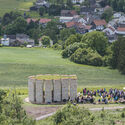
The Aedes Architectural Forum in Berlin presents over the next two months the trajectory and works of Christoph Hesse Architects. The exhibition, titled "Rural Rebellion," focuses on the studio's architectural projects that address the challenges of working in rural areas, particularly in Korbach—Hesse's hometown—and other villages across Germany. It highlights how the practice reimagines and reinterprets traditional building methods, translating them into contemporary contexts while emphasizing a collective and collaborative approach to architecture.
A surface does more than simply cover a space—it transforms it, infusing personality, rhythm, and soul. It evolves from being a mere backdrop to becoming an active element that shapes the atmosphere through the interplay of material, form, and light. The balance of the touch, the thickness, incisions, tones, and luminous reflections can transform surfaces into sensory experiences. Textures can evoke stability or lightness, grooves introduce dynamism, colors define moods, and light sculpts depth and movement. Ceramic, with its aesthetic and functional versatility, is particularly well-suited to this role, offering architects a broad palette of creative possibilities.
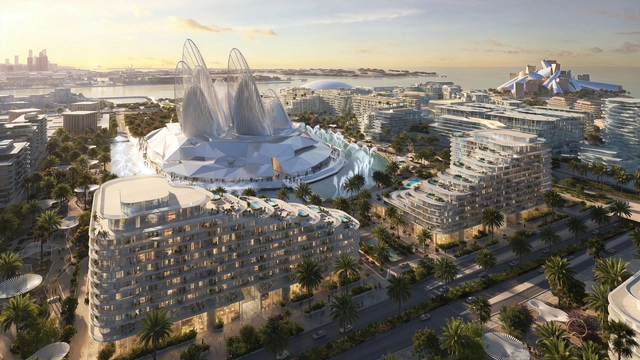
Mandarin Oriental Residences in Abu Dhabi's Saadiyat Cultural District / BIG. Image Courtesy of BIG
Recent architectural announcements showcase a global range of projects. This month, some of the most recognized architectural offices in the world have announced ambitious projects, some engaging with local communities, rediscovering and revitalizing existing structures, or contributing to complex architectural landscapes. Among them, BIG revealed their proposal for Saadiyat Island, a cultural district that gathers some of the world's most famous designers. Additionally, Populous revealed a new performance center, KCAP is developing a framework for an eco-industrial park, and Henley Halebrown is working to revitalize an overlooked structure in Belgium, reopening it to the local community. Read on to discover a collection of recent announcements from the architectural world, peeking into established architects' processes and recent announcements.
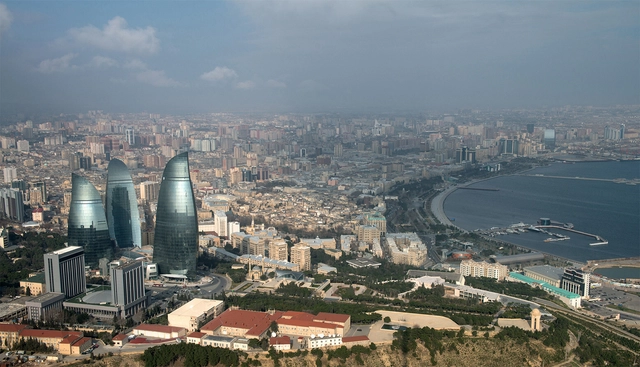
The 29th United Nations Climate Change Conference (COP29) took place in Baku, Azerbaijan, from November 10 to November 24, 2024, amid a backdrop of escalating climate challenges. For cities, the epicenters of population growth, economic activity, and climate vulnerability, the outcomes of COP29 are particularly significant. As urban areas contribute over 70% of global carbon emissions and housing more than half of the world's population, their consideration is pivotal in shaping global responses to the current crisis. In fact, cities are on the frontlines of the crisis, facing record-breaking heatwaves, catastrophic floods, and increasing economic losses from extreme weather events. In 2024 alone, urban areas worldwide experienced devastating climate impacts: flooding displaced millions in Africa, droughts crippled urban economies in South America, and storms caused widespread destruction in North America and Europe. The outcomes of COP29 directly affect urban planning, architecture, and sustainability efforts. From commitments to climate finance and carbon markets to renewable energy and resilience-building, the summit's decisions provide a roadmap for transforming cities into hubs of climate innovation and adaptation. Below are the key takeaways from COP29 for the built environment and urban spaces.
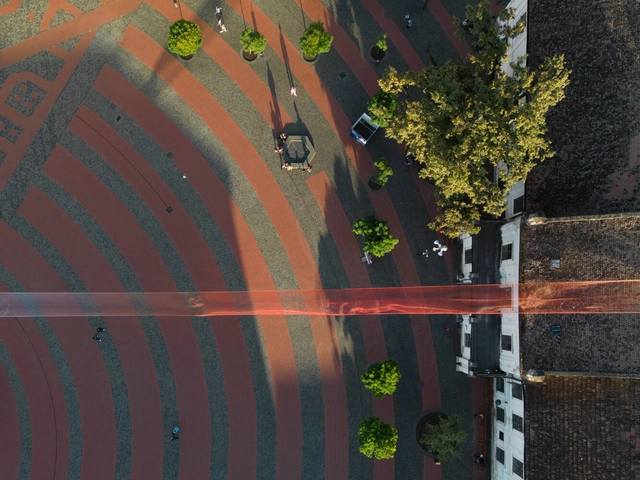
The 2024 Beta Architecture Biennial, in Timișoara, Romania, marks the tenth anniversary of this influential event. Curated by Oana Stănescu, this year's biennial, titled "cover me softly," explores the nuanced relationship between originality and influence, challenging conventional notions of copying, imitation, and appropriation. In addition to the Beta Awards, aiming to highlight significant contributions to architecture from across Romania, Hungary, and Serbia, the main exhibition offers a distinctive interpretation of recurring themes of the architectural field.