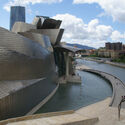
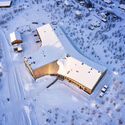
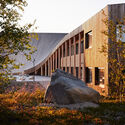
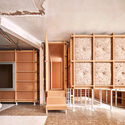
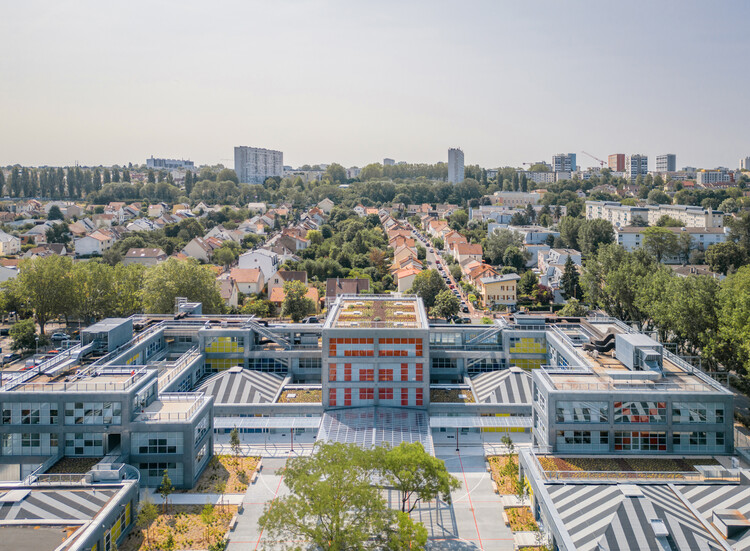
About a month after the closing of Expo 2025 Osaka, the designs and constructions presented at the world's fair remain as a legacy. While the Bahrain Pavilion, designed by Lina Ghotmeh Architecture, drew particular attention this year for receiving double recognition, it was one among many awarded projects. During the awards ceremony held on the penultimate night of the event, a total of 45 awards were presented among 165 participating countries. The Official Participant Awards are granted according to pavilion size and type, recognizing excellence in Architecture and Landscape (for self-built pavilions only), External Design (for module pavilions only), Exhibition Design, Theme Development, and Sustainability. The recipients were selected by an international jury of nine experts who visited all national and thematic pavilions during two evaluation sessions in May and October 2025. The following overview presents all 45 pavilions distinguished in the five categories of the Official Participant Awards.
Based in Florianópolis, Brazil, Eduardo Souza brings a nuanced perspective to architecture shaped by his lifelong engagement with design, research, and editorial practice. Growing up in an environment deeply connected to architecture—his father a civil engineer and professor—Eduardo developed an early fascination with creativity, craftsmanship, and spatial thinking. This foundation naturally led him to study architecture, and later, to explore the editorial realm where writing and curation became extensions of his architectural passion.
Eduardo joined ArchDaily as a translator in its early years and gradually grew into various editorial roles, developing a keen interest in the intersection of materials, technologies, and construction systems. His editorial work focuses on uncovering innovations that challenge traditional modes of making architecture, emphasizing coherence between concept, execution, and context. He pays close attention to sustainable practices such as circularity, local material use, and vernacular reinterpretations that respond to today's environmental and cultural challenges.
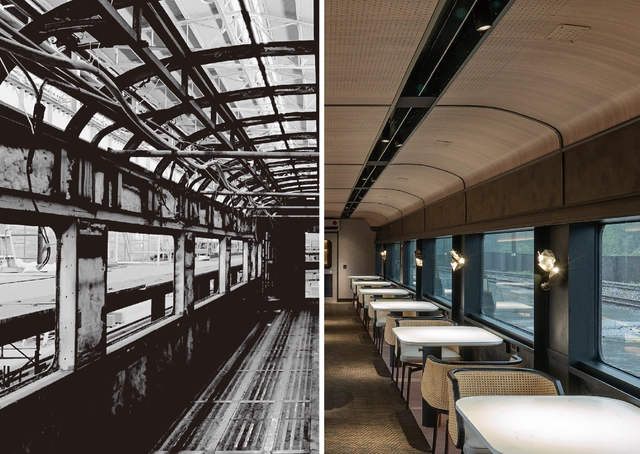
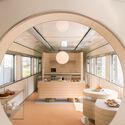
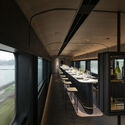
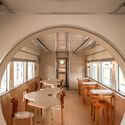
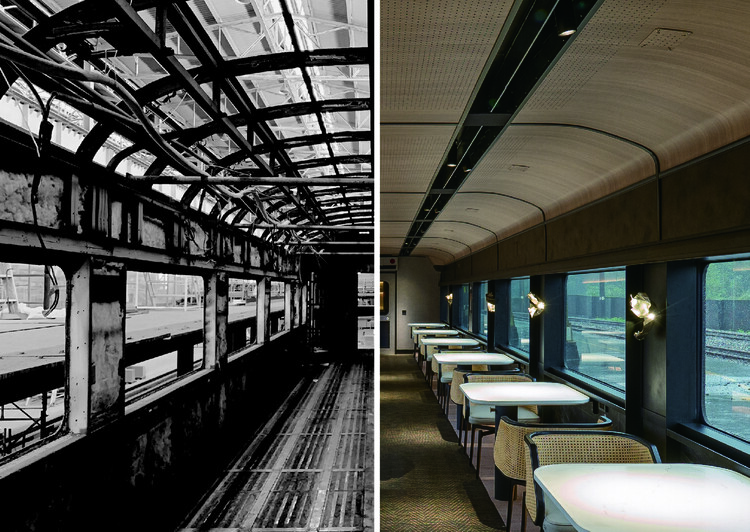
Faced with the combined forces of population growth, economic prosperity, and urban expansion, cities are witnessing a significant rise in the movement of people and goods—mirroring the evolution of diverse mobility systems within urban environments. As technologies advance and modes of transport evolve, the adaptive reuse of train carriages, airplane cabins, and other service infrastructures reveals opportunities to explore their creative potential. Materials, technologies, and design tools converge around a shared goal: refurbishing and repurposing disused structures to give them new life.
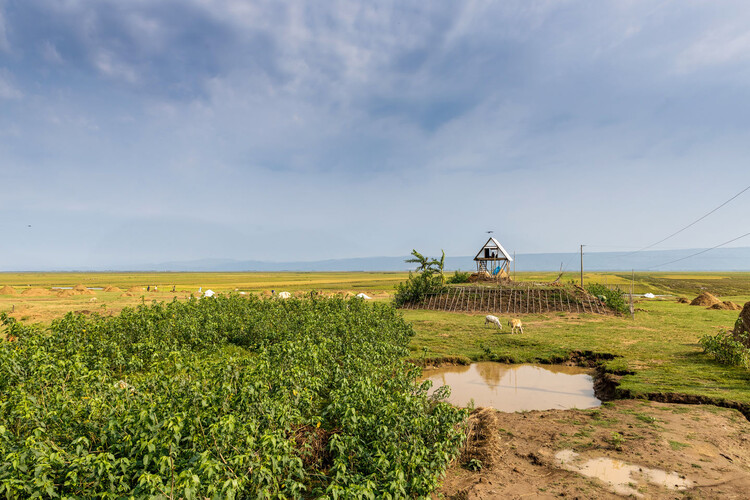
In the low-lying deltas of Bangladesh, water defines both life and loss. Every year, millions are forced to rebuild after floods wash away their homes, crops, and livelihoods. In these precarious territories, the act of building has become an act of resilience. It is here that Khudi Bari emerges as a modest yet radical proposal. Designed by Marina Tabassum Architects, the project provides a lightweight, modular, and affordable dwelling for communities displaced by climate change. Recognized as one of the winners of the 2025 Aga Khan Award for Architecture, it represents a form of architecture that empowers rather than imposes.
The conversation with VOID emerges within the framework of the 2025 Latin American Architecture Biennial, offering an opportunity to explore a practice that listens, cares, and accompanies. Their work unfolds as an act of mediation: through interdisciplinary research and attention to the plurality of natural and social factors, they seek to understand the many natures of a place. Since its beginning in 2012, this process has evolved, consolidating a stance that seeks to design architecture from and for the place—caring for it, healing it, and regenerating it—opening spaces where territories sustain and unfold their own adaptive processes.
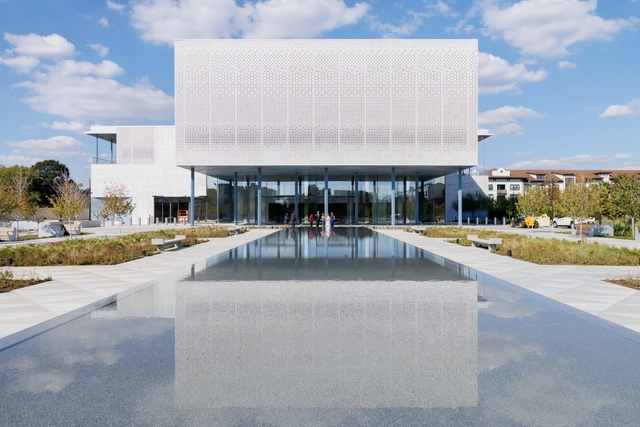
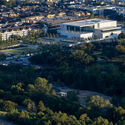
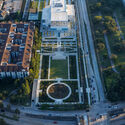
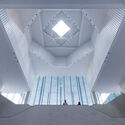
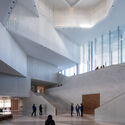
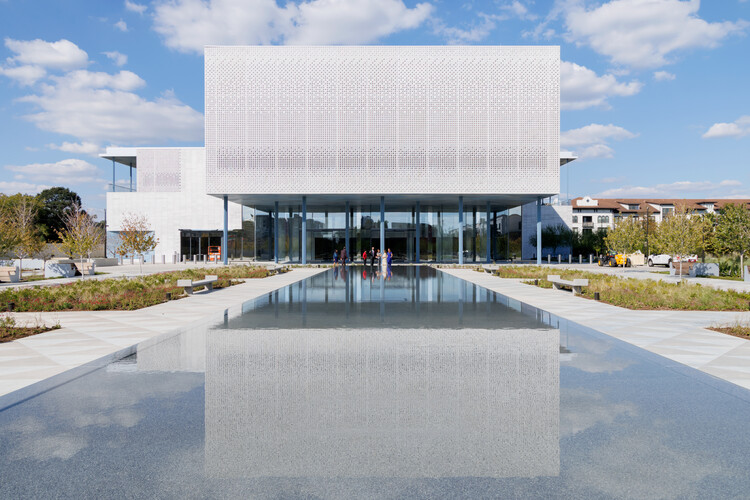
The Ismaili Center in Houston, the first of its kind in the United States, was inaugurated on November 6, 2025, by Mayor John Whitmire. Designed by Farshid Moussavi Architecture and Nelson Byrd Woltz Landscape Architects, the 11-acre site overlooking Buffalo Bayou Park establishes a new architectural and cultural landmark within Houston's urban and social landscape. Located at the intersection of Allen Parkway and Montrose Boulevard, the Center builds upon a vision first outlined by His Highness Prince Karim Aga Khan IV in 2006 and later developed under the direction of his successor. Joining six existing Ismaili Centers worldwide, in London, Vancouver, Lisbon, Dubai, Dushanbe, and Toronto, the Houston Center aims to continue a global tradition of fostering intercultural dialogue and civic engagement.
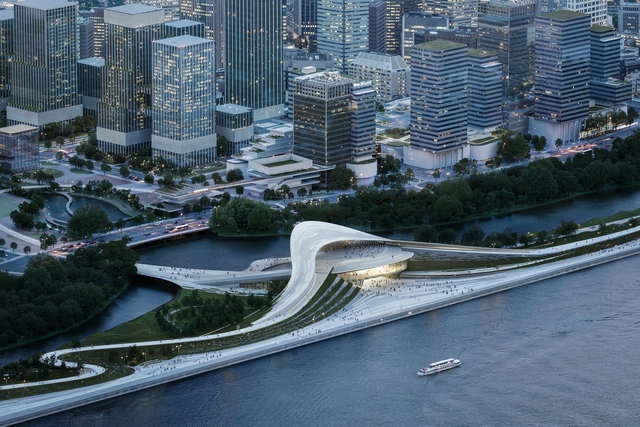
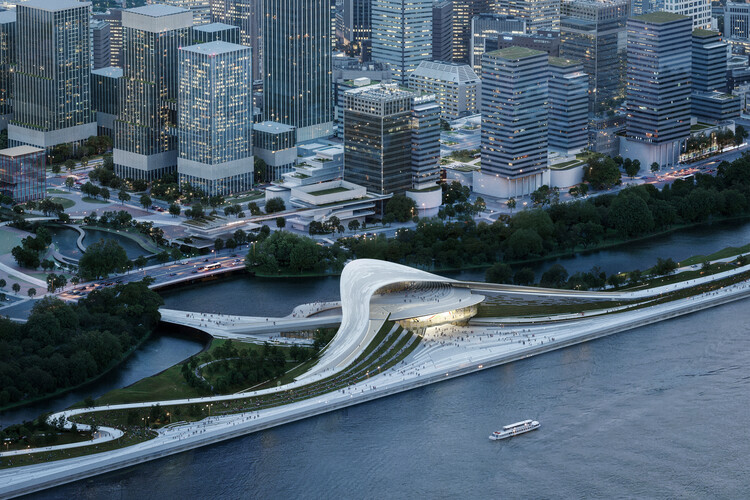
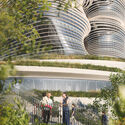
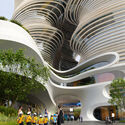
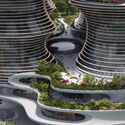
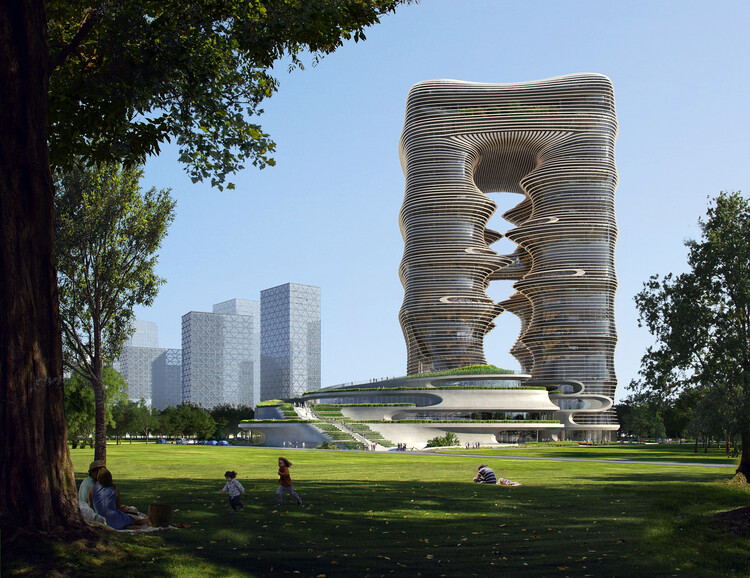
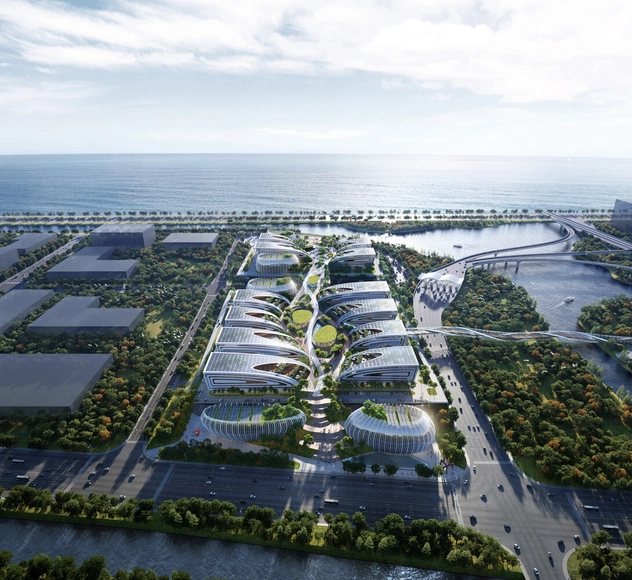
Qiantang Bay Art Museum design by Snøhetta. Render. Image Courtesy of Snøhetta
Snøhetta has been selected to design the Qiantang Bay Art Museum, a new cultural landmark within the Qiantang Bay Future Headquarters development in Xiaoshan District, Hangzhou, China. Conceived in collaboration with the Architectural Design & Research Institute of Zhejiang University Co., Ltd. and Buro Happold, the project encompasses architecture, landscape architecture, and interior design over 18,000 square meters. The museum will form part of Hangzhou's expanding downtown area along the Qiantang River, serving as an important destination for art, culture, and public life.
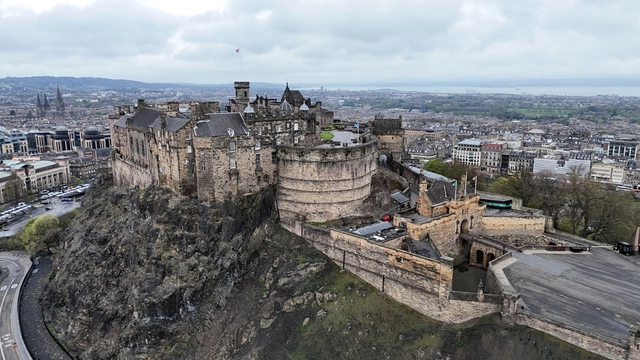
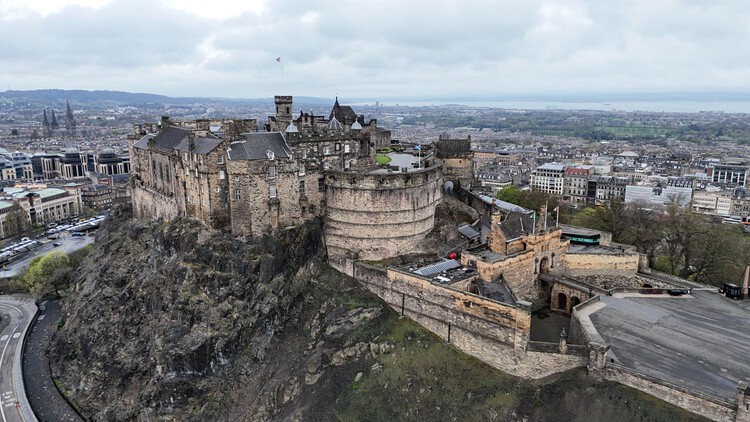
Edinburgh Castle in Scotland’s Capital. Image by 瑞丽江的河水, via Wikimedia Commons (CC BY-SA 4.0)
Edinburgh, Scotland's capital, has long been recognized for its rich cultural history and intricate urban fabric. The city thrives within its museums, tenement housing, and shops nestled in Georgian buildings. In 2022, Time Out ranked Edinburgh as the world's best city, citing its efficiency across community building and urban systems such as public transport. However, as climate change makes its effects progressively visible at an urban level, the city inevitably runs into a pressing dilemma: how to sustain this quality of life in increasingly difficult conditions.
The journey toward this balance unfolds through several interconnected strategies, such as retrofitting, adaptive reuse, circular design, and community collaboration, each contributing to Edinburgh's evolving vision of a sustainable urban future.
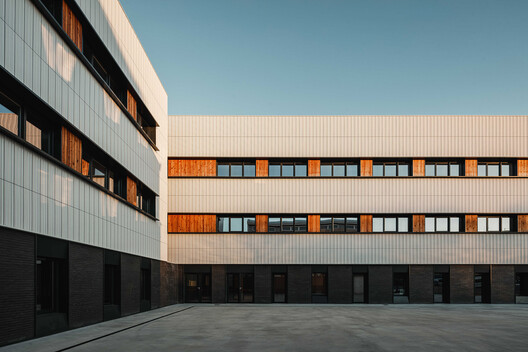
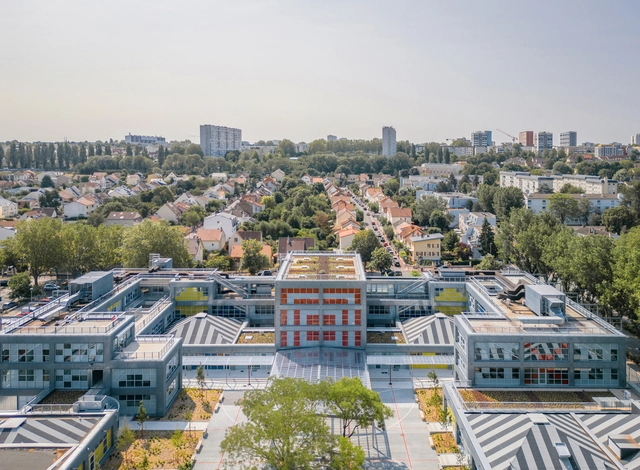
The new Muskiz Secondary School building (Vizcaya), designed by BAT Architecture studio, has become a leading symbol of sustainable architecture for educational centers. Designed in accordance with Passivhaus criteria and built using cross-laminated timber (CLT), the project combines innovation and comfort with environmental care.
In this equation, Faveker's tiled ventilated facade, tailor-designed using its GA16 system as a basis, plays a key role. This precise, luminous tiled skin enhances the building's energy efficiency and infuses it with a unique architectural personality that harmonizes with the surrounding natural setting.
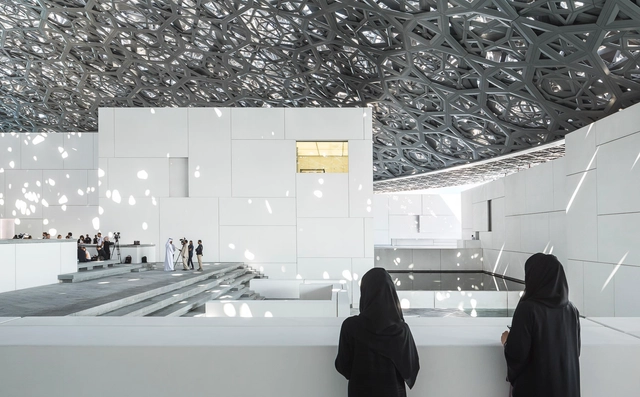
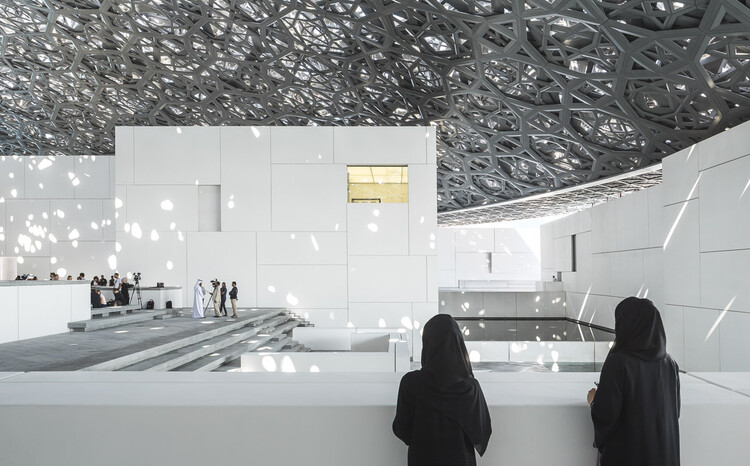
It is undeniable that, at first glance, the idea of a Louvre in Abu Dhabi or a Centre Pompidou in Brazil may seem somewhat disconcerting. The image of these museums, internationally renowned, appears in many ways inseparable from their original cultural contexts. And to some extent, it truly is. The Louvre, deeply rooted in the history of France as a former fortress and later royal residence, embodies a set of invaluable heritage values, further amplified by I. M. Pei’s iconic glass pyramid intervention in 1989. The Pompidou, meanwhile, is remembered as a historic turning point: by redefining the concept of public infrastructure through radically unconventional architecture, it marked the first time culture drew in mass audiences.
Nearly three years after artificial intelligence captured the world's attention, architecture is still searching for stable ground in the conversation. Between confident claims and cautious trials, many professionals still question whether—and how—AI is truly changing everyday practice.
A new white paper from Chaos addresses this through practitioner interviews and in-depth internal research, revealing how the technology is beginning to reshape productivity, authorship, and creative identity across the industry.
The white paper offers a closer look at where AI creates value, where it falls short, and how architects can navigate what comes next.
The EUmies Awards are organized annually by the Fundació Mies van der Rohe and the European Commission, with the support of the European Union's Creative Europe Programme. Based on the principle that "architecture is not merely a technical or aesthetic matter, but a cultural, environmental, and democratic issue," this 19th cycle of the Prize brings together 410 works from 40 countries and 143 regions across Europe. Beyond recognizing contemporary architecture projects, the Awards also aim to reflect European values such as cultural diversity, sustainability, democracy, and solidarity. This year, most nominated works (23%) are residential projects, including both collective and single-family housing, followed by cultural (13%) and educational (12%) programs. The selection shows a balance between transformations of existing buildings (44%) and new construction (56%), while 12% of the nominees are transnational works and 33% of the studios are 10 years old or younger, underscoring the growing visibility of emerging practices.
This week's architectural highlights traced the intersections between heritage, climate awareness, and contemporary design practice. As the 19th Venice Architecture Biennale approaches its closing, projects exploring collective intelligence and material experimentation offer reflections on small-scale responses to global challenges. In Egypt, the completion of the Grand Egyptian Museum marks a long-anticipated moment in cultural preservation, while new competition initiatives in Jordan extend this dialogue toward sacred and archaeological contexts. Complementing these developments, the recognition of Abdelwahed El-Wakil with the Tamayouz Lifetime Achievement Award highlights the continued influence of tradition-informed design across contemporary practice.
Chimneys are among the most quietly persistent elements in architectural history. Yet their presence persists in nearly every cultural and climatic context, serving as a technical feature and a spatial, atmospheric, and symbolic device. It populates dense city skylines and anchors rural horizons alike, its vertical silhouette as ordinary as a window or a doorframe. This apparent ordinariness is deceptive. The chimney is one of the few architectural components that links the intimate scale of interior life with the expansive forces of the environment. For architects and designers, the necessity of the chimney presents a choice: to let it recede quietly into the building's functional fabric or to amplify it as a central, expressive element that shapes a project's identity.
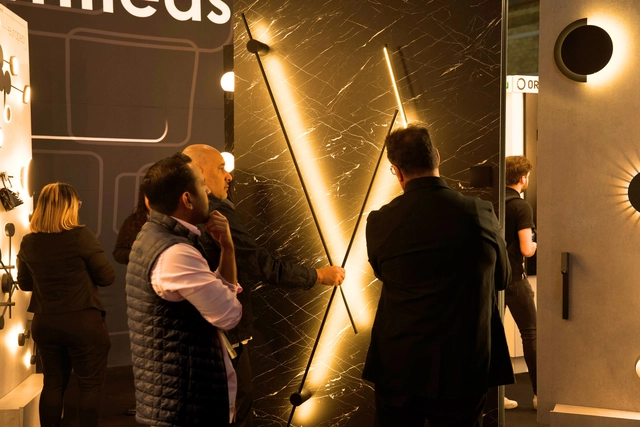
Dedicated to high-end lighting specification, the UK's trade show LiGHT 25 will return to the Business Design Center in Islington, London, on November 19–20, 2025. Following LiGHT 24, which attracted more than 5,500 visitors, this year's edition will feature an expanded program of innovation, education, and networking opportunities. Key highlights for 2025 include the introduction of the Technical Zone, the return of the Associations Lounge, and a new large-scale immersive light art installation.
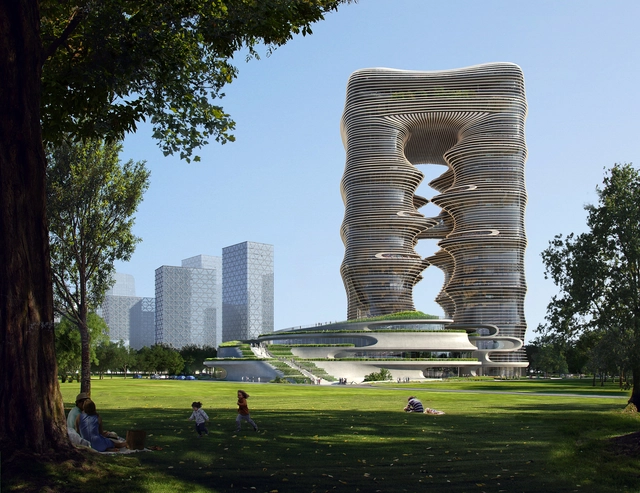
Construction of Zaha Hadid Architects' Yidan Center in Shenzhen, China, has reached full height. The new landmark will serve as the headquarters of the Chen Yidan Foundation and the Yidan Prize, organizations dedicated to promoting lifelong learning and innovation in education. The center will host facilities for academic research, cultural events, and exhibitions, supporting the foundation's mission to advance global education. Located adjacent to the Qianhai Museum, the Yidan Center helps define a new cultural quarter in China's third-most-populous city.
Few commissions allow architects to focus on non-human users, and fewer still involve horses. While domestic pets like cats and dogs are common muses, the particular needs of horses present a unique challenge when designing stables. Since the horses, who are the stable's primary inhabitants, cannot articulate their needs, design relies on the rigorous requirements dictated by human caretakers, requiring a balance between streamlined human operations and maximized horse comfort and safety. Architects often seem to address this through three core principles: Equine Comfort & Well-being, Contextual Materiality, and Operational Efficiency. Thus, the resulting layouts are characterized by rigorous zoning that clearly separates the programs into residential (stalls), service (tack, storage, wash, feed), and training spaces (arenas, walkers). The designs also address visual well-being: Horses are social animals, so they strategically position stables to promote sightlines between animals and to the exterior, often employing louvered or open-frame systems. Furthermore, lighting is kept diffuse using materials such as translucent panels to prevent sharp, stress-inducing shadows in arenas. Similarly, circulation paths are designed for the safe, efficient movement of both people and animals.
In contemporary interior design, acoustics have evolved from an afterthought into a defining design language. Architects and specifiers are increasingly seeking materials that perform both visually and functionally – where surface texture, light interplay and sound absorption converge to shape human experience. As open-plan workspaces, hospitality interiors and education hubs embrace more tactile, sustainable finishes, the market for high-performance acoustic materials has surged. Within this landscape, Woven Image has emerged as a global leader, continually pushing the boundaries of what acoustic surfaces can achieve.
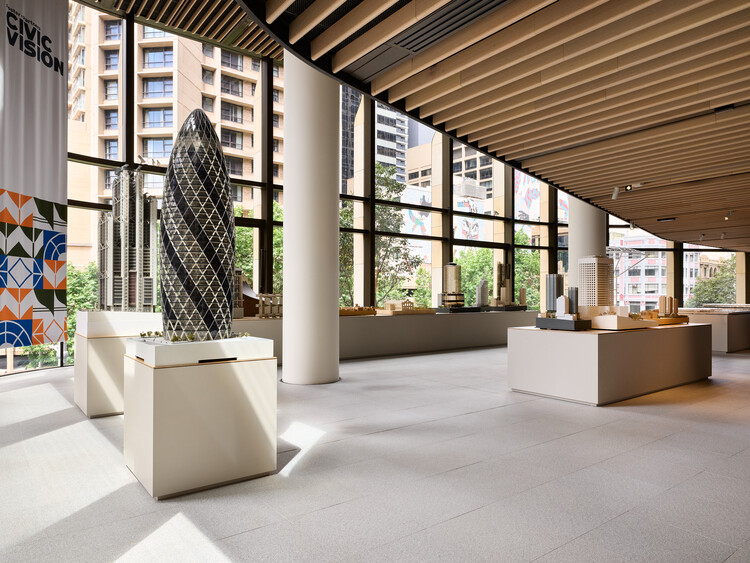
Foster + Partners has opened Civic Vision, the first comprehensive exhibition of the practice's work to be presented in Australia. On view until December 21, 2025, at Parkline Place, the firm's latest completed project in Sydney, developed by Investa on behalf of Oxford Properties Group and Mitsubishi Estate Asia, the exhibition offers an in-depth overview of Foster + Partners' global portfolio since its founding in 1967 by Norman Foster. It explores the evolution of the practice's design approach and its exploration of civic architecture across different contexts and scales.
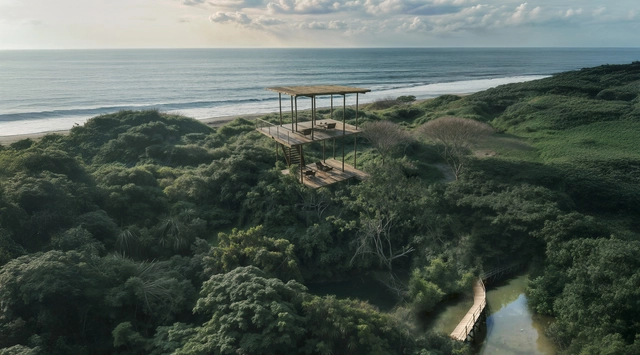
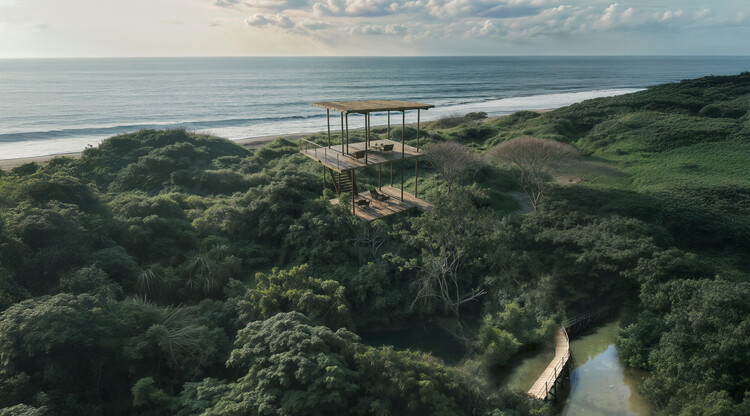
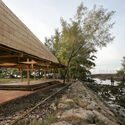
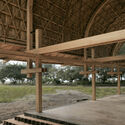
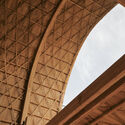
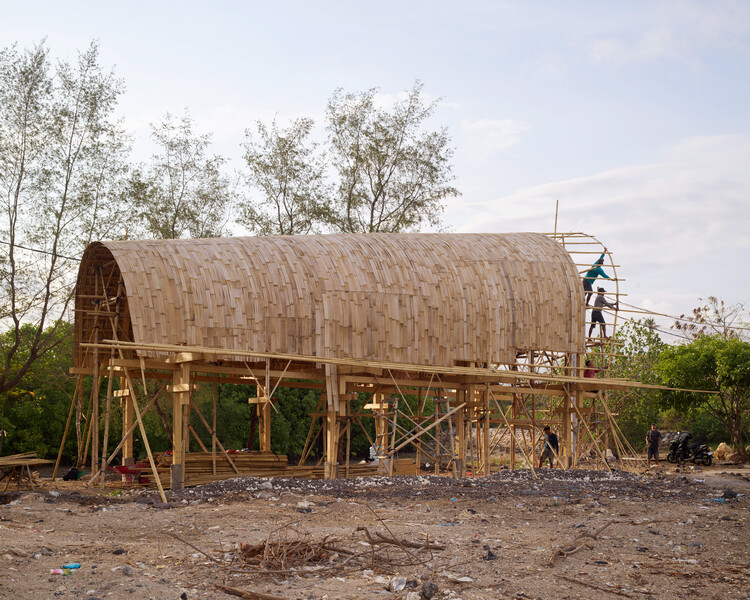
Bauhaus Earth is a Berlin-based non-profit organization working toward a systemic transformation of the built environment. Its mission includes transitioning to bio- and geo-based materials, reusing existing buildings, and restoring ecosystems. Together with the Bamboo Village Trust, a philanthropic financial vehicle, and Kota Kita, a participatory urban design organization, Bauhaus Earth has developed BaleBio, a bamboo pavilion designed by Cave Urban and rising above Mertasari Beach in Denpasar, Bali. The pavilion transforms a disused car park into an open community meeting space, offering a counterpoint to the city's tourism-driven coastal development. Designed as a regenerative building, BaleBio stores carbon instead of emitting it, challenging the extractive construction model that is replacing traditional wood and bamboo craftsmanship with concrete structures across the island.
Infrastructure has long defined the backbone of cities by linking people, landscapes, and economies through systems that often go unnoticed until they fail. Today, as global challenges demand more adaptive and human-centered responses, architects are rethinking what infrastructure can be: not just a framework for movement and utility, but a catalyst for ecological restoration, cultural continuity, and civic imagination. The following unbuilt projects, submitted by the ArchDaily community, explore this expanded role of infrastructure, where airports, bridges, industrial parks, and pedestrian networks become architectural expressions of connection and care.
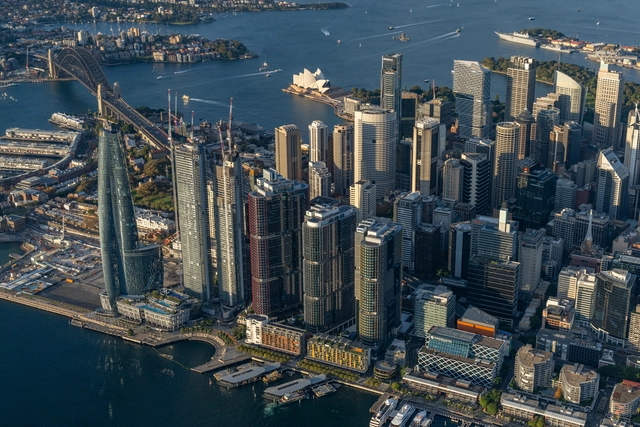
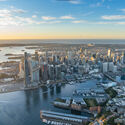
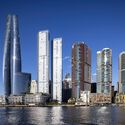
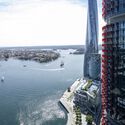
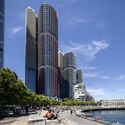
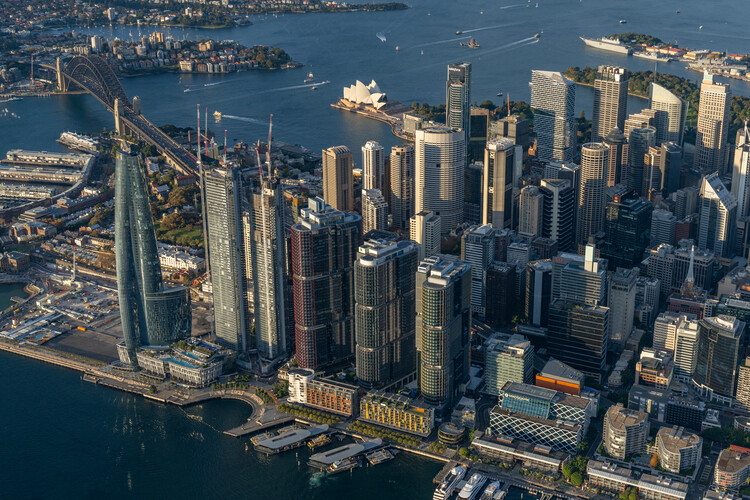
RSHP has announced the completion of the Barangaroo South Masterplan in Sydney, marking the realization of a 15-year redevelopment that has reconnected the city's north-western harbour edge to its urban core. Once a disused container port, the 22-hectare site has been transformed into a mixed-use, carbon-neutral precinct, integrating commercial, residential, and public spaces along the waterfront. Developed in collaboration with Lendlease following an internationaldesign competition, the masterplan is organized into three zones: Barangaroo South, a high-density extension of the Central Business District; Barangaroo Reserve, a reconstructed natural headland that reintroduces native landscapes to the harbour; and Barangaroo Central, a low-density residential area linking the northern and southern ends of the development.