Starting November 5, bus riders in Vargem Grande Paulista will be exempt from paying fares. The city is the first in the São Paulo metropolitan area to offer free public transit.
Starting November 5, bus riders in Vargem Grande Paulista will be exempt from paying fares. The city is the first in the São Paulo metropolitan area to offer free public transit.
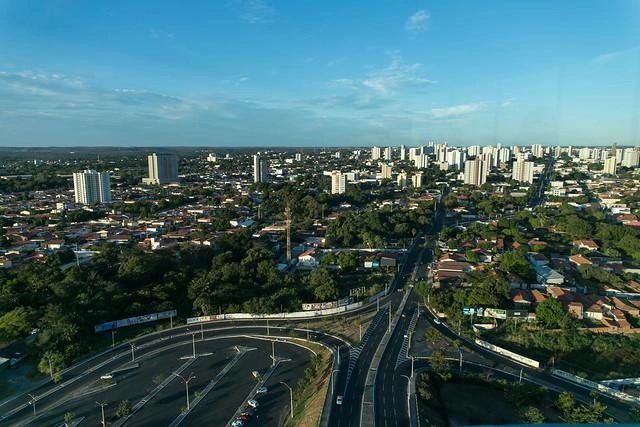
From the ground up, we build our cities. The places where we live, work, walk, and spend our lives are all built on the same surface. Land is one of a city's most valuable assets, and promoting the coordinated management of this territory is essential to ensuring that everyone has their place and that it is equitably distributed.

The exuberance of the native pines that named one of São Paulo’s most traditional neighborhoods and one of the city's main rivers is today restricted to old photographs. While this could be just another nostalgic account, it actually serves as the catalyst for an ambitious project by Legado das Águas – Reserva Votorantim: bringing the Atlantic Forest back to the city. Designed by Cardim Arquitetura Paisagística, in partnership with the São Paulo State Secretariat for Infrastructure and Environment and the Metropolitan Water and Energy Company (EMAE), this new phase of the Pomar Urbano (Urban Orchard) Project will see Legado das Águas execute the state's largest urban landscaping project using native Atlantic Forest species, offering an innovative approach to transforming the relationship between the river and the metropolis.

Artist Patrícia Golombek celebrates some of the most iconic pillars of modern Brazilian architecture in her series of acrylic on canvas paintings titled Brazilian Columns of the 20th Century, on display at the Espace Meyer-Zafra gallery as part of Art Miami.

We plan our daily commutes by considering multiple factors: time, cost, comfort—and, just as importantly, the ease of connecting between different modes. While the car fleet continues to grow, those who rely on public transit try to bypass deficient mobility by making smarter choices. Offering integrated solutions that move people from one point to another with maximum convenience is a path toward more humane and sustainable cities, widely recognized by mobility experts around the world.
2.jpg?1565106025&format=webp&width=640&height=580)

The complex is located on Santa Cruz Street in Vila Mariana, near Gregori Warchavchik's Modernist House, and consists of 23 three-story blocks sited on a triangular plot of 61,900 m². Most of the blocks were oriented with their facades facing east-west, spaced to ensure adequate sunlight for the apartments.

The National Secretariat of Housing of the Ministry of Regional Development and the Council for Architecture and Urbanism of Brazil (CAU/BR) agreed, during a meeting this week in Brasília, to create methods that will allow architects and urban planners to participate directly in real estate financing throughout the country. However, the agreement has not yet been finalized, and the procedures will be developed jointly with financial institutions.

In 2019, ArchDaily engaged in debates with leading figures in the field of architecture from around the world. We discussed, for example, innovation with Junya Ishigami and gender and collective work with Beatriz Colomina. We also debated design decisions with Alejandro Aravena and mass production with the partners of MAPA, to name just a few of the interviews conducted this year. This body of work provides a unique opportunity to delve into, understand, and convey the remarkable variety of perspectives and ideas in the fields of architecture, urban planning, and design.
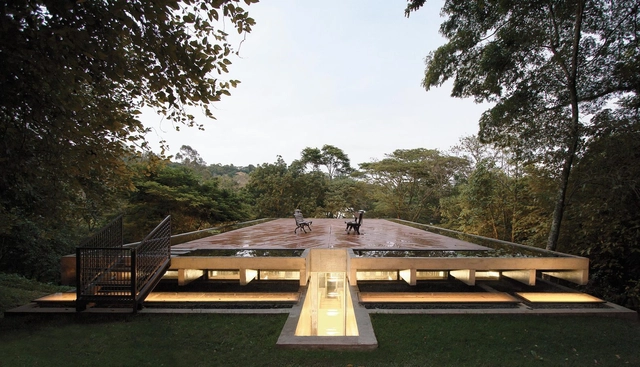
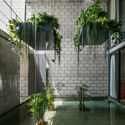
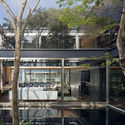
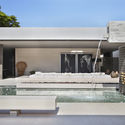
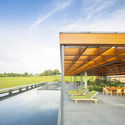
In the world of architecture, technical solutions designed for indoor comfort are frequently transformed into expressive features or unique design details. This is especially true of reflecting pools—features that significantly improve thermal comfort in buildings while simultaneously serving as elements of aesthetic interest, creating striking moments wherever they are implemented.


Between 1985 and 1989, the city of Olinda (Pernambuco) served as the pilot site for a federal program that was to be implemented in 48 other Brazilian cities. Among other goals, this program sought to provide social housing in built environments and preserve local memory and ways of life by ensuring the permanence of traditional residents. Though still little known in the history of cultural heritage and social housing policies in Brazil, this plan points the way toward managing territories based on the social and cultural practices of their inhabitants.

Female architects and urban planners account for 63.47% of the 174,513 registered professionals currently in the country. Despite being the majority in the profession, the spotlight remains focused on men. To break this paradigm and promote dialogue and ways to foster the inclusion and visibility of women in the multiple fields of Architecture and Urban Planning, the Council of Architecture and Urbanism of Rio de Janeiro (CAU/RJ) has launched the CAU + Mulheres Award.

One of Brazil's most influential designers, José Zanine Caldas would have celebrated his centenary in April this year. To honor his legacy, the municipality of Belmonte, Bahia, plans to open a museum in February next year. The project will be divided into two phases: the restoration of the historic mansion where Caldas was born, followed by an expansion designed by Márcio Kogan.
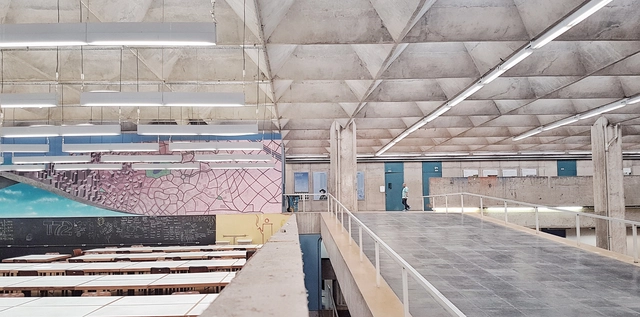
The School of Architecture and Urbanism at the University of São Paulo (FAU USP), one of the most prestigious architecture schools in Latin America, recently launched its YouTube channel—an initiative that continues efforts to highlight its community's work and democratize knowledge. Featuring student projects, lectures, documentaries, and expert perspectives on a wide range of topics, the channel offers diverse and relevant content.
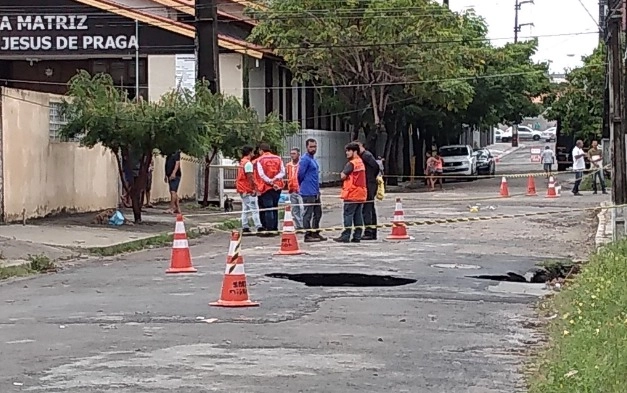
Following heavy rains that hit Maceió at the beginning of the year, residents of the Pinheiro neighborhood entered a state of emergency as several cracks appeared in the area. Civil Defense authorities state that the neighborhood is at risk of collapse, and the main threat is that the asphalt could sink enough to create a sinkhole and destroy buildings, endangering the lives of over twenty thousand residents.
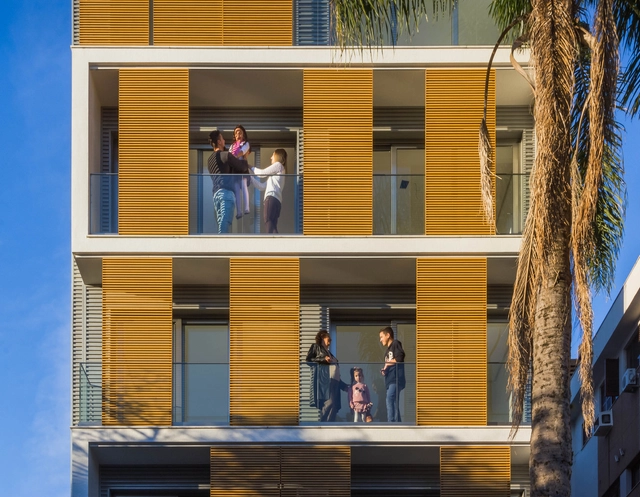
As extreme weather events become increasingly common worldwide, brises-soleil and perforated cladding have become effective options for creating a second skin on building facades, protecting interiors and creating unique atmospheres through the interplay of light and shadow.
Each building and facade orientation requires a distinct solution—whether fixed or operable, and in various materials. However, certain general guidelines can help streamline the selection process. We spoke with the experts at Hunter Douglas to identify the most critical considerations.
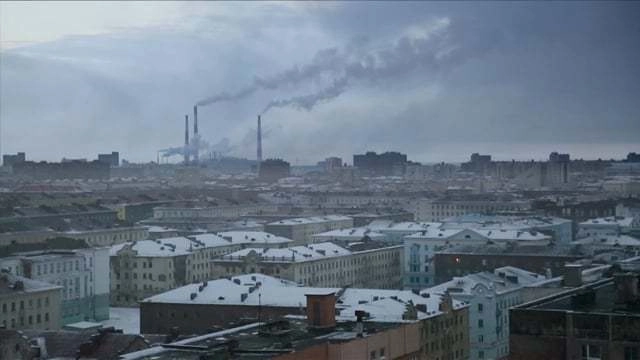
The film “Melting Souls” by François-Xavier Destors won the Best Documentary award at the 7th edition of the Arquiteturas Film Festival, which took place from June 4 to 9 at Cinema São Jorge in Lisbon.

Inverse City uses the urban morphology of central São Paulo and its adjacent districts as its primary structure and raw material, providing a foundation for the creation of a new space-time. This space-time allows us to explore and deconstruct the city we know.
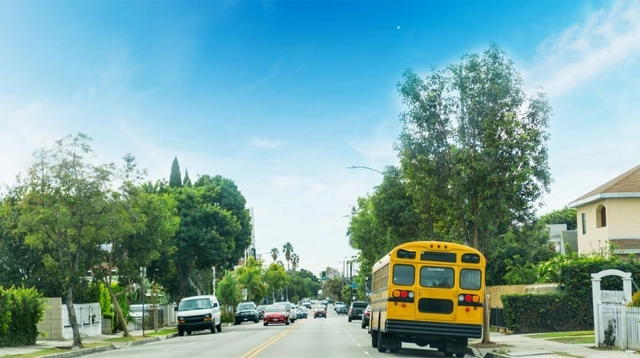
The California Air Resources Board, or CARB, is a 16-member panel (mostly appointed by the governor) that oversees air pollution control efforts in California. In December, the board approved a first-of-its-kind regulation in the US, establishing a statewide goal for public transit agencies to gradually transition to 100% zero-emission bus fleets by 2040.

The offices AUÁ arquitetos and Estúdio Itinerante were awarded third place in the national competition for the new headquarters of the Association of Engineers and Architects of Sorocaba (AEAS). Read the full project description and proposal below.
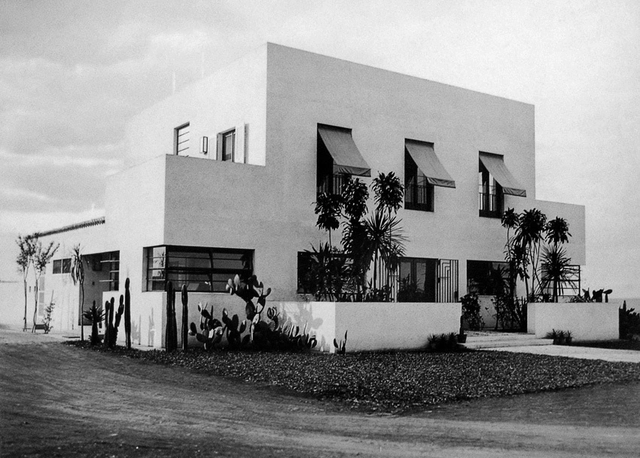
The 44th edition of the Itaú Cultural Occupation program honors Ukrainian architect Gregori Warchavchik. A naturalized Brazilian, he was responsible for building the first modernist work in Brazil, the Casa Modernista, located on Santa Cruz Street in São Paulo's Vila Mariana neighborhood.
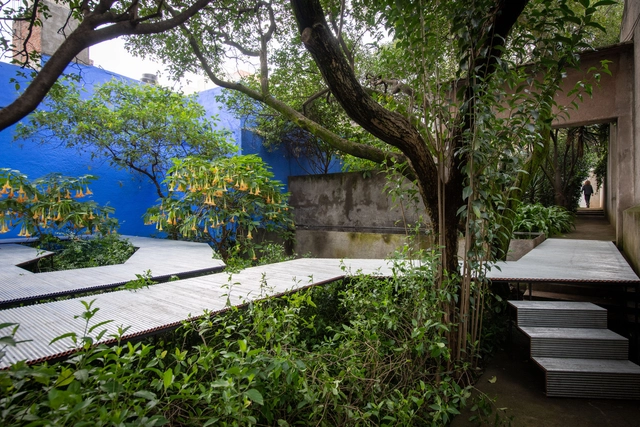
As part of the cultural programming of Jardín 17—a space designed by Luis Barragán as an extension of his house-studio that has hosted various academic programs from around the world for the past 20 years—Japanese architect Go Hasegawa has designed the installation Flying Carpet: a pavilion suspended in the middle of Barragán's garden.
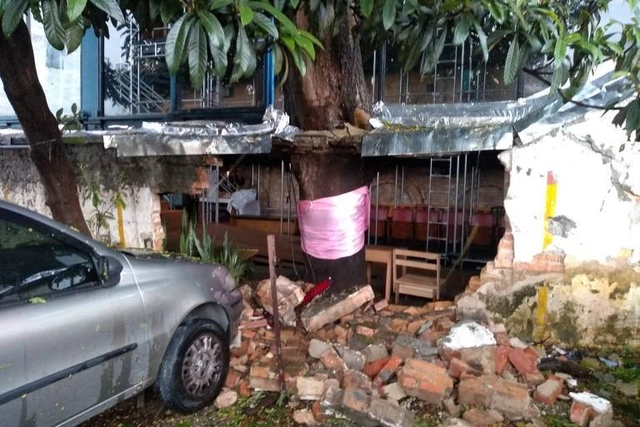
The Teatro Oficina, designed by Lina Bo Bardi and Edison Elito in 1984, had one of its walls partially destroyed by heavy rain that hit São Paulo yesterday afternoon. The wall of the large glass facade, which faces one of the last vacant lots in the Bixiga neighborhood, collapsed around the iconic tree planted inside the theater.
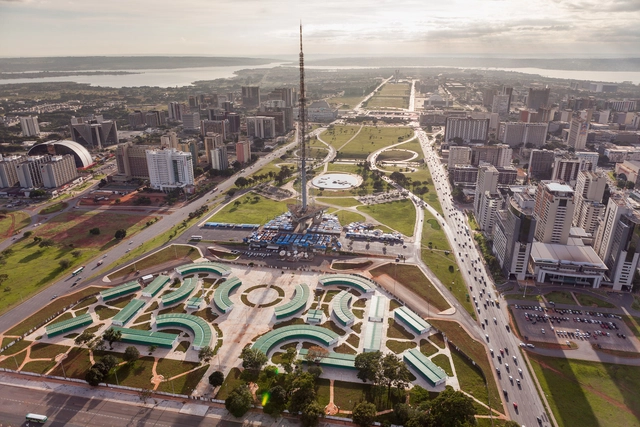
In recent years, documenting architecture and cities through photography has undergone a swift and surprising transformation. Professional and amateur photographers have been seeking new perspectives, going beyond what the human eye can see at street level. In this pursuit, aerial photography—which captures a bird's-eye view—is layered with aesthetic intentions that reveal an intimate and breathtaking look at cities and landscapes.
.jpg?1566476218&format=webp&width=640&height=580)
Discussions surrounding women's access to higher education and the labor market in general are of central importance when considering ways to establish more equitable living conditions and active roles in contemporary society. Although grounded in censuses and surveys linked to the formal labor market, this reflection provides a general baseline of women's current conditions in the face of difficulties stemming from the lingering legacy of a patriarchal and moralistic structure of professional hierarchies, where the leading figures are, and historically have been, men.