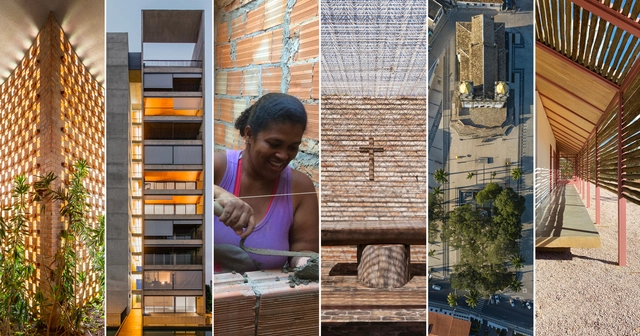
The appearance and long-term maintenance of a work of architecture or interior design are heavily dictated by its materiality and the products used. If the selection of materials and products is not precise, the project can be compromised both aesthetically and functionally.
This is why specification is essential to achieving the desired result, and the professionals responsible for this stage must have a broad knowledge of the materials and products available in their region. But is material specification done similarly across all architecture firms? Do the initial and final stages of the project receive the same attention? How close is the relationship between architects and materials, really?
https://www.archdaily.com/1124255/how-do-architects-and-construction-professionals-specify-materials-and-productsPola Mora
Paulo Mendes da Rocha is interviewed by Paulo Markun in another episode of the series “Conversas na Crise – Depois do Futuro” [Conversations in Crisis – After the Future], organized by the Institute of Advanced Studies (IdEA) at Unicamp in partnership with the UOL news portal. The interview addresses topics such as the impact of the coronavirus pandemic on cities, the public health crisis, and the precariousness of urban housing in Brazil.
For the first time, Escola da Cidade is broadcasting the architecture school's inaugural lecture, delivered by Oscar Niemeyer in 2002. In a lucid and conscious address to young students, Niemeyer emphasizes the social function of architecture and presents, through sketches and images, some of his key works, including the Pampulha architectural complex and Brasília.
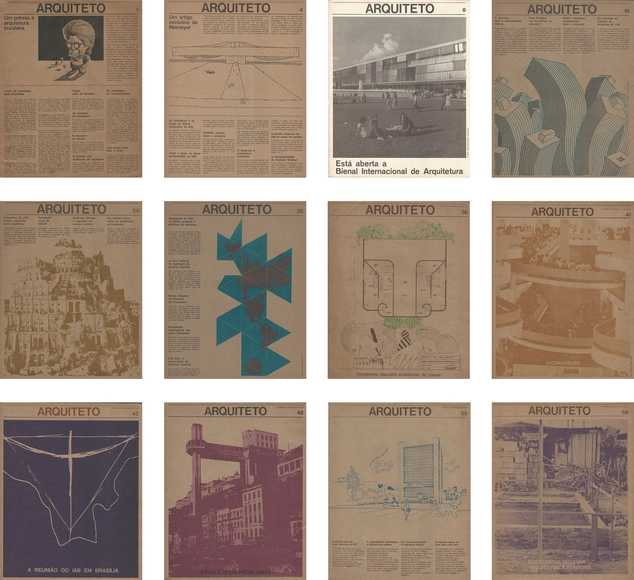
The Institute of Architects of Brazil - São Paulo Department (IABsp) has made all 74 editions of Jornal Arquiteto available online. This prominent publication in the field of architecture and urbanism was edited by IABsp in partnership with the Union of Architects in the State of São Paulo (SASP) between 1972 and 1980. Distributed nationwide, the newspaper aimed to be a "spokesperson for all architects."
Escola da Cidade is hosting a discussion between Cape Verdean architect Patrícia (Patti) Anahory and the editors of América magazine, Marianna Al Assal and Maira Rios. The event marks the launch of the second issue and addresses the construction of identities through the reading of urban landscapes, as well as the displacement and production of knowledge in the fields of architecture and urbanism between the Americas and Africa today.
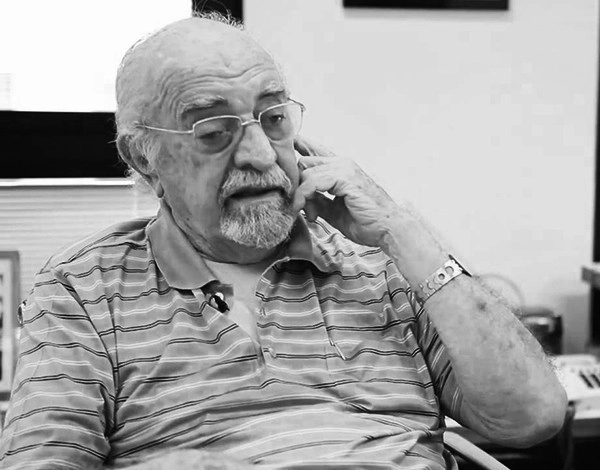
Architect Gian Carlo Gasperini passed away on the night of Wednesday, July 15, at the age of 93. He had been hospitalized for two days at Albert Einstein Hospital with pneumonia. Gasperini was responsible for several of São Paulo's landmark buildings, such as the Galeria Metrópole in the city center and the Pauliceia building on Paulista Avenue.
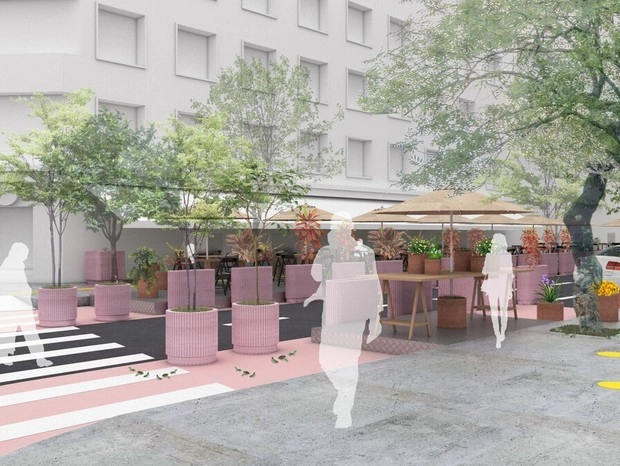
The city of São Paulo will test a pilot project that transforms streets and sidewalks normally reserved for parking spaces into outdoor areas for bars and restaurants. The initiative, named "Ocupa Rua" (Occupy the Street), is led by São Paulo City Hall, the architecture firm Metro Arquitetos Associados, and food critic Alexandra Forbes.
Postponed to July 2021, the 27th World Congress of Architects will host virtual debates as part of an open, collaborative platform to gather insights and proposals for addressing contemporary urban challenges.
The countdown to the event begins this week with the release of special content on the social media channels of UIA2021RIO. This includes video testimonials and interviews with speakers, collaborators, and partners discussing post-pandemic urban transformations and the role architects and urban planners should play in society.
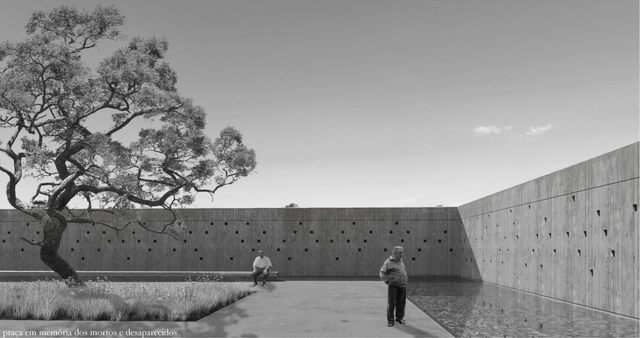
The 4th {CURA} Award continues the practice of hosting ideas competitions on themes aligned with current discussions on architecture, the city, and society, focusing on contemporary Brazil. The institutionalization of authoritarian and denialist discourse has become a real threat. For this reason, the competition's theme—a Museum of Democracy—brings forward a necessary discussion on how we treat memory and our history.
Architects and urban planners seeking new sources of income during this period can find job opportunities across various regions in Brazil. For example, the City, Housing, and Health competition, organized by CAU/RJ, will award R$ 10,000 to the two best ATHIS (Technical Assistance for Social Interest Housing) proposals addressing housing and health in the era of Covid-19. Meanwhile, the Healthy House – Healthy City competition, hosted by CAU/RS, challenges participants to propose architectural solutions under different themes and will distribute R$ 100,000 in prizes.
Rocinha Sports Complex and Footbridge | Authors: Mayerhofer & Toledo Arquitetura and Oscar Niemeyer | Date: 2010 | São Conrado. Via Arqguia Colorir
Arqguia Colorir is a digital coloring book that invites everyone to visually reinterpret the main architectural landmarks of Rio de Janeiro. Available for free download in both English and Portuguese, the drawings feature QR codes providing direct access to descriptions of each work on the online architecture guide ArqGuia Rio.
In one of the country's hardest-hit cities by the Covid-19 pandemic – São Paulo – and in the face of the suffocating socio-environmental crisis plaguing our world and our time, how can architects and urban planners take a stand and effectively act against widespread asphyxiation and for the fundamental right to breathe, to exist, and to inhabit the Earth?
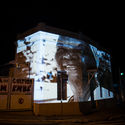
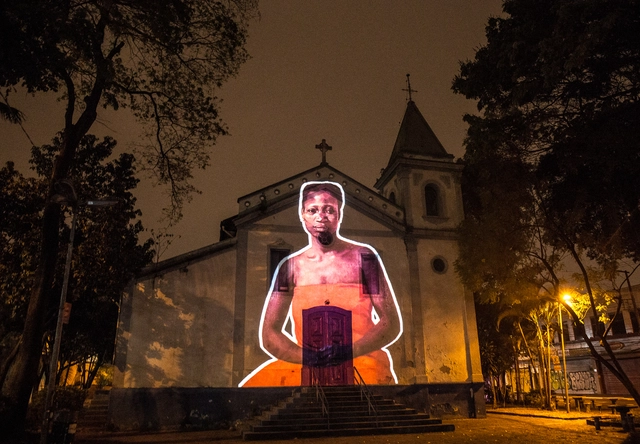
Other bodies, spaces, and languages that have been rendered invisible or simply do not seem to fit into present-day São Paulo are being projected onto its landscape. "Voices Against Racism" is an exhibition and proposition that introduces new imaginaries to a city where narratives are constantly contested. Running until August 24, the event transforms streets from mere transit areas into spaces for art, buildings into canvases, and monuments into backdrops for artistic expressions that showcase paths usually obscured by history.
Sesc São Paulo has made a series of catalogs, educational materials, and booklets produced for the institution's exhibitions available for free on its website. Fittingly, several of these themes intersect with thinking on architecture and the city.
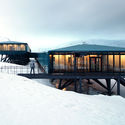
The Instituto Tomie Ohtake and AkzoNobel have announced the 13 projects selected for the seventh edition of the Instituto Tomie Ohtake AkzoNobel Architecture Prize. The finalists include works located in Amazonas, Bahia, Ceará, Goiás, Minas Gerais, Rio de Janeiro, Santa Catarina, São Paulo, and King George Island in Antarctica. The selection was made by a jury comprising architects Diego Mauro, Elisabete França, Fernando Túlio, Juliana Braga, and Pedro Varella.
Warsaw, Poland, has become the second city to receive public art projects that, in addition to beautifying the landscape, clean the air. Painted by local artists, the massive mural uses special, sun-activated pigments capable of filtering the air.
The mural was produced with titanium dioxide, which attracts pollutants and transforms them into harmless nitrates thanks to a sun-activated chemical process. Through this process, the artwork can purify its surrounding air, an action equivalent to the work of 720 trees.
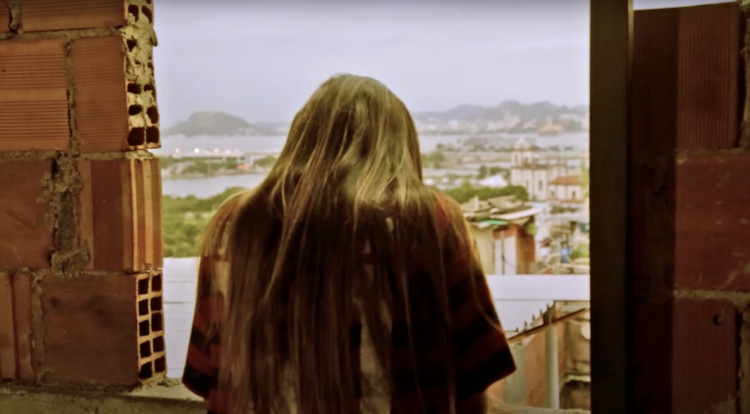
Dia a dia is a three-part mid-length film miniseries developed by the Urban Policy Commission (CPU) of CAU/RJ. Each episode is dedicated to one of the three pillars proposed within the theme of the right to the city—sanitation, mobility, and housing—through the perspectives and daily lives of three women living in completely different areas of Rio de Janeiro: Realengo, Barra da Tijuca, and the Santo Amaro community (Catete). The first episode, which premiered on August 21 and addresses housing, is available online.
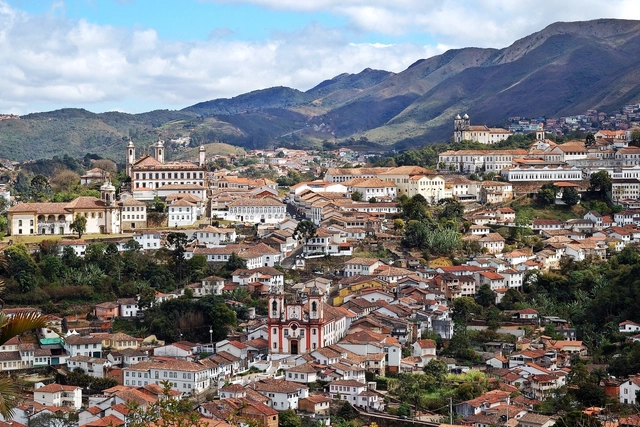
Ouro Preto, Minas Gerais. Photo by Rosino, Flickr. Licensed under CC BY-SA 2.0
In August, the city of Ouro Preto, in Minas Gerais, signed a public-private partnership for a "smart city" project, setting in motion plans to become Brazil's first historic smart city. The contract entails an investment of R$ 10 million and establishes an administrative concession for the Ouro Luz consortium to operate Ouro Preto's public lighting network and telecommunications infrastructure for 25 years.
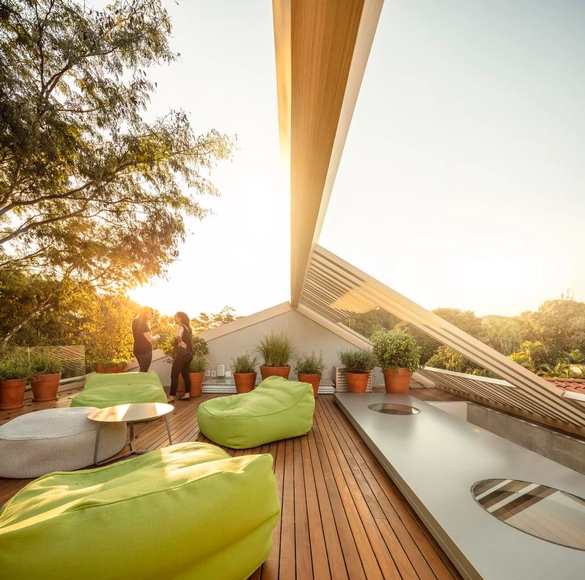
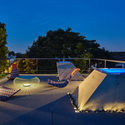
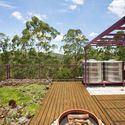
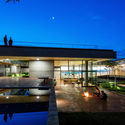
When imagining a building's roof being put to use, single-family homes are rarely the first thing that comes to mind. Utilizing the top level of a building is not always considered or prioritized; as a result, the opportunity to create spaces for contemplation and gathering—which foster a stronger connection to the outdoors and the climate—is often missed. Here, we gather 13 examples of terraces in Brazilian houses that demonstrate how this space can be utilized, regardless of its size.
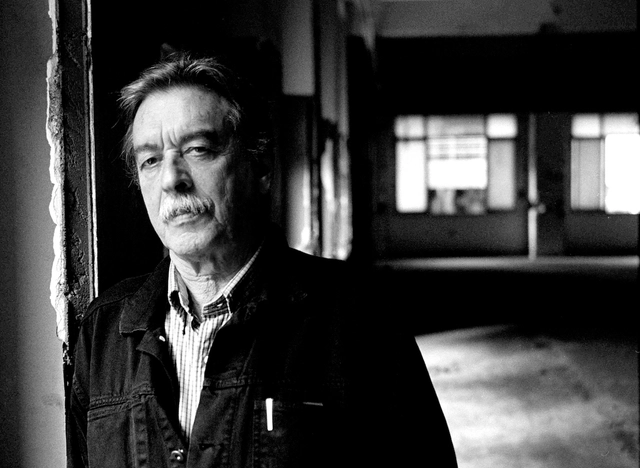
Last week, Paulo Mendes da Rocha announced the donation of his entire project archive to the Casa da Arquitectura, a Portuguese institution based in Matosinhos dedicated to preserving and exhibiting architectural collections. The news was published at the time by ArchDaily and caused a stir among Brazilian architects, educators, researchers, and institutions—especially the FAUUSP, which expressed regret over Rocha's decision.
Downtown São Paulo will receive a statue honoring Joaquim Pinto de Oliveira, an enslaved Black 18th-century architect known as Tebas. The announcement was made yesterday, September 10, by Mayor Bruno Covas at the São Paulo City Council.
(Image: Diego Herculano / Folhapress, via Futuro do Morar - Contrastes report)
What does the home of the future hold for us? And for whom will it become a reality? These questions served as the guiding principles for The Future of Living - Contrasts. With a keen eye on identifying the emerging movements that shape how we will live tomorrow, the research team at the Istituto Europeo di Design used the world during the COVID-19 pandemic as their primary backdrop. Drawing from this context, rather than simply discussing housing trends, the researchers address the challenges that must be resolved to make these trends a reality for everyone, rather than a mere set of forecasts that segregate rather than create opportunities.
Following the donation of Paulo Mendes da Rocha's complete archive to the Casa da Arquitectura in Portugal, a major debate arose in Brazil, with many expressing regret over seeing the physical documentation of his intellectual and built work leave the country. Through an open letter released today, Nuno Sampaio, Executive Director of the Casa da Arquitectura, proposes institutional collaboration protocols with Brazilian entities.









.jpg?1597324648 "Cohab © Coletivo Coletores")