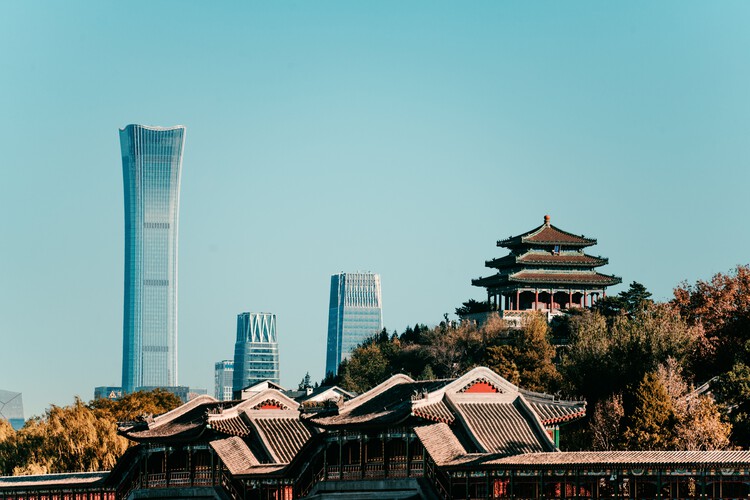
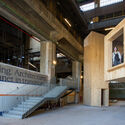
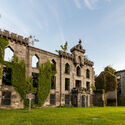
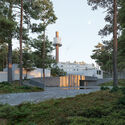
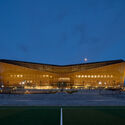
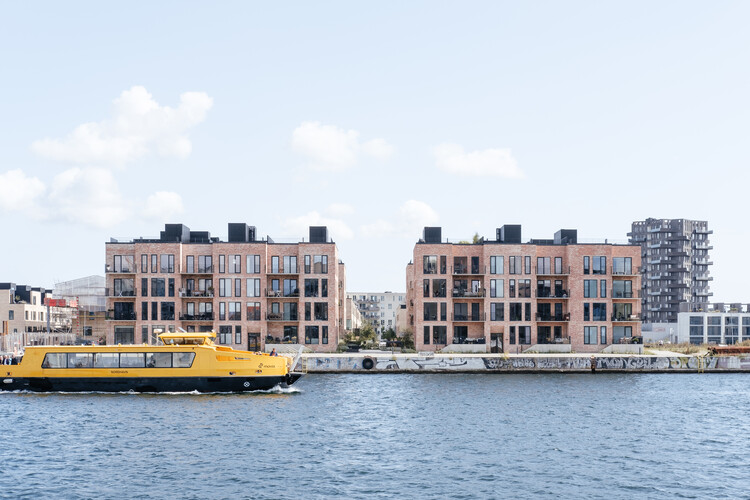
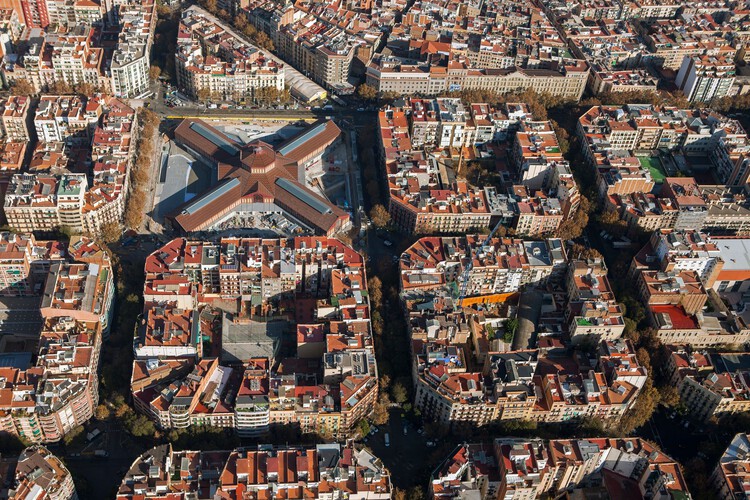
UNESCO-UIA World Capital of Architecture is a title created jointly by UNESCO and the International Union of Architects (UIA). On 5 August 2026, Beijing was named World Capital of Architecture for 2029, a title awarded every three years to a city that hosts a year of architecture-focused programming timed to coincide with the UIA World Congress of Architects. The designation was made upon the recommendation of the Joint Committee for the World Capital of Architecture, chaired by architect Dominique Perrault. It follows the recent conclusion of the UIA World Congress of Architects 2026 in Barcelona, current World Capital of Architecture, and builds on the experience of Rio de Janeiro and Copenhagen.
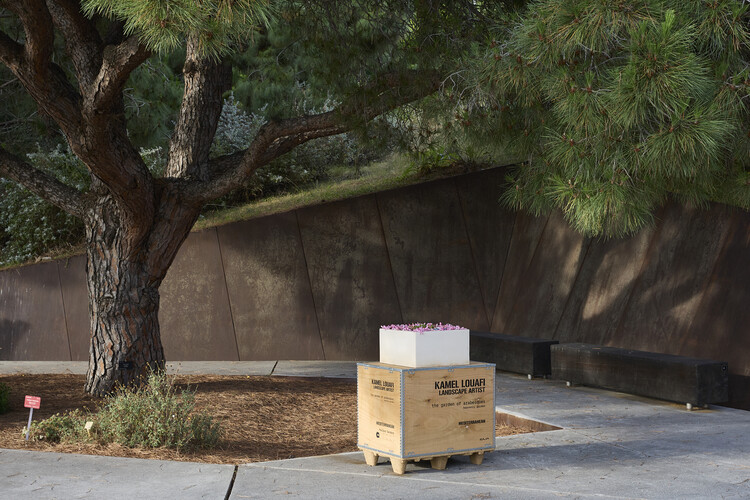
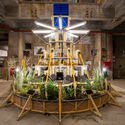
Parlour Gardens exhibition at Barcelona's Botanical Garden. June to October 2026. Image Courtesy of Marina Cervera
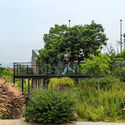
As part of the official programme for Barcelona as the UNESCO-UIA World Capital of Architecture, the Jardí Botànic de Barcelona is hosting "Parlour Gardens: Dreams from the Rooftop," a display of ceramic installations proposing a journey through landscape architecture. Curated by Marina Cervera (Barcelona International Landscape Biennial, CEO of NablaBCN), James Hayter (former president of IFLA, Oxigen), and José Luis Cortés (former president of the UIA), the exhibition marks a century since the 1926 invention of the jardinets de saló (living room or parlour gardens), miniature ceramic landscape worlds created originally by Nicolau M. Rubió i Tudurí, Llorenç Artigas, and Raoul Dufy. Installations by 14 global landscape architects will be scattered across the botanical grounds, grouped by homoclimatic zones to pair each design with fitting regional plant life, through 4 October 2026.
This week in architecture, discussions around the lifespan of buildings, the evolution of cultural institutions, and climate-responsive design highlighted how contemporary practice increasingly extends beyond the moment of construction. From debates over demolition and adaptive reuse to new museums that integrate landscape and environmental performance, the week's developments reflect shifting priorities around permanence, transformation, and public value. Alongside these projects, major institutional announcements, from the RIBA Stirling Prize shortlist to the election of a new UIA leadership, offer insight into the architectural agendas shaping the profession across different scales and geographies.
Architecture this week looked as much to the past as to the future. Across museums, restored landmarks, and large-scale urban redevelopments, the featured stories explored how architecture is continually reinterpreted through new cultural, political, and urban lenses. From reconsidering the architectural legacy of post-independence West Africa to transforming former prisons into energy-neutral neighborhoods and restoring twentieth-century cultural landmarks, the projects demonstrate how existing buildings and histories remain active participants in contemporary discourse. Alongside these interventions, the announcement of the World Architecture Festival shortlist and renewed attention to global urban growth provide a broader picture of a profession negotiating heritage, environmental responsibility, and rapidly changing cities.
Barcelona has just become the first city in the history of the UIA World Congress of Architects to host the event twice. Thirty years separate the two editions, and the distance between them says as much about architecture's changing self-understanding as anything spoken from a stage. In 1996, the congress placed the city at the center of the debate, consolidating a post-Olympic urban model that would go on to be studied and contested for decades.
Recent events highlighted the many ways architecture responds to changing environmental, social, and cultural conditions. Major earthquakes in Venezuela, Japan, and Northern California renewed attention to the role of planning, infrastructure, and building practices in shaping resilience to natural hazards. As these questions continue to inform the built environment, the opening of the 2026 UIA World Congress of Architects in Barcelona brought together practitioners and researchers to discuss climate, housing, public space, and the future of the profession. Recent project announcements, preservation initiatives, completed works, and new design tools further reflected the range of approaches shaping architectural practice today, from heritage conservation and adaptive reuse to environmental performance and long-term planning.
Long before it becomes a matter of performance, comfort, or energy efficiency, natural light is a way of giving presence to architecture. It reveals the texture of a wall, the depth of an opening, and the silent passage of time within a space. In works as distinct as those of Tadao Ando and Alvar Aalto, daylight appears as an essential material of design: in some cases, guiding the eye toward contemplation; in others, making spaces feel more human, welcoming, and connected to everyday life.
Every three years, the International Union of Architects' (UIA) World Congress lands in a different city, under a different theme set years in advance. A quick mapping of these host cities reveals a deliberate pattern: throughout the decades, the UIA has purposefully chosen a wide range of venues across all continents, rendering each edition a snapshot of what mattered in that specific place, at that exact moment. The result of this geographic rotation has been a diverse kaleidoscope of conversations, analyzing the profession from countless angles and adapting it to changing times. But 2026 is different; this time the UIA is repeating a host city for the first time: Barcelona, under the theme "Becoming. Architectures for a planet in transition".
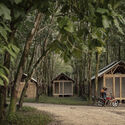
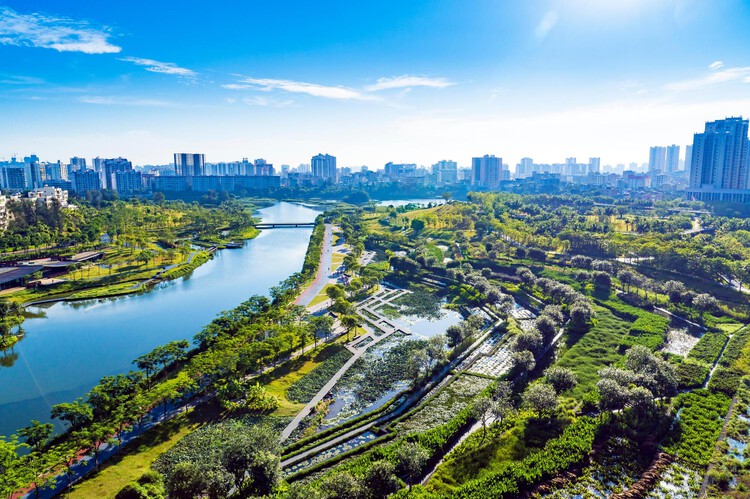
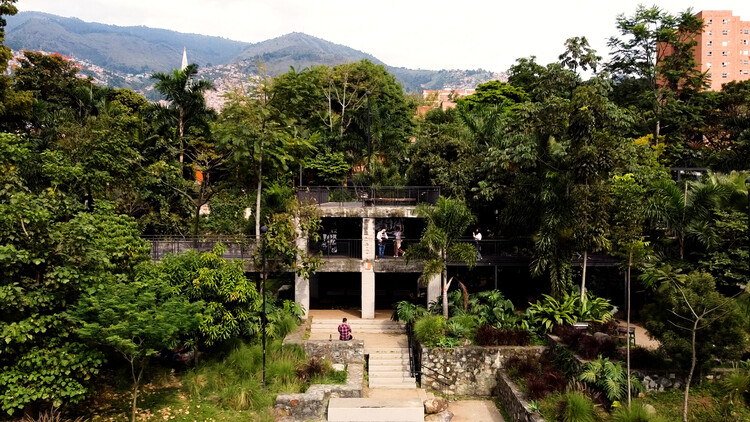
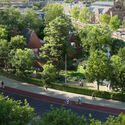
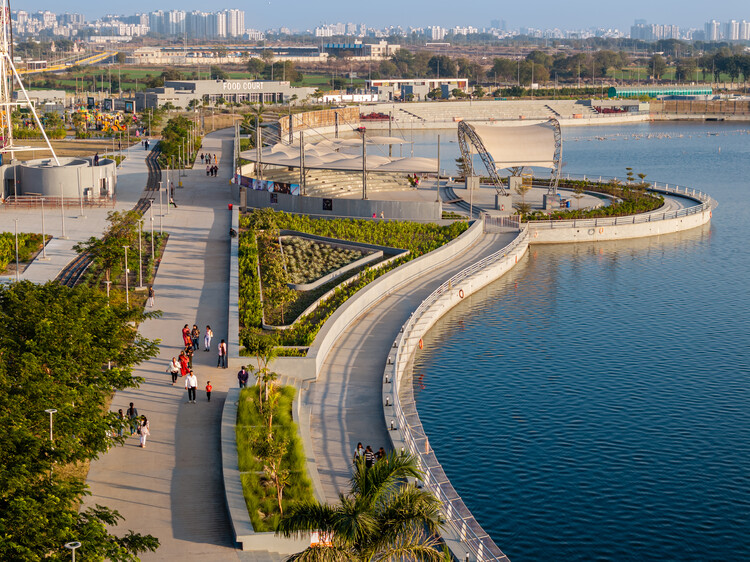
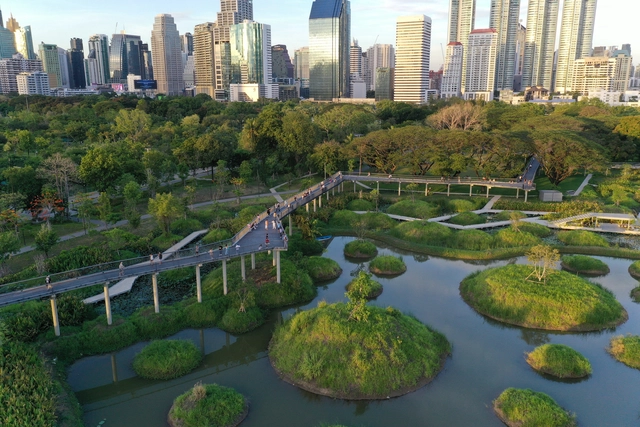
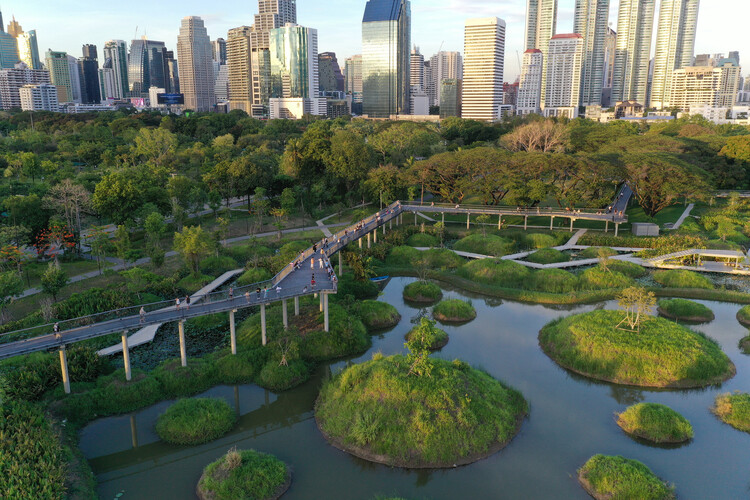
Parque Prado, Colombia, by Connatural Arquitectura en el Paisaje, Category 5 Winner of the UIA 2030 Award. Image Courtesy of International Union of Architects (UIA)
This week's stories reveal a growing focus on reconnecting design with physical reality, whether through construction, landscape, public space, or collective participation. From the curatorial direction of the upcoming Venice Architecture Biennale 2027 to internationally recognized projects addressing flood resilience, affordable housing, and ecological restoration, many of the week's discussions challenged architecture's increasing detachment from material, environmental, and social conditions. At the same time, major cultural interventions, temporary structures, and public forums explored how institutions and civic spaces can become more accessible, adaptable, and engaged with everyday urban life.
The UIA World Congress of Architects 2026 Barcelona has released its full program, outlining the structure, participants, and range of activities scheduled to take place from June 28 to July 2, 2026. Expanding on the previously introduced theme, Becoming. Architectures for a Planet in Transition, the Congress is conceived as a distributed event across multiple venues and urban contexts rather than a single-site conference. Organized by the International Union of Architects (UIA) in collaboration with the Higher Council of the Colleges of Architects of Spain (CSCAE) and the Architects' Association of Catalonia (COAC), the event is expected to gather approximately 10,000 participants and 250 speakers from more than 130 countries.
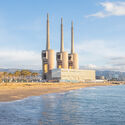
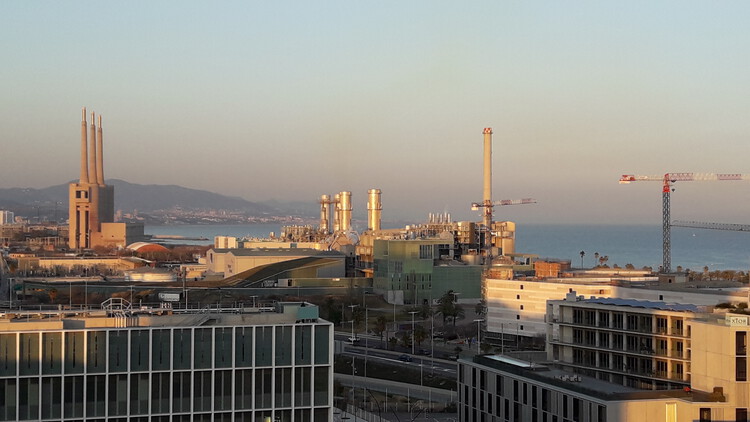
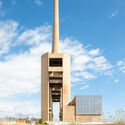
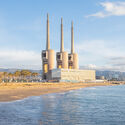
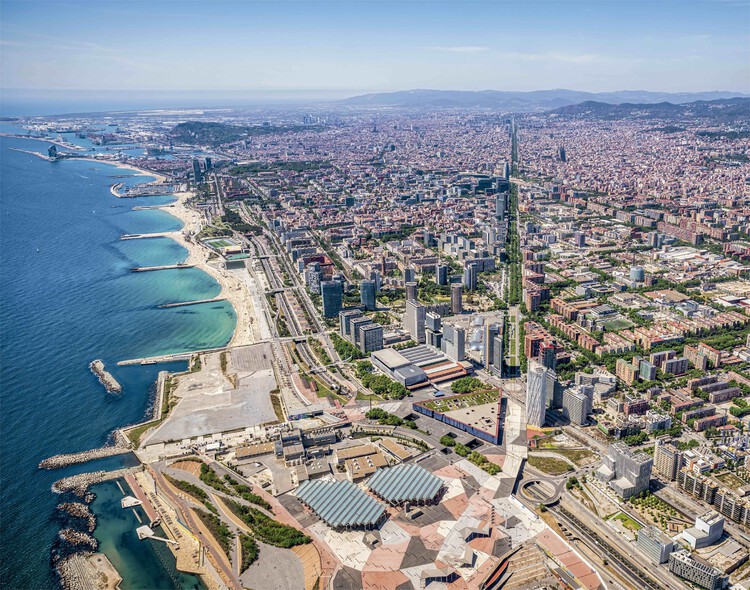
More than three decades after previously hosting the event, Barcelona is set to welcome the UIA World Congress of Architects 2026 Barcelona (UIA2026BCN), bringing the global architectural community back to the city between 28 June and 2 July 2026. Organized under the theme "Becoming. Architectures for a Planet in Transition," the Congress is expected to gather approximately 10,000 participants from over 130 countries, including practitioners, researchers, and students. Rather than being confined to a single venue, the event will unfold across multiple locations along the Mediterranean seafront, among them the Three Chimneys complex, positioning the city itself as an active platform for exchange, discussion, and public programming.
Architecture's public role emerges as a central theme across recent announcements, institutional projects, and professional programs. The selection of the 2026 Serpentine Pavilion designer foregrounds architecture as a space for public encounter and material inquiry, while major civic and cultural projects point to renewed investment in institutions that support education, exchange, and urban continuity. Alongside these developments, international award programs and policy-aligned initiatives continue to situate architecture within broader conversations on sustainability, social responsibility, and long-term impact, highlighting how design decisions at both intimate and monumental scales respond to shared environmental and civic challenges.
The International Union of Architects (UIA), in collaboration with UN-Habitat, has announced the launch of the third cycle of the UIA 2030 Award. Introduced in 2021, the biennial international prize highlights the role of architecture in advancing the UN 2030 Agenda for Sustainable Development, with a particular emphasis on SDG11: Sustainable Cities and Communities and the New Urban Agenda. Organized by the UIA's UN 17 SDGs Commission, the award recognizes built projects that combine architecture with measurable contributions to the Sustainable Development Goals (SDGs). Structured to coincide with the schedule of the World Urban Forum (WUF), the award will run through five cycles.