

Produce personalized presentation boards that distill complex concepts into simple visual representations with a few helpful tools and effects.
Editor's Choice
How to Create Architectural Presentation Boards
| Sponsored Content
https://www.archdaily.comhttps://www.archdaily.com/catalog/us/products/37234/how-to-create-architectural-presentation-boards-lumion
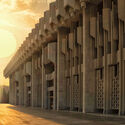
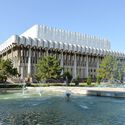
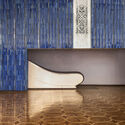
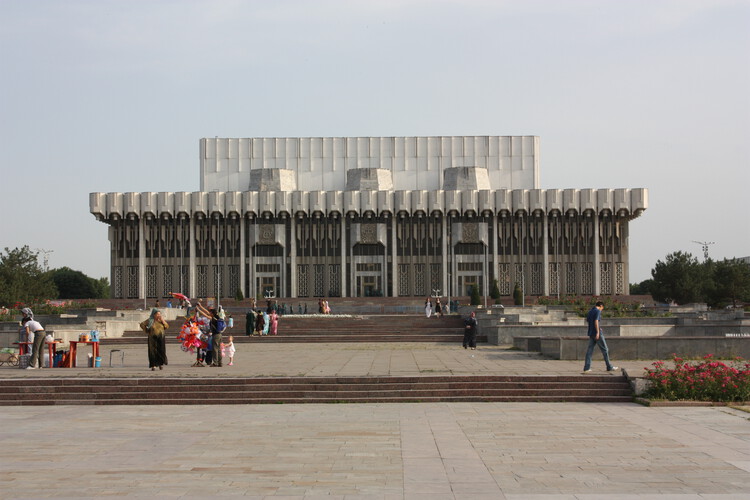
The Aesthetics of Power: Soviet Modernism Meets Uzbek Tradition in Tashkent’s Palace of Peoples’ Friendship

Tashkent, the capital of Uzbekistan and one of the oldest cities in Central Asia, has long been shaped by a hybrid culture. Located at a strategic point along the Silk Road, the city developed an architectural tradition defined by inner courtyards, domes, decorative ceramics, and Islamic geometric patterns. The annexation by the Russian Empire in the 19th century introduced administrative buildings, orthogonal squares, and straight avenues, creating a dual urban fabric — between the “old” Eastern city and the “new” European one — in which contrasts and overlaps became the norm.
During the Soviet period, when Tashkent became the capital of the Uzbek Soviet Socialist Republic and received intense migration from across the union, the city was transformed into a modernist showcase. The coexistence between Islamic heritage and the ideology of socialist progress found a new inflection point with the 1966 earthquake, whose destruction triggered a large-scale reconstruction effort involving architects from across the USSR. Massive housing complexes, cultural institutions, and monumental buildings emerged, reinterpreting local motifs through ideological and technological language. It was in this context that the Palace of Peoples’ Friendship took shape.

https://www.archdaily.com/1036573/the-aesthetics-of-power-soviet-modernism-meets-uzbek-tradition-in-tashkents-palace-of-peoples-friendshipCamilla Ghisleni
ArchDaily's Best Architectural Projects of 2025
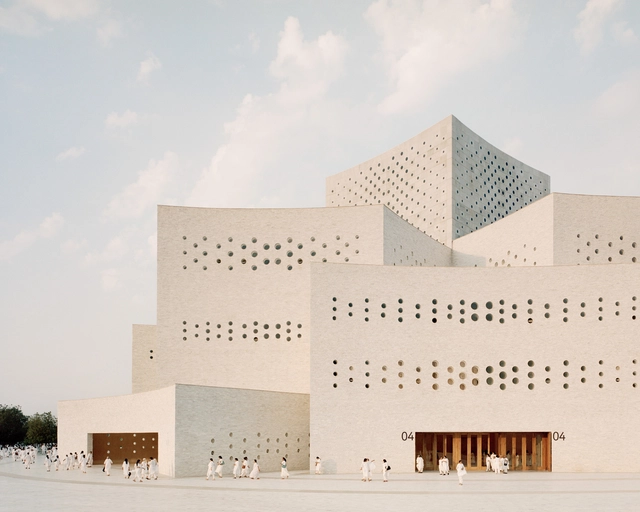
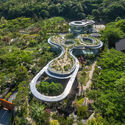
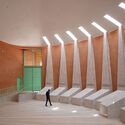
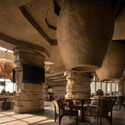
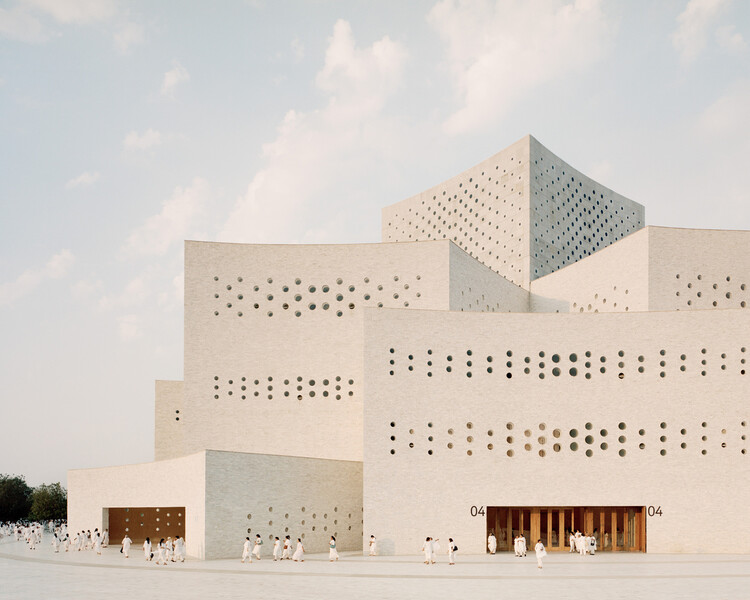
As the year culminates, it's once again time for the ArchDaily team of curators to reflect on the best-performing projects of 2025 and consider what readers were most interested in. Through this diverse overview, we assess the cross-continental similarities and differences in trends and construction development. This year brought us many grand cultural and public spaces by Lina Ghotmeh, BIG, Zaha Hadid Architects, DnA, and Serie Architects, who populated events like Expo Osaka and the Venice Biennale, as well as a surprising number of museums and public or landscape works in China and the rest of the Asian continent. However, while these were sought-after projects, the leading works remained, unsurprisingly, residential projects.
More specifically, the houses that were most viewed on the ArchDaily global site were concrete houses that bore considerable injections of greenery and landscape focus. They propose layouts highlighting voids and double heights, as well as inner courtyards or large openings to the exterior. While some references did suggest traditional or vernacular elements, modernist revivals were still predominant. Material trends are much more tame, with a recurrence of raw concrete use, as wood and stone were common accent elements. Still, the more interesting thing about the works this year is the efforts brought by architects in situating and setting the projects within their surroundings, bringing special attention to landscape and how projects merged with nature.

https://www.archdaily.com/1036342/archdailys-best-architectural-projects-of-2025Hana Abdel
Quiet Hope: Frank Gehry’s Maggie’s Centre Hong Kong

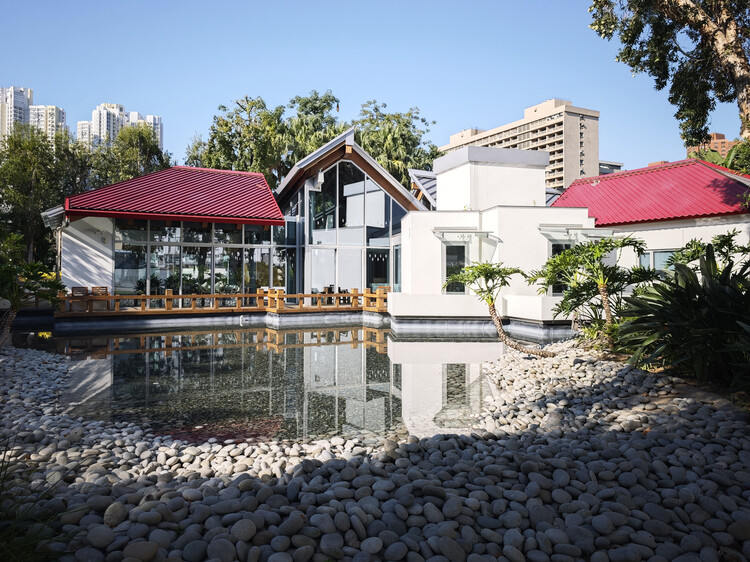
Earlier this month, news of Frank Gehry's passing prompted an outpouring of tributes to the architect behind flamboyant museums, concert halls, and sinuous residential complexes. Rather than revisit that well-charted terrain, it is worth pausing on a more contemplative work in his oeuvre: Maggie's Cancer Caring Centre in Hong Kong. Quiet, optimistic, and calibrated for everyday resilience, the building reflects multiple registers of Gehry's intent: a commitment to positivity and survival—and, more personally, an architect's own reckoning with loss and end-of-life care.
The remark reframes Maggie's Hong Kong as more than a commission; it suggests a design process shaped by grief and turned toward comfort, dignity, and the possibility of hope—an ethos that aligns closely with the organization's mission.



https://www.archdaily.com/1036787/quiet-hope-frank-gehrys-maggies-centre-hong-kongJonathan Yeung
Interior Design Trends of 2025

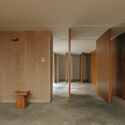
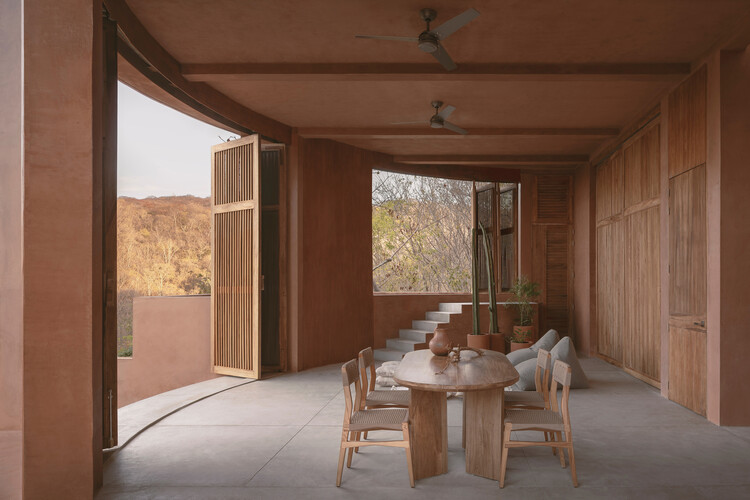
As 2025 approaches its end, we look back at an eventful year in the world of interior design. Last year, designers favored reserved, modest approaches, a trend that continued from previous years. The emergence of artificial intelligence generated intense discussions on digital equity and misinformation, which continued into 2025, especially with the topic of the Venice Architecture Biennale, Intelligens. This opened the conversation to the opportunities of digital technologies, attempting a more hopeful outlook. On the other hand, completed interior design projects over the year focused more on the tangible and the pragmatic, with expressed raw materials and an appreciation of history.



https://www.archdaily.com/1036727/interior-design-trends-of-2025Mohieldin Gamal
Local Knowledge and Ecological Context: City Making Lessons from Chicago’s Wild Mile
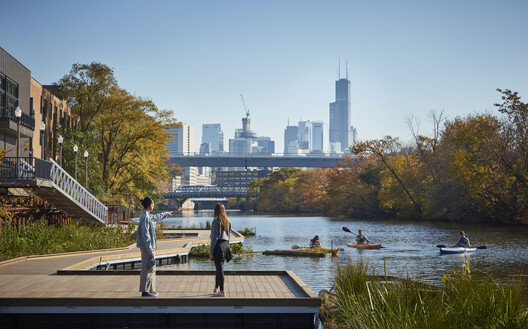
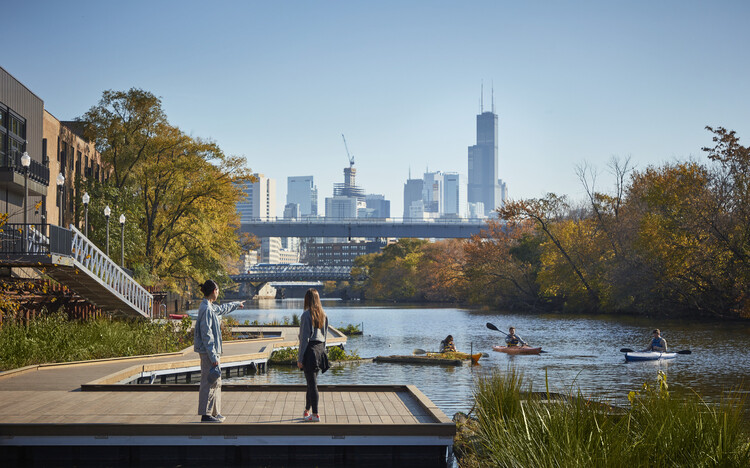
For more than a century, residents of growing American cities reshaped their rivers to serve industrial and manufacturing needs. Waterways were straightened, deepened, paved, or buried to support shipping routes and to move materials efficiently across regions. These transformations created an urban landscape in which rivers were treated as productive infrastructure rather than as living ecological systems.
This approach left a lasting imprint. Riparian habitats disappeared, water quality declined, regional biodiversity grew vulnerable, and communities grew accustomed to river corridors dominated by steel walls and concrete channels. The industrial reshaping of rivers in places such as Chicago, Los Angeles, and the Mississippi basin created durable patterns of development that still influence how cities function today.



https://www.archdaily.com/1036351/local-knowledge-and-ecological-context-city-making-lessons-from-chicagos-wild-mileOlivia Poston
What Fits in the Void? Terrain Vague and Cities That Resist Planning

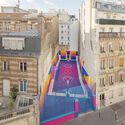
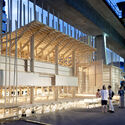
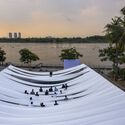
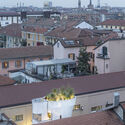
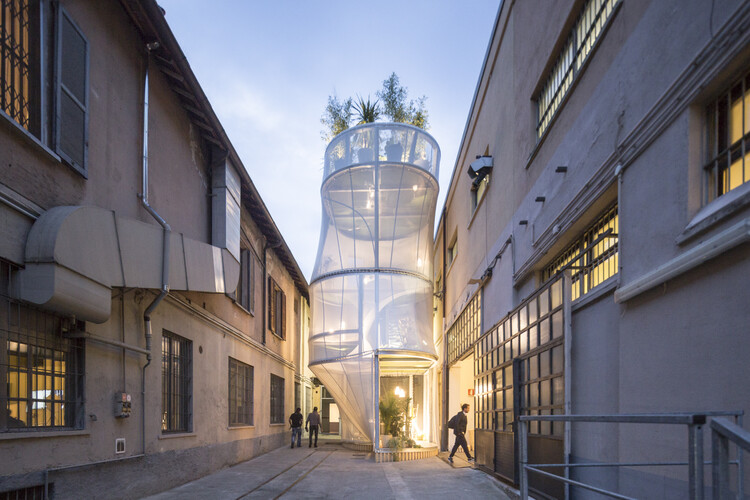
Every city carries, woven into its fabric, fissures that resist capture: ruins, vacant lots, leftover infrastructures, and gaps that persist at the margins of the official narrative. These are places that slip through the logics of planning, emerging as unexpected counter-scenes within a territory that seeks to present itself as coherent.
In the rush to organize and predict, we rarely pause to notice what emerges from such unforeseen conditions. Yet it is precisely in them that new forms of urban life begin to take shape. Free from pragmatic control or predetermined codes of conduct, these spaces reveal another layer of the city — one that, in its continual state of latency, opens room for new modes of appropriation.
https://www.archdaily.com/1036323/what-fits-in-the-void-terrain-vague-and-cities-that-resist-planningCamilla Ghisleni
Moroccan Modern: The Architecture of Jean-François Zevaco

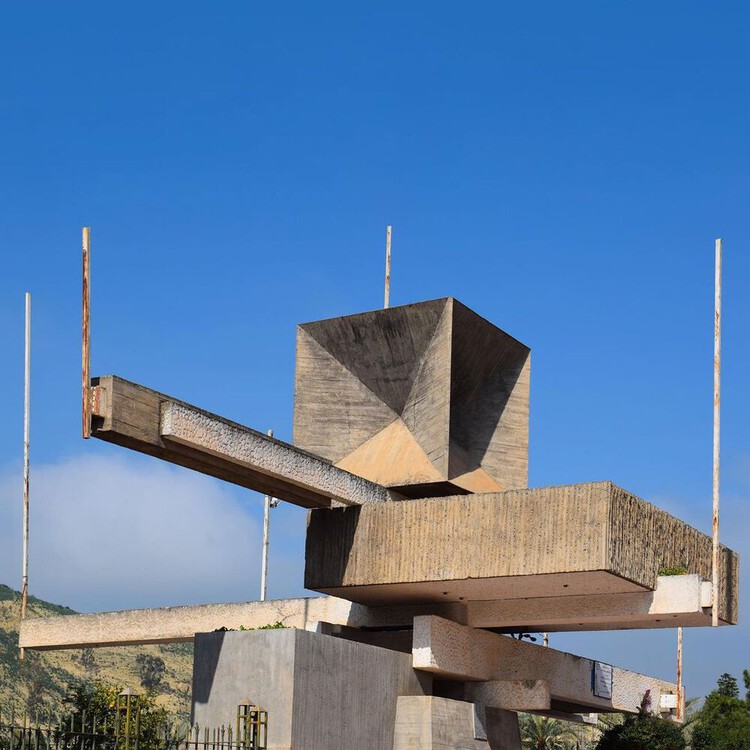
Modernism has a long history in Morocco. Being close to Europe and under French Protectorate rule, it kept pace with architectural developments in the movement. Its relative peace after the Second World War further strengthened its role as some European architects sought a hub for new ideas. Architects in independent Morocco adopted Modernism as they were tasked to build the infrastructure of a new nation. The architect Jean-François Zevaco, born in Morocco to French parents, practiced across these formative periods, developing his own expressive version of modern architecture.

https://www.archdaily.com/1036341/moroccan-modern-the-architecture-of-jean-francois-zevacoMohieldin Gamal
How Open-Source Toolkits Are Democratizing Built Heritage
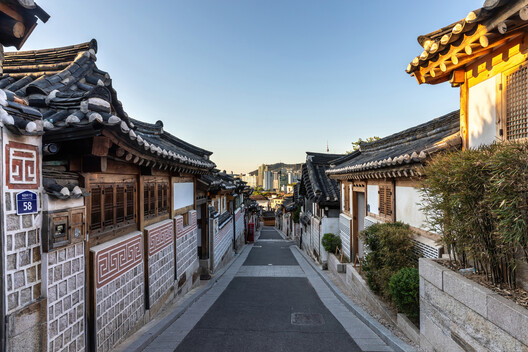
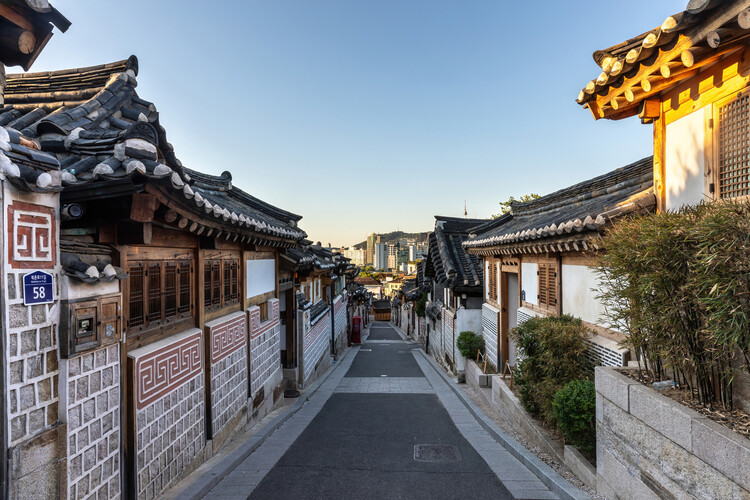
For monuments worthy of sustained admiration, conservation practices have been selectively mobilized to reinforce their prestige and secure their place at the center of heritage narratives. Structures whose vernacular ought to be passed down miss the discerning eye of the experts. Rowhouses, shopfronts, and neighborhood structures that form the fabric of our cities are often left to deteriorate beyond repair. Much more is lost, apart from aesthetics.



https://www.archdaily.com/1036161/how-open-source-toolkits-are-democratizing-built-heritageAnkitha Gattupalli
The Architecture of Restraint: When Choosing Not to Build Becomes Design

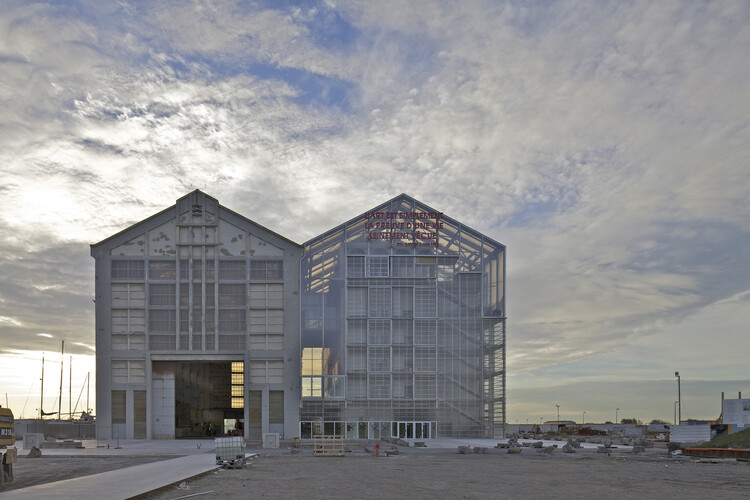
In a world facing ecological exhaustion and spatial saturation, the act of building has come to represent both creation and consumption. For decades, architectural progress was measured by the new: new materials, new technologies, new monuments of ambition. Yet today, the discipline is increasingly shaped by another form of intelligence, one that values what already exists. Architects are learning that doing less can mean designing more, and this shift marks the emergence of what might be called an architecture of restraint: a practice defined by care, maintenance, and the deliberate choice not to build.
The principle recognizes that the most sustainable building is often the one that already stands, and that transformation can occur through preservation, repair, or even absence. Choosing not to build becomes a political and creative act, a response to the material limits of the planet and to the ethical limits of endless growth. That Architecture moves beyond the production of new forms to embrace continuity, extending the life of structures, materials, and memories that already inhabit the world.
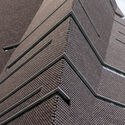
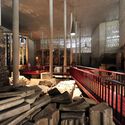
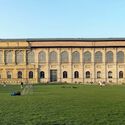
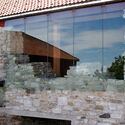
https://www.archdaily.com/1035638/the-architecture-of-restraint-when-choosing-not-to-build-becomes-designDiogo Borges Ferreira
The Intelligens Biennale Gathers the Data, But Fails to Synthesize It
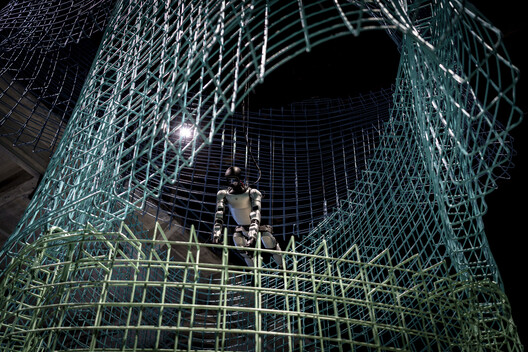
This article introduces our new Opinion section, a format for argument-driven essays on critical questions shaping our field.
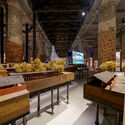
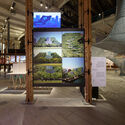
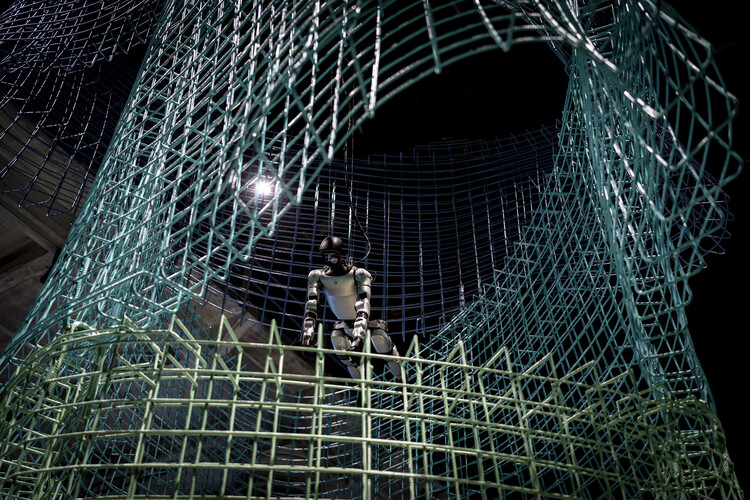
The Venice Architecture Biennale has always been larger than itself. Never content with merely being an exhibition, it has always carried ambitions that expand beyond the grounds of Arsenale and Giardini. Rem Koolhaas's Fundamentals sought to deconstruct architecture into a universal grammar; Alejandro Aravena's Reporting from the Front reframed it as a tool for social justice on the ground; Lesley Lokko's The Laboratory of the Future set out to decolonize and decarbonize the architectural canon.
https://www.archdaily.com/1035972/the-intelligens-biennale-gathers-the-data-but-fails-to-synthesize-itMaria-Cristina Florian
Louvres Around the World: The Export of Museums and Architecture as a Global Brand
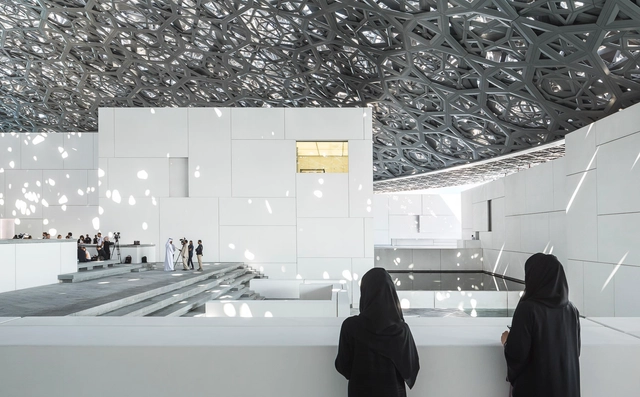
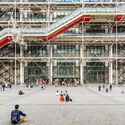
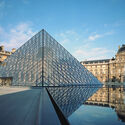
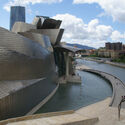
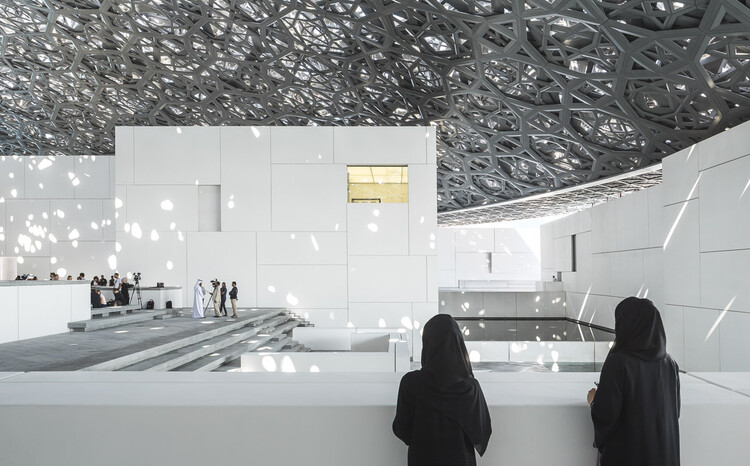
It is undeniable that, at first glance, the idea of a Louvre in Abu Dhabi or a Centre Pompidou in Brazil may seem somewhat disconcerting. The image of these museums, internationally renowned, appears in many ways inseparable from their original cultural contexts. And to some extent, it truly is. The Louvre, deeply rooted in the history of France as a former fortress and later royal residence, embodies a set of invaluable heritage values, further amplified by I. M. Pei’s iconic glass pyramid intervention in 1989. The Pompidou, meanwhile, is remembered as a historic turning point: by redefining the concept of public infrastructure through radically unconventional architecture, it marked the first time culture drew in mass audiences.

https://www.archdaily.com/1035386/louvres-around-the-world-the-export-of-museums-and-architecture-as-a-global-brandCamilla Ghisleni
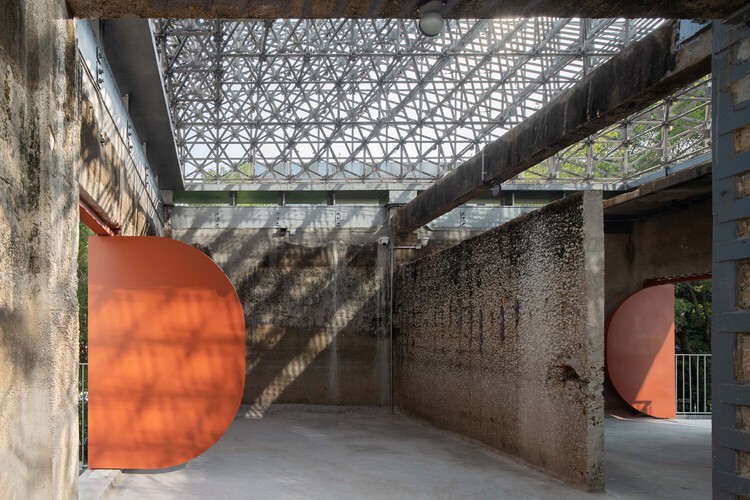
Dialogue with the Code: Calibrating Standards for Adaptive Reuse to Thrive
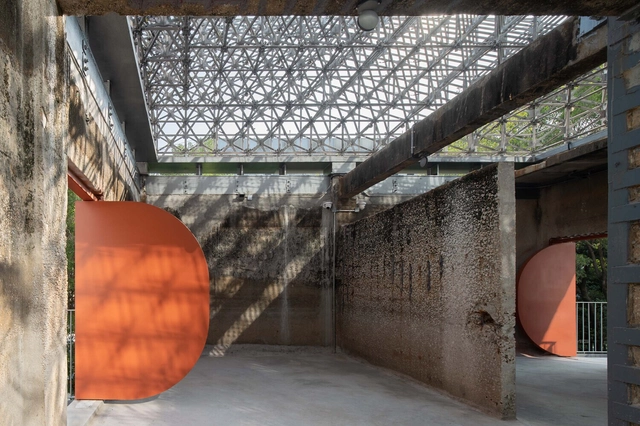
There is growing awareness around sustainability—and the environmental cost of prematurely demolishing safe, structurally sound buildings only to replace them with new construction. In the broader race to reduce carbon emissions, corporations and institutions are placing greater emphasis on ESG performance (environmental impact, social responsibility, and governance). Many now require carbon accounting, set "carbon-neutral" targets, or purchase carbon credits to offset footprints.
This shift, together with a wave of exemplary adaptive-reuse projects worldwide—Herzog & de Meuron's Tai Kwun in Hong Kong, Powerhouse Arts in Brooklyn, David Chipperfield's The Ned Doha, and Xu Tiantian's transformations of factories, quarries, and rammed-earth fortresses in China—has accelerated serious reconsideration of reuse as a primary development strategy. Yet despite its many benefits, adaptive reuse is still not as prevalent as it could be. Why and what might be the main obstacles and tensions?

https://www.archdaily.com/1035639/dialogue-with-the-code-calibrating-standards-for-adaptive-reuse-to-thriveJonathan Yeung
Shifting Sediments: Rivers as an Architectural and Cultural Catalyst

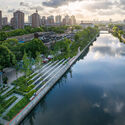
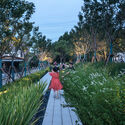
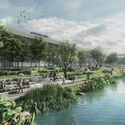
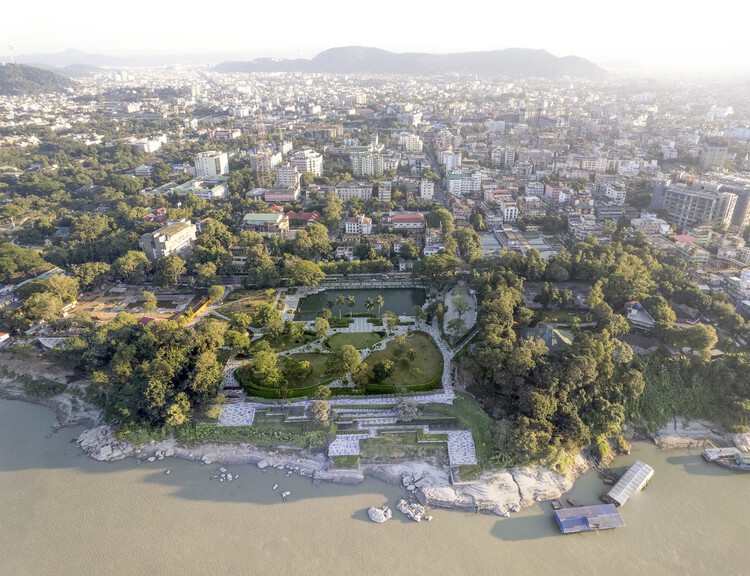
Rivers generate a distinct typology of architecture bound by design threads of material practice, environmental adaptation, cultural symbolism, and imagination. Each river system produces a unique ecosystem where water, soil, vegetation, and settlement converge to form a living network. Designing within this environment requires a capacity to read movement rather than resist it, to build on uncertain ground, and to understand permanence as a balance in motion. Unlike the fixed horizon of the sea, the river is never still. It teaches architects to think in gradients rather than boundaries, and to design as part of an evolving landscape.

https://www.archdaily.com/1035237/shifting-sediments-rivers-as-an-architectural-and-cultural-catalystOlivia Poston
Architectural Rebuilding as Cultural Memory: The Paradox of Ever-Fresh Heritage

Architecture—one of the few cultural artifacts made to be publicly lived with, preserved, and often capable of standing for centuries—contributes significantly to the cultural identity of places and people. Historically, buildings have expressed institutional attitudes, influence, and power; they are clear demonstrations of culture. Yet longevity complicates preservation: when a structure is rebuilt, repaired, or entirely reassembled, in what sense is it still the same building?
There's the classic Ship of Theseus puzzle from Plutarch. if a ship's planks are replaced one by one over time, is it still the same ship? Thomas Hobbes adds a twist—if the original planks are reassembled elsewhere, which ship is "the original"? The paradox tests what grounds identity: material fabric, continuous use and history, or shared recognition. In architecture and conservation, it reframes preservation as a choice among keeping matter, maintaining form and function, or sustaining the stories and practices that give a place meaning.


https://www.archdaily.com/1034958/architectural-rebuilding-as-cultural-memory-the-paradox-of-ever-fresh-heritageJonathan Yeung
Lina Ghotmeh on Memory, Museums, and the Archaeology of the Future
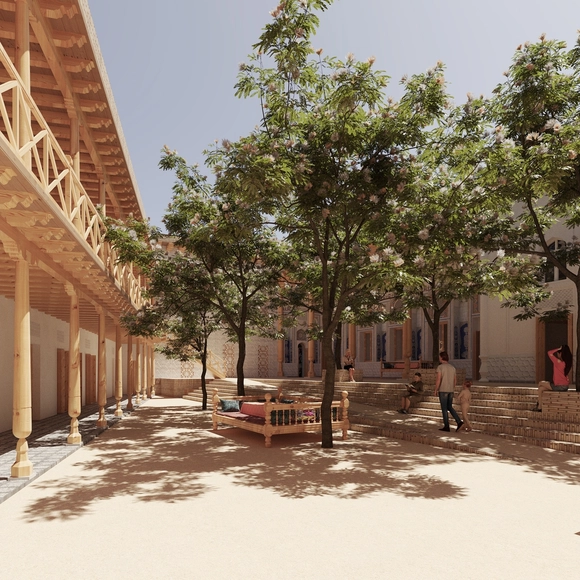
Known today for her poetic yet rigorous approach to architecture, Lina Ghotmeh has become one of the most compelling voices in contemporary design. Her work spans continents, from the British Museum's Western Range redesign in London to AlUla's Contemporary Art Museum, and includes landmark commissions such as the Serpentine Pavilion in London, Stone Garden in Beirut, the Bahrain Pavilion at the 2025 Expo Osaka, and the Estonian National Museum in Tartu, Estonia which she won the competition to design at just 25. Through a palimpsest of projects, Ghotmeh has established a distinctive architectural language that bridges memory and contemporary life. Wherever she builds, her process captures a constant dialogue between people, place, past and future.

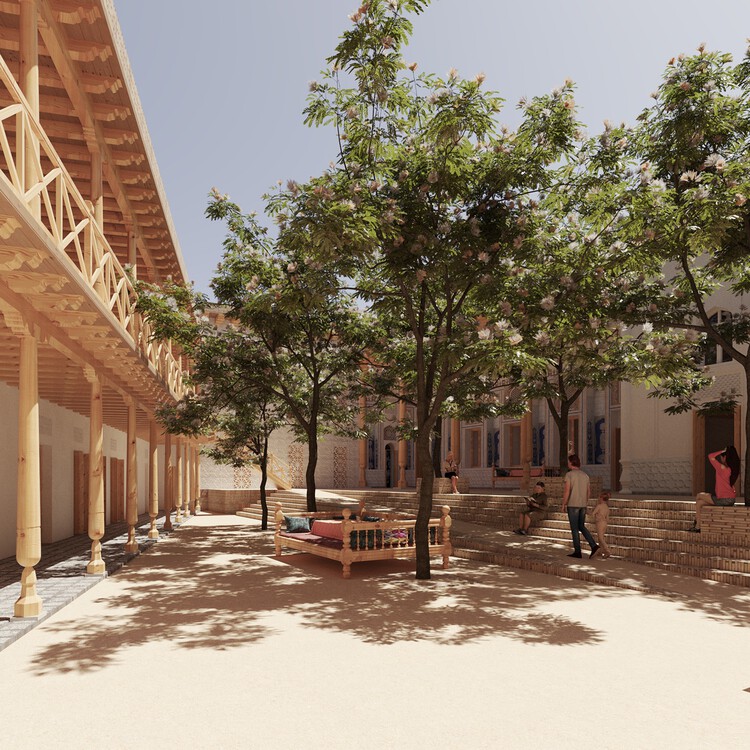
https://www.archdaily.com/1034567/lina-ghotmeh-on-memory-museums-and-the-archaeology-of-the-futureChristele Harrouk
Reclaiming the Narrative: A New Generation of Museums in West Africa

As countries in Africa emerged from colonialism in the mid-twentieth century, many expressed their independent identities through architecture. This process continues several decades later, exemplified by several new museums in West Africa, recently completed or in planning. Although varying in purpose and form, they have some common goals: addressing the need for restitution of many artifacts taken during colonialism and mostly kept in European museums; and defining a museum with local identity as opposed to a non-contextual import.

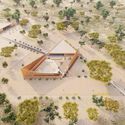
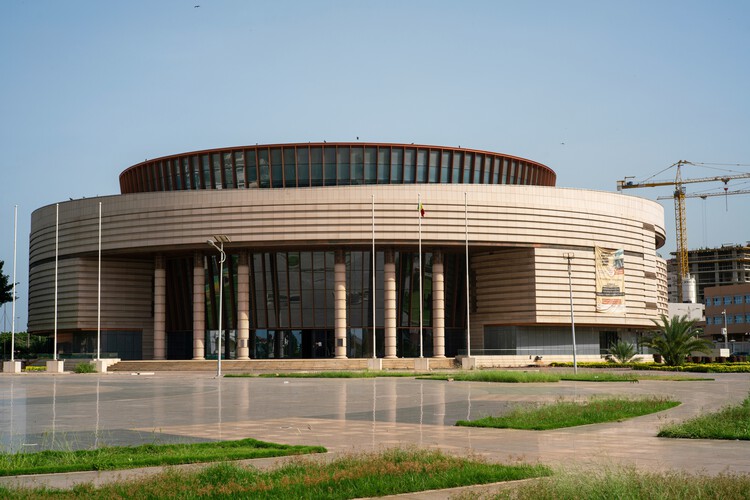
https://www.archdaily.com/1034631/reclaiming-the-narrative-a-new-generation-of-museums-in-west-africaMohieldin Gamal
Behind the Scenes, On Display: Self-Curated Journeys through the Museum Archive

The museum and gallery visit has long been a highly curated experience. Visitors are guided through a carefully orchestrated sequence of rooms, with hand-picked works arranged to tell a specific narrative, supported by signage, graphics, scenography, and calibrated lighting. Even the rarely changed exhibitions - the permanent collections, also typically rely on a strong curatorial voice— led by noted artists or curators—to set institutional stance and shape interpretation.
At the same time, storage areas for museums and galleries are typically kept separately—often within the same building but under tightly controlled access, and not infrequently off-site in dedicated facilities, such as the Louvre Conservation Centre. These zones have long been understood as highly controlled spaces not only in terms of access, but also in relation to climate, humidity, archival order, handling protocols, maintenance, and repair. For fear of thefts and that the spatial, environmental, and sequencing requirements of the archive could be disturbed, storage has traditionally been somewhat secretive and primarily serves academic researchers and art practitioners by request. Rarely does the general public gain a comprehensive picture of the works safeguarded by any given institution.


https://www.archdaily.com/1034544/behind-the-scenes-on-display-self-curated-journeys-through-the-museum-archiveJonathan Yeung
Shifting Urban Perspectives: Beimen's Journey from Obstacle to Urban Anchor in Taipei

The North Gate of Taipei, also known as Beimen, stands not only as a reminder of the city's complex history but also as a witness to the changing urban landscape around it, and its shifting attitudes towards the urban spaces bordering heritage buildings. Initially a Chinese imperial frontier, spared from demolition during the Japanese colonial dominion, crowded by overpasses and highways in the postwar modernization efforts, it has recently regained its prominent status through the development of the plaza that now frames it. The gate's resilience through shifting urban priorities and architectural policies tells a story of heritage preservation not only through the built form, but also through the open spaces framing it.


https://www.archdaily.com/1034420/shifting-urban-perspectives-beimens-journey-from-obstacle-to-urban-anchor-in-taipeiMoises Carrasco