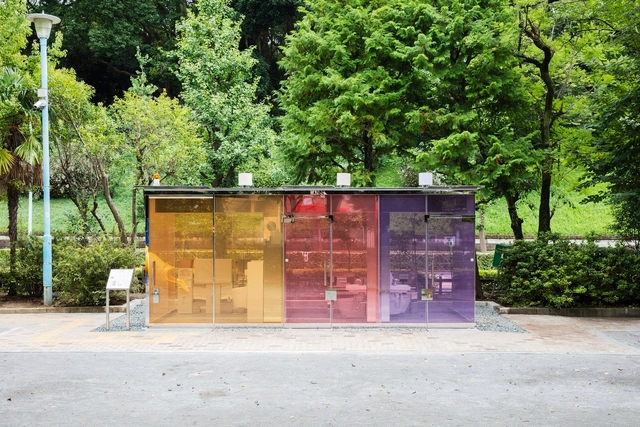
"A bathroom is a place where everyone is equal—there is no rich or poor, no old or young; everyone is part of humanity." This reflection was shared by Wim Wenders, exponent of New German Cinema and director of the filmPerfect Days (2023) when asked about the striking sets of his most recent work. Wenders selected Tokyo's public restrooms to craft a narrative that deeply explores themes of solitude, simplicity, and the beauty of everyday life.
The story follows Hirayama, a middle-aged man working as a public toilet cleaner in Tokyo. His life is simple and routine, yet filled with small pleasures and moments of reflection. This modest lifestyle contrasts with the technological, colorful, and innovative designs of the public restrooms he cleans every day.
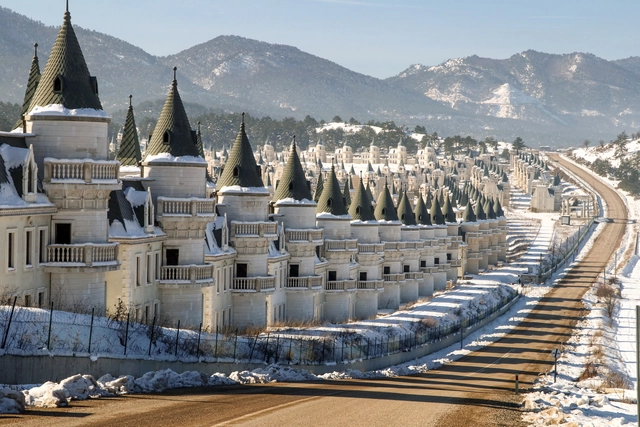
Most of us have probably imagined living in a castle at some point, whether during childhood, enchanted by fairy tales, or as adults studying European monarchies. Considering this fascination, what would you think if you had the chance to buy your castle? In mid-2014, you could make that dream a reality in Turkey for just $370,000. Each luxurious 325-square-meter castle came complete with blue turrets and spiral staircases. The only catch? Your castle would be one of 731 identical ones. But who cares about exclusivity when you have the chance to live in a Disney fairy tale?
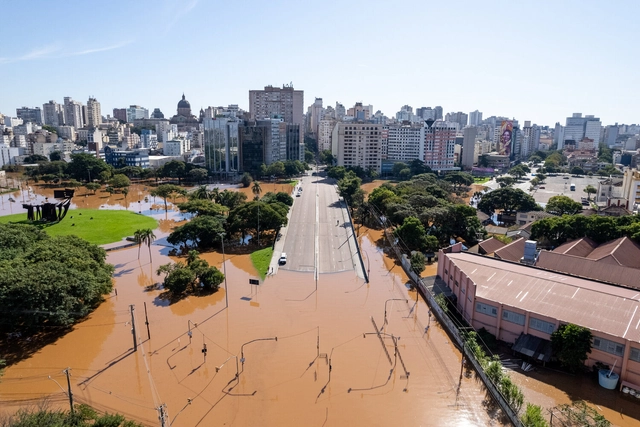
Alarming cases of climate disasters are a constant presence in world news. Last month's floods in southern Brazil gained special attention from heat waves and forest fires to droughts and cyclones. This tragedy, which left over half a million people homeless, was understood to be the result of a combination of factors, including human actions that have devastated ecosystems to create environmentally irresponsible cities.
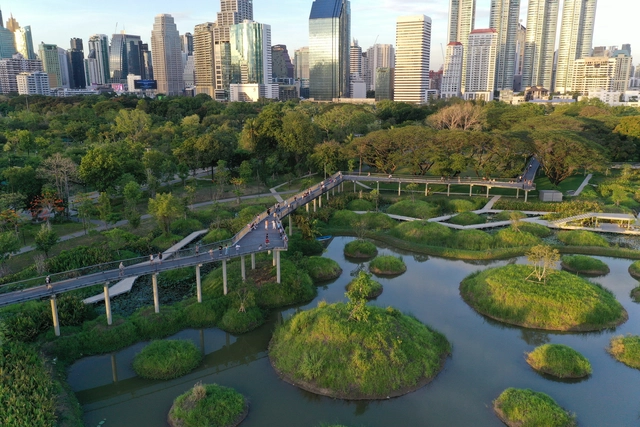
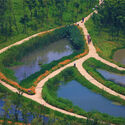
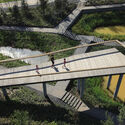
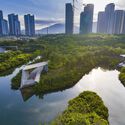
In this context, the work of Beijing-based architect Kongjian Yu, founder of the landscape architecture firm Turenscape, has gained international visibility and recognition, which included receiving the 2023 Cornelia Hahn Oberlander International Landscape Architecture Prize (“Oberlander Prize”). His "sponge cities" concept, designed to address and prevent urban flooding in the face of accelerated climate change, was adopted as national policy in China in 2013. This approach prioritizes large-scale nature-based infrastructures such as wetlands, greenways, and parks.
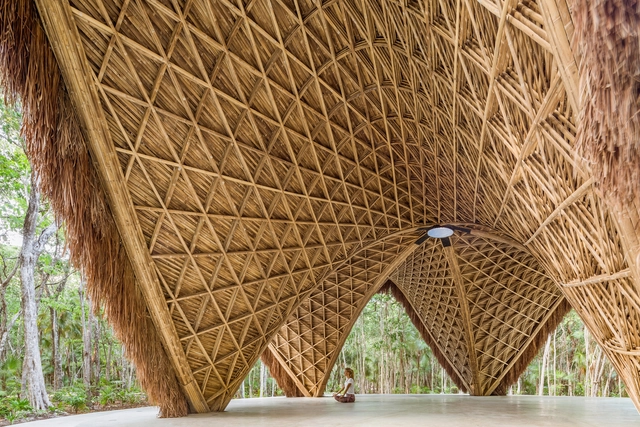
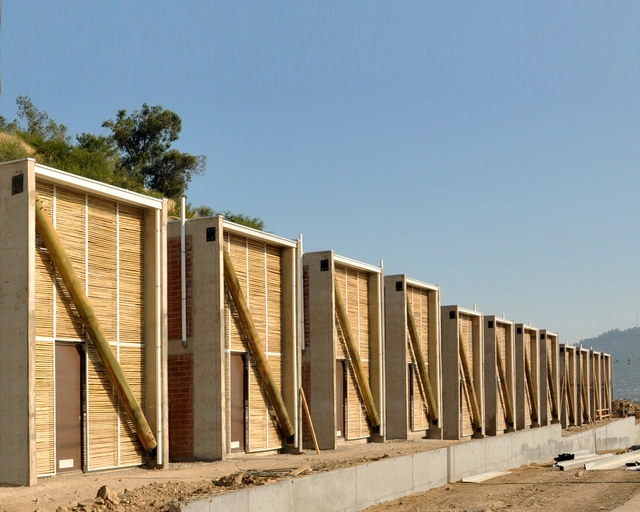
Within this scope, much is said about the different vernacular techniques employed in architecture, whether it is the production of adobe bricks, thatched roofs, woven bamboo walls, among many others. However, while vernacular technique focuses on specific actions or skills, its meaning differs from vernacular technologies.
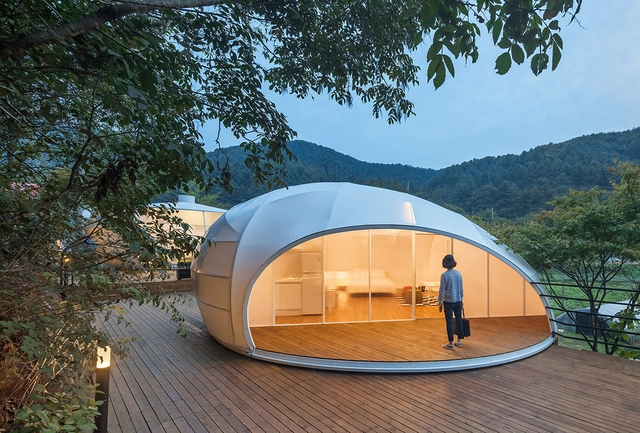
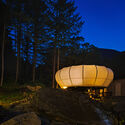
Camping, as defined in dictionaries, involves temporarily staying outdoors, setting up makeshift accommodations, and settling in natural surroundings. In architecture, tents symbolize these aspects, representing a typology that has endured across centuries and cultures, often linked with notions of impermanence and vulnerability.
In light of this common understanding, the term 'glamping' emerged in the early 2000s, blending 'camping' with 'glamour,' suggesting a fusion of camping with luxurious amenities. However, despite its recent popularization, the concept is far from original. Camping has not always been seen as the antithesis of luxury.
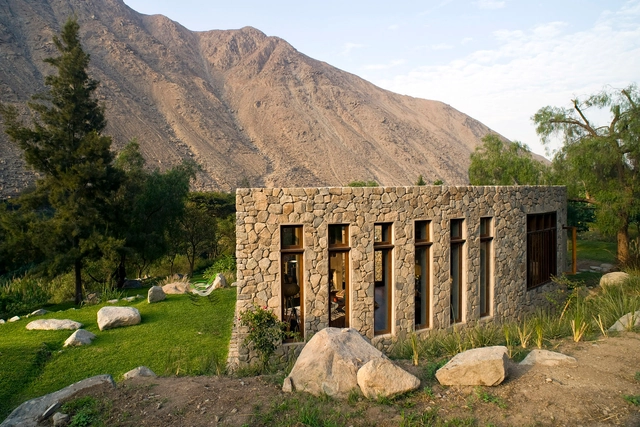
Organizing, shaping, stacking. Transforming raw materials from the soil into architecture. This is a challenge that many Latin American architects embrace, demonstrating that scarcity can be daunting but also a rich opportunity to unleash creativity.
The use of materials extracted from the local soil serves a dual purpose. In regions with limited industrialization, using locally sourced materials makes economic sense because industrial materials such as concrete and steel are expensive and often require long-distance transportation, adding to their cost. Environmentally, choosing locally sourced materials from the start of a project reduces transportation needs and carbon emissions, supporting sustainability efforts.
PORTO ALEGRE, RS, BRAZIL, 05/07/2024 - General photos of floods, Av Loureiro da Silva, CAFF and region. Photos: Gustavo Mansur/ Piratini Palace. Flickr user licensed under CC BY-NC 2.0 DEED Attribution-NonCommercial 2.0 Generic
The world has changed, and accepting this fact is no longer a matter of choice but survival. Our rainfall patterns, periods of drought, average temperatures, sea levels—everything is in constant flux. The denialist stance of many countries, including Brazil, has led to catastrophic situations like the one we are facing now.
The floods that devastated the southern region of the country in recent days cannot be considered isolated incidents. Due to global warming, climate events like this will become increasingly frequent. In other words, unfortunately, we cannot prevent them from happening, but we can—and must—make our cities more resilient to these situations.
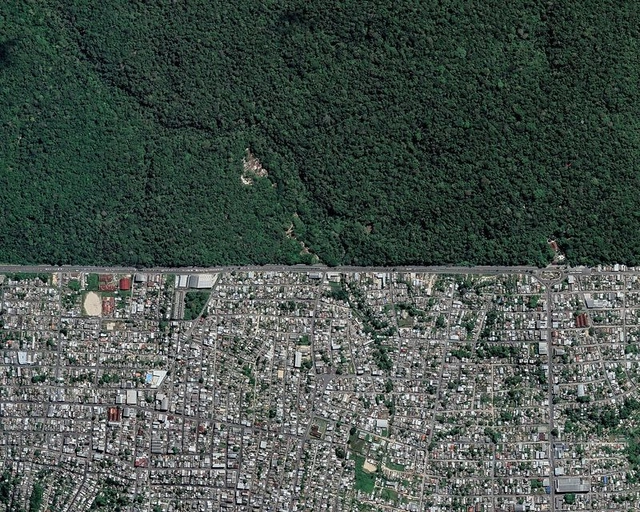
Google Earth and Maxar Technologies, organized by Adriano Liziero (@geopanoramas)
The world has its eyes on the Amazon. Geographical data about this vast territory, spanning 6.74 million square kilometers across eight countries in Latin America, is constantly featured in national and international media. Headlines often highlight its sheer magnitude as the largest tropical rainforest in the world, home to 10% of the planet's biodiversity, and responsible for 15% of the Earth's freshwater. However, little attention is paid to what transpires beneath its canopy, on the ground where people live.
The opening scenes of the award-winning Brazilian film "City of God" (2002) portray a newly constructed housing complex situated on the outskirts of Rio de Janeiro. Subsequently, this complex evolves into a hub of poverty and violence. Despite the film being set in the 1960s, the housing development depicted was a recent construction.
This choice made no difference because, despite the 40-year difference between the depicted era in the film and the time of filming, the architectural solutions employed by housing programs in the country remained stagnant. They continued to replicate outdated models, showcasing a lack of progress in the sector.
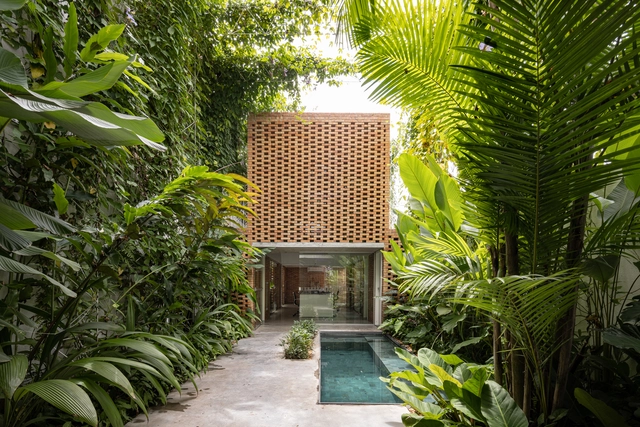
When we think of the word "tropic," the image that typically comes to mind is an exotic space, characterized by perpetual warmth and humidity, with frequent and heavy rainfall nurturing lush vegetation. Throughout history, this tropical climate has been romanticized as a paradise and criticized for potentially fostering weakness due to its perceived clemency.
Thankfully, those judgments and associations have been relegated to the past, paving the way for theoretical and practical projects that outline the advantages and disadvantages of living in a tropical climate. These projects acknowledge the various strategies to enhance human adaptability within these distinctive climatic conditions.
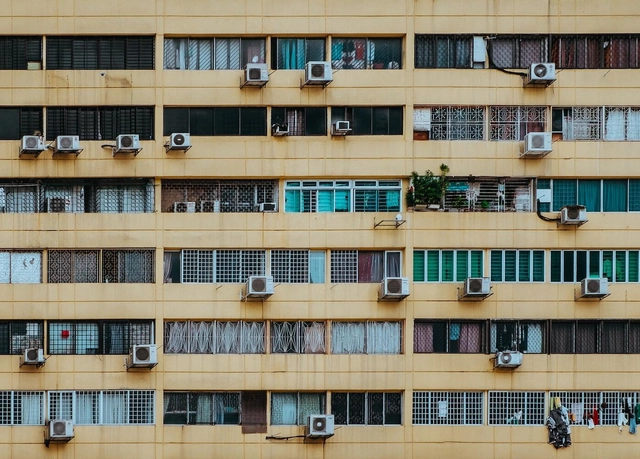
Between now and 2050, worldwide installation of cooling appliances, like air conditioning, is projected to triple, resulting in a twofold increase in energy consumption. This reliance on such devices, often seen as exacerbating global warming, poses a paradox: how can we fightrising temperatures in cities while simultaneously contributing to them through our dependence on these solutions?
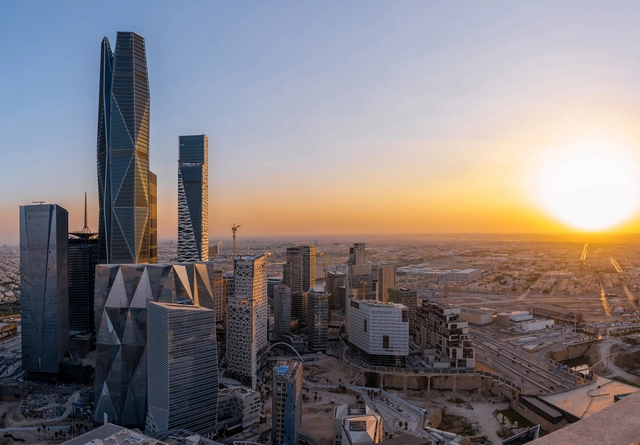
PIF Tower, Riyadh, Saudi Arabia Photo: Bader Otaby. Image Courtesy: The International High-Rise Award 2022/23
The future Saudi tower designed by Foster + Partners is expected to reach a staggering height of two kilometers. This multibillion-dollar project, towering twice as high as the current record holder, the Burj Khalifa in Dubai, will dominate the skyline of Riyadh, accommodating offices, residences, and entertainment spaces. It forms part of a development program led by Saudi Arabia, driven by the vision of Crown Prince Mohammad bin Salman to establish the country's presence through ambitious, large-scale projects. While these super-tall towers symbolize visibility and global recognition, they face criticism for their extravagant construction costs and environmental impact.
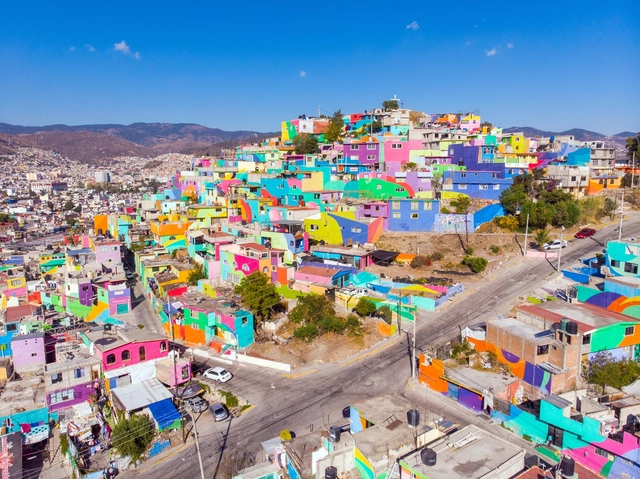
In the perception of many, the favela embodies contradictory and opposed representations. For those outside its boundaries, the favela is frequently associated with crime, poverty, or illness. Yet, it is also regarded as the aesthetic embodiment of a nation, serving as the birthplace of culturally renowned elements worldwide, such as samba in the case of Brazil.
The concept of "eyes on the street" is perhaps the most famous within architectural and urban literature when it comes to urban security. Jane Jacobs uses this expression to refer to people who - consciously or unconsciously - use public spaces or observe them from their homes, generating natural surveillance. A movement that, within our discipline, is encouraged both through quality public spaces and through the powerful relationship between the public and private created through building facades. Advocating for this daily control, Jacobs believes in a way of making architecture and cities that condemns excessive verticalization, reinforced by isolated buildings and single-use ones that deny contact with the street
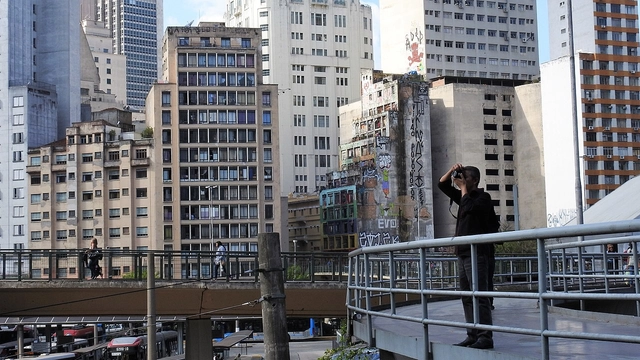
São Paulo. Image by joao batista Shimoto licensed under the Creative Commons Attribution-Share Alike 3.0 Unported license.
Considered the fifth most populous city in the world as of 2022, São Paulo is confronted with a multitude of challenges befitting its over 22 million inhabitants. Among the numerous urban issues faced, the depopulation of the city's historic center has been a recurring topic for at least four decades, with governments announcing measures that could potentially reverse the situation. In the meantime, the same center has witnessed a rise in housing occupations in abandoned buildings, highlighting the importance of its redefinition and residential potential.
As commonly understood, gutters are elements installed along the edges of roofs and balconies to channel rainwater. Their primary function is to collect water flowing over the roof's surface and direct it to the appropriate downspouts. Proper sizing is crucial regardless of the material—whether aluminum, PVC, concrete, galvanized steel, or others. Depending on the climate in which the project is situated, the damages caused by incorrect application can be considerable.