As we approach the end of the year, we would once again like to thank you all for making 2017 our best year yet. With your continued support, we are now reaching more architects around the globe than ever, and inspiring them in the creation of better urban environments for all.
On behalf of the entire ArchDaily team, we are excited to share this collection of 2017's most visited projects, products, and articles. Together with our curated selection of the year's most relevant and noteworthy articles and events, these represent the best content created and shared by ArchDaily over the past 12 months.
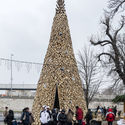
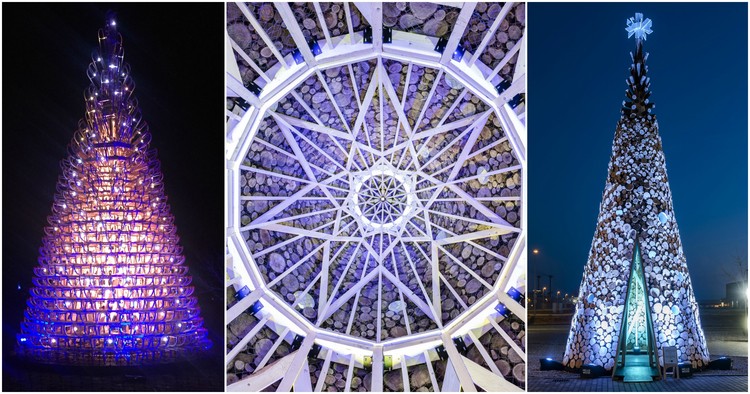
Budapest-based architectural firm Hello Wood has continued its annual tradition of constructing wooden Christmas trees, this year expanding the program with a total of 5 trees throughout Europe. In London and Vienna, trees made of sleds recall a design concept first used by Hello Wood in 2013; meanwhile, two locations in Budapest and in the Hungarian city of Kecskemét are witnessing the return of the firm's "charity trees," installations made of firewood which are later dismantled and distributed to families in need for the winter season.
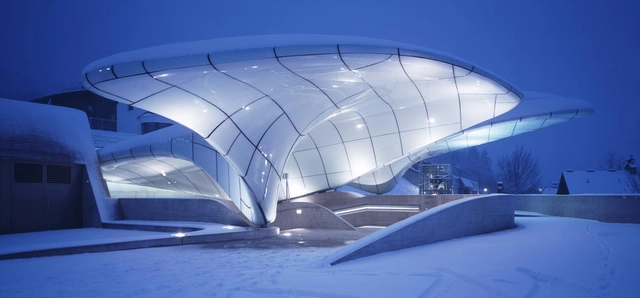
For 10 years this December, Zaha Hadid’s Hungerburgbahn have graced the built environment of Innsbruck, Austria. Since its conception, over 4.5 million passengers have visited one of the four train stations connecting them from downtown Innsbruck to the Norkette Mountain to Hungerburg.
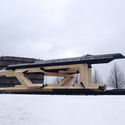
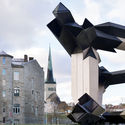
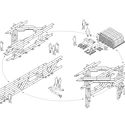
Out of 200 applicants, London-based Gilles Retsin Architecture won the Tallinn Architecture Biennale 2017 competition with their temporary outdoor installation. Participants were challenged to use the fabrication abilities of Estonianwoodenhouse manufacturers in a new and creative way. Jury member Martin Tamke said the Retsin proposal is, “characterized by outstanding aesthetic and intellectually challenging, as it questions current beliefs and trends in architecture."
Last week marked the opening of Canada’s first ever funicular in downtown Edmonton, a cable-mechanized incline elevator aimed at making the city’s largest green space more accessible.
Publically funded, the $24million project features the 100 Street Funicular to transport mobility aids, strollers, and bikes, as well as a generous staircase for walking, running and lounging. Concrete sitting blocks are dispersed up the 170 steps from a promenade at the bottom. Visitors can walk along the promenade to a lookout point or ascend the stairs or funicular to the raised lookout for extensive views of the river valley.
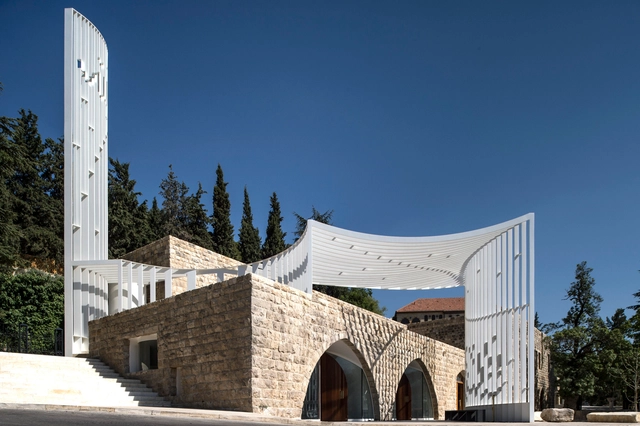
How does contemporary religious architecture adapt to the needs of the modern world? Each year, Faith & Form magazine and the Interfaith Forum on Religion, Art and Architecture (IFRAA) award acknowledges the best in religious art and architecture. This year’s winners included 27 projects spanning in religious denomination, size, and location. Beyonds this, the award recognizes three common trends present in religious architecture today: re-adaptation of existing facilities, community-based sacred spaces, and simplicity in design. Read on to see all 27 winners.
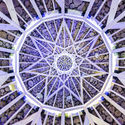
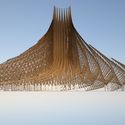
Designed using 3D parametric software, the pavilion is formed from 20 timber trusses that spiral in toward a central point the reaches toward the sky. Starting on the ground, the triangular trusses span large enough distances to create a series of spiraling paths toward the center of the structure, where a giant 3D-printed mandala will be displayed. The spaces in between the truss members will also be large enough to serve as alcoves.
Located in the small village of Jukkasjärvi 200 kilometers north of the Arctic Circle, Sweden’s ICEHOTEL is the world’s largest ice structure, constructed each year from over 4000 tonnes of ice and snow.
With winter now officially underway in the Northern Hemisphere, the 2017-2018 version of the ICEHOTEL is now open. In addition to a new permanent section of the hotel kept cool year round by solar energy, for this year’s iteration, the hotel invited 36 artists from 17 countries to design the structure’s main spaces and guest rooms, including new surreal “art suites” that truly transport visitors into a otherworldly winter wonderland.
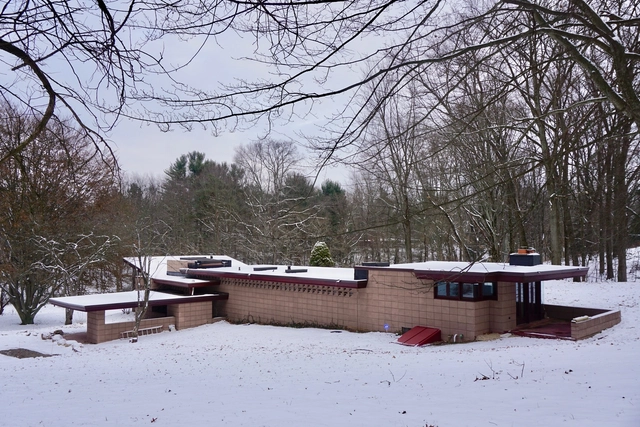
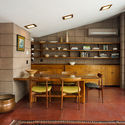
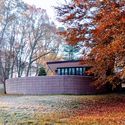
Ever wanted to spend the night in a classic Frank Lloyd Wright house? Here’s your chance.
The Eppstein House, one of Wright’s Usonian designs built in 1953, has been restored to its original beauty by owners Marika Broere and Tony Hillebrandt and is now accepting visitors for a limited time through Airbnb. Located in Galesburg, Michigan, the house was originally designed as part of a planned Usonian community intended to contain 21 homes, though just four ended up being built.
When they aren't designing buildings or making sure their models and plans are neat and tidy, many architects channel creative energy into sketches (both hand-done and digital) that become small tokens of holiday cheer. This annual challenge, now in its third year, is our unashamed way of celebrating the inventiveness, originality, and artistry of ArchDaily readers from around the world. May you all enjoy the humblest and most thoughtful gift of all: an expression of holiday cheer.
Featured gif by Joanne Hanson
https://www.archdaily.com/885934/best-submissions-to-the-2017-architecture-holiday-card-challengeAD Editorial Team
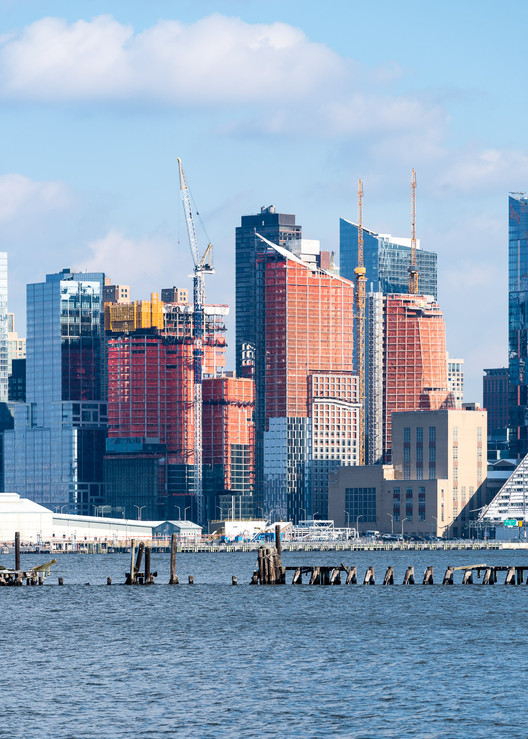
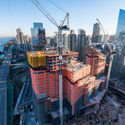
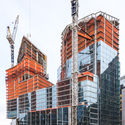
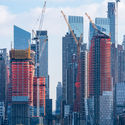
At one of the last remaining waterfront sites in Manhattan, the topping out of a luxury, five-acre, three tower mega-structure dubbed Waterline Square marks the end of a 25-year process for the 77-acre Riverside South Master Plan. Each of the three towers has been conceptualized by a different architect, with One Waterline Square by Richard Meier & Partners Architects, Two Waterline Square by Kohn Pedersen Fox Associates (KPF) and Three Waterline Square by Viñoly Architects. The towers were developed concurrently, but each reflects the vision of its architect, contributing to a harmonious complex while still remaining distinct.
The SDG Academy online education platform recently launched a series of free online courses on topics ranging from sustainable development and urbanization to climate change and the use of natural resources. According to the description on its website, SDG Academy "creates and curates free, top-level courses on sustainable development for students around the world."
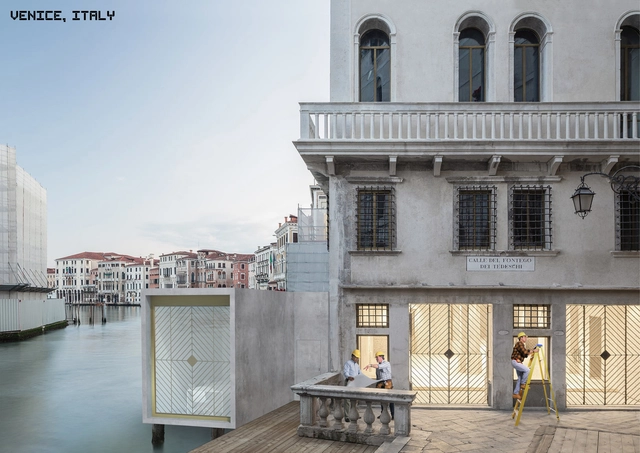
Bee Breeders have announced the winners of the Construction Container Facelift architecture competition. The competition jury received a wide range of work, but selected proposals which were based on a realistic implementation of a novel solution, maintaining the inherent durability and functionality of the shipping containers versus altering them strictly for aesthetics.
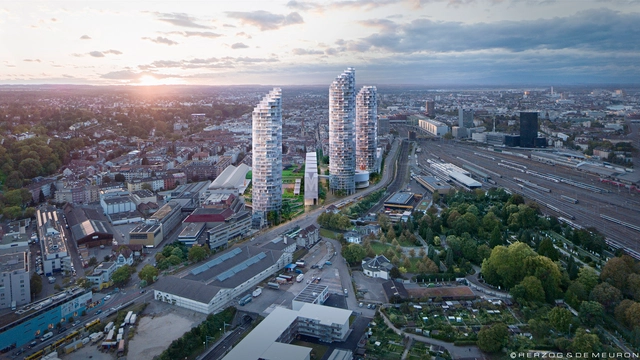
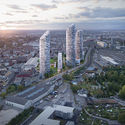
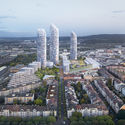
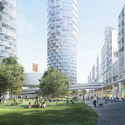
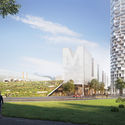
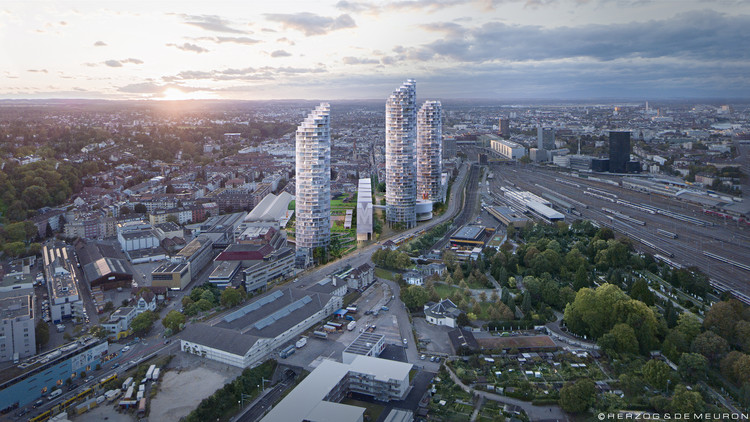
Herzog & de Meuron has been selected as the winners of a competition to design the new master plan of the Nordspitze community in the northermost part Basel’s Dreispitz district. Organized around two large public green spaces, the mixed-use community will feature three residential skyscrapers that will become the three tallest residential buildings in the city.
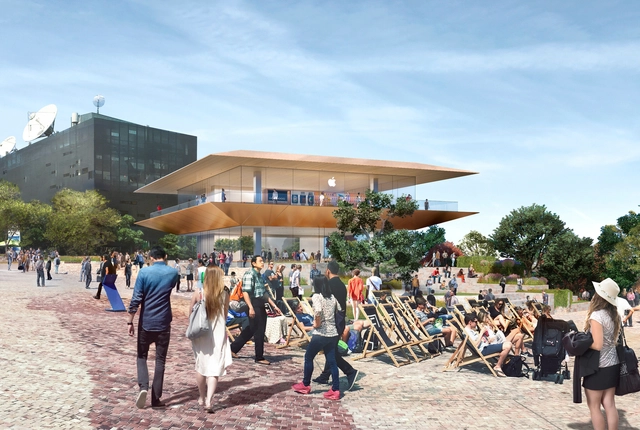
"Apple Federation Square complements the original vision for the precinct, increases public space and provides a daily program of activity to inspire and educate the community," says Apple. Image Courtesy of Apple
Apple has unveiled plans for their latest global flagship town square retail concept, to be located in Melbourne’s Federation Square. A product of a partnership between Apple, Federation Square and the Victorian Government, the store is envisioned as a shared resource that will increase the amount of public space in the square and will offer daily programs to “inspire and educate the community.”
The Oslo Architecture Triennale has announced the winner of the open call for Chief Curator of their 2019 event: Architecture and Engineering practice Interrobang (Maria Smith and Matthew Dalziel), with critic Phineas Harper and urban researcher Cecilie Sachs Olsen.
The winning team’s proposal, entitled Common Futures, seeks to acknowledge and investigate the “need to revise the pace and scale of extraction, production, consumption, development, and building that has driven the growth of industrialized societies and economies throughout the 20th century.”
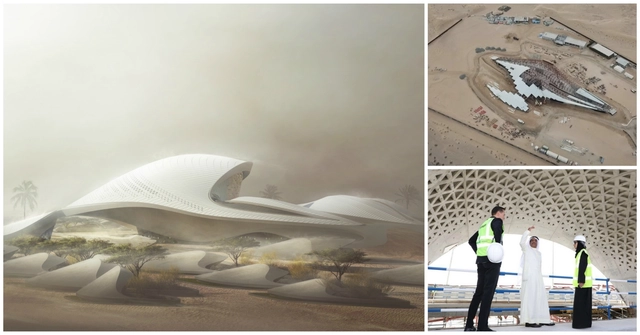
The Zaha Hadid Architects-designed Bee’ah Headquarters has topped out in Sharjah, UAE, as its structural steelwork and centerpiece concrete dome have been put in place.
With a design inspired by the form of sand dunes and oriented to optimize prevailing winds, the complex is striving for the highest standards of renewable energy and sustainable future targets, an appropriate goal for the new headquarters of the UAE's leading integrated environmental & waste management company.
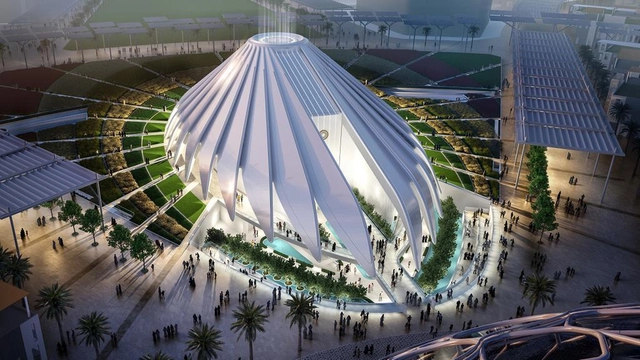
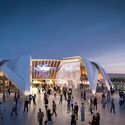
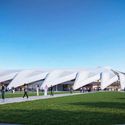
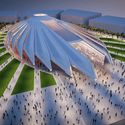
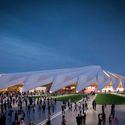
Construction has begun on one of the centerpiece structures at the upcoming Expo 2020 Dubai, the Santiago Calatrava-designed UAE Pavilion.
Inspired by the shape of a flying falcon, the UAE Pavilion covers more than 15,000 square meters and four floors, including a 1,717-square-meter top-story hospitality lounge. A 588-square-meter mezzanine will house support functions, with the remaining two floors containing 12,000 square meters will of exhibition space showcasing displays that respond to the Expo theme of “Connecting Minds, Creating the Future.”
As reported by the Star, the structure has been purchased by Kuala Lumpur-based Ilham Gallery, who are now searching for a permanent site of the pavilion in Malaysia.
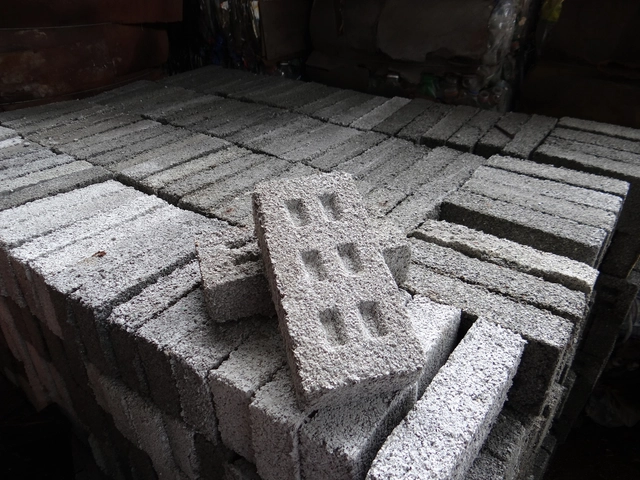
The Fundación EcoInclusión - winner of the first prize in the regional competition Google.org Challenge - is an Argentine non-profit organization that was born in 2015, from the hands of a group of young people that promote the construction of a fairer, equitable and sustainable society.
Located in the Alta Gracia city, province of Córdoba, Ecoinclusión works in the reduction of PET bottles waste with the production of bricks made of plastic residues destined to the construction in vulnerable sectors, with the aim of generating environmental and social impact and cultural participation in the communities.
https://www.archdaily.com/885340/housing-construction-in-argentina-uses-recycled-pet-bricksArchDaily Team
Construction on the transformation of Eero Saarinen’s iconic TWA Flight Center into the new TWA Hotel has hit major milestone, as the project has now topped out.
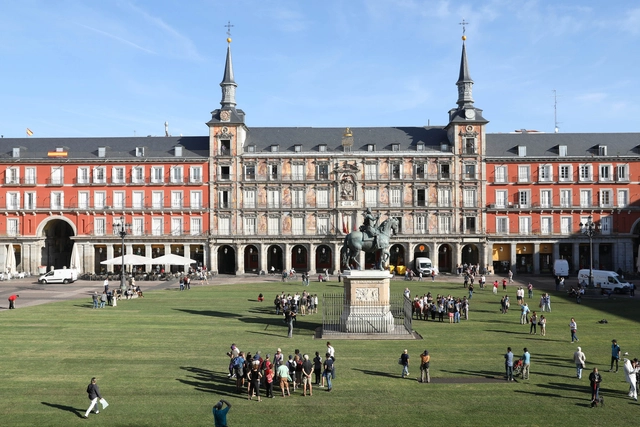
Earlier this year the Plaza Mayor in Madrid awoke covered by a giant meadow of natural grass. A circle of 70 meters in diameter, without any restriction of access, allowed Madrilenians to take a break, sit down, read a book or simply take a picture, enjoying this urban landmark from a new perspective.
This seemingly simple, but impressive doing is the most recent intervention by the anonymous artist SpY was part of Four Seasons (Cuatro Estaciones), an urban art program run by the Madrid City Council to celebrate the IV Centenary of the Plaza Mayor.
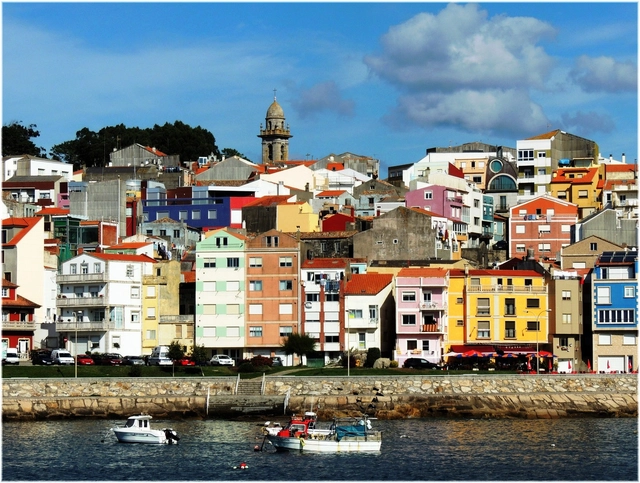
Last October 23, in the small Galician city of Ares (Spain), the "Guide of colors and materials" was publicly presented, with which the administration of the Galician community - in collaboration with the Galicia College of Architects (COAG) - aims to establish aesthetic criteria and recommendations in the search for a better image and urban quality of Galician populations.
This document is composed of fourteen volumes and its publication was made possible by a laborious process in which, for a year, architects, historians, and graduates of Fine Arts, had analyzed more than 3,800 buildings in rural, urban and peri-urban areas, as well as in industrial properties in the four Galician provinces.
https://www.archdaily.com/885343/galicia-publishes-a-guide-to-colors-and-materials-of-its-traditional-architectureJavier García Librero
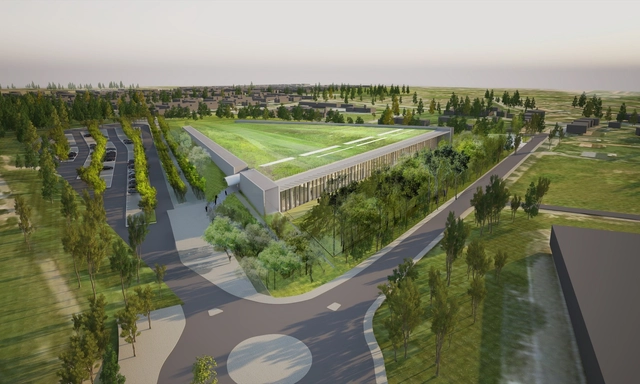
Renderings of the project. Image Courtesy of Rogers Stirk Harbour + Partners
Rogers Stirk Harbour + Partners has broken ground on a new conservation and storage facility for the Louvre in Liévin, France. Capable of housing conservation and storage facilities for as many as 250,000 works, the building will is aiming to become of one of the world’s most advanced research and study facilities.




.jpg?1513747529&format=webp&width=640&height=580)
.jpg?1513747674 "© Brock Kryton")
.jpg?1513747342 "© Brock Kryton")
.jpg?1513747611 "© Brock Kryton")
.jpg?1513747258 "© Brock Kryton")
.jpg?1513747529)



















.jpg?1513707896&format=webp&width=640&height=580)

.jpg?1513701153 "Courtesy of Bee'ah")




.jpg?1513623530&format=webp&width=640&height=580)
.jpg?1513377460&format=webp&width=640&height=580)
.jpg?1513377408 "Future TWA Hotel Grand Ballroom. Image © Max Touhey")
.jpg?1513377347 "Workers and partners fill the Saarinen terminal building at the topping out event. Image © Max Touhey")
.jpg?1513377471 "MCR CEO Tyler Morse and Turner Construction's Rick Faustini and Gary McAssey standing next to the north hotel tower crane with ceremonial flags. Image © Max Touhey")
.jpg?1513377418 "Workers pour concrete on top floor of north hotel structure. Image © Max Touhey")
.jpg?1513377460)