Architecture has never been confined to the act of building. It constantly negotiates between material practice and intellectual reflection, yet throughout the twentieth and twenty-first centuries, many architects felt that the built project alone was insufficient to address the full range of questions facing the discipline. Economic pressures, political contexts, and programmatic demands often narrowed the scope of practice.
Exhibitions and curatorial platforms, by contrast, created spaces of experimentation and critique, opening arenas where architecture could interrogate itself, where its past could be reinterpreted, its present challenged, and its future projected. In this tension, the figure of the architect-curator emerged, treating curating itself as a form of design — not of walls or facades, but of discourse, narratives, and frameworks of meaning.
2025 promises to be a landmark in architecture, heralding a vibrant renaissance of creativity and exploration. As societies confront challenges such as climate change, rapid urbanization, and technological evolution, architecture is both a mirror to these dynamics and a compass pointing toward a sustainable and inclusive future. This year's architectural calendar offers abundant opportunities to celebrate the discipline's transformative power — from boundary-pushing festivals to thought-provoking exhibitions that explore pressing cultural and environmental narratives.
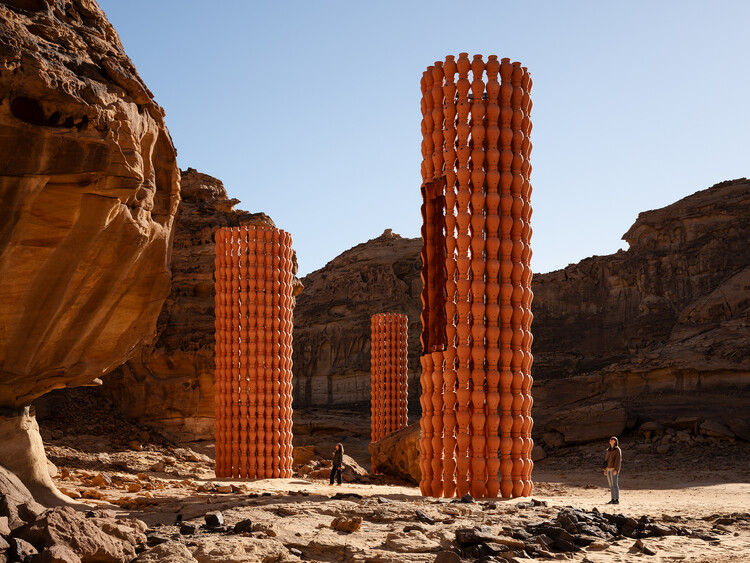
From well-established biennials to inaugural gatherings, including the World Architecture Festival 2025, Desert X Al Ula, and the COP Climate Conference, the 2025 calendar highlights themes such as sustainability, heritage, and community. These events underscore architecture's unique ability to shape a better future, addressing global challenges while honoring cultural diversity and design ingenuity.
After two years of disrupted cycles of architecture events, due to the pandemic, 2022 has been witnessing a resurgence: biennials, triennials, design weeks, and festivals are back in the picture, with bigger interrogations and larger thematic approaches, aligned with the challenges of the world.
Relevant today more than ever, these happenings scattered around the globe are tackling climate-related issues, urban problems, as well as concerns engendered by covid-19 such as resilience, models of living, future of design, and the unknown.
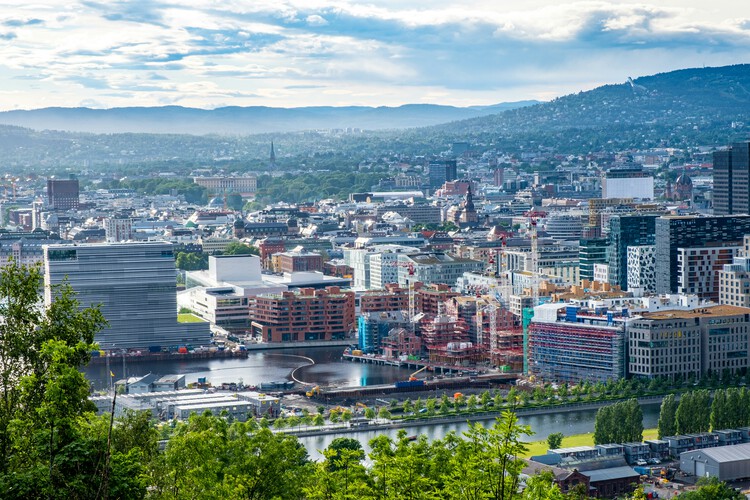
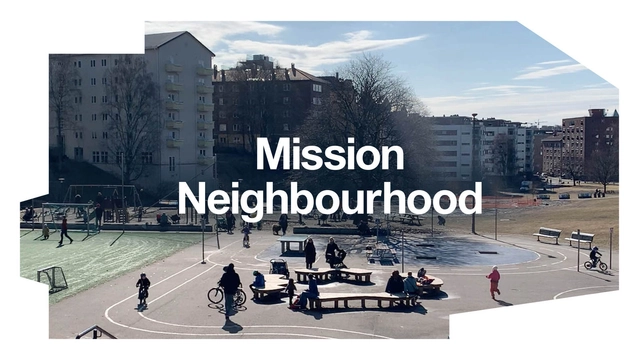
Oslo Architecture Triennale 2022 spotlights the neighborhood as a place and horizon for rethinking our cities. With the working title Mission Neighbourhood—(Re)forming Communities, the Triennale explores how we form the places that we share. Mission Neighbourhood is an invitation to broaden the collective imagination regarding the spaces of everyday life.
The 2021 Venice Architecture Biennale closed less than a month ago, leaving architects pondering the takeaways of this edition and anticipating the next. The pandemic disrupted the usual cycle of biennials and triennials, as most of the events of 2020 and even some of the ones of 2021 were postponed; nonetheless, next year promises a full calendar of exciting opportunities for knowledge sharing and inquiry. The following are some of the most important architecture events to look forward to in 2022.
In a time when the world is facing major social and environmental challenges, Oslo Architecture Triennale 2022 spotlights the neighborhood as a place and horizon for rethinking our cities. With the working title Mission Neighborhood – (Re)forming communities, the Triennale will explore how we form the places we share.
Exhibited in Oslo Architecture Museum from 26th of October to 24th of November 2019 for the 2019 Oslo Architecture Triennale (ab)Normal will focus on the existing relationship with the city of Oslo and the automation processes that our rapidly intersecting our path. As part of an on-going research by (ab)Normal with Ludwig Engel, Oslo will be here depicted through a different lens, highlighting several aspects that are yet to come and raising awareness of others that are already within us.
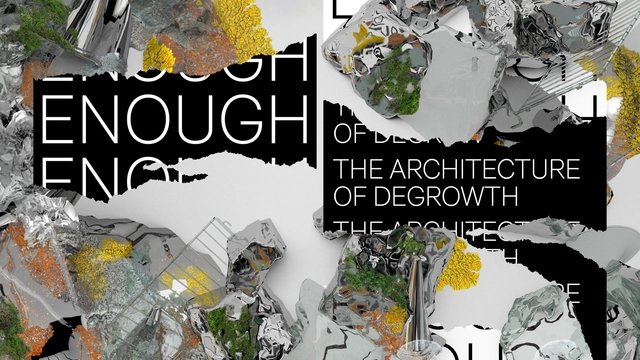
Already in its 7th edition, the Oslo Architecture Triennale opened this week, exploring “the architecture of a radically transformed society in which cultural and ecological flourishing matter more than economic growth”. Under the title of Enough: The Architecture of Degrowth, the festival is questioning the damage caused to the environment by the constant economic growth.
Around the world campaigners, cities, and governments are declaring a state of emergency in response to accelerating global warming. Meanwhile systemic inequality continues to entrench deep divides between those who have far too little, and those who have far too much. In this unprecedented moment, an urgent question is cast into relief: how should architecture respond to a time of climate emergency and social division?
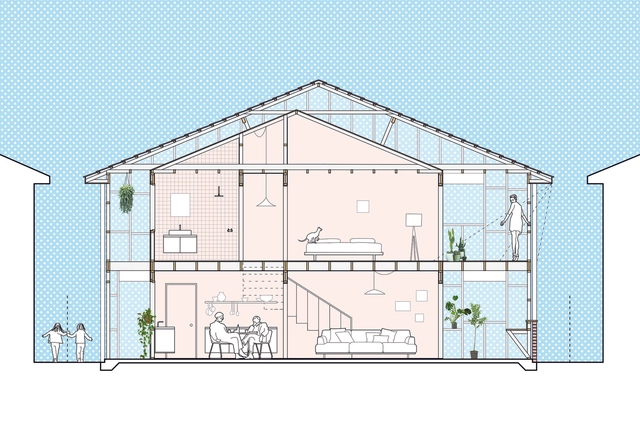
Courtesy of Otherothers. ImageOtherothers' installation at the 2015 Chicago Biennial looked at the impact of the standard suburban Australian home. Their installation proposed a shrinkage of the typology's spatial impact
ArchDaily is happy to announce our Media Partnership with @Oslo Architecture Triennale 2019! Throughout 2019 we will be sharing stories, interviews, and content related to the Triennale, which this year revolves around the theme of Degrowth. The interview below introduces Degrowth in the context of practice today - and hints at how this radical idea could irreversibly change how we value architectural production.
The world faces some significant challenges. The UN climate change report, which explained that we may have just 12 years and need “unprecedented changes” to avoid devastating effects from climate change, was released into a world that seemed to be plenty busy processing other things, such as rising economic inequality, increasingly partisan politics, escalating conflicts, and refugee crises, to name a few.
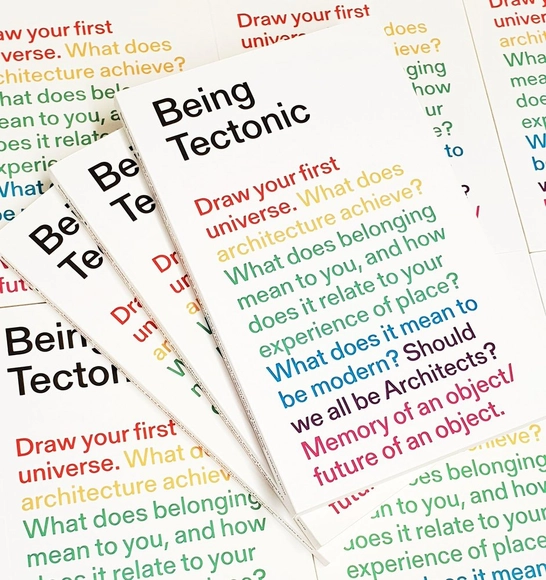
As part of the programming ahead of the 2019 Oslo Architecture Triennale, the “Degrowth” curatorial team have released a book in association with Oslo School of Architecture and Design (AHO.) The book, titled “Being Tectonic” was developed with students as part of a course focusing on domestic architecture.
https://www.archdaily.com/907896/oslo-architecture-triennale-releases-being-tectonic-publicationKatherine Allen
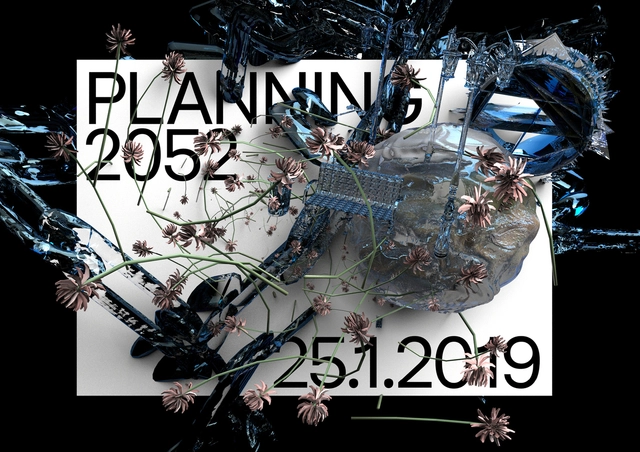
Planning can, on occasion, feel Sisyphean. Emerging technologies, shifting economies, and changing governments can all enact dramatic and unpredictable change in short order. So what’s the use of planning for the future, let alone planning for a future nearly half a century away?
https://www.archdaily.com/906672/what-will-urban-planning-be-in-2052Katherine Allen
Emily Allchurch, Grand Tour: In Search of Soane (after Gandy), 2012.
The engine of contemporary architectural production, and the basis of societies around the world, is economic growth. Global political orthodoxy declares GDP growth is always good; that more is more. Throughout the last two centuries increased economic growth brought with it many measures of prosperity, but for many decades now the limits to growth have been visible on the horizon. Social equity, health and wellbeing, quality of life, happiness and other non-monetary measures of success are faltering while resource extraction, greenhouse gas emissions, waste and toxicity, temperatures, sea levels, extreme weather, and many such indicators of climate breakdown make clear daily that the time of this worldview is running out.
The Oslo Architecture Triennale has announced the winner of the open call for Chief Curator of their 2019 event: Architecture and Engineering practice Interrobang (Maria Smith and Matthew Dalziel), with critic Phineas Harper and urban researcher Cecilie Sachs Olsen.
The winning team’s proposal, entitled Common Futures, seeks to acknowledge and investigate the “need to revise the pace and scale of extraction, production, consumption, development, and building that has driven the growth of industrialized societies and economies throughout the 20th century.”
This fall, the Oslo Architecture Triennale had an open call for its 2019 curator. Now, they have announced the five proposals which have been shortlisted for 2017. Upon reading their bios below, you will quickly see the amount of multidisciplinary work each of the shortlisted teams is composed of, including architects, curators, writers, and various other thought-leaders.
Videos
Courtesy of Kartverket / NIBO / Statens Vegvesen
Following After Belonging, the sixth edition of the Oslo Architecture Triennale held in 2016, the Norwegian organization have today announced an open call for a Chief Curator, theme, and concept for its seventh edition, to be held in Fall of 2019. In the words of the sixth curatorial team:
The Triennale is an opportunity and space to rehearse research strategies and test working protocols which offer new forms of engagement for architects. We considered "After Belonging" and the Oslo Architecture Triennale not only as a 10-week event, but rather as a long-term collective research project that resulted in new forms of thought and action.
https://www.archdaily.com/879427/oslo-architecture-triennale-announces-open-call-for-2019-curatorAD Editorial Team
GSAPP Conversationsis a podcast series designed to offer a window onto the expanding field of contemporary architectural practice. Each episode pivots around discussions on current projects, research, and obsessions of a diverse group of invited guests at Columbia, from both emerging and well-established practices. Usually hosted by the Dean of the GSAPP, Amale Andraos, the conversations also feature the school's influential faculty and alumni and give students the opportunity to engage architects on issues of concern to the next generation.
In this film, presented in collaboration with +KOTE, theAfter Belonging Agency—Carlos Minguez Carrasco, Ignacio Galán, Alejandra Navarrese Llopis, Lluís Alexandre Casanovas Blanco, and Marina Otero Verzier—narrate a walkthrough of In Residence, one of the two core exhibitions at this year's Oslo Architecture Triennale: After Belonging – A Triennale In Residence, On Residence, and the Ways We Stay in Transit.