The CTBUH has released its Year in Review, charting the year’s tall building developments around the world. 2018 saw a record-breaking 18 supertall buildings (over 300 meters tall) built across the world, and 143 buildings of over 200 meters in height completed.
To quantify the extent to which architecture reached to the sky throughout the year, the CTBUH estimate that if each tall building completed in 2018 was laid end to end, it would exceed the entire length of the island of Manhattan; some 13 miles (21.6 kilometers).
https://www.archdaily.com/907692/15-reasons-why-2018-was-a-record-breaking-year-for-tall-buildingsNiall Patrick Walsh
In the current iteration of our digital age, Instagram is king. With 1 billion active monthly users, Instagram has become the go-to visual platform for showcasing a wide variety of architectural typologies and styles, city views, and stunning edifices. Since its inception in 2010, the online space has provided constant and continuous inspiration for architects, designers, and lovers of photography. It is an entirely digital architectural community, free of bias, open to all. As Instagram continues to be a vital tool in the field of architecture, we take a look back on the year's 20 most-liked photos posted to our ArchDaily account.
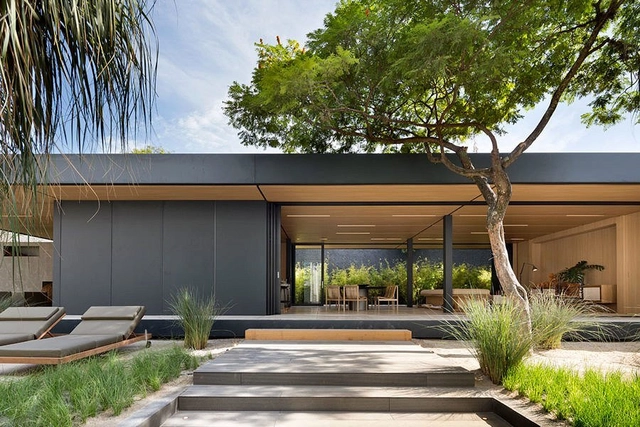
Brazilian startup SysHaus, in partnership with architect Arthur Casas, developed a project of sustainable, smart homes that are ready in half the time of other pre-fab works. The startup project, specializing in high-end real estate, is made only of pieces of recycled materials, such as aluminum and MDF. In addition, the house does not produce waste or wastewater.
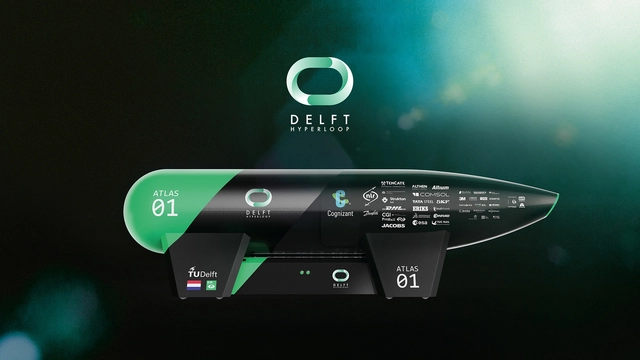
A team of students at the Delft University of Technology has proposed an innovative design for a Hyperloop pod. Winners of the SpaceX Hyperloop Pod Competition in 2016, the TU Delft team came in second place this year with a pod design for one of the most promising transportation systems that many countries hope to build in the near future. The Netherlands in particular, where the University is located, hopes to be the first country in Europe to conceive and build a functional Hyperloop system.
The team’s work will help jumpstart the Dutch Hyperloop system’s development and catalyzes the government's efforts to invest in research that will help make the Hyperloop a reality. The system would be able to decrease the number of vehicles on the road and accommodate the needs of individuals traveling a variety of distances.
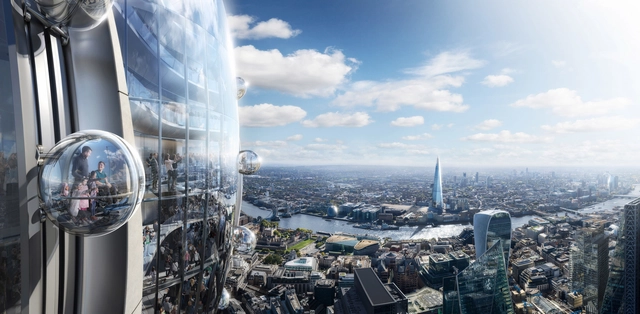
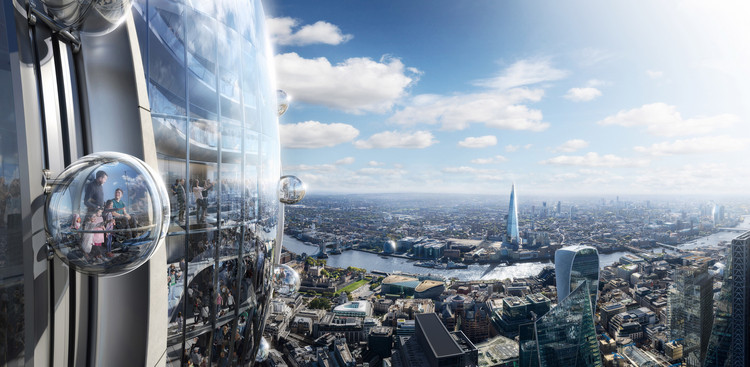
Blossoming alongside the iconic Gherkin building, Foster + Partners' Tulip Tower has been planning to join London's skyline since they released their proposal earlier in November. However, construction of the1,000-foot tower has been halted until officials can determine its impact on aircraft radar systems at London City airport, six miles away. Featuring mobile gondolas in the form of three-meter wide glass spheres intended for visitor rides on an elliptical journey around the tower, the proposed viewing platform is potentially highly problematic.
2019 will be a strong year for architecture and construction, moving between the challenges of building the cities of tomorrow and the fast digitalization of our industry. To face these challenges, we will work hard to continue being the main source of inspiration and discovery for the millions of architects who use ArchDaily every day, from all over the world.
https://www.archdaily.com/916086/the-year-in-numbers-looking-forward-to-what-2019-will-offerPola Mora
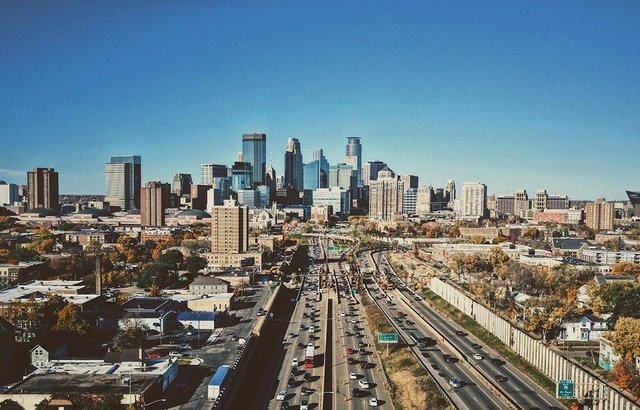
Minneapolis will become the first major U.S. city to end single-family home zoning. City Council passed Minneapolis 2040, a plan to permit three-family homes in the city’s residential neighborhoods. This significant zoning change will also allow high-density buildings along transit corridors and abolish parking minimums for all new construction. Hoping to combat high housing costs, segregation and sprawl, the plan is set to become a precedent for cities across the United States.
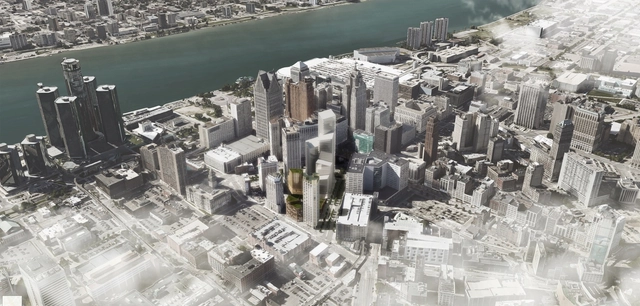
Schmidt Hammer Lassen Architects has broken ground on its first U.S. project, a mixed-use tower and associated masterplan in Detroit, Michigan. “Monroe Blocks” will stitch together the heart of one of America’s most storied cities with a mix of modern office space, residential units, restaurants, retail, and outdoor public areas.
The 12,500-square-meter site in Detroit’s Campus Martius Park, vacant for a generation, will be activated by 4,800 square meters of outdoor space, with the design team drawing on historical influences for the form and materiality of the new masterplan.
Italian activists RebelArchitette and VOW Architects, led by Louise Braverman, Caroline James, Arielle Assouline-Lichten and Francesca Perani, have launched a petition seeking equal recognition for Doriana Fuksas in the Lifetime Achievement Award recently given to her fellow partner and Director of Studio Fuksas, Massimiliano Fuksas.
Either as singular outcroppings or as part of a bustling center, skyscrapers are neck-craning icons across major city centers in the world. A modern trope of extreme success and wealth, the skyscraper has become an architectural symbol for vibrant urban hubs and commercial powerhouses dominating cities like New York, Dubai, and Singapore.
While skyscrapers are omnipresent, 2018 introduced new approaches, technologies, and locations to the high-rise typology. From variations in materiality to form, designs for towers have started to address aspects beyond simply efficiency and height, proposing new ways for the repetitive form to bring unique qualities to city skylines. Below, a few examples of proposals and trends from 2018 that showcase the innovative ideas at work:
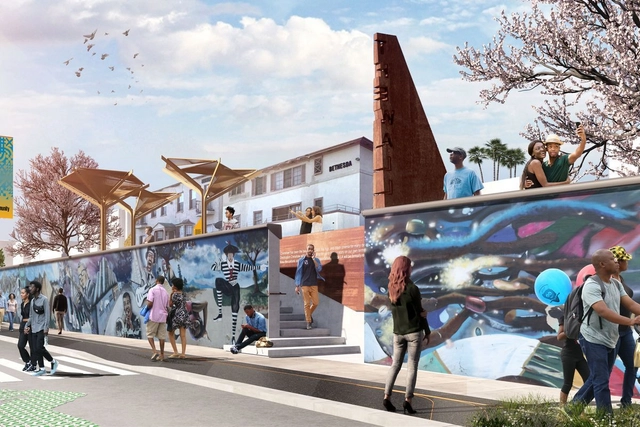
Destination Crenshaw. Image Courtesy of Perkins + Will
Perkins + Will have revealed a design for an open-air museum along the Crenshaw light-rail line in Los Angeles. Dubbed Destination Crenshaw, the project will run 1.1 miles and feature outdoor art and cultural spaces that celebrate black thinkers, activists, and performers of Los Angeles. Featuring works of public art as well as streetscape upgrades by Studio-MLA, the design was conceived as a response to Metro’s decision to put a section of the Crenshaw/LAX Line at ground level.
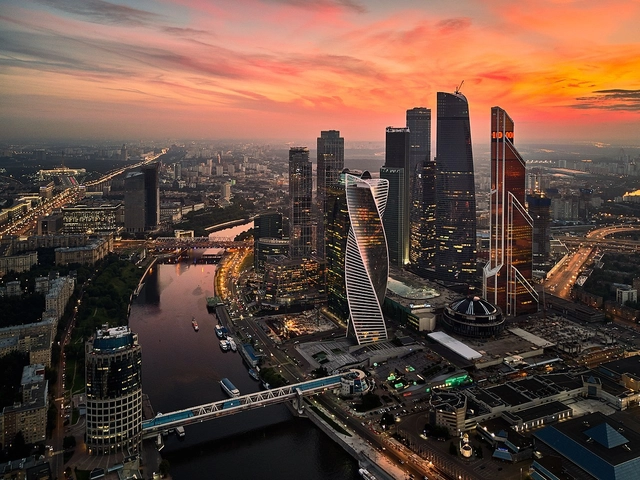
The government of Moscow has begun developing an existing district in the city to test nearly 30 new ‘smart’ technologies for urban development. Home to over 8,000 people, the district is testing ideas on smart lighting, smart waste management, and smart heating. The city intends to evaluate what impact technologies bring to residents and adjust its urban renewal plan once the pilot is complete.
First Prize: Tidal Terrains / Mary Denam. Image via Laka
Laka has published the results of the 2018 edition of their annual Architecture that Reacts competition, focusing on “architectural, design, or technological solutions that are capable of dynamic interaction with their surroundings.” This year saw 200 participants from more than 30 countries submit 130 designs, following an interdisciplinary approach reaching beyond typical building solutions.
This year’s winners hailed from the USA and Austria, confronting issues such as climate change, ubiquitous computation, and new ways of perceiving space in a machine-driven future. Below, we have rounded up the winners, special recognitions, and honorable mentions from the 2018 edition. For more information on the competition, and previous results, visit the official website here.
Half a century after the new suburban tract home was the dream of many a young American family, refurbished properties are gaining in popularity. This trend extends beyond North America, with exciting renovations of existing structures popping up all over the world, from Belgium to Kenya to China. The attraction to this typology likely lies in its multiplicity; renovations are both new and old, historic and forward-looking, generative and sustainable.
Nowhere is this trend more visible and popular than in housing, where the transformation is often led by the owners themselves. Loosely grouped under terms like “fixer-upper” and “adaptive reuse,” these projects begin with just the structural skeletons and the building’s history. At the personal scale, renovation/refurbishment is an opportunity to bring a part of yourself to your home - but do these small projects together have the potential to turn around a housing crisis?
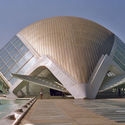
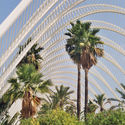
The architectural and engineering feats of Spanish architect Santiago Calatrava can be admired around the world, but his City of Arts and Sciences, designed alongside Felix Candela, has remained a modern architectural marvel. Like many international visitors, Lebanese photographer Anthony Saroufim found himself inherently attracted to the highly publicized building complex with a specific, tailored angle - unraveling the relationship between the built reality and the people interacting with it.
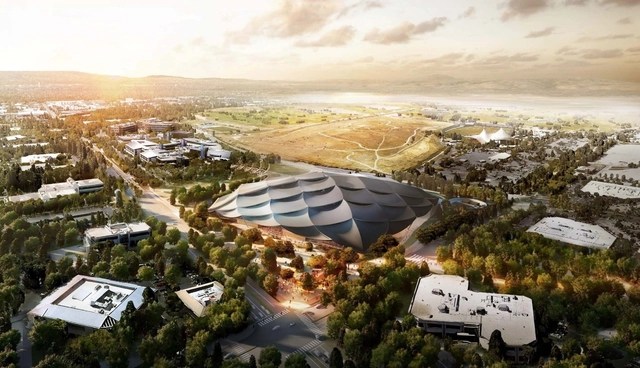
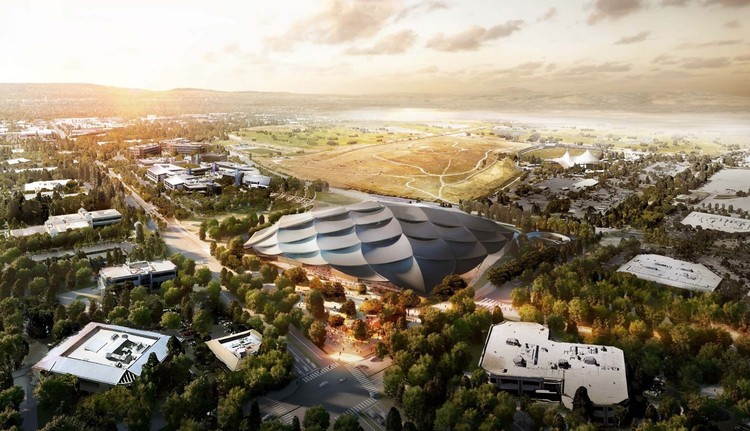
Google Mountain View Campus. Image Courtesy of Google
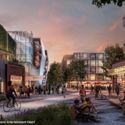
New details of Google's North Bayshore campus have been revealed. The latest scheme includes a combination of office, retail, public and residential space. Located in North Bayshore, California, the revised plan focuses on the site's natural environment and affordable housing.
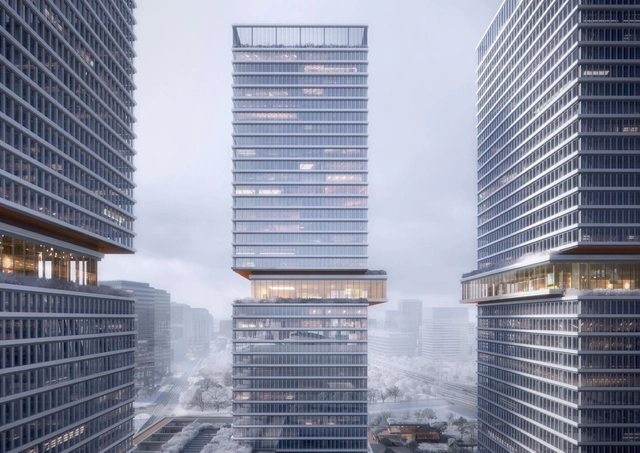
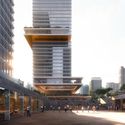
Kohn Pedersen Fox Associates (KPF) has unveiled details of Huamu Lot 10 in Shanghai. The three-tower scheme, totaling 279,000 square meters, is dedicated to commercial offices and a future museum, positioned around a central grand plaza.
Described as a “new form of participatory urbanism,” the scheme has been designed to accommodate large-scale artwork in a public setting, thus activating the central plaza as a cultural hub.
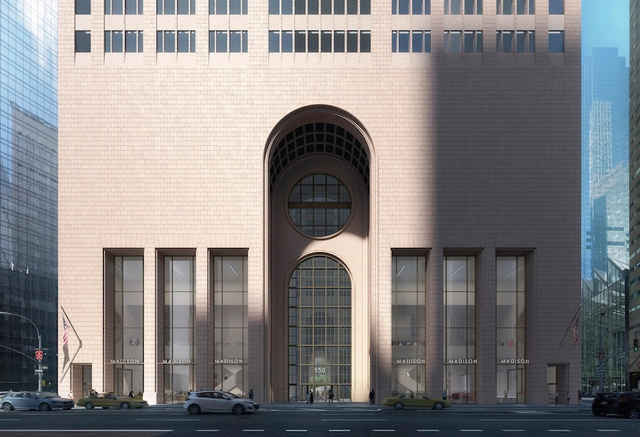
A rejection of the bland and cold functionality of Midtown's crystal skyscrapers, the AT&T building was intended to encourage a more playful approach architecture in the corporate world; the crazy socks beneath a three-piece suit. It was not without controversy. Upon its completion, the building was derided for its decorative and outsized pediment and occasionally dark interior spaces. Indeed, the building's arched entry spaces were among the only architectural elements to be met with praise from both critics and the public.
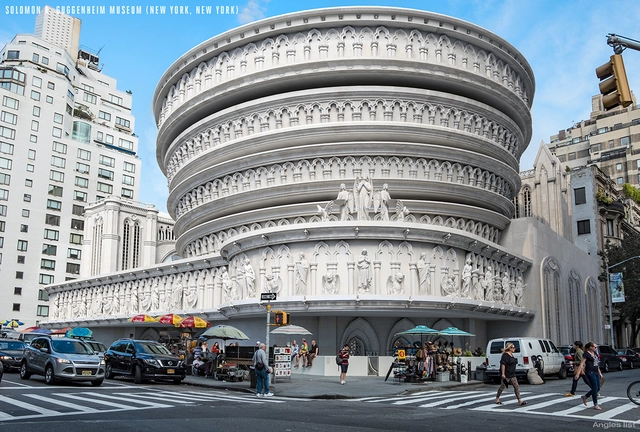
Solomon R. Guggenheim Museum / Frank Lloyd Wright. Image Courtesy of Angie's List
With its intricate ornamentation and complex ribbed vaulting, Gothic architecture introduced a slenderness and exuberance that was not seen before in medieval Europe. Epitomized by pointed arches, flying buttresses, and tall spires, Gothic structures were easily identifiable as they reached new heights not previously achievable, creating enigmatic interior atmospheres.
Several centuries later, a new appreciation for Victorian-era architecture was reborn in the United States with the Gothic Revival movement most famously depicted by Chicago's Tribune Tower. A series of computer-graphics (CG) renderings done by Angie's List reinterpret some of America's iconic architecture from the 20th century to mirror buildings from the Middle Ages. View the republished content from Angie's List complete with each building's informative descriptions below.
Starting preparation from June 2017, Ban Xue Gang High-Tech Zone Core Area Urban Quality Improvement International Design Competition has generated 8 superior plans of 4 competition programs initially on May 2018.
This competition is an important measure to improve the quality of Ban Xue Gang High-Tech city in the future, not only requiring the efforts of the government and professionals, but also the support and participation of the society and the public. The organizer has widely collected opinions and suggestions of the public and relevant government departments on the 8 shortlisted plans by the online questionnaire and convening consultation meetings. And the calibration meeting was held on October 31, 2018, and officially confirmed the first and second winners of each competition program. The results of the competition and related matters are announced as follows:
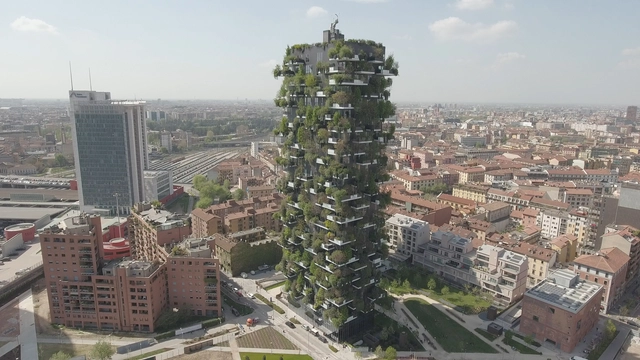
Stefano Boeri has used his guest speech at the New York Times Cities of Tomorrow forum to focus on the role that green and urban forests can have in improving the quality of life and air in cities around the world. Speaking at the event in New Orleans, the acclaimed architect highlighted the impact of carbon emissions produced by buildings, while also stressing the potential for architects to use the built environment as a vehicle for positive social and environmental change.
Drawing from experiences such as the Tirana 2030 masterplan and the Bosco Verticale in Milan, Boeri suggested that “cities have the resources and the potential to become protagonists of a radical change aimed at countering the dramatic effects [of carbon emissions] becoming greener, healthier, and more integrated.”
https://www.archdaily.com/907502/stefano-boeri-cities-have-the-potential-to-become-protagonists-of-a-radical-changeNiall Patrick Walsh
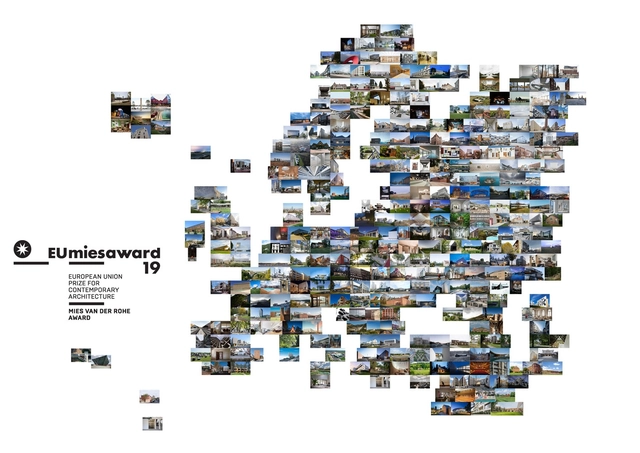
The Fundació Mies van der Rohe and European Commission have revealed the 383 projects nominated for the 2019 European Union Prize for Contemporary Architecture – Mies van der Rohe Award. The projects, which hail from 38 countries across the European Continent represent a wide range of typologies and office types. Of the countries included, the most projects come are located in Spain and Belgium (27 and 21 nominees, respectively.) London, home to 12 nominees, boasts the most nominated projects of any single city followed by Vilnius (9) and Paris (8).
https://www.archdaily.com/907481/383-projects-nominated-for-the-eu-mies-prize-for-contemporary-architectureKatherine Allen
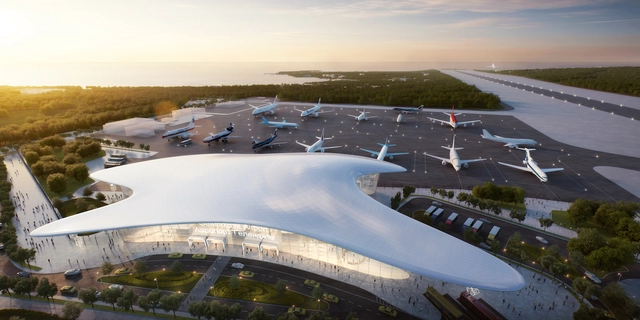
Gelendzhik Airport. Image Courtesy of Studio Fuksas
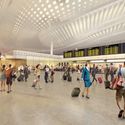
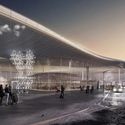
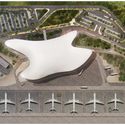
Studio Fuksas has won the competition to design the new Gelendzhik Airport in Gelendzhik, Russia. Gelendzhik is considered the third most popular resort city on the Black Sea coast. Prioritizing the landscape and an interior garden of local pine trees, the project is set to become the new gateway into the city. Inspired by the flight of birds when they change direction, the airport was made to be a new landmark for Gelendzhik.



.jpg?1544639813)


.jpg?1556570858&format=webp&width=640&height=580)



.jpg?1544768630)


.jpg?1544768953)
.jpg?1544705828&format=webp&width=640&height=580)
.jpg?1544704370 "Second Prize: Embodied Homeostasis / David Stieler . Image via Laka")
.jpg?1544704501 "Third Prize: Platform of Motion / Nusrat Jahan Mim, Arman Salemi. Image via Laka")
.jpg?1544704196 "Surftopia / Eduardo Camarena Estébanez, María Urigoitia Villanueva. Image via Laka")
.jpg?1544704181 "Platinum City / Sean Thomas Allen. Image via Laka")
.jpg?1544705828)








.jpg?1544343835 "Courtesy of LMNB & Snøhetta")
.jpg?1544343847 "Courtesy of LMNB & Snøhetta")