In a world facing ecological exhaustion and spatial saturation, the act of building has come to represent both creation and consumption. For decades, architectural progress was measured by the new: new materials, new technologies, new monuments of ambition. Yet today, the discipline is increasingly shaped by another form of intelligence, one that values what already exists. Architects are learning that doing less can mean designing more, and this shift marks the emergence of what might be called an architecture of restraint: a practice defined by care, maintenance, and the deliberate choice not to build.
The principle recognizes that the most sustainable building is often the one that already stands, and that transformation can occur through preservation, repair, or even absence. Choosing not to build becomes a political and creative act, a response to the material limits of the planet and to the ethical limits of endless growth. That Architecture moves beyond the production of new forms to embrace continuity, extending the life of structures, materials, and memories that already inhabit the world.
There is growing awareness around sustainability—and the environmental cost of prematurely demolishing safe, structurally sound buildings only to replace them with new construction. In the broader race to reduce carbon emissions, corporations and institutions are placing greater emphasis on ESG performance (environmental impact, social responsibility, and governance). Many now require carbon accounting, set "carbon-neutral" targets, or purchase carbon credits to offset footprints.
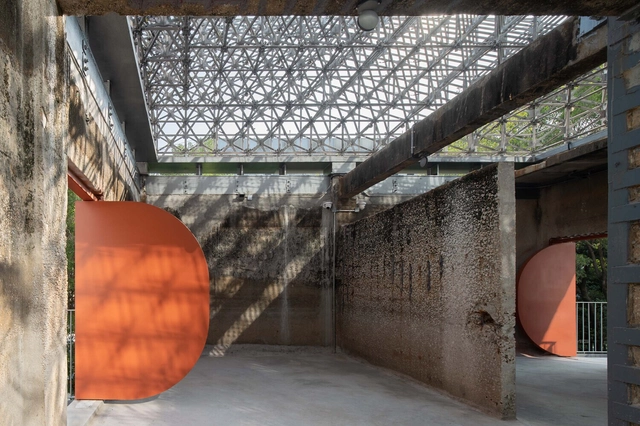
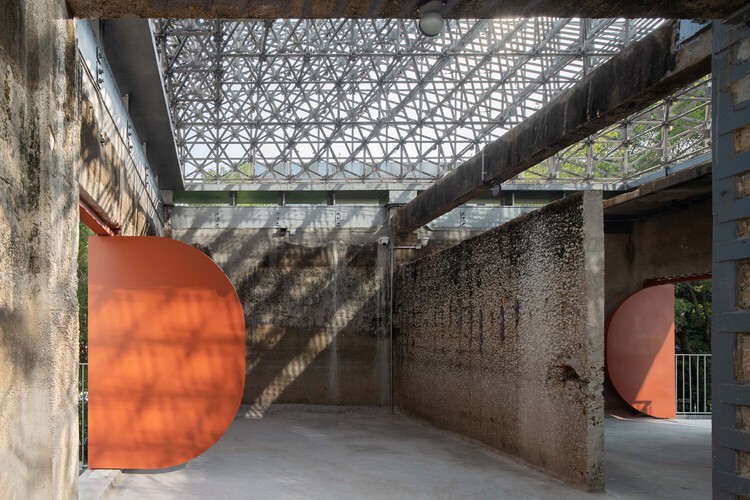
This shift, together with a wave of exemplary adaptive-reuse projects worldwide—Herzog & de Meuron's Tai Kwun in Hong Kong, Powerhouse Arts in Brooklyn, David Chipperfield's The Ned Doha, and Xu Tiantian's transformations of factories, quarries, and rammed-earth fortresses in China—has accelerated serious reconsideration of reuse as a primary development strategy. Yet despite its many benefits, adaptive reuse is still not as prevalent as it could be. Why and what might be the main obstacles and tensions?
Quarries can be seen as indelible abandoned scars of human resource extraction. Man-made spaces, perceived as voids, and material gain, have fundamentally shaped our accelerating built environment. All the while, the earth stands still as a silent witness. For decades, these open-pit mines have been viewed as a necessary consequence of consumerism and urban growth, their raw, imposing forms a testament to the large-scale extraction of materials essential for building our cities. However, a global architectural movement is now emerging to engage with these existing forms, transforming these subtractive spaces into sites of innovation, collaboration, and renewed purpose.
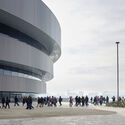

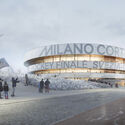
Italy is preparing to host its third Olympic Winter Games as Milan and Cortina d'Ampezzo welcome Milano Cortina 2026, seventy years after Cortina staged the 1956 edition and two decades after Torino 2006. The Games will take place from February 6 to 22, 2026, marking the first time the Winter Olympics are organized across two cities, two regions, Lombardy and Veneto, and two autonomous provinces, Trento and Bolzano. Covering a territory of 22,000 square kilometers, Milano Cortina 2026 will become the most geographically extensive Winter Games to date, with over 90% of venues already existing or designed as temporary facilities.

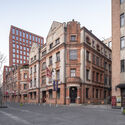
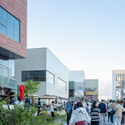
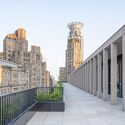
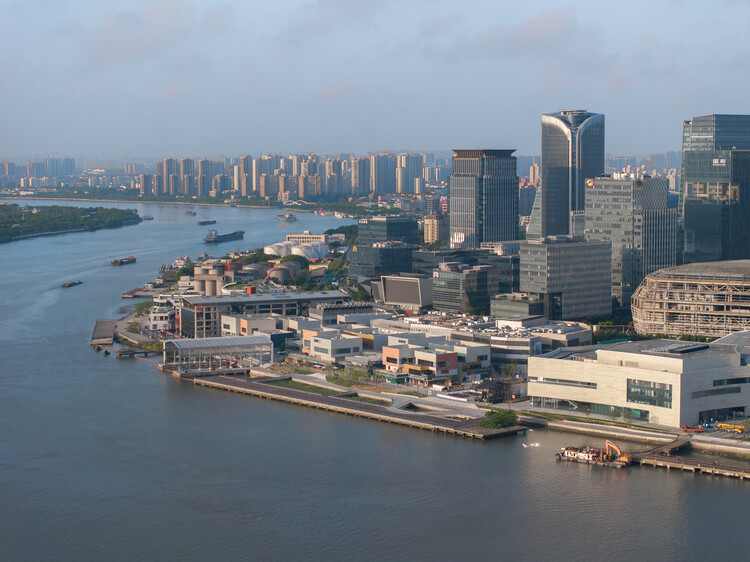
Amidst global economic adjustments and a domestic focus on high-quality development, Shanghai has implemented a strategic shift in its urban development approach—moving from 'incremental expansion' to 'connotative enhancement.' Guided by the concept of a "people-oriented city", Shanghai has elevated urban construction from mere physical space aggregation to a comprehensive endeavor aimed at optimizing functional quality, revitalizing spatial vitality, and boosting residential resilience through urban renewal initiatives. This transformation is framed not merely as a response to resource constraints but also as an intentional approach to urban development principles. Its core proposition lies in: under the policy framework of strictly controlling incremental land use, how to unleash development potential through the "reproduction" of existing spaces.

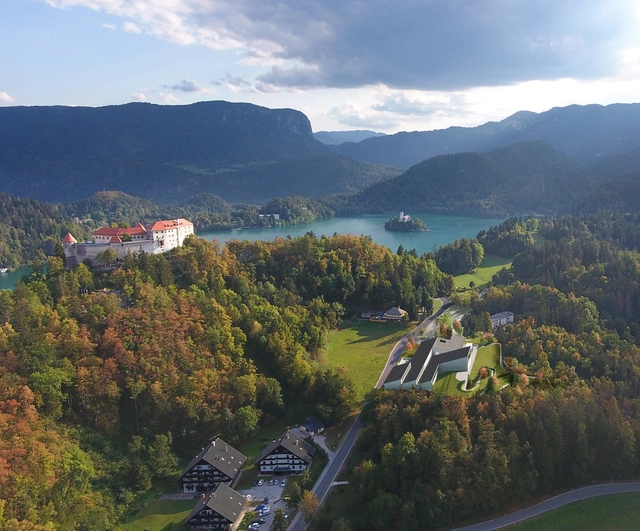
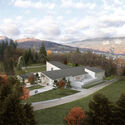
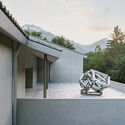
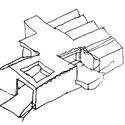
Designed by David Chipperfield Architects, Muzej Lah, a new contemporaryart museum, is set to open in the summer of 2026 in Bled, Slovenia. Located at the foothills of the Julian Alps, the museum will house the Fundacija Lah art collection, developed over more than three decades by Slovenian philanthropists Igor and Mojca Lah. The collection will be made publicly accessible for the first time with the opening of the institution.
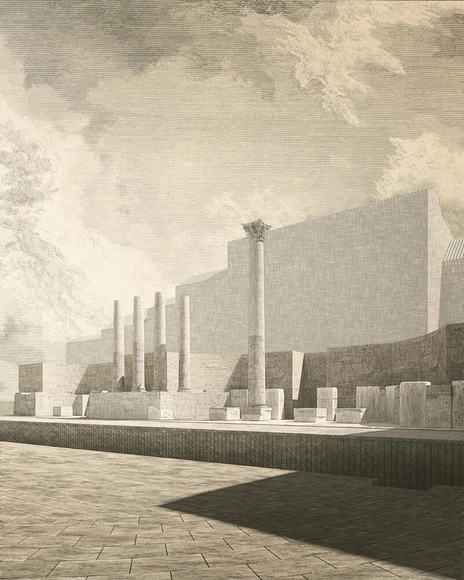
Scaenae view render. Image Courtesy of David Chipperfield Architects
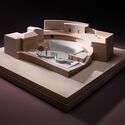
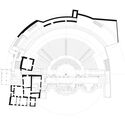
The preliminary design for the architectural restoration and functional redevelopment of the Roman Theatre was presented on Tuesday, April 8, 2025, at the Auditorium of the Santa Giulia Museum in Brescia. The project was developed by the Milan office of David Chipperfield Architects, commissioned by the Fondazione Brescia Musei in collaboration with the Municipality of Brescia and the Brescia Chamber of Commerce, Industry, Handicraft, and Agriculture. Chipperfield was tasked with identifying the essential architectural elements to guide future design phases, leading to the drafting of the Technical-Economic Feasibility Project (PFTE) and the final project, including the necessary authorizations. This initiative is financially supported by the Italian Chamber of Commerce under a 2019 ministerial decree prioritizing cultural heritage, especially where it enhances tourism.
In Venice, surrounded by an overwhelming abundance of architectural beauty—the grandeur of landmarks like the Basilica di San Marco, St. Mark's Square, and the Rialto Bridge, to name just a few—it is easy to become swept up in the iconic imagery and spatial majesty of the city. One could lose sight of the quieter, yet equally masterful, moments found in the execution of details across its built fabric. Beyond the grandeur, the city offers a richness in its winding alleyways, narrow canals, and vibrant street life—each contributing to the cultural tapestry that makes Venice so unique. Amidst these celebrated elements, however, lie subtle but remarkable architectural details that often go unnoticed. These deserve closer observation and reflection, as they offer their own kind of mastery—one grounded in material precision, craft, and the lived rhythms of the city.
Just steps away from the iconic Piazza San Marco, a quiet architectural dialogue unfolds between two celebrated figures. Within a one-minute walk, two projects—each meticulously crafted—sit in close proximity: the Olivetti Showroom by Carlo Scarpa, a long-revered pilgrimage site for architects and designers, and the recently reopened Procuratie Vecchie, restored by David Chipperfield Architects. A closer look at the architectural details embedded within each work reveals a compelling exchange across time—one that unfolds through material language, spatial precision, and an unwavering commitment to craft.
Built on a cluster of 118 small islands in the shallow Venetian Lagoon, the city of Venice, Italy, has captivated the imagination of architects and tourists alike. The area has been inhabited since ancient times, becoming a major financial and maritime power during the Middle Ages and Renaissance, as proven through the rich architecture that characterizes the city to this day. With influences from the Byzantine, Gothic, and Renaissance styles, the city represents a palimpsest of architectural narratives, overlapping and influencing each other. In recent years, Venice has become a major attraction for architects drawn to the La Biennale di Venezia, the most important Architectural Exhibition featuring national pavilions, exhibitions, and events to explore new concepts and architectural innovations.
Beyond the Biennale, Venice itself is an open-air museum for architecture lovers. While the city is best known for its historical buildings, Modernist and contemporary interventions add a new layer of interest, with many contemporary architects working with the historical fabric, like OMA's intervention and rehabilitation of Fondaco dei Tedeschi, or David Chipperfield's renovation of Procuratie Vecchie, one of the buildings that define Piazza San Marco. In addition to what the city has to offer, the site of the Venice Biennale is also marked by interventions by famous architects such as Carlo Scarpa, Sverre Fehn, and Alvar Aalto, made permanent due to their outstanding qualities.
Shanghai, as one of China's most representative global cities, features an architectural vocabulary that seamlessly blends its distinctive "Haipai" (Shanghai style) urban character with an international perspective. The city boasts a rich spatial hierarchy, ranging from the micro-level of alleyways and neighborhoods to the macro-scale of urban planning. From the Suzhou Creek to the Huangpu River, every architectural landmark embodies Shanghai's unique history, culture, and vision for the future.
As communities grow more multicultural and increasingly diverse, these spaces serve as physical manifestations of religious inclusion, encouraging the acceptance of religious and ethnic minorities within multicultural landscapes. Their proliferation reflects a growing need for inclusive environments that cater to diverse spiritual needs while promoting interfaith understanding. However, designing and implementing these spaces presents complex challenges, often sparking debates about representation, neutrality, and the very nature of sacred space. These discussions underscore the delicate balance architects must strike in creating spaces that are both universally welcoming and spiritually meaningful.
In this short video interview from the Louisiana Channel, Marc-Christoph Wagner interviews architect David Chipperfield in Galicia in April 2024, exploring his connection to the sea. The 2023 Pritzker Prize laureate speaks of his experience living for 30 years in a fishing village in Spain, delving into his connection to the place and the people's attitude towards the strength of the natural elements surrounding them.
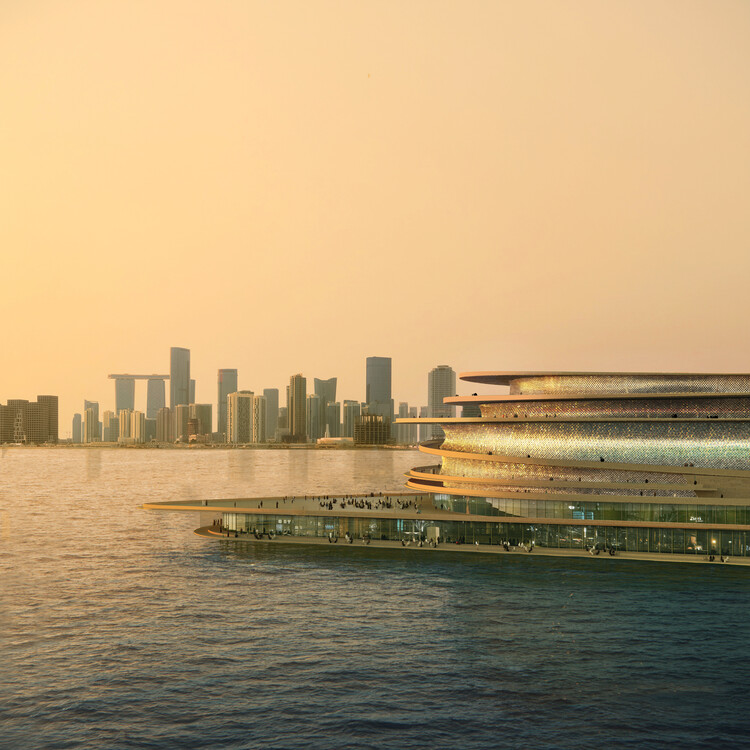
Sheikh Zayed National Museum / Foster + Partners. Image Courtesy of Foster + Partners
As 2024 comes to an end, the architectural world looks ahead to 2025, a year set to unveil transformative projects across the globe. From cultural landmarks in Asia, such as Sou Fujimoto's "Grand Ring" for Expo 2025 Osaka and MAD Architects' Hainan Science Museum in China, to dynamic urban developments like OMA's Harajuku Quest in Tokyo and David Chipperfield's Elbtower in Hamburg, these projects reflect a commitment to innovation, sustainability, and preserving cultural heritage.
In North America, Studio Gang's Shirley Chisholm Recreation Center in Brooklyn and the Lucas Museum of Narrative Art in Los Angeles highlight architecture's role in fostering community connections. Meanwhile, Europe anticipates Shigeru Ban's hybrid residential tower in Antwerp and Kengo Kuma's Visitor Center at Albania's Butrint National Park, showcasing the intersection of contemporary design and local context. As these projects take shape, they offer a glimpse into architecture's power to redefine spaces and inspire communities.
Architectural grafting, a concept recently popularized by Jeanne Gang inThe Art of Architectural Grafting, presents a transformative approach to urban regeneration and sustainability. Drawing inspiration from botanical and horticultural practices — where new growth is added to existing plants for enhanced resilience — this architectural method integrates new structures with existing ones, allowing them to coexist and adapt. Rather than pursuing demolition, grafting prioritizes adaptation, extending the life of buildings while safeguarding their cultural and historical significance.
While Studio Gang has played a pivotal role in advancing this method, architectural grafting embodies a broader principle that architects have long used to enhance sustainability, conserve resources, and honor heritage. Across scales — from individual buildings to urban landscapes —grafting reshapes the relationship between past and present, adapting existing structures for contemporary needs while addressing environmental demands. By reimagining historic buildings for modern use, this approach fosters a sustainable evolution of cityscapes.
Valencia, one of Spain's most vibrant cities, boasts a rich architectural history that mirrors its cultural and historical evolution. Founded by the Romans in 138 BC, the city has been shaped by successive waves of influence, from the Visigoths and Moors to the Christian reconquest in the 13th century. Each period left a distinct architectural imprint, giving Valencia a unique blend of Gothic, Baroque, and Renaissance structures alongside modern interventions. Among the city's most prominent historic landmarks is the La Longa de la Seda, a UNESCO World Heritage site, which exemplifies late Gothic civic architecture, alongside the majestic Valencia Cathedral, where Romanesque, Gothic, and Baroque elements intertwine, illustrating the city's layered past.
Valencia's architectural evolution did not end with its historical legacy. Today, the city is a dynamic example of how modern and contemporary architecture can coexist with ancient structures. The striking City of Arts and Sciences, designed by Valencian architect Santiago Calatrava, has become an international symbol of innovation, pushing the boundaries of futuristic design. In parallel, urban planning projects like transforming the former Turia riverbed into a lush green park have redefined public space and sustainability in the city. This balance between preservation and cutting-edge design reflects Valencia's commitment to embracing modernity while honoring its historical roots, making it not only a city steeped in history but also one at the forefront of contemporary architectural practice.
Concert halls, music, and performance venues stand as iconic symbols of cultural vitality within urban landscapes. Through these structures, which often become landmarks of the city, the residents are invited to take part and experience artistic expression, fostering a sense of community and connection. For architects, this program poses the intricate challenge of balancing form and function, creating spaces that enhance the acoustic experience, allow for the flow of audience and performers, and create visual spectacles in their own right.
Featuring both emerging and internationally recognized offices, this week’s curated selection showcases music and performance venues, from mixed arts and cultural centers to opera and ballet halls. Including proposals for international competitions such as David Chipperfield Architects or SHL and PAX architects’ designs for the Polish Royal Opera in Warsaw or Hariri Pontarini Architects’ design for an integrated center for the arts in Canada, the selection explores the program of music venues across scales and programs.