1. ArchDaily
  2. Skyscrapers

Skyscrapers: The Latest Architecture and News

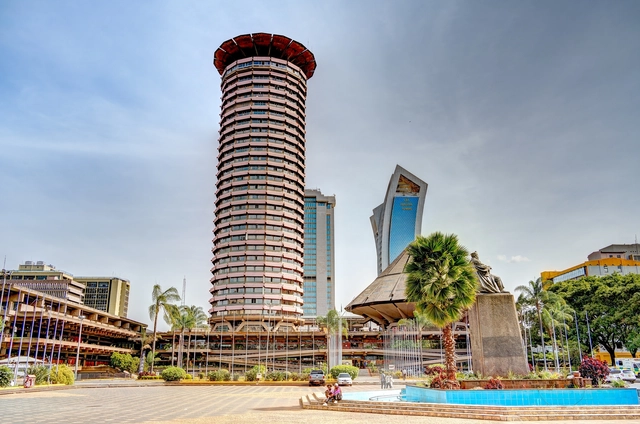
Kenyatta International Convention Center: A Modernist Icon of Post-Colonial African Architecture

Subscriber Access | 

The modern and futuristic architecture of Sub-Saharan Africa reflects the aspirations and progressive spirit that dominated the early years of independence for many countries in this region between the late 1950s and early 1960s. This architectural production, coinciding with economic growth, employed complex construction methods in designs that seamlessly blended interior and exterior spaces (thanks to the tropical climate), focusing on form and expression of materiality. From this fusion of specific conditions emerged architectural masterpieces of unique value that demand 'rediscovery,' among them the Kenyatta International Convention Center (KICC) in Nairobi, Kenya.

15 Landscaped Offices With Garden Space For Free-Range Employees to Roam

Subscriber Access | 

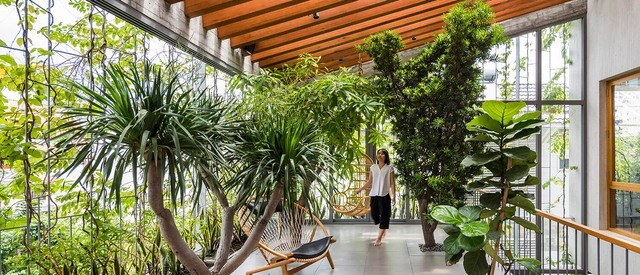
Representing 32% of the global population, Generation Z (those born between 1995 – 2010) accounts for a healthy chunk of the workforce (27% by 2025 and rising every year). These are the fresh young minds employers are fighting to attract. With prospective employers’ impact on society (93%) and a healthy work/life balance (77%) the two biggest motivators in deciding where Gen Z’ers want to work, a large part of any new office building’s design brief is green space.

While hybrid working and flexible hours represent the most obvious ways to improve work/life balance for many, because of the missed social interactions and the lack of space or functionality at unproductive home workspaces, the majority of 16-24-year-olds are the only age group who prefer to work from the office.

15 Landscaped Offices With Garden Space For Free-Range Employees to Roam - Image 1 of 415 Landscaped Offices With Garden Space For Free-Range Employees to Roam - Image 2 of 415 Landscaped Offices With Garden Space For Free-Range Employees to Roam - Image 3 of 415 Landscaped Offices With Garden Space For Free-Range Employees to Roam - Image 4 of 415 Landscaped Offices With Garden Space For Free-Range Employees to Roam - More Images+ 18

Does Size Really Matter? Debunking the Obsession with Super Tall Buildings

Subscriber Access | 

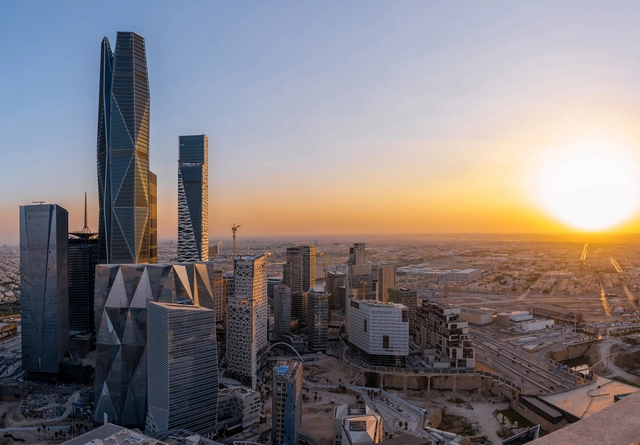
The future Saudi tower designed by Foster + Partners is expected to reach a staggering height of two kilometers. This multibillion-dollar project, towering twice as high as the current record holder, the Burj Khalifa in Dubai, will dominate the skyline of Riyadh, accommodating offices, residences, and entertainment spaces. It forms part of a development program led by Saudi Arabia, driven by the vision of Crown Prince Mohammad bin Salman to establish the country's presence through ambitious, large-scale projects. While these super-tall towers symbolize visibility and global recognition, they face criticism for their extravagant construction costs and environmental impact.

Does Size Really Matter? Debunking the Obsession with Super Tall Buildings - Image 1 of 4Does Size Really Matter? Debunking the Obsession with Super Tall Buildings - Image 2 of 4Does Size Really Matter? Debunking the Obsession with Super Tall Buildings - Image 3 of 4Does Size Really Matter? Debunking the Obsession with Super Tall Buildings - Image 4 of 4Does Size Really Matter? Debunking the Obsession with Super Tall Buildings - More Images+ 7

Japan's Tallest Skyscraper: Pelli Clarke & Partners Completes Tokyo's Mori JP Tower

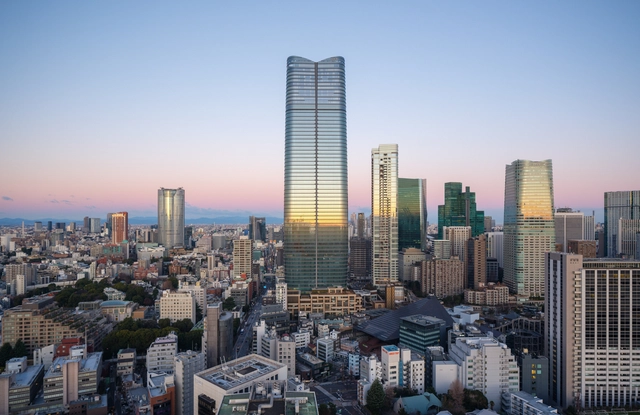
Pelli Clarke & Partners has just completed the Mori JP Tower, now standing as Japan’s tallest building. Situated in the recently revitalized Azabudai Hills district, the tower emerges at the center of this development. Establishing a new focal point for Tokyo’s skyline, the building soars 330 meters at the heart of this dynamic new mixed-use district in the city center.

Japan's Tallest Skyscraper: Pelli Clarke & Partners Completes Tokyo's Mori JP Tower - Image 1 of 4Japan's Tallest Skyscraper: Pelli Clarke & Partners Completes Tokyo's Mori JP Tower - Image 2 of 4Japan's Tallest Skyscraper: Pelli Clarke & Partners Completes Tokyo's Mori JP Tower - Image 3 of 4Japan's Tallest Skyscraper: Pelli Clarke & Partners Completes Tokyo's Mori JP Tower - Image 4 of 4Japan's Tallest Skyscraper: Pelli Clarke & Partners Completes Tokyo's Mori JP Tower - More Images+ 19

Saudi Arabia's 2030 Vision Unveiled through Mega Projects

Subscriber Access | 

Saudi Arabia, a country going through a tremendous transition, is not only changing its skyline but also redefining its identity on a global level. As part of their 2030 Vision serving as the compass, the kingdom is moving toward new developments, aiming to revive culture and diversify the economy. In fact, the capital, Riyadh, is leading the transformation by hosting the 2030 World Expo. Representing the country’s dedication to advancement, several mega projects are taking place and transforming the kingdom's fabric.

Amidst the various projects, many world-renowned firms are working on these mega projects at many different scales. For example, the cultural renaissance is shown through Snøhetta’s Opera House in Diriyah, while the Jeddah Tower is on a trajectory that will overtake the Burj Khalifa. In the meantime, Heatherwick Studio’s conversion of a Jeddah desalination plant into a thriving cultural center showcases their repurposing of industrial spaces. From coastal projects by Foster + Partners to city center skyscrapers that are redefining the skyline, the country is undergoing significant transformations in its built environment.

Saudi Arabia's 2030 Vision Unveiled through Mega Projects - Image 1 of 4Saudi Arabia's 2030 Vision Unveiled through Mega Projects - Image 2 of 4Saudi Arabia's 2030 Vision Unveiled through Mega Projects - Image 3 of 4Saudi Arabia's 2030 Vision Unveiled through Mega Projects - Image 4 of 4Saudi Arabia's 2030 Vision Unveiled through Mega Projects - More Images+ 6

A Production Facility in Germany and An Observatory in Athens: 8 Unbuilt Multi-Functional Projects Submitted by the ArchDaily Community

Subscriber Access | 

Urban environments are constantly evolving, with cities becoming the hubs of cultural diversity and economic life. In fact, the globe is speeding towards a future in which 70% of people will live in cities by 2050. Architects are at the core of this revolutionary movement, rethinking the nature of a city due to this urban surge. In response to this immense focus on newer and more diverse cities, architects and designers are leaning towards multifunctional and mixed-use projects. Attracting diverse crowds of people, mixed-use architecture explores the maximum potential of what a structure can serve.

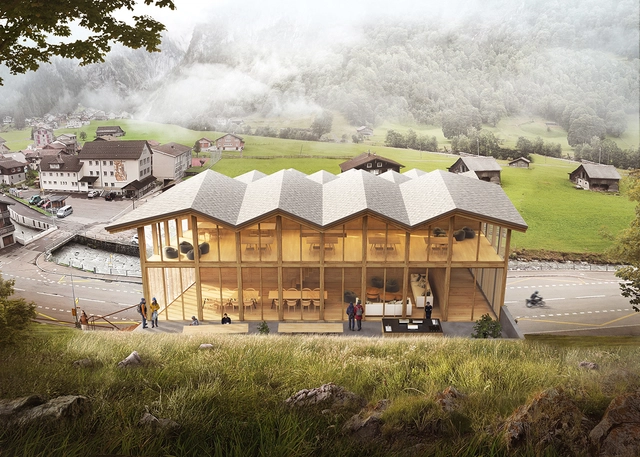
Highlighting architecture firms such as Atelier 333, MOR Architects, BXB studio Bogusław Barnaś, Beek Architects, Frey Architekten, and Kalbod Design Studio, among others, the forthcoming exploration unveils a collection of unbuilt architectural projects submitted to ArchDaily that champion multi-function in their design. From the innovative Plata.forma in Laqlouq to the maritime haven of The Ark and the Swiss House's harmonious alpine blend, these projects redefine urban living.

A Production Facility in Germany and An Observatory in Athens: 8 Unbuilt Multi-Functional Projects Submitted by the ArchDaily Community - Image 43 of 4A Production Facility in Germany and An Observatory in Athens: 8 Unbuilt Multi-Functional Projects Submitted by the ArchDaily Community - Image 42 of 4A Production Facility in Germany and An Observatory in Athens: 8 Unbuilt Multi-Functional Projects Submitted by the ArchDaily Community - Image 41 of 4A Production Facility in Germany and An Observatory in Athens: 8 Unbuilt Multi-Functional Projects Submitted by the ArchDaily Community - Image 44 of 4A Production Facility in Germany and An Observatory in Athens: 8 Unbuilt Multi-Functional Projects Submitted by the ArchDaily Community - More Images+ 40

BIG’s Twisting One High Line Skyscrapers Near Completion in New York City

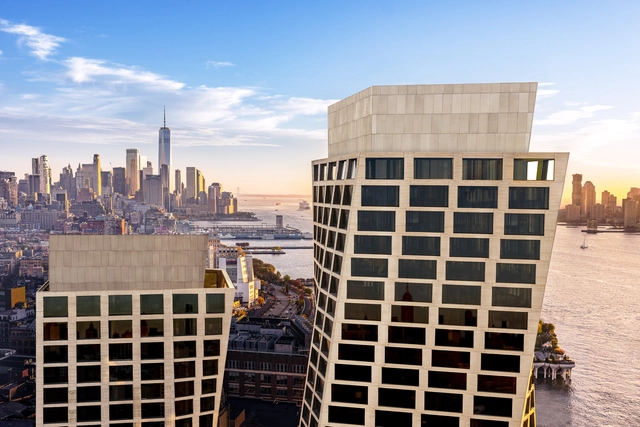
A new set of images showcases BIG's One High Line development nearing completion. Located on the ‘Architecture Row’ in New York, the coupled twisting towers share the Hudson River skyline with neighbors such as Frank Gehry’s IAC building, Renzo Piano’s Whitney Museum of American Art, and Jean Nouvel’s The Chelsea Nouvel ('100 Eleventh Avenue'), along with future works by Thomas Heatherwick and other renown architects. The two condominium towers designed by BIG are organized to define a central public courtyard, activating the public space with retail and commercial facilities. The towers’ exterior and the majority of the interior are completed, with the courtyard expected to be finished by early 2024.

BIG’s Twisting One High Line Skyscrapers Near Completion in New York City - Image 1 of 4BIG’s Twisting One High Line Skyscrapers Near Completion in New York City - Image 2 of 4BIG’s Twisting One High Line Skyscrapers Near Completion in New York City - Image 3 of 4BIG’s Twisting One High Line Skyscrapers Near Completion in New York City - Image 4 of 4BIG’s Twisting One High Line Skyscrapers Near Completion in New York City - More Images+ 4

MVRDV and Space Encounters Collaborate for a Model of Sustainability in Amsterdam's Sluisbuurt Neighborhood

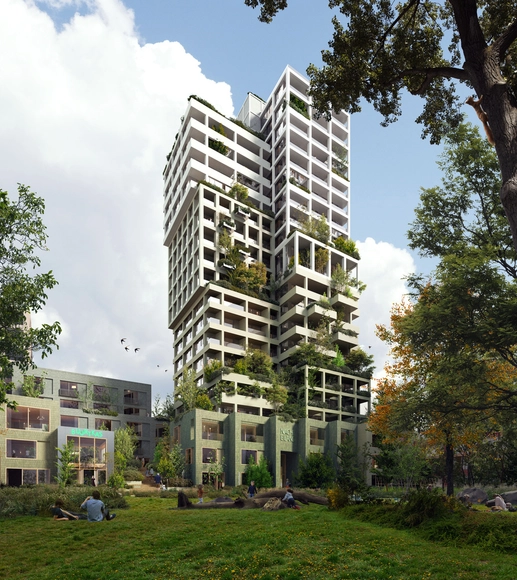
MVRDV and Space Encounters' proposal for a 22-storey residential tower is set to be implemented in Amsterdam’s Sluisbuurt neighborhood. Aiming to enhance community strength, the design boasts a timber framework, an energy-generating façade, and plenty of communal spaces. The project serves as a model for sustainability and environmental friendliness.

MVRDV and Space Encounters Collaborate for a Model of Sustainability in Amsterdam's Sluisbuurt Neighborhood - Image 1 of 4MVRDV and Space Encounters Collaborate for a Model of Sustainability in Amsterdam's Sluisbuurt Neighborhood - Image 2 of 4MVRDV and Space Encounters Collaborate for a Model of Sustainability in Amsterdam's Sluisbuurt Neighborhood - Image 3 of 4MVRDV and Space Encounters Collaborate for a Model of Sustainability in Amsterdam's Sluisbuurt Neighborhood - Image 4 of 4MVRDV and Space Encounters Collaborate for a Model of Sustainability in Amsterdam's Sluisbuurt Neighborhood - More Images

NEOM Unveils Two Futuristic Coastal Skyscrapers in Saudi Arabia

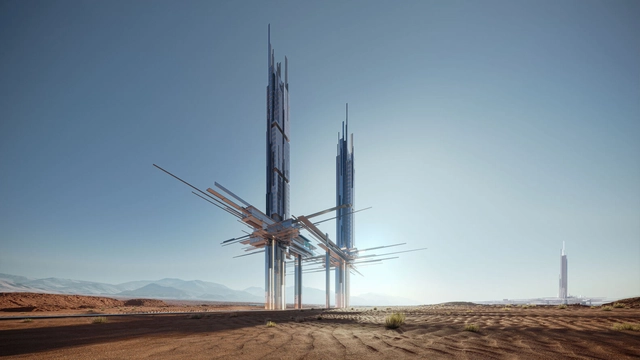
NEOM, Saudi Arabia’s Mega Project, has just announced a new upscale coastal destination within the sustainable regional development in northwest Saudi Arabia. Positioned along the Gulf of Aqaba, Epicon aims to redefine hospitality and architecture standards. Featuring two pointed skyscrapers, it features a prominent hotel and luxury apartments.

The scheme compromises two towers at 225 meters and 275 meters, respectively, housing a premium 41-key hotel and 14 suites and apartments. Nearby, the Epicon resort includes 120 rooms and 45 beach villas, blending coastal living with luxury amenities. Epicon is designed to be a haven from everyday life, providing experiences varying from high-end cuisine to water sports.

The Guangxi China Resources Tower Wins "Best Tallest Building" Award at The Council on Tall Buildings and Urban Habitat 2023

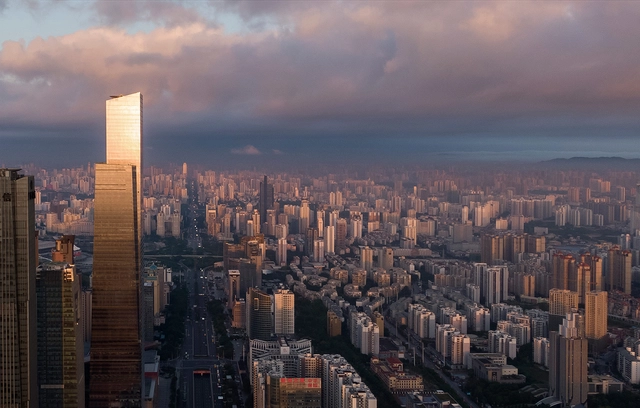
The Guangxi China Resources Tower has just received the distinguished “Tall Building Award” from the Council on Tall Buildings and Urban Habitat (CTBUH). The soaring skyscraper, standing at 403 meters in Nanning, China, was designed by Goettsch Partners (GP) and built by CR Land. This 86-story tower spanning 272,260 sqm features the Shangri-La Nanning hotel, office space, and retail space.

Making the Economic Case for Biophilic Design

This article was originally published on Common Edge.

A simple walk in the park will relax even the most tightly wound individual. But what about the places where people spend far more of their time, such as schools, office buildings, and hospitals? What role can design play in incorporating nature into those environments? And at what additional cost? Bill Browning has published a book—The Economics of Biophilia: Why Designing With Nature in Mind Makes Financial Sense, 2nd Edition (written with Catie Ryan and Dakota Walker)—arguing that the cost of bringing nature into building projects isn't prohibitive but additive. An environmental strategist with a long history in green building, Browning is one of the founding partners (with architects Bob Fox and Rick Cook) of the sustainable design consultancy Terrapin Bright Green. Recently I talked with Browning about biophilic design—and, because he was a founding member of the U.S. Green Building Council's board of directors, about the strengths and shortcomings of the LEED rating system.

Making the Economic Case for Biophilic Design - Image 1 of 4Making the Economic Case for Biophilic Design - Image 2 of 4Making the Economic Case for Biophilic Design - Image 3 of 4Making the Economic Case for Biophilic Design - Image 4 of 4Making the Economic Case for Biophilic Design - More Images

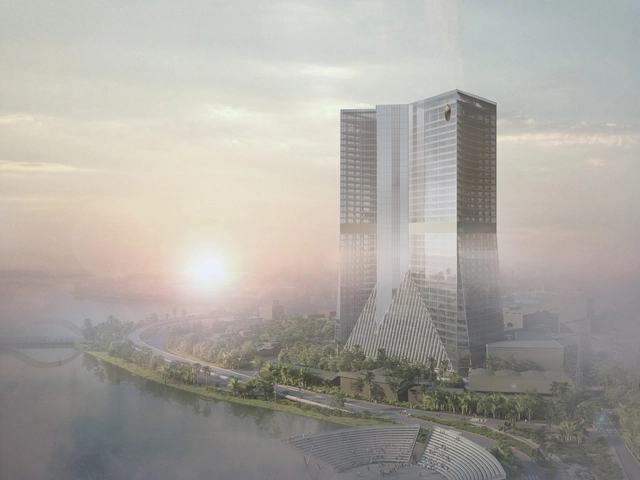
Zaha Hadid Architects Unveils Design for a Crystal-like Skyscraper for NEOM’s Trojena Region

Zaha Hadid Architects has unveiled plans for a striking 330-meter-tall skyscraper within the Trojena ski resort, situated in the Neom development in Saudi Arabia. The design was first presented at the Cityscape Conference in Riyadh as part of an exhibition focused on the Neom project. The new crystal-like skyscraper will be located on a mountain overlooking a central artificial lake, as it is planned to become an integral element of the Trojena, a region allegedly master-planned by LAVA architects. Zaha Hadid Architects have also revealed the design of a second structure within Trojena, a lookout pavilion located next to the skyscraper.

Zaha Hadid Architects Unveils Design for a Crystal-like Skyscraper for NEOM’s Trojena Region - Image 1 of 4Zaha Hadid Architects Unveils Design for a Crystal-like Skyscraper for NEOM’s Trojena Region - Image 2 of 4Zaha Hadid Architects Unveils Design for a Crystal-like Skyscraper for NEOM’s Trojena Region - Image 3 of 4Zaha Hadid Architects Unveils Design for a Crystal-like Skyscraper for NEOM’s Trojena Region - Image 4 of 4Zaha Hadid Architects Unveils Design for a Crystal-like Skyscraper for NEOM’s Trojena Region - More Images+ 3

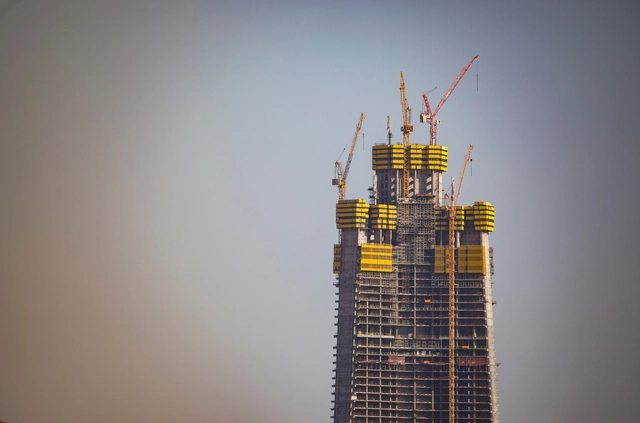
World's Tallest Skyscraper Resumes Construction After a 5-Year Hiatus in Jeddah, Saudi Arabia

After a five-year pause, construction on the Jeddah Tower has resumed. Set to become the world’s tallest skyscraper and beat the UAE’s Burj Khalifa, the tower was designed by Adrian Smith + Gordon Gill Architecture and initially began construction in 2013. Interestingly, the Burj Khalifa was also designed by Adrian Smith while at Skidmore, Owings & Merrill. The scheme faced many delays, including a pause in 2018 and further setbacks due to the COVID-19 pandemic. Furthermore, the initial contractor was replaced during the 2017-2019 Saudi Arabian purge.

World's Tallest Skyscraper Resumes Construction After a 5-Year Hiatus in Jeddah, Saudi Arabia - Image 1 of 4World's Tallest Skyscraper Resumes Construction After a 5-Year Hiatus in Jeddah, Saudi Arabia - Image 2 of 4World's Tallest Skyscraper Resumes Construction After a 5-Year Hiatus in Jeddah, Saudi Arabia - Image 3 of 4World's Tallest Skyscraper Resumes Construction After a 5-Year Hiatus in Jeddah, Saudi Arabia - Image 4 of 4World's Tallest Skyscraper Resumes Construction After a 5-Year Hiatus in Jeddah, Saudi Arabia - More Images+ 1

OMA’s First Project in Bangladesh, the Dhaka Tower, Breaks Ground

Construction on OMA’s first project in Bangladesh, the Dhaka Tower, has just started. Reaching a height of 150 meters and spanning 180,000 sqm in office space, the project is set to stand as one of the tallest buildings in the country. This scheme marks a significant milestone in the urban landscape of Bangladesh, designed by OMA in collaboration with local real-estate developer Shanta Holdings.

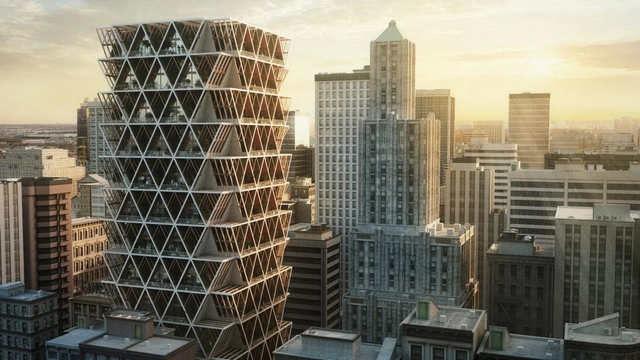
Timber Skyscrapers: A Low-Carbon Typology for the 21st Century

Wood, an age-old building material, has left its mark on the history of architecture. Structures like townhouses and ancient cathedrals have seen usage and innovation with wood as a primary material. As technology evolves and urban landscapes grow skyward, wood has emerged as a strong contender to steel and concrete in the area of skyscraper design. Recent advances in engineering, materials science, and construction techniques have welcomed a new era of experimentation, enabling the construction of timber skyscrapers across the world. Timber skyscrapers signify a departure from traditional construction methods, seamlessly blending aesthetics, functionality, and ecological consciousness. Wood as a material, with its inherent strength and impressive fire resistance, presents hope to an industry in pursuit of a more sustainable future.

Timber Skyscrapers: A Low-Carbon Typology for the 21st Century - Image 1 of 4Timber Skyscrapers: A Low-Carbon Typology for the 21st Century - Image 2 of 4Timber Skyscrapers: A Low-Carbon Typology for the 21st Century - Image 3 of 4Timber Skyscrapers: A Low-Carbon Typology for the 21st Century - Image 4 of 4Timber Skyscrapers: A Low-Carbon Typology for the 21st Century - More Images+ 4

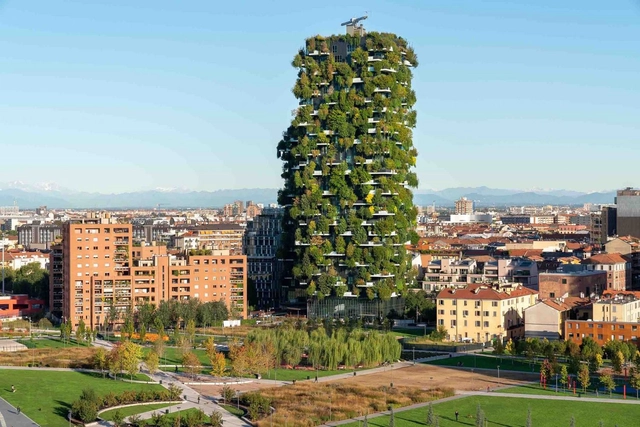
Vertical Urbanism: Milan Highrises Reaching New Heights

Subscriber Access | 

Milan’s urban fabric has long been defined by change. In a city known for its historic monuments, from the Piazza Duomo and Milan Cathedral to works like Velasca Tower, contemporary architecture must balance many existing contexts. Emerging as a global center for design and culture, Milan has become home to new buildings and structures addressing this condition as iconic landmarks and expressive forms. Actively building upon its legacy, Milan has turned its attention to the sky.

Vertical Urbanism: Milan Highrises Reaching New Heights - Image 1 of 4Vertical Urbanism: Milan Highrises Reaching New Heights - Image 2 of 4Vertical Urbanism: Milan Highrises Reaching New Heights - Image 3 of 4Vertical Urbanism: Milan Highrises Reaching New Heights - Image 4 of 4Vertical Urbanism: Milan Highrises Reaching New Heights - More Images+ 4

David Chipperfield Architects Collaborate with Ester Buzkus Architeken to Design NOBU Hotel and Restaurant in Hamburg

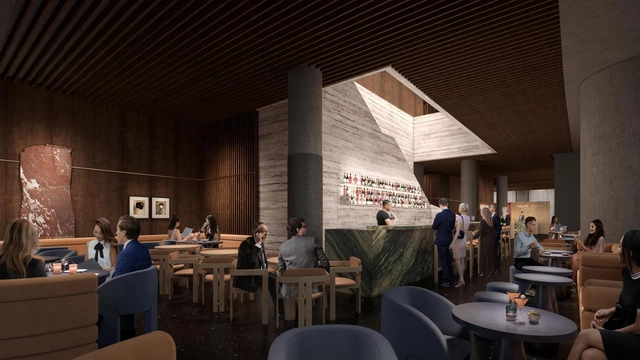
David Chipperfield Architects Berlin, in collaboration with Ester Buzkus Architeken, has won the international competition to design the newest NOBU Hotel and Restaurant in Hamburg. In fact, David Chipperfield is also the architect for the entire Elbtower building, currently under construction, where the Nobu Hotel will occupy two of the three wings in the seven-story base of the tower. When completed, it should be the tallest building in Hamburg, at 230 meters.

David Chipperfield Architects Collaborate with Ester Buzkus Architeken to Design NOBU Hotel and Restaurant in Hamburg - Image 1 of 4David Chipperfield Architects Collaborate with Ester Buzkus Architeken to Design NOBU Hotel and Restaurant in Hamburg - Image 2 of 4David Chipperfield Architects Collaborate with Ester Buzkus Architeken to Design NOBU Hotel and Restaurant in Hamburg - Image 3 of 4David Chipperfield Architects Collaborate with Ester Buzkus Architeken to Design NOBU Hotel and Restaurant in Hamburg - Image 4 of 4David Chipperfield Architects Collaborate with Ester Buzkus Architeken to Design NOBU Hotel and Restaurant in Hamburg - More Images+ 1

The Bioclimatic Skyscraper: Kenneth Yeang's Eco-Design Strategies

Subscriber Access | 

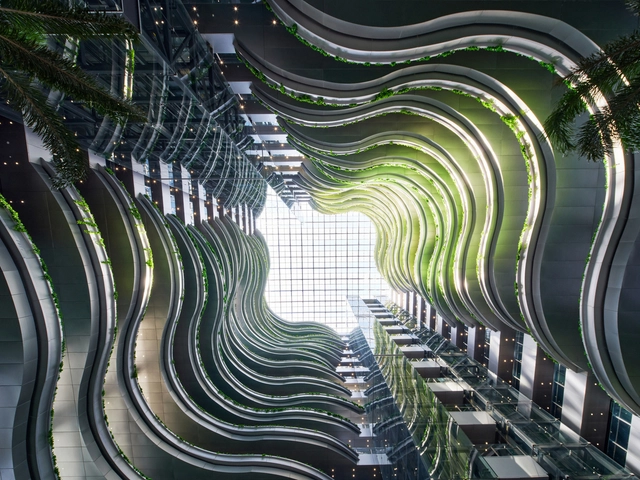
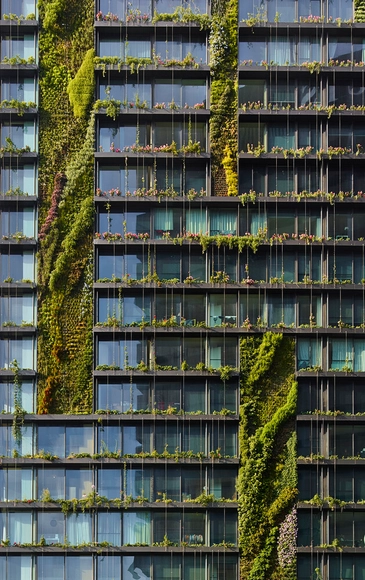
Rising over global cities, the modern skyscraper has long been a symbol of economic growth and environmental decline. For years, they have been reviled by environmentalists for being uncontrolled energy consumers. Malaysian architect Kenneth Yeang acknowledged the skyscraper as a necessity in modern cities and adopted a pragmatic approach to greening the otherwise unsustainable building typology. Yeang’s bioclimatic skyscrapers blend the economics of space with sustainability and improved living standards.


The Bioclimatic Skyscraper: Kenneth Yeang's Eco-Design Strategies  - Image 1 of 4The Bioclimatic Skyscraper: Kenneth Yeang's Eco-Design Strategies  - Image 2 of 4The Bioclimatic Skyscraper: Kenneth Yeang's Eco-Design Strategies  - Image 3 of 4The Bioclimatic Skyscraper: Kenneth Yeang's Eco-Design Strategies  - Image 4 of 4The Bioclimatic Skyscraper: Kenneth Yeang's Eco-Design Strategies  - More Images+ 2