1. ArchDaily
  2. Europe

Europe: The Latest Architecture and News

Is There a European Identity in Architecture?

Subscriber Access | 

“There is a certain tradition, history, and continuity that you can read in European architecture”
- Spela Videcnik, OFIS arhitekti

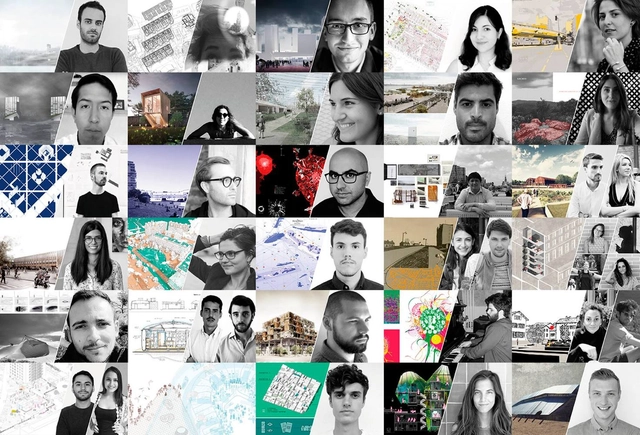
A product of context and history, Europe has influenced the architecture world in a way that perhaps no other continent has. The continent is the topic of the latest video from the Fundació Mies van der Rohe, produced in relation to their European Union Prize for Contemporary Architecture, in which prize-nominated architects from 16 European cities are interviewed on what they believe brings them together, and what makes them different.

As a US citizen who has previously lived in Europe for two years, I was struck by the essential question prompted by the video: “Is there a European identity in architecture?” And if so, what exactly is it? To try to answer this question, I sat down with ArchDaily’s managing editor Rory Stott - a Brit - to debate differing perspectives.

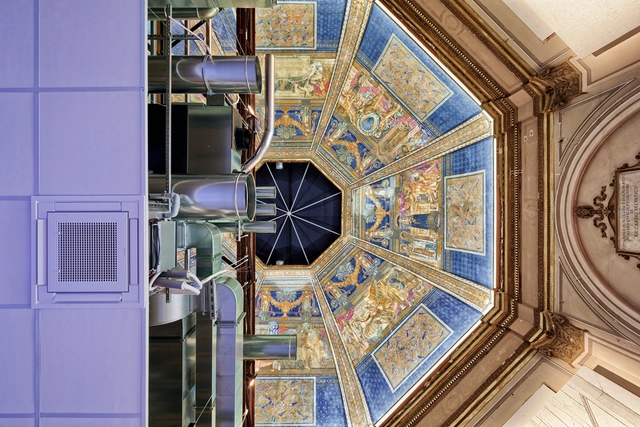
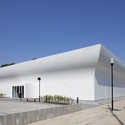
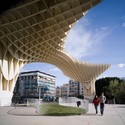
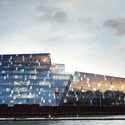
Is There a European Identity in Architecture? - Featured ImageIs There a European Identity in Architecture? - Image 1 of 4Is There a European Identity in Architecture? - Image 2 of 4Is There a European Identity in Architecture? - Image 3 of 4Is There a European Identity in Architecture? - More Images+ 1

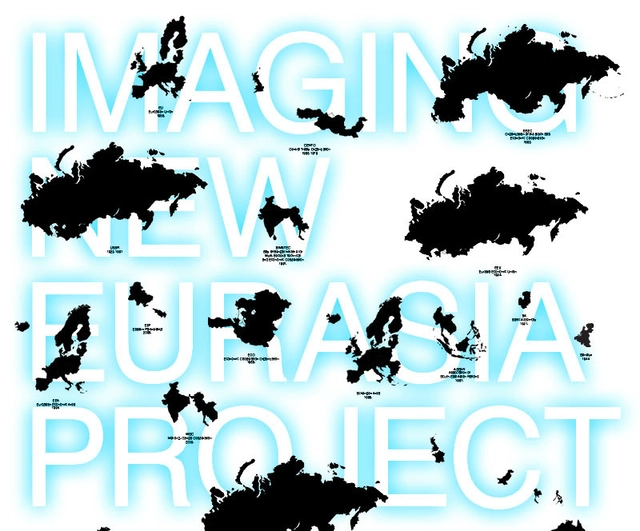
Call for Ideas: Imagining a New Eurasia

Imagine that Eurasia has been brought to absolute destruction - by wars over religion, ethnicity or countries, or maybe even nuclear destruction. Cities, towns and villages across the super-continent are left in rubble or abandoned; all forms of organization are a fairy tale from a bygone era. Thousands of years of culture and civilization, gone.

What if a new Eurasia could arise from the remnants of this destruction? What artifacts and memories would remain, to seed the creation of a new Eurasia? Imagining New Eurasia, commissioned by Asia Culture Center in Gwangju, South Korea, invites anyone living in, or from Eurasia to submit their ideas, in the form of drawings, sketches, text, artwork, found objects, photographs, maps, memorabilia or any other kind of artifact, on how the future of a New Eurasia may pan out.

2015 European Summer Exhibition Guide

Exhibitions, much like publications and films, are one of the key contemporary methods for the communication of architectural concepts and ideas. They allow the practice, curator or educative body to edit and present information and visuals in a way which narrates a story, provokes new ideas, or feeds into a wider discourse. For many, exhibitions are an invaluable source of inspiration and an engaging way of gaining new, or reaffirming old, knowledge and design precedents. Intimately linked to the space or place in which they are displayed, the best exhibitions also remind us that the practice of architecture is both a profession and a discipline; a valuable way of understanding the built, and unbuilt, world we live in.

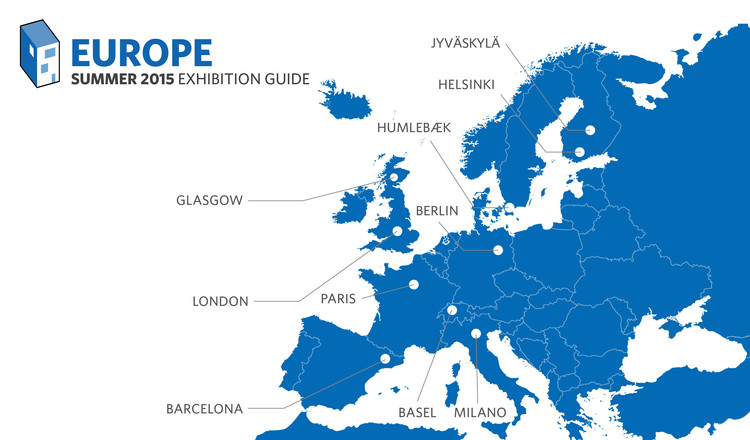
If you're traveling to, living or studying in Europe this summer then dive into our compilation of what we consider to be some of the most informative and exciting exhibitions on show in between June and October 2015. If you visit them, or any other exhibitions that you enjoy, share a photograph on Instagram or Twitter with the hashtag #archdailyexhibitions.

Check out our favourite exhibitions on architecture, urbanism and design, from Jyväskylä to Milano, after the break.

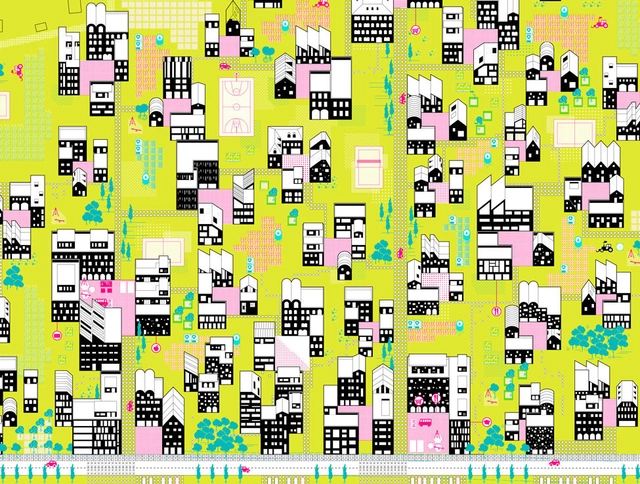
2015 European Summer Exhibition Guide - Image 1 of 42015 European Summer Exhibition Guide - Image 2 of 42015 European Summer Exhibition Guide - Image 3 of 42015 European Summer Exhibition Guide - Image 4 of 42015 European Summer Exhibition Guide - More Images+ 2

What’s Behind Europe’s Grandiose Rebuilding?

Subscriber Access | 

Is there a growing nostalgia pervading attitudes to civic architecture in Europe? From Berlin's new Royal Palace on the River Spree to Turkey's rekindled fascination with their Ottoman heritage, architecture is becoming the medium of choice for exploring a city's roots and a people's past. In this post originally published by TheLong+Short, Feargus O'Sullivan investigates how many governments and developers have decided that the way to future lies in looking backwards.

Reading about Dubai’s Burj Khalifa in the German press, you’d be forgiven for thinking the building was in Leipzig, not the Middle East. “The tallest building in the world is so German,” said Der Spiegel when the tower opened in 2010. “The Burj Khalifa is an Ossi!" shouted Bild, using the common nickname for East Germans. The headlines were partly right: when East Germany’s old parliament building, the Palace of the Republic in Berlin, was demolished in 2006, several thousand tonnes of steel girders were stripped from its carcass and shipped to the Gulf for use in the construction of Burj Khalifa.

1 Minute Series: Exploring 4 of Europe's Most Iconic Sensory Spaces

Subscriber Access | 

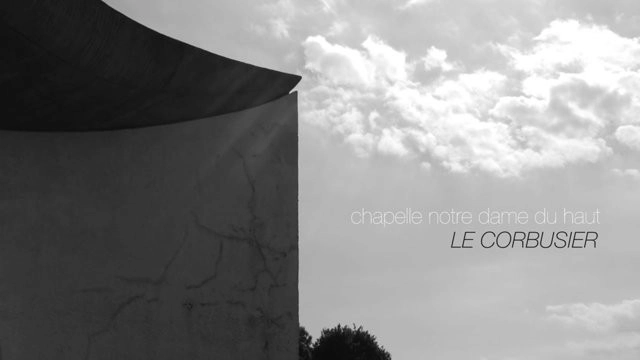
Fernando Schapochnik’s 1 minute series – a set of four videos of iconic buildings in Europe – aims to create a sensory interaction with the spaces. Filmed using only a cellphone, the videos rely on textures, sounds, rhythms and varying speeds to narrate the viewer's relationship with the spaces, letting the senses guide the experience. Journey through Le Corbusier’s Ronchamp, Antoni Gaudí’s Park Guell, SANAA’s Rolex Learning Center and OMA’s Kunsthal after the break.

Vienna to Build World's Tallest Wooden Skyscraper

Rüdiger Lainer and Partner plans to construct the world’s tallest wooden skyscraper next year in Vienna’s Seestadt Aspern area. 76 percent of the 84-meter tower is expected to be made from wood rather than concrete, saving approximately 2,800 tonnes of CO2 emissions (equivalent to driving a car 25 miles a day for 1,300 years).

“I think it is important everyone now in 2014 thinks in different ways. We have wood, which is a perfect construction material for building,” she said. “It was used 200 years ago and it was perfect then and is perfect now,” says Kerbler project developer Caroline Palfy, commenting on the architects’ decision to use wood due to its environmental benefits.

An interior loft view and more details, after the break. 

5 Finalists Selected for the 2015 EU Prize for Contemporary Architecture- Mies van der Rohe Award

Five projects have been selected as finalists of the 2015 EU Prize for Contemporary Architecture- Mies van der Rohe Award. The finalists were selected from a shortlist of 40 projects, and over the next couple of months the jury members will visit each of the finalist projects to evaluate the buildings firsthand and gather information from the people who use them. On May 7, the architects will present their projects to the jury. The winner will be announced the following day at a ceremony at Mies van der Rohe’s Barcelona Pavilion.

See the five finalists after the break.

40 Projects Shortlisted for the 2015 EU Prize for Contemporary Architecture – Mies van der Rohe Award

Update: The five finalists for the 2015 Mies van der Rohe Award will be announced on February 25 at 12 UTC. 40 projects from 17 European countries have been shortlisted for the 2015 European Union Prize for Contemporary Architecture – Mies van der Rohe Award. Chosen from the 420 original nominees, five of the shortlisted projects will be chosen for the next round of selection, to be announced at the end of February in London. These selected architects will then present their projects before a committee on May 7, who will select one recipient of the highly esteemed international design award, as well as one recipient of the Emerging Architect Prize. The winners will be announced the following day at the Mies van der Rohe Pavilion in Barcelona.

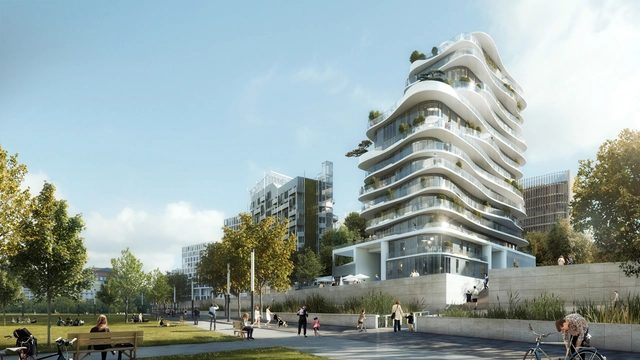
40 Projects Shortlisted for the 2015 EU Prize for Contemporary Architecture – Mies van der Rohe Award - 1 的图像 440 Projects Shortlisted for the 2015 EU Prize for Contemporary Architecture – Mies van der Rohe Award - 2 的图像 440 Projects Shortlisted for the 2015 EU Prize for Contemporary Architecture – Mies van der Rohe Award - 3 的图像 440 Projects Shortlisted for the 2015 EU Prize for Contemporary Architecture – Mies van der Rohe Award - 4 的图像 440 Projects Shortlisted for the 2015 EU Prize for Contemporary Architecture – Mies van der Rohe Award - More Images+ 36

Co-Housing Movement Sweeps through Europe

Subscriber Access | 

In the Spanish suburb of Alfafar, conditions were looking grim as economic hardships plunged over 40% of its residents into unemployment and left significant portions of its housing vacant. In response, a group of young architects have developed a co-housing plan for the area to accommodate its shifting needs, enabling residents to exchange and share space as needed. Using the existing buildings as the framework, the line between public and private will evolve over time with changing conditions, following in the footsteps of other European countries that have successfully employed similar undertakings. Read more about Alfafar's co-housing plan, here.

420 Projects Nominated for the 2015 European Union Prize for Contemporary Architecture – Mies Van der Rohe Award

The European Commission and the Fundació Mies van der Rohe have selected 420 projects to compete for the 2015 European Union Prize for Contemporary Architecture – Mies van der Rohe Award. The nominations span 36 countries, with the most nominated projects coming from Spain. Twenty-seven percent of the shortlisted projects are housing related, while 24% are cultural facilities, 11% are education-related and the remaining 33% are sport, commercial, governmental, transport and urban projects.

Established in 1987 by the European Union, the European Commission, the European Parliament and the Fundació Mies van der Rohe – Barcelona, the 60.000€ Mies Van der Rohe award is one of the most prestigious and important awards for European architecture. The prize is awarded biennially to works that have been completed in the past two years. Previous winners have included the Harpa Concert Hall and Conference Centre in Reykjavik, designed by the Danish architectural firm Henning Larsen in collaboration with the Islandic practice Batteríið and the artist Olafur Elíasson, and the Neues Museum in Berlin, designed by David Chipperfield Architects and Julian Harrap.

An Emerging Architect prize for professionals beginning their career as well as the Young Talent Architecture Prize (YTAP) for the best European master’s projects from 2014 will also be awarded. In addition, this year for the first time the jury will include a client who has supported high quality architecture and commissioned projects to European architects. The jury will select the shortlisted projects by the end of January 2015.

Read on after the break for the members of the jury, the full list of all 420 nominated projects and ArchDaily's exclusive Mies van der Rohe Award infographic. 

Built Reminders of a Former Time: Europe's Dissolved Border Crossings Photographed

Citizens of central Europe, perhaps uniquely in the world, are used to a life of no borders and free movement between nations. Following two devastating wars fought primarily on European soil, the formation of the early European Union in the 1950s paved the way for a more liberal, less isolated continent. It was not until the signing of the Schengen Treaty in 1985 (which came into effect in 1995) that the majority of borders were truly dissolved and travelling between nations, cultures, and communities became as simple as walking down the road.

Ignacio Evangelista's series of photographs entitled After Schengen examine the remnants of the old, abandoned crossing points that still exist across the Union. No longer necessary to maintain a country's independent sovereignty, and almost twenty years since the revolutionary pact was ratified, these palimpsests of border control remain as striking today as when they when delineated the closed boundaries between nations.

See a selection of the collection after the break...

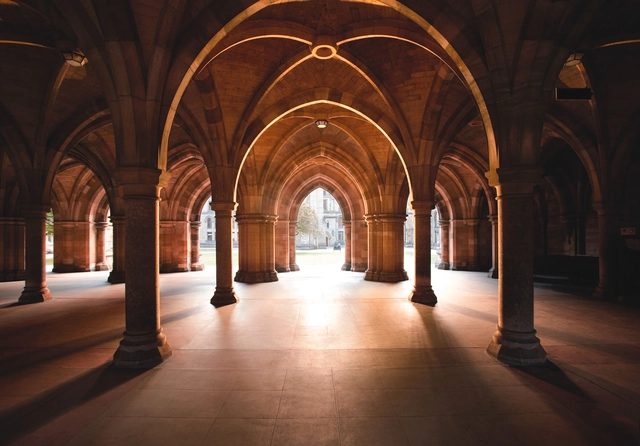
Built Reminders of a Former Time: Europe's Dissolved Border Crossings Photographed - Image 1 of 4Built Reminders of a Former Time: Europe's Dissolved Border Crossings Photographed - Image 2 of 4Built Reminders of a Former Time: Europe's Dissolved Border Crossings Photographed - Image 3 of 4Built Reminders of a Former Time: Europe's Dissolved Border Crossings Photographed - Image 4 of 4Built Reminders of a Former Time: Europe's Dissolved Border Crossings Photographed - More Images+ 6

AD Interviews: European Architects on the Mies van der Rohe Award

Subscriber Access | 

The European Union Prize for Contemporary Architecture - Mies van der Rohe Award is one of the most important and prestigious prizes for architecture within Europe. First established in 1987, the prize is awarded every two years, and a look at the projects over the years offers unique insight into the development of architecture across Europe. To better understand the significance and uniqueness of the award we spoke with two previous award winners – Kjetil Trædal Thorsen and Craig Dykers from Snøhetta and Dominique Perrault from Dominique Perrault Architecture – as well as Peter Cachola Schmal, an architect, critic and the director of DAM, the German Architecture Musuem, and Josep Lluís Mateo of Mateo Arquitectura and a professor of Architecture and Projects at ETH-Eidgenössische Technische Hochschule/ Swiss Federal Institute of Technology Zurich.

“This is the special thing about the Mies jury, that they do visit the top 5 projects, and see first-hand what this piece of architecture is about. And then they vote, which means the jury really knows what they’re voting about,” Peter Cachola Schmal noted.

“It’s a prize for a project, rather than a prize for an architect,” Kjetil Trædal Thorsen added.

Read on after the break for more on the Mies van der Rohe award and to see what the architects had to say about the importance of archives...

AD Interviews: European Architects on the Mies van der Rohe Award - Arch Daily InterviewsAD Interviews: European Architects on the Mies van der Rohe Award - Arch Daily InterviewsAD Interviews: European Architects on the Mies van der Rohe Award - Arch Daily InterviewsAD Interviews: European Architects on the Mies van der Rohe Award - Arch Daily InterviewsAD Interviews: European Architects on the Mies van der Rohe Award - More Images+ 2

Rome Invites Ideas For Reuse of Europe's Biggest Landfill Site

A major competition for reuse has just been announced for the Malagrotta Landfill, one of the European Union's biggest landfill sites. After Malagrotta was closed in August 2013 due to its controversial size and negative impact on the surrounding community, the Municipality of Rome began a process of redevelopment through community engagement. Multi-displinary teams are tasked with a creating a proposal to reinvent the sprawling 240-hectare property while considering its original purpose. The competition is designed to begin a conversation on the long-term vision for the property.

Search for the 2014 Young Architect of the Year Begins

The search for the 2014 Young Architect of the Year Awards (YAYA), organised by BDOnline, has begun. Now in its 16th year, YAYA "recognises the most promising new architectural practice in the European Union." Open to fully qualified architects who have been practising for twelve years or less, the winner of this year's YAYA will be announced at the Architect of the Year Awards gala dinner on the 2nd December 2014 at The Brewery, London.

Aedas Announces Demerger Into Two Separate Companies

As of this week Aedas, which was recently ranked as the 5th largest and influential practice in the UK by the Architects' Journal, has demerged into two separate practices. The thirteen offices in China, South-East Asia, the Middle East and the US, will continue to operate under the Aedas brand whilst the eight UK offices and the offices in Russia, Poland and Kazakhstan will operate under a new name: AHR. According to the outgoing board, the demerger "will allow both companies to focus on their respective strengths and will enable them to grow the businesses in different directions." The intention is that both groups will continue to work together on projects in the future.

Justin McGuirk's Radical Cities: Across Latin America in Search of a New Architecture

In Radical Cities, Justin McGuirk travels across Latin America in search of the people and ideas shaping the way cities are evolving: "after decades of social and political failure, a new generation has revitalised architecture and urban design in order to address persistent poverty and inequality. Together, these activists, pragmatists and social idealists are performing bold experiments that the rest of the world may learn from." The following is an excerpt from Radical Cities on PREVI - the great, but all-but-forgotten experimental housing project in Lima that counted James Stirling and Aldo van Eyck among its contributors.

In a northern suburb of Lima is a housing estate that might have changed the face of cities in the developing world. Its residents go about their lives feeling lucky that they live where they do, but oblivious to the fact that they occupy the last great experiment in social housing. If you drove past it today, you might not even notice it. And yet the Proyecto Experimental de Vivienda – PREVI for short – has a radical pedigree. Some of the best architects of the day slaved over it. Now it is largely forgotten.

Europe Day 2014: A Roundup of EU Architecture

Subscriber Access | 

Today is Europe day in the EU, and to celebrate we're rounding up some of the best Europe-inspired architecture. First, two buildings designed for European institutions, the Court of Justice of the European Communities by Dominique Perrault and the Council of Europe by Art & Build Architect. Next, we've got a building which celebrates the achievements of Europeans, the Cultural Centre of European Space Technologies. Finally, two buildings which promote the very notion of Europe: the EU Pavilion by Senat Haliti, a message of hope for the 72% of Kosovans who wish to join the EU; and Le Monolithe by MVRDV, which has the first article of the European Constitution imprinted on the facade - expounding a belief in "a society in which pluralism, non-discrimination, tolerance, justice, solidarity, and equality between women and men prevail."

The 10 Tallest Buildings Under Construction in Europe

A study conducted by Emporis, the international provider of building data, has revealed that Moscow is set to retain its title as the skyscraper capital of Europe. Already home to 4 of Europe's top 5 - including the Mercury City Tower, Europe's current tallest at 338m - Moscow is also home to 6 of the 10 tallest European Buildings under construction. Three of these buildings will also surpass the height of the Mercury City Tower.

However, despite having the greatest concentration of supertall buildings, Moscow is set to lose its crown for the tallest building in Europe to St Petersburg, with the 463m Lakhta Center due for completion in 2018. Also making the top 10 list with 3 buildings being constructed over 250m is Istanbul. You can see the full top 10 list after the break.

The 10 Tallest Buildings Under Construction in Europe - Image 1 of 4The 10 Tallest Buildings Under Construction in Europe - Image 2 of 4The 10 Tallest Buildings Under Construction in Europe - Image 3 of 4The 10 Tallest Buildings Under Construction in Europe - Featured ImageThe 10 Tallest Buildings Under Construction in Europe - More Images+ 4