Non-Design: Architecture’s (Counter-Intuitive) Future

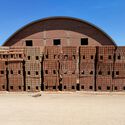
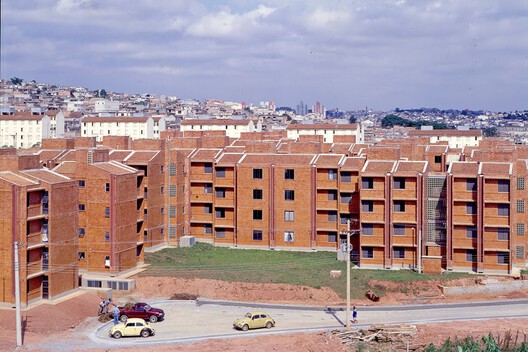
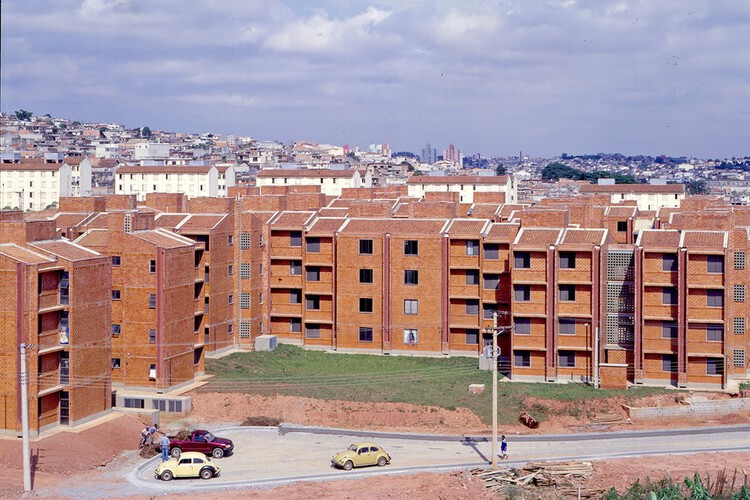
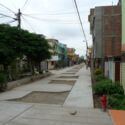
Quinta Monroy development after occupation. © Cristobal Palma

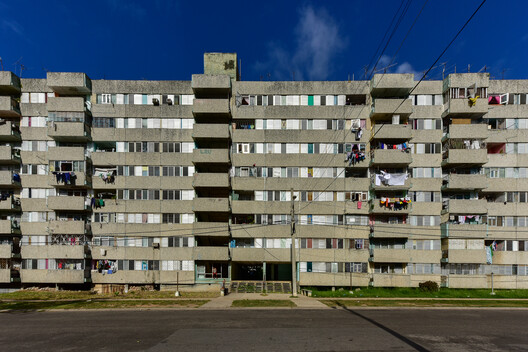
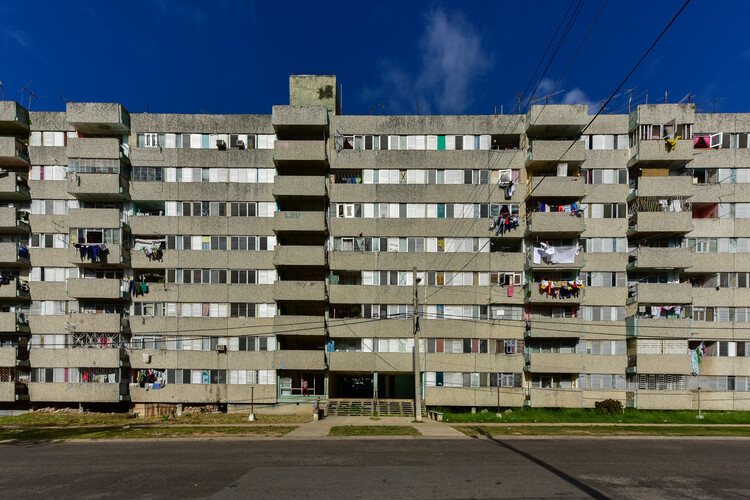
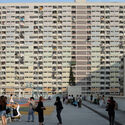
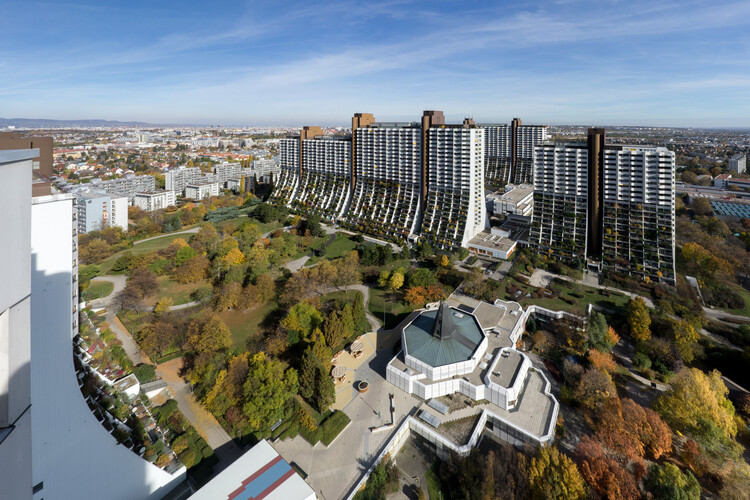
Global architecture underwent a seismic shift in the 20th Century. Governments, keen to mitigate the impoverishing effects of rapid urbanization and two world wars embarked on ambitious programs, pairing with modernists who promised that design could be the solution to social inequality and poverty. Today, the problems inherent in these mid-century tower blocks are well documented and well known, and these modernist solutions to poverty are often seen as ill-conceived failures.
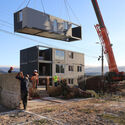
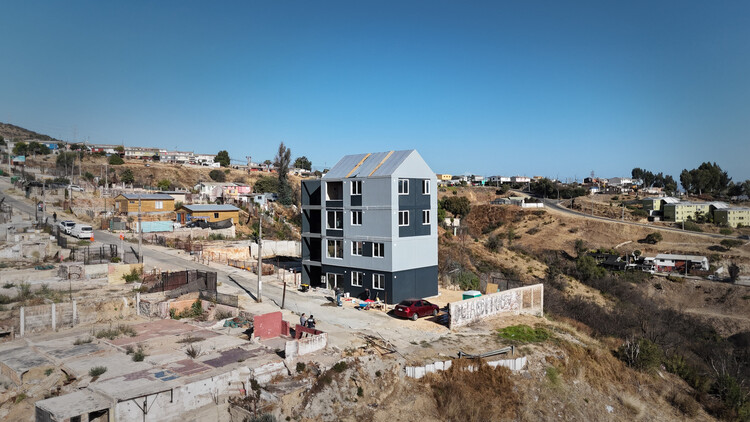
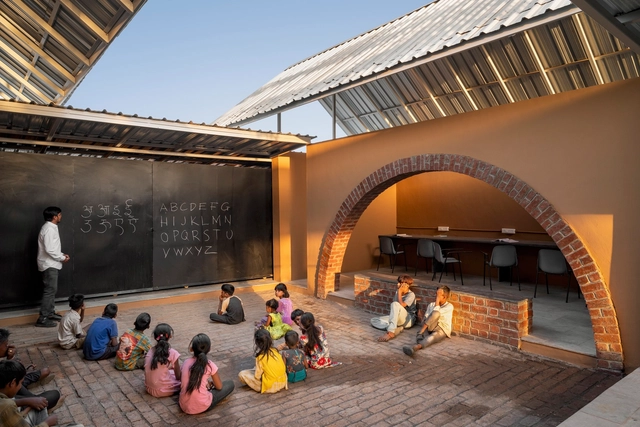
If the 20th century was all about designing to solve social problems, then the 21st century has been about the exact opposite – not designing to solve social problems. These days, it is much more common to see architects praising the social order and even aesthetic of illegal slums, which in many cases provide their residents with a stronger community and higher quality of life than did many formal social housing projects of the past. The task of architects (both today’s and tomorrow’s) is to develop this construction logic: to use design and, rather counter-intuitively, non-design to lift these urban residents out of their impoverished conditions.

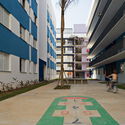
More on the social potential of non-design after the break…

AD Classics: Balfron Tower / Erno Goldfinger

© Flickr / _gee_

The Balfron Tower by architect is an iconic Brutalist residential high rise located in ’s eastside Poplar borough. Designed in 1963 for the County Council and completed in 1967 by the Greater Council, this social housing estate broke the traditions of typical residential architecture. Conceived as a solution to sprawling suburbia, Goldfinger embraced verticality as the cure. More details after the break.

Incremental Housing Strategy in India / Filipe Balestra & Sara Göransson

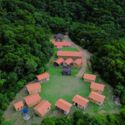
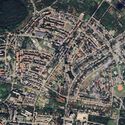
Aerial collage: the new archipelago of incremented kaccha houses rising from a context of well built permanent homes in a typical slum.

The problem with social housing has been how to give the most with less money. We have very good examples in Europe, but the constrains are way different than the ones in developing countries. In these countries, almost all the constructions are done by anyone but architects. Clearly, in these countries architects can do something way better than just designing or constructing, developing strategies together with communities to achieve housing solutions that not only address today´s necessities, but that can also be extended over time as families grow, once again by themselves and without architects.

A good example on this is Elemental, lead by Alejandro Aravena, which has been changing not only design aspects of social housing, but also public policy. Currently, they have built and on going projects in Chile, Mexico and more countries.

But also, there´s the work that Filipe Balestra and Sara Göransson have been doing in , invited by  Sheela Patel and Jockin Arputham from SPARC to develop an Incremental Housing Strategy that could be implemented anywhere.

Louis Blanc Social Housing / ECDM

Architects: Emmanuel Combarel Dominique Marrec
Location: , France
Project Manager: Dario Oeschli
Project year: 2004-2006
Client: RIVP (Régie Immobilière de la Ville de Paris)
Engineering: BETIBA
General Contractor: LES MAÇONS PARISIENS
Site Area: 550 sqm
Constructed Area: 1,537 sqm
Photographs: Benoit Fougeirol

Collage Paris / ECDM

Architects: Emmanuel Combarel Dominique Marrec
Location: ,
Project Manager: Louis-Antoine  Grego – Matthieu Roggwiller
Project year: 2005-2008
Client: PARIS HABITAT
Engineering: BETOM – TECSOL
Economy: Michel Larsonneur
Structural Engineering: Eng.Lopes de Oliveira
Site Area: 2,026 sqm
Constructed Area: 9,183 sqm
Photographs: Benoit Fougeirol – Philippe Ruault

Quinta Monroy / Elemental

Architects: Elemental – Alejandro Aravena, Alfonso Montero, Tomás Cortese, Emilio de la Cerda
Location: Iquique, .
Client: Gobierno regional de Tarapacá / Programa Chile-Barrio del Gobierno de Chile.
Engineering: Juan Carlos de la Llera & José Gajardo.
Contractor and Services: Proingel, Abraham Guerra, Constructora Loga S.A.
Budget: US $204 /sqm
Project Year: 2003
Construction Year: 2004
Execution time: 9 months
Materials: & Cement bricks
Site Area: 5000 sqm
Constructed Area: 3500 sqm
Photographs: ElementalCristóbal Palma – Tadeuz Jalocha

Social Housing in Granollers / Bailo Rull ADD+ Arquitectura

Architects: ADD+ Arquitectura – Manuel Bailo Esteve, Rosa Rull Bertran
Location: Granollers,
Collaborators: A.Brito, A. Estevez, N.Font, M.Hita, P.Jenni, A. Mañosa, J. Maroto, J.Palà, A. Rovira, M.Rull, L.Troost
Contractor: DENTELL S.L.
Client: GRANOLLERS PROMOCIONS S.A.
Structure: Martí Cabestany
Services: Victor Barnés
Project year: 2004
Photographs: José Hevia