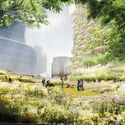
In a world facing ecological exhaustion and spatial saturation, the act of building has come to represent both creation and consumption. For decades, architectural progress was measured by the new: new materials, new technologies, new monuments of ambition. Yet today, the discipline is increasingly shaped by another form of intelligence, one that values what already exists. Architects are learning that doing less can mean designing more, and this shift marks the emergence of what might be called an architecture of restraint: a practice defined by care, maintenance, and the deliberate choice not to build.
The principle recognizes that the most sustainable building is often the one that already stands, and that transformation can occur through preservation, repair, or even absence. Choosing not to build becomes a political and creative act, a response to the material limits of the planet and to the ethical limits of endless growth. That Architecture moves beyond the production of new forms to embrace continuity, extending the life of structures, materials, and memories that already inhabit the world.
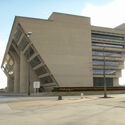
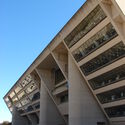
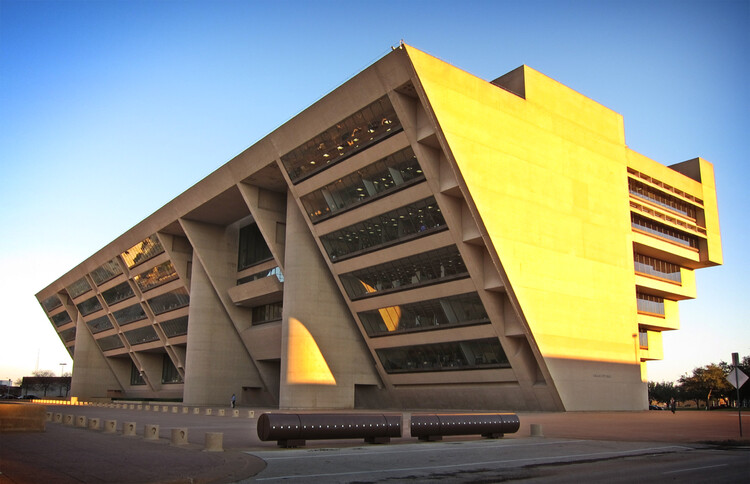
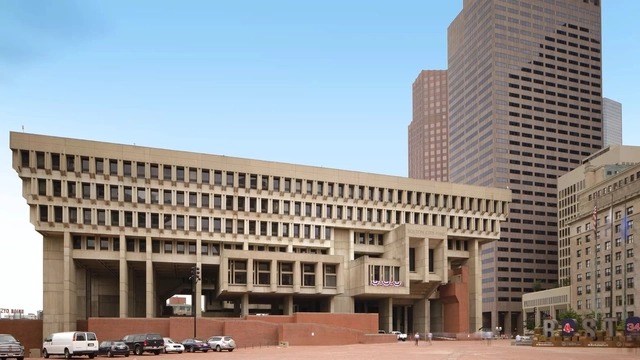
Since August 2025, debate has intensified in Dallas, United States, over the future of one of its modern landmarks: I.M. Pei & Partners' Dallas City Hall. This month, the Dallas City Council will continue weighing whether to repair, sell, or demolish the 47-year-old building, following growing concerns over long-deferred maintenance and the need for major investment. In late October, council members began public listening sessions and committee meetings to gather resident input. Preservationists and some council members urged a full study of repair options and historic landmarking, while others emphasized fiscal and operational concerns.
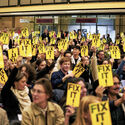
Supporters of preservation stress the building's civic and architectural significance, while those advocating for demolition point to high maintenance costs and the redevelopment potential of the centrally located site. A petition to "Save Dallas City Hall," calling on council members to halt demolition plans and commission a transparent renovation study, remains open for signatures. Meanwhile, the mayor has said he wants to review all the facts before taking a position on whether the city should relocate or invest in repairs. The case adds to the growing list of modernist icons worldwide facing uncertain futures, sparking broader cultural debates about civic heritage and public infrastructure.
There is growing awareness around sustainability—and the environmental cost of prematurely demolishing safe, structurally sound buildings only to replace them with new construction. In the broader race to reduce carbon emissions, corporations and institutions are placing greater emphasis on ESG performance (environmental impact, social responsibility, and governance). Many now require carbon accounting, set "carbon-neutral" targets, or purchase carbon credits to offset footprints.
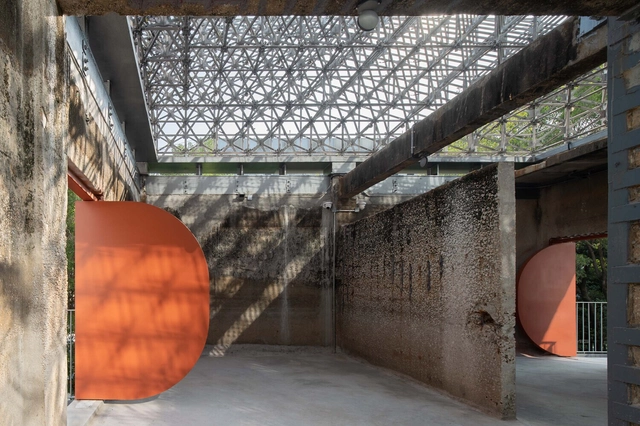
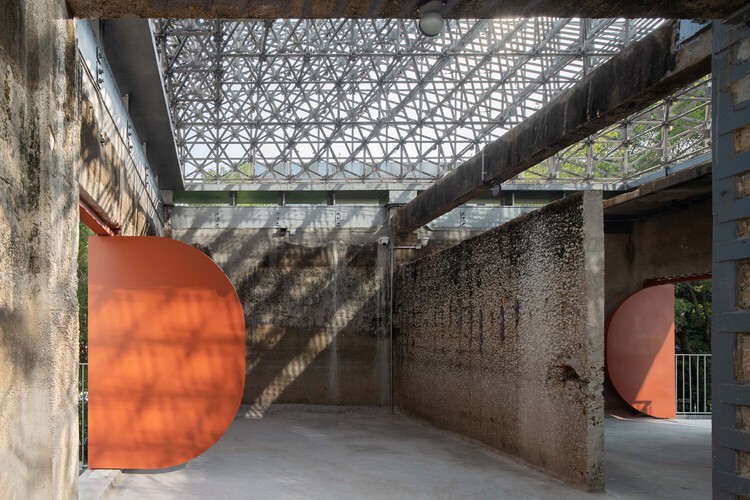
This shift, together with a wave of exemplary adaptive-reuse projects worldwide—Herzog & de Meuron's Tai Kwun in Hong Kong, Powerhouse Arts in Brooklyn, David Chipperfield's The Ned Doha, and Xu Tiantian's transformations of factories, quarries, and rammed-earth fortresses in China—has accelerated serious reconsideration of reuse as a primary development strategy. Yet despite its many benefits, adaptive reuse is still not as prevalent as it could be. Why and what might be the main obstacles and tensions?
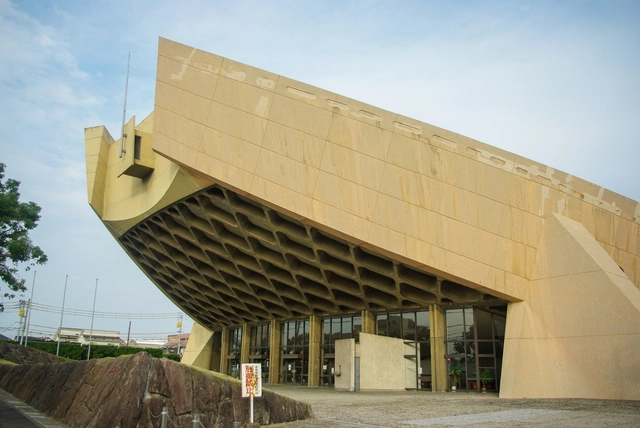
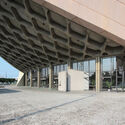
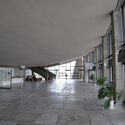
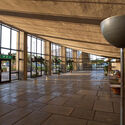
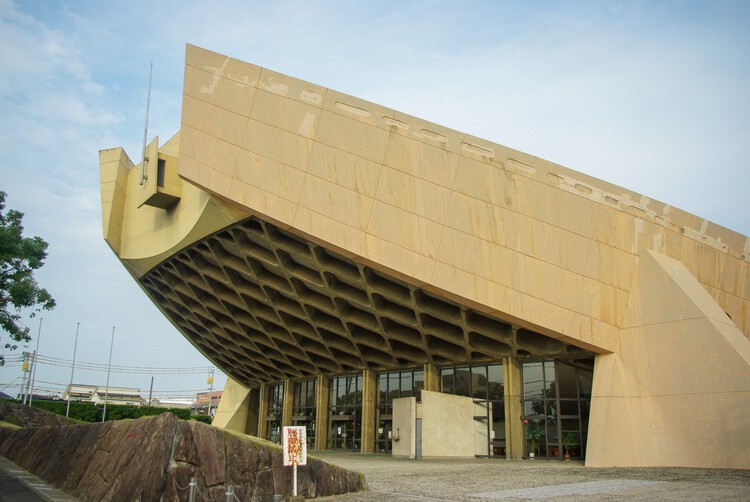
In February 2023, the governor of Kagawa Prefecture, Japan, announced the planned demolition of the Kagawa Prefectural Gymnasium, designed by Pritzker Prize-winning architect Kenzo Tange. Discussion surrounding its fate dates back to its permanent closure in 2014, after a roof leak caused structural problems in the ceiling boards. Since then, several organizations have worked to save the building, including a petition by the World Monuments Fund and an effort by a promotional council to nominate it as a UNESCO World Cultural Heritage site in 2021. Despite these initiatives, on August 7, 2025, the Kagawa Prefectural Government officially announced a public competitive bidding process to select a contractor for the demolition, something the Former Kagawa Prefectural Gymnasium Regeneration Committee is determined to prevent.
The circular economy, including the reuse of building materials, is fast becoming a key component in the fight against carbon emissions. This involves designing to minimize waste and utilize materials that can be reused at the end of the building's life. On the opposing side, the reuse of materials from partially or wholly demolished buildings can also reduce waste and carbon emissions that would have resulted from using virgin materials. Sustainability purposes aside, the reuse of building materials has a centuries-old history, both for symbolic reasons and simply out of necessity.
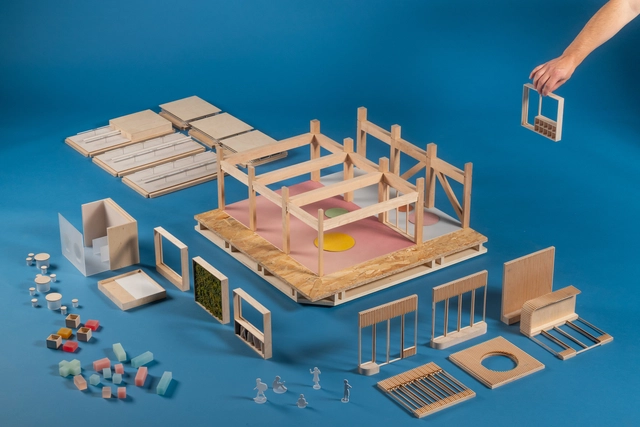
HouseEurope!, a registered non-profit organization focused on promoting the social and ecological transformation of Europe's built environment, has received the 2025 OBEL Award. Presented annually by the Henrik Frode Obel Foundation, the award recognizes architectural contributions with the potential to drive meaningful change. Aligned with this year's theme, "Ready Made," the OBEL Award Jury selected HouseEurope! for its efforts in raising awareness and fostering public engagement around the need for a shift in construction and housing practices across Europe.
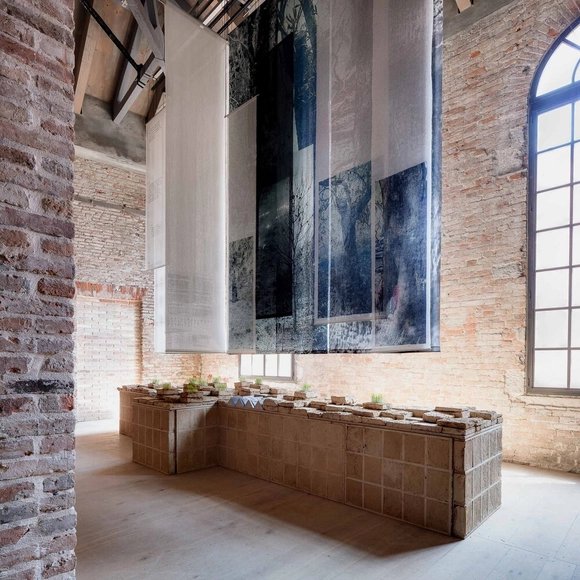
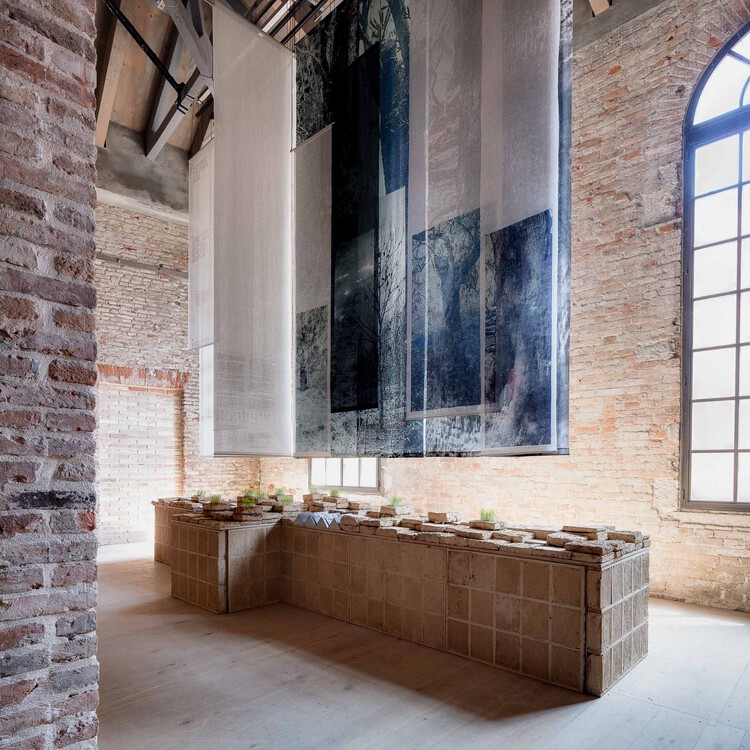
The Land Remembers: Lebanon’s Pavilion. Image Courtesy of CAL
At the 19th International Architecture Exhibition of La Biennale di Venezia in 2025, the Lebanese Pavilion, curated by the Collective for Architecture Lebanon (CAL), presents "The Land Remembers," an exploration of ecocide and environmental healing. Selected by Lebanon's Ministry of Culture and the Lebanese Federation of Engineers, CAL is a non-profit organization co-founded in 2019 by Shereen Doummar, Edouard Souhaid, Elias Tamer, and Lynn Chamoun. Their curatorial vision aims to transform the pavilion into a fictional institution, the Ministry of Land Intelligens, dedicated to confronting environmental devastation and proposing strategies for ecological restoration.
The twentieth century marked a definitive shift in the realm of architecture, as the Modernist movement broke from traditional building styles and encouraged experimentation and innovation. With the help of new materials and technologies, these times represent a crucial moment in the history of architecture as both cities and building styles evolved at an unprecedented rate. The structures that stand testament to this day are, however, nearing the age of a hundred years old. Their stark design features are not always embraced by the public, while the functionalist principles often hinder the adaptability of their interior spaces. Given that they also often occupy central positions within the city, there is increasing pressure to demolish these structures and redevelop the area in its entirety.
HouseEurope! is the European Citizens' Initiative advocating for EU legislation to simplify, reduce the cost of, and make more socially equitable the renovation and reuse of existing buildings, has officially begun its signature gathering period. The initiative aims to curb demolition driven by speculation and foster a construction industry that prioritizes the potential of existing public and private buildings. As a tool of direct democracy, European Citizens' Initiatives allow citizens to propose legislation at the EU level. For the legislation to be officially considered and implemented by the European Commission and EU member states, it requires the support of 1 million European citizens from at least seven EU countries. The initiative opened for signatures on February 1st, 2025 and will remain open until January 31st, 2026.
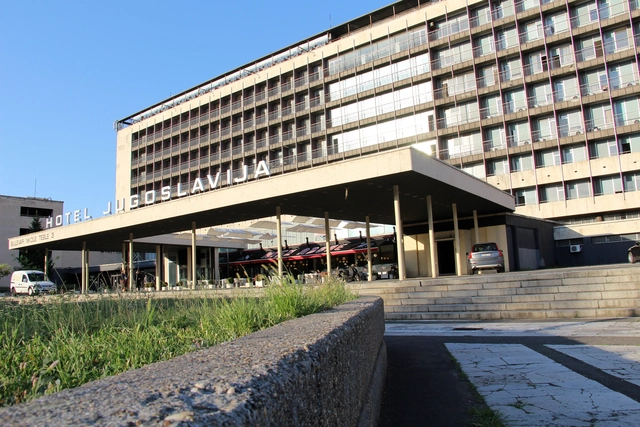
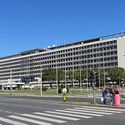
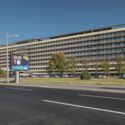
The demolition of Hotel Jugoslavija, a notable example of modernist architecture in Belgrade, has begun, making way for new development in the city's rapidly changing urban landscape. Constructed in 1969 in New Belgrade, the hotel was once among the largest and most prominent in Europe, reflecting the aspirations of the Socialist Federal Republic of Yugoslavia (SFRY) during its peak. Designed by Zagreb architect Lavoslav Horvat, the eight-story hotel was a key project under the leadership of Josip Broz Tito. It showcased the modernist principles of the time, combining functionality with imposing architectural forms. Its interiors featured luxurious details, including a Swarovski chandelier comprised of 40,000 crystals, which underscored the building's significance as a flagship of Yugoslavia's international presence.
For decades, the life cycle of buildings was a simple formula: planning, design, construction, demolition, and, of course, the great villain in this history: the landfill. Over time, architectural practice began embracing concepts like reuse, disassembly, and circular demolition, but often as secondary elements, part of the gradual shift toward a circular economy in construction. But what if these principles were no longer exceptions? What if we crafted or chose every building component to maintain value and purpose beyond its original use? The truth is, there is life after demolition. This transition—from demolition to practices focusing on reuse, repurposing, and sustainable dismantling—is edging closer to reality. By the time 2030 arrives, we could fundamentally reshape how we approach processes, buildings, and the market itself. As these changes unfold, we must assess how our strategies align with the evolving goals and challenges related to sustainability—and, of course, the new opportunities they bring.
https://www.archdaily.com/1025567/what-if-every-brick-had-a-future-rethinking-demolition-and-material-reuse-in-the-circular-economyEnrique Tovar
The architectural practice of reusing and refurbishing should be the first consideration when designing and reshaping our already overbuilt cities. Good architecture prioritizes this approach over demolition, as it can reduce costs, enhance environmental efficiency, and preserve functional structures that can continue serving their purpose for years.
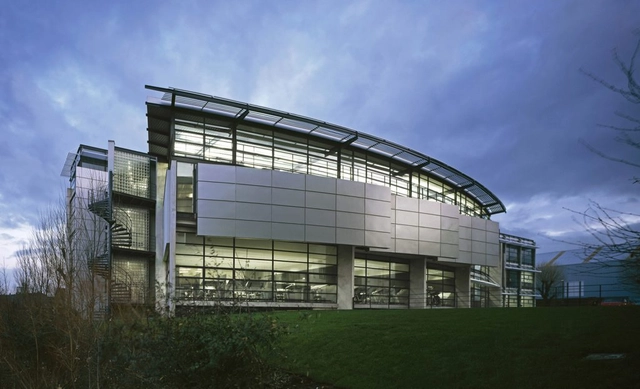
The Centenary Building at the University of Salford, Greater Manchester, was designed by Hodder Associates in 1994-95 to accommodate the Spatial, Graphic, and Industrial Design courses at the University. One year after its inauguration, in 1995, the building was named the winner of the inaugural RIBA Stirling Prize, one of Britain's most prestigious awards. Now, less than 30 years after its completion, the award-winning building is set to be demolished, sparking criticism and debates regarding the attitudes towards recent works of architecture.
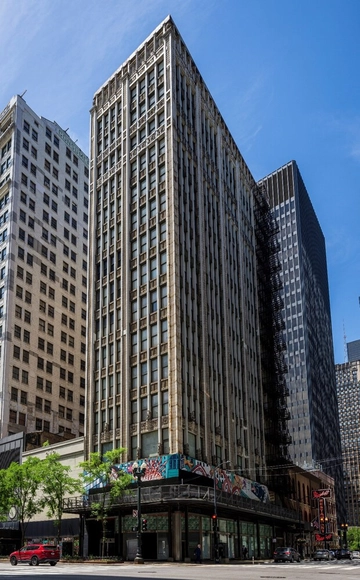
In a significant win for historic preservation, two landmark Chicagoskyscrapers, the Century and Consumers Buildings, have been saved from demolition. These iconic structures, located on State Street, were initially set for destruction due to security concerns, given their proximity to the Dirksen U.S. Courthouse. However, after extensive advocacy and public pressure, the U.S. General Services Administration (GSA) has shifted toward an adaptive reuse plan, ensuring the preservation of these architectural landmarks.
World War II was pivotal in human history, leaving a profound political and social impact. Its conclusion marked a significant turning point, leading to post-war suburbanization and the baby boom. These phenomena resulted in rapid urban growth and a surge in housing construction, which peaked in the 1960s and continued to flourish throughout the following decades, gradually slowing down until the present day. Currently, we are facing a very different scenario in which a backlog of affordable housing, combined with a challenging economic outlook and a climate agenda, have led to the need for a transformation of the built environment into a cleaner and more resource-efficient one, in line with the Paris Agreement.
Thus, with the ever-increasing demand for housing, combined with policy initiatives such as the European Green Deal, the post-war model of hyper-production is becoming unsustainable. Consequently, refurbishing derelict or redundant buildings has emerged as a viable alternative. Unlike the scheme of demolition and new construction, this approach offers opportunities for energetic retrofitting, which helps mitigate environmental obsolescence, extend the lifespan of buildings, and revitalize the existing and dilapidated stock—including postwar housing—while improving people's quality of life.
https://www.archdaily.com/1018781/refurbishment-vs-demolition-enhancing-housing-for-sustainable-energy-efficiencyEnrique Tovar
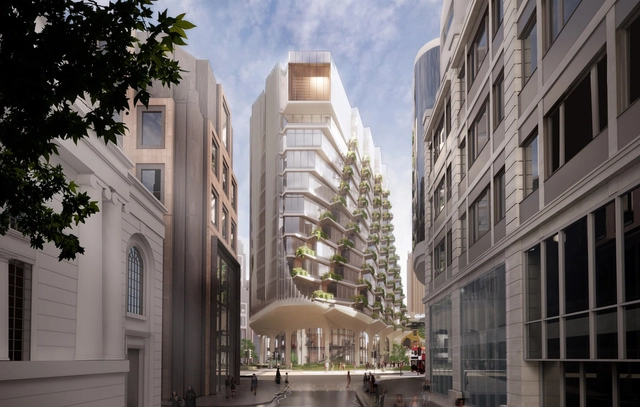
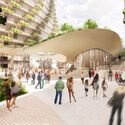
Redevelopment by Diller Scofidio + Renfro. Image Courtesy of City of London
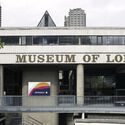
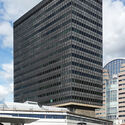
The controversial London Wall West redevelopment project, which involves the demolition of the former Museum of London and Bastion House, is set to proceed. The redevelopment, designed by architecture firms Diller Scofidio + Renfro and Sheppard Robson, will replace the landmark 1970s buildings with a modern office complex. The City of London has confirmed that the Secretary of State for Leveling Up, Housing, and Communities, Michael Gove, has decided not to call in the plans to reevaluate the former museum, allowing the project to move forward.