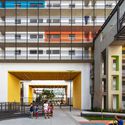
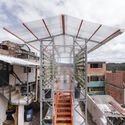
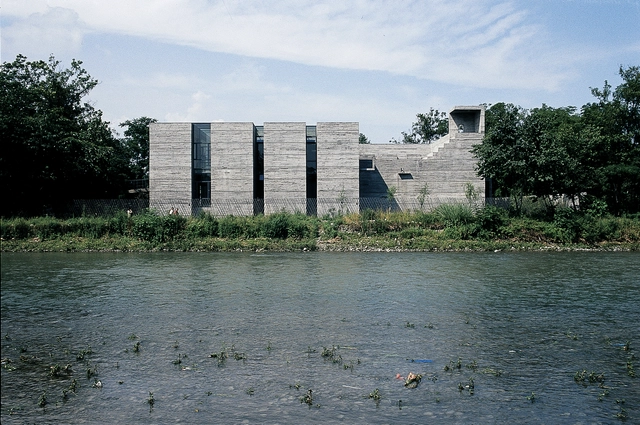
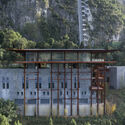
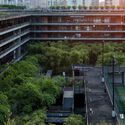
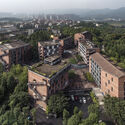
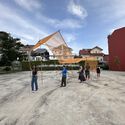
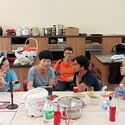
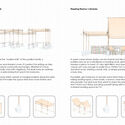
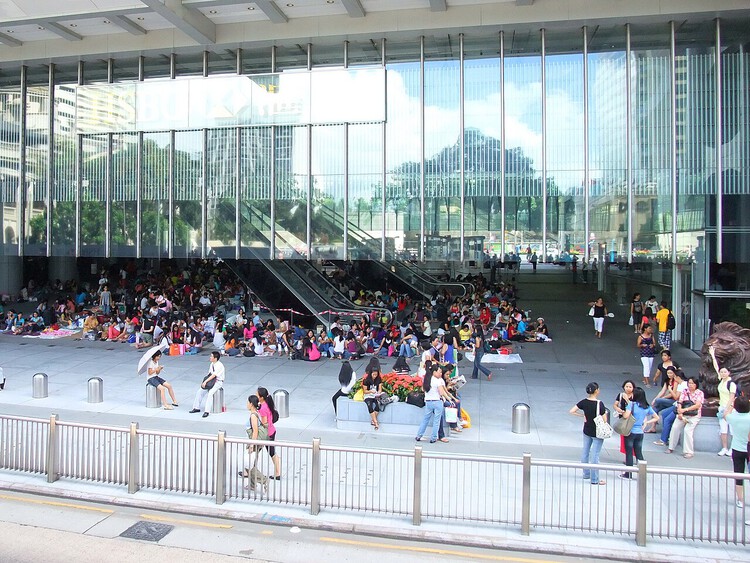
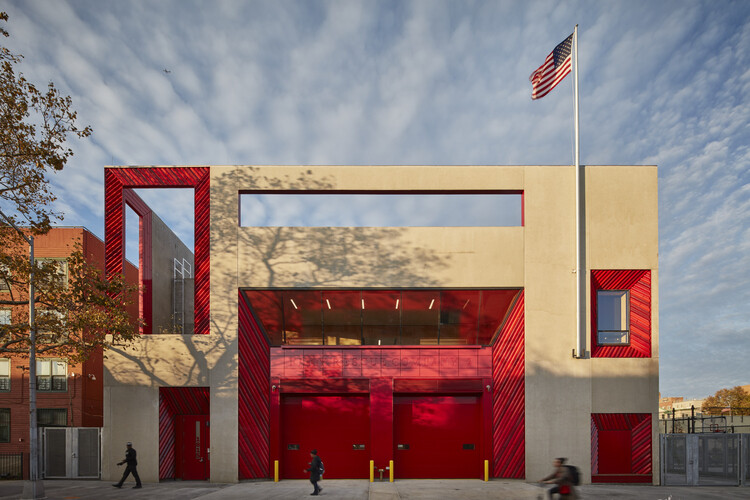
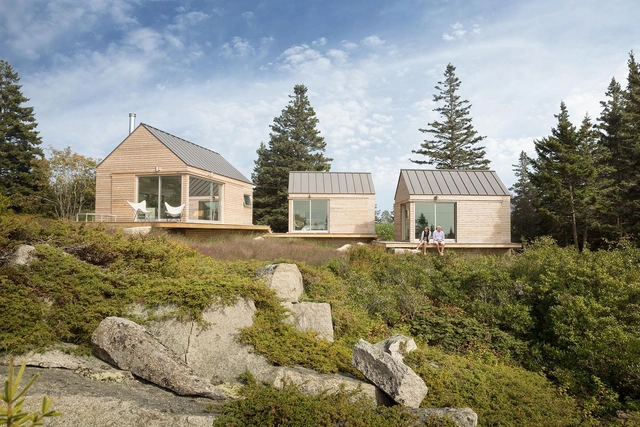
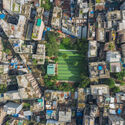
One notable example is Tai Hang, among the earlier settlements established by the Hakka people in Hong Kong. Originally located along a water channel that flowed from the nearby mountains to the sea, the area was once a vital washing site for villagers—hence its name, which literally means "Big Drainage." Before extensive land reclamation, Tai Hang sat quite close to the shoreline. Today, it lies nearly 700 meters inland.
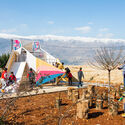
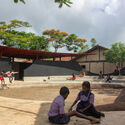
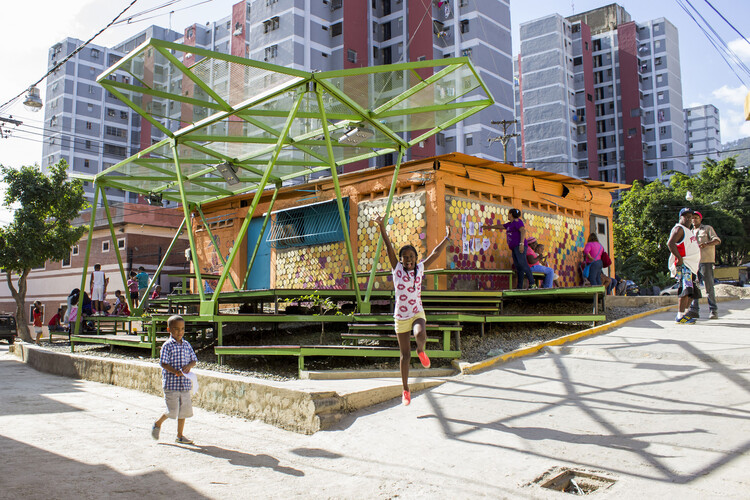
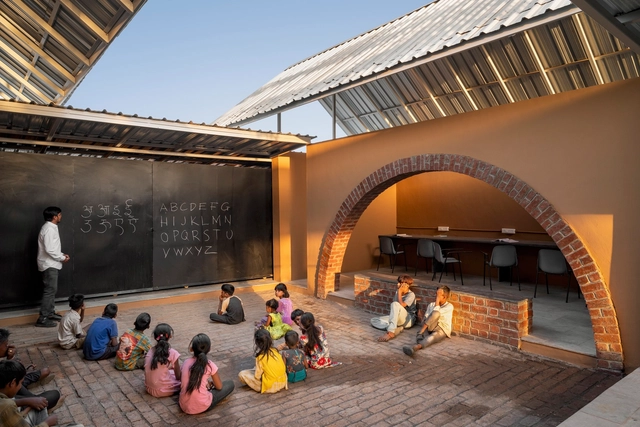
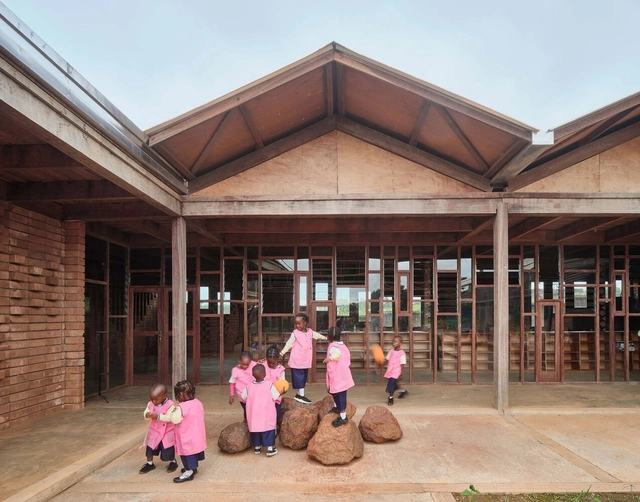
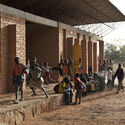
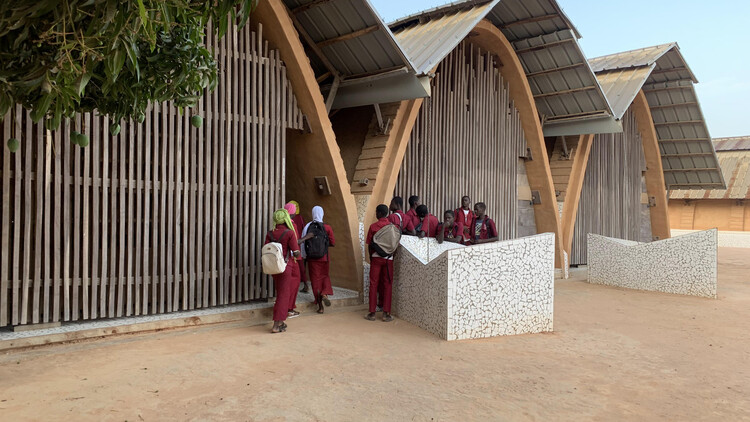
Children Running in the school at Nebaj, Guatemala . Image Courtesy of Solis Colomer Arquitectos
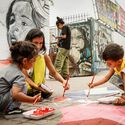
Founded in 2002, Solis Colomer Arquitectos has established a strong reputation over the past two decades, designing and constructing projects with both social and commercial impact across Latin America. With over 200 completed works, the firm specializes in institutional architecture with social impact and user-centered commercial architecture. Its mission is clear: to use architecture as a tool to dignify the human experience, especially for those in greatest need.
Friends of + POOL has announced the next steps in the realization of New York City's first water-filtering floating swimming pool, to be installed at Pier 35, north of the Manhattan and Brooklyn Bridges. The project seeks to provide safe public access to swimming in the city's rivers by integrating a custom-designed filtration system into a floating pool structure. Installation at Pier 35 is scheduled for May 2026, when the pool will enter its final phase of evaluation. Public access will be contingent on the successful completion of large-scale filtration testing and the full build-out of the facility for safe public use.
The contemporary bookstore is a paradoxical space. It is commercial, but rarely commercialized; public, but often privately owned; small in scale, but expansive in impact. As adjacent architectural typologies evolve under the pressures of digital consumption, economic precarity, and changing social habits, the bookstore has not dimensioned, but adapted to the twenty first century. It is not a site for private or institutional literary exchange, but a spatial hybrid that accommodates ritual, rest, performance, and socialization.
Lincoln Center for the Performing Arts, Inc. has revealed the design for the Amsterdam Avenue side of its campus, developed by Hood Design Studio, Weiss/Manfredi Architecture/Landscape/Urbanism, and Moody Nolan. Recently released renderings illustrate a transformation that includes a new outdoor performance venue, expanded community park spaces, and the removal of the existing wall along Amsterdam Avenue. In response to long-standing calls from both Lincoln Center and local communities, the construction is expected to begin in spring 2026 and be completed by spring 2028.
When we talk about the future intelligence of architecture, much of the historical effort has centered on pushing boundaries—challenging norms, exploring alternatives, and projecting bold visions of what architecture could become. The advent of modernism exemplified this approach: radical new materials and construction methods gave rise to a vastly reimagined architectural future. This momentum continues today, with research institutions and leading practices constantly exploring innovative techniques, materials, and systems of making.
Yet one method of imagining architectural futures often remains overlooked: the act of critically revisiting the past. Learning from, uncovering, and documenting lesser-known spatial and communal practices is just as essential. These quieter forms of knowledge—how spaces have been used, adapted, and inhabited—can reveal enduring insights that shape more grounded, culturally resonant futures. Rather than chasing novelty for novelty's sake, perhaps an equally meaningful path lies in building a cohesive architectural archive that bridges the past and future.
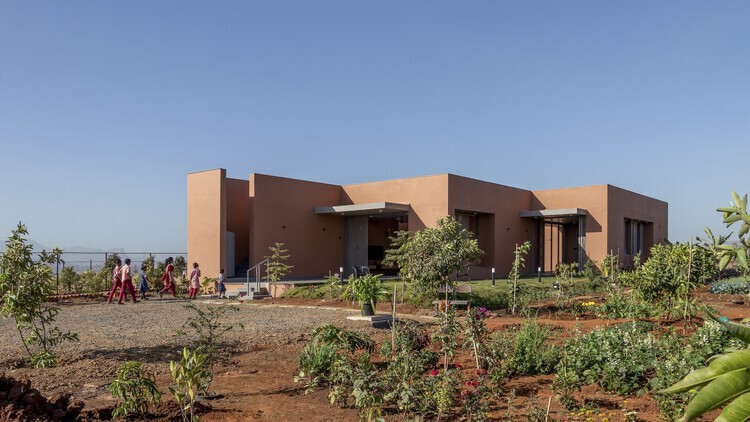
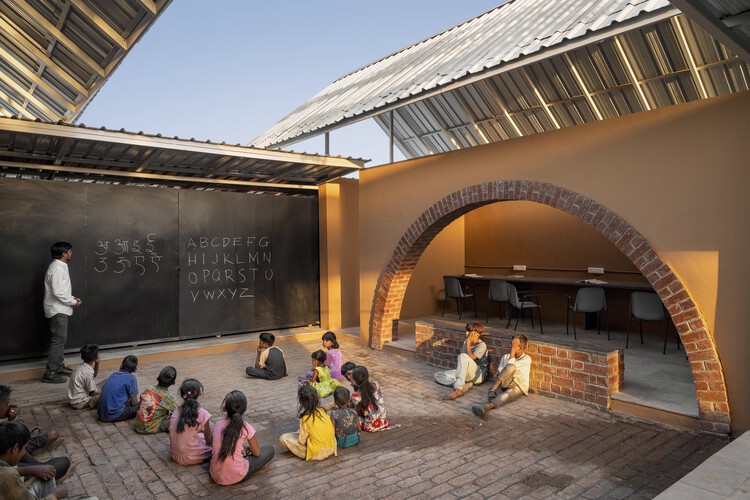
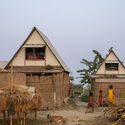
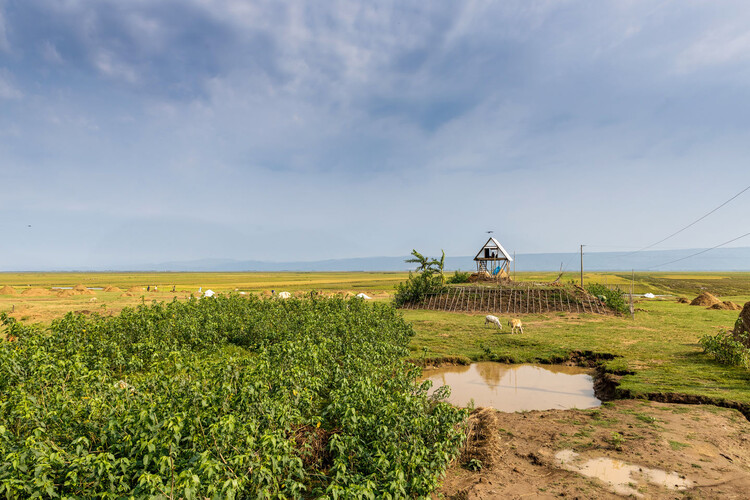
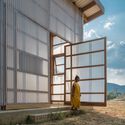
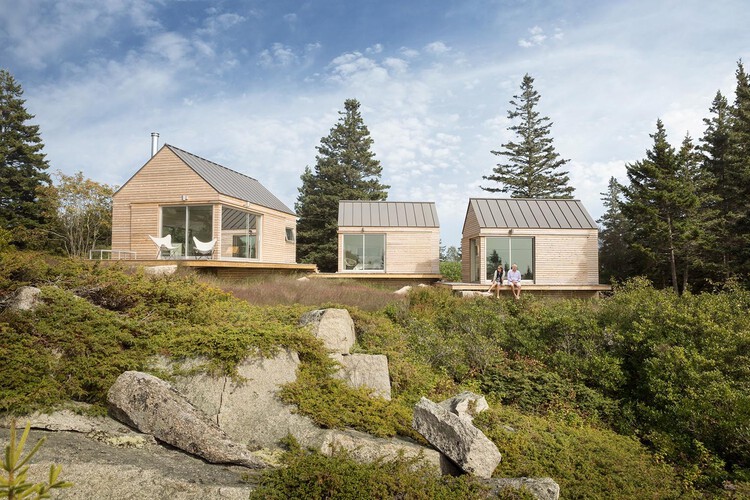
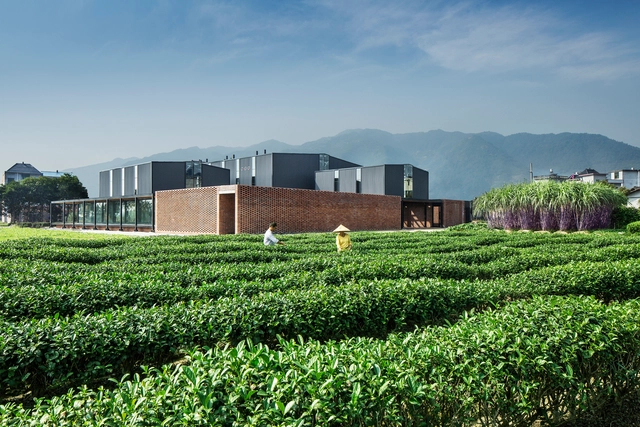
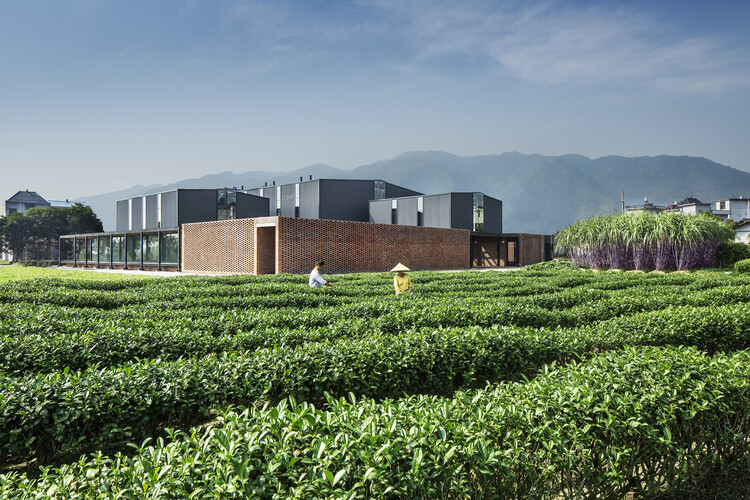
The architecture of cultural and community centers in rural areas around the world has become a rich field for experimentation, where tradition and innovation intersect. Rather than replicating standardized urban models, these projects embrace contemporary approaches tailored to local realities, blending bold design, sustainable technologies, and collaborative processes. Often developed in close partnership with local communities, they draw on regional materials and cultural symbols to create spaces that do more than host activities: they express a collective identity and a profound sense of belonging. By reimagining vernacular knowledge through a modern lens, these buildings support and inspire new ways of living in the countryside.
The winners of the reSITE's Young Designers Open Call have been announced. The open call has invited emerging designers to envision a playful yet functional summer installation for Manifesto Market, a popular outdoor venue in Prague known for its blend of food, culture, and community. Out of 275 registered teams worldwide, 57 submitted their proposals in line with the competition guidelines. On April 11, 2025, ten shortlisted designs were presented to an international jury during a hybrid event in Prague, with participants joining both on-site and remotely from countries including Ethiopia, Ecuador, the United States, Mexico, Turkey, France, Belarus, Georgia, and New Zealand.
Populous, the global architecture firm, recently released images of the design for a new New York Liberty practice facility in Greenpoint, Brooklyn. The $80 million project is a player-led endeavor, developed for and in collaboration with the women's professional basketball team. The new building will span 75,000 square feet and offer views of Manhattan's skyline. In addition to serving as a basketball training center, the facility is also designed to support community engagement and expand the team's impact throughout New York City.
Historically, public bathing was a fundamental necessity for hygiene, giving rise to communal bathhouses in regions where private bathrooms were a rarity. In Japan, for instance, sento bathhouses emerged during the early Edo period, serving as essential facilities when most households lacked their own bathing spaces. Similarly, in other parts of the world where plumbing and water management were considered luxuries, shared public baths became vital components of urban life. Over time, these spaces evolved beyond their functional role, becoming venues for socializing, relaxation, and a temporary escape from daily routines.
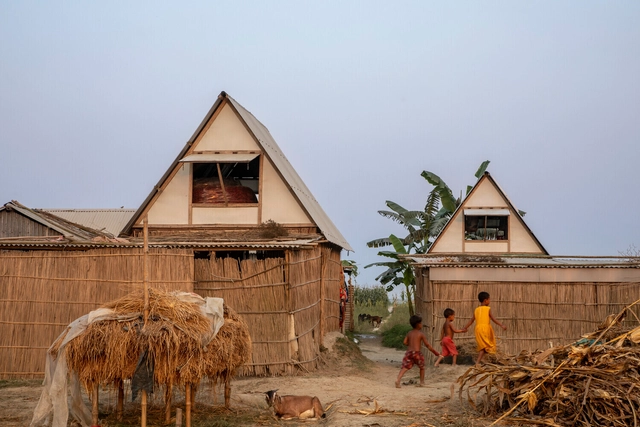
However, in the modern era, private bathrooms have become ubiquitous in contemporary homes, effectively addressing the hygiene concerns that once made public bathhouses indispensable. With the rise of alternative social spaces—cafés, fitness centers, bars, and jazz lounges—the traditional communal bath no longer serves the same essential function. While some may still appreciate the social aspect of public bathing, the inconvenience of changing clothes and getting wet in front of strangers can deter many from engaging in the experience.
In Delirious New York, Rem Koolhaas vividly discusses the Downtown Athletic Club, a striking example of how an unassuming building exterior can conceal a vibrant mix of distinct, self-contained programs. Inside the uniform facade of this skyscraper, a private athletic club hosts an eclectic range of facilities—boxing gyms next to oyster bars and interior golf ranges below swimming pools—all segregated yet highly accessible. The Downtown Athletic Club epitomized the dynamism of New York's skyscrapers at the time, showcasing the thrill of capitalism through a selective, inward-focused world of leisure and privilege for the selected. This "machine of programs" operated independently of the external city as an isolated ecosystem within its walls. Yet, one might ask: could a similar model, designed for public use, create a more inclusive, lively community and neighborhood experience? This will activate the building within, instead of only serving the selected elites, and influence and transform the urban fabric and shapes around the building. In Hong Kong, a distant parallel can be drawn with the Municipal Services Buildings (MSBs)—publicly-funded structures that serve the community by integrating diverse functions within a singular vast building mass, much like the Downtown Athletic Club.
The year 2024, following a period of global uncertainty, saw a complex interplay of challenges and advancements. While geopolitical tensions and the lingering effects of past crises remained prominent, a focus shifted towards rebuilding, with communities worldwide seeking local solutions and ways to advance despite the turmoil. The architectural landscape of 2024 saw a growing exploration of new building systems and technologies, often inspired by vernacular solutions. At an urban scale, spaces are reconsidered for their potential to shift towards more pedestrian-friendly activities, more natural areas, and opportunities for community gathering and event organizing.
Discussions around decolonization, the preservation of traditional building techniques, and the integration of local narratives into design continued to gain momentum. The focus was less on singular, iconic structures and more on environmentally responsible and socially conscious projects that addressed the specific needs of communities. Concurrently, new technologies such as AI systems have continued to impact the profession, but are understood more and more not as replacements, but as tools available for architects and designers to improve their processes.
Küçükçekmece Djemevi. Image Courtesy of EAA-Emre Arolat Architecture

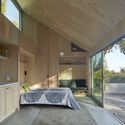
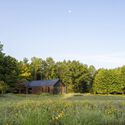
EAA-Emre Arolat Architecture has recently released its design for the Küçükçekmece Djemevi, a new concept for a civic space in Istanbul designed to combat social exclusion and provide a comfortable and inviting environment for the Alevi community. The building is comprised of a series of interconnected spaces and structures that generate a complex topography, offering ample recreational areas and a space of identity for the local community. The concept was recognized during the World Architecture Festival 2024, earning them the award of Future Project of the Year in recognition of its social inclusivity and careful adaptation to local traditions and needs.
MVRDV has partnered with KLABU, a social enterprise based in Amsterdam, to design a modular, multi-functional clubhouse aimed at supporting refugees. This collaboration, which began in 2022, is founded on the belief that sports can play a pivotal role in helping individuals rebuild their lives, fostering joy, pride, and hope. KLABU's initiative involves constructing clubhouses within refugee camps, settlements, and urban areas, where they serve as community hubs offering access to sports equipment, activities, and connectivity through Wi-Fi and TV broadcasts.
The Ukrainian volunteer organization Livyj Bereh has been named the recipient of the 2024 Royal Academy Dorfman Prize, which comes with a £10,000 (€12,000) award. This recognition celebrates emerging architectural talent and innovative practices that significantly impact the future of the built environment. The Dorfman Prize, supported by the Dorfman Foundation, highlights work that transcends conventional boundaries, embracing bold new ideas and community-driven approaches.
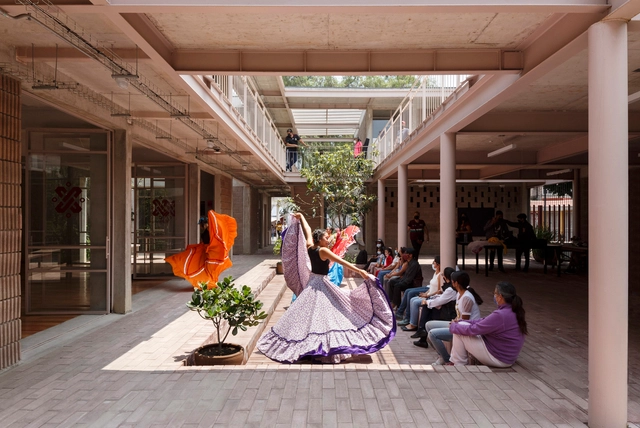
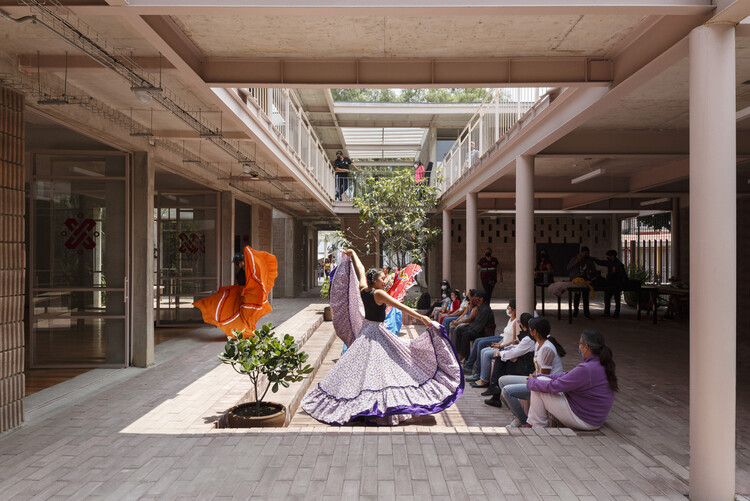
Recognized for completing 36 distinct yet cohesive public projects across Mexico in just 36 months, Colectivo C733 showcases the impact of collaborative design on public spaces and communities. The 36 projects were part of a national effort to revitalize vulnerable urban and rural areas in Mexico, earning them the 2024 Obel Award focused on the theme of "Architectures With". The team behind the designs, Colectivo C733, is a collaborative group formed by the joint offices of architects Gabriela Carrillo (Taller Gabriela Carrillo), Carlos Facio, and José Amozurrutia (TO), along with Eric Valdez (Labg), and Israel Espin. In a recent conversation with ArchDaily's Editor-in-Chief, Christele Harrouk, the collective discussed their approach to public architecture, the process of integrating diverse voices, and remaining flexible to the challenges of local conditions.
Prioritizing people and the planet, when it comes to building construction and real estate development, is being seen as more than an ethical mandate - it is a highly profitable approach. Changing market demands, city ordinances, and regulations, and an emphasis on Environmental, Social, and Governance (ESG) factors are all influencing what successful development in the 21st century stands for.
In Toronto, Canada, the ongoing Downsview Airport redevelopment project showcases this mindset in practice. While traditional development has generally focused on maximizing short-term returns, the Downsview project offers a holistic alternative that can invite significant long-term profits, all while addressing broader societal and environmental concerns.