1. ArchDaily
  2. Cities

Cities: The Latest Architecture and News

Van Nelle Factory: The Story Behind a Modernist Icon in Rotterdam

Subscriber Access | 

The Van Nelle Factory, located in Rotterdam, is one of the most significant examples of Modernist Industrial Architecture. Designed by Johannes Andreas Brinkman and Leendert van der Vlugt between 1925 and 1931, with the involvement of Mart Stam — a pioneer in modernist furniture design and architecture — the factory was conceived as a progressive and functional building for processing coffee, tea, and tobacco.

Envisioned as a "daylight factory", the Van Nelle complex introduced revolutionary architectural and social concepts for its time. By integrating glass, steel, and concrete into an open, rational layout, it demonstrated how design could transform industrial processes while improving the lives of the people within. It was not merely a space for production but a symbol of optimism, representing the potential of architecture to reshape industries and communities.

Van Nelle Factory: The Story Behind a Modernist Icon in Rotterdam - Imagen 1 de 4Van Nelle Factory: The Story Behind a Modernist Icon in Rotterdam - Imagen 2 de 4Van Nelle Factory: The Story Behind a Modernist Icon in Rotterdam - Imagen 3 de 4Van Nelle Factory: The Story Behind a Modernist Icon in Rotterdam - Imagen 4 de 4Van Nelle Factory: The Story Behind a Modernist Icon in Rotterdam - More Images+ 37

Exploring MVRDV's Mega Mat: A Recycled Plastic Installation for Bangkok Design Week 2025

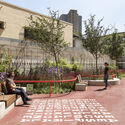
MVRDV has recently completed Mega Mat, a temporary installation for public gatherings and performances made from recycled plastic mats. Created for Bangkok Design Week, the joint goal of the architects and the Thai Creative Economic Agency was to design a space that also raises awareness about plastic waste and recycling in Thailand. The result is an infographic public space that, in addition to featuring bright, eye-catching colors, follows a color-coded system to organize information about the country's plastic waste processing. Mega Mat takes recycled plastic to reinterpret an everyday household item: the Sua, or mat, on which Thai families have been sitting for generations. This fresh take on a familiar object showcases the potential of using recycled plastic in daily life, embodied in a versatile public space now installed in the heart of Bangkok.

Exploring MVRDV's Mega Mat: A Recycled Plastic Installation for Bangkok Design Week 2025 - Imagen 1 de 4Exploring MVRDV's Mega Mat: A Recycled Plastic Installation for Bangkok Design Week 2025 - Imagen 2 de 4Exploring MVRDV's Mega Mat: A Recycled Plastic Installation for Bangkok Design Week 2025 - Imagen 3 de 4Exploring MVRDV's Mega Mat: A Recycled Plastic Installation for Bangkok Design Week 2025 - Imagen 4 de 4Exploring MVRDV's Mega Mat: A Recycled Plastic Installation for Bangkok Design Week 2025 - More Images+ 22

From Nature-Inspired Resorts to City Reconversions, Discover the Recent Work of Gensler, Foster + Partners, and More

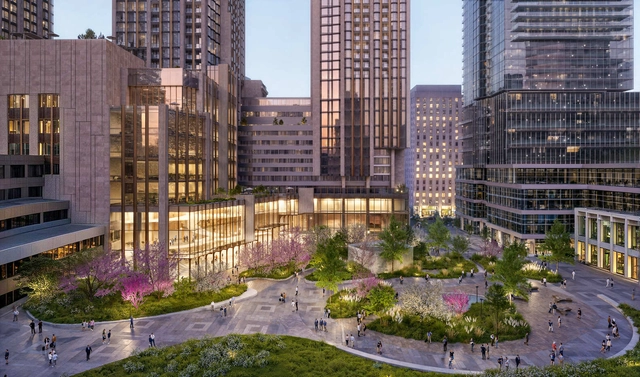
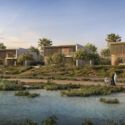
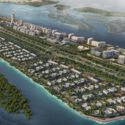
The change of the calendar year marked the culmination of several processes in the world of renowned architecture firms. Between December 2024 and February 2025, Gensler unveiled a rendering of a Manhattan redevelopment project, Foster + Partners released renderings of a new hotel and luxury residences in Brazil, and Herzog & de Meuron announced the completion date for the new Memphis Art Museum. International competitions revealed their results, highlighting the winning project of the young firm Unformed Design, as well as the collaboration between the Portuguese Fala Atelier and the Swiss Continentale on an educational architecture project. These projects showcase the broad scope of architectural design, from the detailing of a high-end project's relationship with nature to the urban renewal potential of a programmatic conversion project.

From Nature-Inspired Resorts to City Reconversions, Discover the Recent Work of Gensler, Foster + Partners, and More - 1 的图像 4From Nature-Inspired Resorts to City Reconversions, Discover the Recent Work of Gensler, Foster + Partners, and More - 2 的图像 4From Nature-Inspired Resorts to City Reconversions, Discover the Recent Work of Gensler, Foster + Partners, and More - 3 的图像 4From Nature-Inspired Resorts to City Reconversions, Discover the Recent Work of Gensler, Foster + Partners, and More - 4 的图像 4From Nature-Inspired Resorts to City Reconversions, Discover the Recent Work of Gensler, Foster + Partners, and More - More Images+ 22

Heatherwick Studio to Revitalize Louisville’s Belvedere in United States

Heatherwick Studio has unveiled an ambitious vision to transform the Belvedere, a historic elevated riverfront space in downtown Louisville, Kentucky, into a reimagined public park in the United States. The project aims to breathe new life into the site, enhancing its connection to the Ohio River and creating a welcoming environment for both residents and visitors.

Heatherwick Studio to Revitalize Louisville’s Belvedere in United States - Image 1 of 4Heatherwick Studio to Revitalize Louisville’s Belvedere in United States - Image 2 of 4Heatherwick Studio to Revitalize Louisville’s Belvedere in United States - Image 3 of 4Heatherwick Studio to Revitalize Louisville’s Belvedere in United States - Image 4 of 4Heatherwick Studio to Revitalize Louisville’s Belvedere in United States - More Images

Absorb, Filter, Store: 9 Projects Showcasing How Sponge Cities Adapt to Climate Challenges

Subscriber Access | 

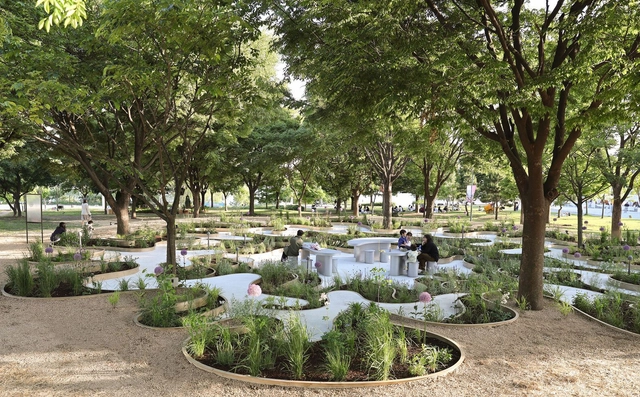
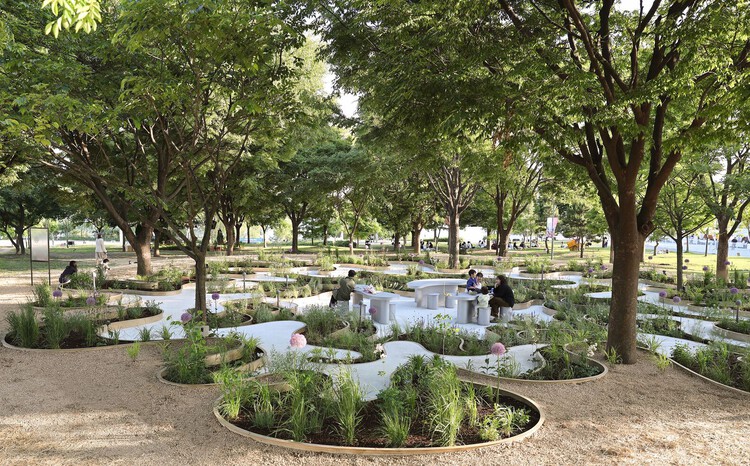
The concept of "sponge cities" has gained prominence since it was introduced by Chinese landscape architect Kongjian Yu, founder of Turenscape, and was officially adopted as a national policy in China in 2013 to combat urban flooding. This approach prioritizes nature-based infrastructure such as wetlands, rain gardens, and permeable pavements, creating landscapes with porous soil where native plants can thrive with minimal maintenance. When it rains, these systems absorb and slow down water flow, reducing flood risks. In contrast, traditional concrete- and pipe-based drainage solutions, though widely used, are costly, rigid, and require frequent maintenance, sometimes even making cities more vulnerable to flooding due to blockages and overflows.

Absorb, Filter, Store: 9 Projects  Showcasing How Sponge Cities Adapt to Climate Challenges - Image 1 of 4Absorb, Filter, Store: 9 Projects  Showcasing How Sponge Cities Adapt to Climate Challenges - Image 2 of 4Absorb, Filter, Store: 9 Projects  Showcasing How Sponge Cities Adapt to Climate Challenges - Image 3 of 4Absorb, Filter, Store: 9 Projects  Showcasing How Sponge Cities Adapt to Climate Challenges - Image 4 of 4Absorb, Filter, Store: 9 Projects  Showcasing How Sponge Cities Adapt to Climate Challenges - More Images+ 5

Expo City Dubai to Be Transformed by UNStudio into New Urban Center

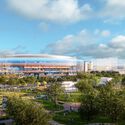
The site of Expo 2020 Dubai is scheduled to undergo a major transformation, developed by UNStudio in collaboration with several other firms. The master plan aims to reimagine the location of the first World Expo held in the Middle East, Africa, and South Asia into a new urban center, integrating the structures of the original Expo with new developments to create a cohesive and engaging new district. The development, part of Dubai's 2040 Urban Master Plan, leverages approximately 80% of the existing infrastructure and buildings from Expo 2020, minimizing waste and maximizing the value of previous investments.

Expo City Dubai to Be Transformed by UNStudio into New Urban Center - Image 1 of 4Expo City Dubai to Be Transformed by UNStudio into New Urban Center - Image 2 of 4Expo City Dubai to Be Transformed by UNStudio into New Urban Center - Image 3 of 4Expo City Dubai to Be Transformed by UNStudio into New Urban Center - Image 4 of 4Expo City Dubai to Be Transformed by UNStudio into New Urban Center - More Images+ 11

Modernism in Africa: Shedding Light on Nigeria’s Rich Heritage of Education Buildings

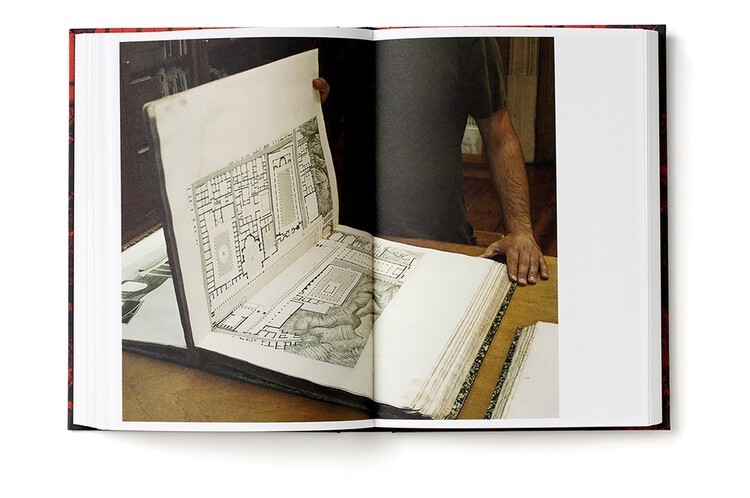
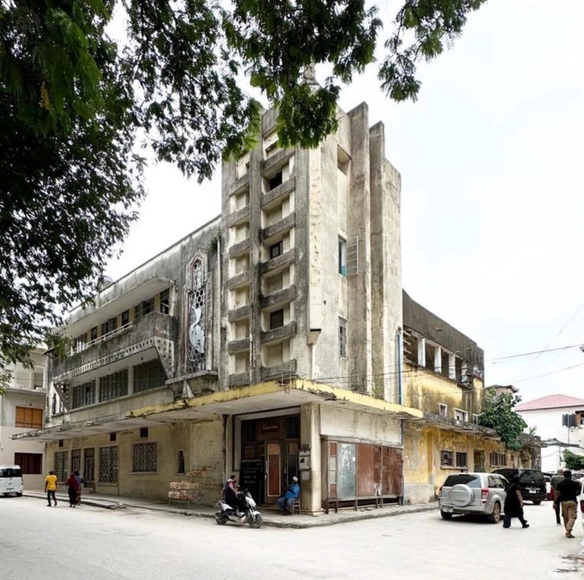
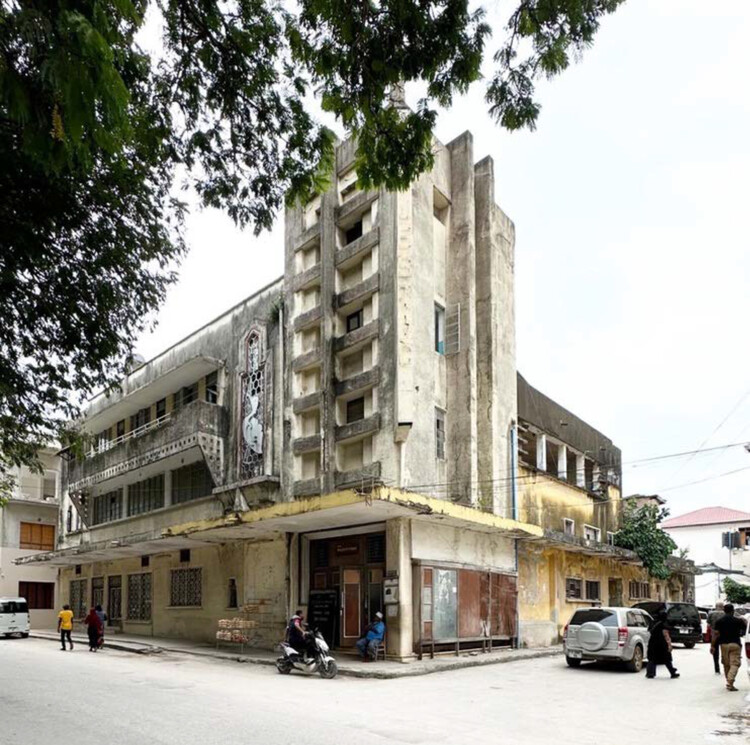
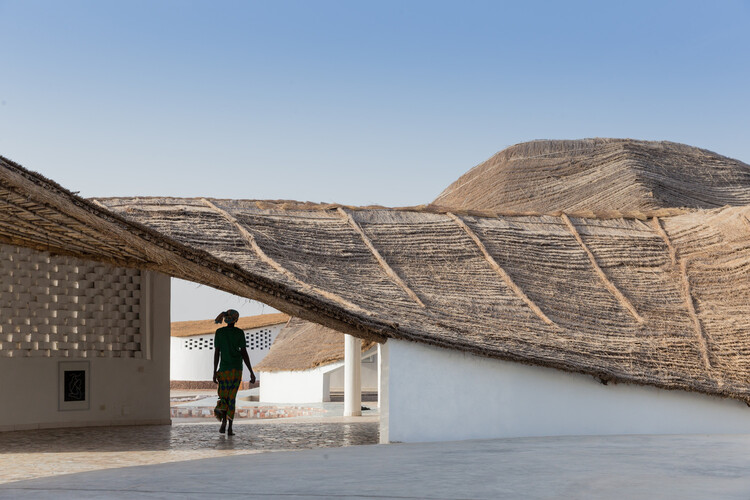
In late 2024, an important addition was made to the growing literature on Modern architecture in Africa. "Modernism in Africa: The Architecture of Angola, Ghana, Mozambique, Nigeria, Rwanda, South Africa, Sudan, Tanzania, Uganda" was published by Docomomo International and Birkhäuser, shedding light on multiple previously unpublished buildings. The book has a focus on education, although other building types are included. Amongst these are several university buildings in Nigeria which are explored here. Like other Modern buildings on the continent, they illustrate historical narratives of independence, decoloniality, international relations, and architectural education.

Modernism in Africa: Shedding Light on Nigeria’s Rich Heritage of Education Buildings - Image 1 of 4Modernism in Africa: Shedding Light on Nigeria’s Rich Heritage of Education Buildings - Featured ImageModernism in Africa: Shedding Light on Nigeria’s Rich Heritage of Education Buildings - Image 2 of 4Modernism in Africa: Shedding Light on Nigeria’s Rich Heritage of Education Buildings - Image 3 of 4Modernism in Africa: Shedding Light on Nigeria’s Rich Heritage of Education Buildings - More Images+ 10

Tegucigalpa’s Modernist Revolution: Metroplan and the Shift in the Urban Identity of 1970s Honduras

Subscriber Access | 

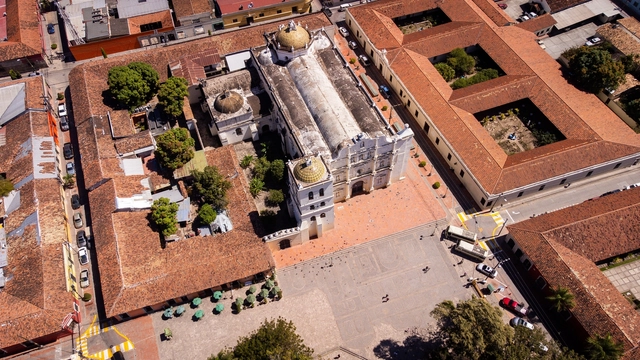
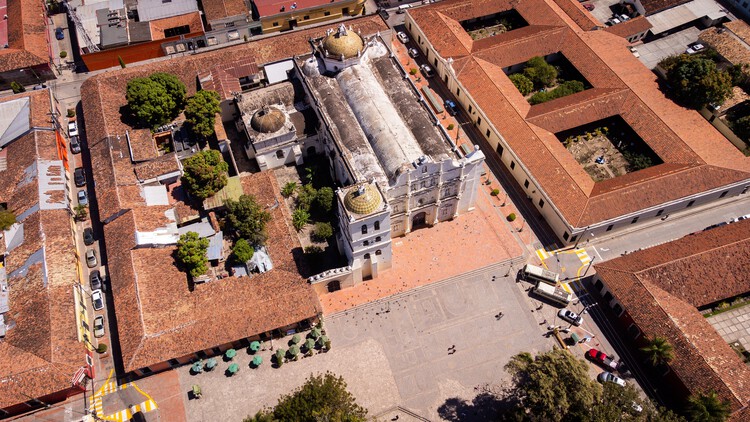
In 1975, Honduras was under a military regime that had been in power for over a decade, led at the time by General Juan Alberto Melgar Castro. During this period, Tegucigalpa underwent several big and unprecedented changes. The influx of people from various parts of the country due to rural migration transformed the city from a compact urban area into an expanding metropolis. This unexpected growth prompted the government to implement a municipal development and planning scheme, a project that would define the city's future and the evolution of its old town. This article was developed with the collaboration of the Honduran architect Lisandro Calderón, who specializes in Urban Planning and is currently a professor at the Central American Technological University (UNITEC), located in Tegucigalpa, Honduras.

Tegucigalpa’s Modernist Revolution: Metroplan and the Shift in the Urban Identity of 1970s Honduras  - Imagem 1 de 4Tegucigalpa’s Modernist Revolution: Metroplan and the Shift in the Urban Identity of 1970s Honduras  - Imagem 2 de 4Tegucigalpa’s Modernist Revolution: Metroplan and the Shift in the Urban Identity of 1970s Honduras  - Imagem 3 de 4Tegucigalpa’s Modernist Revolution: Metroplan and the Shift in the Urban Identity of 1970s Honduras  - Imagem 4 de 4Tegucigalpa’s Modernist Revolution: Metroplan and the Shift in the Urban Identity of 1970s Honduras  - More Images+ 12