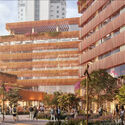
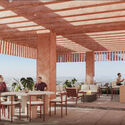
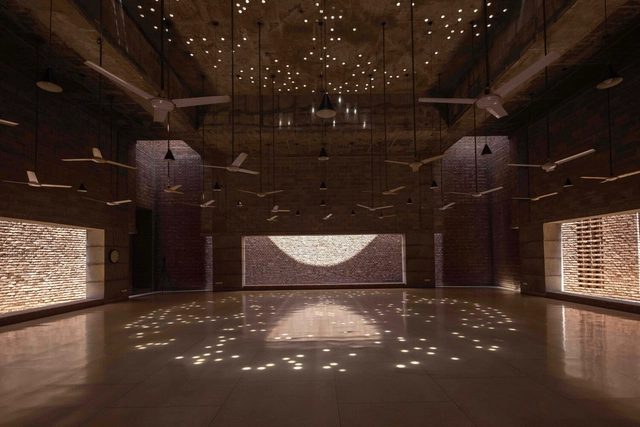
In her Dhaka, Bangladesh–based practice, Marina Tabassum seeks to create a language of architecture that’s simultaneously contemporary yet rooted to its place. One of the first buildings she undertook after establishing her own practice in 2005—the Bait Ur Rouf Mosque in her own city—won an Aga Khan Award for Architecture, which recognizes design that addresses the needs and aspirations of Muslim societies.
Bangladesh’s Museum of Independence, which she designed with her former partner, Kashef Mahboob Chowdhury of the practice URBANA, has become a national landmark. But Tabassum also works at the intimate scale of housing, pursuing innovative modular space-frame designs constructed of bamboo. She’s taught at architecture schools around the globe. Recently, she was recognized with an award from the Architecture, Culture, and Spirituality Forum and identified by Time magazine as one of the 100 most influential people for 2024 for her work in sustainable, socially responsible design.
https://www.archdaily.com/1017460/light-empathy-and-silence-the-architecture-of-marina-tabassumMichael J. Crosbie
QS, Quacquarelli Symonds World University Rankings, has announced the annual list of the top universities to study Architecture and the Built Environment in the year 2024. The ranking evaluates over 1,500 institutions from over 100 locations. The evaluation system has been updated this year to include new metrics such as sustainability, employment outcomes, and international research networks.
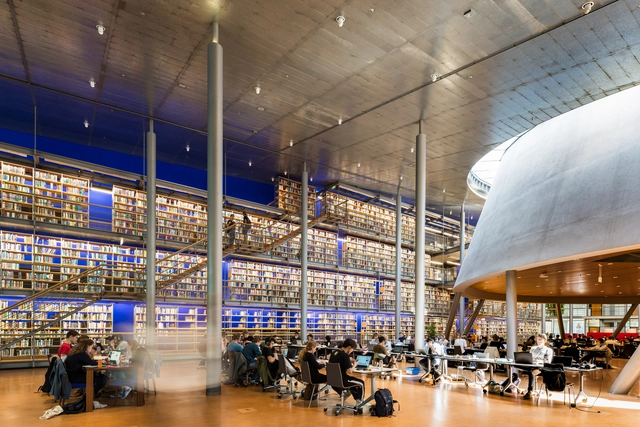
The top three contenders, the Bartlett School of Architecture, MIT, and Delft UT, have maintained their ranking from 2023, with ETH Zurich showing a slight decrease from an equal third position to the fourth. In the sixth position, Harvard University stands out as the top university for employer reputation in this subject. Among the top 10 universities, Politecnico di Milano had the greatest advancement in rankings, moving from the 10th position last year to the 7th.
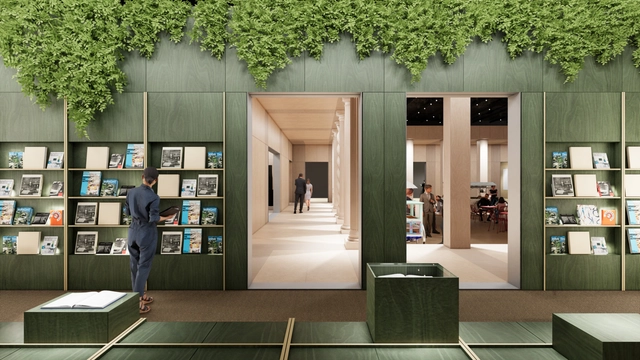
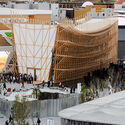
Stefano Boeri has designed a cultural square at the heart of the Italian pavilion for the 76th edition of the Frankfurt Book Fair. With Italy returning as Guest of Honor after 36 years, the book fair is the largest and most significant event in the publishing world and will be held from October 16-20, 2024. The Italian pavilion, designed by Stefano Boeri, seeks to celebrate Italian cultural heritage and publishing, aligning with the theme “Roots in the Future.”
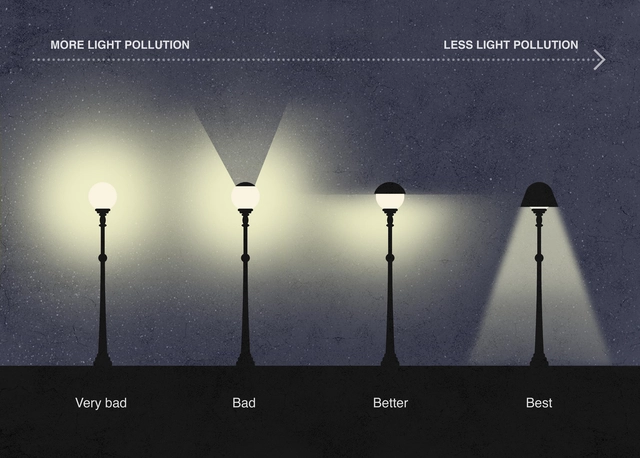
A recent study suggests that our home galaxy, the Milky Way, cannot be seen by one-third of humanity. Why? Millions of city lamps brighten our cities every night, but only part of their light is used to actually illuminate streets or sidewalks – the rest is lost and emitted above the horizon, brightening the night sky and contributing to what is known as light pollution. However, as the artificial glow from towns and cities increases every year, the consequences of this urban phenomenon go beyond just preventing us from seeing stars. Other harmful effects include: causing a hazardous glare that can reduce safety, excessive energy consumption, waste of money and resources, disruption of ecosystems’ natural day and night cycles, suppression of melatonin production and several negative repercussions on public health. In this sense, choosing the right lamps (with a well thought-out design) is crucial to reduce light pollution.
The Obel Award is an international prize for architectural achievement presented annually by the Henrik Frode Obel Foundation. Each year, the jury selects a specific theme and grants an award to a promising solution. For the 2024 edition, the prize that honors architectural contributions that positively impact both people and the planet will be focused on “Architecture With”.
Previous emphasis included Adaptations, Emissions, Cities, Mending, and Well-being. In 2023, the fifth cycle recognized ‘Living Breakwaters’ in New York, a green infrastructure project off the shore of Staten Island, by SCAPE Landscape Architecture and its founder Kate Orff. In 2022, the Obel was awarded to Seratech, a carbon-neutral concrete solution, in 2021, the concept of the 15-minute city received the prize for its value in creating sustainable and people-centric urban environments, and in 2020, Studio Anna Heringer was acknowledged for Anandaloy, in Bangladesh, an unconventional, multifunctional building that hosts a therapy center for people with disabilities on the ground floor and a textile studio on the top floor producing fair fashion and art. Finally, in its first edition, fixated on well-being, the Obel Award was granted to the Art Biotop Water Garden project in Tochigi, Japan, by Junya Ishigami & Associates.
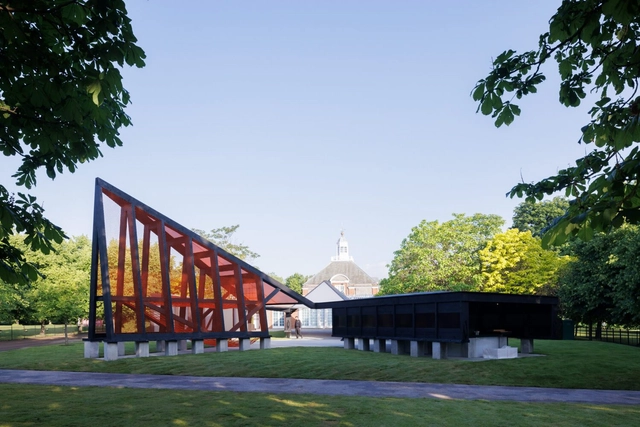
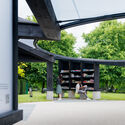
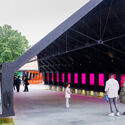
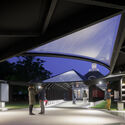
The official opening date for the 23rdSerpentine Pavilion has been announced for June 7th, 2024. The structure designed by Seoul-based Korean architect Minsuk Cho and his firm Mass Studies, will welcome visitors until October 27, 2024, in London’s Kensington Gardens. Titled “Archipelagic Void,” the pavilion is composed of five islands displayed around a central void in reference to the mandang, a type of open courtyard found in traditional Korean houses. The intervention will be activated throughout the summer with a diverse program of events, starting with a conversation between Minsuk Cho and Serpentine Artistic Director Hans Ulrich Obrist on June 7, 2024.
Sitting for extended periods is an everyday reality in many workspaces, which can lead to a dangerously sedentary working day. This makes office chair design a crucial element for both productivity and overall well-being. Ergonomic design takes into account the human body's needs, including posture, comfort, support, and health. A good ergonomic chair is adjustable, allowing for better control and customized settings that support the spine and promote a natural position for the body's joints. An even better ergonomic chair employs technology to accommodate all seating nuances—including occasional slouching, neck rest, and continuous hip movements, among others—, helping to maintain good body posture at all times.
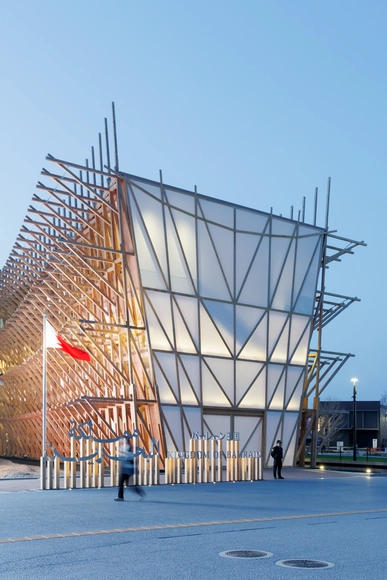
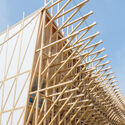
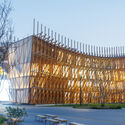
Lebanese French architect Lina Ghotmeh, leading the Paris-based studio Lina Ghotmeh – Architecture, has revealed the first photographs of the National Pavilion of the Kingdom of Bahrain for the Expo Osaka 2025. The design draws inspiration from the traditional Bahraini dhow boats, employing the country's historical boat-building technologies to showcase Bahrain's craftsmanship and manufacturing heritage. The pavilion is also a nod to the hosts of the World Expo, drawing parallels with Japanese wood artistry. Commissioned and organized by the Bahrain Authority for Culture and Antiquities, this marks the country's fourth contribution to the World Expo. The pavilion is located in the "Empowering Lives" zone, spanning 995 square meters and inviting visitors to engage through a sensory exhibition experience.
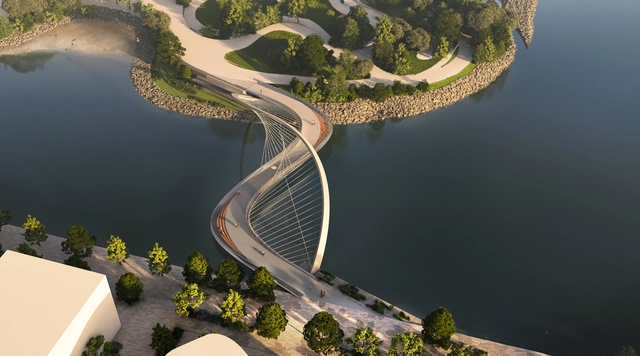
WilkinsonEyre has just been selected to design the new Equinox Bridge in Toronto, Canada. Designed in collaboration with Zeidler Architecture, Two Row Architect, and Arup, this bridge will connect the central waterfront to Villiers Island and the expanded park system along the new mouth of the Don River. Selected through a competition commissioned by Waterfront Toronto and the City of Toronto, the bridge seeks to foster a connection between people and water.
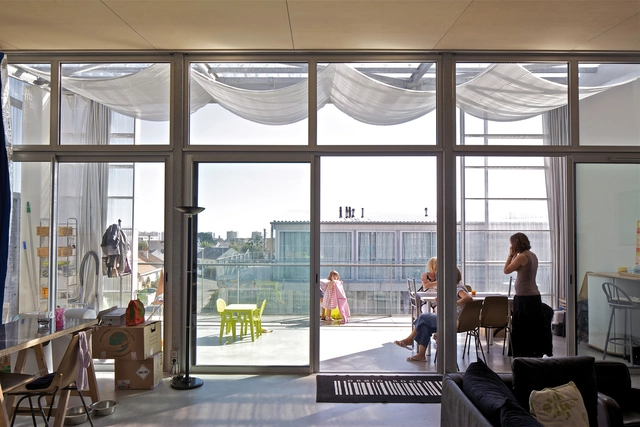
Anne Lacaton, renowned for her groundbreaking work with partner Jean-Philippe Vassal, has been working to push the boundaries of sustainable and socially responsible housing architecture for decades. The Pritzker Prize laureates are celebrated for their innovative approach to social housing and are committed to enhancing the quality of life for residents. Their philosophy centers around creating generous, adaptable spaces that rethink how we live together. Onsite in San Sebastián, ArchDaily had the chance to interview the Pritzker-Prize winner to delve into her architectural practice and philosophy. In the conversation, the architect explored core values, the significance of reuse in social housing, and the promising trends in collective housing design that emerged from the first edition of the awards.
Nowadays bicycles are not only used for sports or as a recreational activity, as more and more people are choosing bicycles as their main means of transportation. Architecture plays a fundamental role in promoting the use of bicycles, as a properly equipped city with safe bicycle lanes, plentiful bicycle parking spots, and open areas to ride freely will encourage people to use their cars much less.
Cities are now positioning themselves as a key promoter of sustainable mobility, and Denmark and the Netherlands are currently the leading countries in the field of architecture for bikes. They are considered a cyclist's paradise because of their excellent infrastructure and architecture, making them a worldwide reference.
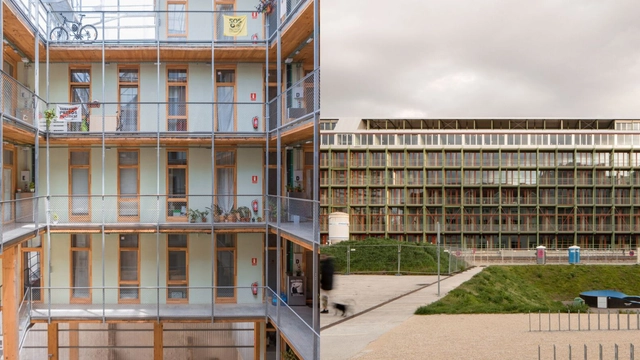
The European Collective Housing Award has selected the winners for the 2024 cycle. Created by The Basque Architecture Institute and Arc en Rêve Centre d’Architecture, in collaboration with the Department of Territorial Planning, the award highlights innovation and excellence in collective housing design, emphasizing aesthetics, social responsibility, and environmental sustainability. Selected from a category of 171 entries from 19 European countries, the winners are La Borda Housing Collectie in Spain and Construction of a Wine Storage into Housing in Switzerland for the new construction and renovation category, respectively. The inaugural edition of the European Collective Housing Award recognizes the importance of collective housing in creating sustainable and inclusive communities while also emphasizing the need to promote architectural excellence in this domain.
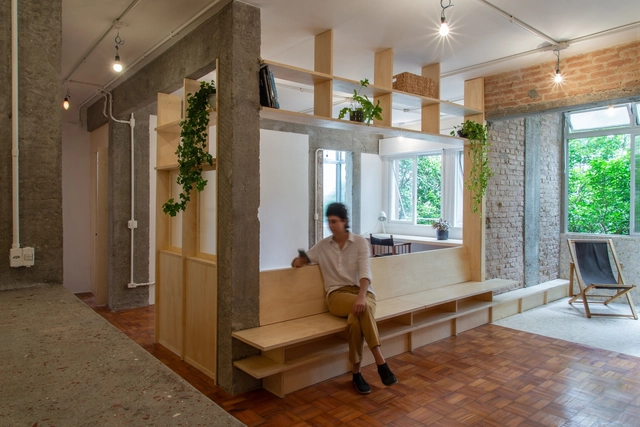
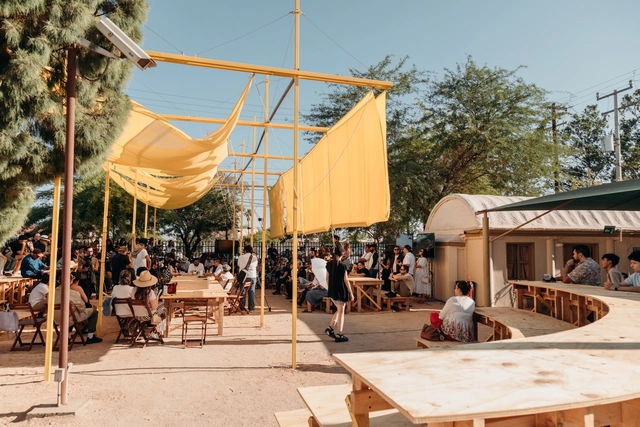
RUÍNA Arquitetura aims for greater socio-environmental awareness and the appreciation of materials while advocating for reuse as an alternative within the construction industry. In their practice, they explore new avenues for reclaimed materials, diminishing demolition waste and supplying construction materials with a reduced environmental footprint. In 2024, they were selected as part of ArchDaily’s 2024 Best New Practice for their unique attention to context, aiming to minimize its impact on the built environment through the effective reuse of materials and construction waste. Their participation in the 2023 Sharjah Architecture Triennale exemplifies how local ideas can achieve global recognition.
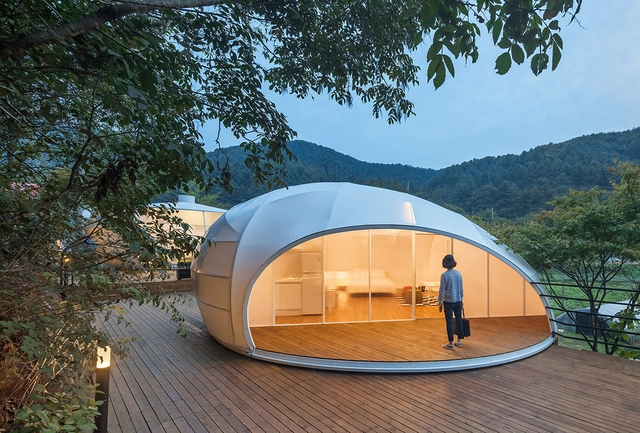
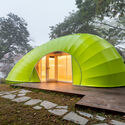
Camping, as defined in dictionaries, involves temporarily staying outdoors, setting up makeshift accommodations, and settling in natural surroundings. In architecture, tents symbolize these aspects, representing a typology that has endured across centuries and cultures, often linked with notions of impermanence and vulnerability.
In light of this common understanding, the term 'glamping' emerged in the early 2000s, blending 'camping' with 'glamour,' suggesting a fusion of camping with luxurious amenities. However, despite its recent popularization, the concept is far from original. Camping has not always been seen as the antithesis of luxury.
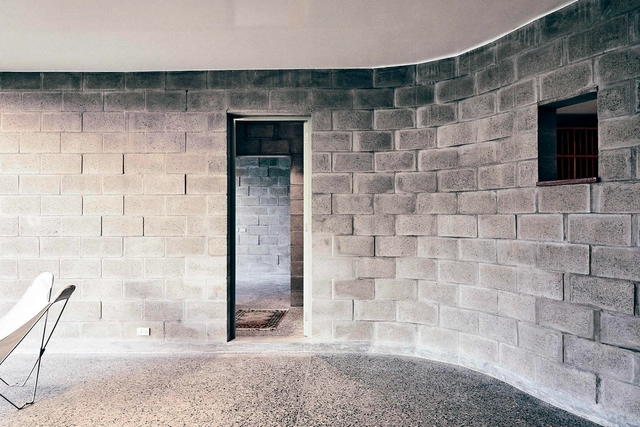
Beyond being a prefabricated material currently produced in large quantities, the use of concrete blocks in architecture continues to evolve to meet the demands and needs of contemporary societies that are constantly changing. Whether in interior or exterior spaces, their use can align with concepts of circular economy, resource efficiency, sustainability, and more, with the goal of creating habitable spaces while also understanding their constructive advantages and disadvantages, their expressive and aesthetic qualities, and so on.
As dwellers of big cities, we tend to be dragged into a very fast-paced lifestyle. Surrounded by monumental buildings and infrastructure, we can easily lose sight of key spaces that connect us with our neighborhood and provide us with rare moments of peace and enjoyment. Appropriation of the environment we inhabit becomes an uncommon circumstance.
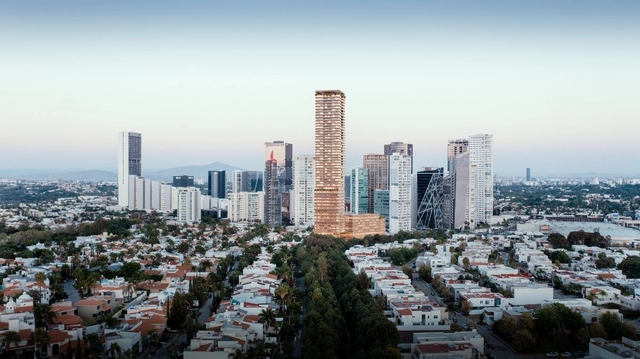
American architecture and engineering firm Skidmore, Owings & Merrill (SOM), in collaboration with Mexico City-based Estudio AMA and interior designer Esrawe Studio, has revealed a new 190-meter-tall mixed-use tower in Guadalajara, Mexico. The new addition, which broke ground on May 24, is slanted to become the tallest building in the Andares Zapopan district of the city, offering residential units, hotel rooms, and various amenities.













.jpg?1488209274&format=webp&width=640&height=580)

.jpg?1488209274 "© Jesús Granada")
.jpg?1488209274)