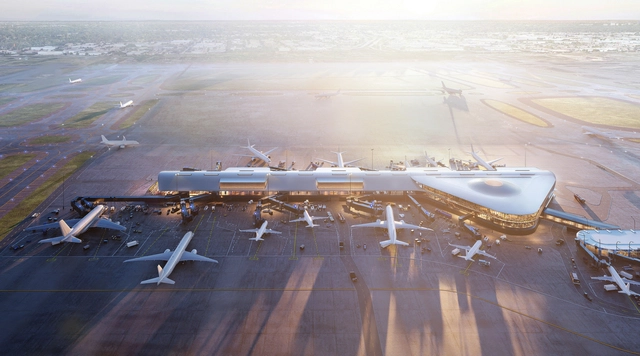
The City of Chicago has just unveiled the design for the first phase of the transformation of O’Hare International Airport. Designed by Skidmore, Ownings & Merrill (SOM), the terminal represents the largest concourse area expansion and revitalization in the airport’s 68-year history. Designed in collaboration with Ross Barney Architects, Juan Gabriel Moreno Architects, and Arup, “Satellite One” seeks to become a landmark in the state.
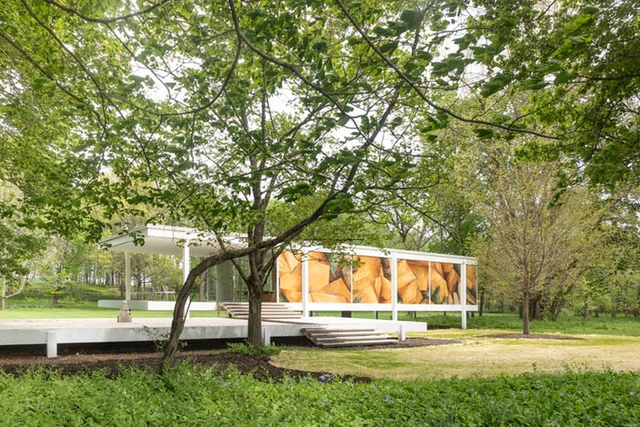
The Graham Foundation has announced 56 new grants to individuals, selected from nearly 600 submissions. Centered on publications, research, exhibitions, films, site-specific installations, and digital initiatives, the funded projects "expand contemporary architecture ideas through innovative rigorous interdisciplinary work on the design and the built environment." The projects are led by 84 individuals, including established and emerging architects, artists, curators, designers, filmmakers, historians, and writers.
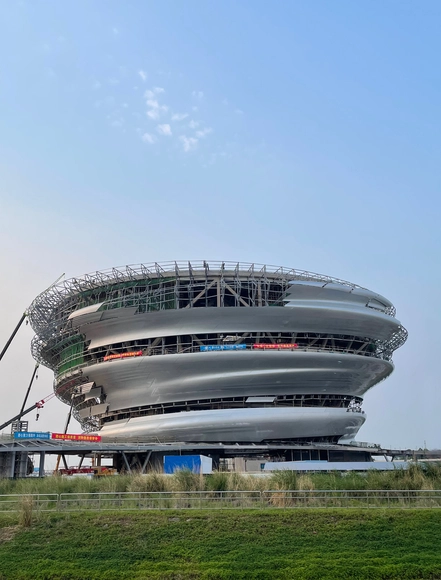
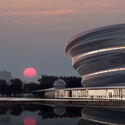
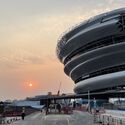
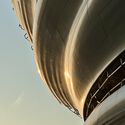
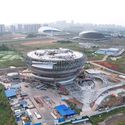
The Hainan Science Museum - construction progress. Image Courtesy of MAD Architects
The Hainan Science Museum, designed by Ma Yansong / MAD Architects, is progressing through its construction phases. The project began its design phase in 2020, broke ground in November 2021, and completed its main structure in June 2023. The museum, located on the west coast of Haikou City in Hainan Province, aims to be a landmark that integrates modern architecture with natural surroundings, promoting the convergence of technology and nature. The museum is expected to finish its curtain wall and landscaping by June this year and open for visitors in 2025.
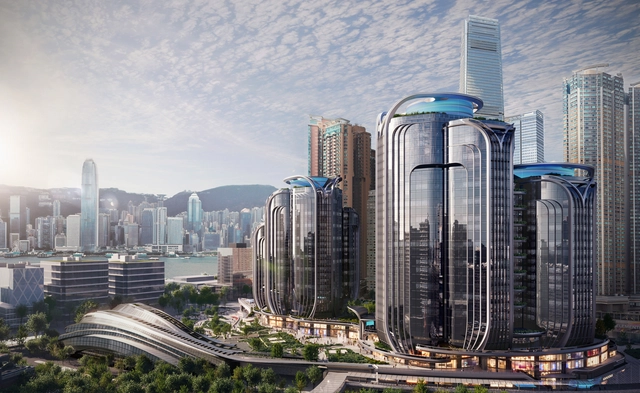
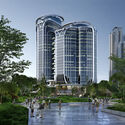
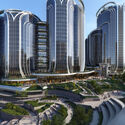
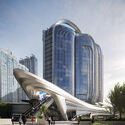
Construction has reached the roof level in Zaha Hadid Architect’s development above Hong Kong High-Speed Rail West Kowloon Terminus. Adjacent to the West Kowloon Cultural District, this development connects established and emerging neighborhoods with a network of public gardens and landscaped plazas. Designed by Zaha Hadid Architects (ZHA), it seeks to integrate seamlessly with the surrounding station and rooftop park, offering civic, office, and retail spaces.
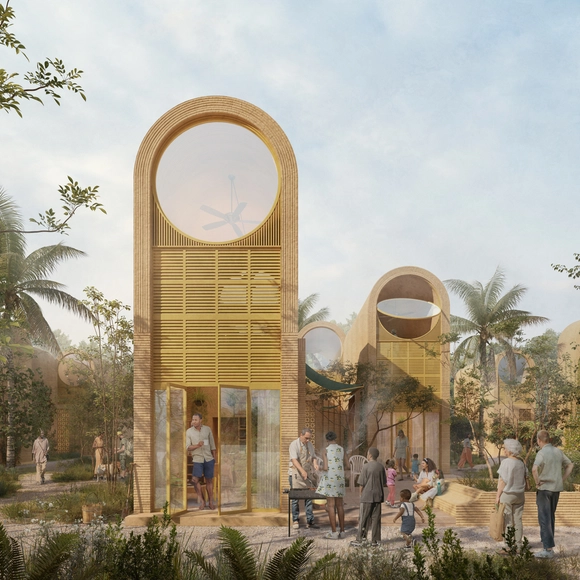
Housing Salinas - For Everyday.Life. Image Courtesy of For Everyday.Life
United Kingdom-based office For Everyday.Life (FEL) is one of the three selected winners for the Open Category of ICON’s Initiative 99, an open competition aiming to promote affordable home designs that can be built for under $99,000 employing ICON’s 3D printing technologies. FEL’s project, titled “Housing Salinas,” focuses on community living while applying principles of long-term sustainability, and social and environmental responsibility.
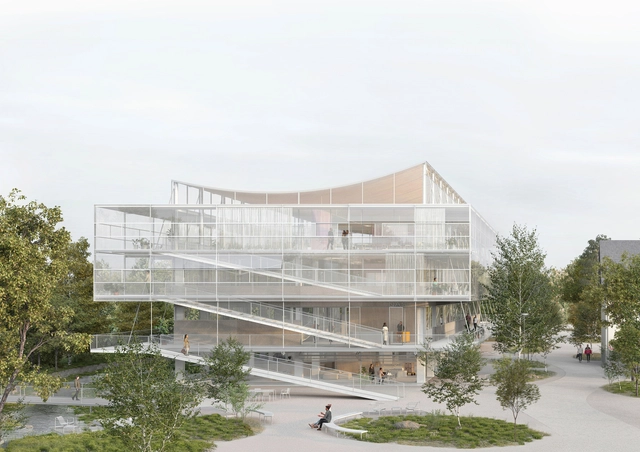
Gustav Düsing and FAKT have just won the competition to design an adaptive reuse project in Siegen, Germany. Following Gustav Düsing’s recent win of the EU Mies Award 2024, the NAS project was developed through a comprehensive participatory process involving students, faculty, staff, and community members. The New Architecture School (NAS) is an adaptive reuse proposal transforming the former printing facility into a new type of central campus. Aspiring to act as a dynamic urban entity, the design combines academic pursuits with cultural and public spaces.
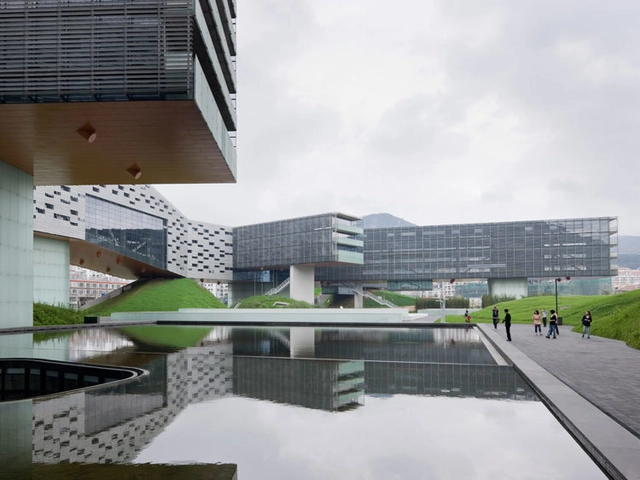
A ground scraper is essentially the opposite of a skyscraper - a large building that sprawls outward horizontally instead of soaring vertically into the sky. Though no strict definition exists, groundscrapers are generally described as extremely long but low-rise buildings with over 1 million square feet of space, sometimes called sidescrapers or landscrapers. The term came into the spotlight with Google's plans for their massive $1.3 billion London headquarters. Designed to be only 11 stories tall but over 1,000 feet long, this vast office block epitomizes using horizontal expansion to create immense space for thousands of employees.
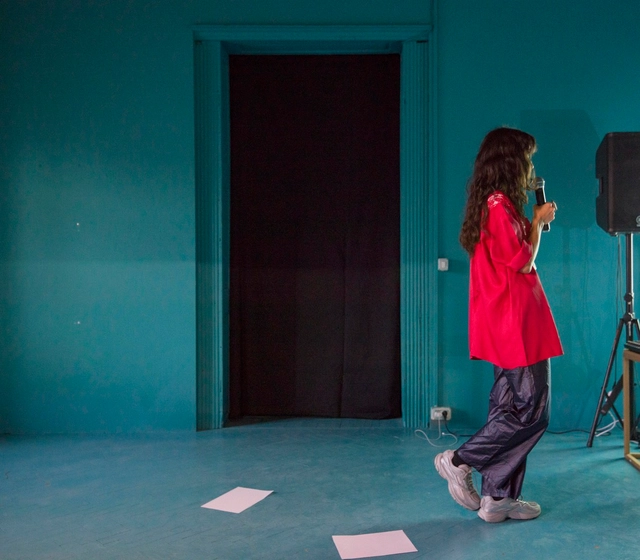
In January this year, Romanian architect, designer, and educator Oana Stănescu has been named the curator of Beta 2024 - Timișoara Architecture Biennial, now in its fifth edition. Based in New York and Berlin, Oana Stănescu is internationally recognized for her diverse portfolio of interventions around the world, challenging the confines of the profession and addressing significant societal issues. Recently, Stănescu, along with the team behind Beta, announced the theme of the main exhibition, taking place in Timițoara, Romania, between September 13th and October 27th.
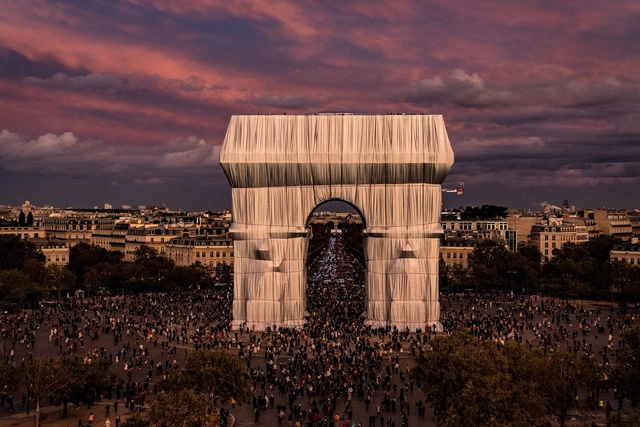
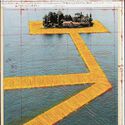
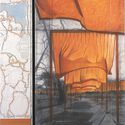
The Lindau Art Museum is hosting an exhibition titled “Christo and Jeanne-Claude - A Lifelong Journey.” Running from April 13th to October 13th, 2024, this display marks the first comprehensive museum exhibition on Christo and Jeanne-Claude in southern Germany, created in collaboration with the Christo and Janne-Claude Foundation. Featuring artistic drawings, detailed collages, early objects, and photographs, the exhibition documents the lifelong journey that led the artists to their famous large-scale temporary projects.
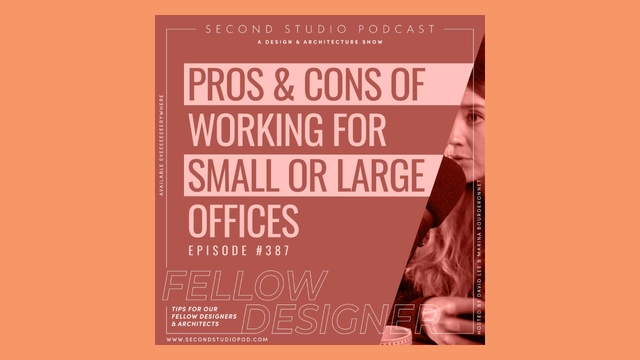
The Second Studio (formerly The Midnight Charette) is an explicit podcast about design, architecture, and the everyday. Hosted by Architects David Lee and Marina Bourderonnet, it features different creative professionals in unscripted conversations that allow for thoughtful takes and personal discussions.
A variety of subjects are covered with honesty and humor: some episodes are interviews, while others are tips for fellow designers, reviews of buildings and other projects, or casual explorations of everyday life and design. The Second Studio is also available on iTunes, Spotify, and YouTube.
This week David and Marina of FAME Architecture & Design discuss the benefits and negatives of working for small and large architecture offices as a young professional. The two share their own experiences and cover why working at different-sized offices can be beneficial.
https://www.archdaily.com/1017054/the-second-studio-podcast-dynamics-of-working-for-small-and-large-architecture-officesThe Second Studio Podcast
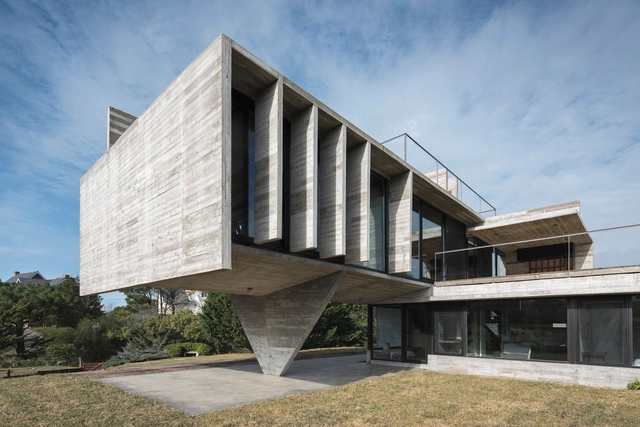
In response to the diverse topographies and natural conditions throughout the Argentine territory, the works of Luciano Kruk propose an architecture that works in harmony with the environment, the landscape, and the nature in which they are situated. Whether immersed in a forest, on sloping terrain, or on a rural plain, among other geographies, his intention is to enhance the relationship between the interior and exterior of the architecture, using concrete as the main material in most of his projects.
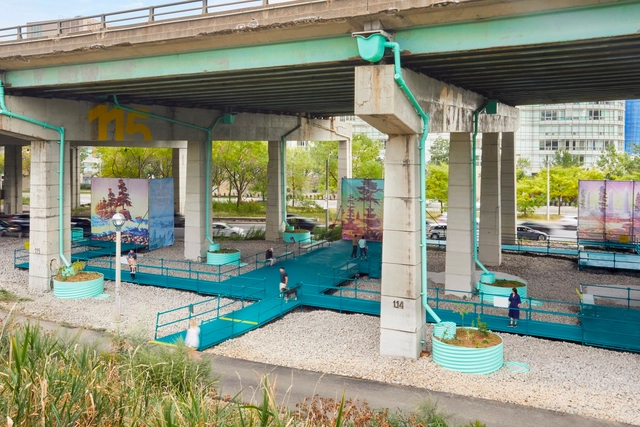
Urban infrastructure intended for city connectivity disrupts urban patterns and often leaves behind a series of spaces without a properly defined use. Fortunately, the notion of space beneath infrastructure is being redefined, as architects are generating public spaces nestled under flyovers, bridges, and other urban structures.
Formerly neglected spaces, overlooked or dismissed as mere leftovers of urban planning, are now transformed into dynamic environments for community engagement and artistic expression. Architects, city planners, and the users themselves are embracing the challenge of reclaiming forgotten or underutilized areas and developing innovative solutions, integrating greenery, art installations, and sustainable elements into the urban fabric.
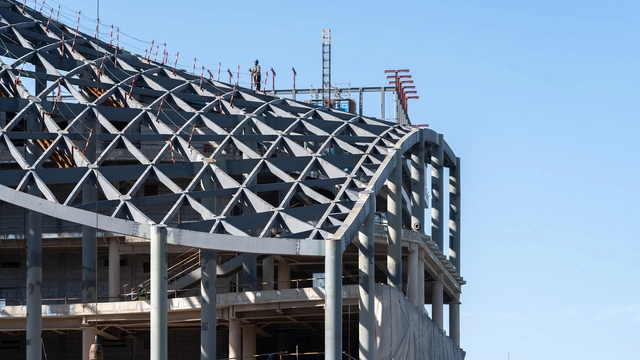
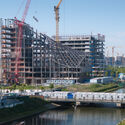
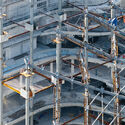
In 2021, MVRDV unveiled the design of a terraced office building created for the agriculture company Lankuaikei. Set within a rapidly developing area of Shanghai, the 11-storey structure is covered by a curved technological roof that follows the stepping structure. The project is conceived as a showcase of the company's vision of food production, with an extensive sustainability agenda encompassing various strategies. These include extensive use of greenery, integration of renewable energy, and the use of low-carbon materials. The construction process is now captured by StudioSZ Photo / Justin Szeremeta, revealing an intermediary state where the bare-bone structure begins to reveal the shape and scale of the building. Structural construction details are also visible at this stage,
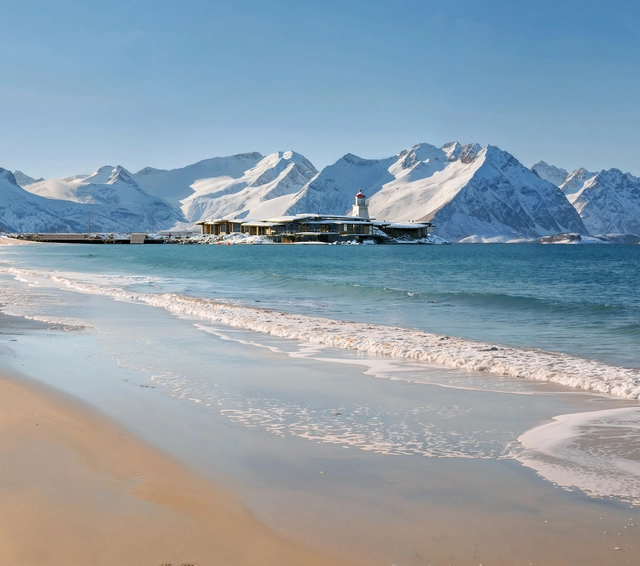
Danish architecture studio Dorte Mandrup has just released the designs for its new project in the Arctic Region. Teaming up with high-end Norwegian adventure and outdoor brand Norrøna, the studio has designed a nature hotel. Situated in Northern Norway in Senja, Norway’s second-largest island, the hotel is surrounded by dramatic landscapes featuring steep mountains, beaches, valleys, and deep fjords.
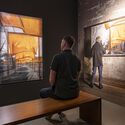
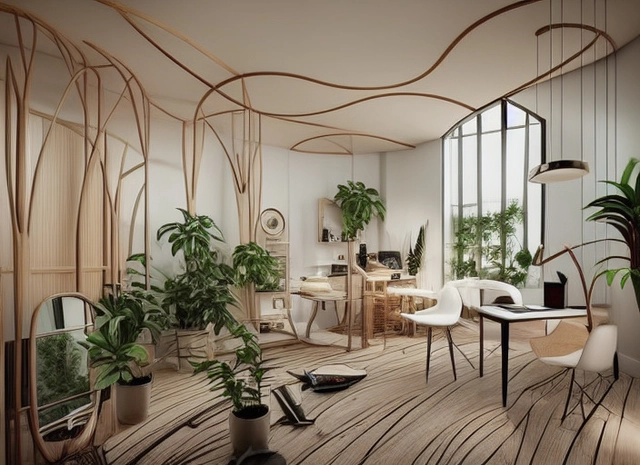
Interior AI is a new platform that helps users generate new styles and even new functions for their interior spaces. The program uses the input of a 2D image of an interior space, be it a picture found on the internet or a photograph taken by the user. It can then modify this picture to fit one of the 16 preselected styles, ranging from Minimalist, Art nouveau, or Biophilic to Baroque or Cyberpunk. The program also allows users to select a different function for the room, kitchen, home office, outdoor patio, or even fitness gym, thus creating a completely new interior design.
When he was invited to design the 21st Serpentine Pavilion in London’s Kensington Gardens public park, Chicago-based artist Theaster Gates envisioned a calm space to offer respite and a subtle exploration into the power of sound and music in architecture. Created out of lightweight stained wood, the “Black Chapel” demonstrates more than just artistic and architectural sensibilities. In addition to the use of sustainable materials, the project also pays close attention to how the building materials are sourced, bringing visibility to the problem of modern slavery in the construction materials supply chain.
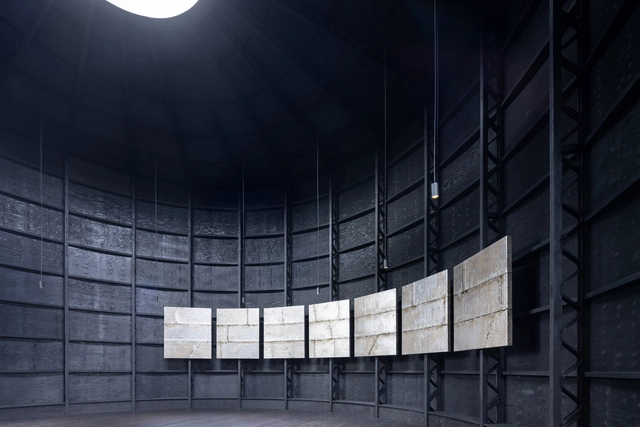
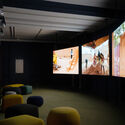
Noemí Blager and Tapio Snellman are presenting a new video installation at the Architectural Association (AA) in London. The exhibition titled “A Lot with Little” set out to explore and showcase how architects can employ a more economical use of resources to create architectural works that are both sensible and sustainable. Previously shown in Germany, Switzerland, China, Czechia, the US, and the Venice Architecture Biennale, this London debut aims to highlight the global relevance of resource-efficient architectural practices. The exhibition is now on view at the AA School in London from April 26, until May 30, 2024.