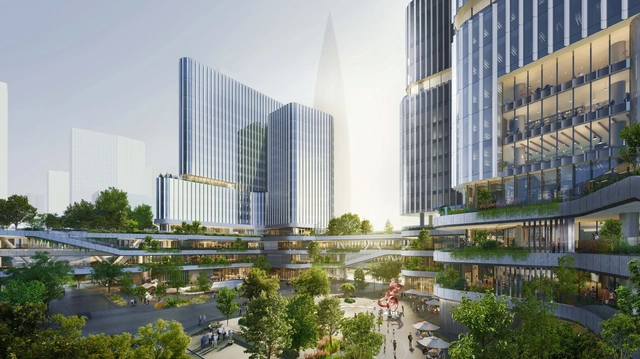
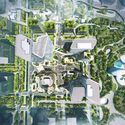
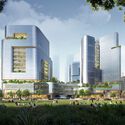
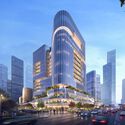
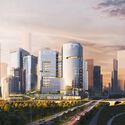
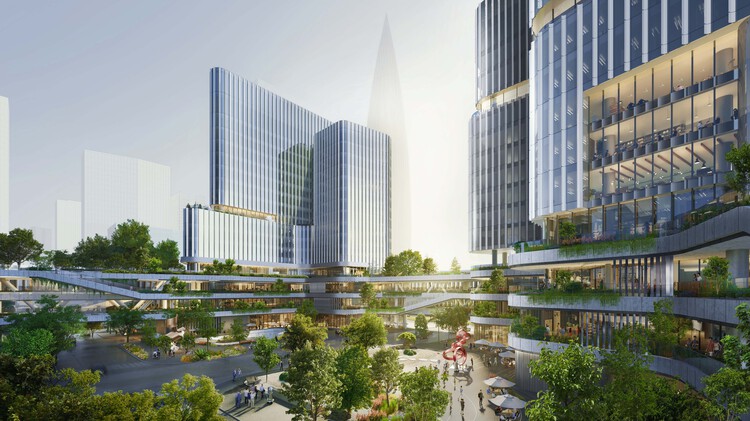
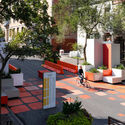
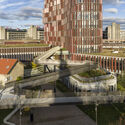
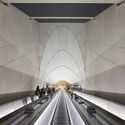
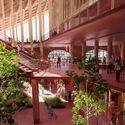
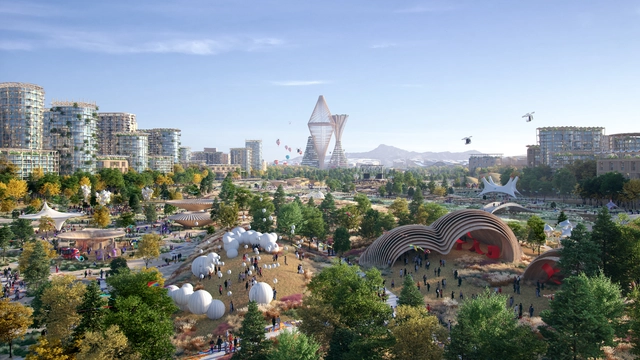
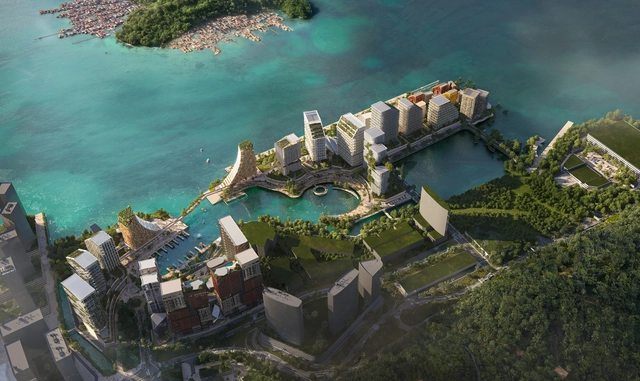
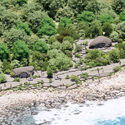
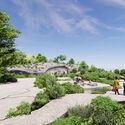
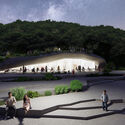
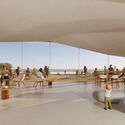
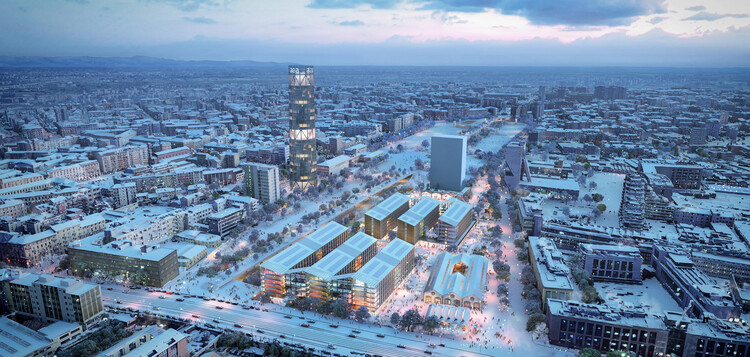
Houhai Hybrid Campus design. Render. Image Courtesy of Büro Ole Scheeren
The international firm Büro Ole Scheeren has unveiled images of the Houhai Hybrid Campus, a new urban complex in Shenzhen's Houhai district. The development is situated in a strategic area within the original Shenzhen Special Economic Zone (SEZ), bridging the city's commercial center and its bayfront. The release of the Hybrid Campus images coincided with the 45th anniversary of Shenzhen's designation as a Special Economic Zone, a milestone marking the city's transformation from a fishing village into a global innovation hub. Currently under construction, the Hybrid Campus integrates work, living, culture, commerce, leisure, recreation, and nature into a unified urban complex, scheduled to open in late 2026.
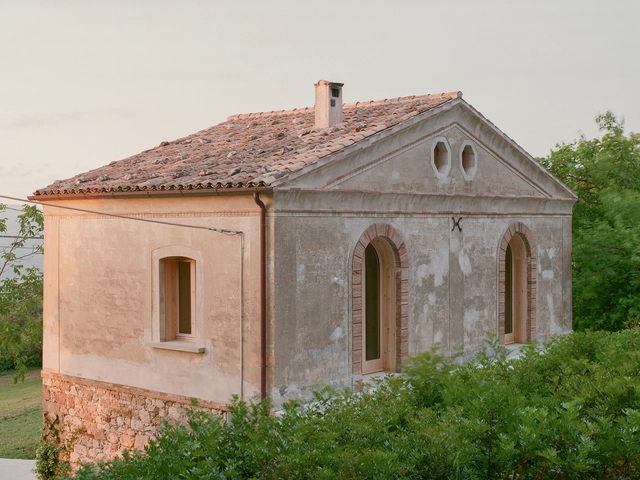
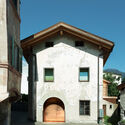
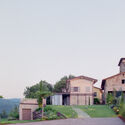
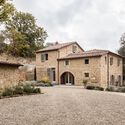
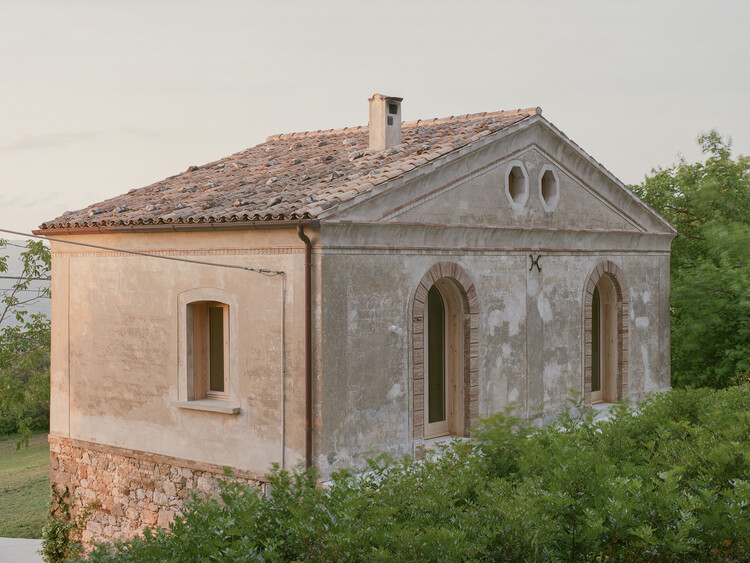
Italy's rich history, evident in its monuments and cities, has created a unique context for architectural renovation. Italian architects often embrace this heritage by engaging in a dialogue between old and new, rather than aiming for a complete transformation. This approach intentionally avoids an imitative style, instead using contemporary materials like steel, glass, and new wood to frame and highlight the existing historic stone and brickwork. This juxtaposition turns the original materials from simple structural elements into featured decorative and narrative ones. The result is a layered experience where the history of the space remains visible, ensuring it is preserved rather than erased by the renovation.
Surfing is, without a doubt, one of the most visually striking and fascinating sports. A fluid choreography that combines strength and delicacy, like a dance on the waves, gathers enthusiasts across the world's oceans. Yet, behind this image of freedom and connection with nature, the sport also carries contradictions. It is a symbol of outdoor life and respect for the ocean, but on the other hand, it is marked by territorial disputes over waves and by an environmental footprint that rarely receives the same attention given to its aesthetics. In times of climate crisis, this paradox becomes even more evident. Surfing depends directly on the health of marine ecosystems, the very ones most affected by pollution and global warming. This tension has been pushing a new generation of shapers, architects, and material designers to seek alternatives, from plant-based and recycled foams to the reuse of industrial waste, in order to reconnect the sport with its ecological dimension.
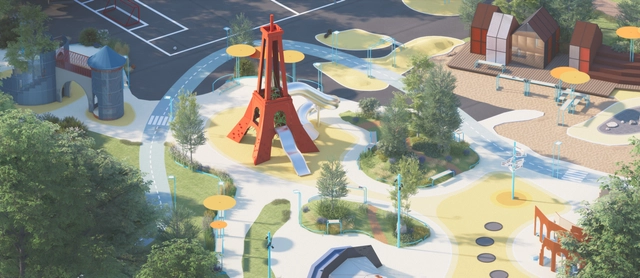
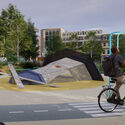
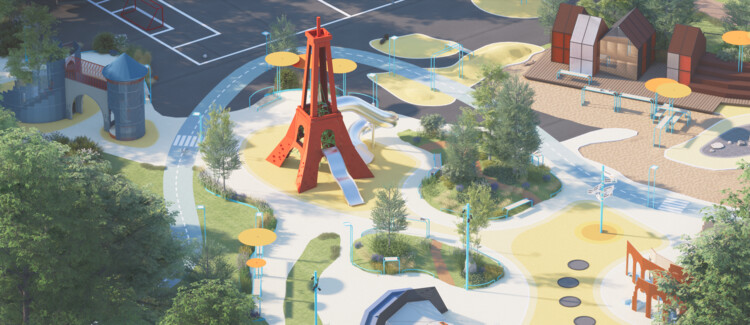
21st Europe, a Copenhagen-based think tank founded by former SPACE10 creative director Kaave Pour, has introduced its second major blueprint, Continent of Play. Developed in collaboration with design and architecture studioSpacon, the proposal reimagines playgrounds as vital civic infrastructure, positioning them alongside museums, transport hubs, and energy grids as defining spaces for Europe's future.
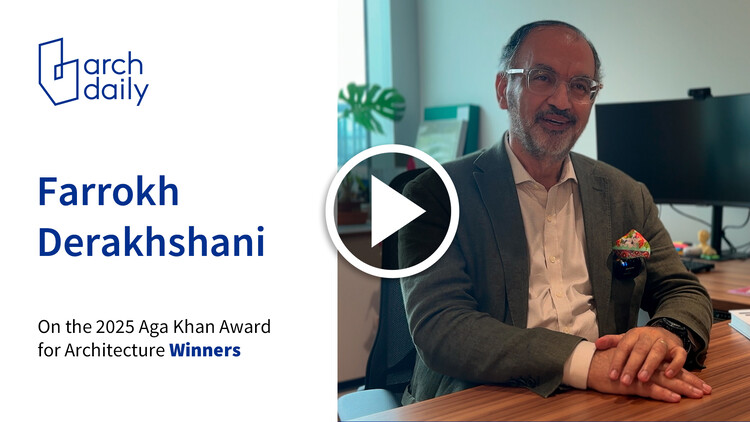
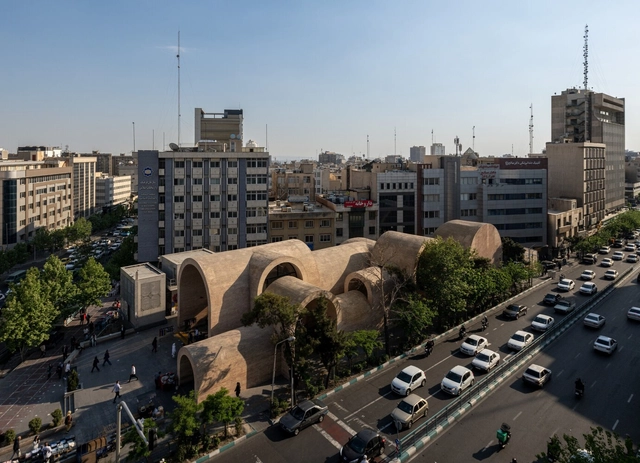
Today, September 2, the seven winners of the 16th Cycle (2023–2025) of the Aga Khan Award for Architecture were announced, following on-site reviews of the 19 shortlisted projects revealed in June. Established in 1977, the Award seeks to identify and encourage building concepts that respond to the physical, social, and economic needs of communities with a significant Muslim presence, while also addressing their cultural aspirations. To understand the vision behind this cycle's winners, ArchDaily's Editor-in-Chief, Christele Harrouk, spoke with Farrokh Derakhshani, who has been with the award for over four decades. He described the initiative as "a curated message to the world," a message that evolves with the times.
Amid the traffic-clogged arteries of Los Angeles, where cars have long ruled the streets, the future of urban mobility is being questioned. The reorientation focuses not on simply removing cars or introducing new technology, but on envisioning the city as an integrated system in which people, places, and vehicles coexist in balance. Automobiles are no longer the unquestioned centerpiece of urban life; instead, they are treated as one component of a broader, multimodal transportation network. Design now seeks to prioritize human needs and experiences over vehicular dominance.
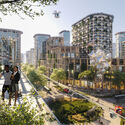
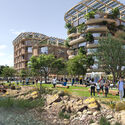
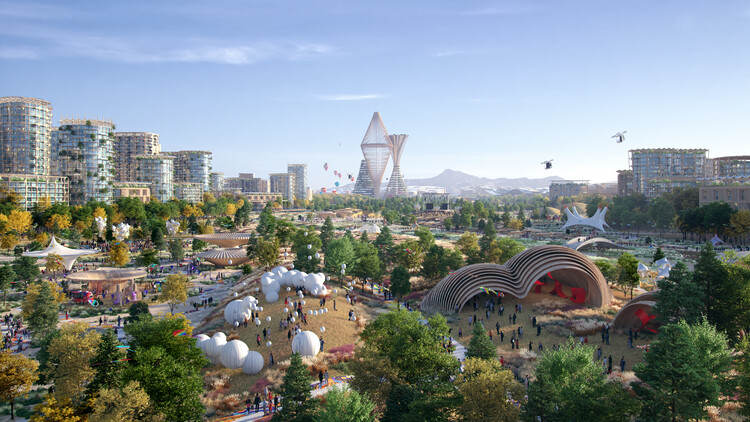
Telosa is a conceptual proposal designed by Bjarke Ingels GroupBIG in collaboration with entrepreneur Marc Lore, first announced in 2021. Planned to accommodate five million residents by 2050, the project sets out to establish a framework for sustainable and equitable urban living. Its initial phase, projected for 2030, is expected to house 50,000 people. Positioned as a purpose-built city, Telosa presents a long-term vision that combines ecological resilience, technological systems, and an alternative governance model as a possible prototype for future urban development.
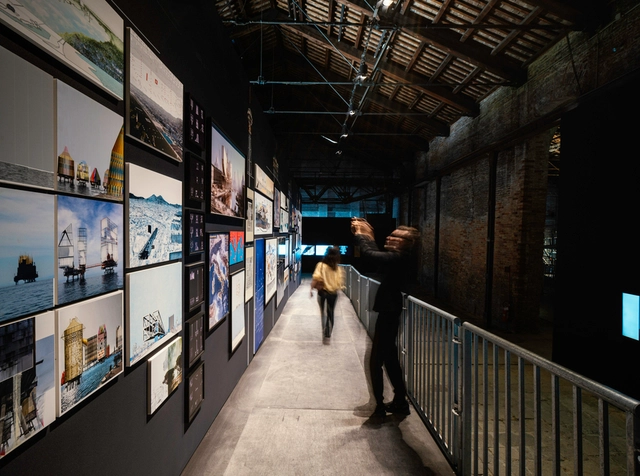
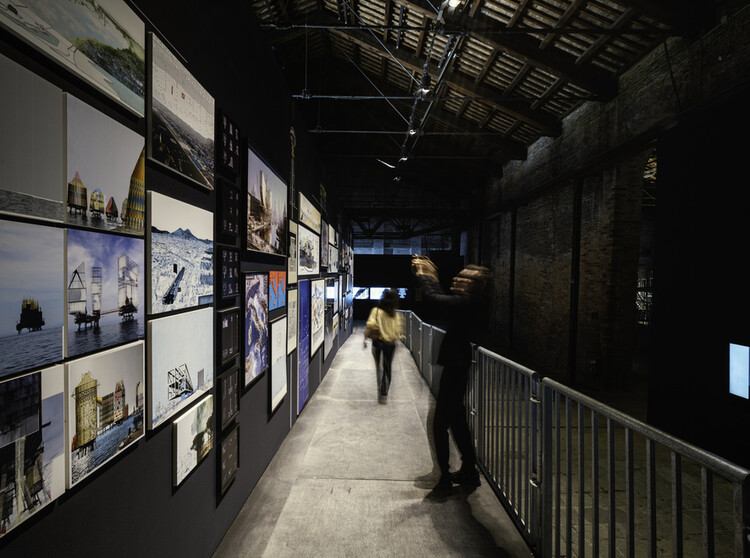
"La Quadreria" interior photo gallery. Italian Pavilion at the 2025 Venice Architecture Biennale. Image Courtesy of PCM Studio di Paola C. Manfredi
The Italian Pavilion at the 19th International Architecture Exhibition – La Biennale di Venezia is situated in the Tese delle Vergini of the Arsenale and is promoted by the Directorate-General for Contemporary Creativity of the Italian Ministry of Culture. This year, the Pavilion hosts architectural, scientific, and cultural reflections on the Mediterranean Sea and its neighboring oceans, in an exhibition titled "Terrae Aquae. Italy and the Intelligence of the Sea", curated by Architect and Professor Guendalina Salimei. The exhibition brings together projects from diverse actors in Italian society through an open call, whose objective was to rethink the boundary between land and water as an integrated system of architecture, infrastructure, and landscape. In response to the Biennale's central theme, the exhibition aims to stimulate the awakening of a collective intelligence capable of triggering a renewal in that relationship, starting from the Italian coast and expanding globally.
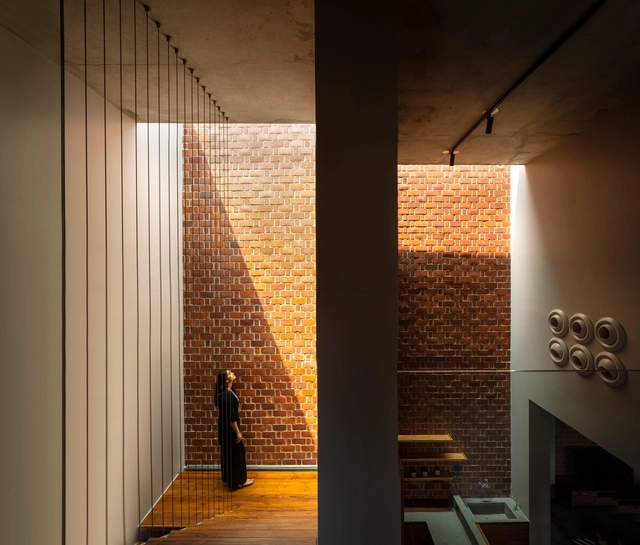
Overprovision can be seen as an architecture strategy through the lens of resilience—making spaces adaptable to changes, reinterpretations, and future needs. However, could overprovision also offer a productive lens for rethinking spatial design? Are there parallels in architectural theory or practice that align with this concept, as explored by notable figures in the discourse on space?
This question becomes particularly relevant in residential design, especially in regions like Hong Kong or Tokyo, where the demand to maximize space is a cultural and practical norm. Designers are frequently tasked with "making use of every inch" for storage or function, reflecting a tendency among residents to accumulate belongings disproportionate to their living spaces.
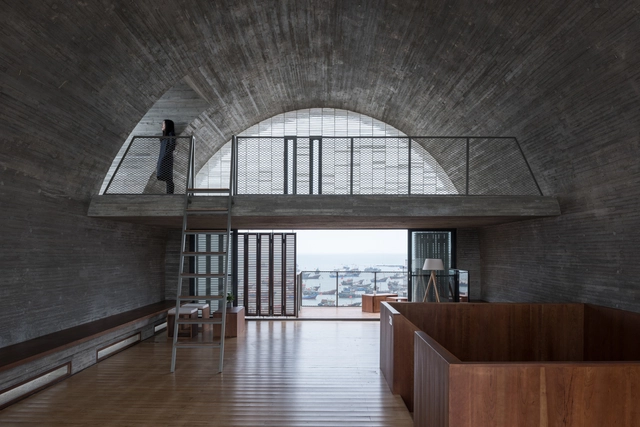
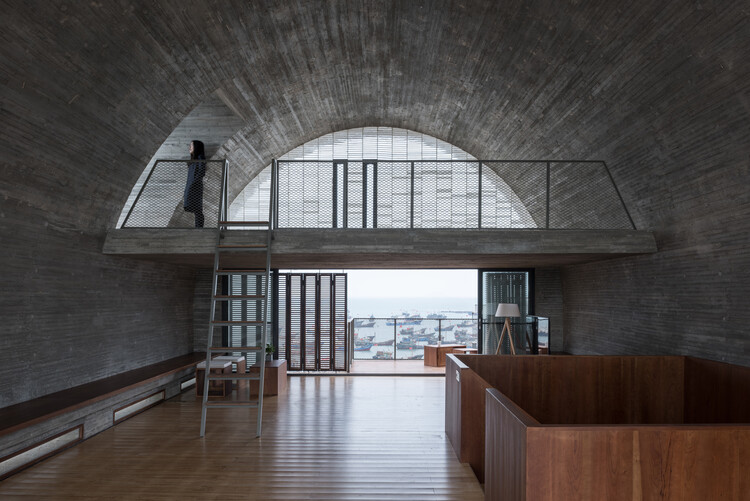
The term vault in architecture refers to a self-supporting arched structure that forms a ceiling or roof, which can effectively create a wide, column-free space. While traditional masonry vaults transfer loads to walls and buttresses, contemporary versions are more broadly defined as any ceiling that follows the roofline, creating a high, curved interior. These modern ceilings are typically framed using materials like concrete, timber, or steel, which provide the structural flexibility to create the dramatic effect of a vault without its historical constraints. The round arch vault, in particular, seems to have been a recently favored form for its simple, elegant geometry and its ability to adapt to a variety of modern residential styles.
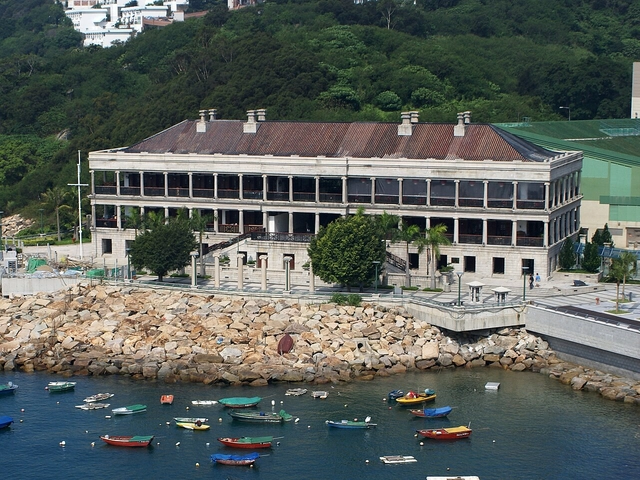
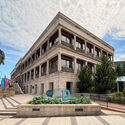
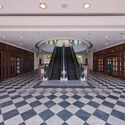
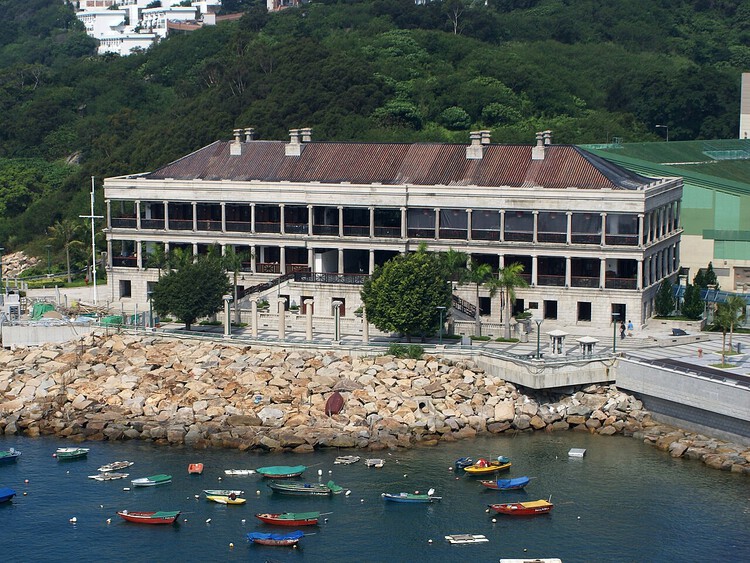
In preserving architecture, there are many possible approaches—ranging from treating a building as a static monument, meticulously restoring it in situ to the point of limiting public access, to more adaptive strategies that reprogram and modify interior spaces while retaining key architectural elements such as materiality and structural form. Yet one method stands apart, both in ambition and in controversy: to deliberately dismantle a building—brick by brick—meticulously label and document each part, and store it until a new site, purpose, or narrative emerges. Then, to reassemble it anew, possibly for an entirely different use. Though the original context is lost, this strategy aims to preserve cultural significance through transformation rather than stasis. This is the story of Murray House in Stanley, Hong Kong.
Originally constructed in 1846 as officers' quarters for the British military in Central, Murray House was one of the earliest examples of neoclassical architecture in Hong Kong—a unique and enduring trace of the city's colonial past. Its robust granite colonnades and symmetrical façade stood as a symbol of classical permanence. During the Japanese occupation of Hong Kong in 1941, the building's function was repurposed as the command center for the Japanese military police. It survived the war and continued to house various government departments throughout the postwar decades.
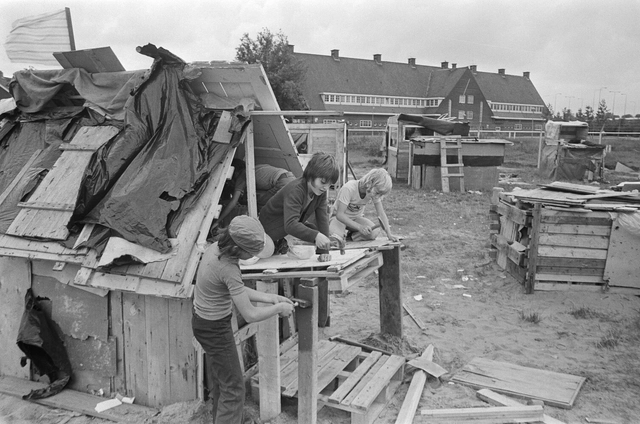
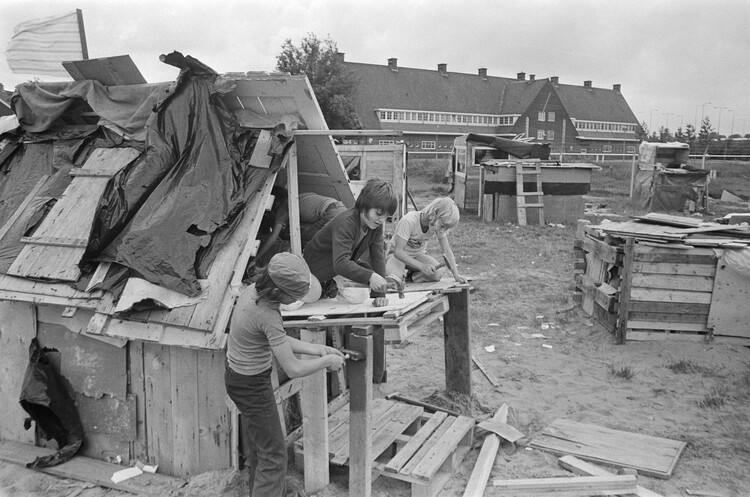
What if the best kind of play isn't the safest? For decades, cities have built playgrounds to be clean, colorful, and easy to supervise. Yet these spaces—designed more for adult peace of mind than for children's curiosity—often strip away what makes play truly transformative: risk, unpredictability, and self-direction. Rising safety standards, shrinking public space, and the commercialization of play equipment have only further narrowed the possibilities for children's independent exploration. From a junkyard in 1940s Copenhagen to the concrete landscapes of postwar Amsterdam, a handful of architects, planners, and activists have challenged the idea that play must be neat and controlled. Their unconventional playgrounds—made of loose parts, raw materials, and abstract forms—gave children the freedom to build, demolish, explore, and get dirty.
Snøhetta has unveiled plans for Jesselton Docklands, a tropical waterfrontmaster plan in Kota Kinabalu, Malaysia, on the island of Borneo. The development reimagines the city's former port as a civic and cultural hub, strengthening its connection to the waterfront and positioning it as a new gateway to Sabah and the wider Southeast Asian region. Situated near Kota Kinabalu International Airport, the development includes a new ferry and cruise terminal, integrating infrastructure with the island's ecological and cultural context to position the city as a key point of connection within the region.
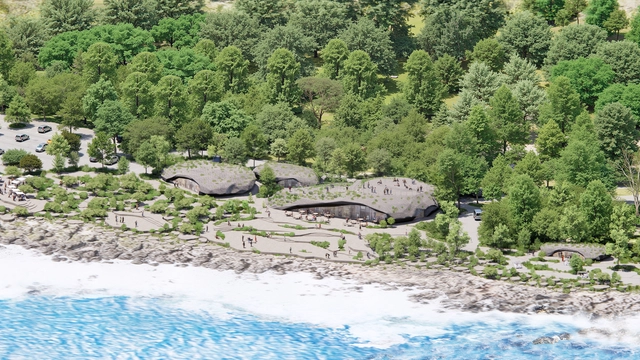
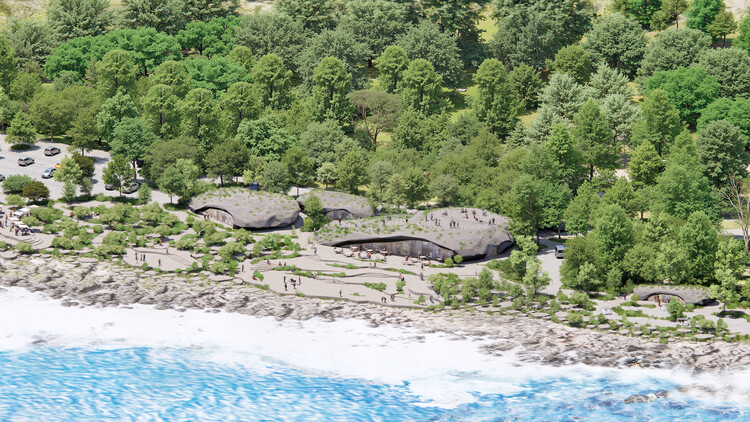
Nature Rocks masterplan for Jialeshui, Taiwan. Render. Image Courtesy of MVRDV
MVRDV revealed the design of rock-like tourist facilities and infrastructure for the Taiwanese coastal area of Jialeshui, a scenic destination in the southernmost part of Taiwan. The Pingtung County Government recently selected the design proposal submitted by MVRDV in collaboration with HWC Architects for the transformation of an area known for its rock formations shaped by wind and water, including a series of structures inspired by these natural forms. The project, a masterplan titled Nature Rocks, introduces a network of new pathways and public spaces and adds small-scale buildings, including a central visitor centre and three lookout points, within the existing built footprint.
In contemporary architecture, hotel design is no longer defined solely by luxury and accommodation. Instead, it is becoming a platform to explore questions of identity, ecology, and cultural meaning. Beyond providing rooms and amenities, hotels today aim to create immersive experiences that connect travelers to local traditions, landscapes, and communities. In this curated selection of unbuilt hospitality projects, submitted by the ArchDaily community, speculative and competition-winning proposals offer a glimpse into the future of hospitality, where sustainability and storytelling are as central as comfort and style.
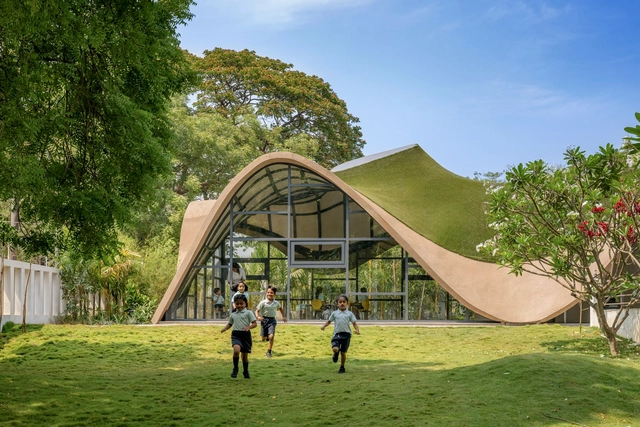
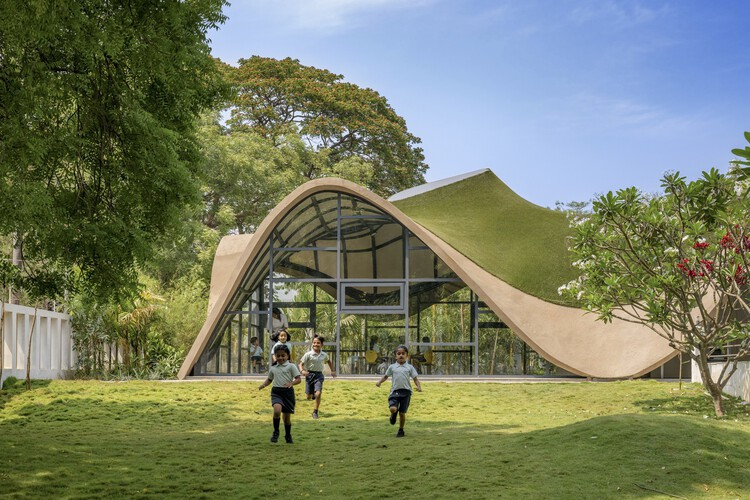
Kindergarten architecture has long stood apart as a realm where design and imagination converge. Unlike most building typologies, these spaces are conceived not only to shelter and function but to shape the earliest experiences of curiosity, play, and social interaction. Throughout history, the design of kindergartens has evolved alongside pedagogical shifts, moving from modest, utilitarian beginnings to highly intentional environments that stimulate both learning and wonder. In this context, architecture becomes more than a backdrop — it becomes a silent educator, capable of nurturing emotional, cognitive, and physical development.
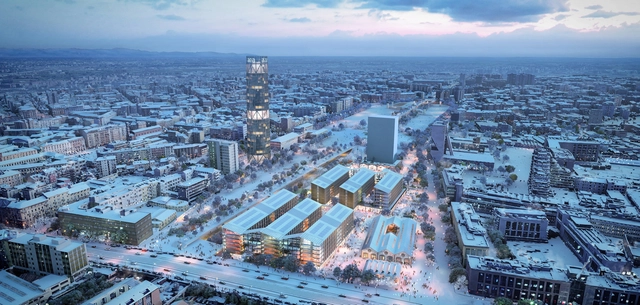
Italy is preparing to host its third Olympic Winter Games as Milan and Cortina d'Ampezzo welcome Milano Cortina 2026, seventy years after Cortina staged the 1956 edition and two decades after Torino 2006. The Games will take place from February 6 to 22, 2026, marking the first time the Winter Olympics are organized across two cities, two regions, Lombardy and Veneto, and two autonomous provinces, Trento and Bolzano. Covering a territory of 22,000 square kilometers, Milano Cortina 2026 will become the most geographically extensive Winter Games to date, with over 90% of venues already existing or designed as temporary facilities.