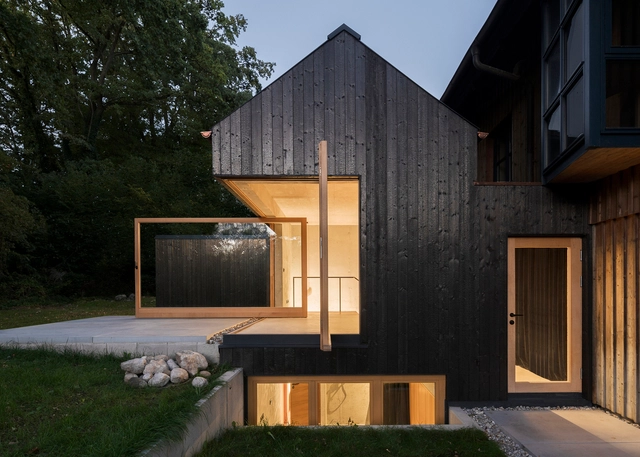
German design has become synonymous with accuracy, efficiency and precision. While the stereotype has roots in geography and local culture, the country's built environment reflects an affinity for structure, privacy and order. Combined with influences across Europe, Germany's contemporary architecture showcases refined forms and an emphasis on craft.
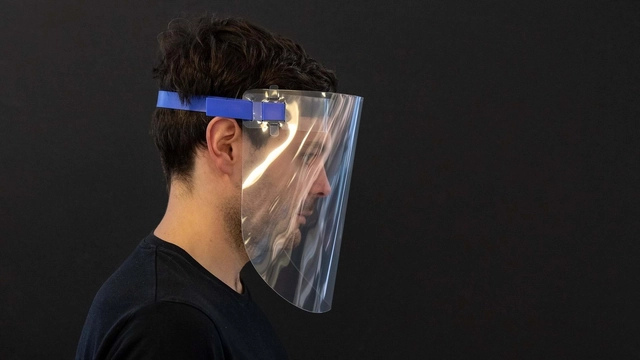
Architects around the world have put their knowledge to use in the fight against the coronavirus. While some designed alternative facilities to increase the capacity of hospitals, others imagined different types of face protection gears to help with the world-wide shortage of masks. Using 3d printing technology, easy to assemble techniques, and low-cost material, firms, universities, and individuals have mobilized their expertise to create face shields for citizens and medical staff.
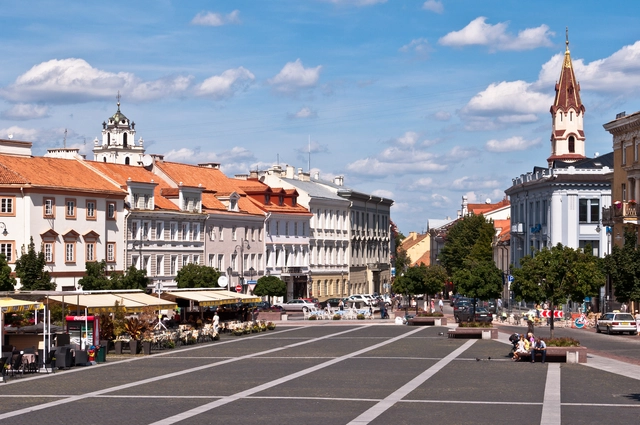
The Town Hall Square in Vilnius, Lithuania. Image via Shutterstock/ By Donatas Dabravolskas
The Lithuanian capital Vilnius has decided to allocate its public spaces to bars and cafes, to encourage the reopening of restaurants under required physical distancing measures. Turning the outdoor space into one vast open-air café, the city is taking new safety measures to step into the next phase of the lockdown.
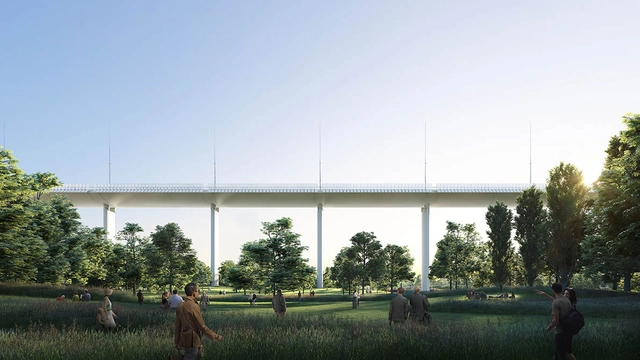
The final piece of the new Morandi Bridge decking in Genoa, Italy has been put in place. Designed by Renzo Piano, the structure is being built to address the tragic collapse of the original bridge that claimed 43 lives. In the aftermath of the disaster, Piano offered to donate the design of a bridge to replace the old one, having been deeply affected by the tragedy. The latest announcement comes from PERGENOVA, the company established to design and build the new bridge.
Fifty percent of landfill waste in New Zealand is construction and demolition waste. The demand for homes in the coming years and decades is rapidly outstripping any possible supply we could provide with our current construction methods. PhD student Ged Finch discusses the problems with the home building industry and practices in New Zealand and proposes an alternative to what he terms the "disposable model" of building. Today's homes are not built to last, and can make us sick in the time they are here. Finch's research focuses instead on a completely reimagined, zero waste model for construction. Utilizing today's digital fabrication technologies, we can create a set of building parts that are optimized and reusable from naturally durable materials. But the technical solution is only one part, states Finch. The real key is human ambition.
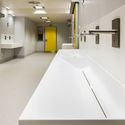
Although any architectural project must ensure the safety and well-being of its occupants, this goal is especially pertinent for healthcare spaces, whose primary occupants are those prone to getting sick or worsening their initial condition. For this reason, its design must not only support medical procedures in their optimal conditions, but also ensure that the environment is kept sterile and clean at all times.
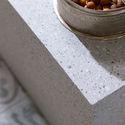
How do materials that fight the growth of pathogenic bacteria work? Is it possible to improve the hygiene and healthiness of an environment without neglecting the aesthetics of the space? We address this question by reviewing the case of Krion® solid surfaces, widely used in the healthcare sector but also in residential, commercial and office projects.
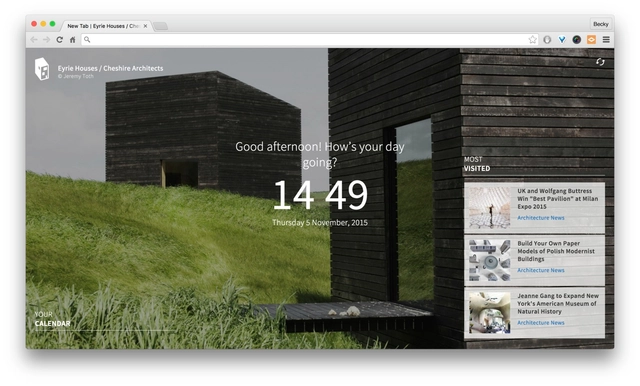
Transform your “New Tab” page into a useful, inspiring tool with ArchDaily’s New TabChrome Extension.
Every time you open a new tab in your Chrome browser, it’s an opportunity to be inspired with a randomly selected photograph of our +38,000 curated projects. If you want to learn more about the project featured, you can easily click to see more pictures, drawings, and information.
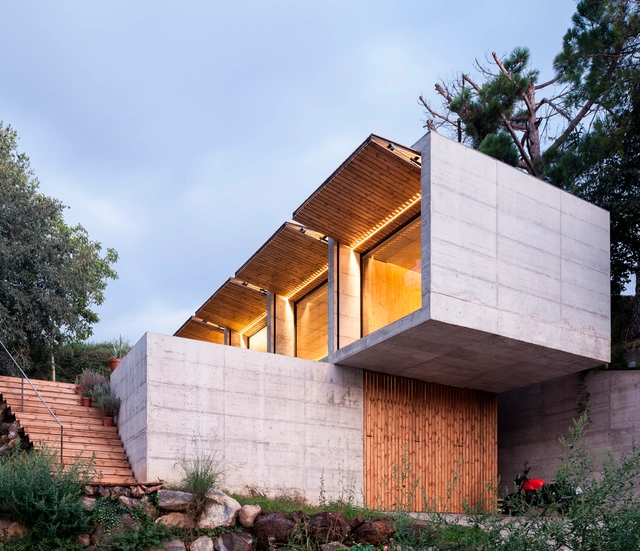
It's no secret that concrete has one of the highest CO2 emissions of all building materials, making it a focal point for architects looking to innovate and experiment with it as a way to optimize its production and application in construction while decreasing its environmental impact. This exploration of elements such as concrete's thermal inertia, which could serve to make buildings more energy efficient, as well as its durability, which guarantees a long-lasting, zero- maintenance structure even in the most extreme of climates. The ultimate goal is to create luminous living spaces with natural ventilation while simultaneously exploring the possibility of reusing frameworks as a way of cutting costs and streamlining the building process.
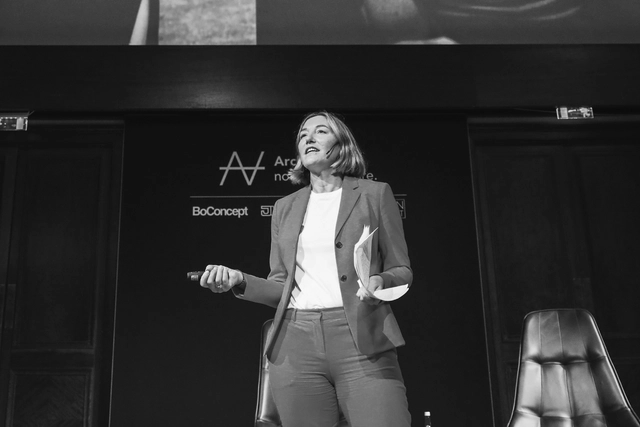
Architects, not Architecture decided to open their archive to help us cope with the current situation of not being able to go out as usual and create a source of inspiration and entertainment through sharing one of the unique talks from their previous 35 events, which have never been published before – including those of architects like Daniel Libeskind, Tatiana Bilbao, Peter Cook, Richard Rogers, Massimiliano Fuksas, Kim Herforth Nielsen, Ben van Berkel, Benedetta Tagliabue, Anupama Kundoo, Sadie Morgan, Dan Stubbergaard, Manuelle Gautrand and Kjetil Thorsen,
Every week, Archdaily will be sharing one of the Architects, not Architecture. talks which they are currently publishing online in the form of daily full-length video uploads as part of their event: Home Edition 2020 (www.architectsnotarchitecture.com).
Architect Li Hua was born in 1972 in China. He studied architecture at China’s leading school, Tsinghua University, from which he received his bachelor’s (1994) and master’s (1997) degrees. He continued his studies at Yale University, graduating with his second Master of Architecture in 1999. Hua then stayed in the US, practicing in New York at Herbert Beckhard Frank Richlan & Associates. The firm’s founders used to be partners at Marcel Breuer office before starting their own practice in the early 1980s. This experience introduced Hua to dealing with masonry and precast concrete, while working on cultural and educational projects in the New York area. Returning to Beijing in 2003, Hua established Universal Architecture Studio (UAS) with his former classmate at Tsinghua. Parallel to that, he started his teaching career – first at the Central Academy of Fine Arts, CAFA and then at his Alma Mater. In 2009, Hua left the partnership and established his own practice, Trace Architecture Office, TAO. His studio currently numbers about twenty architects. TAO’s most prominent built projects include Huandao Middle School in Hainan province (2018), Xinzhai Coffee Manor in Yunnan (2018), Wuyishan Bamboo Raft Factory in Fujian (2013), and Museum of Handcraft Paper in Yunnan (2010). The architect won many prestigious honors and was shortlisted for the 2013 Aga Kahn Award. The following interview was conducted at the architect’s office in Caochangdi Village, a thriving arts and culture hub on the outskirts of Beijing.
Almost two months have passed since the quarantine regime started in several countries as a strategy to reduce the transmission rate of the coronavirus. Since then, a considerable part of the architecture professionals has started to adopt telework or home office, keeping up with the projects that have already started, supported by a number of new online meeting tools, document storage in the cloud and BIM models.
https://www.archdaily.com/938534/what-can-we-do-to-overcome-or-avoid-the-next-crisis-in-architecture-and-constructionEquipe ArchDaily Brasil
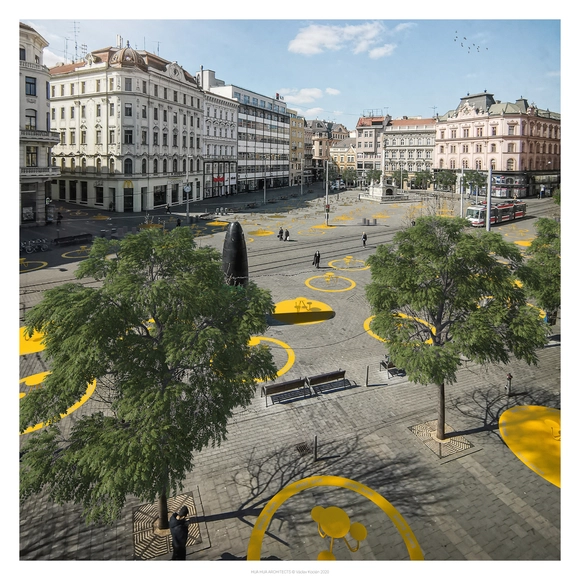
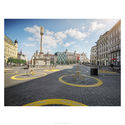
HUA HUA Architects has imagined a proposal that can reconcile people and public spaces, post Covid-19. The Gastro Safe Zone program aims to awaken stagnant gastronomic businesses by regulating outside eating and ensuring the required social distancing measures. The first prototype has been already installed in the streets of Brno in the Czech Republic.
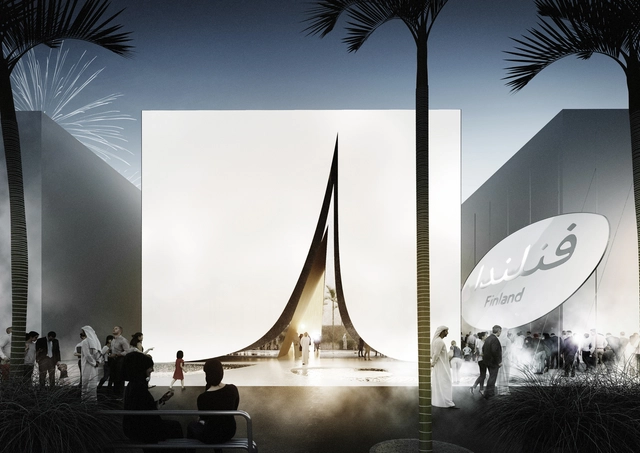
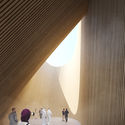
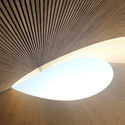
The FinlandPavilion for Expo Dubai 2020 draws inspiration from Finnish nature, design, and innovation. Imagined by JKMM Architects, the project also takes on elements from the local context, with tent-like features.
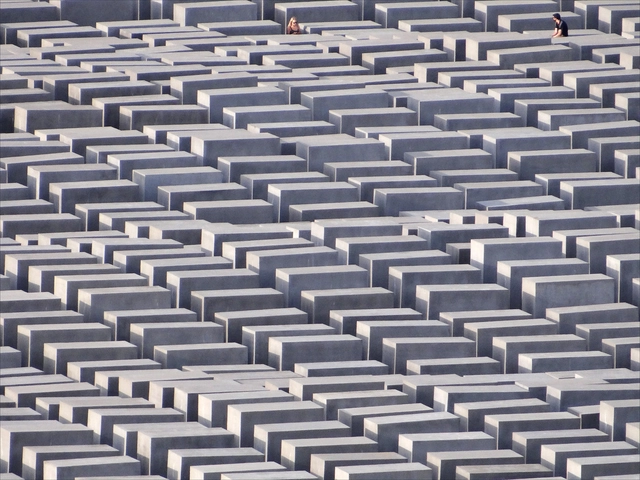
The Louisiana Channel recently released a new interview with Peter Eisenman on the Memorial to the Murdered Jews of Europe in Berlin. Sharing his thoughts on what went into building the memorial, he touches on the desire to move away from Jewish symbolism. The video explores the larger idea and feeling of being lost in space and time, a concept that Eisenman describes as a "field of otherness."
Memory is unique to the individual. Physical places are often strong triggers for memories, or else can be the focus of the memory itself. In AXOR's personal new campaign, "AXOR Places", design partners of the brand share their "Place of Memory". Complemented by aerial landscape photography by Tom Hegen, the designers' stories showcase their individual experiences of place. The photography connects the personal "Places of Memory" with the individualization possibilities offered by the AXOR MyEdition faucet collection.
While opting for still images seems to be the most utilized means of presenting a project, some architects choose to invite viewers into the architecture itself, allowing them to experience the building and its surroundings immersively. Since 2006, architecture filmography studio Spirit of Space has engaged viewers with over 200 short films of projects built by world-renowned architects such as Peter Zumthor, Steven Holl, Daniel Libeskind, and Jeanne Gang. The studio’s multidisciplinary team has combined visuals with customized soundtracks, elevating the journey and turning it into a multi-sensory experience.
The disruption caused by the coronavirus may have opened doors that many have been waiting for. Preliminary studies support that we experienced a faster technological revolution during the last three months than ever before. Forced to adapt, and to ensure the liveability of urban fabrics, policymakers are reviewing data protocols and legislations, giving way to tech-powered urban health solutions. However, many of those amendments will stay post virus. The precedence gained as a legacy will offer cause for both wonder and worry for our urban future.
https://www.archdaily.com/938484/the-cause-of-wonder-and-worry-over-digital-cities-post-virusZaheer Allam, Gaetan Siew and Felix Fokoua
ArchDaily has become one of the 1,000 most visited websites on the Internet, according to the latest Alexa Internet ranking -- an Amazon-owned company that measures the popularity of all Internet sites.
More than 360,000 users visit our flagship English-speaking platform every day, which when combined with our network of Spanish, Portuguese, and Chinese sites, creates a daily global audience of 650,000 people: the most visited architecture network in the world.
But why is this relevant? Why do these numbers matter?
When we started this project 15 years ago, we knew that the expansion of cities would become the biggest challenge for humanity, and that architects, with better access to knowledge, had the ability to radically improve the quality of life of billions of people. That is why we envisioned ArchDaily as a global source of inspiration, knowledge, and tools to help architects face this challenge. A carefully curated, objective, categorized database of projects and knowledge, paired with a stream of globally diverse content.
But architecture is bigger than architects, and it has become - to our joy - a transversal subject. We have all, as a society, understood the importance of our built environment, how it can shape our mindset, improve our well being, form our education, and drive opportunities and set the grounds for a more egalitarian society. Moreover, a bounty of changes in urban and economic dynamics is also molding architecture into something more relevant, more recognizable, and more democratic. That is why our profession and craft are permeating into Netflix and Apple TV shows, becoming an object of admiration on Instagram, and representing something that you can dream of, aspire to, and work towards catalogues such as Pinterest.
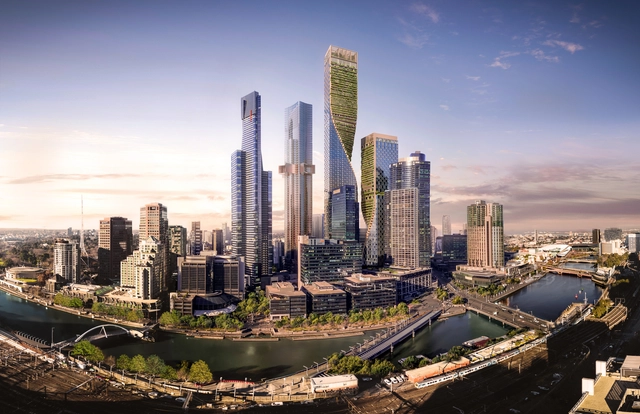
The Victorian State Government has given official approval for the Southbank project, in Melbourne, with construction scheduled for next year. Set to become Australia’s tallest tower, the building is conceived by Dutch firm UNStudio and local firm Cox Architecture.
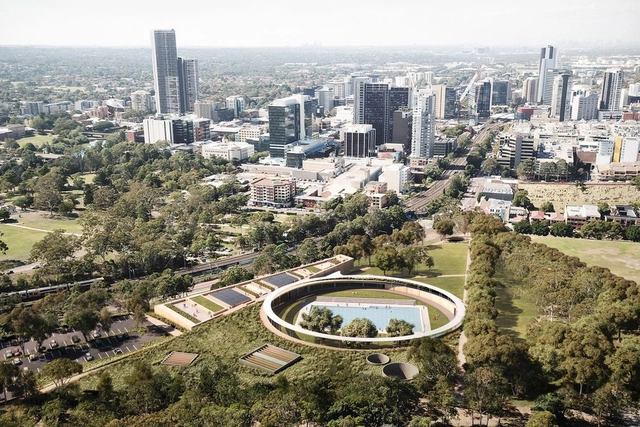
Parramatta City Council has approved the new Aquatic and Leisure Center project by Grimshaw, Andrew Burges Architects and McGregor Coxall. Located in New South Wales, Australia, the project was reviewed via a development application that outlined the project's vision since its inception in June 2018. The aquatic center will replace the Parramatta Memorial Pool and will integrate with the surrounding park setting.
Autodesk has quickly become an industry standard for architecture and engineering software. Bringing together a range of tools and programs with resources like Autodesk University and the Autodesk Foundation, the company is exploring the future of how we design and build. In an exclusive interview with ArchDaily, we explore the company's thoughts on generative design, machine learning and new emerging technologies.
ArchDaily and Strelka Mag have launched a jointly curated section that will host projects of emerging architects and offices that promote new design ideas and bring about positive transformations in their cities.
Another year, another successful ArchDaily China Building of the Year Awards! With more than 20,000 votes gathered over the past 20 days, the results of the 2020 edition are in! Once more, the award has proved to be the largest architecture prize centered around people’s opinion. Crowdsourced, the most relevant projects of the year were nominated and selected by our readers.
This year we celebrate three projects -- highlighting a wide range of interventions, typologies, scale, material and locations, the winners are a mere reflection of the vast outreach of the profession. With new names surfacing every year, this edition, as the previous ones did, honors well-established practices and the newcomers. High-profile figures include Atelier FCJZ with its bridge museum in the Chinese countryside, Neri&Hu Design and Research Office and its sculpture art center, and Atelier Lai's Bamboo Bridge.
True to its status, ArchDaily China, the most far-reaching Chinese architectural website, is and will always be a platform for all architecture enthusiasts. Curating the best in the world, thanks to the trust of architectural firms and the devotion of our readers, ArchDaily’s realm keeps expanding exponentially. For that, we are grateful!











.jpg?1587656580)
.jpg?1587656568 "HU – Strasbourg / S&AA. Image Cortesía de Porcelanosa Grupo")

.jpg?1587656568)


ZHUO-Yuxing.jpg?1588082543&format=webp&width=640&height=580)
ChenHao.jpg?1588082713 "© Chen Hao. Xinzhai Coffee Manor")
Su-Shengliang.jpg?1588082770 "© Su Shengliang. Xinzhai Coffee Manor")
Schran-Images.jpg?1588082267 "© Schran Image")
Chen-Hao.jpg?1588082697 "© Chen Hao. Xinzhai Coffee Manor")
ZHUO-Yuxing.jpg?1588082543)








au_003_cp_4K.jpg?1588061761&format=webp&width=640&height=580)



au_003_cp_4K.jpg?1588061761)
_(1).jpg?1587734157&format=webp&width=640&height=580)