


-
Architects: Inblum Architects
- Area: 259 m²
- Year: 2026
-
Manufacturers: Brolis Timber


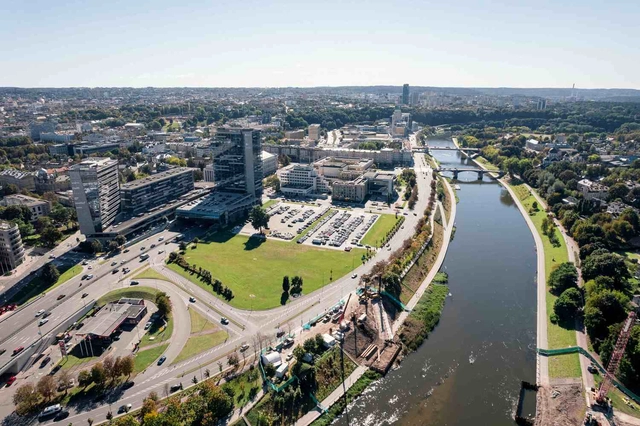
Vilnius has launched an open international architectural competition to select the design concept for the future Vilnius Congress Centre, a flagship venue aimed at transforming the city’s competitiveness in the global meetings and events market. Proposals are invited until 16 March 2026, with a total prize fund of 100 000 euros. The winning concept will form the basis for a next-generation congress centre planned for completion at the end of 2031 on A. Goštauto street, next to the Parliament of the Republic of Lithuania.
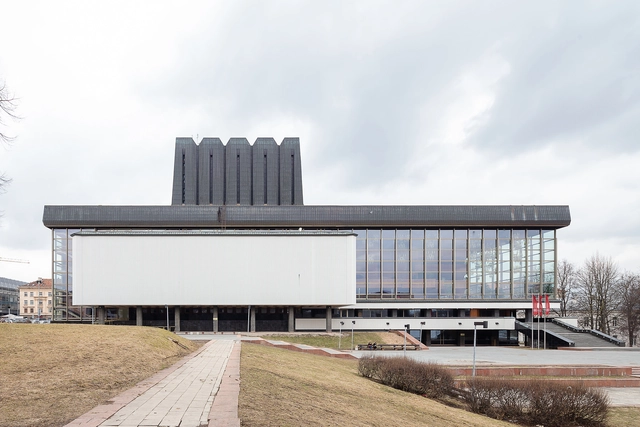
Standing out among the array of cultural programs, the opera and theater typology is often understood as encompassing the luxurious and elitist spirit of a bourgeois society focused on entertainment. Across the Soviet Union, this represented the opposite of the principles to be promoted. However, despite the opposition of the political class, the program remained widely popular. As the historical structures, symbols of the previous regime could no longer be promoted, the search began for a new image of the Opera House, one aligned with Socialist ideals and the concept of "art belonging to the masses."
This is the case of Soviet Lithuania, which, in the 1940s, began the process of developing a new Opera and Ballet Theater in Vilnius to replace the theatre in Pohulianka. The process resulted in an unusual commission, as young architect Elena Nijolė Bučiūtė won the 1960s competition for architectural design, turning the initial socialist realist proposals into a welcoming and expressive design, blending elements of early and late modernism. This also represents a surprising accomplishment for a young architect who was a woman and not a member of the Communist Party. Open House Vilnius featured the project in its program for several editions.
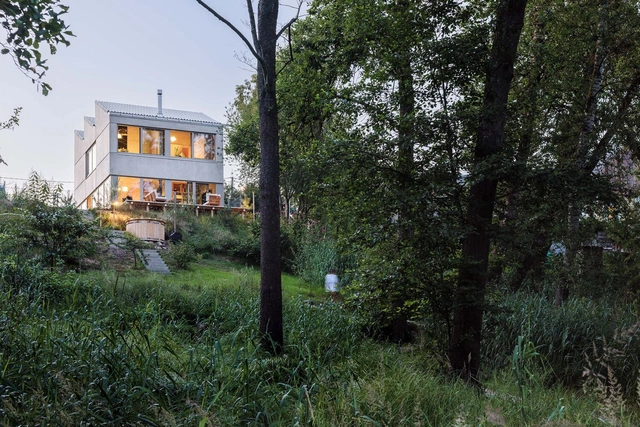
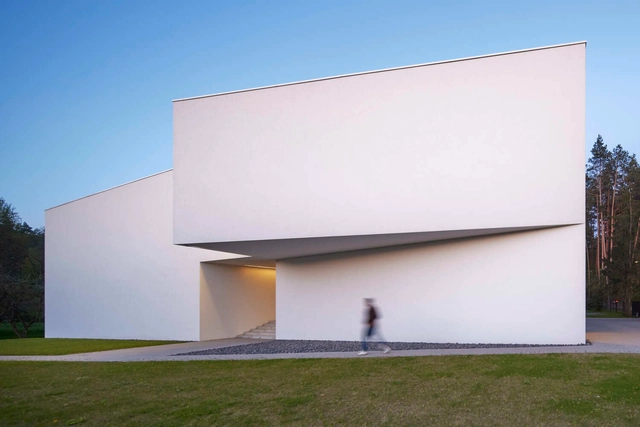
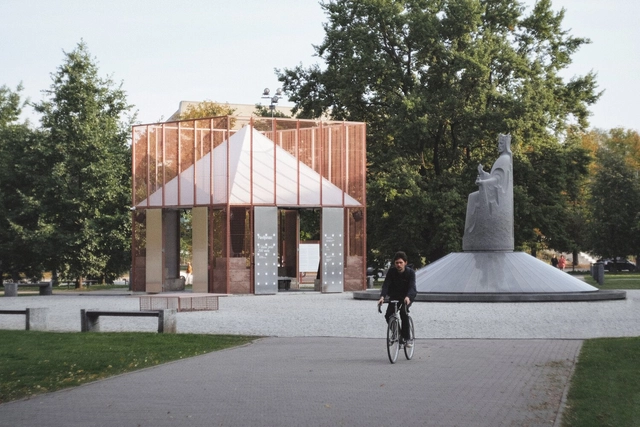
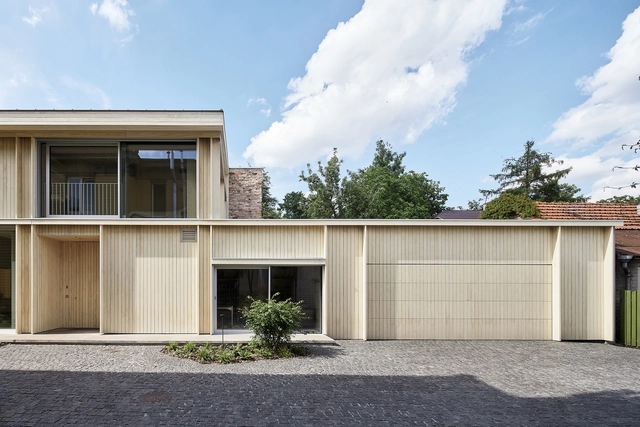
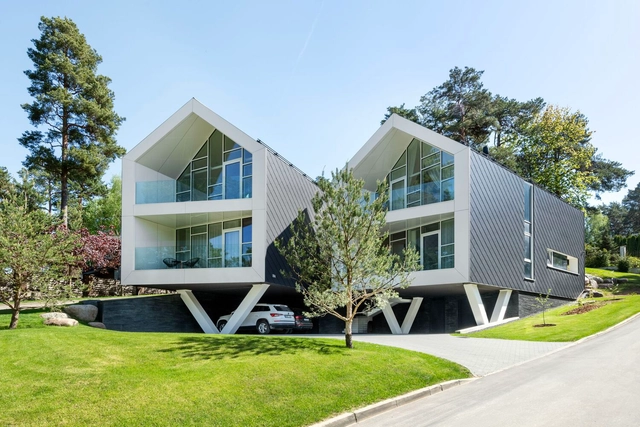
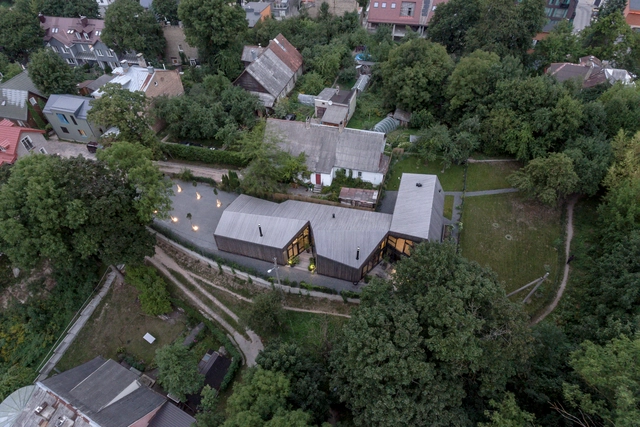

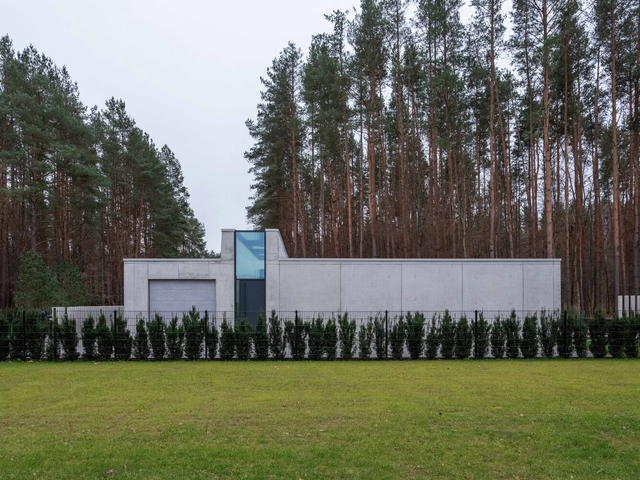
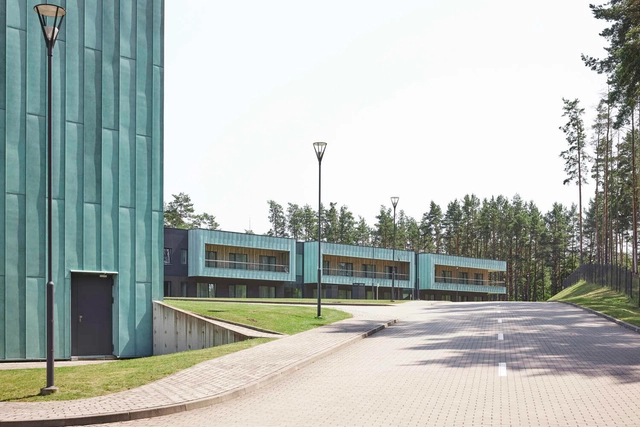
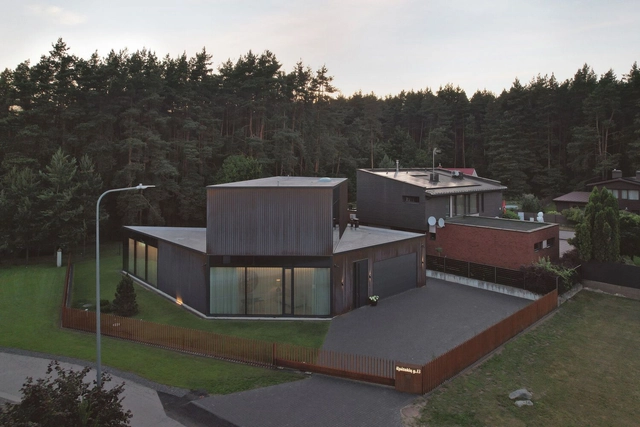
Lithuania's architectural narrative is a mosaic of diverse influences and styles, representing its historical evolution, cultural heritage, and resilience through changing times. Despite a focus on traditional craftsmanship, functional minimalism, and sustainable materials, the country's design language has been profoundly influenced by its geopolitical position and historical events, resulting in a blend of styles from different periods. A key factor that cuts across all expressions, however, is Lithuanian architecture's seamless connection with its natural surroundings.
.jpg?1600143065&format=webp&width=640&height=580)
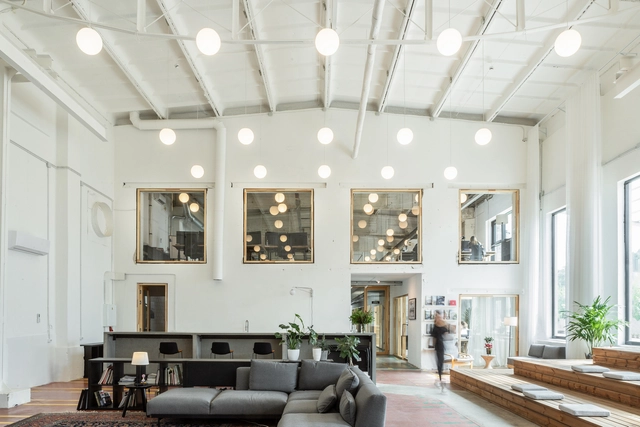
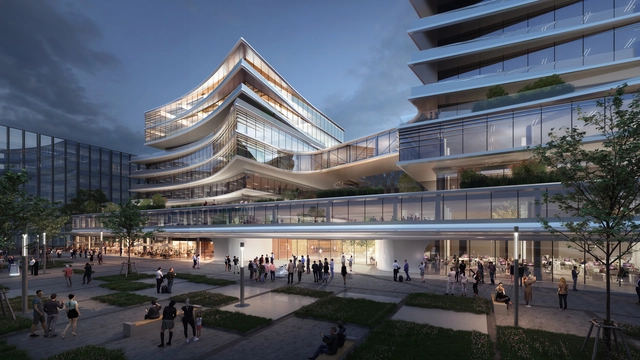
The Zaha Hadid-designed Business Stadium Central has been granted approval by the City of Vilnius. In collaboration with Lithuanian developer Hanner, the project seeks to become a new gathering place for the city, creating a variety of new public spaces and amenities with flexible workplaces as well as health and wellness facilities for everyone in Vilnius. Construction is scheduled for the second quarter of this year.
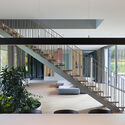
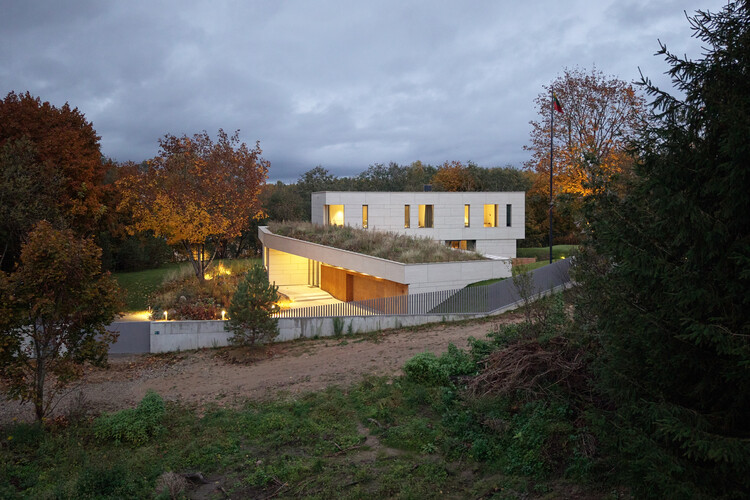
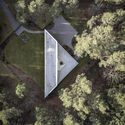
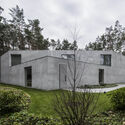
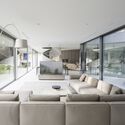
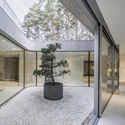
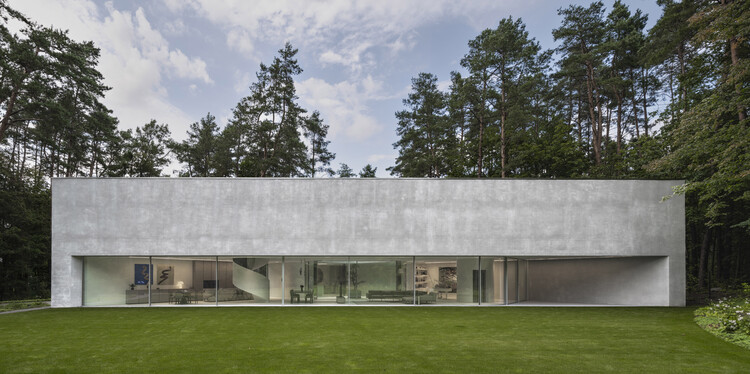

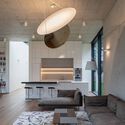
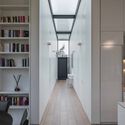
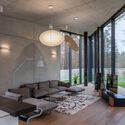


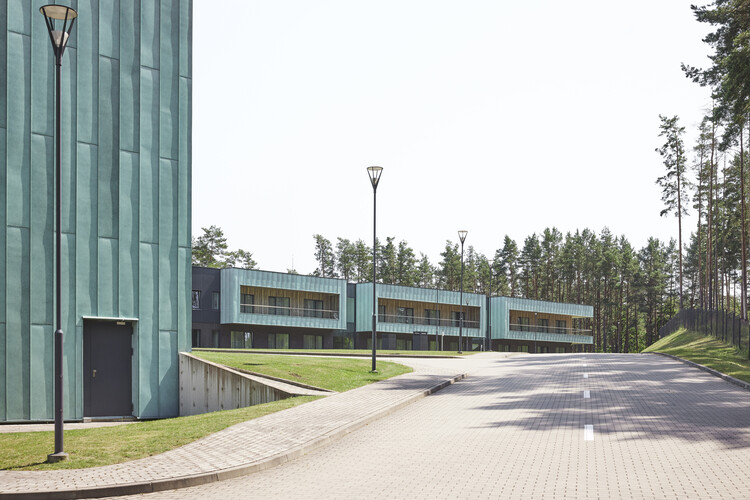


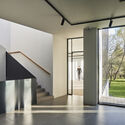
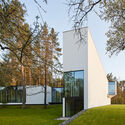


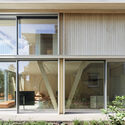
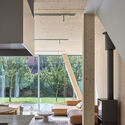
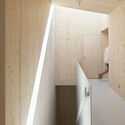

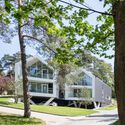
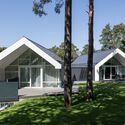
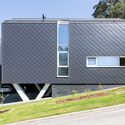
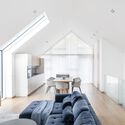


.jpg?1600143119 "© Leonas Garbačiauskas")
.jpg?1600143136 "© Leonas Garbačiauskas")
.jpg?1600143297 "© Leonas Garbačiauskas")
.jpg?1600143554 "© Leonas Garbačiauskas")
.jpg?1600143065)


