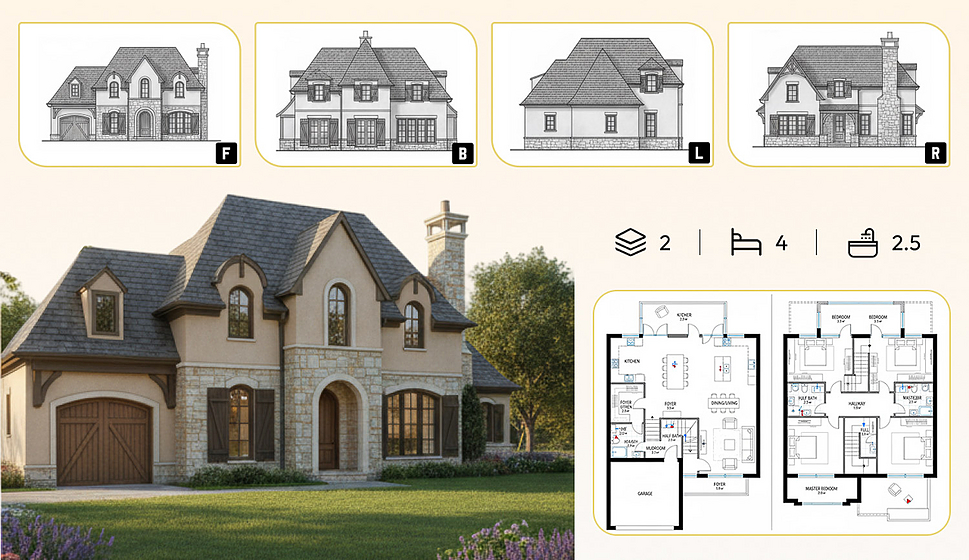
This guide covers a workflow that moves from project parameters to generated floor plans, 3D perspective views, exterior design exploration, and site context visualization, using AI tools in place of preliminary CAD and rendering work.
This guide covers a workflow that moves from project parameters to generated floor plans, 3D perspective views, exterior design exploration, and site context visualization, using AI tools in place of preliminary CAD and rendering work.

Following its 7th edition in 2024, an event centered around the theme "Resources For a Future," the Tallinn Architecture Biennale is coming back in 2026 with the question of "How Much?" Organised by the Estonian Centre for Architecture and curated by Stuudio TÄNA, Mark Aleksander Fischer, and Mira Samonig. From September 9 to November 30, 2026, the biennale will explore the relationship between constraint, cost, and architecture, often in the margins of the architectural discourse but inevitably shaping the built environment, to ultimately unlock new ways of understanding the meaning of value, affordability, and responsibility in architecture. The organization recently released the full program of exhibitions, workshops, concerts, family events, and films for TAB 2026, addressed to both architects and the general public.

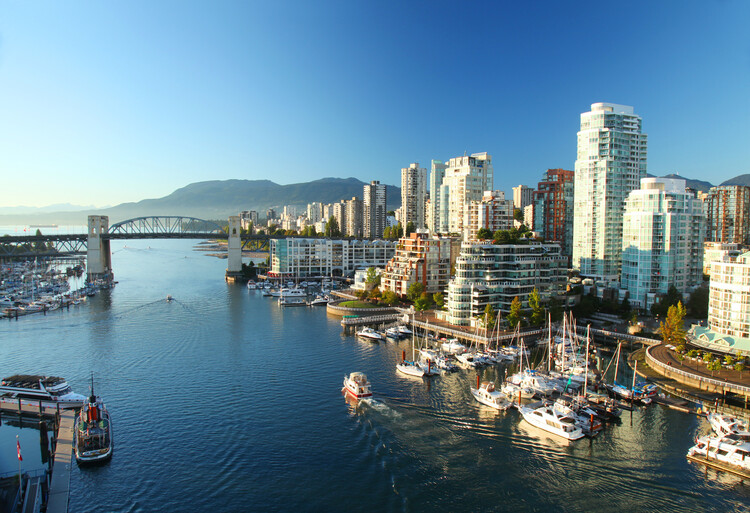
As the overview of the FIFA World Cup 2026 cities continues, we move on to what is currently the most livable city in North America, Vancouver. Dubbed the city of glass by artist Douglas Coupland, who was referring to the downtown's dominant steel-and-glass architectural aesthetic, the city actually boasts diverse architecture, from 20th-century Edwardian buildings to unique 21st-century modernist sites.
Vancouver is known for its good quality of life and access to nature. Although it comes at a price, the city offers high-quality services and ample recreational and public spaces, as seen in its architecture. There are many repurposed office and institutional buildings that have taken on a second life as public and hospitality spaces.
There is growing awareness around sustainability—and the environmental cost of prematurely demolishing safe, structurally sound buildings only to replace them with new construction. In the broader race to reduce carbon emissions, corporations and institutions are placing greater emphasis on ESG performance (environmental impact, social responsibility, and governance). Many now require carbon accounting, set "carbon-neutral" targets, or purchase carbon credits to offset footprints.
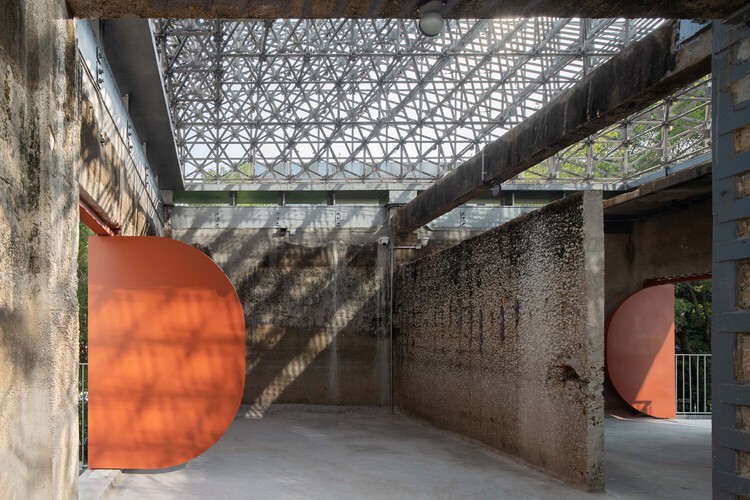
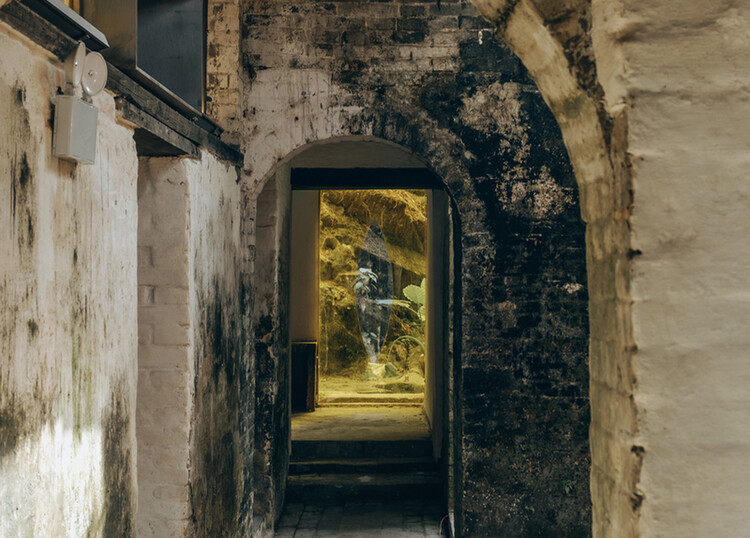
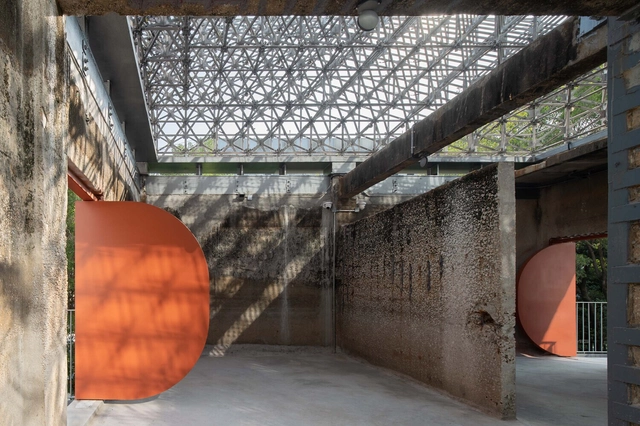
This shift, together with a wave of exemplary adaptive-reuse projects worldwide—Herzog & de Meuron's Tai Kwun in Hong Kong, Powerhouse Arts in Brooklyn, David Chipperfield's The Ned Doha, and Xu Tiantian's transformations of factories, quarries, and rammed-earth fortresses in China—has accelerated serious reconsideration of reuse as a primary development strategy. Yet despite its many benefits, adaptive reuse is still not as prevalent as it could be. Why and what might be the main obstacles and tensions?

Coastal landscapes often determine far more than views. Steep slopes, fragmented rock formations, dense vegetation, hidden coves, and limited accessibility can shape how privacy, movement, and occupation unfold before architecture enters the site. Their proximity to water and climate make coastal territories highly desirable for habitation, yet their ecological sensitivity and limited geography often place pressure on how development takes shape. Unlike cities, where density can support walkability, infrastructure, and collective urban life, coastal territories operate through more fragile relationships between land, vegetation, and water.
Along many coastlines, development tends to prioritize visibility and proximity to the sea, organizing land through concentrated occupation and expanded circulation networks. Yet certain sites can guide another approach in which geography itself becomes the primary organizing force. How can architecture occupy a landscape without dissolving the qualities that make the site distinct? Located on a secluded peninsula along the Mediterranean coast of Turkey, Gokce Gemile Private Bay explores this question through a low-density architectural approach shaped by geography, controlled access, and spatial distance.

This week's coverage brought together a range of news, projects, and announcements from across the architectural world. Stories included conversations ahead of the UIA World Congress 2026, where architects, critics, and award organizers are set to discuss the evolving role of architectural recognition, alongside BIG's proposal for a new university campus in Bentonville, Arkansas. The week also featured updates on major public and cultural projects, from the redevelopment of New York's Penn Station to the ongoing transformation of London's Olympia and the completion of a new cultural center in Dongguan, China. It also marked the passing of Lorcan O'Herlihy, founder of LOHA, whose practice became known for its commitment to housing, urban density, and socially engaged design across Los Angeles and beyond.

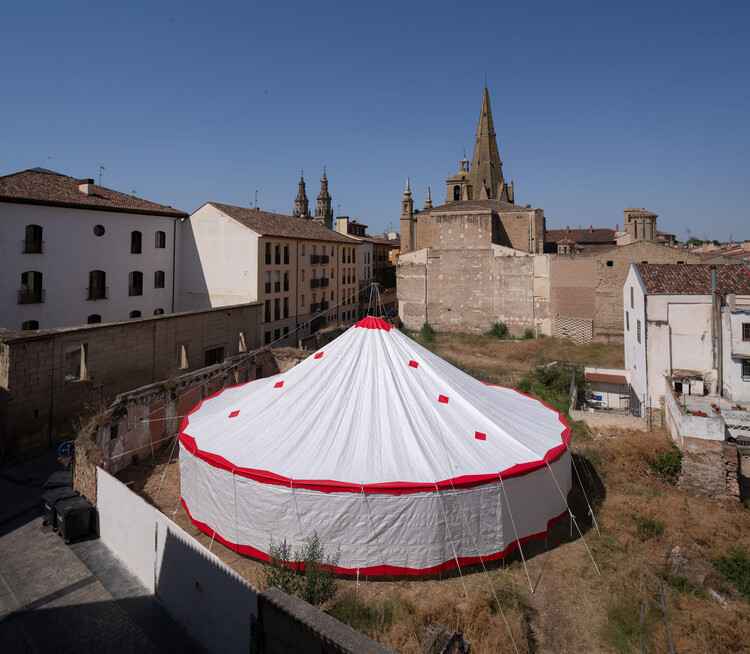
Concéntrico, the large-scale laboratory for architecture, design, and urban experimentation, has officially inaugurated its six-day calendar of activities. The festival is transforming the Spanish city of Logroño from June 18 to 23, 2026, with a series of collective, festive, and performative practices in public space. The program includes 24 installations by international practices and creators, distributed across squares, vacant plots, streets, bridges, and emblematic spaces throughout the city. The urban interventions range from a circus designed by Smiljan Radić to street sound recordings for a vinyl album of the festival by Sounds of Architecture Records, also featuring three winning proposals from its international call for entries.

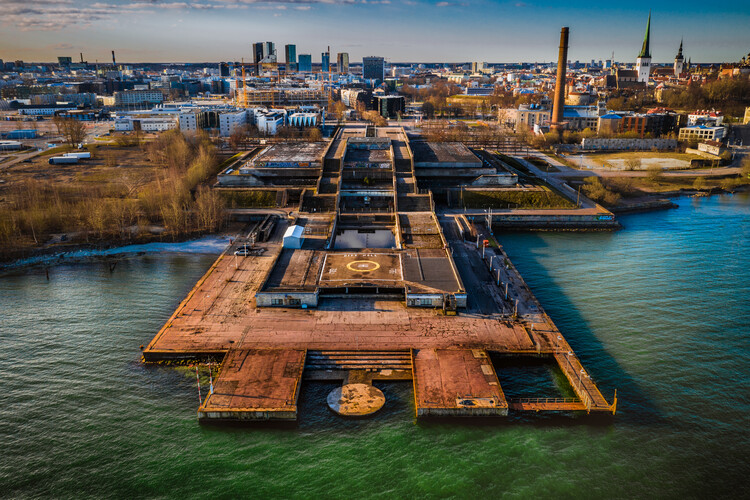
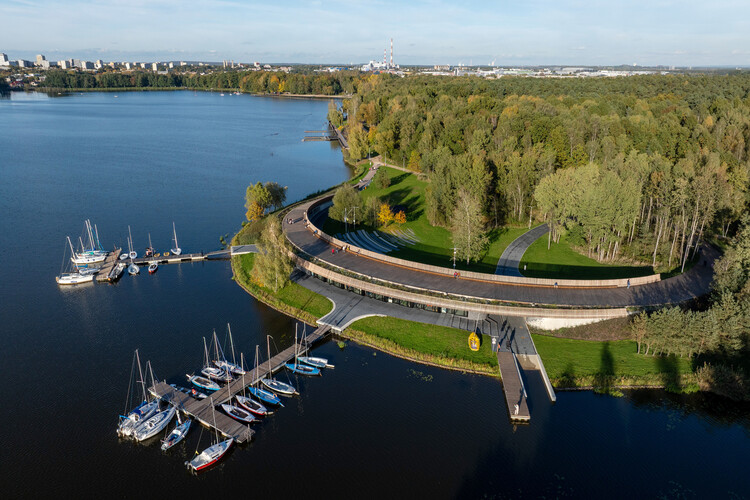
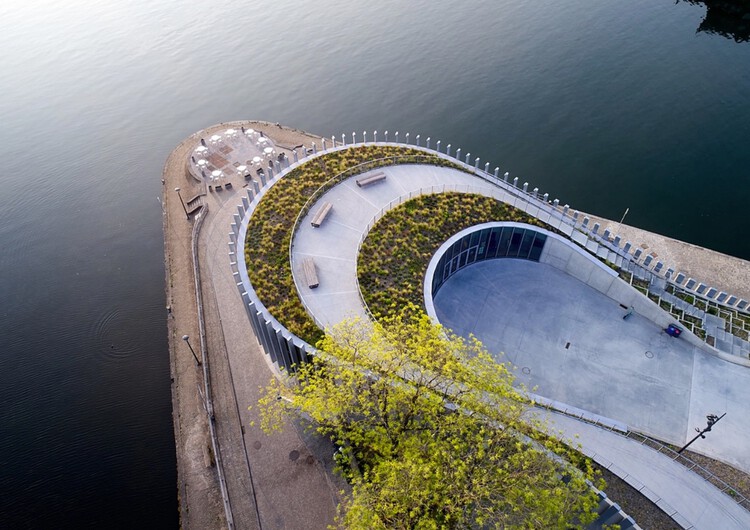
The land-water interface has always played a fundamental role in the formation and development of cities. From ancient commercial ports to today's multifunctional waterfronts, maritime and riverfront areas represent spaces of immense economic and social potential. Within this context, contemporary nautical complexes increasingly serve as strategic urban amenities capable of integrating diverse activities, fostering a reconnection between city and water, and revitalizing often underutilized landscapes.

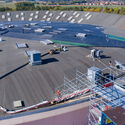
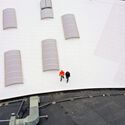
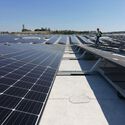
Building roofs are advancing through a multidimensional optimization process that encompasses technological innovations, new materials, energy-saving performance, and faster construction methods. From green roofs and rainwater harvesting systems to solar panels, contemporary architects are working to balance aesthetics, performance, durability, and environmental impact in their projects. Roof renovation not only extends the service life of buildings but also reflects an environmental commitment by improving efficiency and sustainability.

From acoustic and thermal cladding systems to masonry units and textiles made from agricultural waste, experimentation with bio-based materials continues to drive sustainable solutions for the construction industry. Faced with the urgent need to rethink how we conceive of and interact with the materials that shape the built environment, professionals, researchers, and educators are addressing different design scales and project phases, recognizing the importance of reducing carbon emissions and the industry's environmental impact. In partnership with Bagaceira Project, the Sugarcrete® acoustic and thermal panel prototype, developed by the University of East London (UEL), demonstrates how low-carbon design can transform agricultural waste into high-performance building materials.

Moving from the drafting table to the computer screen, the digitization of drawings and documentation marked the first phase of digital transformation in architecture firms. The second introduced BIM, connecting project information through cloud platforms and collaborative workflows. Nowadays, a new phase is emerging, defined by artificial intelligence, automation, and more specialized software ecosystems. The paradox is that while previous phases were dominated by a small number of tools, today's landscape offers an abundance of highly specialized, AI-enabled, and often overlapping solutions competing for attention. While purchasing new software is often the easiest part of digital transformation, the greater challenge lies in changing established workflows and behaviors, which is why many new tools struggle to achieve lasting adoption.

Established through a collaboration between the International Union of Architects (UIA) and UN-Habitat, the UIA 2030 Award recognizes projects that demonstrate how design can contribute to the achievement of the United Nations Sustainable Development Goals (SDGs). Announced during the 2026 World Urban Forum in Baku, Azerbaijan, the third cycle of the biennial award honored projects that address issues ranging from water management and affordable housing to participatory planning, access to public space, and climate resilience.

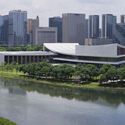
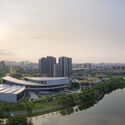
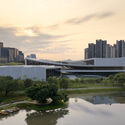
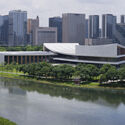
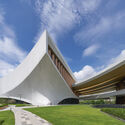
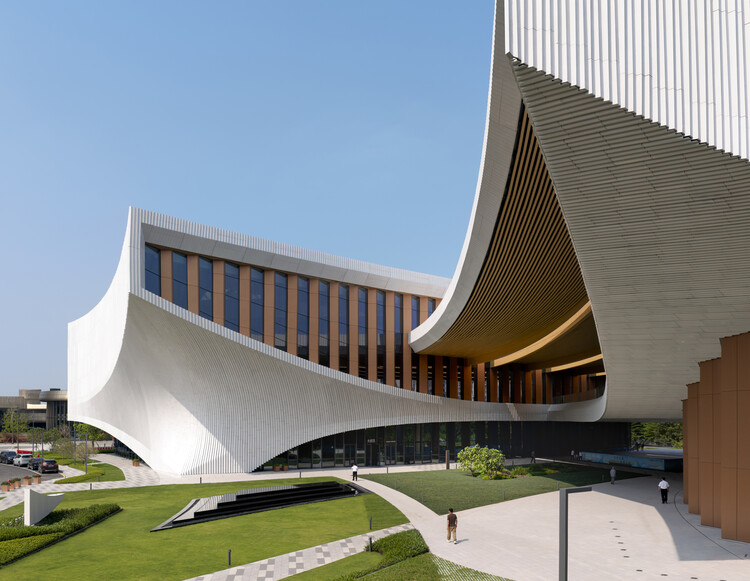
The Songshan Lake Exhibition and Performance Center, designed by ZHA in collaboration with the Beijing Institute of Architectural Design, is a new cultural and sports facility in Dongguan City, China. It's located in the city's High-Tech Industrial Development Zone, a technological innovation and science city established in 2001 as a hub for research, development, and high-tech manufacturing. Covering a total floor area of 45,000 square metres, the new cultural centre was designed to be a civic and cultural anchor for the Guangdong-Hong Kong-Macao Greater Bay Area (GBA). The construction of the riverside building started in 2021, and the complex was officially opened on March 30, 2026.

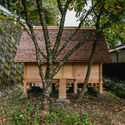
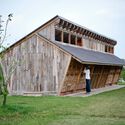
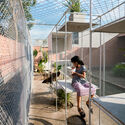
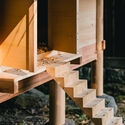
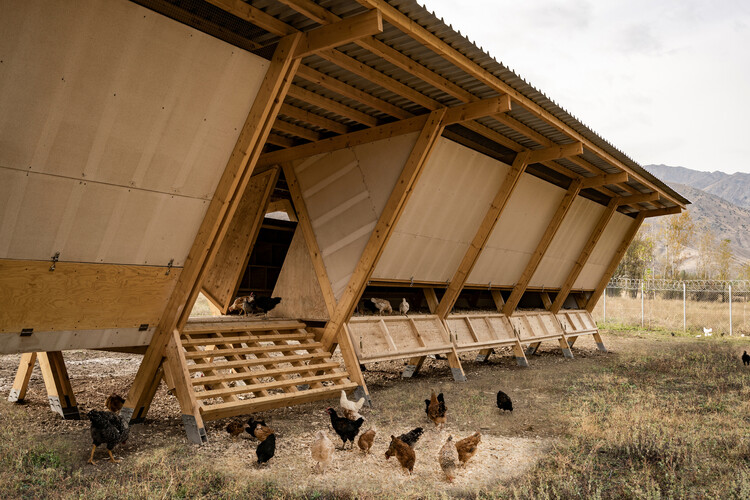
For centuries, chickens have lived alongside people in settlements of every scale, from rural farms and village compounds to dense urban neighborhoods. Across much of the world, keeping a flock has been part of everyday life, providing eggs and meat to residents, or pest control for the surrounding agricultural land. The structures built to house chickens varied according to local materials, climate, and cultural practices, yet they shared a common purpose: to create a space where chickens and humans could coexist. The chicken coop is not a new architectural typology nor a contemporary response to urban living. Instead, it is a form that has continually adapted to changing social, environmental, and spatial conditions.

The kitchen has evolved from a functional space into a shared environment and the heart of many households. Serving as the setting for daily rituals in countless families—and even collective practices in urban life—food brings people together, making the design of spaces that respond to these needs essential to everyday living. Beyond the various kitchen layouts, aesthetics, and configurations, the integration of appliances and equipment plays a key role supporting storage, preservation, and daily use that cooking demands. From innovative technologies to advanced materials, these elements shape contemporary kitchen spaces that bring together customs and cultures from diverse backgrounds.

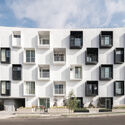
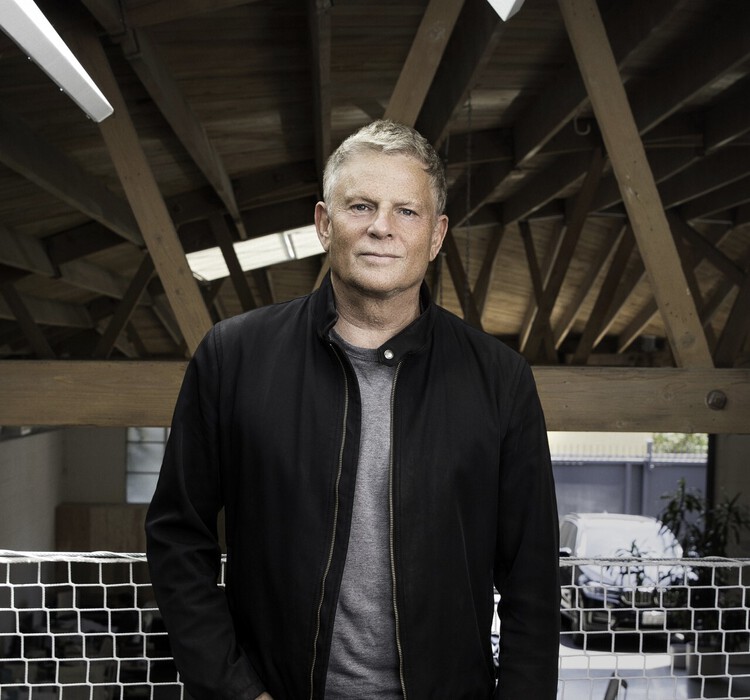
Lorcan O'Herlihy, the Irish-born architect, educator, and founder of Los Angeles-based Lorcan O'Herlihy Architects (LOHA), has died at the age of 66. His death was confirmed by the firm on June 14, 2026. Over a career spanning more than three decades, O'Herlihy became known for advancing an architectural practice centered on housing, urbanism, and social engagement, helping shape conversations around density, affordability, and the civic role of design in contemporary cities.

A collective discussion titled "Beyond Recognition: Exploring the Role of Architectural Awards" is taking place on June 29 in Barcelona, on the occasion of the UIA World Congress of Architects 2026. The debate starts from the conviction that, in today's context of accelerating global challenges, the role of architectural awards must evolve. The event follows the conversation initiated during the 2025 Venice Architecture Biennale, where the relevance of awards was questioned, paving the way for a new conversation on how architectural awards can contribute to shaping practice, institutions, and public discourse. The discussion sessions are convened by representatives of major international awards: the Aga Khan Award for Architecture, Ammodo Architecture Award, EUmies Awards, Holcim Foundation Awards, Mies Crown Hall Americas Prize, and the OBEL Award, and are joined by prominent figures in the field of architecture and design.

Contemporary architecture has learned to celebrate living matter. Mycelium panels, algae systems, living walls, life is now welcomed into buildings, framed as innovation. Yet the same discipline that celebrates these organisms treats mold as contamination. Both are biological. Both respond to moisture, temperature, and material conditions. The difference is not scientific. It is about which forms of life architecture is willing to accept, and which it prefers to remove.
Mold is not limited to abandoned buildings or poorly maintained interiors. It appears in homes, schools, offices, historic structures, and new construction, across different climates and contexts. This makes it harder to ignore as a minor or isolated problem. If mold keeps returning, what is it telling us about the environments buildings create?

Produced on an industrial scale since the 19th century, steel has profoundly transformed the way we build. Iron, refined through controlled metallurgical processes, has given rise to a material capable of combining mechanical strength, relative lightness, and constructive precision, making possible some of the major achievements of modern engineering and architecture. From skyscrapers and bridges to facades, roofs, and industrialized systems, few materials have had such a significant impact on shaping the built environment.
However, the quality of a material cannot be measured solely by its initial structural performance or its appearance at the time of delivery. Although buildings are often evaluated when they are completed, their true performance only reveals itself over time. Photographs record impeccable facades, newly installed surfaces, and spaces ready for use. The following decades, however, expose these constructions to solar radiation, rain, humidity, salinity, air pollution, and thermal variations. It is in this continuous contact with the environment that material choices are effectively put to the test.

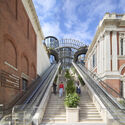
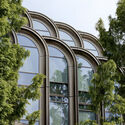
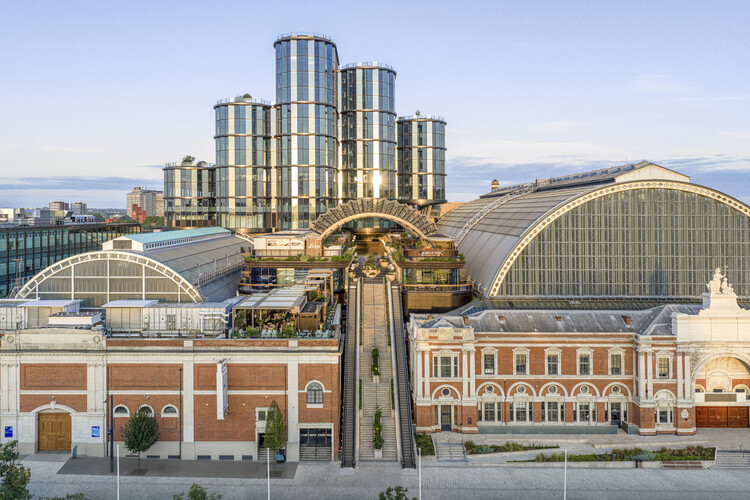
Heatherwick Studio and SPPARC have unveiled the first phase of the transformation of Olympia, a historic exhibition complex in West London, into a mixed-use cultural destination. Originally opened in 1886, the Victorian landmark is undergoing a large-scale redevelopment that aims to reconnect the 14-acre site with the surrounding city through new public spaces, cultural venues, hospitality programs, and commercial facilities. The opening is marked by the completion of a new public canopy, which introduces elevated pedestrian circulation and serves as a gateway into the broader master plan while framing new views across Olympia's historic roofscape. The intervention forms part of a broader master plan that will be implemented through 2026 and 2027.

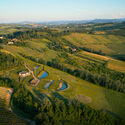
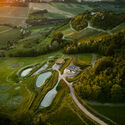
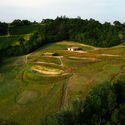
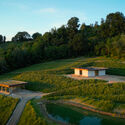
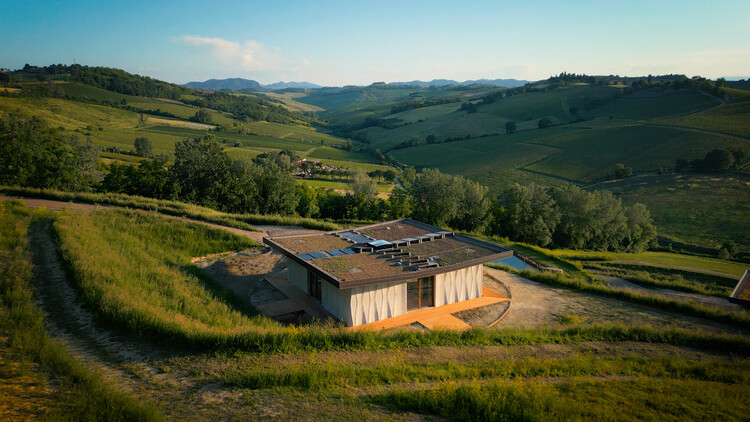
Shamballa, an 8-hectare open-air laboratory and research site dedicated to sustainable living and advanced architectural 3D printing, was inaugurated on June 8, 2026, in the hills of the Emilia-Romagna region in northern Italy. The project is a collaboration between WASP, a 3D printing technology company, and Olfattiva, an aromatherapy and botanical perfumery company, hosting a makers laboratory, a medicinal botanical garden, and "Itaca," a self-sufficient farm built using 3D printing. The building was designed as a model for 3D-printed construction, representing a certified and replicable structure. The outdoor areas host research and development centers, forming an experimental "ecosystem" to develop new ideas in bio-construction and sustainable living, along with automated gardens, rainwater harvesting systems, and initiatives focused on micro circular economies.

After Artemis II's return to Earth, NASA unveiled a new phased plan to establish a Moon Base. Although most of the media's attention went to rockets, budgets, and geopolitical competition, a quieter question was lingering for architects in the background: How can a human being actually live on the surface of the Moon, and for how long? The establishment of a permanent human presence on the Moon marks a fundamental shift in space exploration that requires a new architectural paradigm. In their presentation, NASA officials suggested the strategy would drift away from highly constrained, vehicle-dependent environments toward autonomous, site-adaptive, and eventually permanently habitable structures.

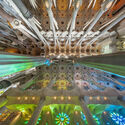
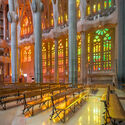
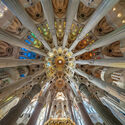
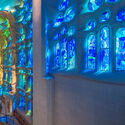
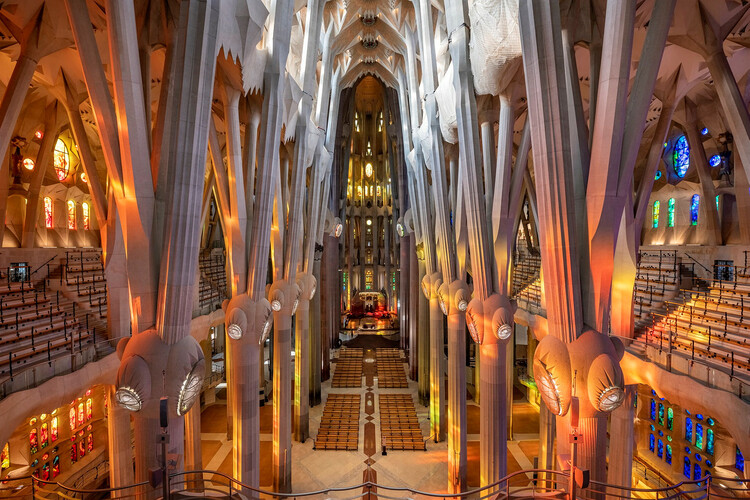
It is afternoon in the summer, and the nave of the Sagrada Família is saturated with warm colors. Shafts of amber and crimson sweep across the stone floor, shift as a cloud passes over Barcelona, then deepen again. Around you, visitors slow without quite realizing it. Some raise their phones — not to capture the architecture, but to step into the light itself, positioning themselves in a pool of orange or gold as if the colours were something you could wear.
They are, without knowing it, doing exactly what Gaudí intended: surrendering, however briefly, to the sensation of being bathed in something larger than themselves.

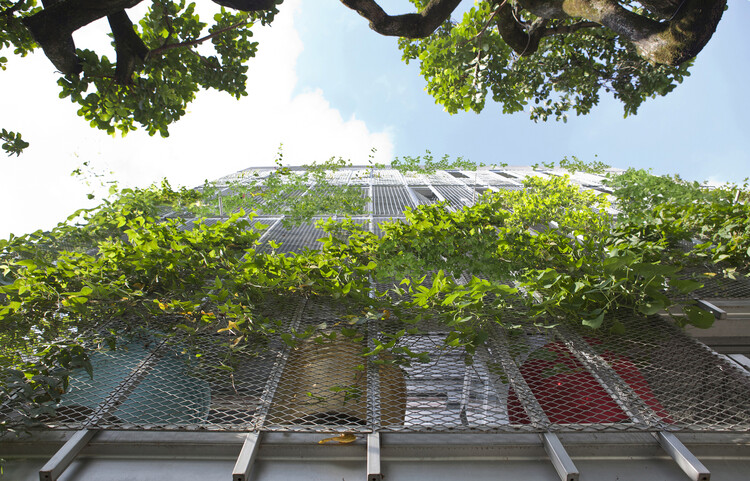
When we think of façades, we rarely think of them as habitats. We see them as the elements that separate interior from exterior, regulate temperature, reduce noise, and protect buildings from external conditions. They give architecture its visual language, but they are also expected to keep the outside world at a distance. In doing so, façades have often been understood as barriers: surfaces that define where human comfort begins and where the environment is meant to remain outside.
But the outside of a building is never empty. For centuries, architecture has unintentionally created opportunities for other forms of life. Birds nested beneath roof tiles, insects occupied cracks in masonry walls, and mosses or plants took root along ledges, gutters, and rough stone surfaces. These conditions were rarely designed with other species in mind, but they created small opportunities for life to inhabit them.

"By 2050, almost every child in the world — nearly 2.2 billion children — will be exposed to frequent heat waves." UNICEF's warning is often read as a public health forecast, but it is also a challenge to architecture and the way cities are built. As extreme heat intensifies across Asia, Europe, and beyond, thermal comfort should not be reduced to merely an indoor service delivered by machines. Air-conditioning has become a life-support system for many cities, especially in dense, humid, and rapidly urbanizing regions. Yet to rely on it as the default answer is to treat heat as something that can simply be moved elsewhere (and in the process generating extra heat) — expelled from interiors into streets, service alleys, energy grids, and the atmosphere. Its expansion increases energy demand, produces waste heat, and reinforces unequal access to comfort.
Heat, however, does not stop at the human body. It reorganizes the wider urban ecosystem: trees struggle with compacted soil and radiant paving; birds and insects lose habitat when planting is reduced to decorative greenery; aquatic systems warm, microbial life shifts, and materials absorb and release heat long after the sun has set. Heat is not simply a climatic problem to be escaped indoors. It is an urban actor that reshapes public space, labor, mobility, planting, material choices, and the fragile relationships between human and nonhuman life.