1. ArchDaily
  2. Cultural Heritage

Cultural Heritage: The Latest Architecture and News

Cultural Heritage Sites in the Middle East Damaged as War Strikes Historic Urban Areas

Audio available

On February 28th, 2026, the news of the loss of human lives, the operational pattern of military strikes, damage to infrastructure, communication disruptions, and international responses following US-Israeli military attacks on Iran confirmed to the world that there was a new focus of war in Southwest Asian territory. This military conflict has also had a human and infrastructural impact on Lebanon, Syria, Iraq, and Jordan, with active combat zones in their territories, and the Gulf States, where damage particularly affected US military bases and energy infrastructure. This adds a new site of armed conflict in the area, following over two years of systematic destruction of life, habitat, and essential facilities in the Gaza Strip, reaching a near total of 81% destroyed structures by the end of 2025. These territories are currently involved in the deliberate destruction of their normality, including essential, everyday, and cultural infrastructure of global value. Although information is currently scattered and partial, it is possible to assess some of the damage to cultural heritage caused by this new outbreak of armed conflict.

Legacy in Matter: Material Traditions in South American Architecture

Audio available

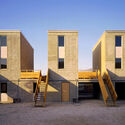
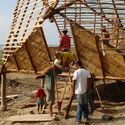
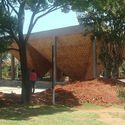
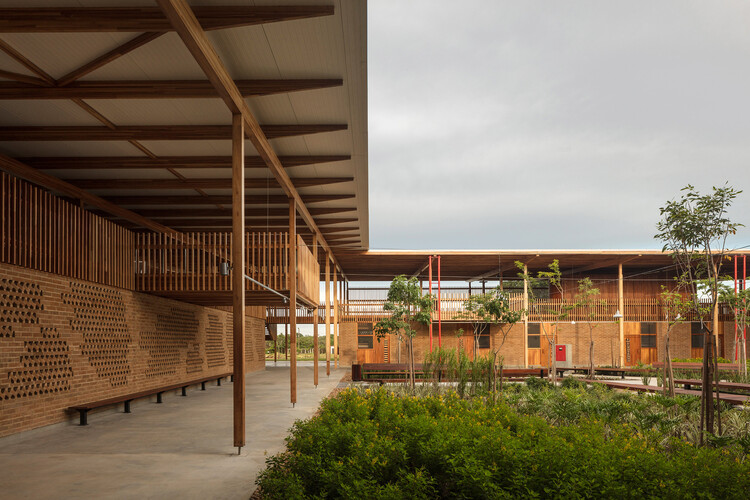
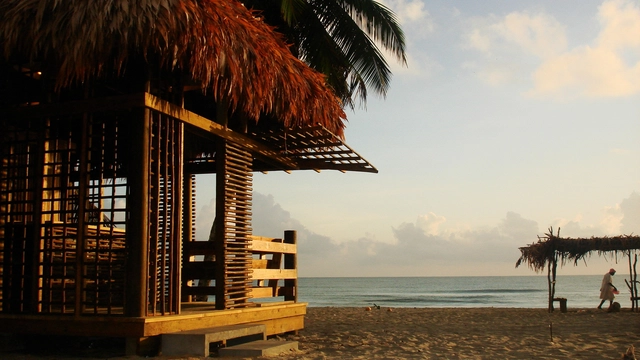
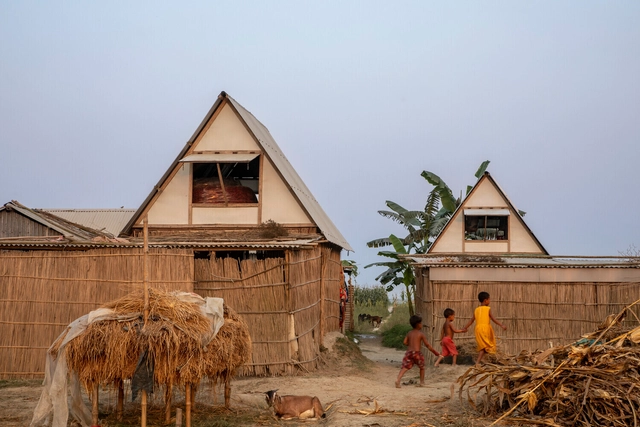
Across South America, architecture endures through the materials it uses, those that persist over time. Bamboo, brick, wood, and concrete appear across regions, connecting climate, labor, and culture in ways that ensure their persistence through generations. Their continuity does not depend solely on preservation or heritage. It depends on use.

In this context, cultural memory does not reside primarily in monuments or images, but in practice. It survives in repeated gestures: laying bricks, tying guadua joints, assembling wood frames, casting slabs that anticipate another floor. These actions are transmitted less through manuals than through participation. Over time, they form systems of knowledge embedded in habit and necessity. Materials endure not because they symbolize the past, but because they continue to work.

Legacy in Matter: Material Traditions in South American Architecture - Image 1 of 4Legacy in Matter: Material Traditions in South American Architecture - Image 2 of 4Legacy in Matter: Material Traditions in South American Architecture - Image 3 of 4Legacy in Matter: Material Traditions in South American Architecture - Image 4 of 4Legacy in Matter: Material Traditions in South American Architecture - More Images+ 12

Subscriber Access

Land of Wells: Designing for Saharan Nomads

Audio available

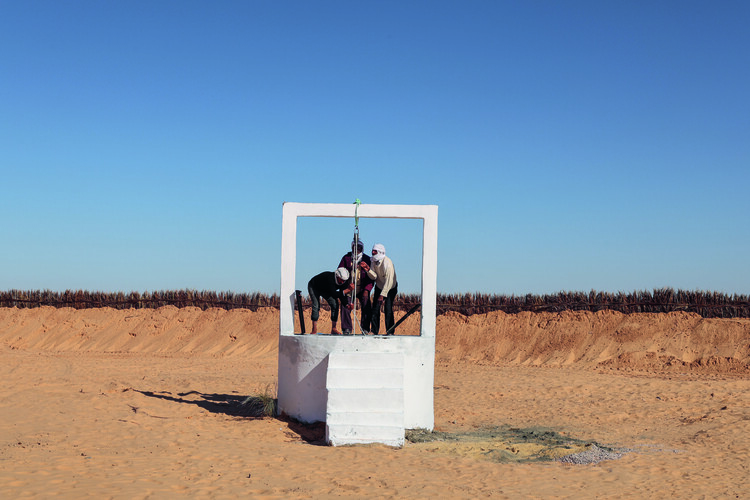
In some languages, the very word for building refers to its immovability. The discipline of engineering related to buildings is referred to as statics. Thus, architecture is closely related to the fixed and the immobile. And yet, for millions of nomadic people around the world, shelters must be of a light and distinctly movable structure, while home is the vast landscape in which they reside. Such lifestyles, which carry centuries of traditions, are constantly under threat from the pull factors of sedentary life in towns and cities. In Tunisia, one project acknowledges the risk of heritage loss and attempts to improve conditions for nomadic herders.

Land of Wells: Designing for Saharan Nomads - Image 1 of 4Land of Wells: Designing for Saharan Nomads - Image 2 of 4Land of Wells: Designing for Saharan Nomads - Image 3 of 4Land of Wells: Designing for Saharan Nomads - Image 4 of 4Land of Wells: Designing for Saharan Nomads - More Images+ 2

Heritage Without Permanence: When Architecture Endures by Disappearing

Audio available

​​A Gothic cathedral can take centuries to complete. A world exposition pavilion may stand for six months. A ritual structure in Kolkata rises and vanishes within five days. Yet each draws pilgrimage, shapes collective memory, and reorganizes urban life. If heritage has long been defined by what endures, architecture repeatedly shows that cultural authority can also belong to what gathers people.

For much of the twentieth century, conservation frameworks privileged permanence. The Venice Charter, adopted by the International Council on Monuments and Sites, focused on safeguarding monuments and their material authenticity. Cultural value was tied to physical fabric such as stone, brick, and timber. To protect heritage was to preserve what stood. The logic felt stable, even self-evident.

Heritage Without Permanence: When Architecture Endures by Disappearing - Imagen 1 de 4Heritage Without Permanence: When Architecture Endures by Disappearing - Imagen 2 de 4Heritage Without Permanence: When Architecture Endures by Disappearing - Imagen 3 de 4Heritage Without Permanence: When Architecture Endures by Disappearing - Imagen 4 de 4Heritage Without Permanence: When Architecture Endures by Disappearing - More Images+ 8

London’s Brutalist Heritage and Australia’s New City: This Week’s Review

Audio available

This week's news brings together developments in professional recognition, cultural programming, and large-scale urban strategy, reflecting the multiple scales at which architecture shapes contemporary discourse. As the field anticipates the next Pritzker Architecture Prize announcement, conversations around authorship, civic responsibility, and long-term impact unfold alongside the American Institute of Architects' 2026 Honorary Fellowship appointments, situating individual achievement within broader institutional frameworks. At the same time, updates from Riyadh to London foreground the role of architecture in both enabling new cultural platforms and safeguarding post-war heritage. Complementing these narratives, the reassignment of the 2029 Asian Winter Games and progress on expansive public landscapes highlight how cities are aligning infrastructure delivery, environmental resilience, and territorial planning with long-term economic and social agendas.

London’s Brutalist Heritage and Australia’s New City: This Week’s Review - 1 的图像 4London’s Brutalist Heritage and Australia’s New City: This Week’s Review - 2 的图像 4London’s Brutalist Heritage and Australia’s New City: This Week’s Review - 3 的图像 4London’s Brutalist Heritage and Australia’s New City: This Week’s Review - 4 的图像 4London’s Brutalist Heritage and Australia’s New City: This Week’s Review - More Images+ 7

Between Materials and Memory: Three Madrid Architecture Practices on Heritage Rehabilitation

Audio available

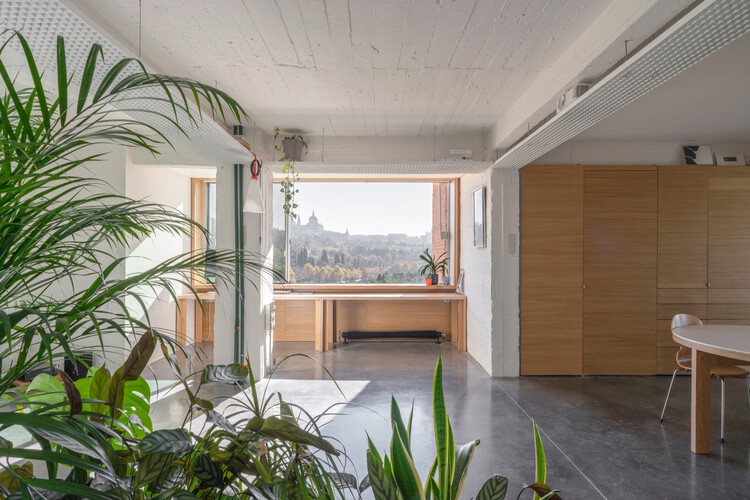
The role of heritage rehabilitation in the contemporary architectural landscape is shaped by a wide range of research, beliefs, memories, and efforts aimed at redefining and strengthening our built environment. When undertaking a transformation, renovation, or preservation project, architects can employ diverse strategies and tools to encourage a meaningful coexistence between what already exists and what is newly introduced. Together with three Madrid-based architecture practices—SOLAR, Pachón-Paredes, and BA-RRO—we set out to engage in conversation and explore their creative processes and ideals, recognizing the complexity and value of historic buildings as repositories of materials, structures, and construction techniques from other eras.

Between Materials and Memory: Three Madrid Architecture Practices on Heritage Rehabilitation - Image 1 of 4Between Materials and Memory: Three Madrid Architecture Practices on Heritage Rehabilitation - Image 2 of 4Between Materials and Memory: Three Madrid Architecture Practices on Heritage Rehabilitation - Image 3 of 4Between Materials and Memory: Three Madrid Architecture Practices on Heritage Rehabilitation - Image 4 of 4Between Materials and Memory: Three Madrid Architecture Practices on Heritage Rehabilitation - More Images+ 22

World Monuments Fund Backs 21 Locally Led Heritage Projects Addressing Climate Risks and Indigenous Knowledge Loss

Audio available

World Monuments Fund (WMF) is an independent organization dedicated to safeguarding treasured places around the world that enrich lives and foster mutual understanding across cultures and communities. On February 10, WMF announced a $7 million commitment to support 21 heritage preservation projects launching in 2026. These investments advance work at sites included on the 2025 World Monuments Watch, WMF's nomination-based advocacy program, while also supporting new phases of conservation, planning, and training at additional heritage sites across five continents. The selected sites reflect a wide chronological and geographic range, from ancient cultural landscapes to modern architectural landmarks. The projects highlight the diversity of global heritage, spanning Mughal gardens and Ottoman religious complexes to modernist cinemas, industrial mining landscapes, Indigenous cultural routes, and sacred shrines, and point to the long-term cultural knowledge embedded in its preservation.

World Monuments Fund Backs 21 Locally Led Heritage Projects Addressing Climate Risks and Indigenous Knowledge Loss - Image 1 of 4World Monuments Fund Backs 21 Locally Led Heritage Projects Addressing Climate Risks and Indigenous Knowledge Loss - Image 2 of 4World Monuments Fund Backs 21 Locally Led Heritage Projects Addressing Climate Risks and Indigenous Knowledge Loss - Image 3 of 4World Monuments Fund Backs 21 Locally Led Heritage Projects Addressing Climate Risks and Indigenous Knowledge Loss - Image 4 of 4World Monuments Fund Backs 21 Locally Led Heritage Projects Addressing Climate Risks and Indigenous Knowledge Loss - More Images+ 69

Material Mediation and Architectural Heritage

Audio available

Preserving historic buildings requires simultaneously addressing technical, environmental, and regulatory demands while maintaining the material, cultural, and symbolic continuity of what already exists. As the understanding consolidates that the most sustainable building is the one that is already standing, and that preservation also involves construction knowledge, material traditions, and the social fabrics from which they emerged, these same buildings are increasingly confronted with more rigorous contemporary parameters. Energy efficiency, safety, carbon emission reduction, and regulatory compliance have become unavoidable references, placing architecture before a central tension: how to update what already exists without breaking the continuity that sustains its heritage value.

Heritage After Failure: What We Will Keep From Today’s Architectural Mistakes

Audio available

Architectural heritage is often described as what survives time. Yet survival does not explain why certain buildings are preserved while others disappear. Many works now protected as cultural heritage were once criticized, contested, or openly rejected; they were accused of being socially misguided, materially flawed, or symbolically excessive. Over time, however, these same shortcomings have become central to their meaning as heritage emerges as a slow and unstable process of interpretation.

Contemporary architecture operates under intense scrutiny, pressured by environmental responsibility, social equity, economic volatility, and accelerated technological change. Buildings are expected to perform ethically, efficiently, and symbolically, often simultaneously. As a result, architectural failure is no longer an exception but an increasingly common condition. Projects age faster, materials reveal limitations sooner, and urban strategies quickly fall out of sync with shifting political, social, and environmental realities.

Heritage After Failure: What We Will Keep From Today’s Architectural Mistakes - Image 1 of 4Heritage After Failure: What We Will Keep From Today’s Architectural Mistakes - Image 2 of 4Heritage After Failure: What We Will Keep From Today’s Architectural Mistakes - Image 3 of 4Heritage After Failure: What We Will Keep From Today’s Architectural Mistakes - Image 4 of 4Heritage After Failure: What We Will Keep From Today’s Architectural Mistakes - More Images+ 28

World Wetlands Day 2026: Integrating Traditional Knowledge for Climate Resilience

Audio available

Observed annually on February 2, World Wetlands Day marks the adoption of the Ramsar Convention in 1971 and provides an international framework for recognizing the role of wetlands in environmental protection and sustainable development. The 2026 edition is held under the theme "Wetlands and traditional knowledge: Celebrating cultural heritage," drawing attention to the long-standing relationships between wetland ecosystems and the cultural practices, knowledge systems, and governance structures developed by communities over centuries. The theme highlights how inherited ecological knowledge, often embedded in rituals, seasonal calendars, land-use practices, and spatial organization, has shaped resilient interactions between human settlements and water-based landscapes.

World Wetlands Day 2026: Integrating Traditional Knowledge for Climate Resilience - Image 1 of 4World Wetlands Day 2026: Integrating Traditional Knowledge for Climate Resilience - Image 2 of 4World Wetlands Day 2026: Integrating Traditional Knowledge for Climate Resilience - Image 3 of 4World Wetlands Day 2026: Integrating Traditional Knowledge for Climate Resilience - Image 4 of 4World Wetlands Day 2026: Integrating Traditional Knowledge for Climate Resilience - More Images+ 5

One Week to Milano Cortina 2026: The Cultural Olympiad Expands the Games Through a Distributed Arts and Public Programme

Audio available

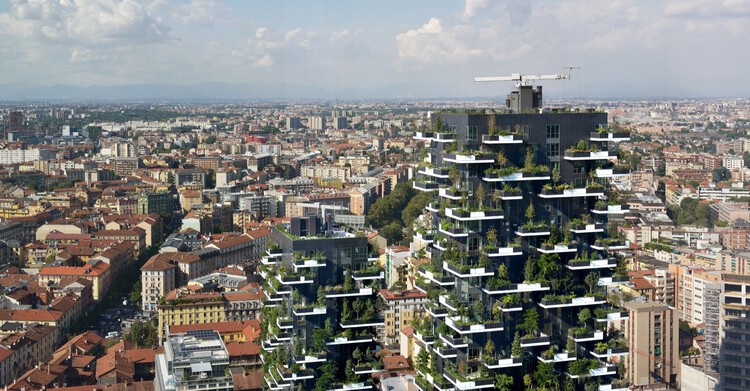
Nearly one week before the start of the Milano Cortina 2026 Winter Olympics, the organizing committee has released official information on the event's Cultural Olympiad: an arts and culture programme accompanying the Olympic and Paralympic Games. The programme is recognized by the IOC as one of the three pillars of the Olympic Movement, alongside sport and education. Conceived as a widespread platform involving territories, institutions, and communities across Italy, the Cultural Olympiad aims to highlight the Italian Alps and Milan's cultural heritage while promoting Olympic values through art, history, and participation beyond the official sports venues.

One Week to Milano Cortina 2026: The Cultural Olympiad Expands the Games Through a Distributed Arts and Public Programme - Imagen 1 de 4One Week to Milano Cortina 2026: The Cultural Olympiad Expands the Games Through a Distributed Arts and Public Programme - Imagen 2 de 4One Week to Milano Cortina 2026: The Cultural Olympiad Expands the Games Through a Distributed Arts and Public Programme - Imagen 3 de 4One Week to Milano Cortina 2026: The Cultural Olympiad Expands the Games Through a Distributed Arts and Public Programme - Imagen 4 de 4One Week to Milano Cortina 2026: The Cultural Olympiad Expands the Games Through a Distributed Arts and Public Programme - More Images

Archaeological Excavations in Fano, Italy, Reveal Basilica Described by Vitruvius

Audio available

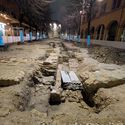
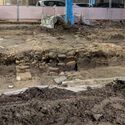
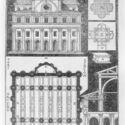
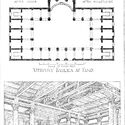
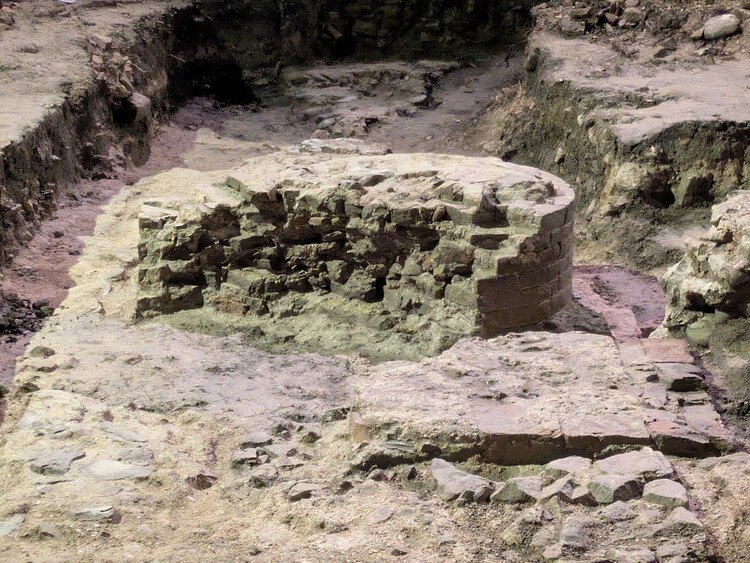
Archaeological excavations in Fano, Italy, have revealed the basilica described by Vitruvius in De Architectura, a finding of major architectural significance, as it represents the only structure that can be attributed with certainty to the Roman architect. Identified during redevelopment works in Piazza Andrea Costa, the discovery provides rare physical evidence of Vitruvian theory translated into built form and offers new insights into Roman architectural design, proportions, and construction practices. The announcement was made during a press conference at the Montanari Media Library, attended by representatives of local, regional, and national institutions, including Italy's Minister of Culture Alessandro Giuli.

Archaeological Excavations in Fano, Italy, Reveal Basilica Described by Vitruvius - 1 的图像 4Archaeological Excavations in Fano, Italy, Reveal Basilica Described by Vitruvius - 2 的图像 4Archaeological Excavations in Fano, Italy, Reveal Basilica Described by Vitruvius - 3 的图像 4Archaeological Excavations in Fano, Italy, Reveal Basilica Described by Vitruvius - 4 的图像 4Archaeological Excavations in Fano, Italy, Reveal Basilica Described by Vitruvius - More Images+ 1

EU Mies Awards Shortlist and MVRDV’s Fluid Facade in Beijing: This Week’s Review

Audio available

Spanning multiple geographies and scales, this week's architecture news reflects ongoing discussions around long-term planning, institutional frameworks, and the public role of architecture. National-scale urban initiatives and large civic developments point to how planning and infrastructure are being used to reorganize cities and territorial systems, while parallel attention to stadiums, cultural facilities, and mixed-use projects highlights the expanding civic ambitions of large-scale architecture. Alongside these, interviews and heritage-focused projects foreground participatory practices and the careful reuse of existing structures, highlighting architecture's capacity to operate within complex social and political conditions. Recognition platforms and professional programs further situate these practices within a broader architectural discourse, offering insight into how contemporary work is evaluated and shared across regions.

EU Mies Awards Shortlist and MVRDV’s Fluid Facade in Beijing: This Week’s Review - 1 的图像 4EU Mies Awards Shortlist and MVRDV’s Fluid Facade in Beijing: This Week’s Review - 2 的图像 4EU Mies Awards Shortlist and MVRDV’s Fluid Facade in Beijing: This Week’s Review - 3 的图像 4EU Mies Awards Shortlist and MVRDV’s Fluid Facade in Beijing: This Week’s Review - 4 的图像 4EU Mies Awards Shortlist and MVRDV’s Fluid Facade in Beijing: This Week’s Review - More Images+ 8

Subscriber Access

Modern Spolia: Harvesting Building Materials from Demolition Sites

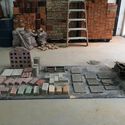
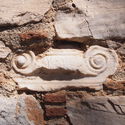
The circular economy, including the reuse of building materials, is fast becoming a key component in the fight against carbon emissions. This involves designing to minimize waste and utilize materials that can be reused at the end of the building's life. On the opposing side, the reuse of materials from partially or wholly demolished buildings can also reduce waste and carbon emissions that would have resulted from using virgin materials. Sustainability purposes aside, the reuse of building materials has a centuries-old history, both for symbolic reasons and simply out of necessity.

Modern Spolia: Harvesting Building Materials from Demolition Sites - Image 1 of 4Modern Spolia: Harvesting Building Materials from Demolition Sites - Image 2 of 4Modern Spolia: Harvesting Building Materials from Demolition Sites - Image 3 of 4Modern Spolia: Harvesting Building Materials from Demolition Sites - Image 4 of 4Modern Spolia: Harvesting Building Materials from Demolition Sites - More Images+ 8

Subscriber Access

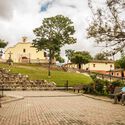
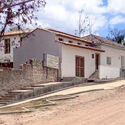
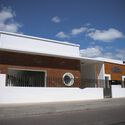
Contextual Interventions and an Embrace of Heritage: Explore the Architecture of 24 Grados in Honduras

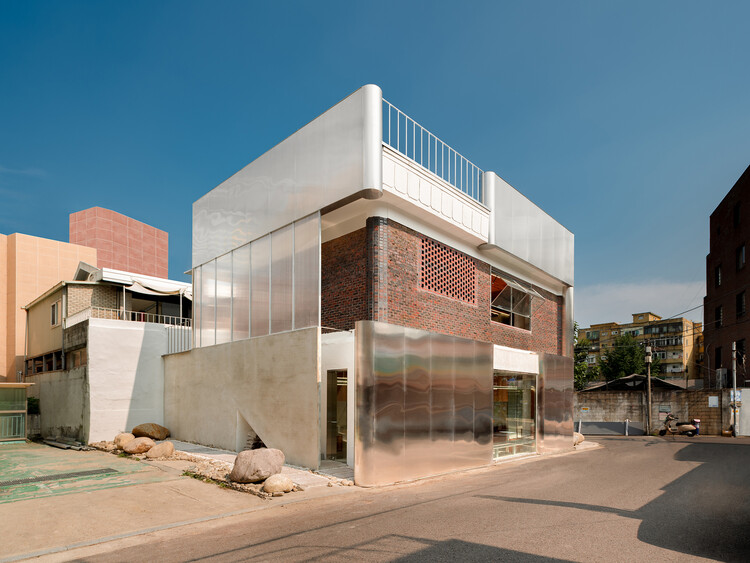
How can architecture restore relevance to forgotten places? What dialogues can emerge when buildings and landscapes are treated not as blank slates, but as layers of memory, identity, and potential? For the Honduran architecture firm 24 Grados, these questions shape an approach rooted in adaptation, reuse, and contextual design. Their projects range from the restoration of old Spanish plazas and cultural centers to interventions in natural parks and coastal villages in Honduras. Each one is grounded in the belief that design can reweave relationships between people, place, and heritage.

Contextual Interventions and an Embrace of Heritage: Explore the Architecture of 24 Grados in Honduras - Image 1 of 4Contextual Interventions and an Embrace of Heritage: Explore the Architecture of 24 Grados in Honduras - Image 2 of 4Contextual Interventions and an Embrace of Heritage: Explore the Architecture of 24 Grados in Honduras - Image 3 of 4Contextual Interventions and an Embrace of Heritage: Explore the Architecture of 24 Grados in Honduras - Image 4 of 4Contextual Interventions and an Embrace of Heritage: Explore the Architecture of 24 Grados in Honduras - More Images+ 18

Subscriber Access

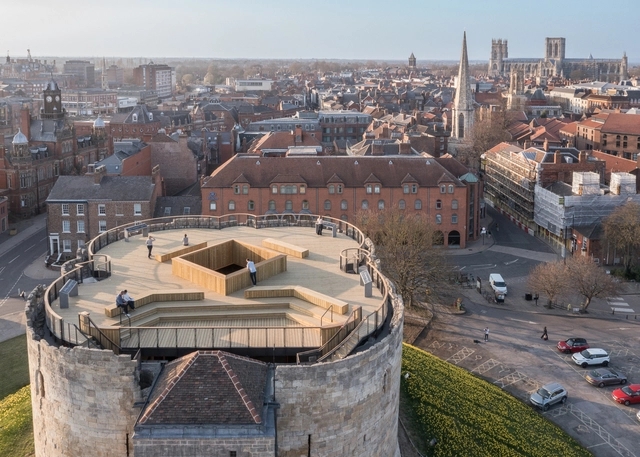
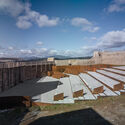
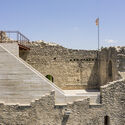
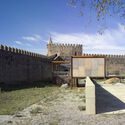
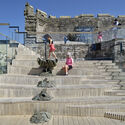
Beyond the Walls: 21 Contemporary Interventions in Castles and Fortresses

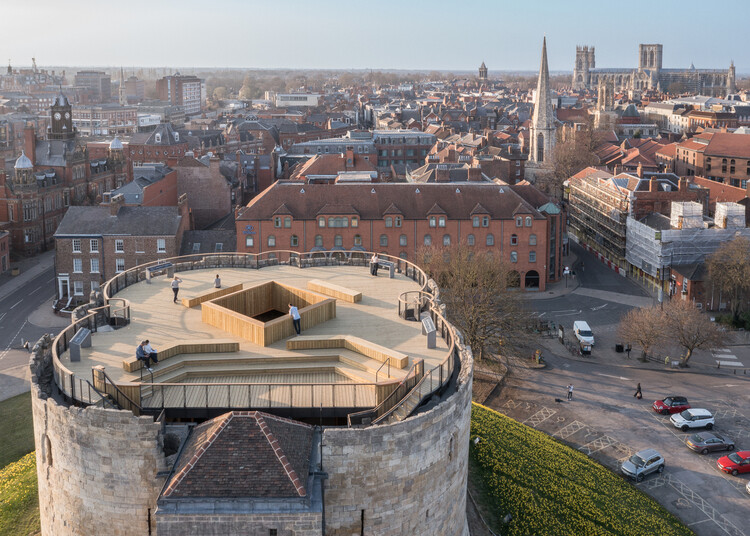
Castles and fortresses often rise from strategic, commanding positions when standing alone or integrated into urban and rural landscapes. From above, they overlook the city, bearing in their imposing structures the weight of history. With their original functions now limited to contemplation, these spaces have been undergoing revaluation and reintegration into everyday urban life. Once symbols of military or political power, they are now taking on new roles through contemporary interventions that engage with their heritage without erasing their past.

Beyond the Walls: 21 Contemporary Interventions in Castles and Fortresses - Imagen 1 de 4Beyond the Walls: 21 Contemporary Interventions in Castles and Fortresses - Imagen 2 de 4Beyond the Walls: 21 Contemporary Interventions in Castles and Fortresses - Imagen 3 de 4Beyond the Walls: 21 Contemporary Interventions in Castles and Fortresses - Imagen 4 de 4Beyond the Walls: 21 Contemporary Interventions in Castles and Fortresses - More Images+ 25

Best Articles of 2025: Plural Practices, Environmental Responses, and an Architecture of Care

Across recent years, architectural discourse has been shaped by the emergence of new voices, rediscovered territories, and a growing commitment to shared forms of knowledge. These concerns remain fully present in 2025 as ongoing debates that continue to gain density and nuance. Questions of who produces architecture, from which contexts, and under what conditions remain central, increasingly informed by practices that operate collectively, across disciplines, and beyond singular authorship.
This continuity is reflected in how architecture is understood less as a finished object and more as an ongoing process embedded in social, cultural, and environmental systems. Discussions around agency, participation, and knowledge production persist, alongside sustained attention to rural, peripheral, and historically marginalized contexts. Rather than privileging a single scale or geography, architecture is approached as a practice that moves between territories, acknowledging the unequal conditions that shape how spaces are designed, built, maintained, and inhabited.

Best Articles of 2025: Plural Practices, Environmental Responses, and an Architecture of Care - Image 1 of 4Best Articles of 2025: Plural Practices, Environmental Responses, and an Architecture of Care - Image 2 of 4Best Articles of 2025: Plural Practices, Environmental Responses, and an Architecture of Care - Image 3 of 4Best Articles of 2025: Plural Practices, Environmental Responses, and an Architecture of Care - Image 4 of 4Best Articles of 2025: Plural Practices, Environmental Responses, and an Architecture of Care - More Images+ 31

Subscriber Access

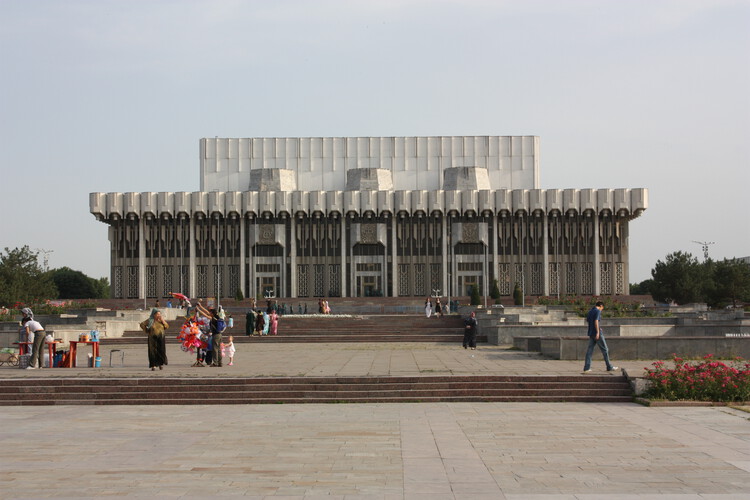
The Aesthetics of Power: Soviet Modernism Meets Uzbek Tradition in Tashkent’s Palace of Peoples’ Friendship

Tashkent, the capital of Uzbekistan and one of the oldest cities in Central Asia, has long been shaped by a hybrid culture. Located at a strategic point along the Silk Road, the city developed an architectural tradition defined by inner courtyards, domes, decorative ceramics, and Islamic geometric patterns. The annexation by the Russian Empire in the 19th century introduced administrative buildings, orthogonal squares, and straight avenues, creating a dual urban fabric — between the “old” Eastern city and the “new” European one — in which contrasts and overlaps became the norm.

During the Soviet period, when Tashkent became the capital of the Uzbek Soviet Socialist Republic and received intense migration from across the union, the city was transformed into a modernist showcase. The coexistence between Islamic heritage and the ideology of socialist progress found a new inflection point with the 1966 earthquake, whose destruction triggered a large-scale reconstruction effort involving architects from across the USSR. Massive housing complexes, cultural institutions, and monumental buildings emerged, reinterpreting local motifs through ideological and technological language. It was in this context that the Palace of Peoples’ Friendship took shape.

The Aesthetics of Power: Soviet Modernism Meets Uzbek Tradition in Tashkent’s Palace of Peoples’ Friendship - Image 1 of 4The Aesthetics of Power: Soviet Modernism Meets Uzbek Tradition in Tashkent’s Palace of Peoples’ Friendship - Image 2 of 4The Aesthetics of Power: Soviet Modernism Meets Uzbek Tradition in Tashkent’s Palace of Peoples’ Friendship - Image 3 of 4The Aesthetics of Power: Soviet Modernism Meets Uzbek Tradition in Tashkent’s Palace of Peoples’ Friendship - Image 4 of 4The Aesthetics of Power: Soviet Modernism Meets Uzbek Tradition in Tashkent’s Palace of Peoples’ Friendship - More Images+ 3