
This guide covers a workflow that moves from project parameters to generated floor plans, 3D perspective views, exterior design exploration, and site context visualization, using AI tools in place of preliminary CAD and rendering work.
This guide covers a workflow that moves from project parameters to generated floor plans, 3D perspective views, exterior design exploration, and site context visualization, using AI tools in place of preliminary CAD and rendering work.

The city of São Paulo is the first in South America to freely release laser-scanned data covering its entire territory. The files are available for download on the GeoSampa Portal. The technology, known as LiDAR (Light Detection and Ranging), goes beyond standard satellite imagery or aerial photography to provide a high-resolution geometric representation of a city. Consequently, it offers a much more accurate and detailed model of the mapped area.
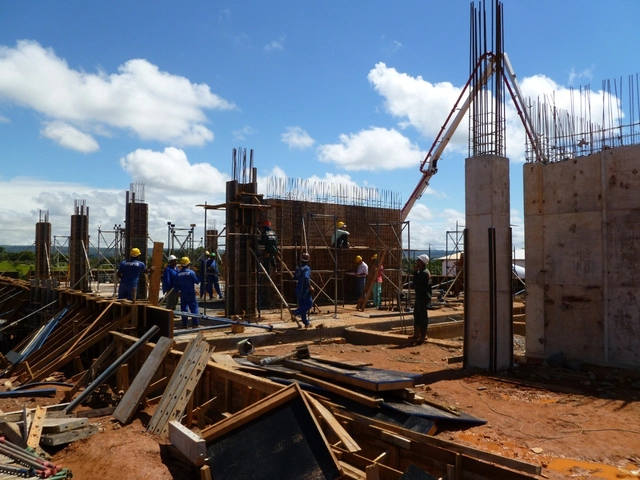
Growing concern over the use of natural resources in architecture has drawn increasing attention from professionals and researchers, pointing toward a future where architects must not only design but also facilitate the decommissioning and recycling of buildings. Against this backdrop, raising awareness about water waste on construction sites has become a major priority—an issue addressed in a recently launched guide by the São Paulo State Construction Industry Association (SindusCon-SP), Caixa Econômica Federal, and the United Nations Development Programme (UNDP).
According to data released by the United Nations (UN, 2017), the global population has reached 7.6 billion, with more than half (54%) living in urban areas. In Brazil, according to data from the Brazilian Institute of Geography and Statistics (IBGE, 2010), 84.4% of the population lives in cities.
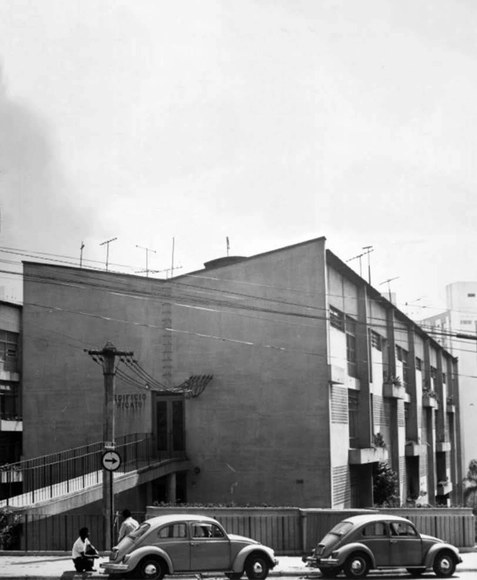

Conceived as a large-scale residential development in an expansion zone of São Paulo, the Jardim Ana Rosa Residential Complex began its subdivision design in 1950, in the Vila Mariana neighborhood, facing Largo Ana Rosa. The development, carried out by the Banco Hipotecário Lar Brasileiro, featured the participation of several prominent São Paulo architects of the time, such as Abelardo de Souza, Plínio Croce, Roberto Aflalo, and Salvador Cândia. In its initial version, the project planned for a few buildings bordering Vergueiro Avenue, with most of the area designated for single-family homes.

The work of the Catalan firm Barozzi Veiga is explored through the tension between tradition and invention in architecture in this article by João Paulo Rapagão, published in partnership with AMAG.
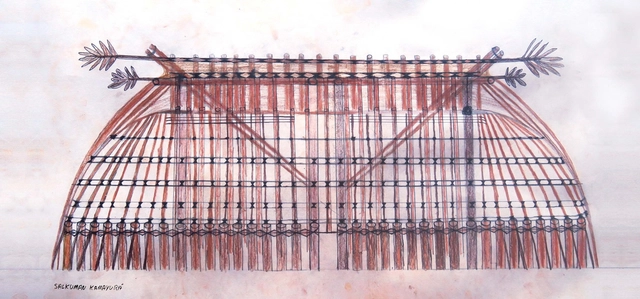
In July 2019, the habita-cidade Platform [1] organized the "Ways of Dwelling: Traditional Architectures" Travel-Workshop, which brought students and professors to the Ypawu Village in Kamayurá territory, in the Upper Xingu. The general objective of the "Ways of Dwelling" Travel-Workshops is to foster constructive reflection on the diverse forms of human habitat across the planet. This year, responding to a request from Kamayurá master builders to produce a manual on local architecture, the Travel-Workshop was designed so that the visiting group could support this important endeavor. The idea for the Kamayurá Architecture Manual was first proposed by Kanawayuri L. Marcello Kamaiurá (a local leader) to architect Clarissa Morgenroth (a graduate of Escola da Cidade) and theater director Cibele Forjaz. Escola da Cidade was then invited to join the project, which was taken on by the habita-cidade Platform, an initiative linked to the *lato sensu* postgraduate program "Housing and City."


The Master Plan is the basic instrument for defining a municipality's development model. It establishes guidelines and strategies for executing plans, programs, and projects, seeking to emphasize public participation as well as economic, social, and environmental sustainability. Yet, its influence on the city goes far beyond what is commonly imagined: it ultimately dictates the volume and form of every new building.
The CAU/BR is studying new rules for issuing Technical Responsibility Records (RRT) and Technical Collection Certificates (CAT) by architects and urban planners. The Professional Practice Commission, which is presenting the proposal to the public, aims to improve the registration system to protect both architects and their clients regarding the technical responsibility of architecture and urbanism services.
The Swiss Federal Institute of Technology in Zurich (ETH Zurich) is offering free online courses on smart cities and future cities. Available through the edX platform, which is shared by institutions worldwide, the courses last ten weeks and are conducted via video.
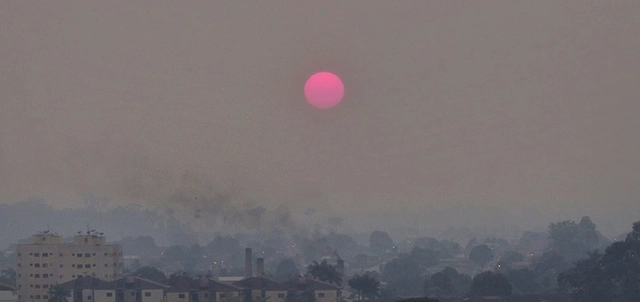
Since the beginning of the month, thousands of fire outbreaks have been recorded in Brazil's northern states, spreading through Acre, Rondônia, Mato Grosso, and Mato Grosso do Sul, and reaching the triple border of Brazil, Bolivia, and Paraguay. According to the National Institute for Space Research (INPE), the country is experiencing its worst wave of wildfires in five years.
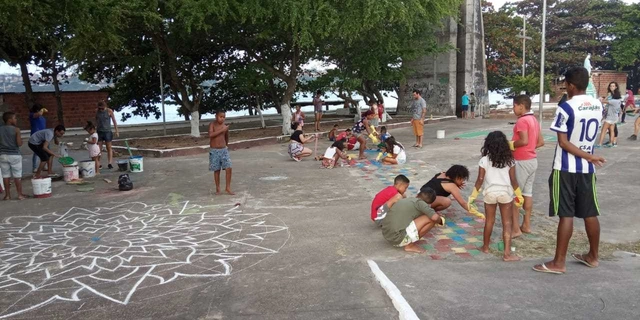
As a result of three months of training in local engagement within the pioneering COURB Ambassadors Program, mobilizers from various Brazilian cities promoted actions in their territories. Aiming for the collaborative construction of inclusive cities, the Articulation Journey—a highly collaborative effort—took place between August and September and featured three types of actions: roundtables, territorial interventions, and collective proposals. The ambassadors mapped and engaged more than 150 institutions in the program, including city halls, universities, collectives, businesses, and organizations.
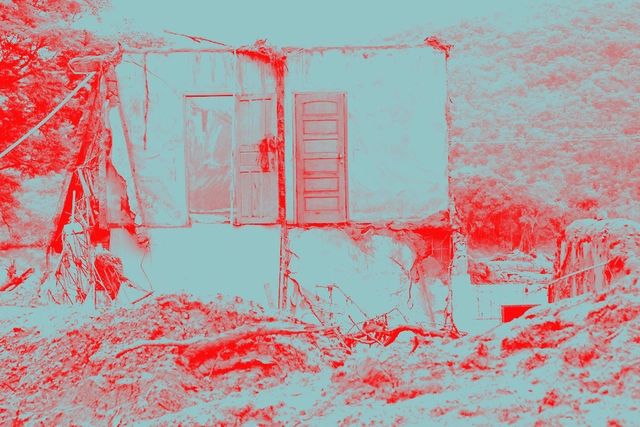
Economic and urban processes are known to drive major modifications in the urban structure. In light of the events of January 25, 2019, with the collapse of the Brumadinho dam, it is clear that environmental negligence by major mining corporations also has the power to produce profound consequences and alter the ways in which people inhabit and utilize the territory.
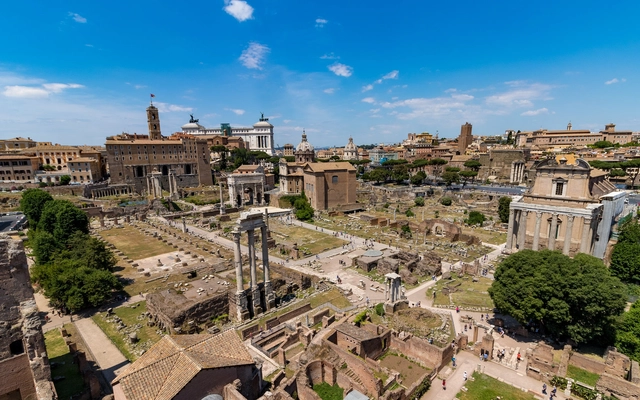
Metropolis is a word derived from the Greek metropolis, a combination of meter (mother or womb) and polis (city). Thus, the metropolis is the mother city, the most important within a context where several interconnected cities depend on one another to fully function. In most cases, metropolises feature conurbations of multiple urban clusters.
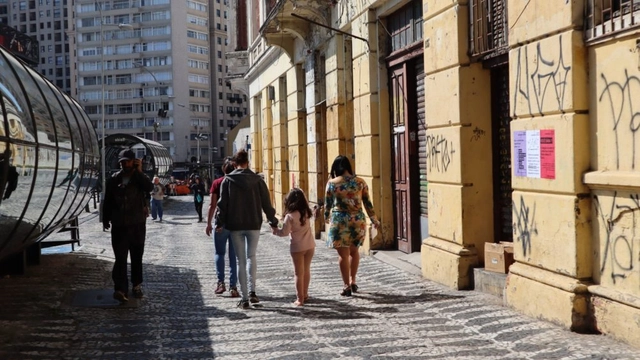
Have you already crossed the street out of fear today? As a woman, what is your greatest fear when walking down the street? How would you feel safer? With the goal of reflecting on how we can plan more egalitarian cities for everyone, the firm amb ateliê, in partnership with architects Fernanda Linero and Beatriz Teixeira, launched this initiative across various neighborhoods in Curitiba. The project ci.da.de; substantivo feminino (city; feminine noun) is part of the 3rd Biennial Architecture Exhibition for Curitiba.
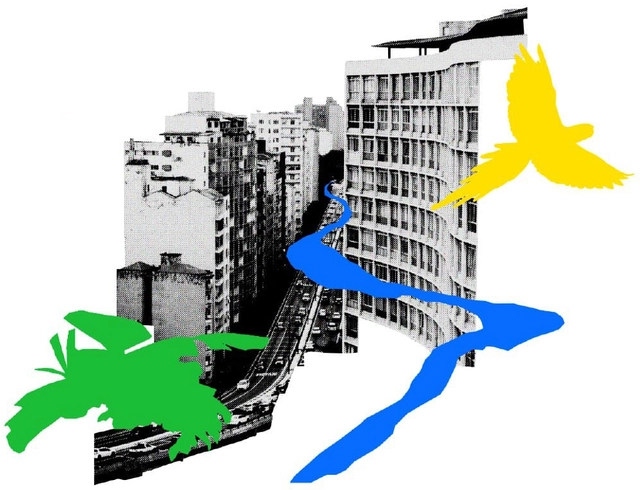
In May of this year, *The Guardian* recommended in its style guide that journalists and contributors heighten their language when discussing climate change or global warming. Now, the British newspaper announced, it is a climate crisis, emergency, or climate breakdown.

The Government of the State of São Paulo has established the Nossa Casa housing program, which aims to stimulate private investment in social interest housing geared toward low-income populations. The program came into effect through Decree No. 64,388 of August 14 of this year.
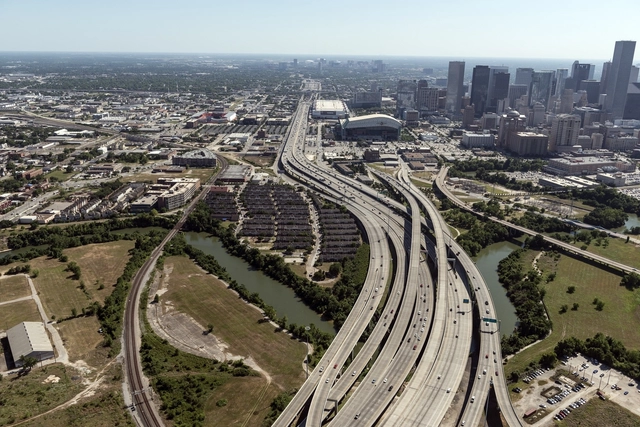
While conventional American urbanism is known to drive excessive sprawl, it is worth remembering that, ultimately, the true extent of a city's horizontal expansion lies far beyond the reach of urban planning controls.

The School of Architecture and Urbanism of the Federal University of Juiz de Fora (UFJF) has announced the results of the national competition for its new headquarters building. The winning team consists of architects Bruno Eduardo Nakaguma Gondo, Carlos Eduardo Murgel Miller, Eduardo Saguas Miller, and Felipe Fuchs, from São Paulo.
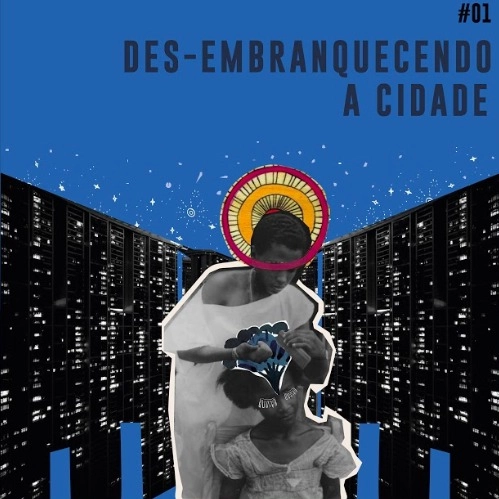
The “De-whitening the City” Podcast is a space invented from the desire of five Black women residing in Salvador, São Paulo, Rio de Janeiro, and Belo Horizonte to circumvent geographic distance in order to foster and celebrate connection. Emmily Leandro, Gabriela Gaia, Luciana Mayrink, Malu de Barros, and Natalia Alves make up the Terra Preta collective, giving shape and voice to this exercise in creating a shared virtual territory—both a political and aesthetic commitment—now made public for the first time.

The Association of Sabesp Engineers (AESabesp) has launched a competition to select the best architectural designs for the future São Paulo Water Museum. The goal is to find the best architectural concepts and alternatives for the restoration and expansion of the former water and sewage department building—currently known as the França Pinto Reservation Center—and the implementation of the cultural venue.
.jpg?1568988710&format=webp&width=640&height=580)
Marked by the intersection and mutual reinforcement of curatorial design and institutional action, the 34th Bienal de São Paulo emphasizes the poetics of “relation” and adopts an innovative operational structure. This framework involves exhibitions and events hosted at the Bienal Pavilion starting in February 2020, in collaboration with a network of more than 20 institutions across São Paulo. Once the Pavilion is fully occupied by the exhibition starting in September 2020, these partner institutions will host, within their own spaces, exhibitions integrated into the 34th Bienal.
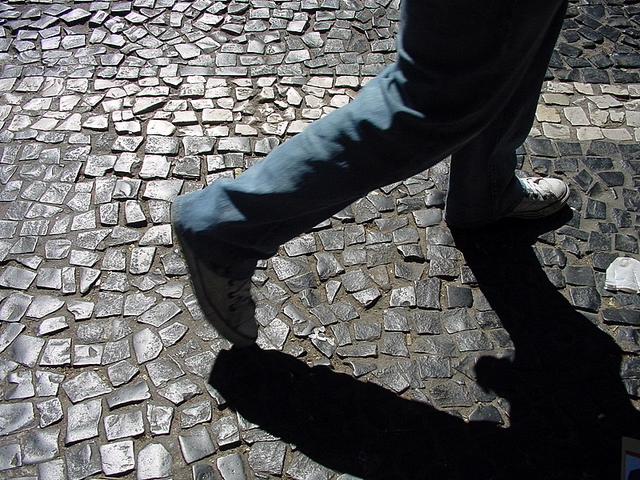
Walking is the simplest, most lightweight, economical, and low-impact way to travel in urban areas, especially for trips under two kilometers. More people walking means a better quality of life for residents and their cities, resulting in reduced government spending on public health. These concepts are universally accepted by urban planners and other contemporary thinkers.

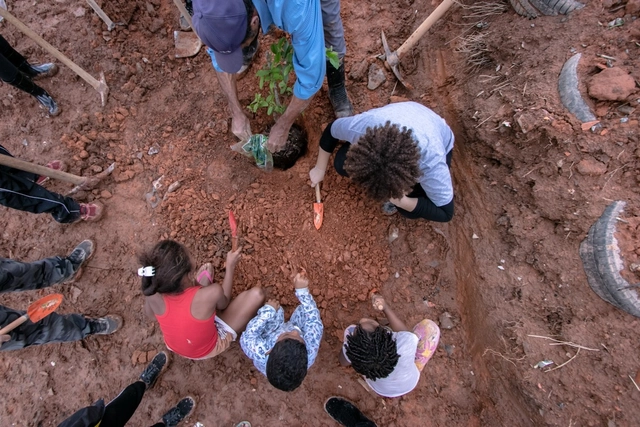
From revitalizing degraded green spaces to hosting collaborative games, events, and workshops, there are numerous volunteer initiatives capable of transforming a city's landscape and the lives of its residents.
In addition to serving as vital forms of social participation, community collectives and volunteer-driven initiatives facilitate dialogue between public authorities and local communities. This collaboration yields numerous benefits, particularly in reshaping how we interact with our cities.

A seven-story residential building collapsed this morning in Fortaleza, Ceará. Located in the upscale neighborhood of Dionísio Torres, the building was over 40 years old and was undergoing renovations. A video recorded yesterday by a resident shows the precarious state of the structure's support columns, with exposed and corroded rebar.
.jpg?1568988664 "Ximena Garrido-Lecca - Insurgencias Botánicas: Phaseolus Lunatus, 2017 | Installation view / Dimensions variable / Photo: Ramiro Chavez")
.jpg?1568988535 "Deana Lawson - Mama Goma, 2014 | 35 x 45 in (99 x 114.3 cm) / Courtesy of the artist")
.jpg?1568988594 "Clara Ianni - Free Form, 2013 | video (b&w, sound), 7’14’’ / Courtesy of the artist")
.jpg?1568988648 "Ximena Garrido-Lecca - Insurgencias Botánicas: Phaseolus Lunatus, 2017 | Installation view / Dimensions variable / Photo: Ramiro Chavez")
.jpg?1568988710)