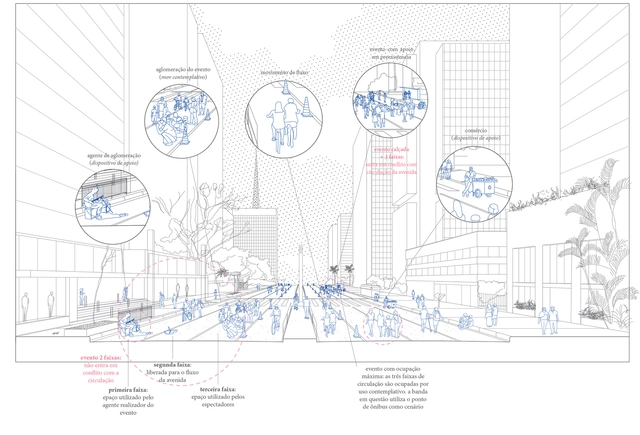
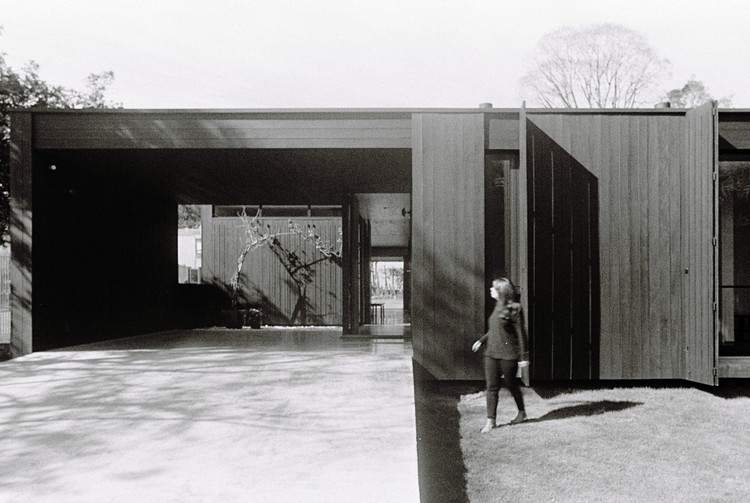
When analyzing an architectural project, we often focus on issues such as its programmatic demands and historical context, its design and representation process, and how it was built. We tend to study it as a finished product. Yet, once a work is constructed, it opens itself up to the city and to others, becoming vulnerable to flaws, imperfections, redevelopments, and unforeseen appropriations. The consequences then stem from conflicts, and social and political dynamics that shape the city, forming a fluid and shifting landscape.
Known for projects across a wide range of scales—from houses to residential buildings, and corporate offices to cultural centers—the firm FGMF comprises a collaborative team of over 40 architects and is led by partners Fernando Forte, Lourenço Gimenes, and Rodrigo Marcondes Ferraz. In an interview with ArchDaily, the three discuss their most recent residential and corporate buildings, as well as the experience of working collaboratively with Kengo Kuma's team on Japan House São Paulo.
When we visit an urban destination—or perhaps a rural one as well—can we truly say we know it? A brief vacation in a tourist destination might give us an impression of what a place "is." However, this is a far cry from reality, as tourism has always manipulated the impression left on visitors, obscuring the actual lived experience of the place.
With their cliffs and bluffs, the rocky coasts of Peru form a unique landscape of surfaces shaped and reshaped by the erosion of the sea and wind. On these heterogeneous, steeply sloping terrains, designing architecture integrated with the context is no easy task. From volumes embedded into hillsides to houses that incorporate mineral formations into their interior spaces, projects addressing this challenge prompt us to reflect on how to establish a relationship with the natural environment, blurring or tensioning the boundaries between architecture and landscape.
Various authors such as Michel Foucault, Maurice Merleau-Ponty, and contemporary thinkers Marina Garcés and Judith Butler have brought the body to the forefront of global philosophical discussions. This has gradually permeated different disciplines where the body is the focus of study, and even some where this relationship seems less obvious.
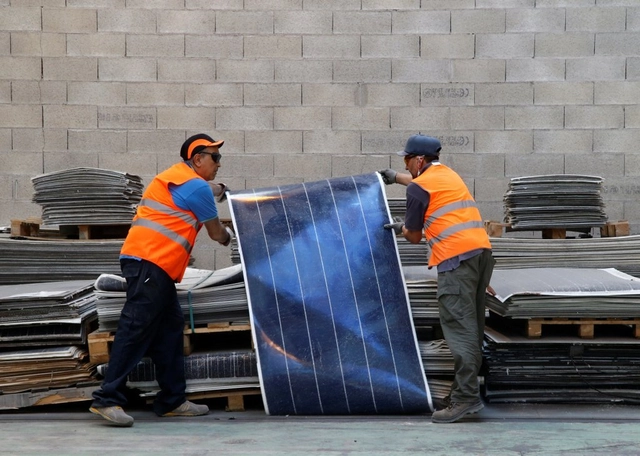
Photo: Jean-Paul Pelissier | Reuters. Via CicloVivo
Whenever we think of solar panels, the concept of sustainability immediately comes to mind. They are undoubtedly an effective solution for generating renewable energy; however, what few people realize is that solar panels are incredibly difficult to recycle. While this drawback should not discourage their adoption in buildings and solar power plants, it underscores that sustainability must remain a constant focus for these products, even after they stop working.
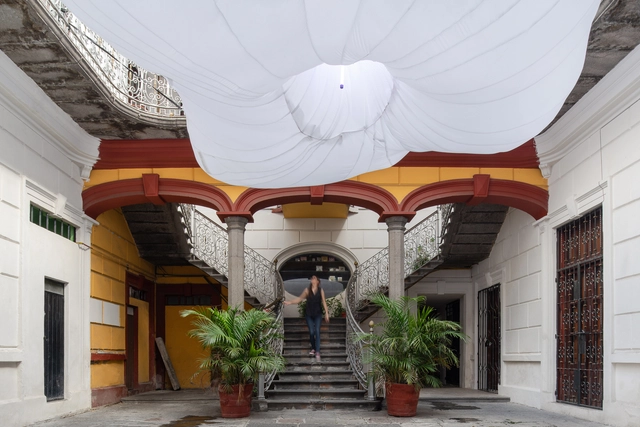
The city of Puebla, located in the central highlands of Mexico, is particularly well-known for its street layout and its predominantly Baroque architecture. A UNESCO World Heritage Site since 1987, it hosts a broad cultural dynamic centered on the preservation of built heritage and its appreciation from afar, as if it were a museum piece. Consequently, on our daily commutes, we notice the monumentality of its facades, while most often overlooking what lies behind the large wooden doors: what we have called “the heart of the Poblano home.”
Street safety goes far beyond policing and lighting. While these factors may be important in certain contexts, community engagement and building social capital are key to making cities safer. “Feeling safe is crucial for people to embrace urban space,” says Jan Gehl.
With a practice defined by its singular geographical and cultural position—drawing on references from both Brazil and other southern Latin American countries—sauermartins explores an aesthetic of the cold and the rural, inflected by modern influences and dedicated to addressing concrete, contemporary challenges.
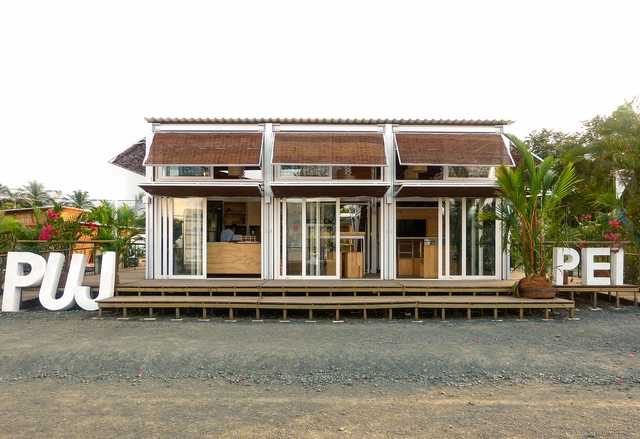
Academic experience in architecture must prepare future professionals for the urban, social, and community needs to which they will contribute their expertise. Through its International Experience Program (PEI), the Pontificia Universidad Javeriana enables students to put social housing theory into practice.
In this case, they present *Máquina Verde* (Green Machine), an adaptable modular prototype developed for the Ciénaga de la Virgen on Colombia's Caribbean coast. Explore the project in greater depth below.
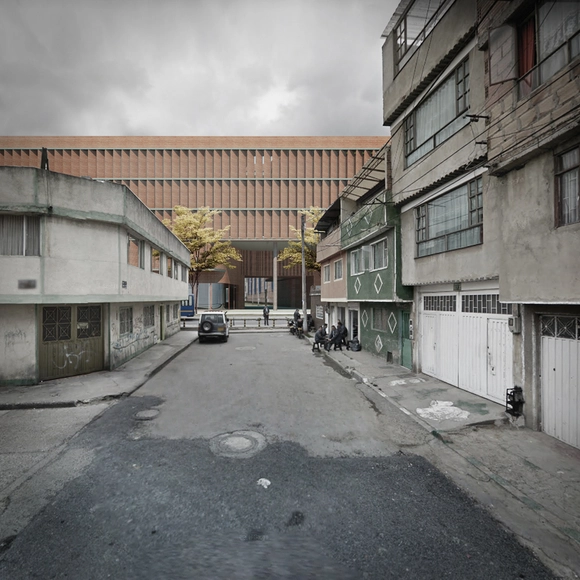
The year 2019 was one of the most prolific for public design competitions in Bogotá, particularly within the education sector. Recently, the results of the public architectural preliminary design competition for the Hipotecho School were announced, with the winning proposal submitted by the joint team of AR-AR (Martínez Arquitectura) + Fiallo Atelier + MEC arquitectura.
The call for entries for the Third Edition of the Oscar Niemeyer Award for Latin American Architecture, presented by the Network of Architecture Biennials of Latin America, has successfully concluded. A total of 101 works from 12 Latin American countries are participating, with Mexico represented by 30 high-quality and diverse projects—all clear examples of outstanding contemporary architectural production.
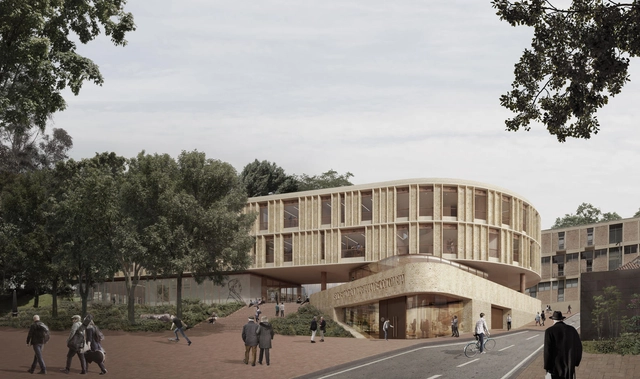
Universidad de los Andes has announced the results of the private competition for the Sociedad Bolivariana - Uniandes Building, with Juan Pablo Ortiz Arquitectos emerging as the winners. Discover the seven competition proposals below.
If we could travel back in time one hundred years and organize an ideas competition to visualize what Bogota would look like in 2020, the proposals would be far from the reality of the urban landscape experienced today in the Colombian capital. Back then, little was known about the events that would later shape history, such as the Bogotazo, which led to the rebuilding or remodeling of most of the buildings that served as architectural landmarks of previous centuries.
The uncertainty of a distant future is perpetual. Yet, this does not stop the imagination from creating utopian or dystopian scenarios of that urban dimension for 2120. This was the main goal of the rendering competition organized by the Student Collective of the Colombian Society of Architects (CESCA) of the Bogota and Cundinamarca chapter.
Eight years ago today, we began this adventure called ArchDaily México, sharing the same mission as the global ArchDaily platform: to continue providing inspiration, knowledge, and tools to architects, but through a local lens, recognizing the value that national talent has to offer to the world.
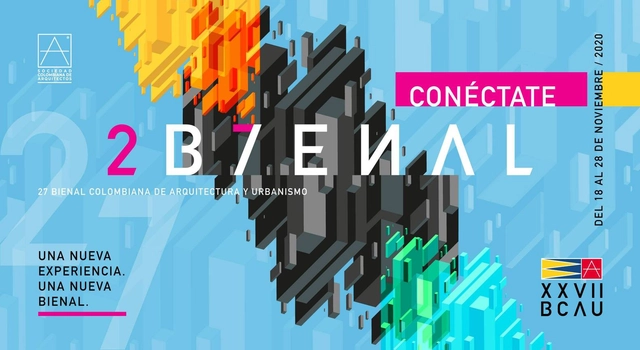
For the first time, the Colombian Biennial of Architecture and Urbanism, organized by the Colombian Society of Architects (SCA), will be held virtually. In its 27th edition, over ten days, more than 60 lectures, 9 panels, and 4 forums will be available. Explore the full schedule of the main room below. Meanwhile, the parallel room will showcase the Biennial's finalist projects.
Currently, the volume of projects produced within universities in Mexico is immense, and we believe it is the perfect time to showcase some of their best work. Many undergraduate theses, also known as final graduation projects, address highly interesting and valuable topics for the country; unfortunately, the vast majority end up stored on library shelves or in a computer folder, missing the opportunity to drive real change in our cities and how we inhabit them.
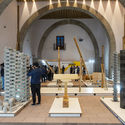
As part of an event held for the thirteenth consecutive year, a showroom opened in October featuring spaces designed by various architects and designers to showcase the new ColorLife TRENDS 2021 palettes by the Comex brand. Participants included Adrián Marfil, Alexia Ulibarri, Andrés Gutiérrez, Arlette Salas, Cristina Grappin, Jorge Ballina, Luis H. Muñoz, Mauricio De la Garza, Moisés Hernández, Penélope De la Madrid, and Rodrigo Noriega.
Cortesía de Facultad de Arquitectura y Diseño de la Pontificia Universidad Javeriana
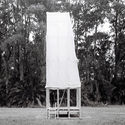
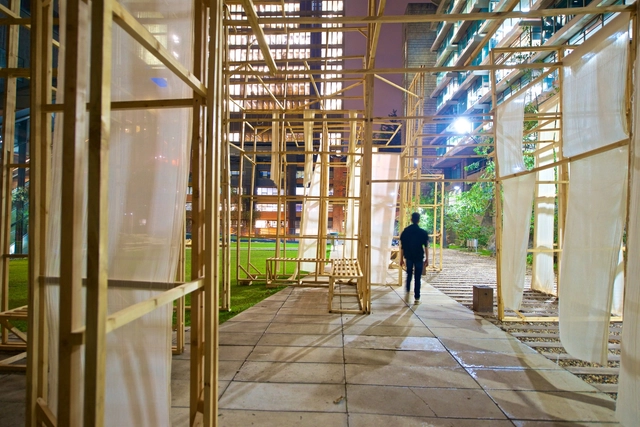
Academic architectural practice must push students and faculty toward constant adaptation and exploration. First-semester students at the Pontificia Universidad Javeriana built an intervention of ephemeral architecture using wood as a structural material in the arts building (prior to the state of emergency). This gave future architects the academic experience of hands-on construction during their very first semester in the department.
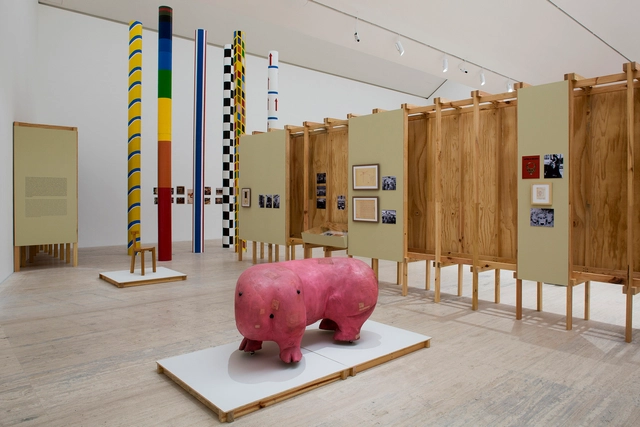
Art Week kicks off today in Mexico City, with more than 210 galleries opening their doors to host diverse programs showcasing the work of artists from 26 countries. Our featured lineup ranges from the recently opened exhibition "Habitat" by Lina Bo Bardi at Museo Jumex to the internationally renowned ZⓈONAMACO art fair, as well as the well-known exhibitions organized by guadalajara90210 that blend art and architecture.
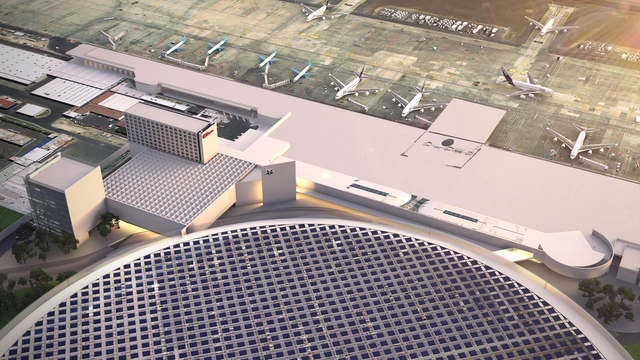
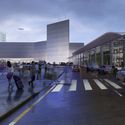
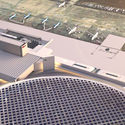
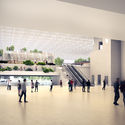
As part of a call for entries launched in 2019 by GAP (Grupo Aeroportuario del Pacífico) for the remodeling of facades, as well as the expansion of the public concourse and parking lot of Guadalajara Airport's Terminal 1, the proposal by Bosco Arquitectos (Bosco, Lázaro, and Sebastián Gutiérrez Cortina), Andrés Casillas de Alba, and Lucio Muniain et al has been announced as the winning design.
The Abierto Mexicano de Diseño is an international festival that annually gathers and celebrates the design community in Mexico in all its breadth within a single geographic point: the Historic Center of Mexico City. Its programming aims to connect the public with the creative initiatives of established designers, emerging studios, students, universities, cultural institutions, and other stakeholders. This year, the festival features the theme: “Design and Utopia: From Manifesto to Action.”
The Superintendency of Industry and Commerce has granted a utility patent for the invention "Multifunctional Self-Supporting Modular Roof System" to professors Camilo Ayala García and Christiaan Job Nieman Janssen, from the design department, and Diego Alejandro Velándia Rayo, from the architecture department, at the Faculty of Architecture and Design of the Universidad de los Andes.