Camilla Ghisleni

BROWSE ALL FROM THIS AUTHOR HERE
↓

Between Algorithms and Ancestral Knowledge: Expanding the Concept of Architectural Intelligence

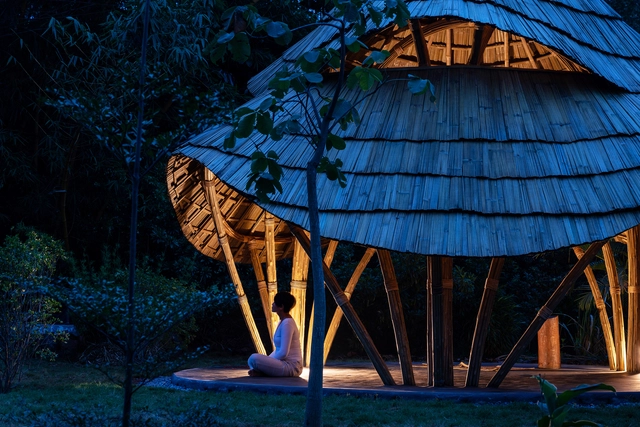
Artificial intelligence (AI) is no longer a futuristic idea in architecture — it is a concrete reality that is reshaping how we design. In seconds, computational systems can process and evaluate a wide range of variables — formal, programmatic, contextual, and regulatory — guiding architects toward highly optimized solutions. But as we embrace this algorithmic revolution, a critical question arises: can architectural intelligence be reduced to data-driven logic? In response, alternative approaches are gaining momentum — ones that value ways of building grounded in sensory experience, adaptation to place, and the intergenerational transmission of knowledge. In the exchange between artificial and ancestral forms of intelligence, a deeper understanding begins to take shape. Intelligence does not reside in the tools themselves, but in the intention and sensitivity with which we use them to navigate complex realities.

Between Algorithms and Ancestral Knowledge: Expanding the Concept of Architectural Intelligence - Image 1 of 4Between Algorithms and Ancestral Knowledge: Expanding the Concept of Architectural Intelligence - Image 2 of 4Between Algorithms and Ancestral Knowledge: Expanding the Concept of Architectural Intelligence - Image 3 of 4Between Algorithms and Ancestral Knowledge: Expanding the Concept of Architectural Intelligence - Image 4 of 4Between Algorithms and Ancestral Knowledge: Expanding the Concept of Architectural Intelligence - More Images+ 8

Architecture and Spirituality: 12 Churches and Chapels in Latin America

Subscriber Access | 

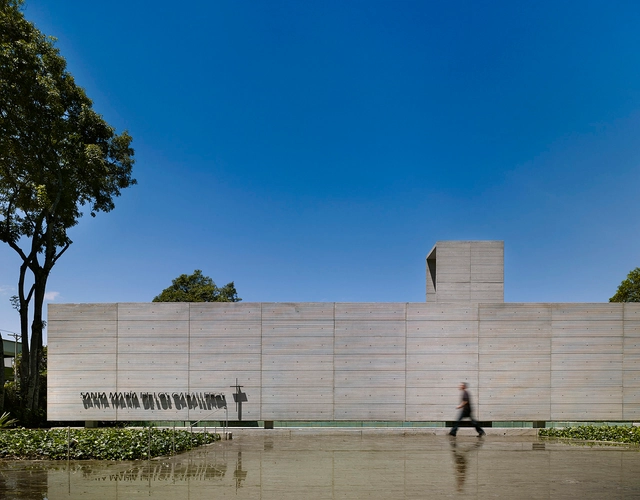
Latin America is home to the largest Catholic population in the world—more than 25% of all Catholics globally live on this continent. Here, faith has shaped not only spiritual life but also cities' cultural, social, and urban fabric. Since the first temples, built during European colonization, the architecture of Catholic churches in the region has undergone profound transformations. The once-imposing features of colonial Baroque and richly ornamented façades have gradually given way to bolder, more contemporary expressions that reflect local realities, a search for identity, and a spirit of architectural experimentation.

Architecture and Spirituality: 12 Churches and Chapels in Latin America - 1 的图像 4Architecture and Spirituality: 12 Churches and Chapels in Latin America - 2 的图像 4Architecture and Spirituality: 12 Churches and Chapels in Latin America - 3 的图像 4Architecture and Spirituality: 12 Churches and Chapels in Latin America - 4 的图像 4Architecture and Spirituality: 12 Churches and Chapels in Latin America - More Images+ 11

Architectures of Care: Healing Spaces Across Cultures

Around the world, different cultures have developed unique ways of understanding and experiencing healing. Far from being merely a physical process, healing encompasses emotional, spiritual, social, and architectural dimensions. Healing spaces—whether physical, symbolic, or natural—reflect each culture's values, beliefs, and ways of life. Exploring these cultural approaches not only broadens our perspective on health but also encourages us to reconsider how we design environments that nurture care and well-being.

Architectures of Care: Healing Spaces Across Cultures - Imagem 1 de 4Architectures of Care: Healing Spaces Across Cultures - Imagem 2 de 4Architectures of Care: Healing Spaces Across Cultures - Imagem 3 de 4Architectures of Care: Healing Spaces Across Cultures - Imagem 4 de 4Architectures of Care: Healing Spaces Across Cultures - More Images+ 12

Living and Creating: 12 Homes with Art Studios in Latin America

Subscriber Access | 

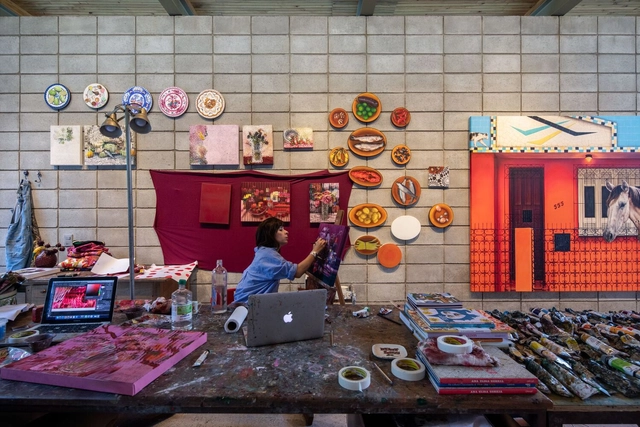
The spaces where artists create their work reveal a great deal about their creative journey—their techniques, themes, and inspirations. These places hold memories, intimacy, and emotional connections. For some artists, the studio is a secluded space, free from distractions. For others, it is a place for openness and freedom. Often, the studio becomes the home—or the home becomes the studio—blending function, desire, and necessity. Positioned at the crossroads of living and creating, leisure and work, these spaces fascinate art lovers. Many are later recreated in galleries or transformed into museums. Regardless of the artist’s fame, these spaces offer a unique look into the creative process, the artwork, and the artist's identity.

Living and Creating: 12 Homes with Art Studios in Latin America - Imagem 1 de 4Living and Creating: 12 Homes with Art Studios in Latin America - Imagem 2 de 4Living and Creating: 12 Homes with Art Studios in Latin America - Imagem 3 de 4Living and Creating: 12 Homes with Art Studios in Latin America - Imagem 4 de 4Living and Creating: 12 Homes with Art Studios in Latin America - More Images+ 12

Less or More? The Psychological Influence of Minimalist and Maximalist Spaces

Between silence and chaos, we shape our world. Every space we inhabit tells a story, evokes emotions, and influences our thoughts. Minimalism, with its lightness and purpose, invites serenity. Maximalism, exuberant and vibrant, celebrates personality in every detail. But how do these philosophies affect our minds? Understanding their psychological impact can be key to creating environments that enhance well-being and bring harmony to life.

Less or More? The Psychological Influence of Minimalist and Maximalist Spaces - Image 1 of 4Less or More? The Psychological Influence of Minimalist and Maximalist Spaces - Image 2 of 4Less or More? The Psychological Influence of Minimalist and Maximalist Spaces - Image 3 of 4Less or More? The Psychological Influence of Minimalist and Maximalist Spaces - Image 4 of 4Less or More? The Psychological Influence of Minimalist and Maximalist Spaces - More Images+ 9

The Power of Scale: How Proportions Shape Human Experience

The way we perceive and experience spaces extends beyond aesthetics—they directly influence our emotions, thoughts, and even creativity. Spacious environments with high ceilings often evoke a sense of freedom and inspiration, while smaller, enclosed spaces encourage focus and introspection. This is not merely a subjective impression but a scientifically studied phenomenon. In the 1960s, anthropologist Edward T. Hall introduced the term "Cathedral Effect" to describe how ceiling height impacts cognition and behavior. More recent research has expanded on this idea, demonstrating how architecture shapes decision-making and emotional states in various contexts.

The Power of Scale: How Proportions Shape Human Experience - Image 1 of 4The Power of Scale: How Proportions Shape Human Experience - Image 2 of 4The Power of Scale: How Proportions Shape Human Experience - Image 3 of 4The Power of Scale: How Proportions Shape Human Experience - Image 4 of 4The Power of Scale: How Proportions Shape Human Experience - More Images+ 13

Comfort and Seclusion: 5 Hotels in the Deserts of Latin America

Subscriber Access | 

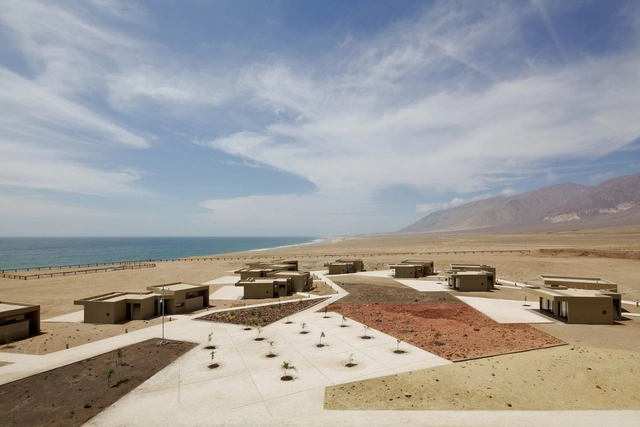
The desert is a landscape in constant transformation. Shaped by the wind, its dunes, ridges, and fissures emerge and fade in an ever-shifting expanse, as if the scenery itself were alive. It is a land of stark contrasts, where the scorching heat of the day gives way to the crisp coolness of the night, revealing nature in its most primal form. In such a dynamic and untamed environment, how can architecture not only integrate but also respect and engage with its surroundings? This is the challenge faced by hotels built within Latin America’s vast desert landscapes.

Comfort and Seclusion: 5 Hotels in the Deserts of Latin America - Imagen 1 de 4Comfort and Seclusion: 5 Hotels in the Deserts of Latin America - Imagen 2 de 4Comfort and Seclusion: 5 Hotels in the Deserts of Latin America - Imagen 3 de 4Comfort and Seclusion: 5 Hotels in the Deserts of Latin America - Imagen 4 de 4Comfort and Seclusion: 5 Hotels in the Deserts of Latin America - More Images+ 7

Refuges in the Latin American Jungle: 7 Lodges to Connect With Nature

Subscriber Access | 

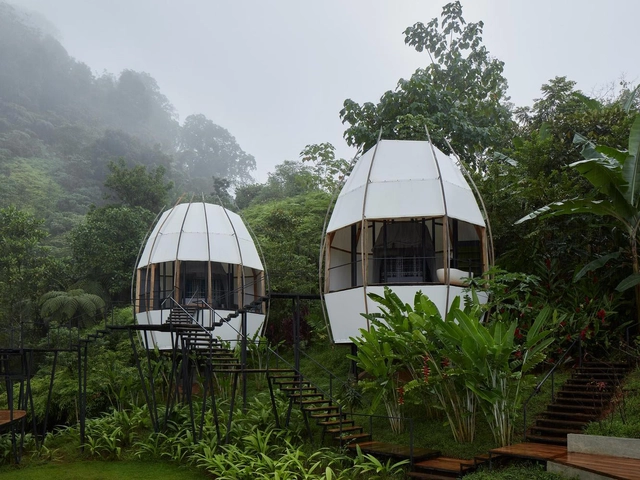
Many people living in large urban centers have, at some point, wished to trade the chaos of city life for the calm and tranquility of nature. As the desire for such experiences grows, Latin American countries' tourism and hospitality sectors have been investing in resorts nestled within forests. Inspired by eco-tourism, these retreats are designed to blend seamlessly into their surroundings, using local materials and traditional techniques that respect the ecosystem and promote sustainability.

Refuges in the Latin American Jungle: 7 Lodges to Connect With Nature - 1 的图像 4Refuges in the Latin American Jungle: 7 Lodges to Connect With Nature - 2 的图像 4Refuges in the Latin American Jungle: 7 Lodges to Connect With Nature - 3 的图像 4Refuges in the Latin American Jungle: 7 Lodges to Connect With Nature - 4 的图像 4Refuges in the Latin American Jungle: 7 Lodges to Connect With Nature - More Images+ 6

I'm Still Here: How Rio de Janeiro’s Architecture and Urbanism Shape the Oscar-Nominated Brazilian Film

Subscriber Access | 
Audio available

A radiant Rio de Janeiro, bathed in sunlight and carried by the ocean breeze. The beach is full of life—children run across the sand, families enjoy their time together, and laughter drifts through the air. This vibrant postcard from the 1970s, depicting a Cidade Maravilhosa exuding freedom and vitality, sets the stage for "I'm Still Here," a Brazilian film that film which recently won the Oscar for Best International Feature, marking a first for Brazilian cinematography. Further recognizing its merits, the film also received Oscar nominations for Best Actress and Best Picture. The film's setting provides a rich backdrop for exploring the urban landscape of Rio during a pivotal period in its history. As the story unfolds, this bright and open setting gives way to the architectural and urban impacts of the fear and uncertainty of the military dictatorship that ruled Brazil for over two decades.

I'm Still Here: How Rio de Janeiro’s Architecture and Urbanism Shape the Oscar-Nominated Brazilian Film - Imagen 1 de 4I'm Still Here: How Rio de Janeiro’s Architecture and Urbanism Shape the Oscar-Nominated Brazilian Film - Imagen 2 de 4I'm Still Here: How Rio de Janeiro’s Architecture and Urbanism Shape the Oscar-Nominated Brazilian Film - Imagen 3 de 4I'm Still Here: How Rio de Janeiro’s Architecture and Urbanism Shape the Oscar-Nominated Brazilian Film - Imagen 4 de 4I'm Still Here: How Rio de Janeiro’s Architecture and Urbanism Shape the Oscar-Nominated Brazilian Film - More Images+ 5

The Role of Urban Spaces in Shaping Movements: 7 Sites of Resistance and Protest Across the USA

Subscriber Access | 

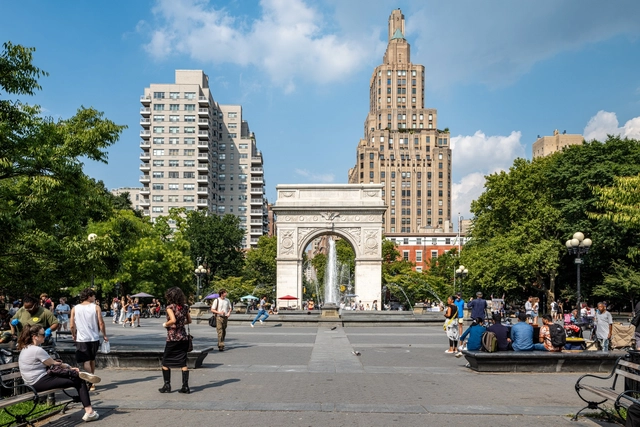
Protests, civil disobedience, and dissent are not only a defining part of our shared history since the colonial era, they also continue to the present day on campuses, at political conventions, and elsewhere. In this context, some historic marches, sit-ins, and other actions are enshrined in our collective narrative, while others have faded from memory; however, the cultural landscapes that served as stages where these events occurred still exist. These places are the focus of Landslide 2024: Demonstration Grounds and a portal for re-engaging with the stories of little-known or even forgotten events that were pivotal in USA history. The thirteen different sites across the country, represented in the new report and digital exhibition from The Cultural Landscape Foundation (TCLF), touch on events that shaped individuals and sparked movements.

The Role of Urban Spaces in Shaping Movements: 7 Sites of Resistance and Protest Across the USA - Image 1 of 4The Role of Urban Spaces in Shaping Movements: 7 Sites of Resistance and Protest Across the USA - Image 2 of 4The Role of Urban Spaces in Shaping Movements: 7 Sites of Resistance and Protest Across the USA - Image 3 of 4The Role of Urban Spaces in Shaping Movements: 7 Sites of Resistance and Protest Across the USA - Image 4 of 4The Role of Urban Spaces in Shaping Movements: 7 Sites of Resistance and Protest Across the USA - More Images+ 14

Lota de Macedo Soares and the Flamengo Park Project

Subscriber Access | 

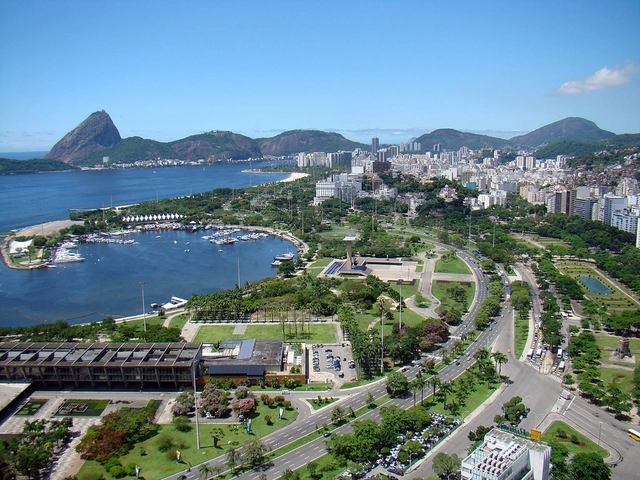
Maria Carlota de Macedo Soares was born in 1910 in Paris, where her father—who ran one of Rio de Janeiro’s most influential newspapers, Diário Carioca—was exiled. Raised among the elite, Lota arrived in Brazil in 1928 at the age of 18. She was often described as a controversial figure, known for her love of race cars, wearing jeans and men’s shirts, and for her discreet yet enduring relationship with the acclaimed American poet Elizabeth Bishop.

Why Do Modernist Principles Still Underpin Design Education in Brazil? Five Professors Share Their Perspectives

The complex relationship between architectural education and modernist principles in Brazil raises important questions about contemporary architectural practice. To explore this topic, we invited five professors from different Brazilian universities to share their perspectives: Eduardo Lopes (Universidade do Vale do Itajaí), Eduardo Westphal (Universidade Federal de Santa Catarina), Fábio Mosaner (Universidade Federal de Pernambuco), Marta Bogéa (Faculdade de Arquitetura e Urbanismo da Universidade de São Paulo), and Rodrigo Bastos (Universidade Federal de Santa Catarina). Their insights highlight modernism's lasting influence on architectural education while raising key questions for the current architectural debate.

Why Do Modernist Principles Still Underpin Design Education in Brazil? Five Professors Share Their Perspectives - 1 的图像 4Why Do Modernist Principles Still Underpin Design Education in Brazil? Five Professors Share Their Perspectives - 2 的图像 4Why Do Modernist Principles Still Underpin Design Education in Brazil? Five Professors Share Their Perspectives - 3 的图像 4Why Do Modernist Principles Still Underpin Design Education in Brazil? Five Professors Share Their Perspectives - 4 的图像 4Why Do Modernist Principles Still Underpin Design Education in Brazil? Five Professors Share Their Perspectives - More Images+ 5

Architecture and Coloniality: Brazilian Modernism in Critical Perspective

Audio available

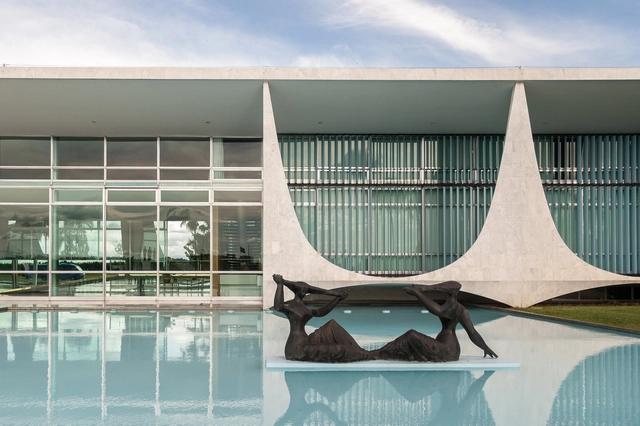
Brazilian modern architecture is often celebrated as a landmark of innovation and national identity, projecting the country onto the international stage with iconic works and a distinctive aesthetic. However, recent research and publications have highlighted its deep entanglement with colonial narratives, both in its influences and its social impact. Although modernism emerged as an attempt to break away from European academic traditions, it remained dependent on foreign references and incorporated strategies of domination that echoed colonial logic.

Architecture and Coloniality: Brazilian Modernism in Critical Perspective  - 1 的图像 4Architecture and Coloniality: Brazilian Modernism in Critical Perspective  - 2 的图像 4Architecture and Coloniality: Brazilian Modernism in Critical Perspective  - 3 的图像 4Architecture and Coloniality: Brazilian Modernism in Critical Perspective  - 4 的图像 4Architecture and Coloniality: Brazilian Modernism in Critical Perspective  - More Images+ 7

Architecture Reflected in Water: 20 Lakeside Homes

Subscriber Access | 

On the shores of serene lakes, where water reflects the harmony between architecture and nature, homes emerge as true retreats. Designed to offer comfort and a deep connection with the surroundings, these residences stand out worldwide for their diverse materials and scales, adapting to different landscapes and lifestyles. From remote wooden cabins to sophisticated concrete and glass mansions in urban areas, each project takes advantage of natural resources and the unique characteristics of its setting.

Architecture Reflected in Water: 20 Lakeside Homes - Image 1 of 4Architecture Reflected in Water: 20 Lakeside Homes - Image 2 of 4Architecture Reflected in Water: 20 Lakeside Homes - Image 3 of 4Architecture Reflected in Water: 20 Lakeside Homes - Image 4 of 4Architecture Reflected in Water: 20 Lakeside Homes - More Images+ 24

Straw, Earth and Bamboo: Innovative Use of Natural Materials in 2024 Projects from the Global South

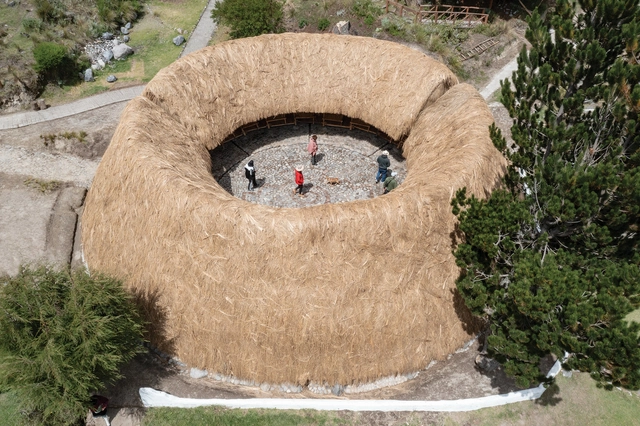
Sustainability has been a central theme in architectural discussions for years, encompassing not only the profession’s role in combating climate change and transitioning to low-carbon economies but also preserving cultural heritage and celebrating vernacular traditions. In 2024, a wave of projects and studies stood out for their innovative use of natural materials, particularly in the Global South. These initiatives skillfully blend creativity and technology with renewable resources, demonstrating how architecture can deliver high-quality spaces that align with contemporary demands for sustainability and environmental responsibility.

Straw, Earth and Bamboo: Innovative Use of Natural Materials in 2024 Projects from the Global South - Image 1 of 4Straw, Earth and Bamboo: Innovative Use of Natural Materials in 2024 Projects from the Global South - Image 2 of 4Straw, Earth and Bamboo: Innovative Use of Natural Materials in 2024 Projects from the Global South - Image 3 of 4Straw, Earth and Bamboo: Innovative Use of Natural Materials in 2024 Projects from the Global South - Image 4 of 4Straw, Earth and Bamboo: Innovative Use of Natural Materials in 2024 Projects from the Global South - More Images+ 9

From Silos to Iconic Spaces: 15 Projects That Repurpose Industrial Structures

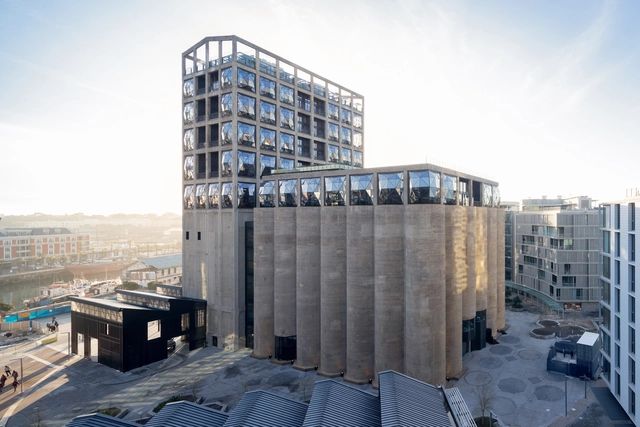
Silos hold a significant place among the remnants of the industrial era, distinguished by both their technological innovations and their iconic presence in urban landscapes. Typically cylindrical and made of reinforced concrete, these structures effectively addressed the demands and challenges of industrialization, providing a robust and economical solution for storage. However, throughout the 20th century, with the advent of new logistics and the relocation of activities from some urban centers to expanding areas, many of these silos were decommissioned.

However, despite their enclosed design appearing to be an obstacle for new uses, recent decades have seen initiatives that embrace and repurpose these structures. These projects integrate silos into the urban environment, emphasizing their significance as part of the local collective memory.

From Silos to Iconic Spaces: 15 Projects That Repurpose Industrial Structures - Image 1 of 4From Silos to Iconic Spaces: 15 Projects That Repurpose Industrial Structures - Image 2 of 4From Silos to Iconic Spaces: 15 Projects That Repurpose Industrial Structures - Image 3 of 4From Silos to Iconic Spaces: 15 Projects That Repurpose Industrial Structures - Image 4 of 4From Silos to Iconic Spaces: 15 Projects That Repurpose Industrial Structures - More Images+ 13

A New Lens on Architecture: Discovering Open House Narratives Across Europe

Throughout 2024, ArchDaily, in collaboration with the Open House Europe architecture event, brought inspiring projects and stories to light. These true architectural gems were unveiled through visits, and their widely shared narratives enriched the architectural discourse. It is an invitation to explore the stories behind buildings that, although part of citizens' daily lives, often go unnoticed amidst the routine automation of everyday life.

These narratives explored projects of different scales, uses, and contexts, revealing everything from religious buildings, to remarkable examples of adaptive reuse of old industrial structures, now taking on new roles within their communities. Each story uncovered the many layers that make up a building – from its initial design to the new meanings it has acquired over time.

  A New Lens on Architecture: Discovering Open House Narratives Across Europe - 1 的图像 4  A New Lens on Architecture: Discovering Open House Narratives Across Europe - 2 的图像 4  A New Lens on Architecture: Discovering Open House Narratives Across Europe - 3 的图像 4  A New Lens on Architecture: Discovering Open House Narratives Across Europe - 4 的图像 4  A New Lens on Architecture: Discovering Open House Narratives Across Europe - More Images+ 2

2024 Retrospective: Uncovering the Stories Behind Iconic Projects

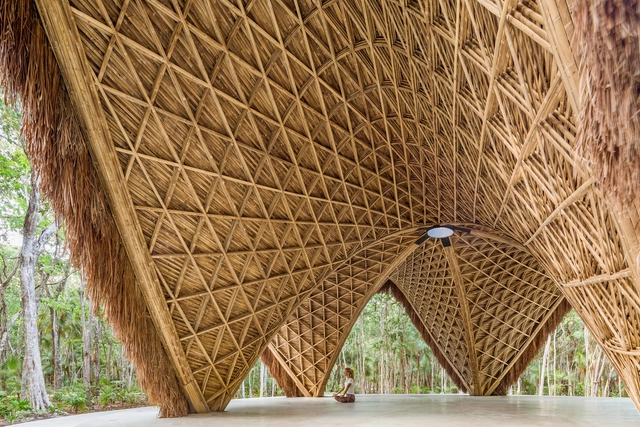
How many stories are hidden behind every line and every wall? Each project serves a purpose, and its creation leaves a lasting impression on the environment it inhabits. ArchDaily's AD Narratives series seeks to uncover the fascinating—and often unexpected—stories that breathe life into selected projects. Through in-depth research, the series delves into the unique details of the design and construction processes, exploring the cultural, social, and political contexts that have shaped each work.
2024 Retrospective: Uncovering the Stories Behind Iconic Projects - 1 的图像 42024 Retrospective: Uncovering the Stories Behind Iconic Projects - 2 的图像 42024 Retrospective: Uncovering the Stories Behind Iconic Projects - 3 的图像 42024 Retrospective: Uncovering the Stories Behind Iconic Projects - 4 的图像 42024 Retrospective: Uncovering the Stories Behind Iconic Projects - More Images+ 5