This guide covers a workflow that moves from project parameters to generated floor plans, 3D perspective views, exterior design exploration, and site context visualization, using AI tools in place of preliminary CAD and rendering work.
This guide covers a workflow that moves from project parameters to generated floor plans, 3D perspective views, exterior design exploration, and site context visualization, using AI tools in place of preliminary CAD and rendering work.
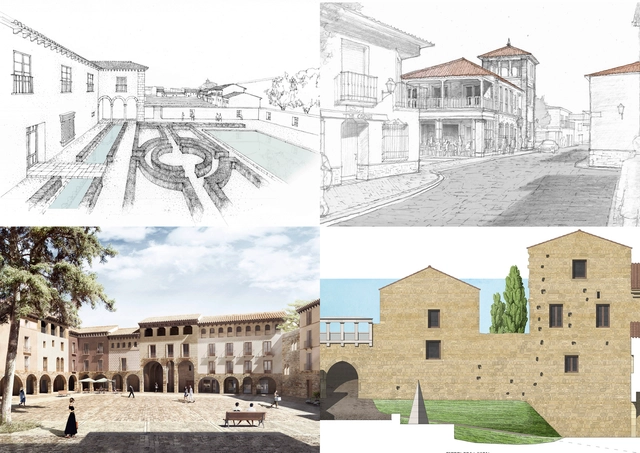
The Richard H. Driehaus Architecture Competition, which aims to promote architectural and urban design practices that preserve and provide continuity to local traditions, has announced the winning projects of the 2017-2018 edition.
Following an initial phase in which Spanish municipalities were invited to submit potential themes and sites, the jury selected Baza (Granada), Borox (Toledo), and Trujillo (Cáceres) as the towns that best met the criteria and were deemed most viable for subsequent implementation.
Exceptionally, and thanks to funding provided by the local city council, the competition for Jaca (Huesca) was reopened after being declared vacant last year when none of the proposals met the competition guidelines.
.jpg?1516371513&format=webp&width=640&height=580)
Spanish architect Fernando Menis designed a series of marine-inspired installations made from recycled objects and materials left behind by children and tourists at hotels in the coastal towns of La Oliva, a municipality in Fuerteventura, in Spain's Canary Islands.
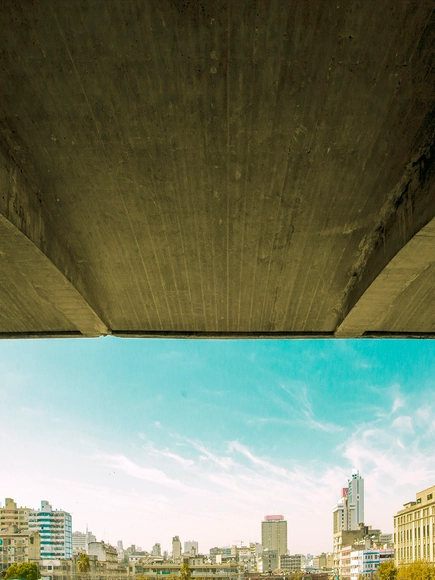
As part of International Habitat and Architect Week in Mozambique, the exhibition opened and the winners of the First Architecture Photography Competition - Perspectivas were announced on October 1 in Maputo, during the event A Cidade Desejada, organized by the Association of Architects of Mozambique - ARCHIMOZ.
Arquideas is a community of students and young professionals from the architecture and design world. Its main objective is to showcase the talent and creativity of these young designers and help bridge the gap between the academic and professional spheres of architecture and design.
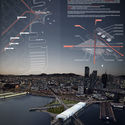
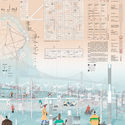
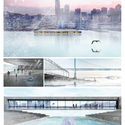
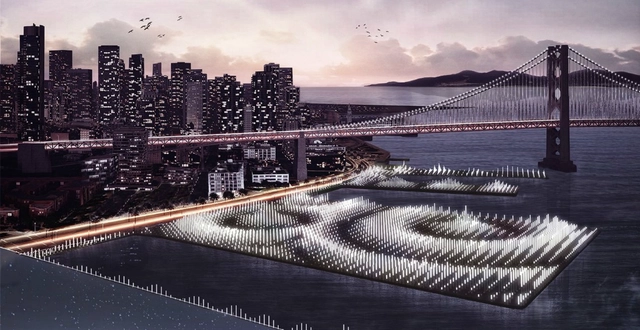
With this in mind, they once again launched a competition titled Bay Book House (BaBH) San Francisco, which challenged participants to propose a cultural exchange space to activate one or more of the abandoned piers in San Francisco's historic port.
Given its prime location, the proposed space was envisioned as a meeting point and an international benchmark for students, researchers, culture lovers, and the general public. It aims to offer outdoor reading, research, and technological innovation as key attractions for both residents and visitors. In a city already full of globally iconic landmarks, this new space must be designed to become San Francisco's new cultural landmark—the flagship of a vibrant, rapidly developing waterfront.

After 70 years of setbacks, the Bogotá Metro is finally beginning to take shape. Last September, it secured partial state funding for its construction, and in April, the 16 stations of the first line were presented. Consequently, building a new transit system for a city of 8 million people has sparked widespread debate, capturing the attention of residents who long for a project that would solve one of the major mobility crises currently facing the Colombian capital.
Darío Hidalgo, director of integrated transport at the WRI Ross Center for Sustainable Cities, and Carlos Carrillo, an industrial designer from the National University of Colombia, recently participated in the Observatorio de Gobierno Urbano program on UN Radio, where they compared the routes and costs of an elevated metro versus an underground one.
Around 19,000 architects and urban planners from Rio de Janeiro state now have access to a shared office space in downtown Rio de Janeiro. Featuring 20 workstations and two meeting rooms, the space allows professionals to work and host client meetings.
The Council's goal is to bring greater vitality to the use of its headquarters—located at Av. República do Chile, 230, 23rd floor—while strengthening ties with professionals and providing access to an infrastructure that architects and urban planners help maintain. By the end of this year, CAU/RJ expects to increase the number of available workstations and meeting rooms.
.jpg?1531429636&format=webp&width=640&height=580)
Over four days, the public space of Pontevedra, Spain, was transformed by urban interventions designed to foster imagination and play. This marked the inaugural edition of Experimenta Pontevedra, held from June 21 to 24, 2018, in the Spanish city.
Pontevedra, which received the UN-Habitat Award for its pedestrian-friendly urban model, has become a benchmark for many cities in recent years, having achieved a milestone where over 70% of urban trips are made on foot or by bicycle within a 15-year period. Accordingly, as the organizers explain, Experimenta Pontevedra is part of this urban development strategy. With the pedestrianization of the city center now fully established, the initiative seeks to foster public spaces that stimulate the imagination and playfulness of their users.

Sometimes, we cover projects so innovative and futuristic that they seem unlikely to ever leave the drawing board. Fortunately, we are occasionally proven wrong. This is the case with Ecocapsule, a micro-home that generates all the energy it needs and can be taken anywhere in the world, which has just made its international debut.
An initial run of 50 units has been launched for clients in the United States, Japan, Australia, and the European Union. From the outside, one would never guess that these tiny homes pack so many features: the exterior is covered in photovoltaic panels, equipped with a small wind turbine, and capable of collecting and filtering its own water.
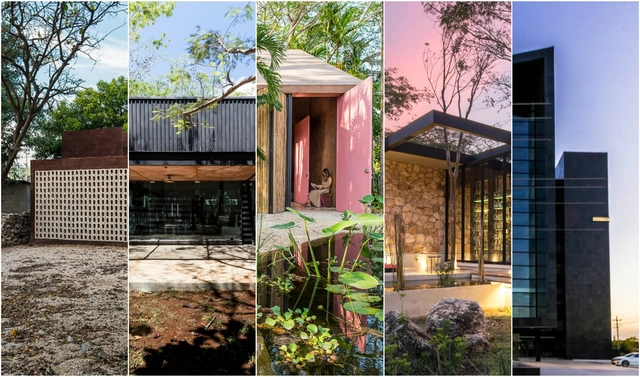
AS Arquitectura, Xavier Abreu Sacramento, Alejandra Abreu Sacramento, and Efraín Góngora
First Place in Category and Grand Prize of the XII Yucatecan Architecture Biennial 2018
Casa del Árbol

As the end of the year approaches, and after celebrating six years in Mexico, we would like to thank you all once again for making 2018 our best year yet. Thanks to your ongoing support and our close connection with our readers, we are now reaching many more architects worldwide to inspire them to create better urban environments for everyone.

Archademy is the world's first accelerator for architects and interior designers. Inspired by startup accelerators, it focuses on structuring small firms to boost professional performance in just a few months.
Much like a consultancy, Archademy offers a customized package for architecture and interior design firms, along with mentoring sessions and workshops. The accelerator also aims to build a professional network, thereby generating job opportunities and collaborations.
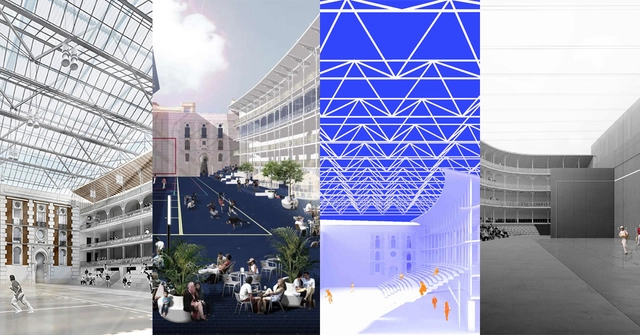
On Thursday, November 22, the jury convened by the Madrid City Council, in collaboration with the Colegio Oficial de Arquitectos de Madrid (COAM), announced the results of the rehabilitation project for the historic Beti-Jai Fronton in Madrid, Spain.
The competition opened for registration last June, receiving a total of 73 proposals for the intervention on the landmark building. The objective was to find the best proposal to reconcile the preservation of the building's heritage value—declared a Bien de Interés Cultural (Asset of Cultural Interest)—with the most appropriate technical solutions for its future use as a sports and cultural venue.
See the results below:
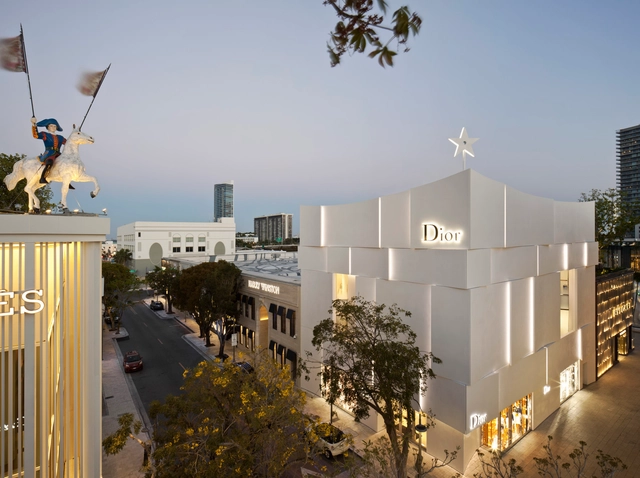
On Saturday, April 14, the continental award ceremony for the Prix Versailles will be held at Castillo Hidalgo in Santiago, Chile. The awards will honor the architecture and design of 24 completed retail, hotel, and restaurant projects across South America, Central America, the Caribbean, and North America.
Learn more about the event and past winners below.
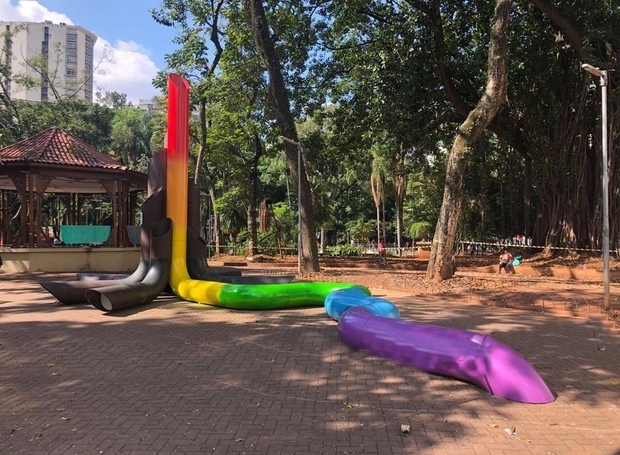
Meu Coração Bate Como o Seu, the sculpture designed by Guto Requena and built in downtown São Paulo at Praça da República in honor of the LGBT community, has had its wiring destroyed and its internal light bulbs stolen.
Conceived to celebrate 40 years of community activism in São Paulo, the act against his work is, for Requena, homophobic in nature: "The country is becoming too violent, so I have no doubt that the vandalism of my work was intended to target the LGBT community."
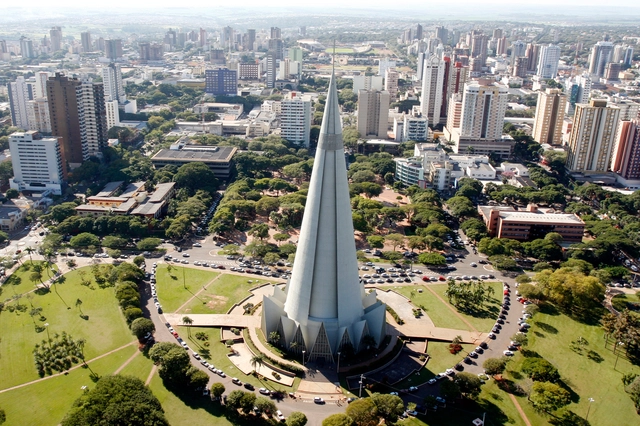
Municipal public buildings, licensed urban spaces, and private buildings of collective interest and use will be required to display the names of the authors of the architectural and/or urban design project, as well as the technical professional responsible for the construction. This is mandated by a bill recently approved by the Maringá City Council. The text now goes to the city's mayor, Ulisses Maia, for approval.

Description provided by the design team:
Ten pieces made of different materials challenge the laws of balance. Using the same typology at different scales, each composition in the Balance collection explores the equilibrium between technique, people, and the ideas that inspire us. Each piece was produced using various traditional crafts, artisanal techniques, and Mexican industrial technologies that Joel has explored at different points in his career.
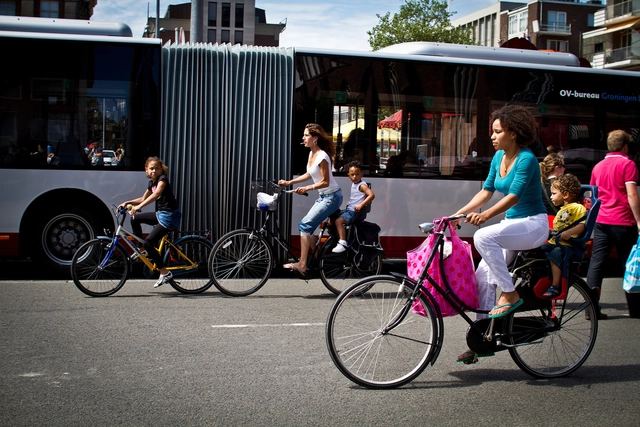
The city of Groningen, located in the north of the Netherlands, is an international benchmark for urban mobility. With just over 200,000 inhabitants, Groningen is considered the country's cycling capital—roughly 61% of all trips in the city are made by bicycle.
This shift in mindset dates back to the 1970s, when Dutch cities began to be dominated by cars and local realities were altered. The trend at the time was to redevelop older neighborhoods to make room for vehicles traveling to the center.

On Monday, April 16, Chilean architect María Isabel Tuca, a prominent academic and professional association leader, passed away in Santiago. In 2000, she became the second female president of the Chilean Association of Architects, following Eliana Caraball in the mid-1980s.
In an interview with the Chilean newspaper El Mercurio after taking office, Tuca recalled that despite the warnings of the nuns at her school ("that was a career only for men," they told her), she chose to study architecture at the University of Chile, graduating in 1965.

The reality of many Brazilian cities is so challenging that it would make many mayoral candidates hesitant to take on the task of public administration. With this in mind, and aiming to bring political and urban discussions to children and teenagers, the Brava Foundation, in partnership with the Wilson Center's Brazil Institute, developed Cidade em Jogo, a free app reminiscent of the famous game SimCity, yet featuring problems and challenges typical of Brazilian cities.
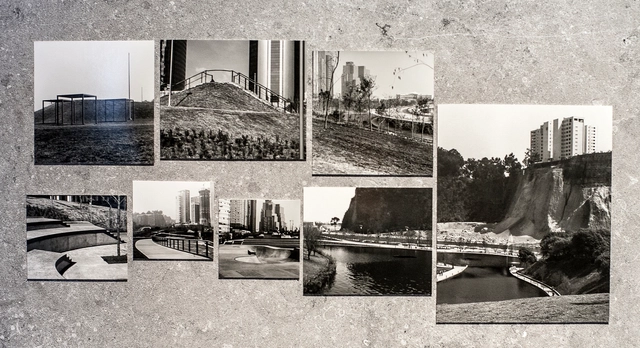
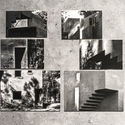
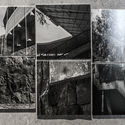
Lake Verea is composed of Francisca Rivero-Lake Cortina (Mexico City, 1973) and Carla Verea Hernández (Mexico City, 1978). They have worked as a duo since 2005. Their practice focuses on experimenting with photographic techniques and formats to achieve a personal and intimate perspective. They live and work in Mexico City and around the world. Their research interests center on the portraiture of architecture and the architecture of portraiture, the search for modern ruins, and the emotional interpretation of the spatial journey.
Their latest contribution is a series commissioned by Gabriela Etchegaray for the 16th International Architecture Exhibition of the Venice Biennale. Featured in the Mexican Pavilion, “Echoes of a Land,” they conceive architectural portraits through an intimate approach, using fragments to compose a narrative where the architectural subject is personally reinterpreted.
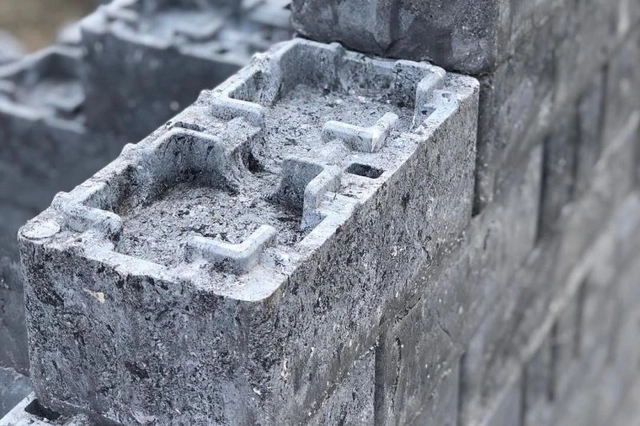
One of the most traditional festivals in Brazil's South region, Oktoberfest has launched a sustainability-focused initiative. In addition to serving thousands of liters of draft beer, the event's 2018 edition will support the environment by transforming plastic cups used during the 19-day festival into bricks and furniture for community gardens.
Dubbed "Oktober Consciente" (Conscious Oktoberfest), the initiative was created by the Instituto Gigantes da Ecologia (IGE), a non-profit civil association based in Blumenau, Santa Catarina. The project aims to raise awareness and promote environmental best practices among attendees of what is considered one of the largest German festivals in the world.

At the height of the railways in the mid-20th century, the state of São Paulo had around 500 railway stations. With the end of long-distance passenger train services during the 1980s and early 1990s, much of this heritage was abandoned, and those structures that escaped looting and vandalism eventually collapsed due to a lack of maintenance. Today, fewer than 50% of these stations remain standing, according to the Brazilian Association of Railway Preservation (ABPF).

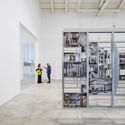
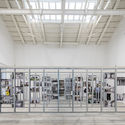
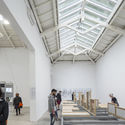
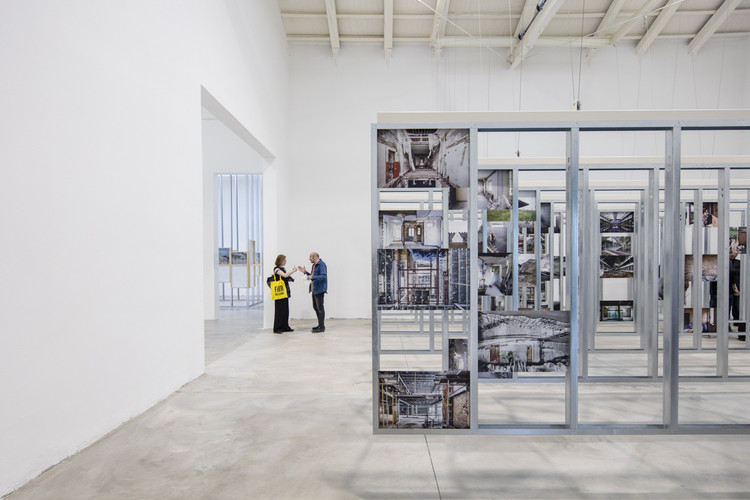
On February 10, the Akademie der Künste (Academy of Arts) in Berlin opened the Spanish photography exhibition UNFINISHED, which won the Golden Lion at the 2016 Venice Biennale.
Spain is one of the countries where the economic crisis has most severely affected architectural practice. Many publicly and privately funded buildings were under construction when the crisis hit, and a large number of them were left unfinished.
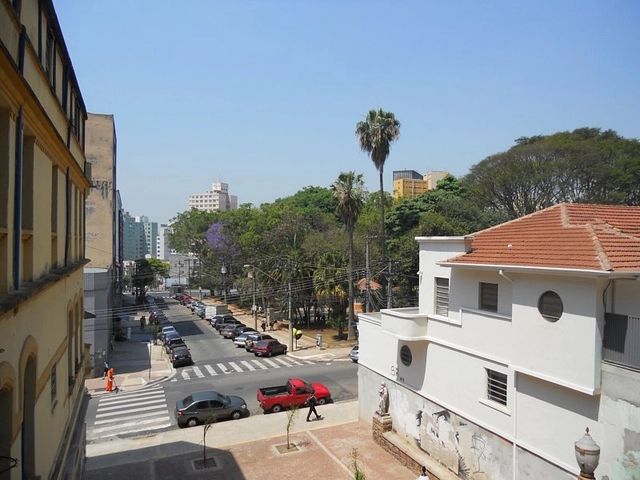
Bixiga, one of São Paulo's most traditional neighborhoods, has gained significant historical and tourist importance over the years, thanks to its cantinas, street festivals, and vibrant cultural scene. However, many of the neighborhood's other layers and histories are harder to discover and access. Recognizing these numerous attractions, heritage sites, and the overall complexity of the area, and believing in the importance of walking, the NGO SampaPé! has launched the "Bixiga a Pé!" map, which highlights Bixiga's diverse historical and cultural layers for those exploring the neighborhood on foot.