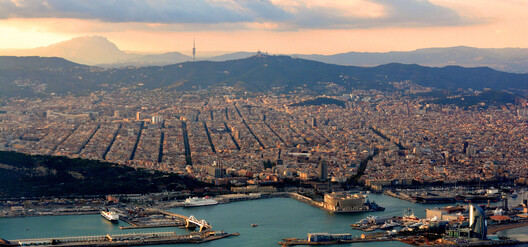
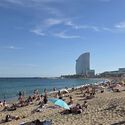
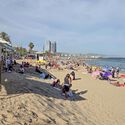
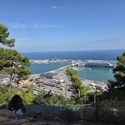
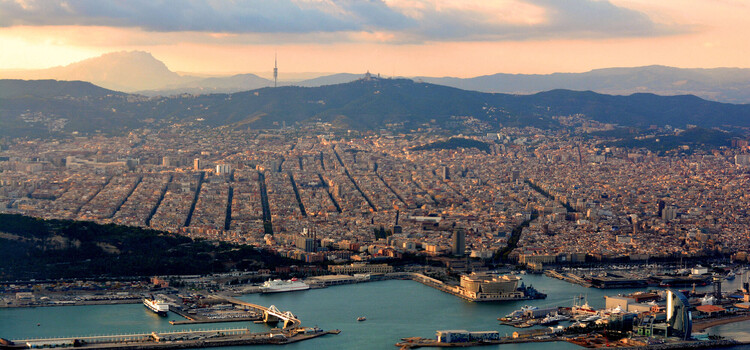
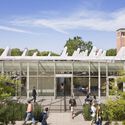
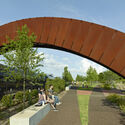
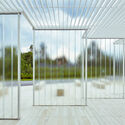
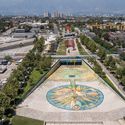
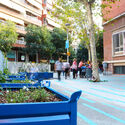
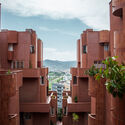
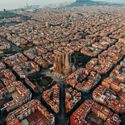
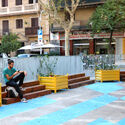
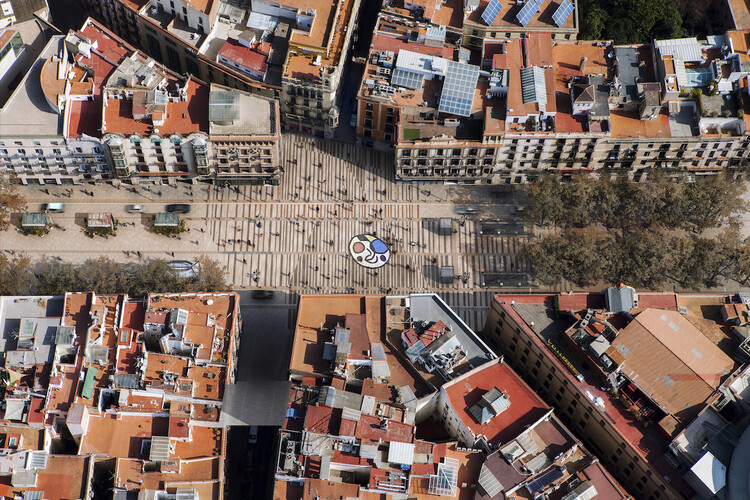
As one walks along the beachfront of Barcelona, the shoreline feels like it has always been there: sand, palm trees, a long promenade, restaurants, shops and modern hotels, when the reality is that it has not always been this way. Until the 1980s, Barcelona's seafront was a working barrier of railway lines, factories and informal housing, and wastewater ran straight into the Mediterranean. Starting in 1987, Barcelona has continuously created large promenades and passages between the city and the sea, creating an environment that today many might read as previously empty space, but is actually the result of decades of infrastructure and social complexity, along with a municipal effort to transform the city's territory and its relationship to the water. Following that transformation raises three questions that frame this article: who was displaced to open the waterfront, who governs it today, and who keeps it standing?
The buildings and construction sector accounts for around 39% of global CO₂ emissions and nearly 50 per cent of global material extraction. Operational carbon emissions which are associated with the energy consumed to run the buildings also rose by 1% to 9.9 billion tonnes of CO₂ in 2024, even as building energy use intensity (EUI) has improved. These figures point to persistent gaps in the way buildings are designed, constructed and upgraded. One important area for closing those gaps is the building envelope insulation, which remains central to controlling energy demand, improving thermal resilience and reducing carbon emissions.
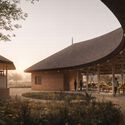
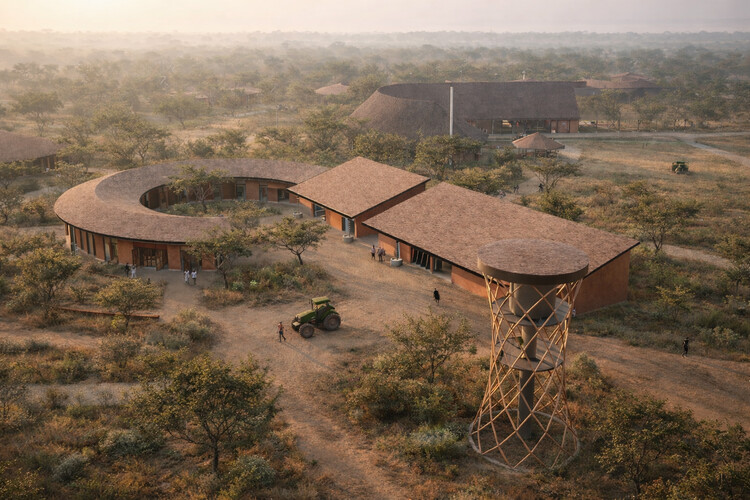
What do architects do? This age-old question reveals the perennial dichotomy between two aspects of building–how to construct, and why to build. Despite its ancient origins and its name deriving from Ancient Greek, the profession is one that has transformed over the centuries. Its present-day form, usually dated to the Italian Renaissance, makes a distinction between the act of building and the intellectual and aesthetic decision-making behind it. However, we may be in the midst of another nascent transformation. The commissioning of architecture has historically remained separate from the practice, but as can be seen in the work of MASS and projects like the Moving Windmills Innovation Center, this distinction is beginning to blur.
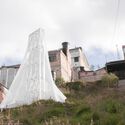
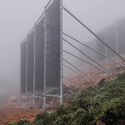
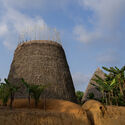
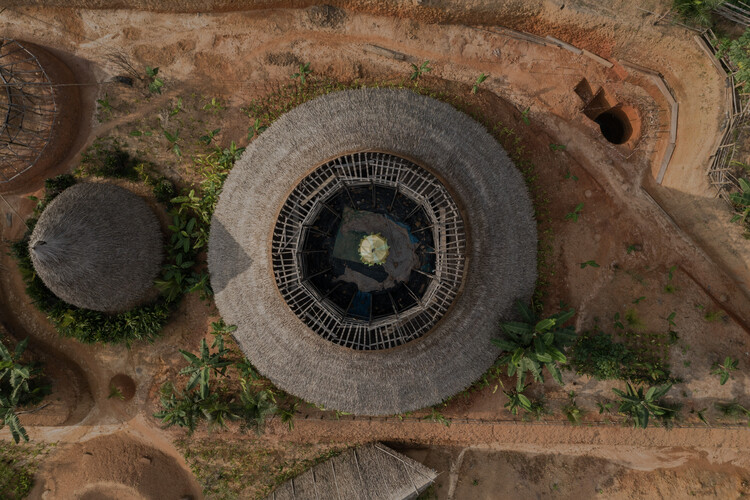
Where rivers, reservoirs, and rainfall can no longer be relied upon consistently, water is increasingly being sought in the atmosphere. Fog, atmospheric humidity, and condensation each offer different ways of collecting it. When architecture begins to collect water from the air, surfaces, structures, and open spaces become part of the water system.
According to UNICEF, Jordan's National Water Strategy estimates that each person has access to only about 61 cubic meters of renewable water per year, far below the 500 cubic meters commonly used as a threshold for absolute water scarcity. Around half of the population receives piped water only once a week, while groundwater is being extracted faster than many aquifers can naturally recharge.
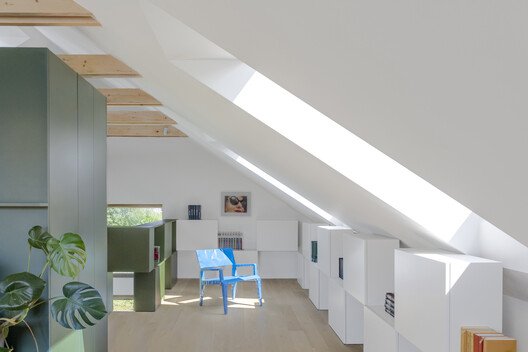
Architect: Tina Hočevar. Image Courtesy of VELUX Group
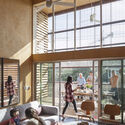
What happens to the space beneath a roof? In many houses, the answer is simple: it becomes an attic, a storage space, or a largely unused volume between the upper floor and the roof. Yet the same space can become a bedroom, home office, playroom, or additional living area if the roof and the room beneath it are considered together.
This potential matters in both existing buildings and residential architecture. Converting an attic can add usable space without extending the building's footprint, while designing a new house with a usable roof space in mind can make it more adaptable over time. The question is therefore not only how to convert an attic, but how to recognize the architectural potential of underused space created by a sloped roof.
An architecture degree provides the foundations of the discipline, but the transition into professional practice often extends well beyond the classroom. Building experience, developing a portfolio, and navigating the realities of architectural offices are challenges that many graduates face in their first years of practice.
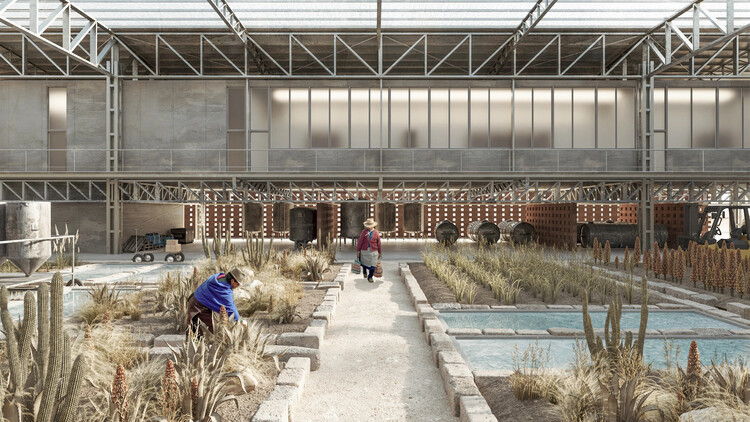
Regenerative Salt Landscapes, winning entry of the ArchDaily Student Project Awards 2026. Image via ArchDaily Student Project Awards
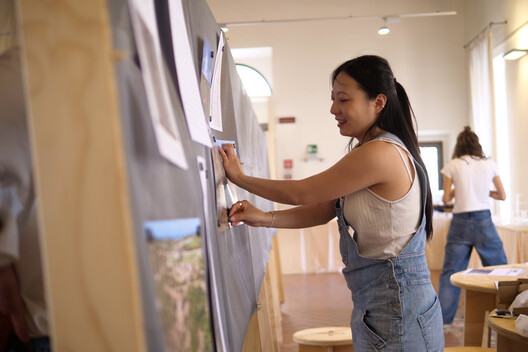
On paper, entering an architecture competition is one of the most challenging things an architecture student can do. What draws students to them is the chance to experiment, approaching a loosely defined program that leaves room to test unconventional ideas and unfamiliar tools outside the rhythm of the semester. That distance from assessment is a relatively recent development, as competitions were once central to architectural education.
At the École des Beaux-Arts, teaching was split between the atelier, where students developed projects under a practising architect, and the competition, where a jury of professors judged the students' work without having followed its development. This model was later brought to schools such as MIT, Penn, and Cornell by French-trained instructors. Over time, most schools held on to the atelier, which became the design studio, and pushed the competition to the edges of the curriculum.
Breidablikk Gården / Asplan Viak and Facade Cladding by SolarLab. Image Courtesy of SolarLab
Solar panels are often treated as equipment added to a building. What happens when they become part of the architecture itself? Once integrated into the envelope, photovoltaics can generate energy while also influencing the building's form, construction, and environmental performance.
Roofs are often the most obvious location for photovoltaic panels, yet other parts of the building can generate power while performing additional architectural functions. Facades can provide shading, louvers can control sunlight, and ventilated rainscreens can combine weather protection with energy generation. Their orientation, position, and integration into the building envelope therefore become part of the architectural design rather than a separate technical decision.
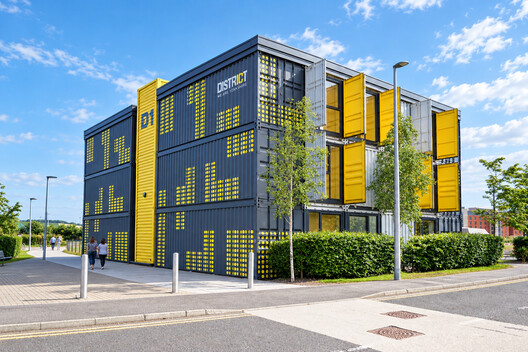
Using shipping containers as the basis for a structure—also known as "cargotecture"—seems like a simple approach to building. Perhaps deceptively so. While it's true that containers are a quick, cost-effective, and often low-effort building material, and that they're durable and customizable, container conversions also bring their challenges. Without careful planning, the build process can be painful and the results underwhelming.
To understand whether containers are the right choice for a construction project, it's important to look past their industrial allure to the realities and constraints of steel boxes as a building material.
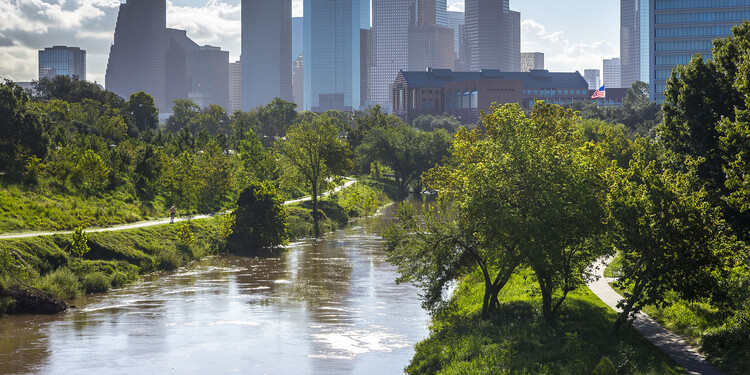
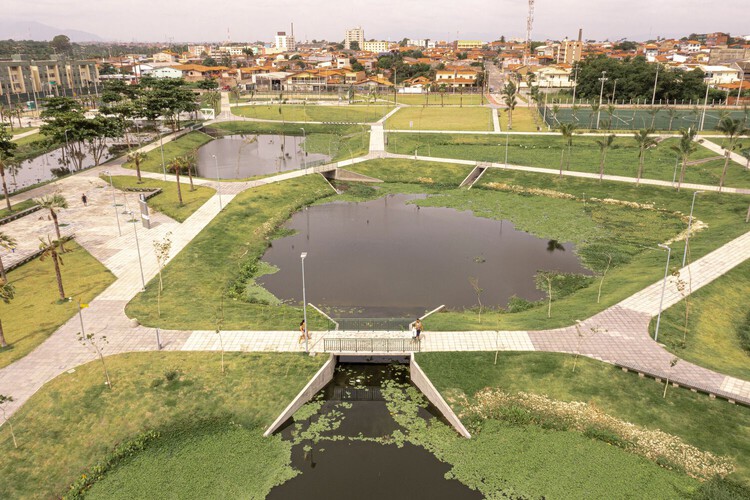
Walk along a river in almost any Latin American city and you will find stretches that have been straightened, lined with concrete, buried beneath roads, or pushed behind industrial areas and residential neighborhoods. Throughout the twentieth century, urban expansion gradually occupied riverbanks and former floodplains, while waterways were redirected or confined within infrastructure intended to control them. Yet the water continued to return. For decades, flooding has been the most frequent natural disaster in Latin America and the Caribbean, according to the Inter-American Development Bank.
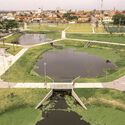
Some cities have begun to reconsider what happens along these edges. Across Chile, Mexico, and Brazil, parks are being developed within riverbeds, drainage channels, and other territories exposed to flooding. These spaces accommodate water during heavy rainfall while providing areas for recreation, circulation, and gathering throughout much of the year. Their design also changes how surrounding neighborhoods access territories previously associated with flooding, pollution, or limited public use.
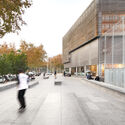
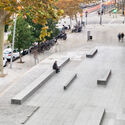
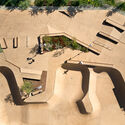
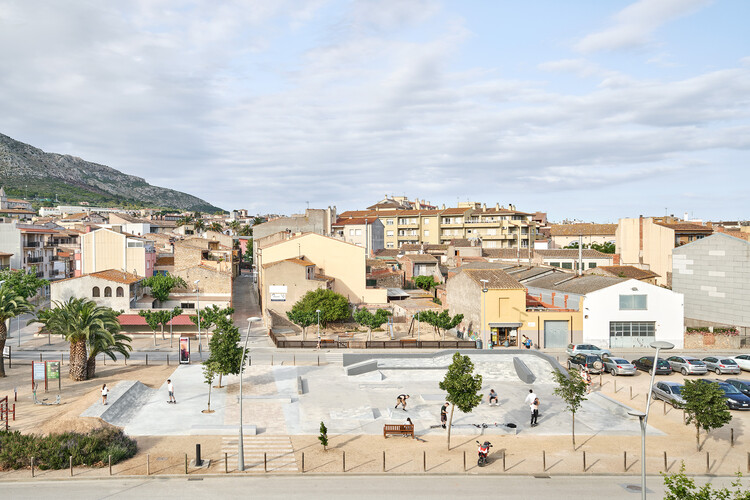
Created by California surfers who wanted to bring the lines of surfing onto asphalt, skateboarding soon outgrew its role as a simple alternative for flat days. It established itself as a practice that reads the city through a different logic, reinterpreting steps, handrails, walls, and interstitial spaces as possible lines, challenges, and opportunities. Over time, it evolved into a global urban culture, a way of inhabiting and transforming public space through movement. What was once marginal has become a catalyst for community building and new uses for overlooked spaces. At its core, skateboarding reveals how many cities coexist within the same city, depending on who moves through them and how each person is able to reinterpret their surroundings.
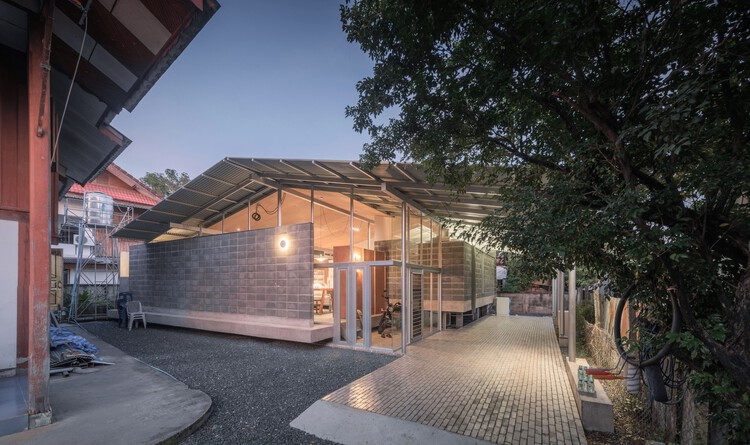
Laab Is More / Sifah Studio. Thailand. Image Courtesy of NS BlueScope
While architecture often responds to a specific program of uses, taking into account areas, contexts, and various economic and technical conditions, buildings rarely remain the same throughout their lifespan. Programs, spatial dynamics, and users' needs change, as do environmental, economic, and technological conditions, requiring interventions that were likely not anticipated at the beginning of a project. Steel structures make it possible to envision architecture capable of growing, transforming, being disassembled, and reassembled. Their dimensional precision, industrialized components, and potential for mechanical connections enable the design of open systems prepared for future interventions.
Mexico City. Image by Eduardo Enriquez, via Unsplash
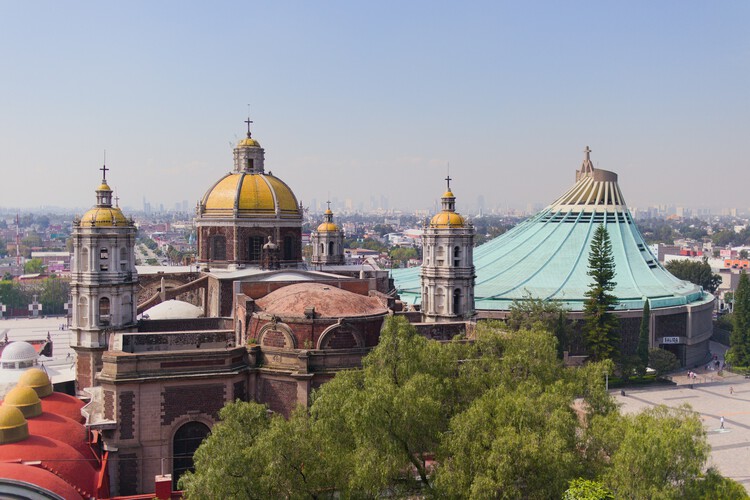
Mexico City is a sprawling metropolis of layered temporalities, where architecture operates as a continuous negotiation between deep-seated history and intense urban mutation. Built over the aquatic traces of Tenochtitlan, the city's fabric is an ongoing dialogue between eras: the monumental scale of the Pre-Hispanic Templo Mayor and the Viceroyalty architecture of the Catedral Metropolitana coexist with the modern and contemporary impulses that define its skyline. This dense juxtaposition creates a unique urban canvas where sacred geography, colonial imposition, and 20th-century ambition intersect.
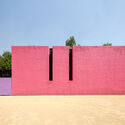
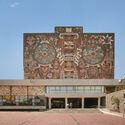
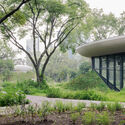
The mid-century marked a definitive era of experimentation, forging a Mexican Modernism that masterfully synthesized international structural rationalism with local identity and materiality. This synthesis is epitomized by the sweeping, plastic integration of art and architecture at the Ciudad Universitaria, the structural poetry of Félix Candela's hyper-parabolic shells, and the raw, monumental brutalism of Teodoro González de León and Abraham Zabludovsky. Parallel to this, the intimate, introspective mastery of Luis Barragán and Juan O'Gorman redefined domestic space, experimenting with light, vernacular color, and tectonic honesty to create spaces of profound spatial stillness.
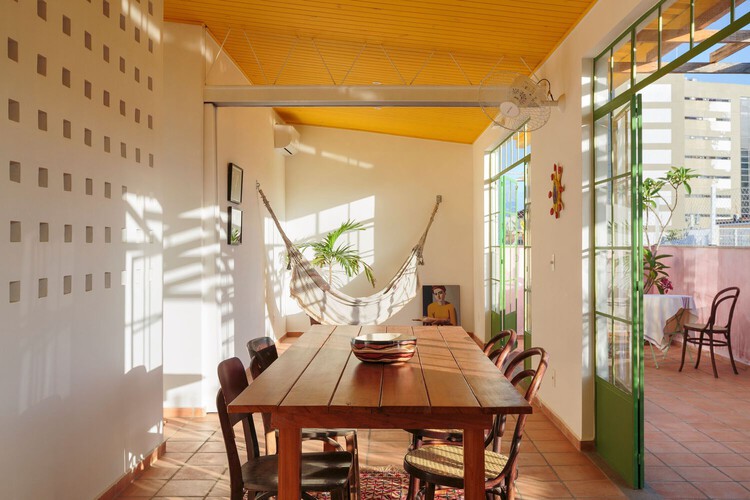
A color has a biography. A color can have an origin, but it can also transform. It can move between materials and disciplines, from a local practice into architecture, from something ordinary into something symbolic. It can lose one association and acquire another, or persist without anyone consciously thinking of it as cultural. Its life unfolds through the conditions in which it is produced, used, repeated, and inhabited. As these conditions change, so do the meanings a color can carry.
The interior is a place where these histories converge. A color inside a room can carry traces of a territory, a material practice, a climate or a history of inhabitation. Its presence does not necessarily depend on an intention to represent any of these things.
Color can become part of a place through the continuity of materials and ways of living, acquiring significance beyond the surface on which it appears.
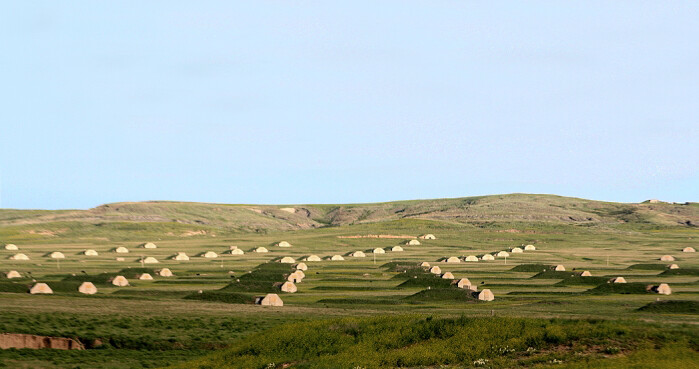
Vivos xPoint, USA. Image by VigilanteScout, CC BY-SA 4.0, via Wikimedia Commons
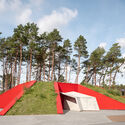
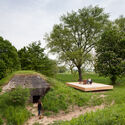
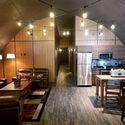
Inverting the conventional narrative, this story begins at the end. The day after the world's collapse. While almost the entire population struggles to survive flames and solar storms, a tiny fraction is greeted by a heavily armed guard at the entrance to the Survival Condo Project, a former missile silo in Kansas converted a few years ago into luxury apartments.
Forget, then, the hermit who stockpiles canned food in his basement or the end-times prophet. In recent years, survivalism has expanded into wealthier circles, taking root in Silicon Valley among technology executives and hedge fund managers. What could once be seen merely as an eccentricity has also become a way of thinking about the future and, for some, an investment.
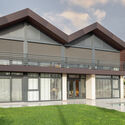
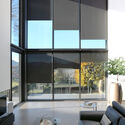
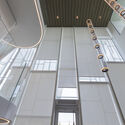
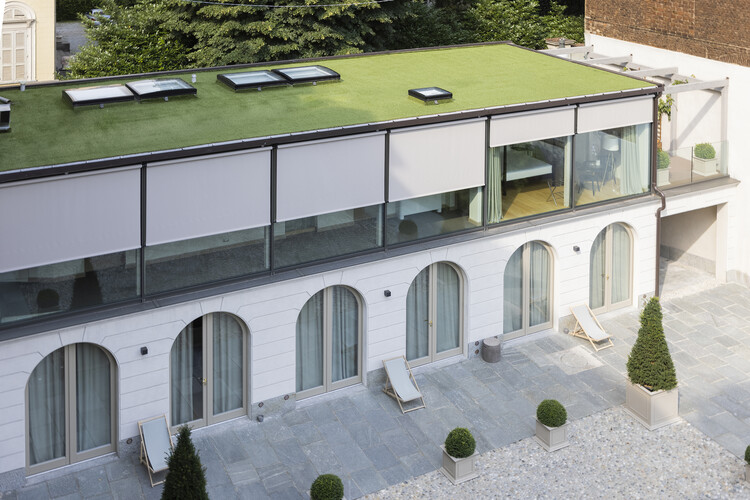
Heat waves are becoming more and more frequent worldwide, prompting architects to reconsider how building envelopes are conceived and designed. The focus is no longer solely on limiting heat loss during the colder months, but also on controlling how much heat enters buildings during periods of intense solar radiation. By understanding solar shading as a design decision rather than a decorative or interior-conditioning element, it becomes part of passive energy-efficiency strategies that can contribute to thermal and visual comfort while reducing cooling demand.
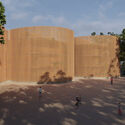
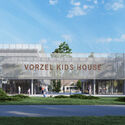
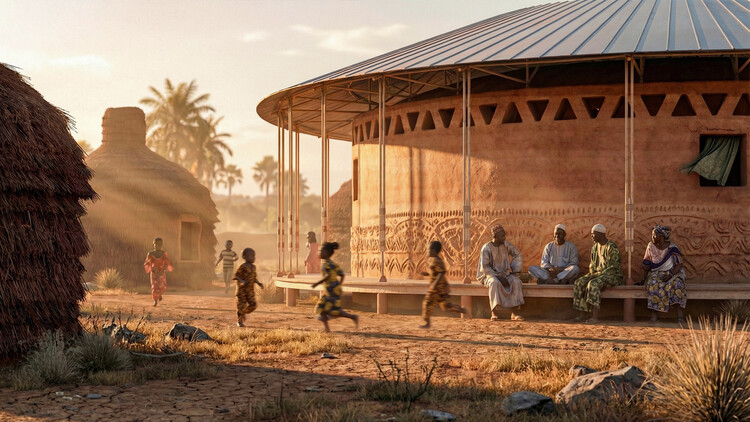
As cities change, so do our expectations of them. People are asking for more caring spaces: public places open to all ages and genders, nature within reach of every social class, and settings that foster connection. Few design intentions hold these together as well as spaces for children. This selection of unbuilt projects submitted by ArchDaily readers showcases different approaches to care-based architecture. Schools, daycare centers, a library, a youth center, and a new model for orphanages take on the mission of providing a safe and stimulating environment for children at every stage of their development. Not yet built but carefully designed, these proposals offer a glimpse into spaces for play, learning, and calm that fuel creativity in design for people of all ages.
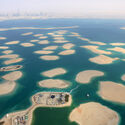
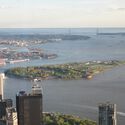
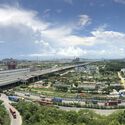
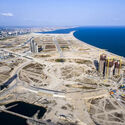
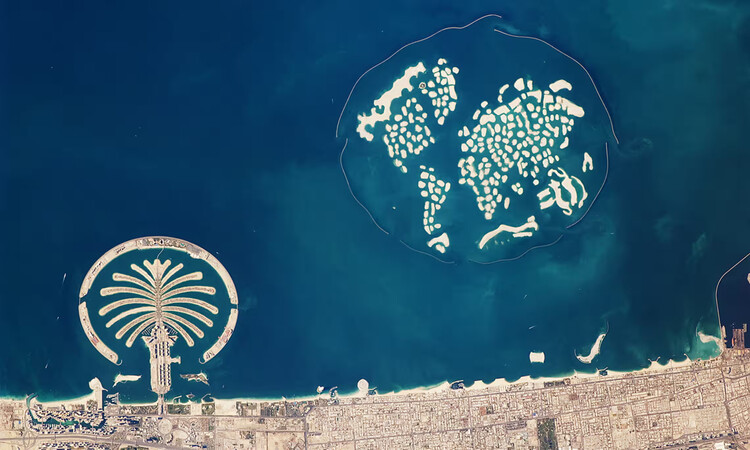
Reclaimed land is often presented as new ground: flat, available, and ready for architecture. It promises cities more space where space is scarce, allowing them to extend waterfronts and build cultural districts. Sometimes, these newly claimed lands may also develop into financial centers, create parks, and imagine futures beyond the limits of existing land. Yet reclaimed land is never simply land. It is an engineered surface, produced through fill, seawalls, drainage, and soil stabilization — a long-term negotiation with the water it claims to have displaced.
This makes reclamation one of architecture's most powerful and ambiguous spatial fantasies. On one hand, it offers freedom: a tabula rasa where streets and buildings can be planned almost from scratch. On the other, this apparent freedom conceals dependency. Made land must constantly prove itself as ground. It has to resist flooding, support foundations, grow trees, and hold public life above a terrain that did not previously exist.
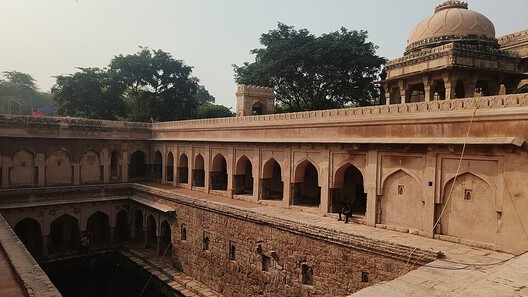
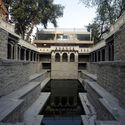
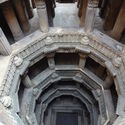
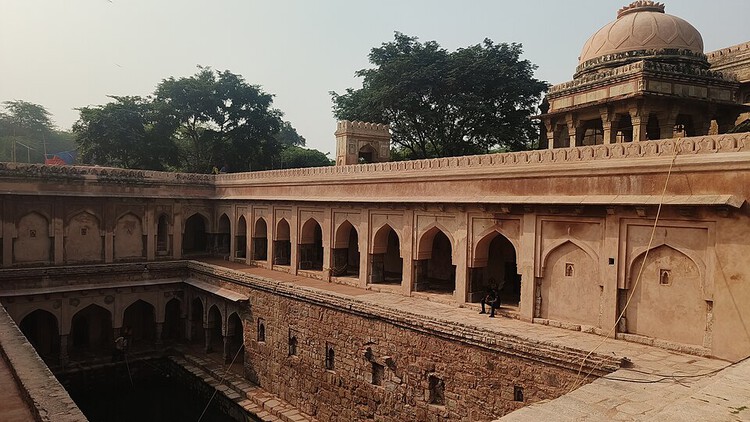
Traditional water architecture was rarely an isolated object. In Ahmedabad, water management was embedded in the organization of the city. Within the historic pols, wells, courtyards and underground Tankas formed part of a distributed system of domestic and communal water storage. A 2026 study in Built Heritage estimates that nearly 10,000 Tankas may still exist across Ahmedabad, many located beneath domestic courtyards.
Beijing Taikang Yanyuan Health & Wellness Center. Image Courtesy of Serge Ferrari
In the story of the Three Little Pigs, the choice of material determines the fate of each house. The wolf's breath brings down the structures made of straw and wood, while the brick house remains standing. The moral is that the more solid the construction, the greater its ability to resist. A building, however, has to respond to much less straightforward questions. Remaining standing is still essential, but heat, light, air, and sound are not forces that necessarily need to be blocked. Sometimes sunlight needs to be kept out; at other times, daylight needs to be let in. Retaining heat may be desirable in winter and counterproductive in summer. Air needs to circulate, sound may need to be absorbed, and the conditions that determine these responses change throughout the day, across seasons, and over the life of the building itself. More material does not necessarily mean better performance. In some cases, it can simply add complexity without improving how the building responds.
Design House. Image Cortesía de Design Week Mexico
Through October 11, 2026, Mexico City once again becomes a global epicenter of innovation and creative excellence with the opening of Design Week Mexico 2026 (#DWM26). This edition adopts a broader and more diverse curatorial vision, inviting both the public and design professionals to reflect on the discipline from global, fluid, and inclusive perspectives that transcend traditional approaches.