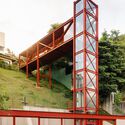
.jpg?1600717329 "© Dentro Fotografia")
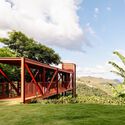
.jpg?1600715760 "© Dentro Fotografia")
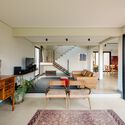
.jpg?1600715785 "© Dentro Fotografia")
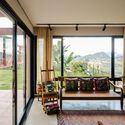
.jpg?1600717129 "© Dentro Fotografia")

-
Architects: Pedro Haruf
- Area: 430 ft²
- Year: 2020
-
Manufacturers: Atlas Concorde, Franke
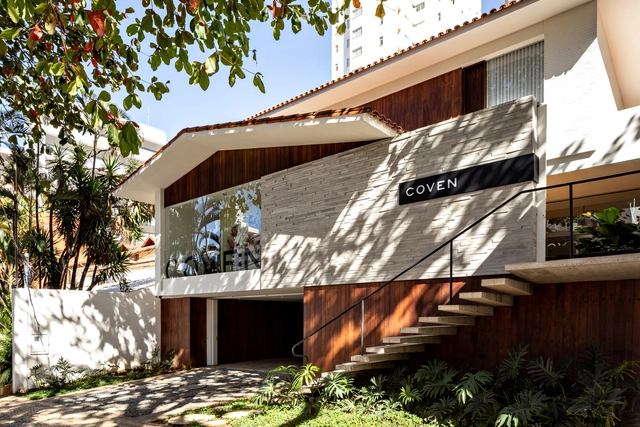

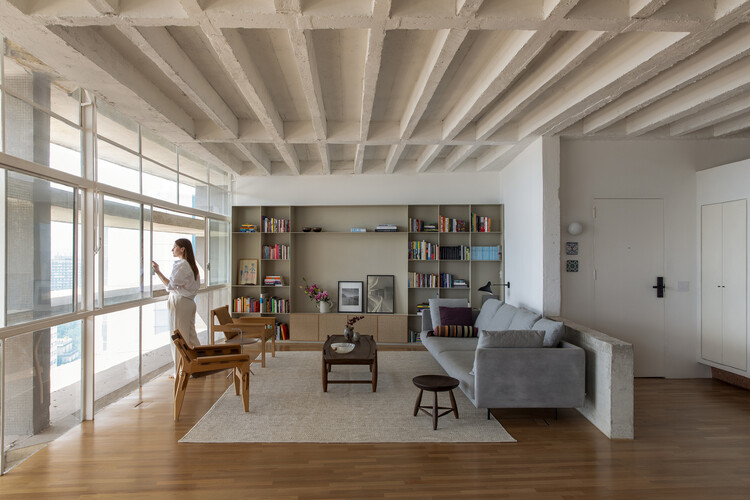
Living in residences designed by renowned modern architects is a dream sought after by many. Projects that have become iconic are major attractions for new residents who value both the authorial signature and history of the building, as well as the innovative architectural solutions that have contributed to the prominence of such projects.
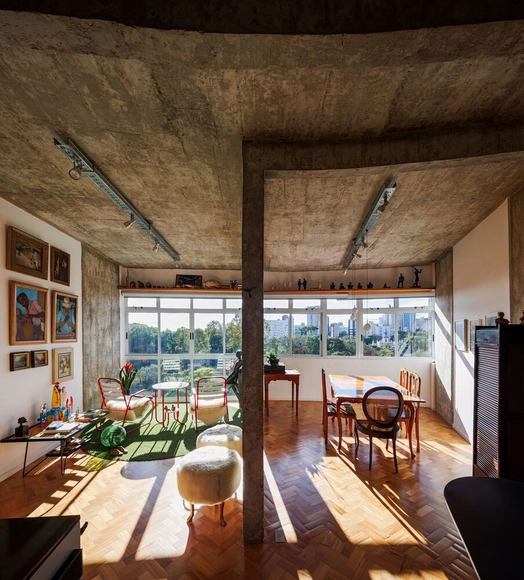
As for the work of Oscar Niemeyer, fluidity and flexibility may best express his plans and typologies. These features provide great potential for the architects working on renovations within these buildings. São Paulo’s Copan Building is a prime example: its 1160 units, spread over six blocks, vary from 25m² studio apartments to larger units of over 150m². Niemeyer’s extensive portfolio includes other residential landmarks in São Paulo — like the Montreal, California, and Eiffel buildings — plus others in Belo Horizonte and Brasília, even reaching as far as Berlin with the Interbau Apartment House.
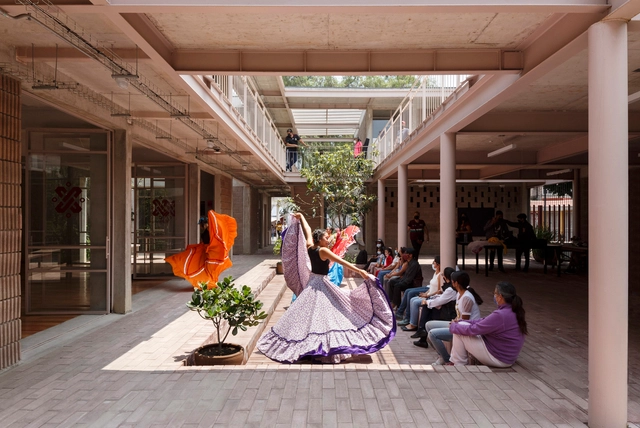
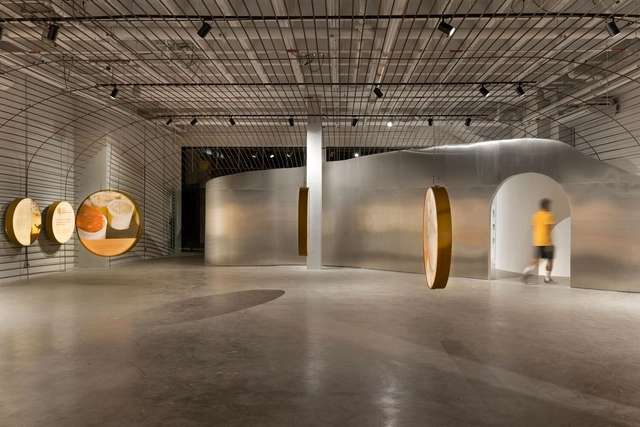
The cultural center is an architectural typology that has fascinated architects and urban planners for decades. Whether due to its multifaceted program, its often emblematic scale, or its potential to transform the urban context in which it is inserted, it is a building type that carries strong symbolic and conceptual value. The wide circulation of international references—many designed by renowned architects—reinforces the aura of prestige associated with this program, frequently seen as a privileged ground for formal and conceptual experimentation. Not by chance, cultural center designs are among the most recurring themes in competitions, exhibitions, and academic studios.
Yet behind this contemporary fascination lies a complex history in which the notion of space dedicated to culture has been redefined over time, gradually taking the form we recognize today. This ongoing evolution invites us to reflect not only on the historical path of these spaces but also on the possibilities that will shape their future.
.jpg?1632159674&format=webp&width=640&height=580)
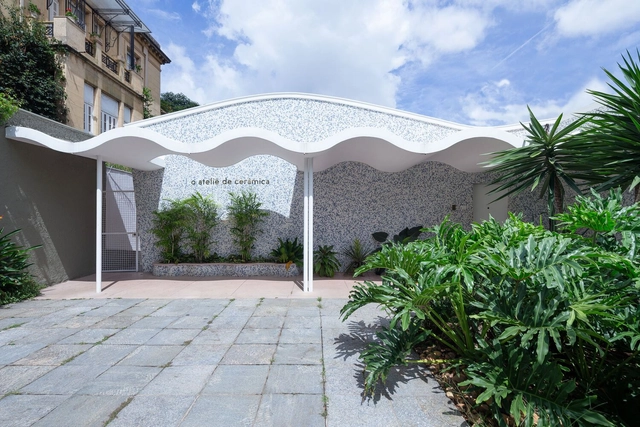
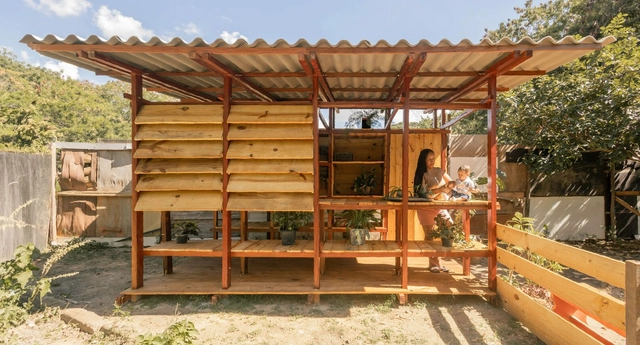
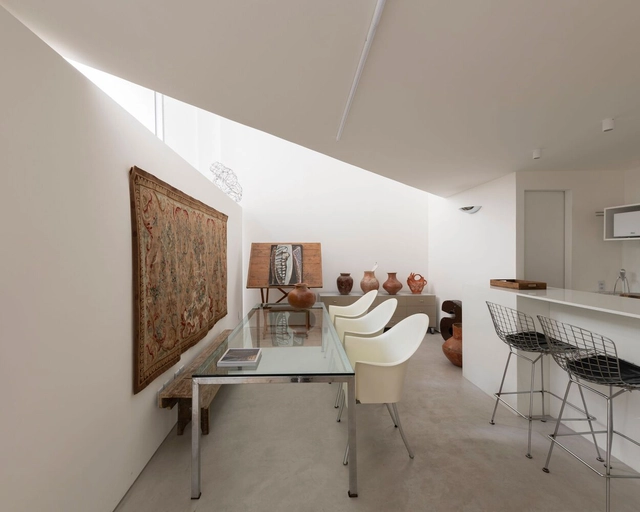

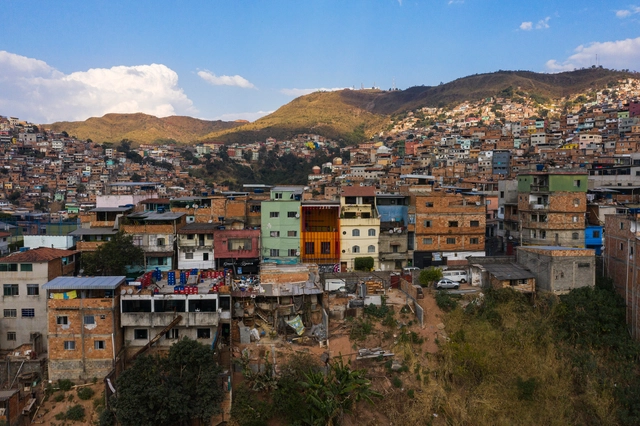
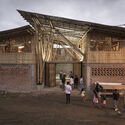
Centered on the development of architectural projects in favelas and peripheries, the work of Coletivo LEVANTE showcases a deep sensitivity to the unique characteristics and nuances of these environments. According to the group, "the recognition of what already exists and is attributed with values lived and earned by the favela residents — landscapes, constructions, identities, and relationships" is what they seek as the raw material for their projects. This approach is evident in projects such as Centro Cultural Lá da Favelinha and House in Pomar do Cafezal, winner of the 2023 Building of the Year Award by ArchDaily.
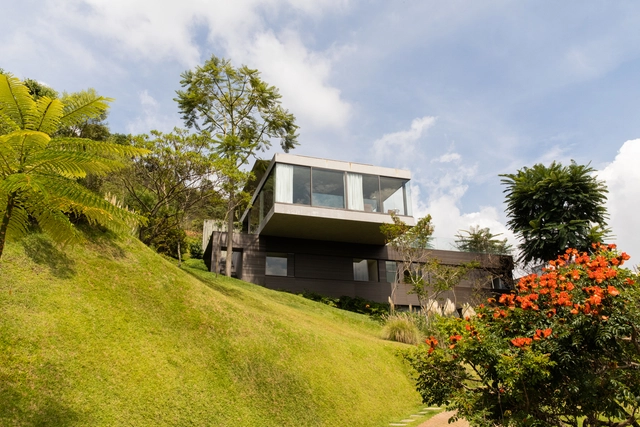
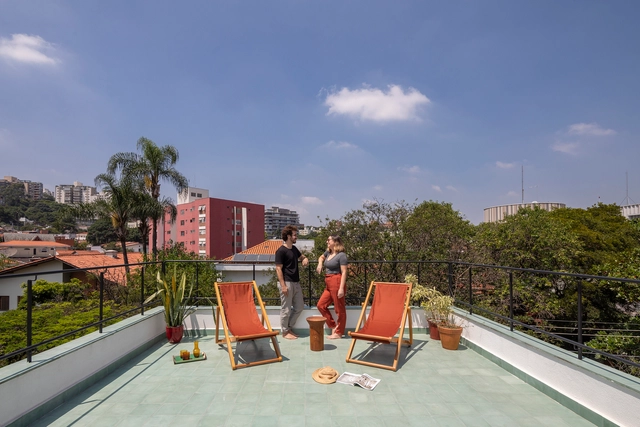
The tradition of modern architecture confirms that building roofs are usable spaces as significant as indoor areas. After all, the garden terrace is one of the five points of new architecture, according to Le Corbusier. Although he popularized the concept, the use of rooftops dates back even earlier, encompassing various roles across time, from lookouts for ancestral astronomical studies to more contemporary cultivation areas, passing through the bureaucratic accommodation of electrical and sanitary installations. By offering open space and direct sky access, building roofs have evolved. In dense urban landscapes, converting this space into a leisure area is a logical choice.




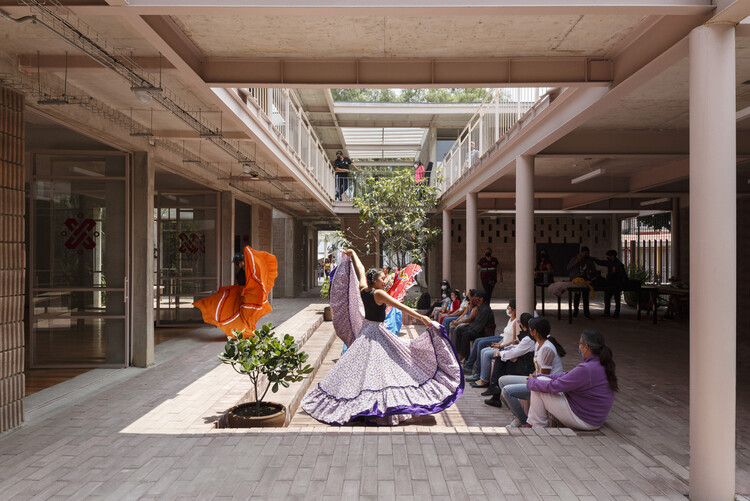
.jpg?1632159717 "© Dentro Fotografia")
.jpg?1632159931 "© Dentro Fotografia")
.jpg?1632160014 "© Dentro Fotografia")
.jpg?1632159725 "© Dentro Fotografia")
.jpg?1632159674)